


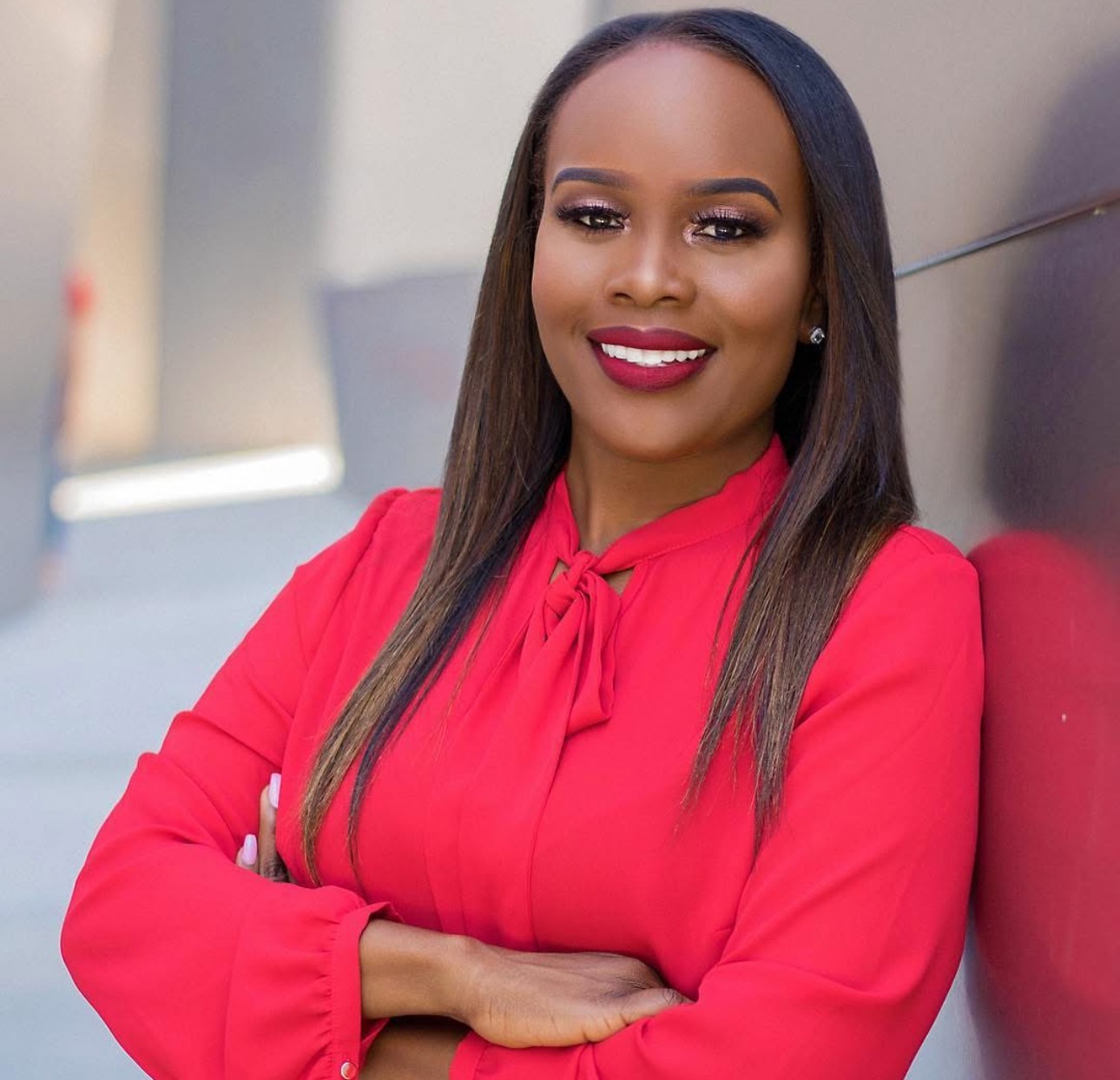
Today we’d like to introduce you to Doreece Taylor.
Hi Doreece, so excited to have you on the platform. So before we get into questions about your work-life, maybe you can bring our readers up to speed on your story and how you got to where you are today?
My path into behavioral work was shaped by years of experience in home, clinical, educational and community-based settings, where I worked closely with children, families, and care teams. Early in my career, I became interested in how systems, structure, and staff support, or the lack of them directly influenced behavior and outcomes.
As I advanced my career as a Board Certified Behavior Analyst, I began to notice a recurring pattern: even well-designed behavior plans often fell short when trauma, stress, and environmental factors weren’t fully considered. Around that time, I also began reflecting more deeply on my own lived experiences with trauma, which led me to explore trauma-informed practices more intentionally in my work.
That shift significantly changed how I approached behavior support. Rather than focusing only on behavior reduction, I became more invested in helping organizations build environments rooted in safety, consistency, and dignity for both the individuals they serve and the staff supporting them.
This evolution led me to start Taylored Behavioral Solutions, LLC where I now focus on training, consulting, and program development for schools, residential facilities, and organizations. My work centers on translating evidence-based strategies into practical, trauma-informed tools that teams can realistically implement in real-world settings.
Today, I’m passionate about helping organizations move away from reactive models and toward intentional, supportive systems. When behavioral science and trauma awareness work together, the result is stronger teams, safer environments, and more sustainable outcomes.
We all face challenges, but looking back would you describe it as a relatively smooth road?
It definitely hasn’t been a smooth road. One of the biggest challenges has been navigating the way applied behavior analysis is commonly misunderstood. Many people still associate ABA solely with autism services, which makes it difficult for decision-makers to see how behavior science applies across schools, organizations, leadership, and trauma-informed systems. A large part of my work has involved educating stakeholders on what a Board Certified Behavior Analyst actually does, and more importantly, what the science of behavior can offer beyond a single population. When behavior is viewed through a trauma-informed lens, it becomes clear that these strategies are not about control or compliance, but about understanding context, safety, and skill-building. Another challenge has been helping organizations recognize the need for proactive training and systems before a crisis occurs. Behavioral support is often sought reactively, rather than as a preventative investment. Shifting that mindset takes time, trust, and relationship-building. Despite these challenges, the process has been rewarding. Each conversation, training, and collaboration helps broaden the understanding of behavior science and opens the door for more supportive, trauma-informed approaches in spaces that truly need them.
Thanks for sharing that. So, maybe next you can tell us a bit more about your business?
Taylored Behavioral Solutions is a behavioral consulting and training practice that helps schools, residential facilities, and organizations build effective, trauma-informed systems to support both the individuals they serve and the teams doing the work. We specialize in translating behavior science into practical, real-world strategies that can be implemented consistently, not just understood theoretically.
Our work focuses on staff training, behavior support planning, program development, and systems-level consultation. While our foundation is rooted in applied behavior analysis, we intentionally move beyond traditional clinical models. We approach behavior through a trauma-informed, systems-based lens, recognizing that behavior is shaped by environment, history, and support, not just individual choice.
What sets us apart is our emphasis on sustainability and dignity. We design tools, trainings, and systems that are realistic for everyday settings, reduce burnout, and prioritize psychological safety. Rather than offering one-size-fits-all solutions, we tailor our work to the specific needs of each organization and the people within it.
Brand-wise, I’m most proud of our commitment to accessibility and clarity. Behavior science can feel intimidating or overly technical, and our brand is built around making it approachable, respectful, and usable. Everything we create—from trainings to resources—is designed to empower teams, not overwhelm them.
What I want readers to know is that Taylored Behavioral Solutions exists to bridge gaps: between theory and practice, prevention and response, and behavioral science and trauma-informed care. Our goal is to help organizations move from reactive approaches to intentional systems that lead to safer environments, stronger teams, and better outcomes across the board.
What were you like growing up?
I was a very shy, quiet kid growing up, and I was raised by my grandmother, who played a huge role in shaping who I am today. We didn’t have much financially ( I grew up on welfare), but we had togetherness. Those early experiences shaped how observant and self-directed I became at a young age. School mattered a lot to me early on. I was a straight-A student and saw learning as a way to build a better future for myself and for my grandmother. I spent a lot of time reading and going to the library with her, and that love of books and learning stayed with me well into adulthood.
At home, I enjoyed all the simple things that felt comforting and familiar. I loved playing with Barbies and turning shoeboxes into Barbie cars, creating entire little worlds from whatever we had on hand. My grandmother and I also spent time playing board games together, which became some of my favorite memories and taught me patience, strategy, and connection in ways I didn’t fully appreciate until much later. I loved watching cartoons, music videos, daytime talk shows like Ricki Lake and Jenny Jones when I was home sick or on school breaks, and sitcoms like Martin, Family Matters, Fresh Prince, Living Single, In Living Color, and Full House. Those shows were such a big part of my childhood and still feel nostalgic to think about.
Looking back, I think being observant, thoughtful, and a bit introverted helped me develop a deep appreciation for how environments shape people. Growing up taught me the value of stability, support, and feeling seen, things that continue to influence both who I am and the work I do today.
Contact Info:
- Website: https://www.tayloredbehavioralsolutions.com
- Instagram: https://www.instagram.com/taylored_behavioral_solutions
- Facebook: https://www.facebook.com/doreece.taylor
- LinkedIn: https://www.linkedin.com/company/taylored-behavioral-solutions
- Email: info@tayloredbehavioralsolutions.com