



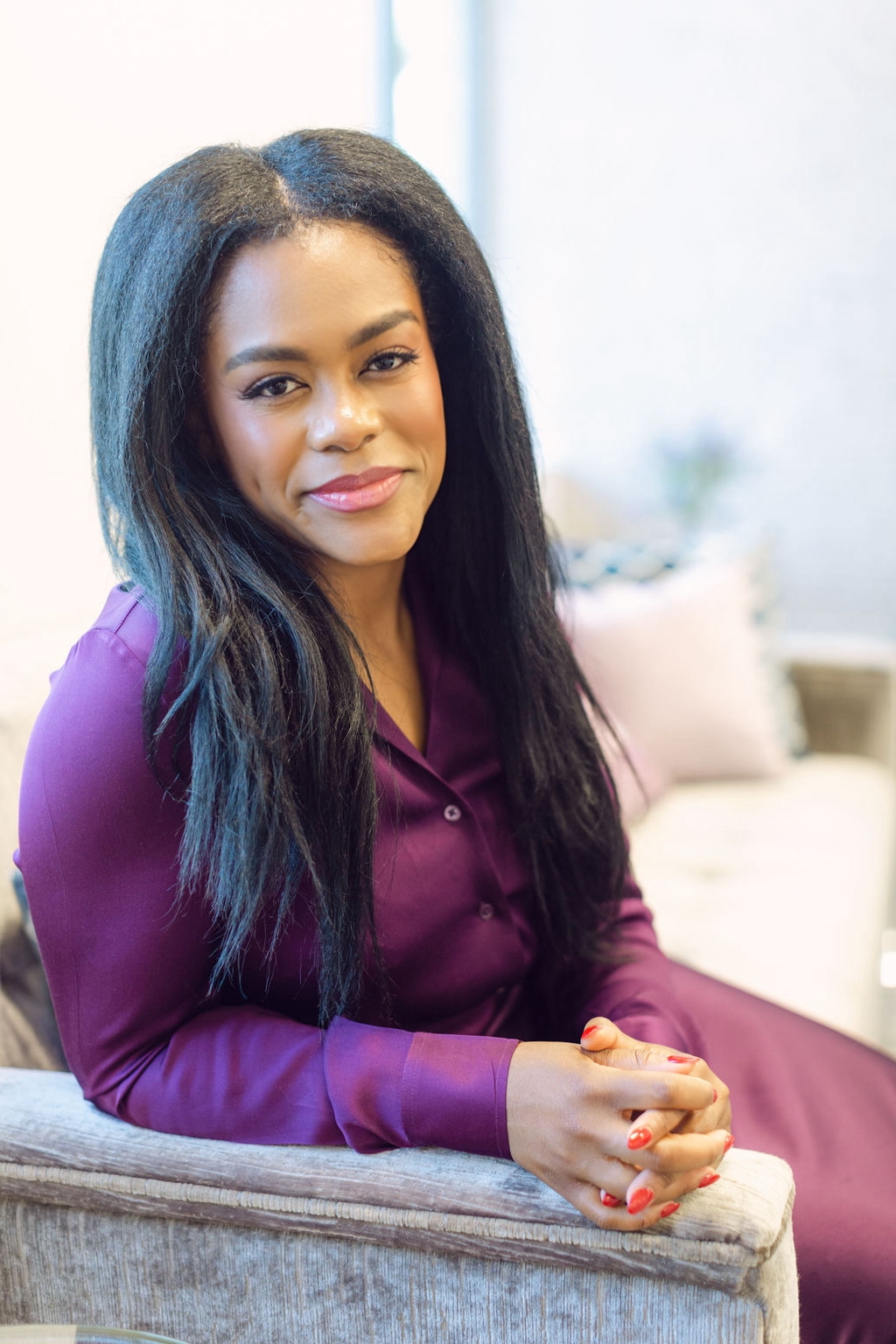
Today we’d like to introduce you to Dr. Lauren Williams.
Hi Dr. Lauren, please kick things off for us with an introduction to yourself and your story.
I was born and raised in Texas in the suburbs of Houston. My parents immigrated from Jamaica, and their courage and work ethic shaped so much of who I am. They taught me to build things that matter, stay curious, and lead with integrity.
I attended the University of Texas at Austin as a Plan II and Dean’s Scholar Honor student. After graduation, I joined Teach for America and taught calculus to underserved students. That experience changed the way I saw mental health and human potential, showing me how powerfully environment and systems can shape a person’s life.
Later, I taught myself to code and worked as an analyst at a healthcare think tank. It gave me a strong grounding in data and structure, but it also made something clear: medicine often left out the human story. That realization pulled me toward psychiatry. I went to medical school at UTMB, then completed my residency and fellowship at Case Western, with additional training through Yale.
During my clinical training, I began to feel a gap in traditional psychiatry. We were managing disease, but not always cultivating health. I wanted to do more than reduce symptoms. I wanted to help people heal in a way that lasts. That insight became the basis of my work today: helping patients understand the relationship between their biology, emotions, and environment so that healing becomes sustainable rather than temporary.
To me, health is dynamic, not fixed. When people see how every part of life influences their well-being—hormones, nutrition, relationships, purpose—they can start to reclaim balance and alignment. That process of discovery and empowerment is what led me to create The Anima Clinic and the model of care we offer now.
Alright, so let’s dig a little deeper into the story – has it been an easy path overall and if not, what were the challenges you’ve had to overcome?
It definitely hasn’t been a smooth road. My journey has had many moments that forced me to pause, reflect, and rebuild. Medicine can be a very structured and sometimes rigid path, and as someone who sees the world through both science and intuition, I had to learn how to hold both without losing myself.
There were times during training when I felt deeply out of alignment. I could sense that the system was focused on managing disease, while my instincts were calling me to understand why people were suffering in the first place. That tension was difficult because I didn’t have many examples of psychiatrists who were blending data, hormones, trauma, and spirituality in one model. I had to build that space myself.
There were also personal challenges, like balancing the intensity of medicine with my own health, learning to trust my intuition, and having the courage to follow a path that didn’t exist yet. But those experiences shaped me. They deepened my empathy, sharpened my discernment, and helped me create the kind of practice I wish had existed when I was training.
I think struggle has been one of my greatest teachers. It made me grounded, creative, and unafraid to look beneath the surface—both in myself and in my patients.
As you know, we’re big fans of Anima Psychiatry. For our readers who might not be as familiar what can you tell them about the brand?
My business is called Anima Psychiatry, and it was created to redefine what modern psychiatry can be. We specialize in root-cause psychiatry, which means I work with patients to uncover the biological, nutritional, and emotional roots of their mental health symptoms. Rather than focusing only on disease management, we focus on growing health.
What makes Anima different is how comprehensive our approach is. I’ve developed specific treatment protocols for conditions like anxiety, depression, ADHD, and trauma that combine genetic and hormonal testing, nervous system repair, nutritional optimization, and deep emotional work. We look at the entire system of a person’s life—how the mind, body, and spirit interact—and we design care that reflects that complexity.
Our patients include high-performing professionals, physicians, entrepreneurs, and creatives who are used to achieving at a high level but often feel disconnected or burned out. Many of them have already tried traditional medicine or therapy and are ready for something more precise, personal, and transformational.
I’m most proud that our brand stands for wholeness and authenticity. Every patient’s journey is deeply individualized, and I walk alongside them through every phase of their transformation: psychiatric stabilization, physical renewal, and spiritual expansion.
Healing isn’t a single point in time; it’s an ongoing continuum of health—mental, physical, and spiritual—and I walk that path right alongside my patients. That’s really what this work is about.
What I want readers to know is that mental health care can be deeply human and deeply effective at the same time. Healing doesn’t have to mean managing symptoms forever. It can mean rebuilding yourself into a healthier, more connected, and more expansive version of who you were always meant to be.
We’d be interested to hear your thoughts on luck and what role, if any, you feel it’s played for you?
I’ve had moments that felt like luck, but over time I’ve come to see that what we often call luck is really spiritual alignment. When you’re on the right path, opportunities tend to meet you halfway.
Of course, there have been experiences that felt like bad luck at the time—closed doors, delays, things not working out the way I thought they should. But looking back, those moments always had purpose. They slowed me down when I needed to reflect, or they redirected me toward something more aligned with who I am now.
I think luck shows up as timing and readiness. Some of the best things in my life have happened when I was simply doing the work quietly, without chasing outcomes. That’s often when the right people, ideas, or opportunities appear.
In medicine and business, that perspective keeps me grounded. Instead of forcing growth, I focus on being present, doing things with integrity, and trusting that what’s meant for me will recognize me too. Whether you call that grace, intuition, or good luck, I think it’s all part of the same energy.
Pricing:
- We’re a direct pay, boutique clinic and only accept a small amount of clients. Pricing is available on our website or by texting us 512-766-3061.
Contact Info:
- Website: https://www.theanimaclinic.com
- Facebook: https://www.facebook.com/TheAnimaClinic
- LinkedIn: https://www.linkedin.com/in/laurenarwilliams/

Image Credits
Shyla Spead