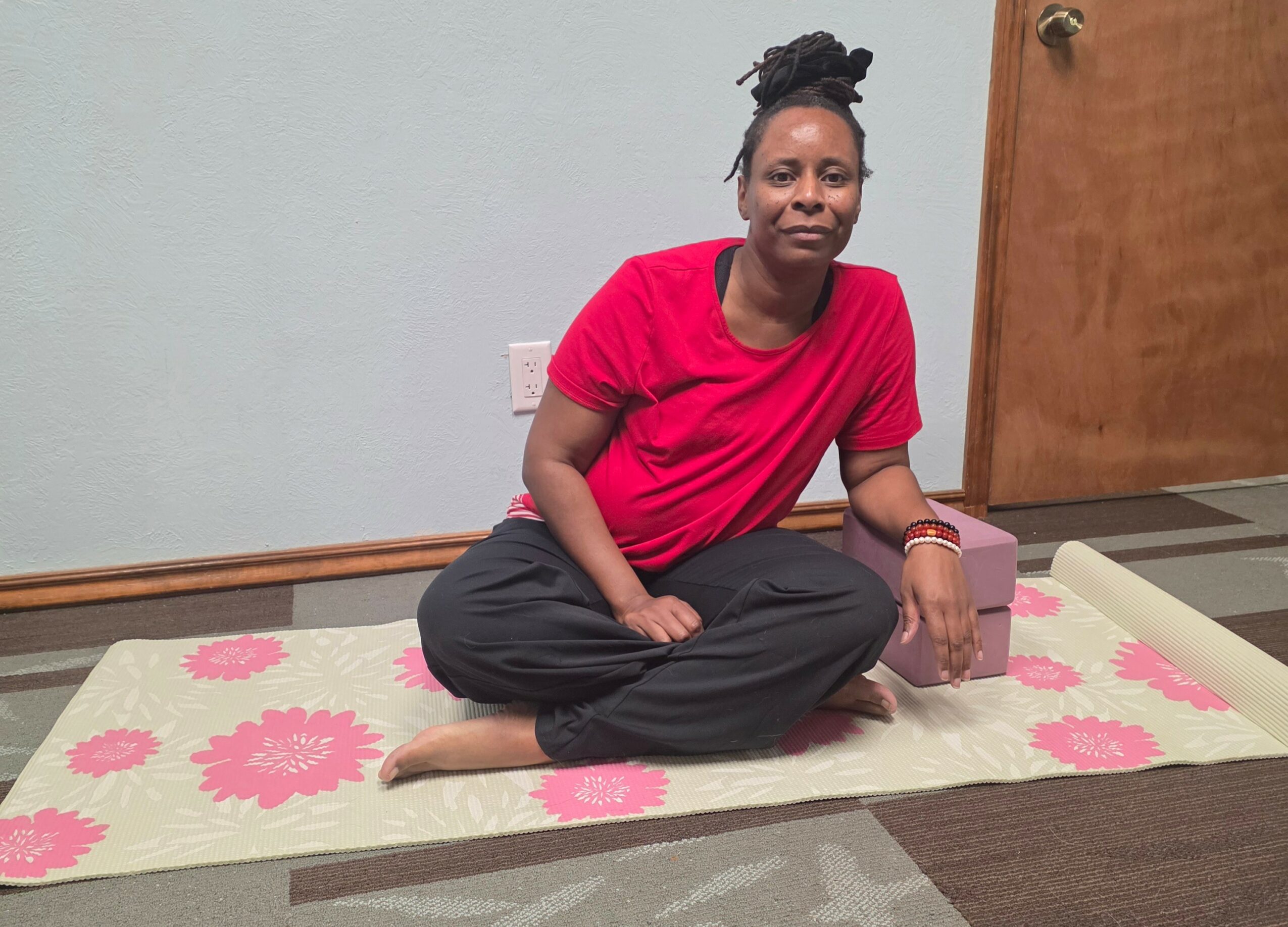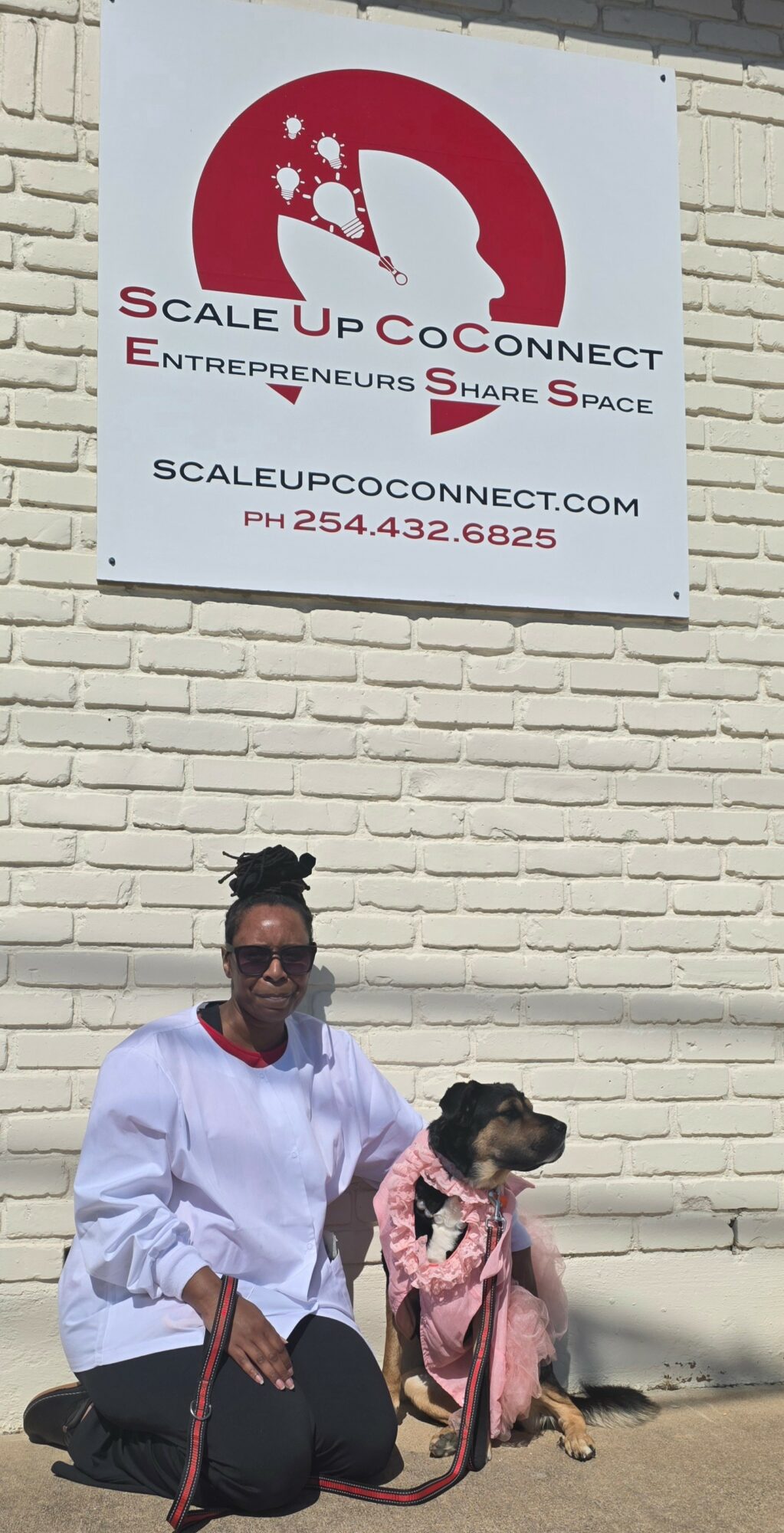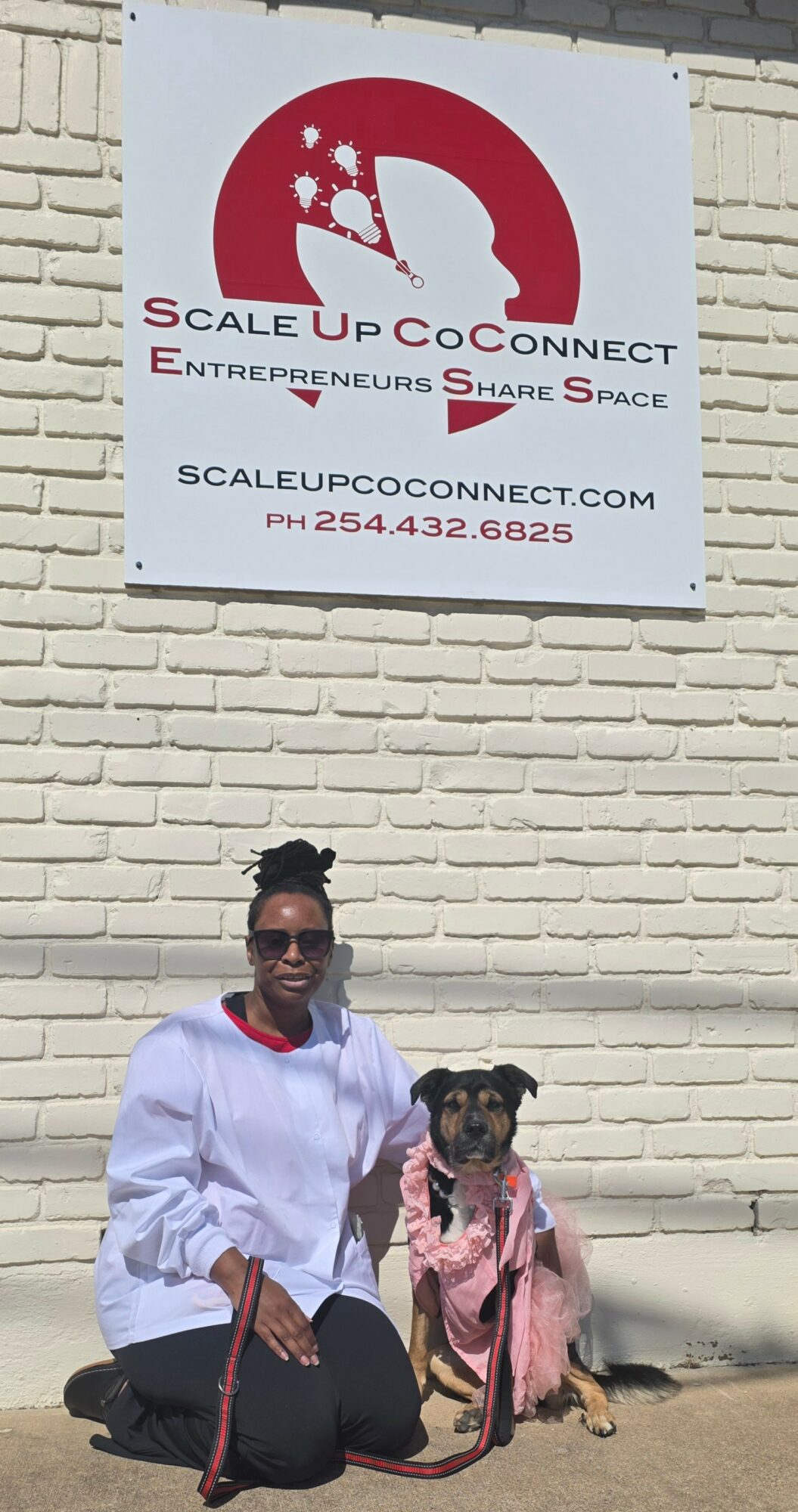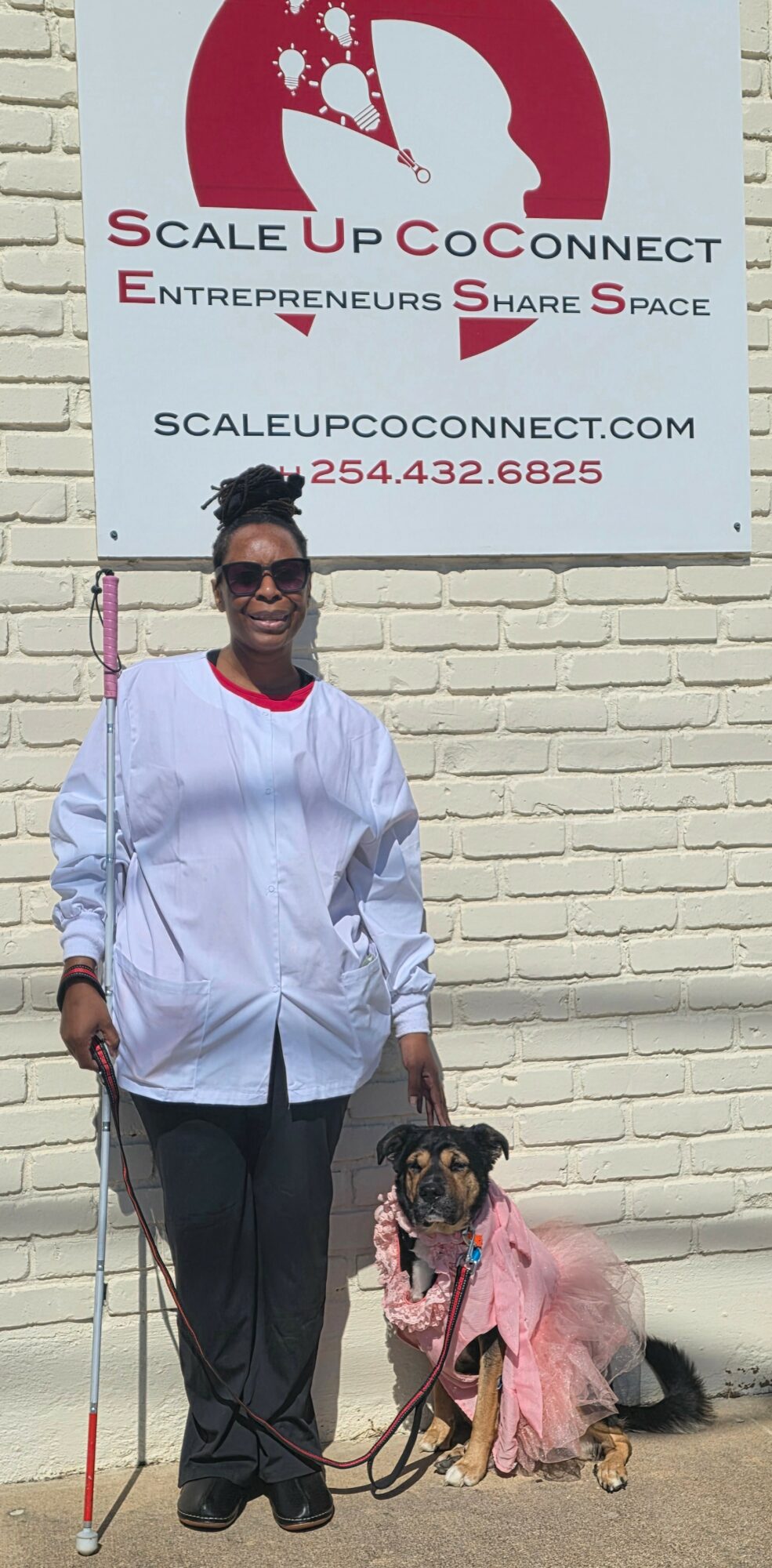



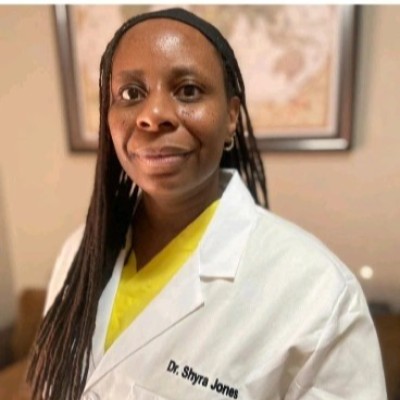
Today we’d like to introduce you to Dr. Shyra Jones.
Hi Dr. Shyra, so excited to have you on the platform. So before we get into questions about your work-life, maybe you can bring our readers up to speed on your story and how you got to where you are today?
This is the first time I have sat down and thought about the story of Shyra Jones Counseling Services, SJCS. In doing so I realize the story of my practice is the story of me as a person. Many therapists enter the field for personal reasons finding motivation in being able to walk beside others in a vulnerable time. Being able to use the things I have learned along my journey I hope to communicate to all my clients that they are not alone and create a safe space for them to do their healing work.
At the age of six months my parents realized I was not hitting milestones such as tracking their movements and responding to visual cues. Leading them to meet with a doctor where they learned I was visually impaired. My mom shared receiving the advice of enrolling me in a state school where she could visit me on weekends and have other children. The doctor predicted I would not be able to live independently and would struggle to do basic tasks such as feeding and dressing myself. My parents were not given resources and my mother shares leaving the office in tears, unsure what to do next. A family member shares a story of her coming home from that appointment and holding me while she cried. I like to think this is the moment she determined to help me build a life of quality where I would be able to have dreams towards which I could work.
I remember having different types of therapists come to the home and participating in classes where I learned things other children my age were learning and tasks necessary to navigate life as a person with a visual impairment. I learned how to travel safely with a cane and sighted guide. I learned to touch type in elementary school, which was a big deal at the time, I was born in 1980’s where computers were not as accessible as they are now. I learned using a typewriter and can fondly remember the sound it makes. I also learned braille using a Perkin’s brailling machine and slate and stylus. I had vision at the time but my mother wanted me to be prepared for vision losses throughout my life. At the age of ten we finally learned I have retinitis pigmentosa, RP. RP is a rare genetic eye disease that causes the rods and cones in the retina to break down leading to progressive vision loss. RP symptoms include night blindness, color blindness, tunnel vision and eventually blindness. My vision has changed significantly throughout my life, causing me to have to make significant changes to my routines and lifestyle habits as I lose the ability to read and write print as an adult. There are many times I wish I were more persistent in keeping my braille skills up to date and find myself being grateful for technology.
I have a younger sister and brother and remember being close to them. My father was in the military so we moved often, strengthening our family ties as we had to depend on each other when entering new communities regularly. My mother worked at a popular retailer most of my life. I remember her going to college when I was younger and think this is where I got my love of learning.
I was unsure what I wanted to do for a career but understood I would need to be in a profession that took my lack of vision into account. Somewhere along the way I decided to be a doctor but was not sure what kind until I was in high school where I fell in love with experimental psychology.
I went to Stephen F. Austin State University earning my BA in psychology in 2001 and my MA in rehabilitation counseling in 2004. I started college with the goal of being an experimental psychologist wanting to work in the field of criminal justice by creating programming to help individuals transition from incarceration back into the community. In 2009 I decided to earn my license in professional counseling. I was fortunate to find a substance abuse treatment center willing to give me an opportunity. When I left there, I learned so much about not just being a good therapist but a good person. I was encouraged to develop my leadership skills and eventually go back to school to earn my doctorate in psychology from the University of Arizona Global Campus in 2020. I was at the residential treatment center for substance use disorders for a total of seven years and am grateful for the leadership there. Without the owner I am uncertain if I would be where I am today.
Shyra Jones Counseling Services, SJCS, had what I like to call a “soft opening” in 2012 but did not start in earnest until after COVID and a business adventure causing me to pivot to keep the doors open in 2023.
Would you say it’s been a smooth road, and if not what are some of the biggest challenges you’ve faced along the way?
I do not know where to start here. I know significantly more about being a therapist than a business person. This had led me to make several mistakes when partnering with others I have erroneously trusted to have my best interest at heart. I will be honest, even now we are struggling to serve our clients due to not fully recovering from a significant financial loss in 2023 when I left an unhealthy partnership. I have heard most businesses fold within five years so I am working to stay encouraged.
Thanks for sharing that. So, maybe next you can tell us a bit more about your business?
At Shyra Jones Counseling Services we facilitate “healing through movement, art, and therapy.”
It offers individual, couple’s, family, and group counseling to individuals four-years- old and up with a virtual option for those 12-years-old and older. An integrated approach to healing through different therapies is used to meet everyone’s individual needs.
Types of therapies used are:
• Acceptance and Commitment Therapy (ACT)
• Collaborative Assessment and Management of Suicidality (CAMS)
• Cognitive Behavioral Therapy (CBT)
• Dialectal Behavior Therapy (DBT)
• Expressive Art
o Drawing
o Painting
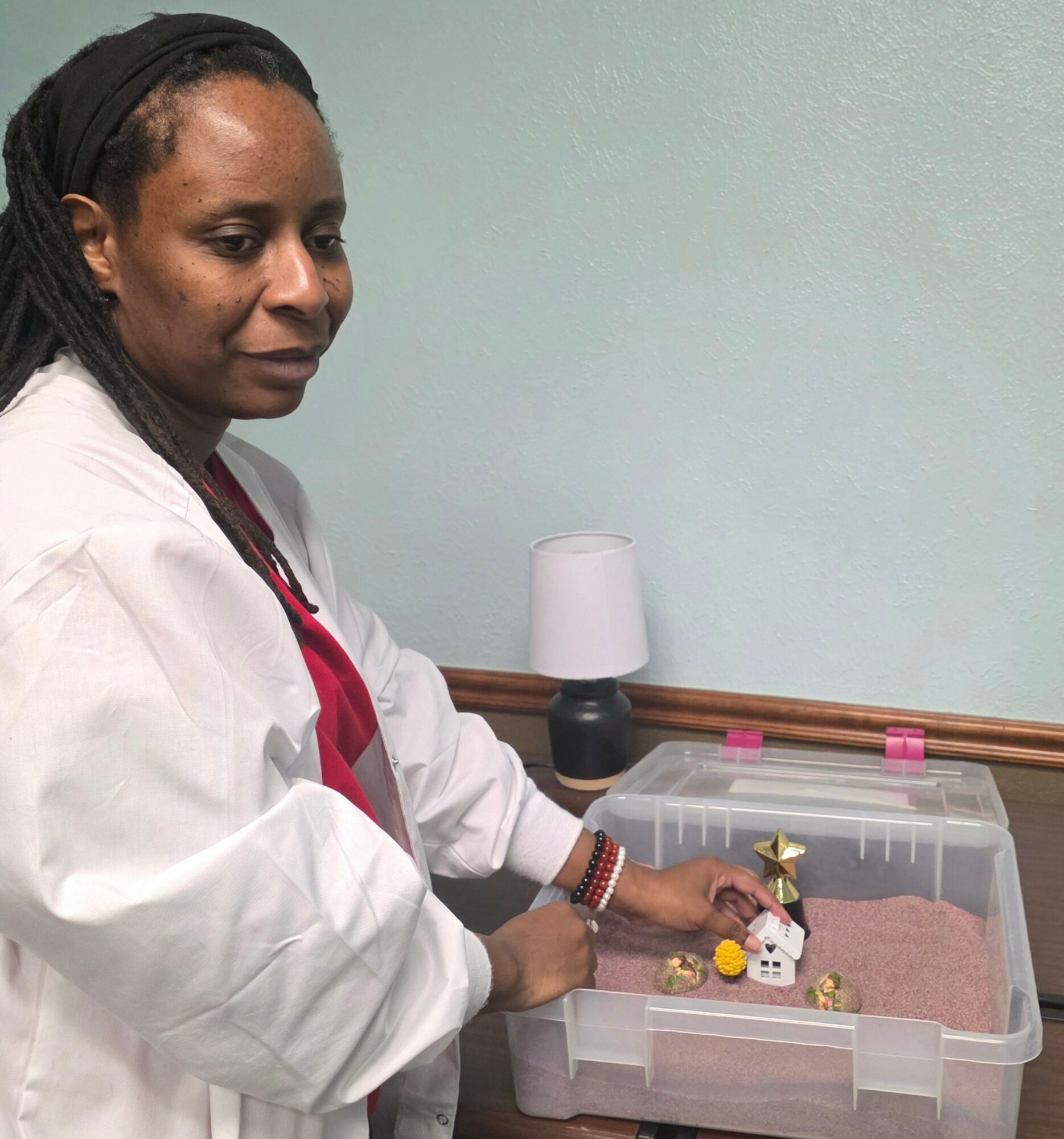
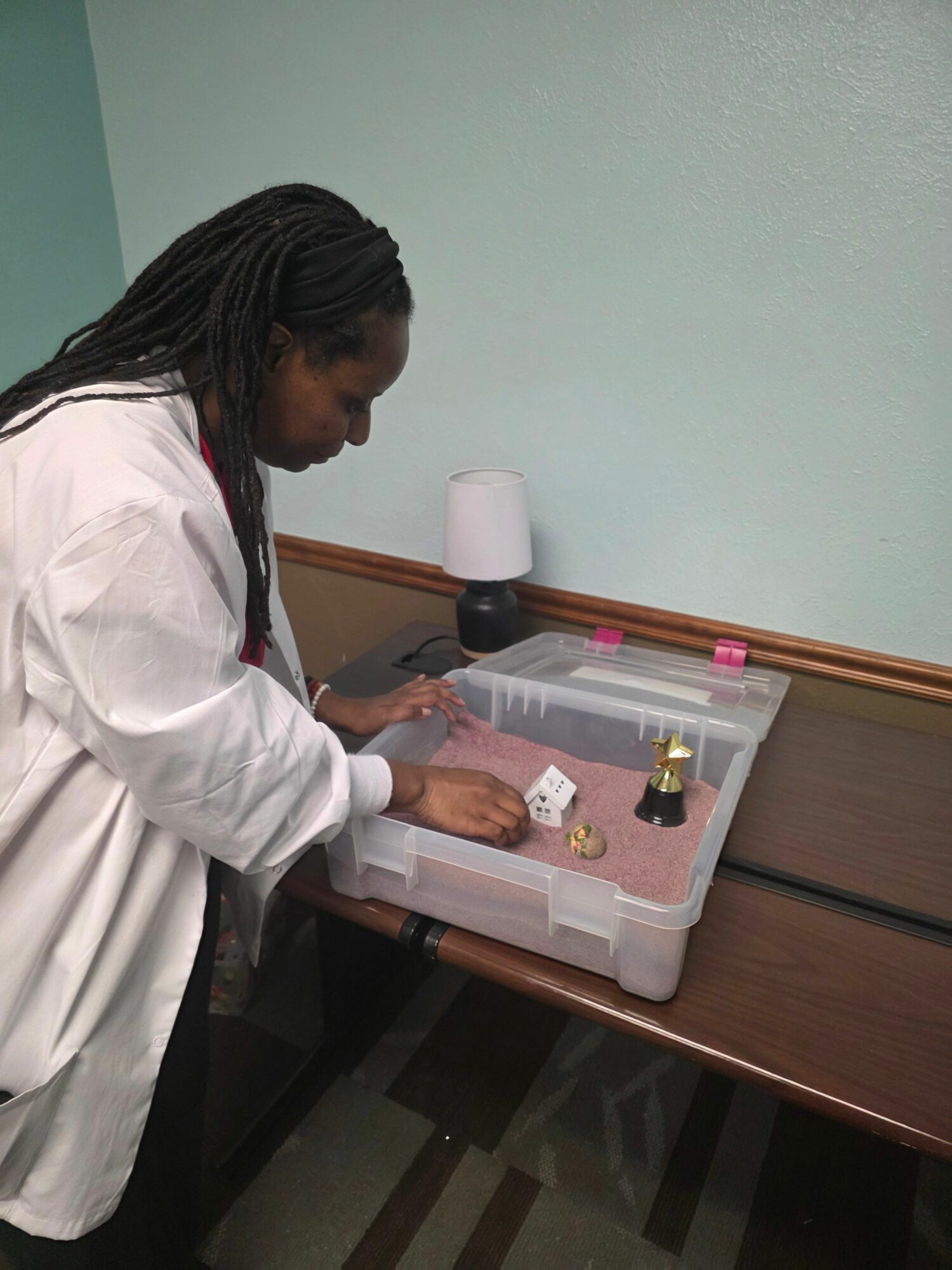
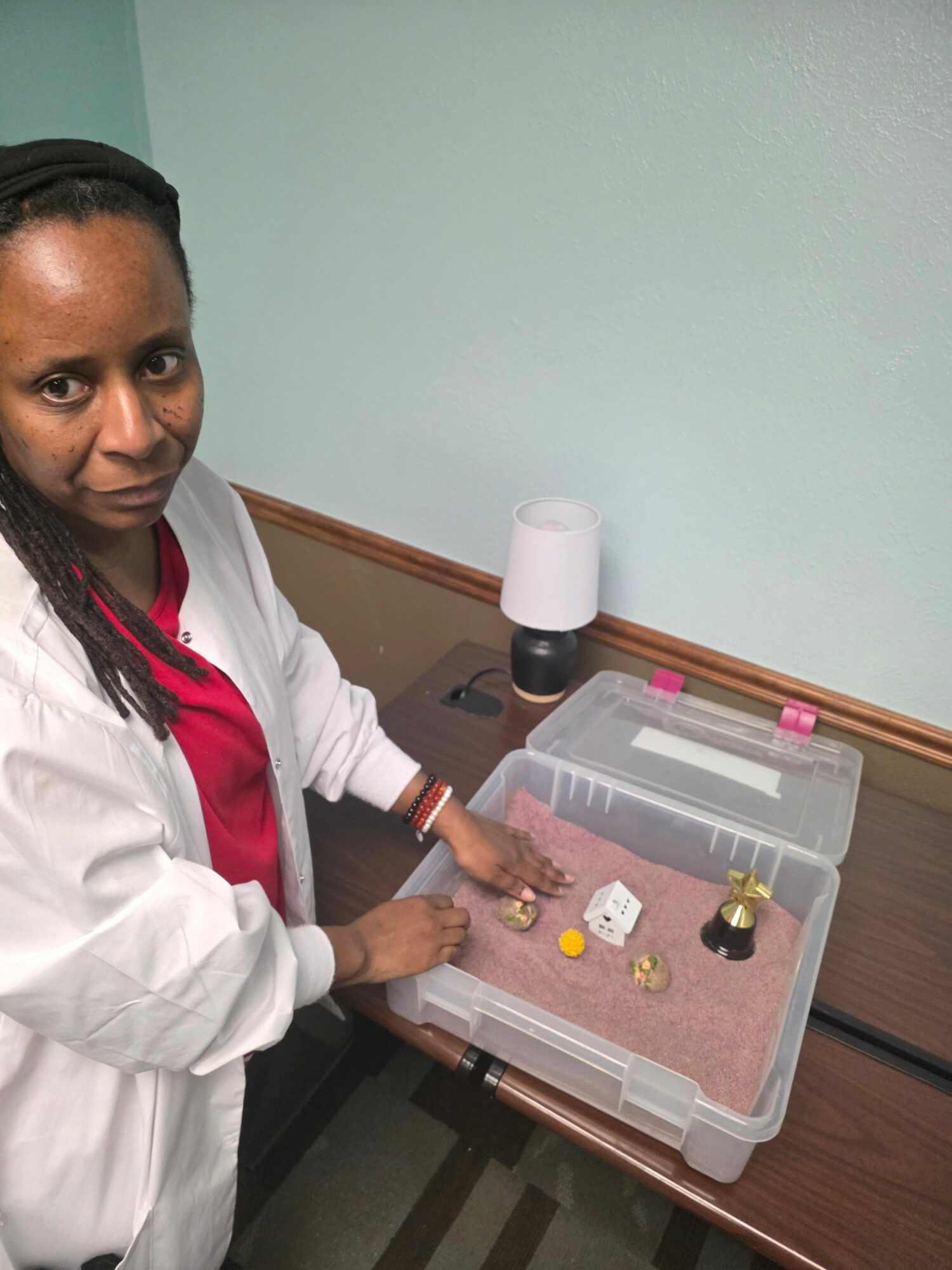
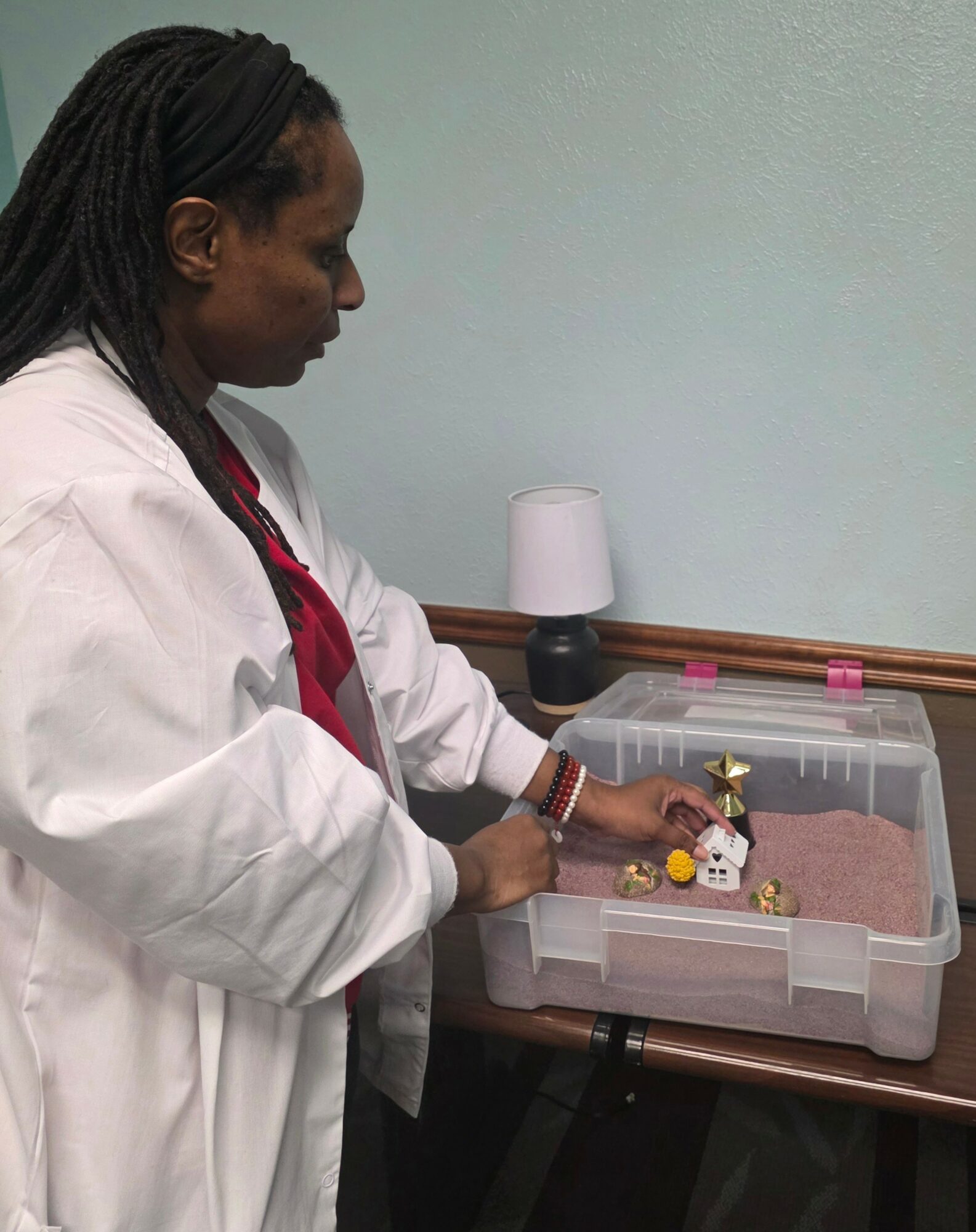
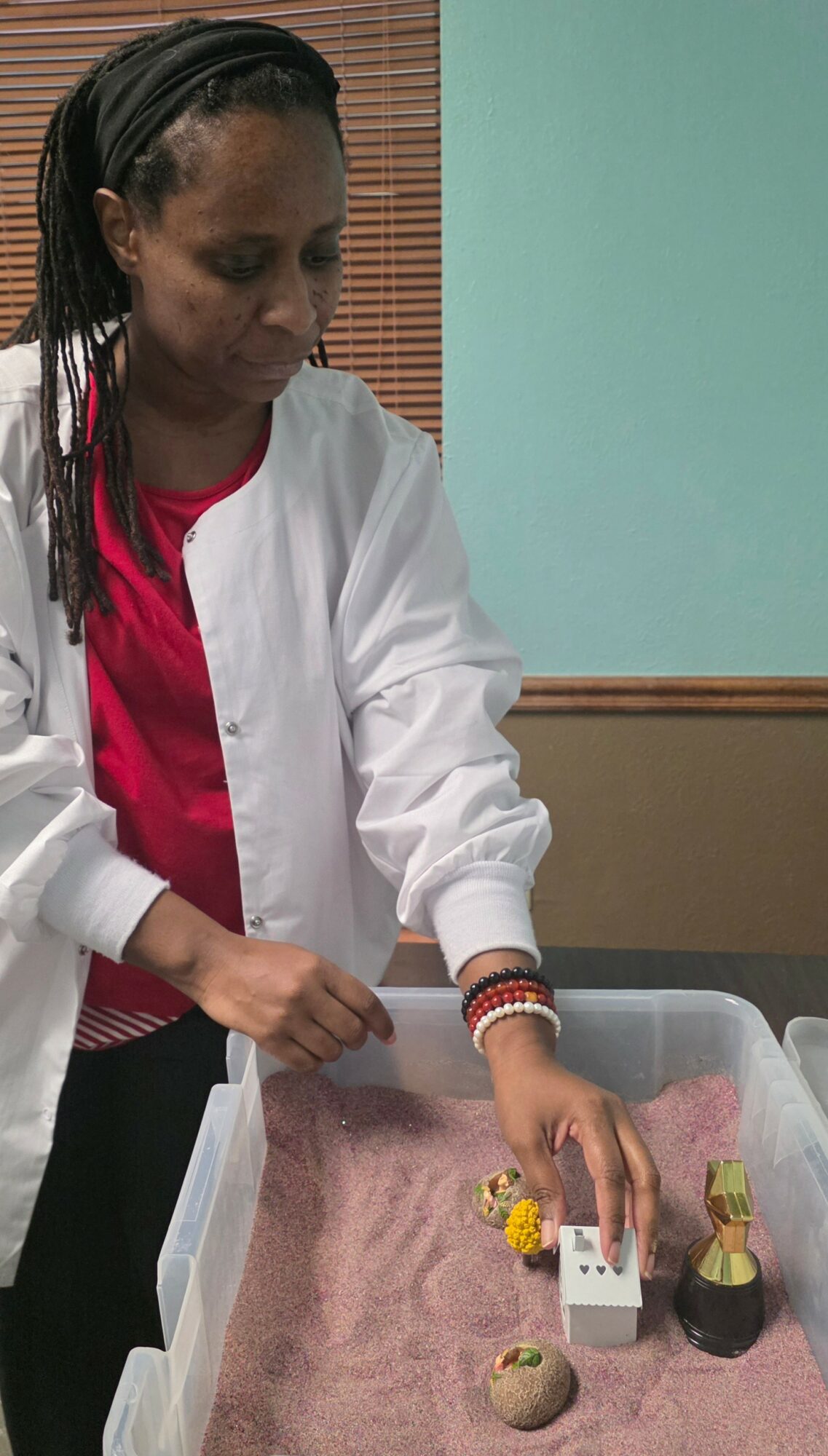
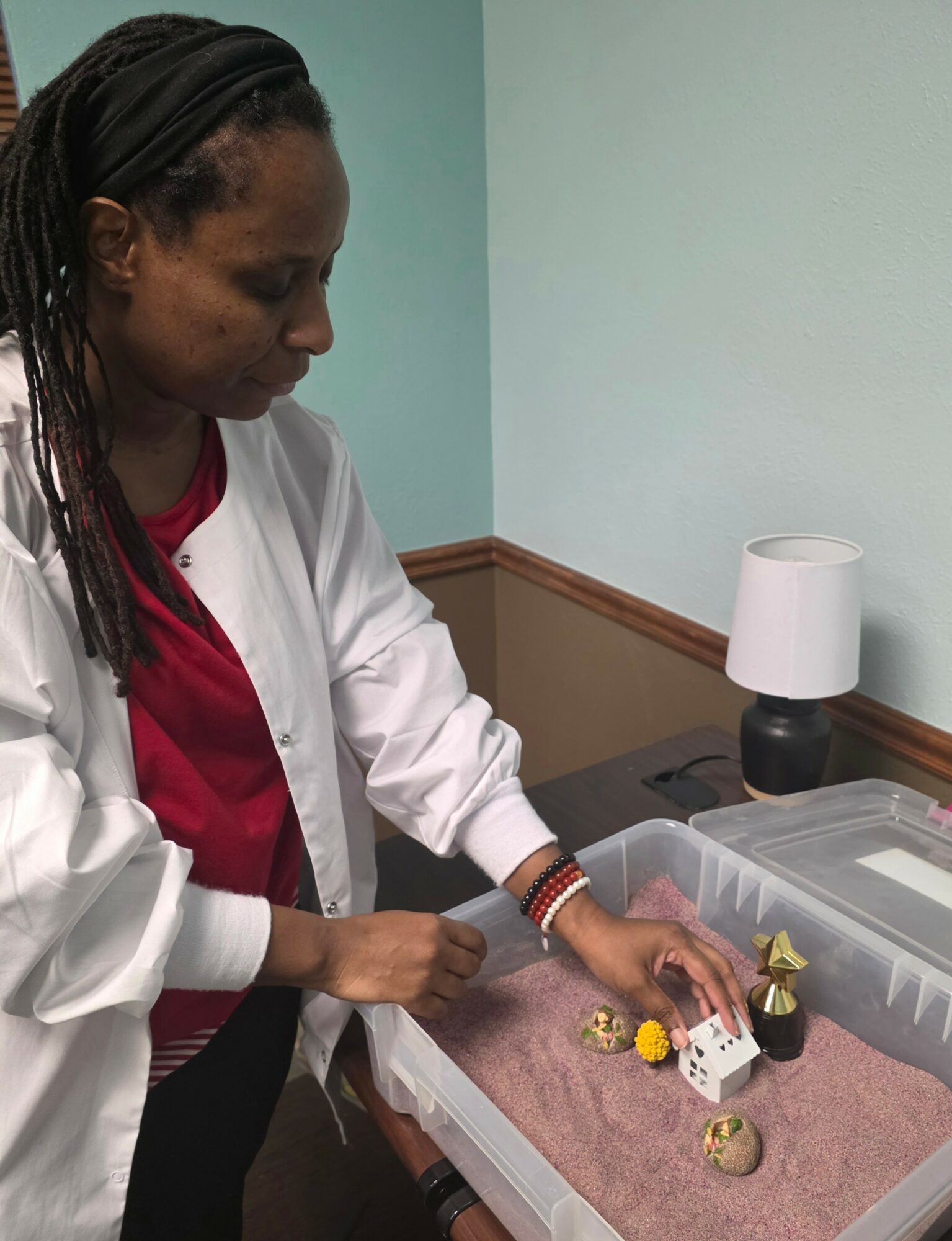
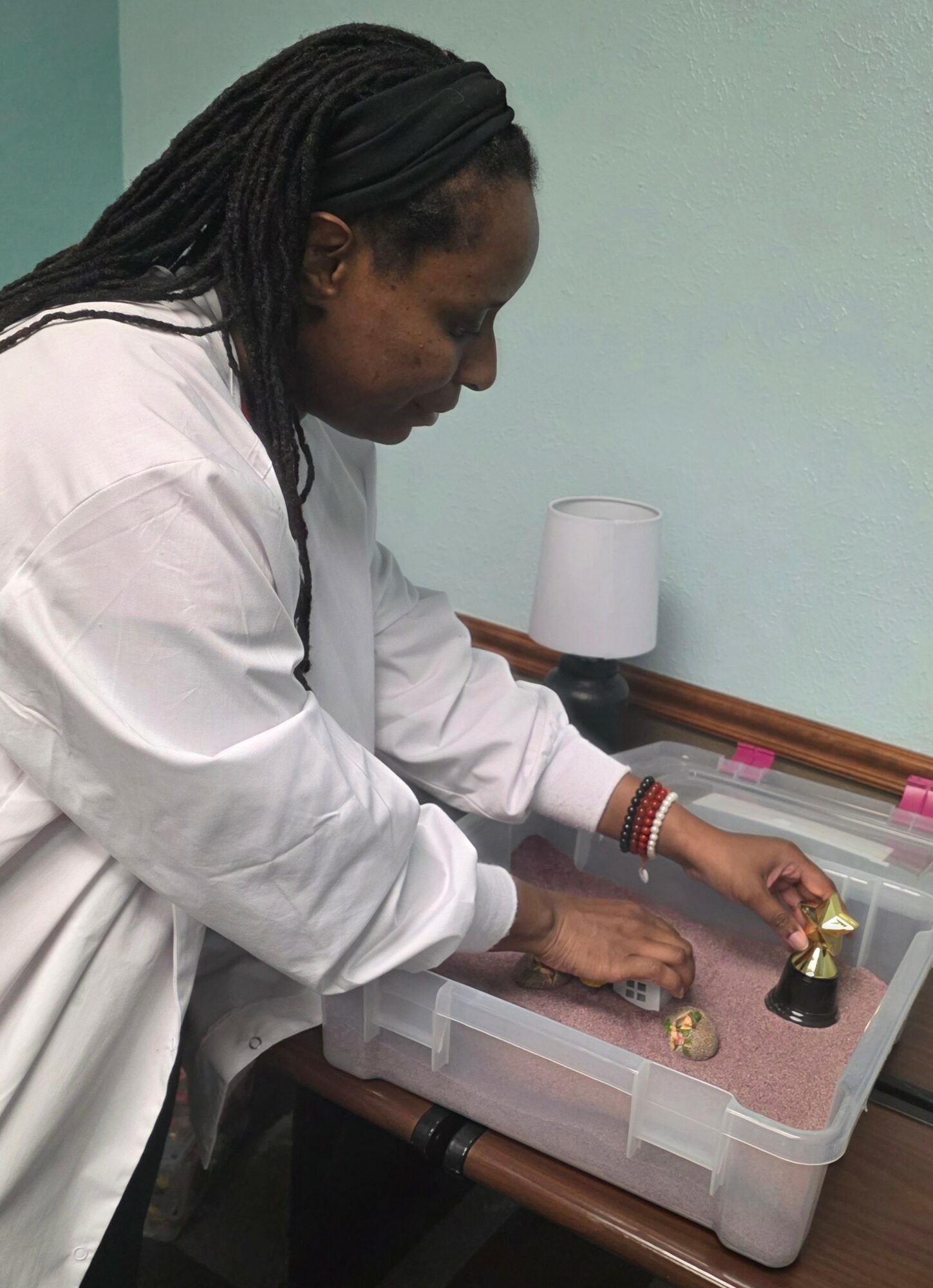
o Sand Tray
o Sculpting
• Eye Movement Desensitization and Reprocessing Therapy (EMDR) and
• Somatic Psychotherapy
There are three therapists in the office with diverse specialties and experiences. Dr. Shyra Jones has a Doctor of Psychology and is licensed as a professional counselor supervisor in the state of Texas. She works with clients healing from traumatic event(s) leading to mental health disorders such as mood disorders, eating disorders, anxiety/stress disorders, personality disorders, addictions, and phobias. She works with individuals with persistent suicidal ideation and treatment resistant non-suicidal self-injury.
Melissa, a certified life-coach, specializes in concerns related to marital separation, family life, parenting, self-harm, and healthy lifestyle choices. She has helped clients create routines for self-reflection, consistently engaging in making healthy lifestyle choices, and connects them with mindful self-compassion practices and expressive arts. Her clients share feeling as if they have a cheerleader helping them celebrate their growth each step along the way.
Wendy, certified life-coach, specializes in concerns related to school performance, career advancement, suicidality, substance, and process addictions, and living with a disability. She often uses music and journaling to help clients express their thoughts and feelings. Her clients enjoy finding and celebrating all their wins as they make lasting changes.
Two offerings that set the practice apart from other practices are its intensive outpatient program, IOP and its Crisis Management Program. In the IOP adults and adolescents participate in eight weeks of group and individual therapy alongside their respective peers. Here clients participate in 13 to 15 hours of combined individual and group therapy.
IOP Groups Include:
• Relapse Prevention is a group facilitated by Wendy. Here clients set goals and outline plans to reach them. Clients will identify strengths and problem-solve any concerns related to using their therapy skills outside of sessions.
• CBT/Psychoeducation and Expressive Art is a group facilitated by Melissa. Here clients learn mindfulness, emotion-regulation, distress-tolerance, and interpersonal relationship skills. Expressive art is often included.
• Trauma Processing group is facilitated by Dr. Shyra Jones. In this group clients have an opportunity to discuss difficulties related to core issues or patterns that no longer serve them. Movement, journaling, and music are often used to explore topics in a novel way.
• Movement Group is facilitated by Dr. Shyra Jones. Clients learn a variety of practices to use the body to foster a sense of healing and connection with self.
• Family Therapy Group is facilitated by Dr. Shyra Jones. Here clients are encouraged to bring up two support people, family and/or friend, to share in the healing. This is a time for community and rebuilding of relationships often strained by mental illness.
During IOP everyone sees Dr. Shyra Jones individually to get personalized care. Progress is tracked and adjustments are made to facilitate growth and change. Each client is also paired with either Melissa or Wendy for more individual support throughout their program. This program helps individuals whose mental health has led to a decreased quality of life and making daily tasks difficult. This is a good option for those who need more care than traditional outpatient therapy but who do not need the supervision of an inpatient facility.
The Crisis Management Program is available for adolescents and adults who need more care than traditional outpatient therapy. Here clients may have more additional individual therapy appointments, with at least one of these being with Dr. Shyra. They also have access to after hour’s support to address suicidality, self-harm, and other safety concerns. The goal is to help an individual stay out of an inpatient setting when possible. When an inpatient stay is required, care is coordinated to ensure a safe smooth transition back home. CAMS or DBT are used as a part of this program depending on the client’s needs.
What makes you happy?
I am known for saying “words mean things” so it would depend on what we are talking about when we say “happy.”
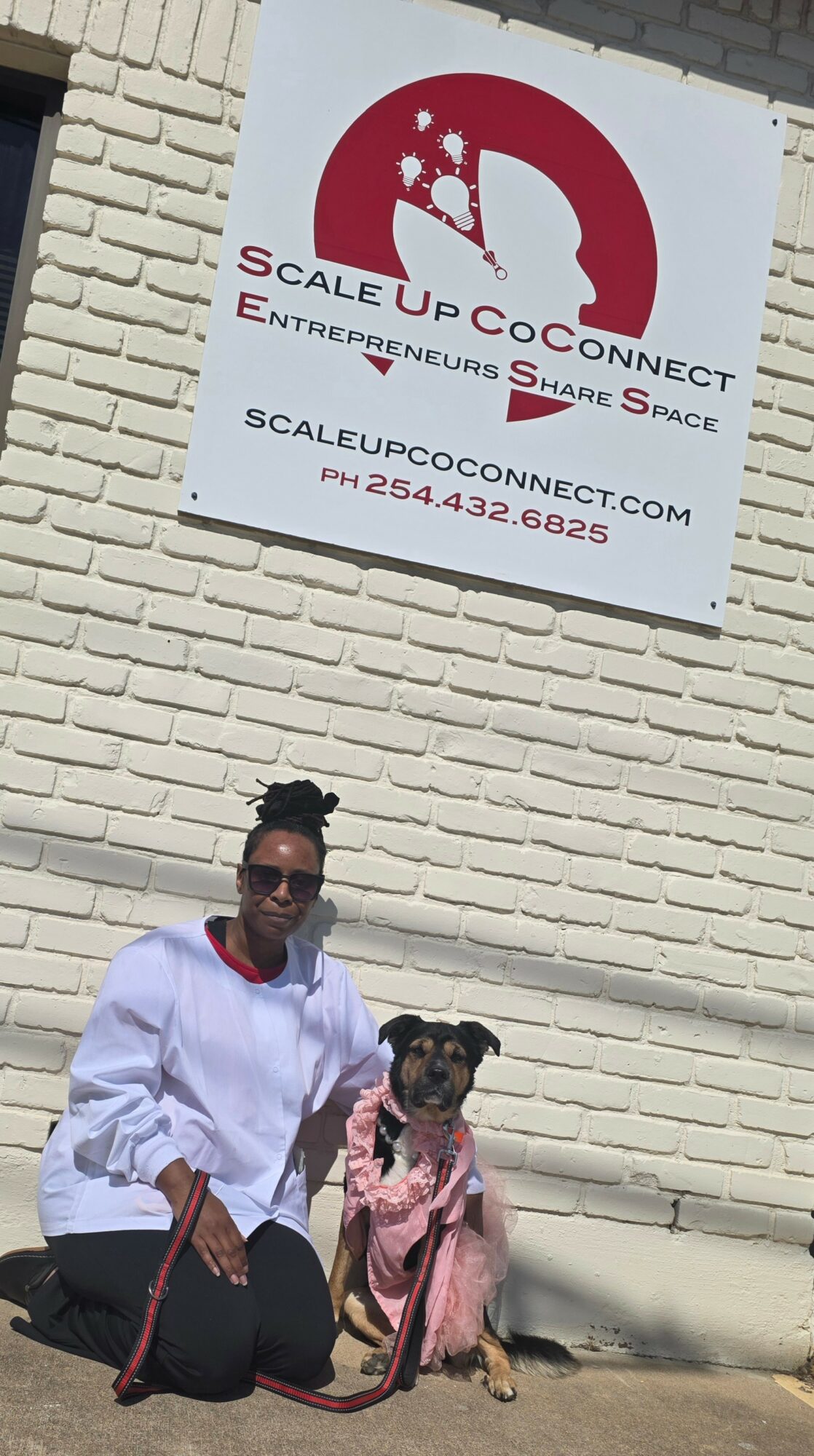
If we define happiness as engaging in something pleasurable, I am happiest when being creative. I enjoy crocheting, playing guitar, singing, reading, journaling, and going to the gym. I absolutely love being a dog mom. I have a 15-year-old Chihuahua mix called Little,, a 13-year-old Shih Tzu called Brodie, and a 3-year-old Australian Cattle Dog mix service dog in training called Wednesday.
If we view happiness as a type of gratitude that motivates one to fully participate in life I enjoy connecting with people in a variety of ways. I enjoy being with friends and family outside,, watching those around me grow, and having an active spiritual life. It may sound a little cliché or cheesy but I enjoy connecting to others, the Universe, and self in an authentic way.
Pricing:
- The practice accepts some insurances and has self-pay options that include a sliding fee scale. For more information please reach out to the office.
Contact Info:
- Website: drshyrajones.org
- Instagram: Dr Shyra_Jones
- Facebook: DrShyraJones
- TikTok: @DrShyra