



Today we’d like to introduce you to Andy Patel.
Hi Andy, please kick things off for us with an introduction to yourself and your story.
“I was born and raised in Marshall, Texas, where I grew up living in a motel with my parents and sister. My parents were immigrants from India, and we lived in the manager’s quarters while they ran every aspect of the property themselves — front desk, housekeeping, maintenance. My sister and I would pitch in on weekends cleaning rooms. But one memory that really stands out is how, from the age of 12, every summer when school let out, I would work the night shift on weekends to give my parents some relief. Most kids my age were out enjoying their summers, but for me, that was just part of life. Looking back, those experiences instilled a work ethic and an understanding of this business that no classroom could ever teach.
My father went on to build several hotels throughout East Texas, so hospitality was truly woven into the fabric of our family. It wasn’t just a career choice for me — it was a combination of family legacy, genuine passion, and recognizing the entrepreneurial opportunity the industry offered. In 1997, I left Marshall to attend the University of Houston, and it was during that time that I had an honest conversation with my dad. I told him that if he wanted me to join the family business, I wasn’t going back to Marshall. To my surprise, in 1999, my parents sold all of their East Texas properties and relocated to Austin — and that’s where our next chapter began.
Building in Austin was no small feat. I self-general contracted all seven hotels, personally overseeing everything from site selection and permitting to approvals and opening day. One of the biggest challenges was navigating the development process within the City of Austin itself — the regulatory environment is complex and the approval process demanding. But working through that process on every single project gave me a deep expertise that has become one of our greatest competitive advantages.
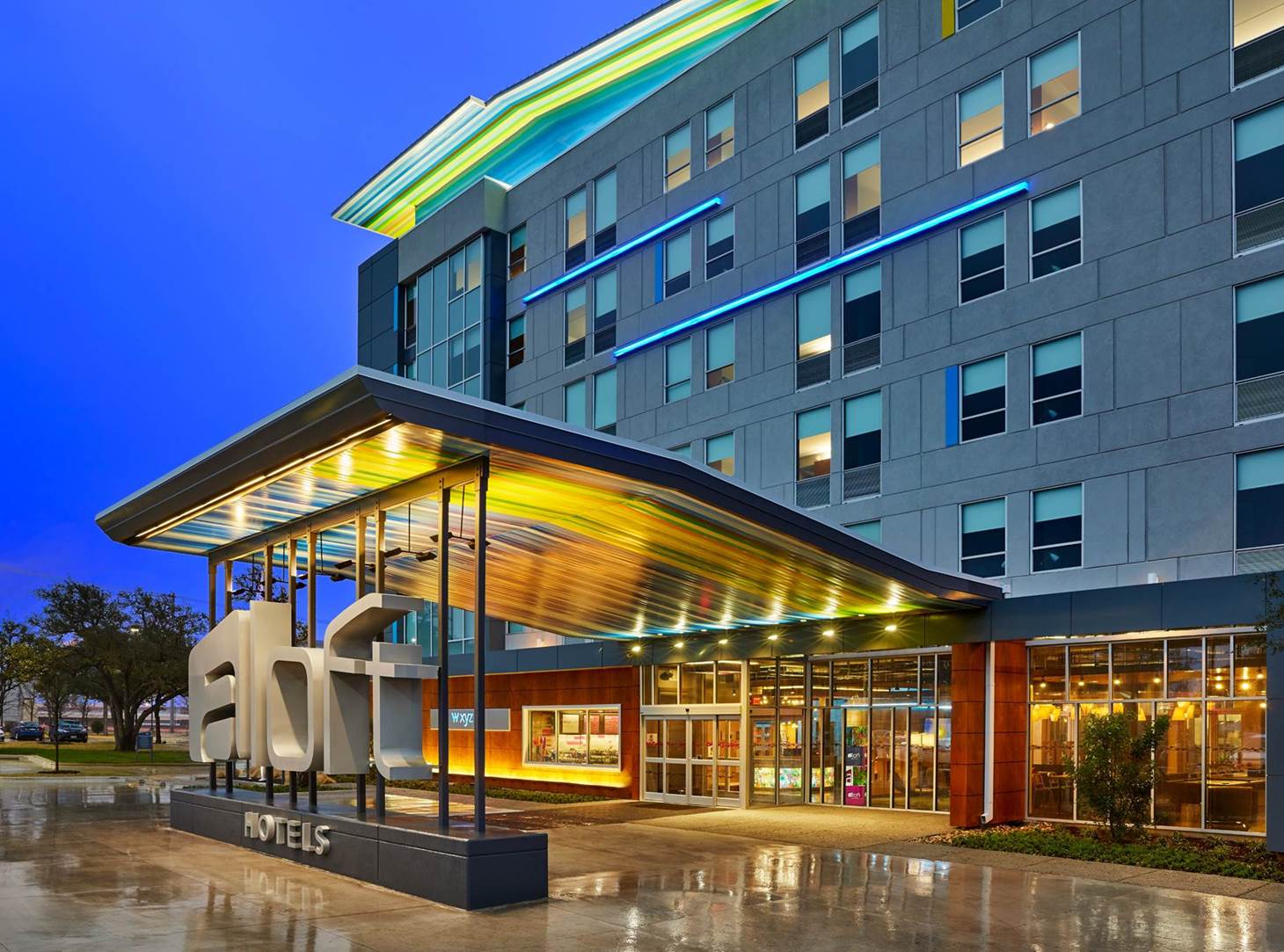
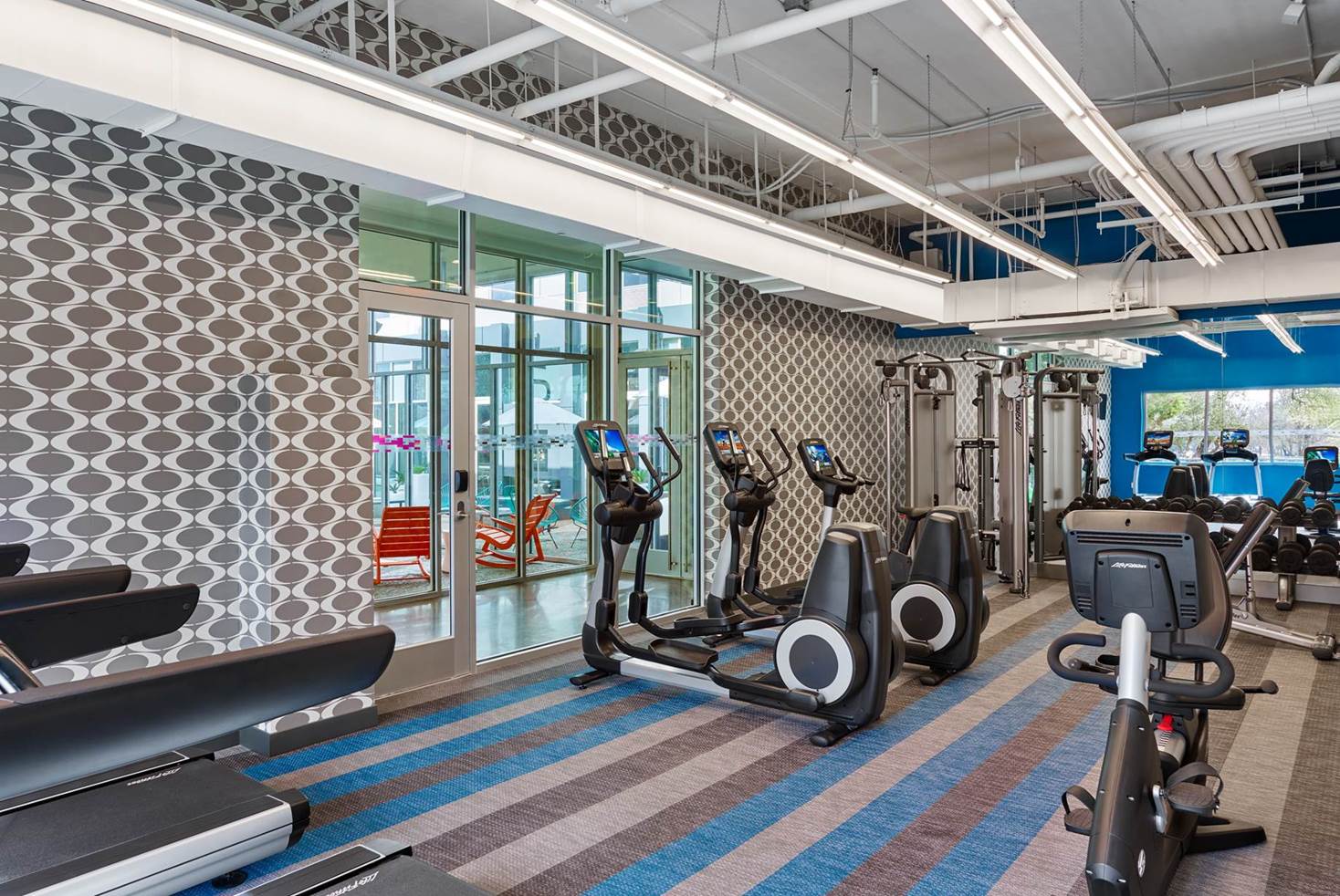
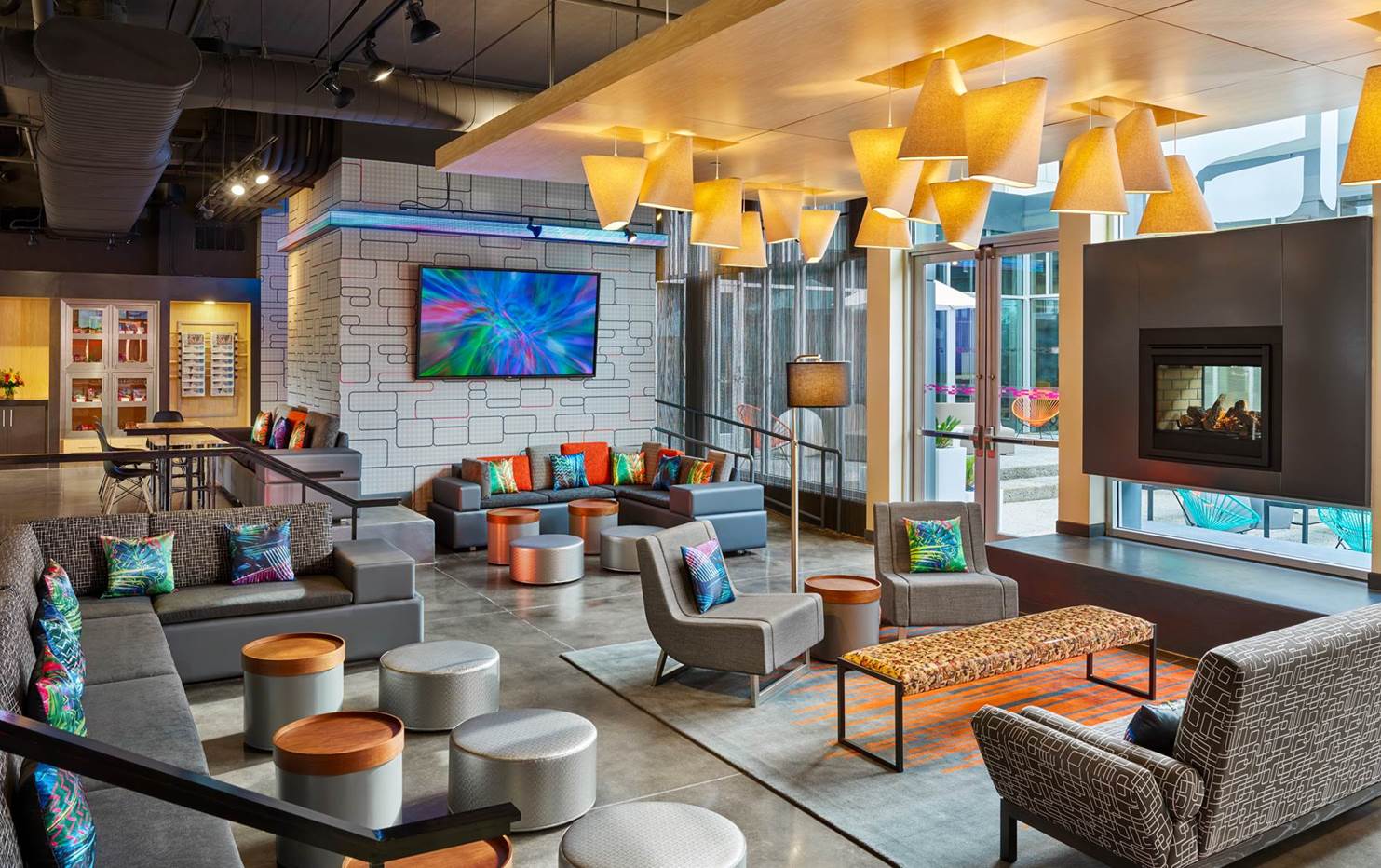
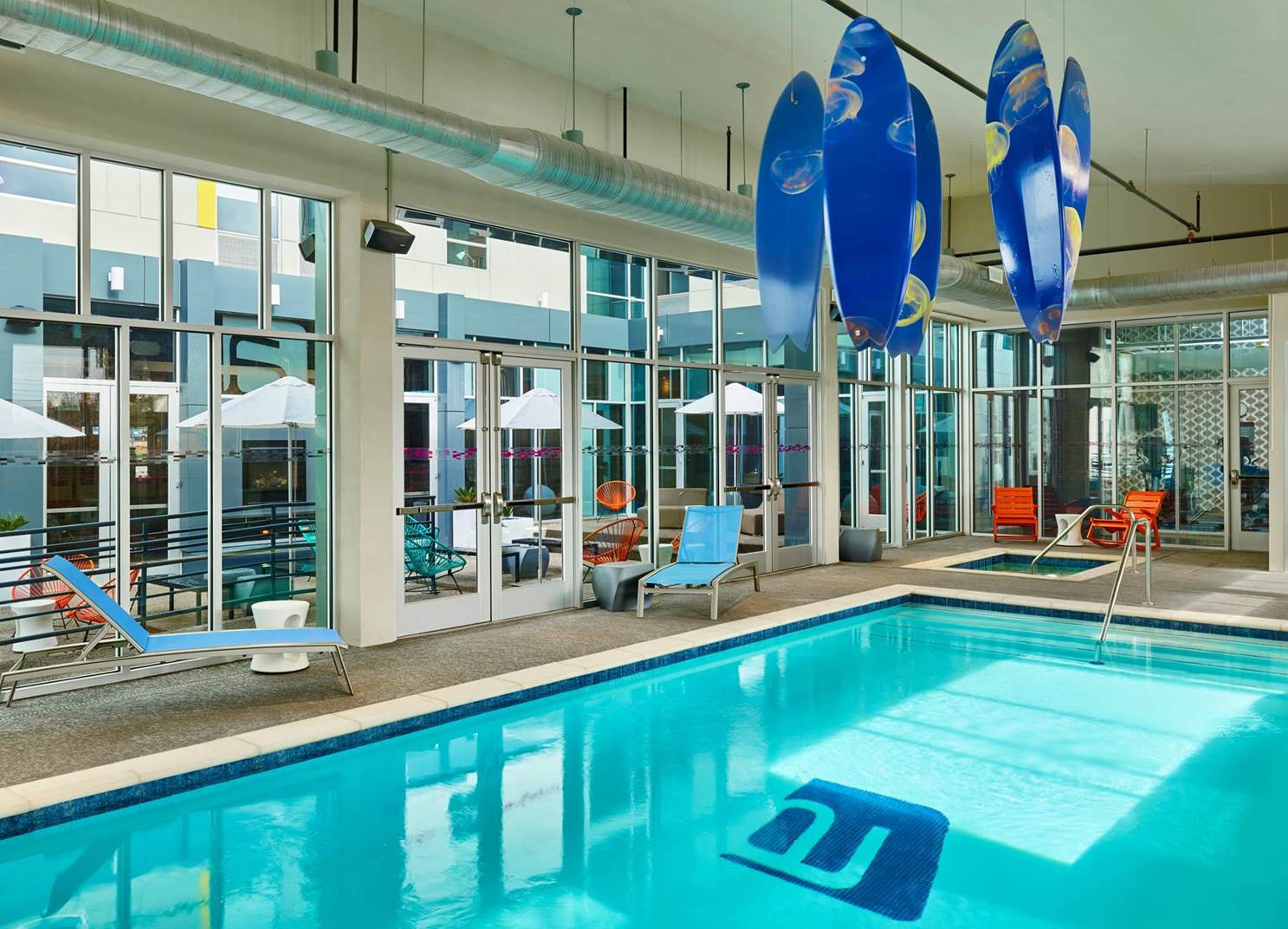
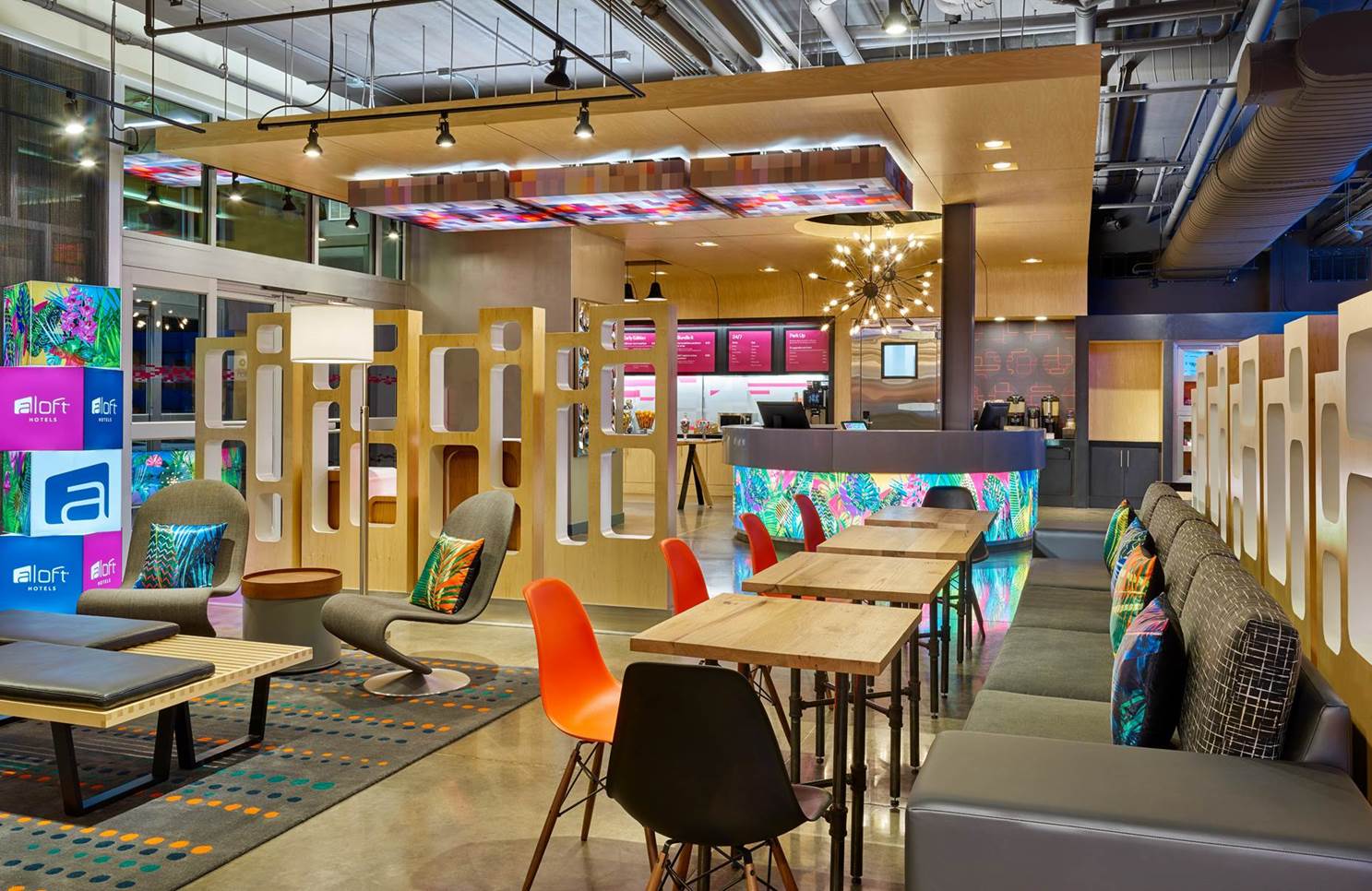
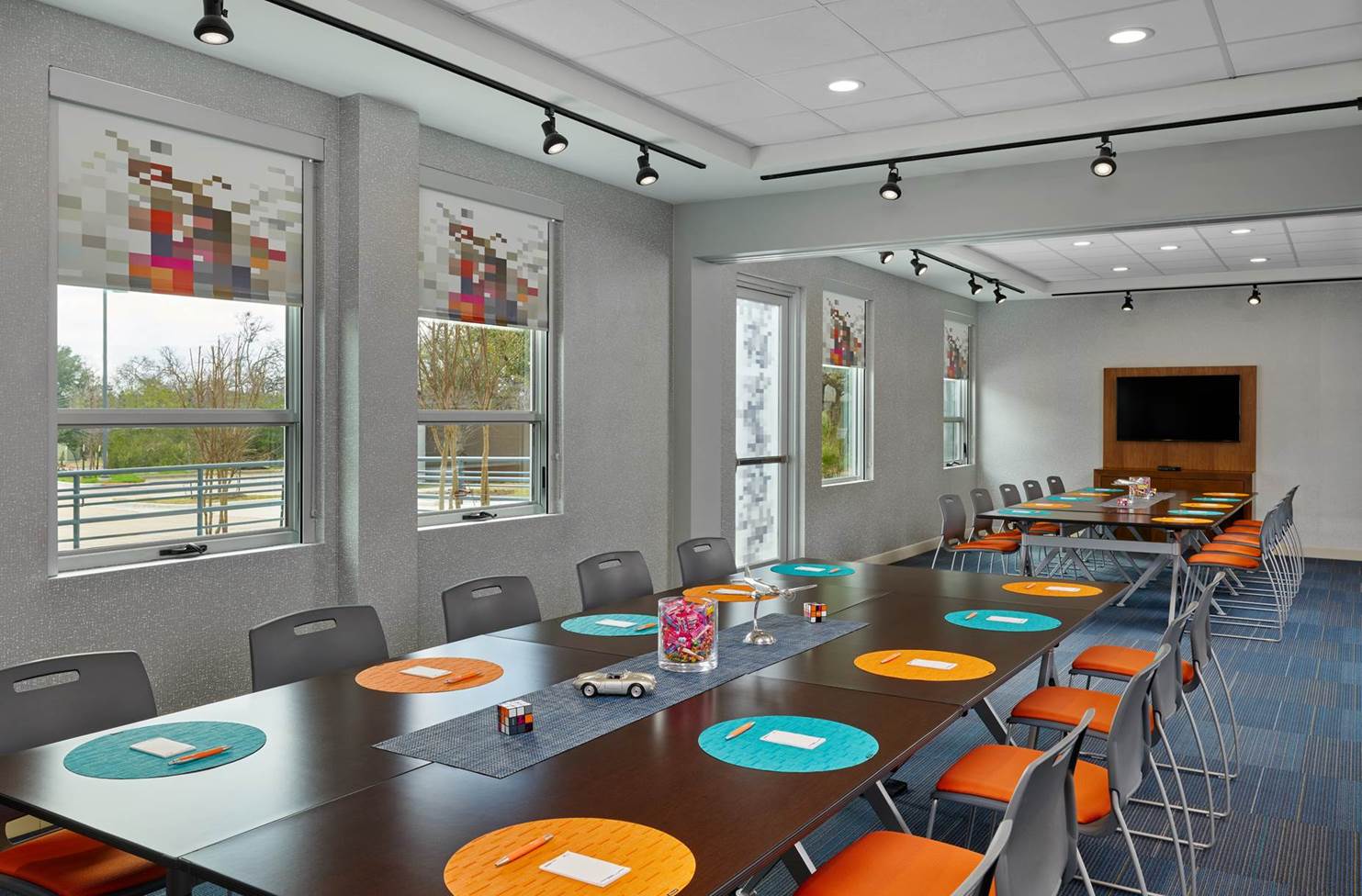
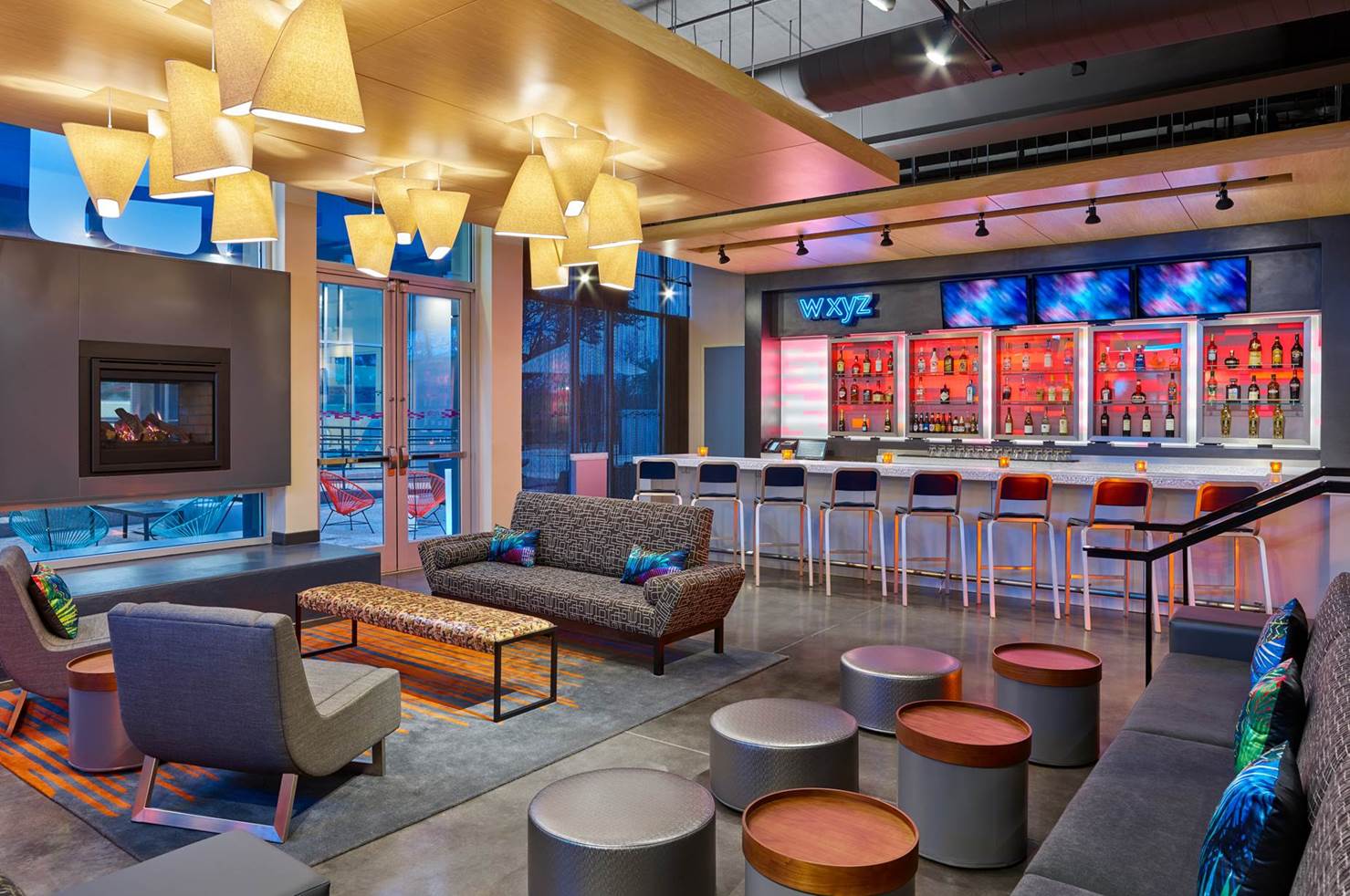
Today, we operate a portfolio of four Hilton and Marriott branded properties — the Hilton Garden Inn Austin Central, Aloft Austin NW, Tru Austin Arboretum, and Home2 Suites by Hilton Austin South. Beyond our own portfolio, I serve on the Austin TPID board as secretary, and I work in the corporate hospitality space with Inercontinental Hotels Group, overseeing hotel renovations across a portfolio of roughly 60 hotels.
It’s been quite a journey — from working night shifts at 12 years old in a small East Texas motel to developing and operating hotels in one of the fastest-growing cities in the country. But every step of that journey has been intentional, and I wouldn’t change a thing.”
I’m sure it wasn’t obstacle-free, but would you say the journey has been fairly smooth so far?
“Absolutely not — and I think any hotelier who lived through the last 25 years will tell you the same. We’ve faced three defining crises that tested not just our business, but the entire hospitality industry.
The first was September 11, 2001. The attacks brought travel in America to a near standstill overnight. Occupancy rates across the country collapsed, and hotels that had been thriving were suddenly struggling to keep the lights on. For a young business just finding its footing in a new market, it was a sobering introduction to just how vulnerable this industry can be to events completely outside of your control.
Then came 2008 and the financial crisis. As credit markets froze and the economy contracted, corporate travel dried up and consumer confidence cratered. Hotels are deeply tied to economic activity, and when businesses stop moving and people stop spending, you feel it immediately on your bottom line. It was a period that required real discipline — managing costs, protecting your people, and staying focused on the long game when short-term results were painful.
And then there was COVID-19. Nothing in modern history compares to what the pandemic did to hospitality. We went from strong occupancy levels to essentially zero business almost overnight. It was unprecedented. There were no playbooks for it. You were making decisions in real time with no certainty about when — or if — travel would return. It tested every operator’s resilience, financial structure, and resolve in ways that are difficult to fully articulate.
But here’s what those three crises taught me: this industry is cyclical, and the operators who survive are the ones who build for the long term, maintain financial discipline, and never lose sight of why they’re in the business. Every downturn we weathered made us sharper and more resilient. And coming out the other side of each one, we were always better positioned than before.”
Thanks for sharing that. So, maybe next you can tell us a bit more about your business?
Our portfolio is built around select-service and extended stay hotels, and we are laser-focused on serving the business traveler. Austin has experienced extraordinary growth over the last decade — with major corporations, tech companies, and industries of all kinds planting roots here — and our properties are strategically positioned to serve that demand. We operate across three key corridors in Austin: the Northwest suburbs, the South Austin leisure market, and the Austin tech and corporate corridor. Every location was chosen deliberately, and that site selection strategy is something we take enormous pride in.
Of our four properties, the one I am most proud of from a brand standpoint is our Hilton Garden Inn, located at the intersection of I-183 and I-35 — one of the most strategically significant intersections in all of Austin. That location gives our guests unmatched accessibility to virtually every major business hub in the city, and it has proven to be one of our strongest performing assets as a result.
What sets us apart from other operators is really a combination of things. First, we are a lean, owner-operated business. That means the decision-makers are deeply invested in every property — not a distant management company, but hands-on ownership that genuinely cares about the guest experience. Second, our development and construction expertise is something few operators in our space can match. I self-general contracted all seven hotels we’ve built, overseeing everything from site selection to opening day. We know these buildings inside and out because we built them ourselves.
For our guests, we focus on delivering modern, well-maintained properties that consistently meet the high standards of the Hilton and Marriott brands — two of the most trusted names in hospitality. Our business travelers benefit from both Hilton Honors and Marriott Bonvoy loyalty programs, which are incredibly important to frequent travelers who want to earn and redeem points with confidence. And because our properties are positioned near major business hubs, our guests spend less time commuting and more time focused on why they came to Austin in the first place.
We are also deeply committed to the Austin community. We actively support local businesses and vendors, and we believe that as our city grows, it’s important that we grow with it — not just as hotel operators, but as community partners invested in Austin’s long-term success.
What do you like and dislike about the city?
What I love most about Austin is the entrepreneurial spirit that runs through this city’s DNA. There is an energy here that is truly unique — people come to Austin to build things, to innovate, and to take risks. That spirit resonates deeply with me personally, because at its core, that’s exactly what AusTinn Lodging, LLC has been about from the very beginning. Pair that with the explosive economic growth Austin has experienced over the last two decades, and it’s hard not to be excited about being here. The influx of major corporations, tech giants, and new industries has transformed this city into one of the most dynamic markets in the entire country, and we feel that energy every single day across our properties.
That said, no city is without its challenges, and Austin is no exception. The two things that concern me most are the rising cost of living and traffic congestion. Austin’s success has come at a price — the affordability that once made this city so accessible to everyday people, young professionals, and working families is increasingly out of reach. That’s something the entire community needs to be honest about and work together to address. And anyone who has spent time on I-35 during rush hour knows that our infrastructure has struggled to keep pace with our growth. Both of these issues, if left unaddressed, have the potential to erode some of what makes Austin so special. I remain optimistic though — this is a city of problem solvers, and I believe we have the leadership and the will to find solutions.