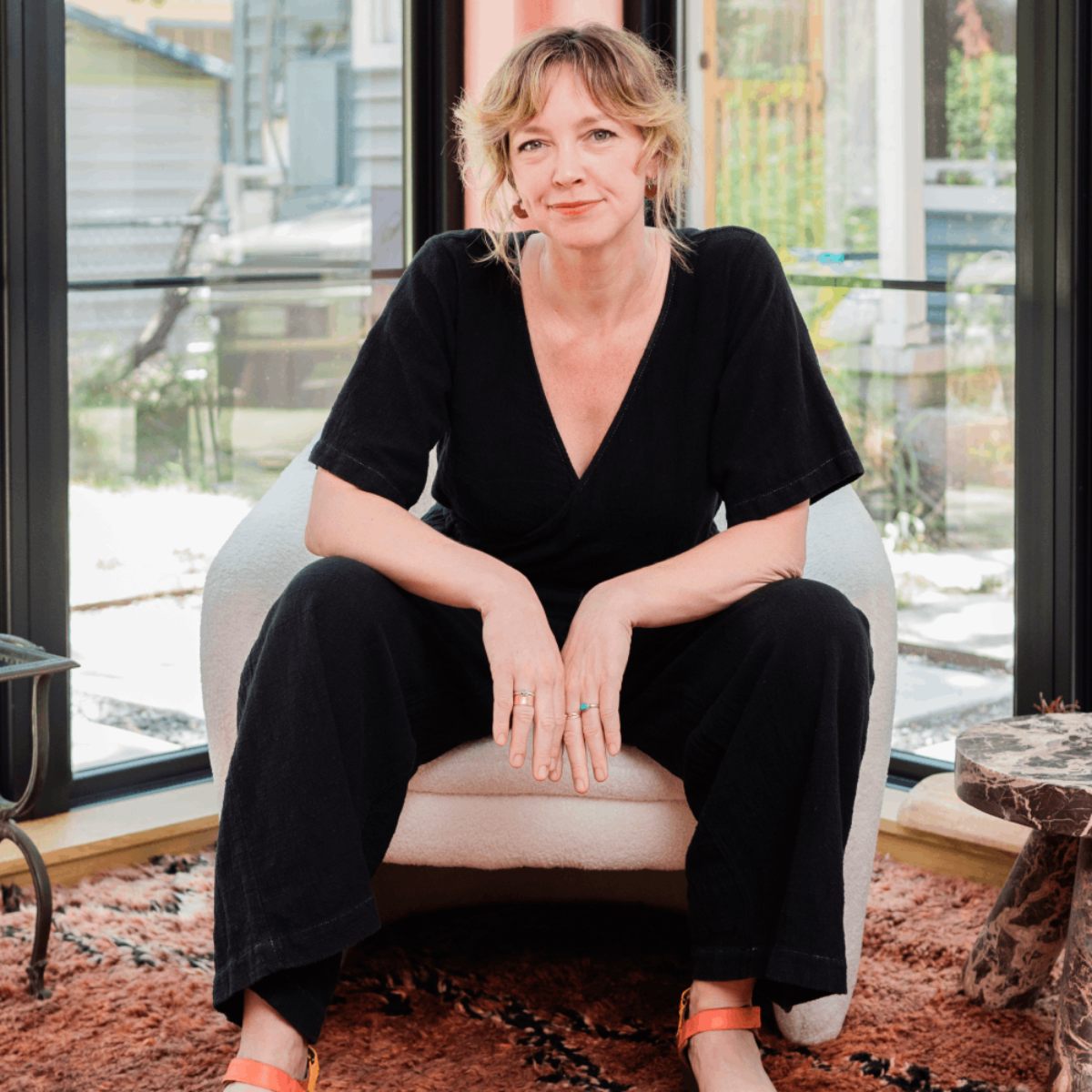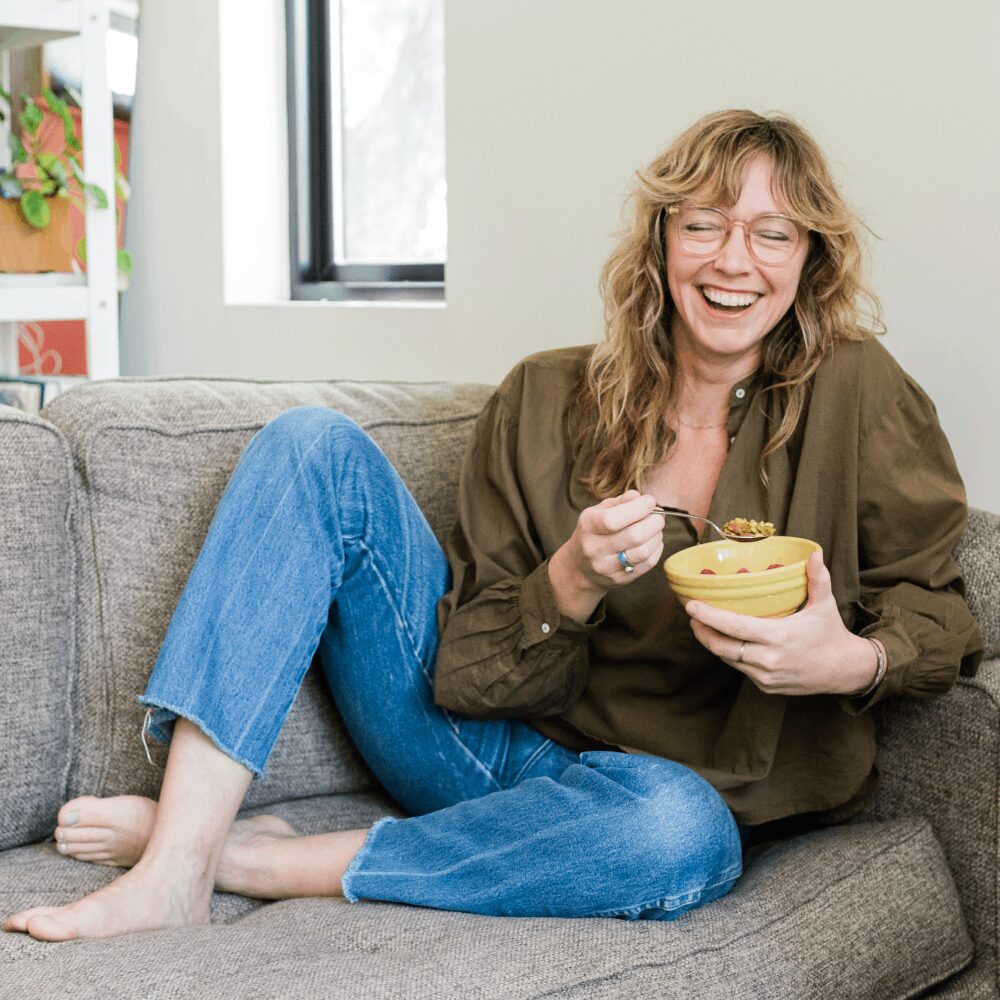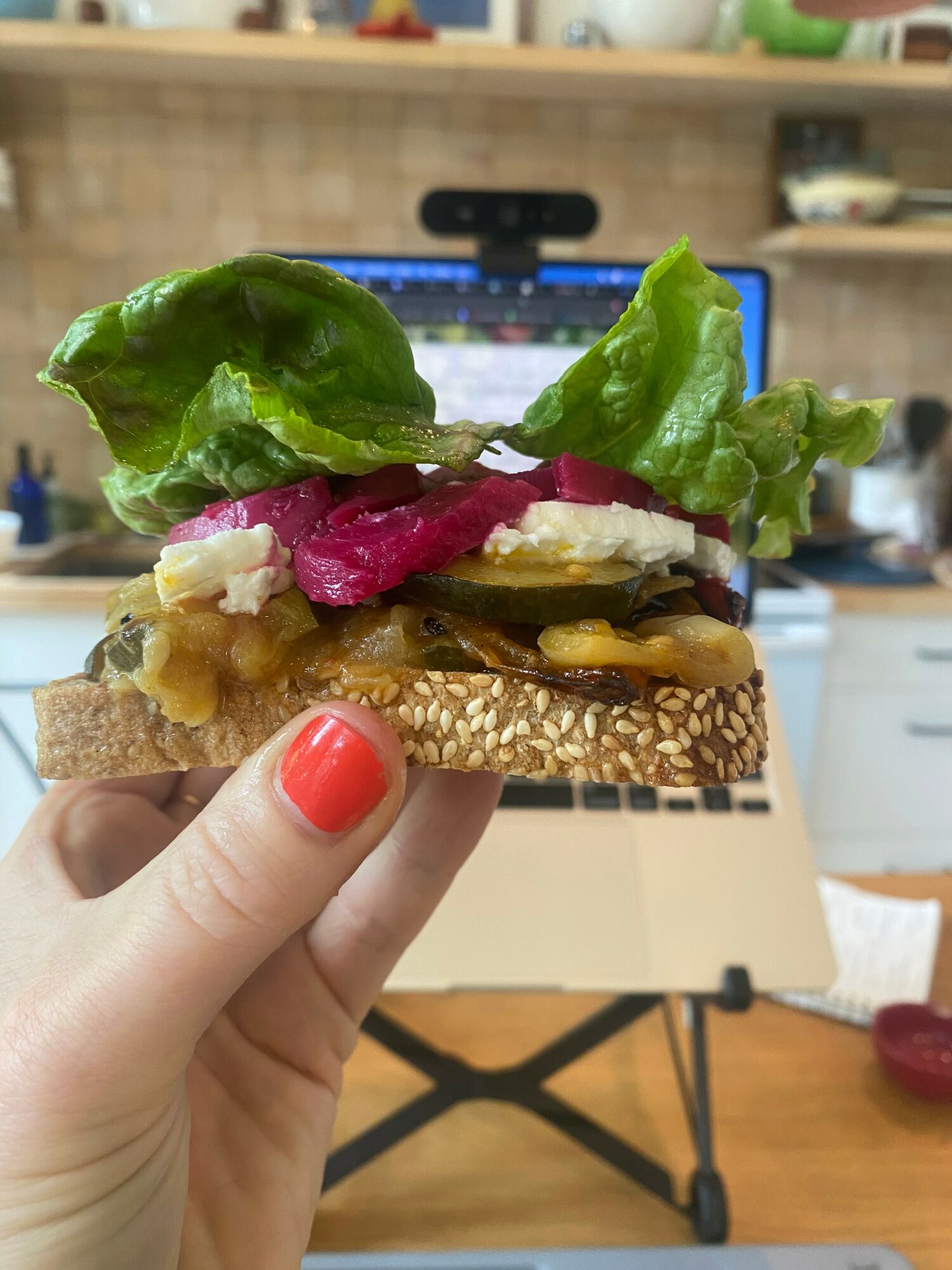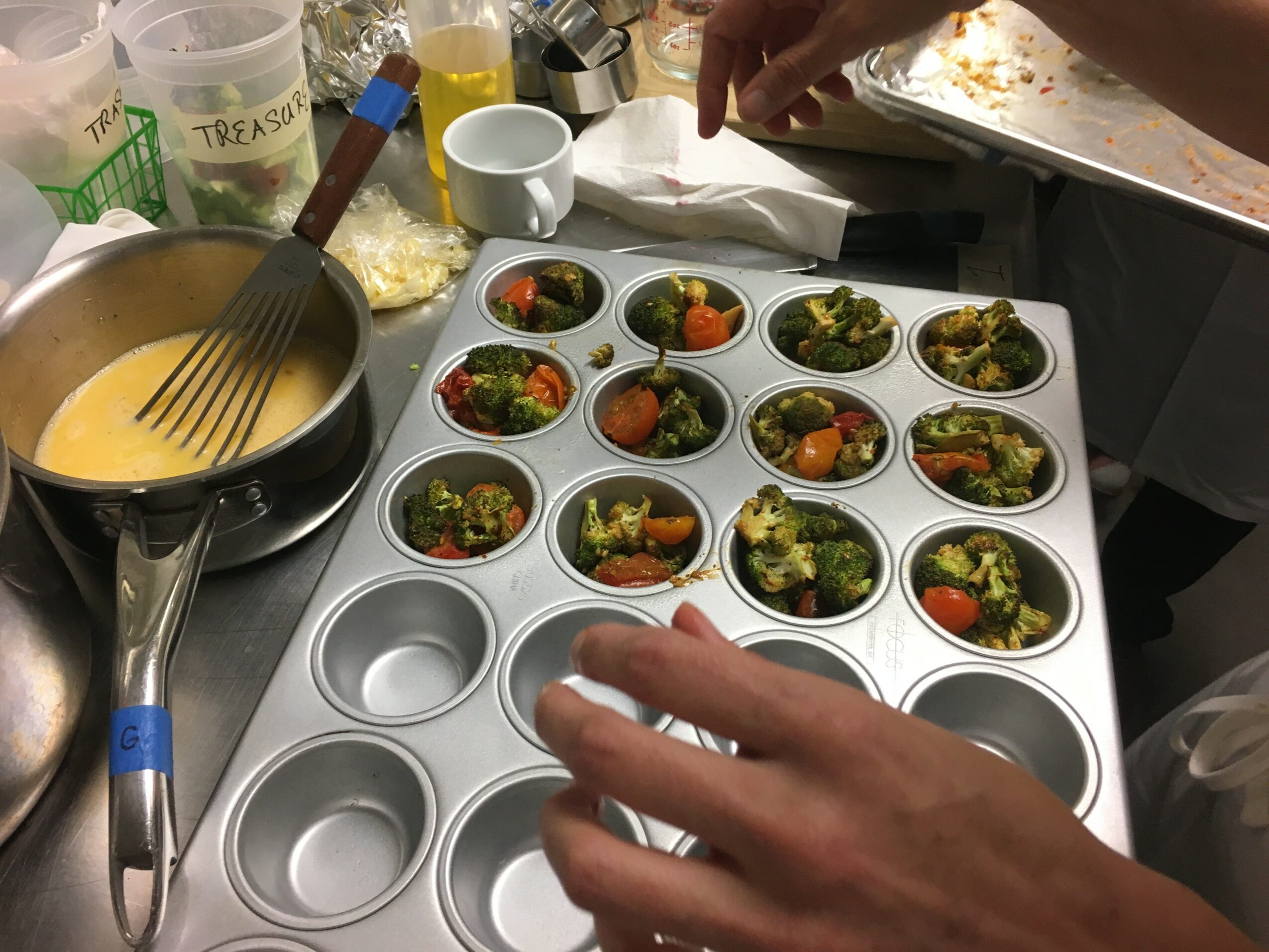



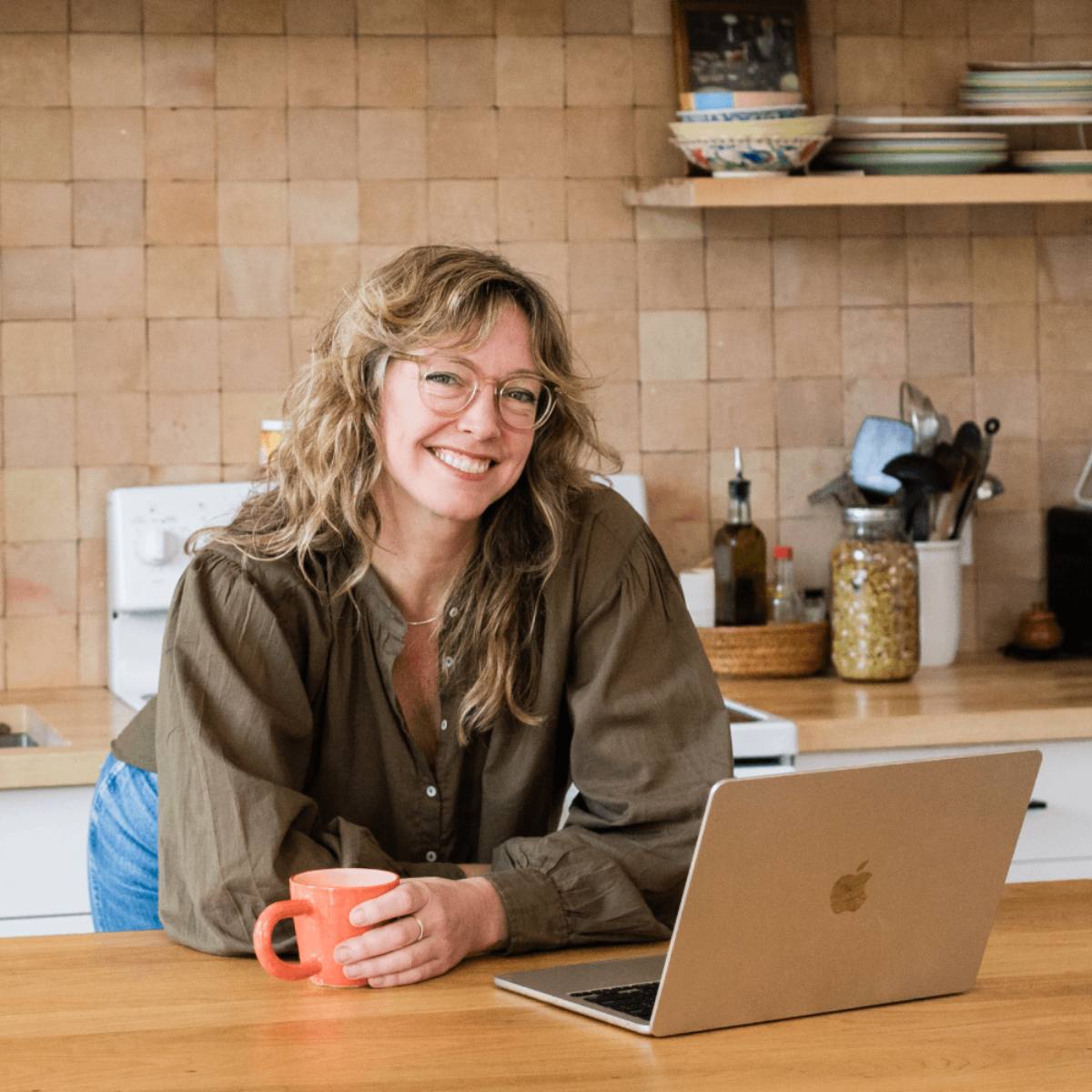
Today we’d like to introduce you to Emily Van Eck.
Hi Emily, please kick things off for us with an introduction to yourself and your story.
I didn’t always know I’d become a dietitian—or even care about nutrition—but I started to feel a calling toward helping people live better lives. While working in NYC restaurants, food became a bit of an obsession—first out of necessity (tight budget, long shifts), and then from a desire to eat well, both at work and at home. I started learning to cook and found myself transfixed by how many ways others seemed to relate to food, cooking, and health. That’s when it clicked: I wanted to understand food deeply—and help others do the same.
When I went back to school for a graduate degree in nutrition, I gravitated toward eating disorders and body image work. My background in dance therapy, my own history, and what I’d seen in so many women and girls made the path clear. I saw how diet culture distorts our relationship to food and our sense of self, how pressure to be thin strips the joy from eating, and how common it is for these pressures to turn into deeply ingrained, dysfunctional beliefs. I knew, because I’d lived it.
Over time, my work evolved into what it is today: grounded in Intuitive Eating and the Health at Every Size® (HAES®) framework. I saw how conventional nutrition advice often led to more shame and control—not less. I wanted to offer a different path: one rooted in curiosity, flexibility, and trust. Now, I help women break free from food rules, heal from disordered eating, and find real peace with food and their bodies.
Through my coaching programs, courses, and writing, I guide clients from fear and confusion to clarity and care. This work is deeply personal—and deeply political. Reclaiming body trust isn’t just a wellness goal (though that’s reason enough). It’s a quiet rebellion against a culture that profits from our self-doubt.
Would you say it’s been a smooth road, and if not what are some of the biggest challenges you’ve faced along the way?
Yes and no. I always knew I wanted to work for myself, so I started my private practice on the side of a full-time job right out of school. I built up a client base steadily, but it wasn’t until I quit my job that I realized: I had no idea how to run a business. I knew how to be a clinician—but not how to market, plan, or manage the backend of a growing practice. That’s been a huge learning curve.
Another challenge early on was trying to do too much. I’ve long been interested in gut health, so for a while I was supporting clients with digestive issues and autoimmune conditions, while also working with people recovering from disordered eating. These are very different approaches—especially when elimination diets are involved—and I was constantly switching hats. It started to feel unsustainable.
Oddly enough, COVID gave me the pause I needed. I realized I was done with the restriction-heavy, fix-it-all-with-food mindset. I decided to fully step into the work I cared most about: helping people rebuild trust with food and their bodies. I’ve never looked back. (The truth is, so many gut issues are rooted in stress and disordered eating anyway—what most people need is more nourishment, not more restriction.)
I also moved back to Austin from New Orleans during the pandemic, which meant starting over socially and professionally midway through my career. That transition was challenging—but it’s also been deeply rewarding. It gave me a chance to build a community that aligns with my values and the direction my work was growing into.
Great, so let’s talk business. Can you tell our readers more about what you do and what you think sets you apart from others?
I run a virtual private practice where I help people heal their relationship with food and their bodies through a non-diet, weight-inclusive approach. I specialize in Intuitive Eating, disordered eating recovery, and body image work—especially for women in midlife or navigating big life transitions like pregnancy, postpartum, or perimenopause. What I’m really known for is helping clients move from shame and confusion to clarity, self-trust, and a more peaceful, nourishing relationship with food and their body.
My practice is rooted in the belief that you don’t need more rules—you need more connection: to your body, your values, and your real needs – food and otherwise. I’m deeply committed to feminist and anti-diet values, which means I reject approaches that pathologize bodies or promote restriction as a path to health. Instead, I offer nutrition counseling and coaching that centers care, curiosity, and sustainability.
I work with clients one-on-one, but I also offer group programs, including my signature 4-month course Love Food Again and a have a shorter series called The Midlife Food & Body Image Reset. I also write a newsletter called Lunch & Liberation where I unpack food culture, diet myths, and body politics in a way that’s compassionate but honest.
What sets my work apart is that I’m not trying to sell quick fixes or tell people how to eat “perfectly.” I’m helping people unlearn the shame they’ve carried for years and rebuild a relationship with food that feels good and grounded. That’s what I’m most proud of—creating a space where people feel seen, heard, and supported in finding a way of eating and living that actually works for them.
Is there anything else you’d like to share with our readers?
I want people to feel relief when they find my work. Not another list of rules or things to fix, but a space that feels different—like an exhale, but also like hope. A lot of my clients come to me overwhelmed, burned out, and questioning themselves at every turn when it comes to food. They’ve tried so many things, and none of them have brought the peace or health they were promised.
When they read something I’ve written or join one of my programs, I want them to feel like they can finally stop performing. That they’re not broken. That it’s possible to care for themselves really well without shame or self-surveillance.
My goal isn’t to push people toward another version of “better”—it’s to help them feel more like themselves and find balance from that place. That moment when someone says, “I didn’t know food could feel this easy,” or “I finally feel at home in my body again”—that’s what keeps me doing this work.
Contact Info:
- Website: https://www.emilyvaneck.com
- Instagram: https://www.instagram.com/emily.nutrition