


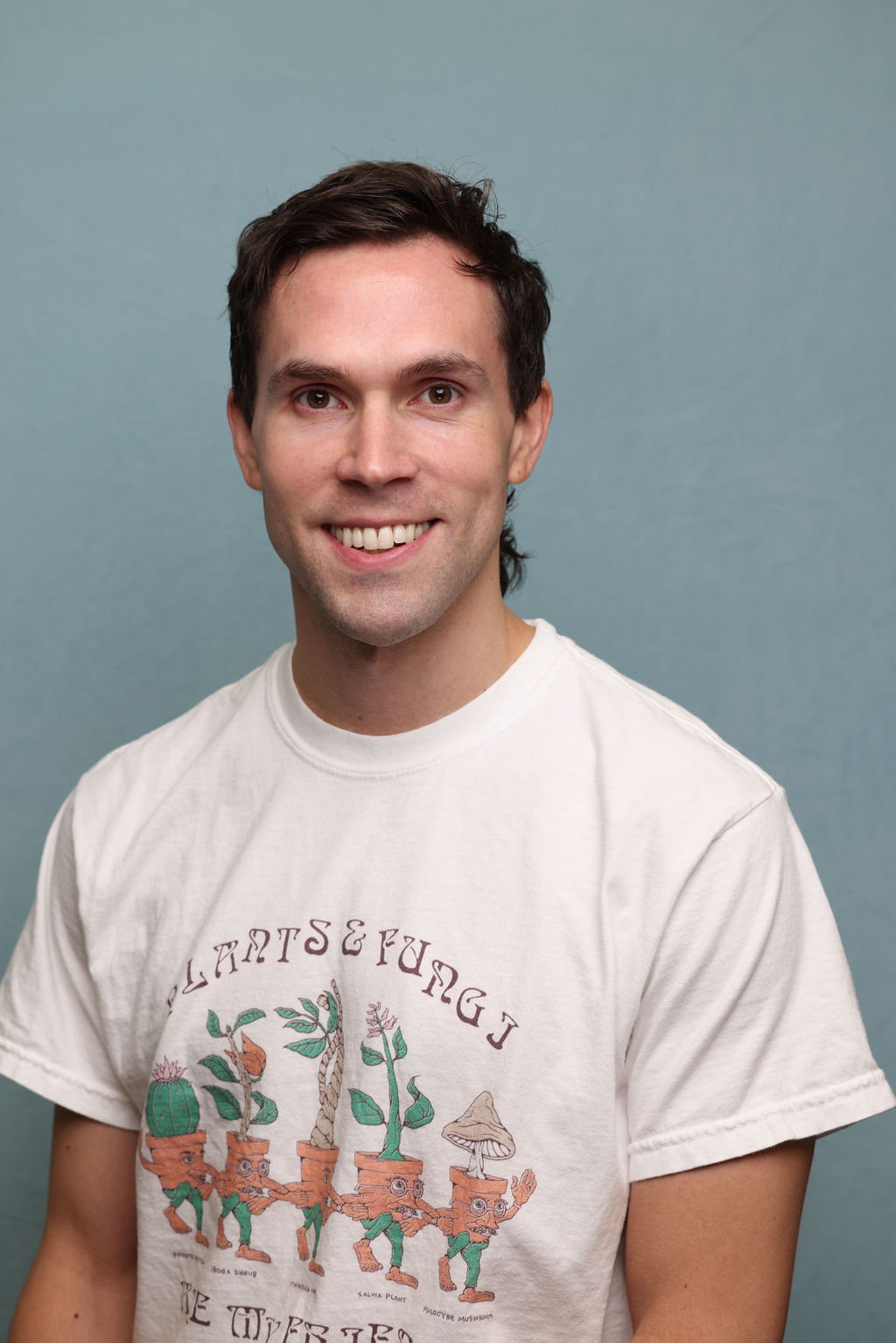
Today we’d like to introduce you to Henry Winslow.
Hi Henry, we’re thrilled to have a chance to learn your story today. So, before we get into specifics, maybe you can briefly walk us through how you got to where you are today?
I grew up in a secular household and stumbled into spirituality through yoga when I moved to NYC for my first job in healthcare marketing. After about ten years of dedicated practice, a fellow yoga teacher friend told me she’d found the shortcut to samadhi (the ego-dissolving destination of yoga I’d only read about in the Sutras) through 5-MeO-DMT.
That first ceremony changed everything for me. I felt intense terror, surrendered to death, and moved into an overwhelming state of unconditional love and unity. It was the samadhi I’d contemplated intellectually, now unmistakably real.
By then, I’d spent years in pharma learning the ins and outs of biomedical science, clinical trial design, and drug approvals. I’d grown a bit disillusioned with that world, but the toolkit would come in handy. As I followed psychedelic research and policy reform with great personal interest, I saw a massive opportunity for news coverage that was both accurate and accessible. Serious but not sanctimonious.
So in January 2023, I launched Tricycle Day to make psychedelic education available (and entertaining!) to anyone curious enough to lean in. The newsletter grew to tens of thousands of subscribers, which caught the attention of Niko Skievaski, the founder of Althea, a psychedelic therapy infrastructure company whose software powers the majority of legal psilocybin sessions in Oregon and Colorado.
Now, as President of Althea, I’m working on the most impactful thing I could be doing with my life: reducing suffering by increasing access to safe, legal psychedelic therapy for all who could benefit.
Alright, so let’s dig a little deeper into the story – has it been an easy path overall and if not, what were the challenges you’ve had to overcome?
Ha! Is entrepreneurship ever a smooth road? I do think the psychedelics industry comes with unique challenges, though. We’re operating at the intersection of rapid policy change, groundbreaking research, deeply entrenched cultural stigma, and a community that’s understandably skeptical of anything that smells like commercialization.
When I launched Tricycle Day, I was a solo founder doing everything: writing, editing, selling sponsorships, managing the tech stack, growing the readership, etc. The newsletter grew fast, which was exciting, but it also meant the treadmill sped up. As the sole voice of a media brand, if you stop, the whole thing goes dark. Candidly, I haven’t fully unplugged and taken a real break in three years.
There were also challenges I never saw coming. At one point, my email service provider, SendGrid, nearly shut down my account for allegedly violating their terms of use, despite the fact that the news and education I was offering was perfectly legal. That’s the reality of working in this space. Even when you’re doing everything “right,” there’s no guarantee that the infrastructure around you will recognize the legitimacy of your work. I’ve seen more people lose their social media accounts than I can count at this point. The stigma is not just a handwavey talking point.
Then there was the acquisition process. Deciding to bring Tricycle Day under Althea’s umbrella was one of the heaviest decisions I’ve made. I felt relief from the burden of carrying a business forward alone and excitement about what the future holds, but also nervousness that what I’d created might be diluted or its potential squandered. Negotiating the deal meant learning on the fly how to advocate for the value of something I’d built from scratch while also being honest about what I wanted for my own growth.
And on a personal level, advocating for psychedelic access comes with a certain type of struggle, too. I feel a responsibility to honor the sacred nature of these experiences while bringing humor and levity to my content, so that this information (and these experiences) can become more accessible to more people. Getting that balance right is something I think about every day.
Alright, so let’s switch gears a bit and talk business. What should we know?
There are two sides to what I do.
Tricycle Day is a free newsletter covering the psychedelics space, with a focus on research, policy, business, and harm reduction. We publish three times a week to over 85,000 subscribers. What sets it apart is the tone. This is a space that tends to lean either into clinical dryness or woo-woo mysticism, and we try to split the difference. We take the science and the policy seriously, but we don’t take ourselves too seriously. Readers often tell us it’s the only psychedelics publication they look forward to reading, and I think that’s because we treat them like intelligent adults who can handle nuance, humor, and hard truths in one sitting.
Althea is the company that acquired Tricycle Day, and where I now serve as President. Althea builds the software that powers the majority of legal psilocybin sessions in Oregon and Colorado. You can think of it as the operating system for psychedelic therapy. Licensed facilitators in these regulated frameworks need to collaborate with centers, take payments, screen clients, measure outcomes, and stay compliant with state regulations. Althea is what makes that possible.
What I’m most proud of is the bridge we’re actively building between the two. Tricycle Day builds trust and educates people who are curious about psychedelic therapy. Althea provides the infrastructure to make those experiences safe, legal, and measurable. Together, we’re working to create a world where someone can go from “I’ve heard mushrooms might help with my depression” to sitting across from a licensed, vetted facilitator, with the entire experience supported by the best tools and data in the industry.
We also recently launched the Forward Fund, an initiative to make psilocybin therapy more accessible for people who couldn’t otherwise afford it. We’ve paid for a small number of sessions already, and I’m excited about the impact this project can have at scale.
How do you think about happiness?
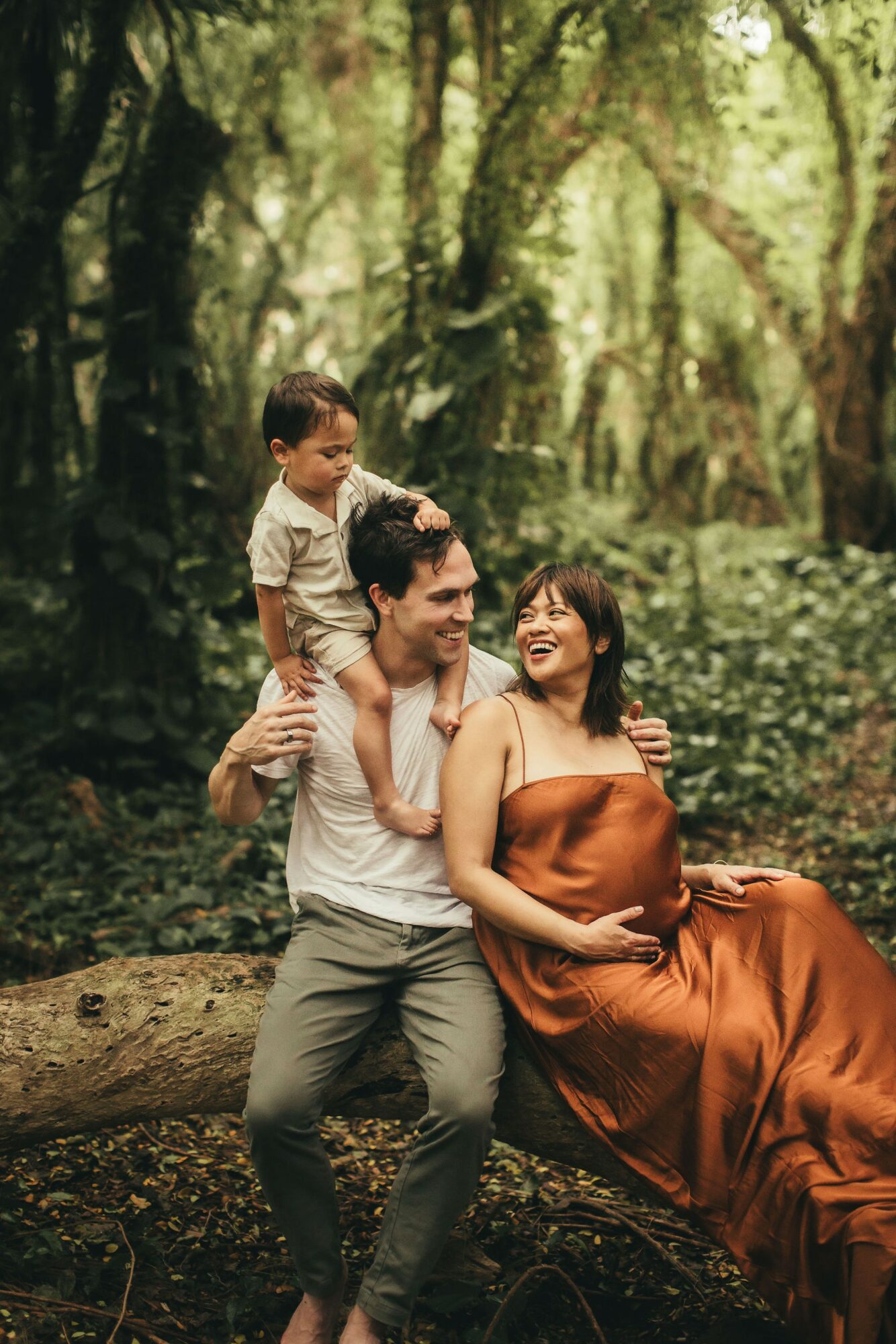
Being a dad. My son Perry is three, and spending time with him is the purest form of happiness I know. He reminds me every day to approach the world with wonder, curiosity, and play. We have a daughter on the way, too, so I’m about to get a double dose of that medicine.
On the work front, I’m happiest when I hear from someone who read Tricycle Day and took a step toward healing they wouldn’t have taken otherwise. That feedback loop (education to action to reduced suffering) is what gets me out of bed and what makes the grind worth it.
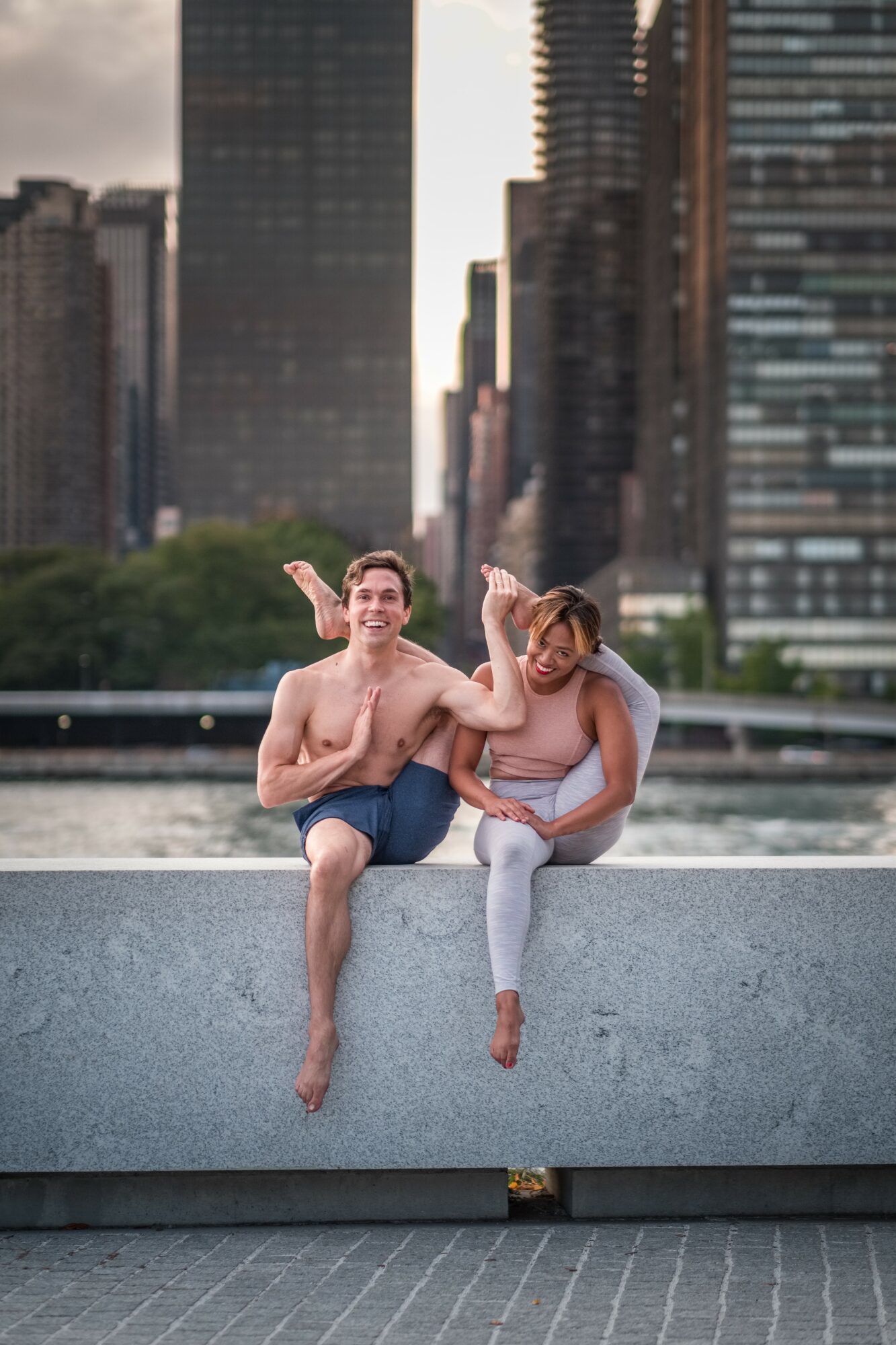
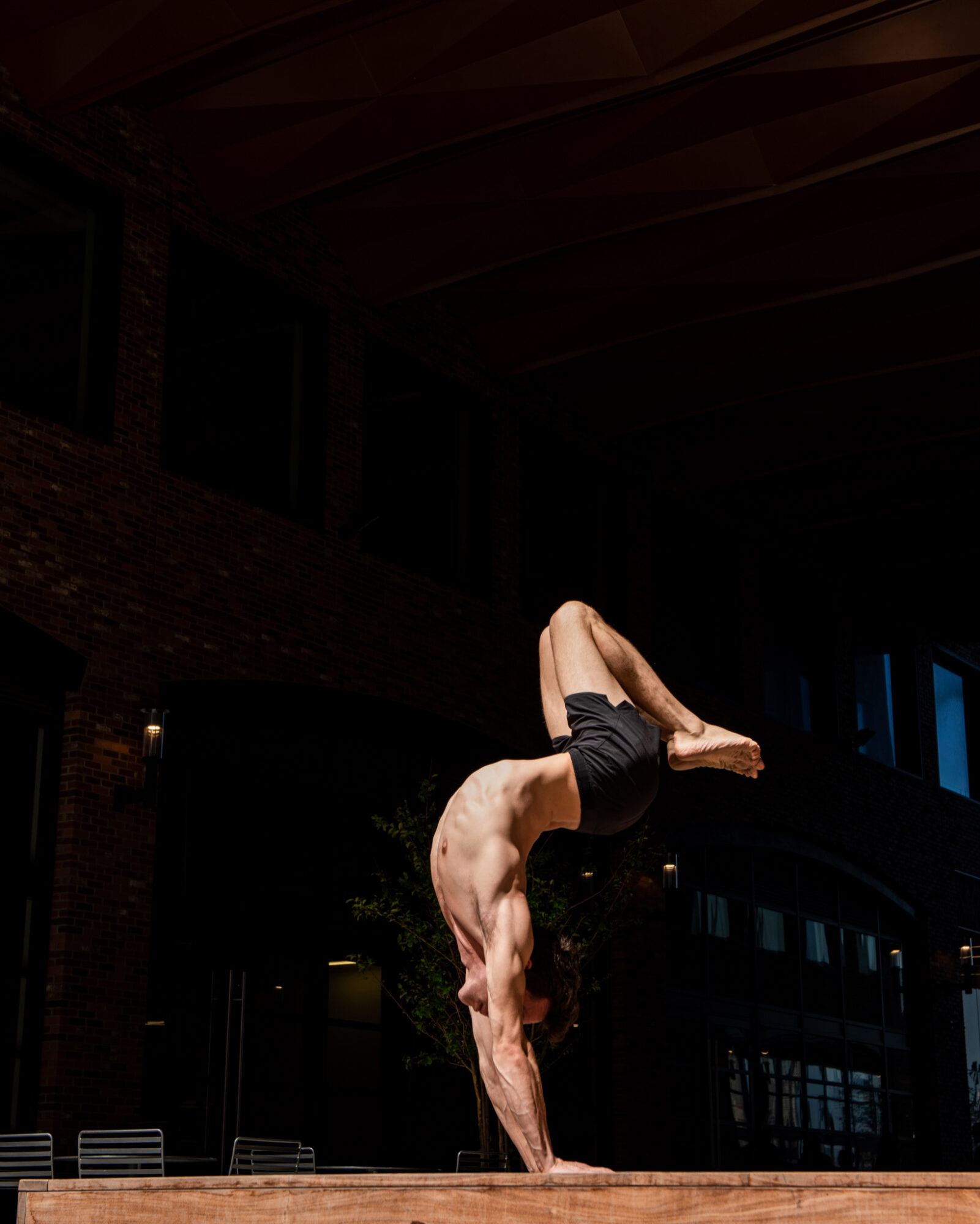
And although I’m not sure I would call it “happiness,” per se, the effect I get from practicing yoga is incredibly important to me. After more than 15 years on the mat, it’s still an essential part of my routine for anchoring to my center, keeping perspective, and honoring my connection to the divine. It’s also where my whole journey with psychedelics started and how I met my wife!
Contact Info:
- Website: https://www.tricycleday.com/
- Instagram: https://www.instagram.com/tricycleday/
- Facebook: https://www.facebook.com/tricycleday
- LinkedIn: https://www.linkedin.com/in/henrywins/
- Twitter: https://x.com/henrywinfast
- Other: https://withalthea.com/