



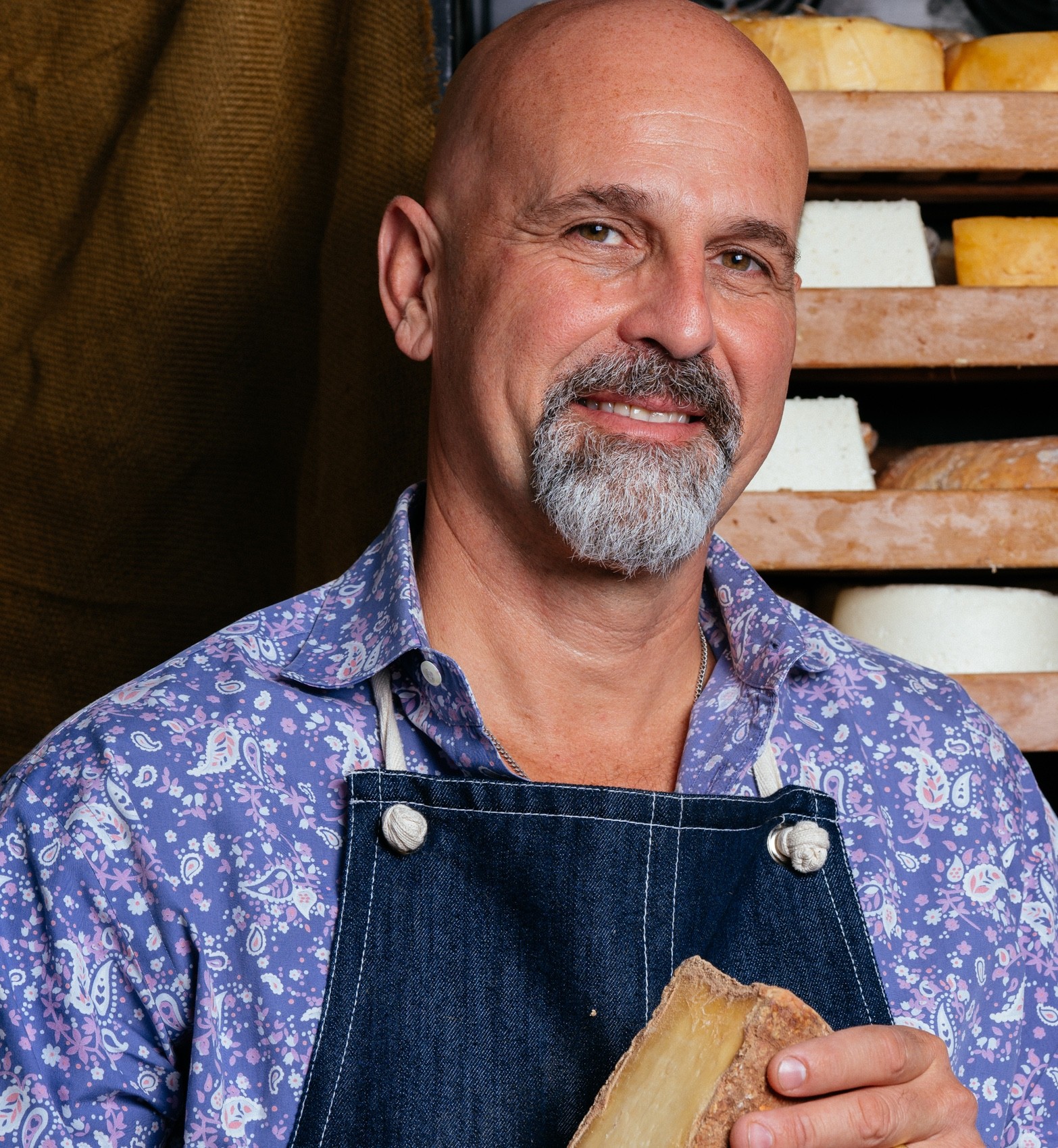
Today we’d like to introduce you to Joaquin Avellan.
Hi Joaquin, thanks for joining us today. We’d love for you to start by introducing yourself.
Over time, I realized my work wasn’t asking for more effort, but for recognition. I had spent years focused on production, believing progress meant constant movement. What became clear later was that the most important part of the work had already matured.
As circumstances changed, I stopped pushing and started paying attention to what was already there. Cheeses that had aged quietly, some for many years, revealed their purpose when I learned to see them as completed works rather than unfinished ones.
Today, I speak from a place of continuity and stewardship. My role has shifted from producing to honoring what time has shaped, allowing the work to be seen for what it truly is: a lasting expression of patience, craft, and care.
Would you say it’s been a smooth road, and if not what are some of the biggest challenges you’ve faced along the way?
No, it hasn’t been a smooth road.
One of the main challenges was learning when to stop pushing. For many years, I believed that commitment meant constant production, making more cheese, expanding, and sustaining a system that had worked before. When access to milk changed and the conditions that supported large-scale production disappeared, I initially treated that as a problem to solve through more effort.
What I didn’t see right away was that the work itself hadn’t disappeared. I had already aged hundreds of cheeses over many years, some for more than a decade. The real struggle was recognizing that continuing to push wasn’t the answer, and that the value of what I had made was already there.
Once I understood that, the challenge wasn’t technical, it was a shift in perspective. That understanding redefined my work and established the foundation of what I do today.
As you know, we’re big fans of Dos Lunas Artisan Cheese. For our readers who might not be as familiar what can you tell them about the brand?
Dos Lunas Artisan Cheese began from a very personal place. At first, the purpose was health, my own, my family’s, and that of people close to me. Working with raw milk and traditional methods wasn’t a trend or a business decision; it was a way to nourish and restore, to create food that supported well-being in a tangible, everyday way.
Over time, the work revealed something deeper. I began to understand that this wasn’t only about health, it was about life itself. By choosing living milk and preserving it through careful, non-industrial methods, the cheese remained alive. It didn’t simply age and stop; it continued to evolve, change, and gain complexity through time.
That realization marked a second stage of the practice. What I had been making was not just food for healing, but a living body of work, cheeses capable of aging for many years, sometimes decades, becoming more expressive and complex rather than declining. Some of these cheeses have now aged eight to seventeen years and continue to transform.
What sets Dos Lunas apart is this relationship with time and life. The work is guided by patience, restraint, and respect for life and its natural processes. I am most proud of having created cheeses that are not rushed or fixed in a final state, but alive, continuing to mature, deepen, and reveal themselves over time.
Are there any apps, books, podcasts, blogs or other resources you think our readers should check out?
My inspiration comes less from apps or podcasts and more from direct observation, travel, and a few key books that helped me trust natural processes.
Whenever I travel in the U.S. or abroad, I make a point of visiting cheesemakers, large facilities like Gruyère in Switzerland, creameries in South Africa, and affineurs across Europe. I don’t just look at the cheese as an object; I try to understand what it has become over time. That sense of transformation has always pushed me to explore what my own cheeses could evolve into.
One pivotal moment was visiting Neal’s Yard Dairy in London, where I encountered Stilton and Stichelton for the first time. Seeing a blue cheese that looked almost oxidized on the outside made me ask how such complexity could exist naturally. I knew I didn’t want to inject cultures, because injected blues often collapse into ammonia over time. Instead, I committed to observation and patience. That process eventually led, almost unexpectedly, to the creation of Azulejo, a naturally developed blue cheese that emerged on its own in the cave.
Books also played an important role. The Art of Natural Cheesemaking by David Asher reinforced my belief in raw milk and living systems, while Reinventing the Wheel deepened my understanding of microbes, terroir, and why each milk source deserves to be honored as unique. Spanish texts on artisanal cheesemaking further supported this philosophy.
Later, I learned about Swiss studies exploring how sound and music influence living cheeses made from raw milk. That resonated deeply with me, because it connected back to my origins in Venezuela, on my father’s farm. There, the workers sing to the cows while milking them, believing that calm, intention, and voice affect the milk itself. That understanding—music, care, intention, and life, has stayed with me. For me, cheese is alive, and how you treat something living determines what it becomes.
Contact Info:
- Website: https://DosLunasCheese.com
- Instagram: @DosLunasCheese
- Facebook: @DosLunasCheese
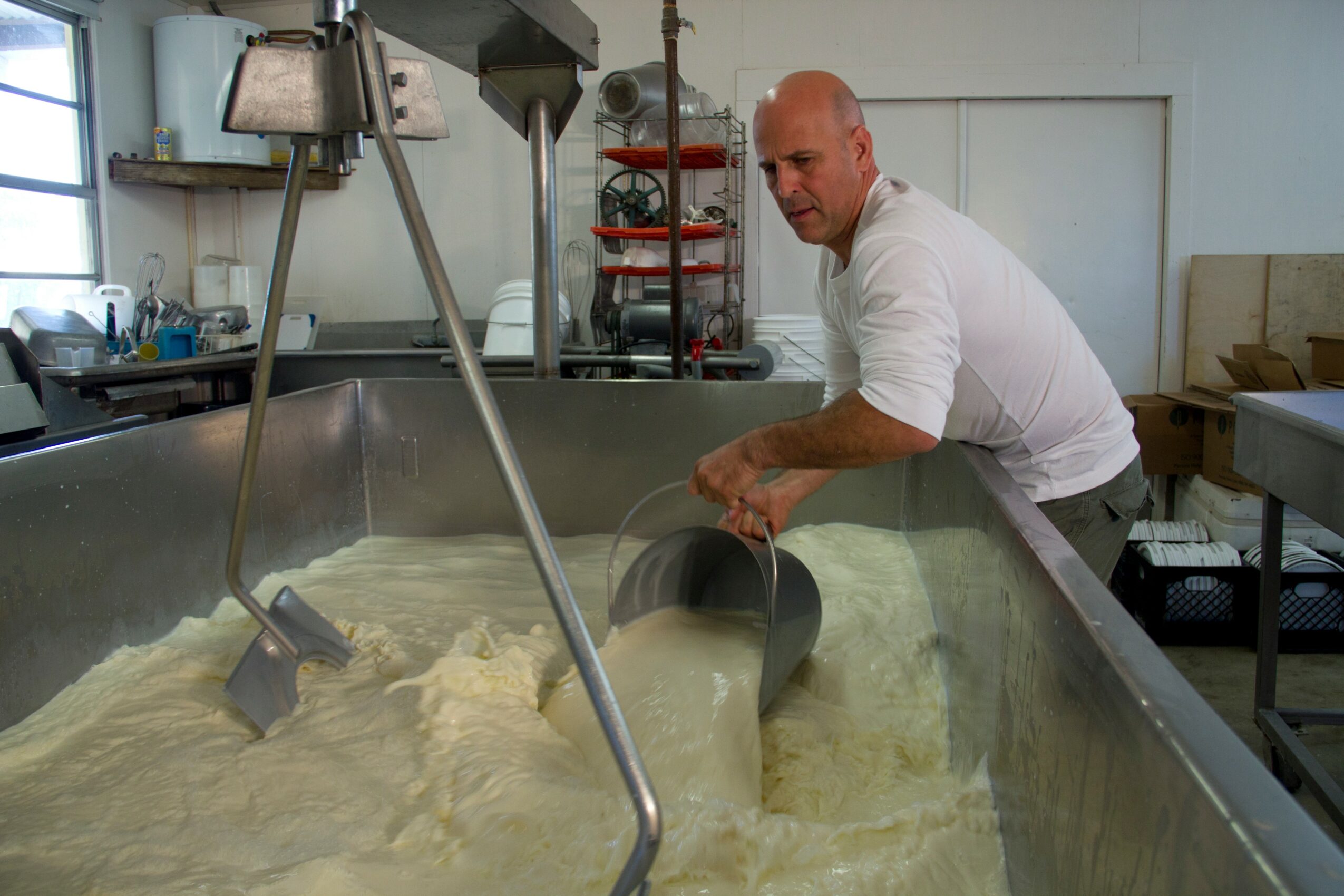
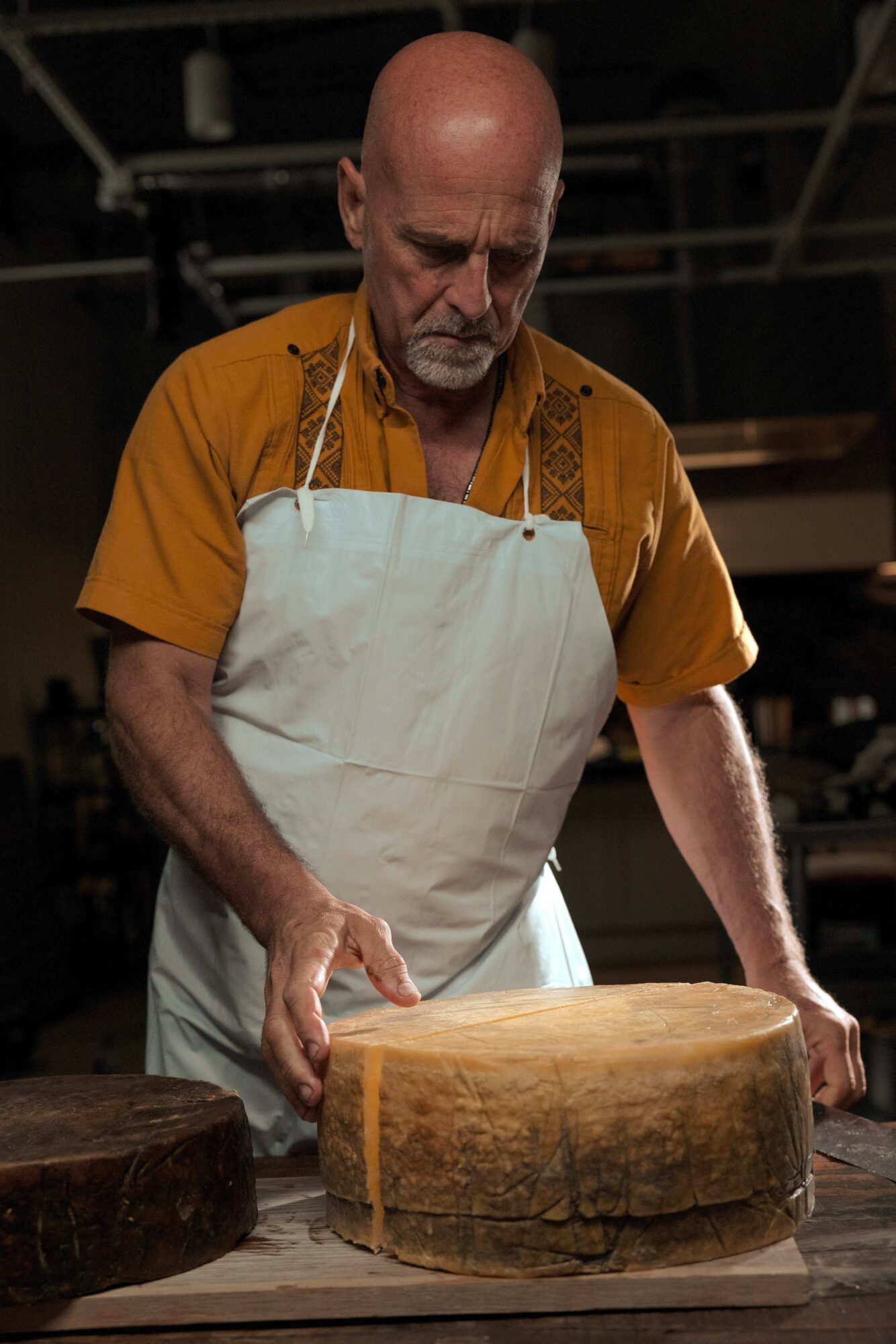
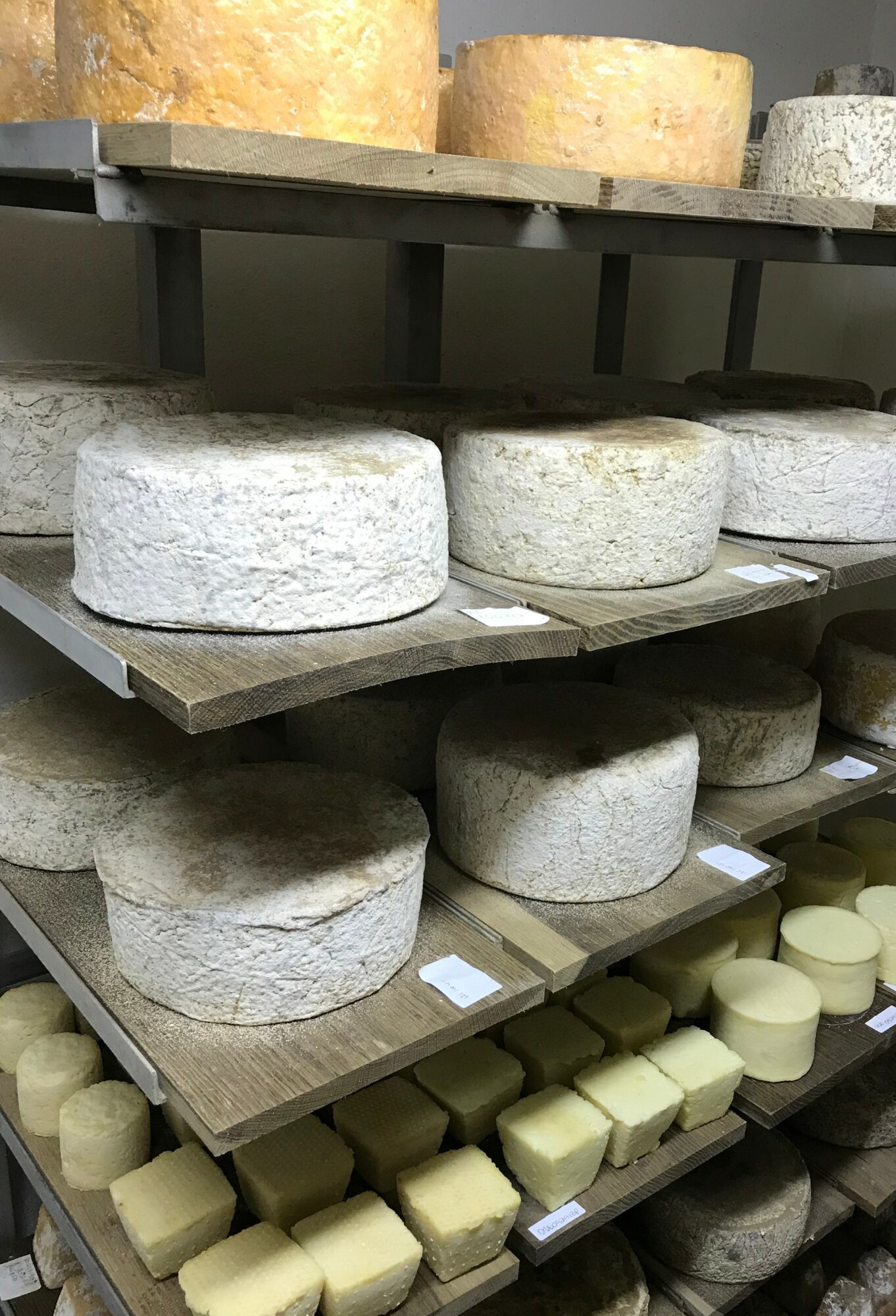
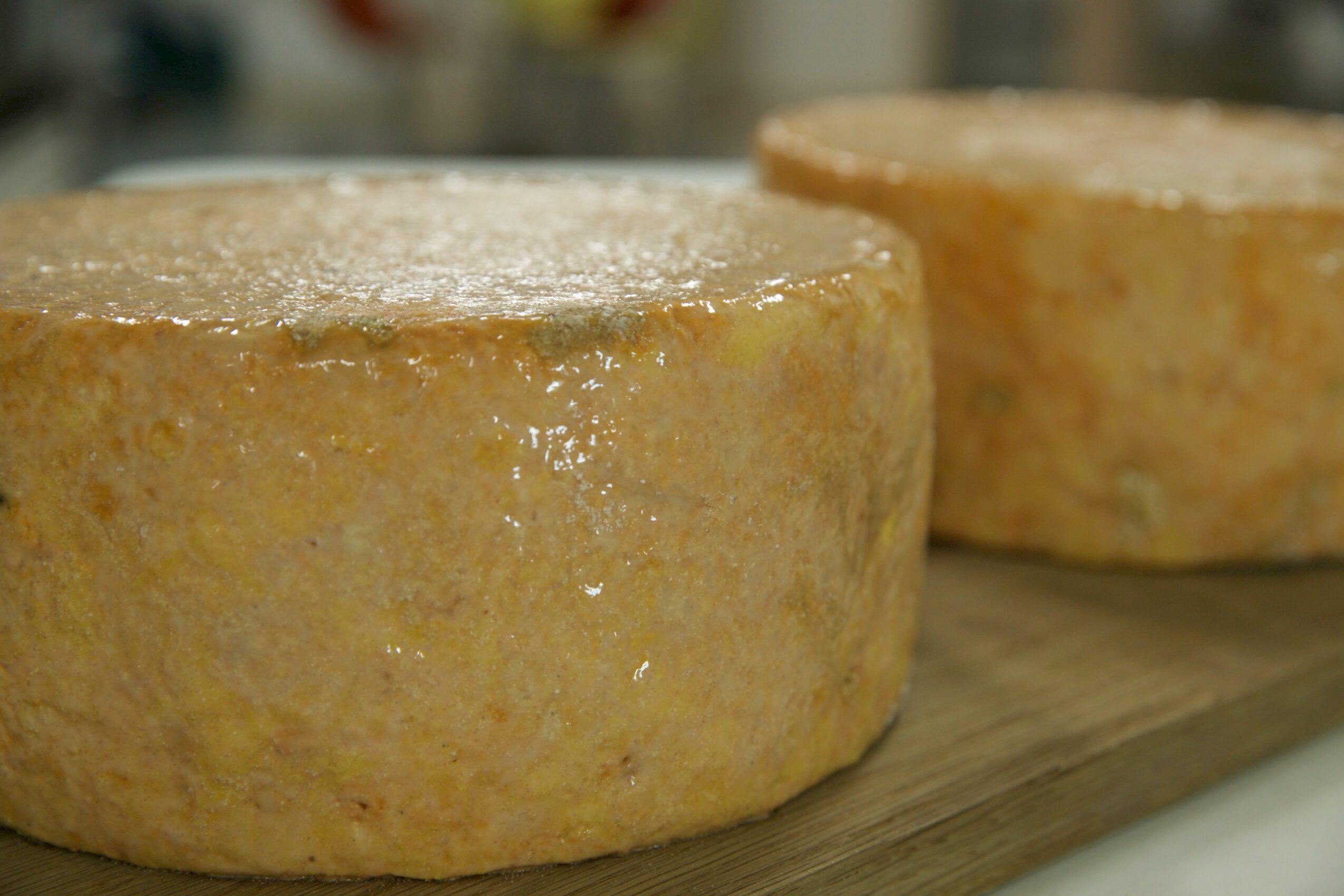
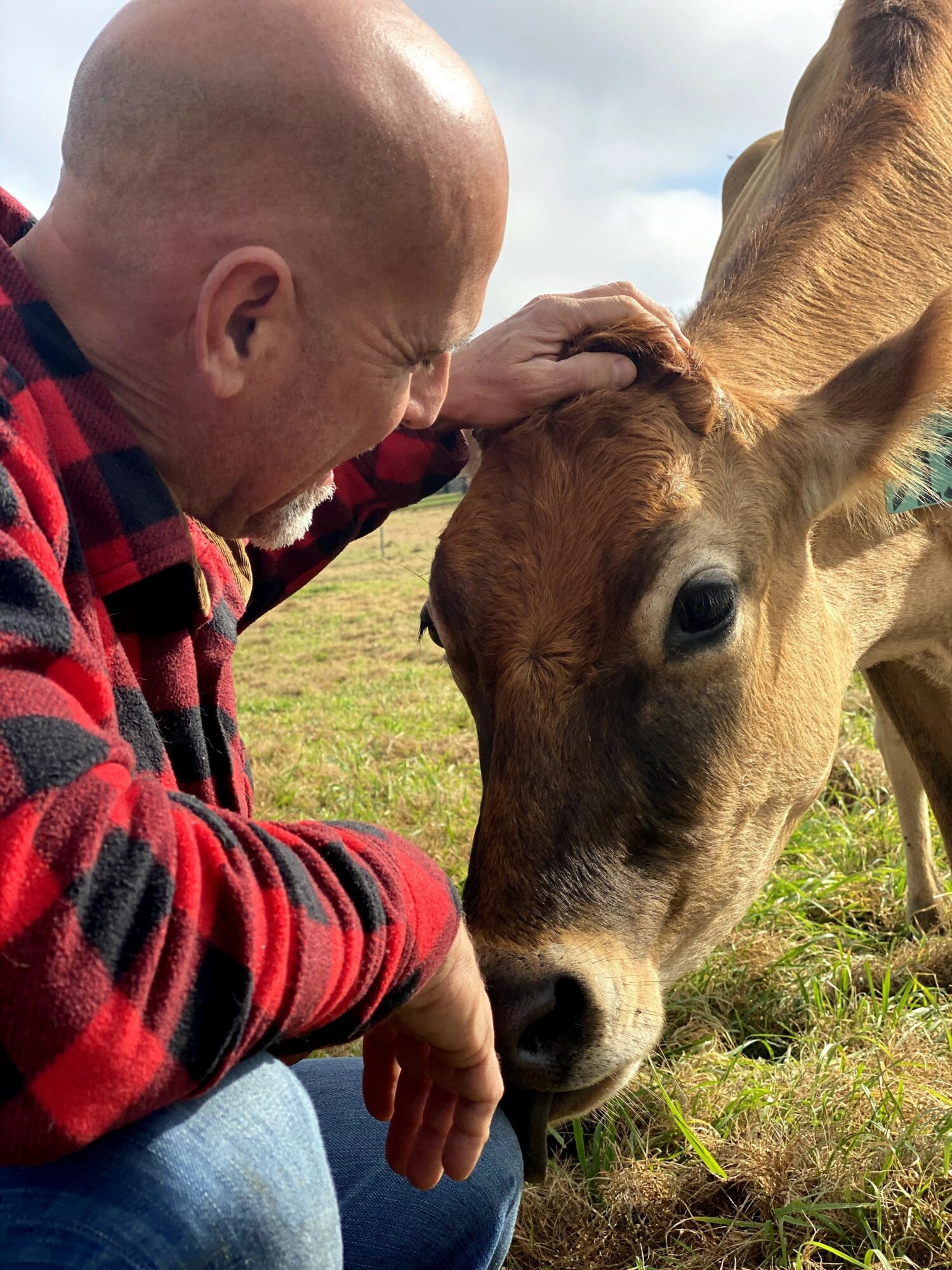
Image Credits
Elise Avellan, Electra Stone, Isabel Fernanda Avellan, Matt Conant, Chris Corona.