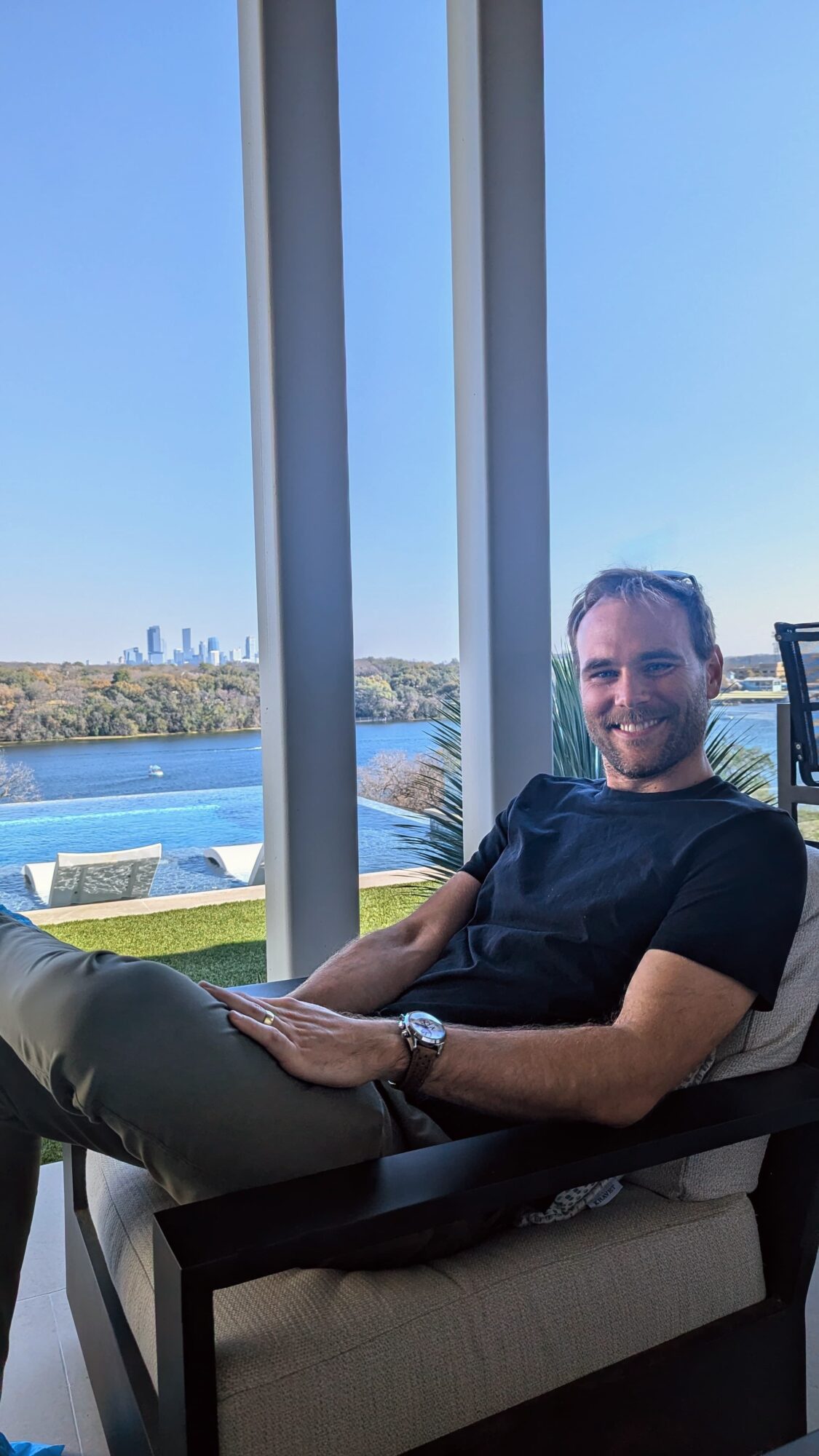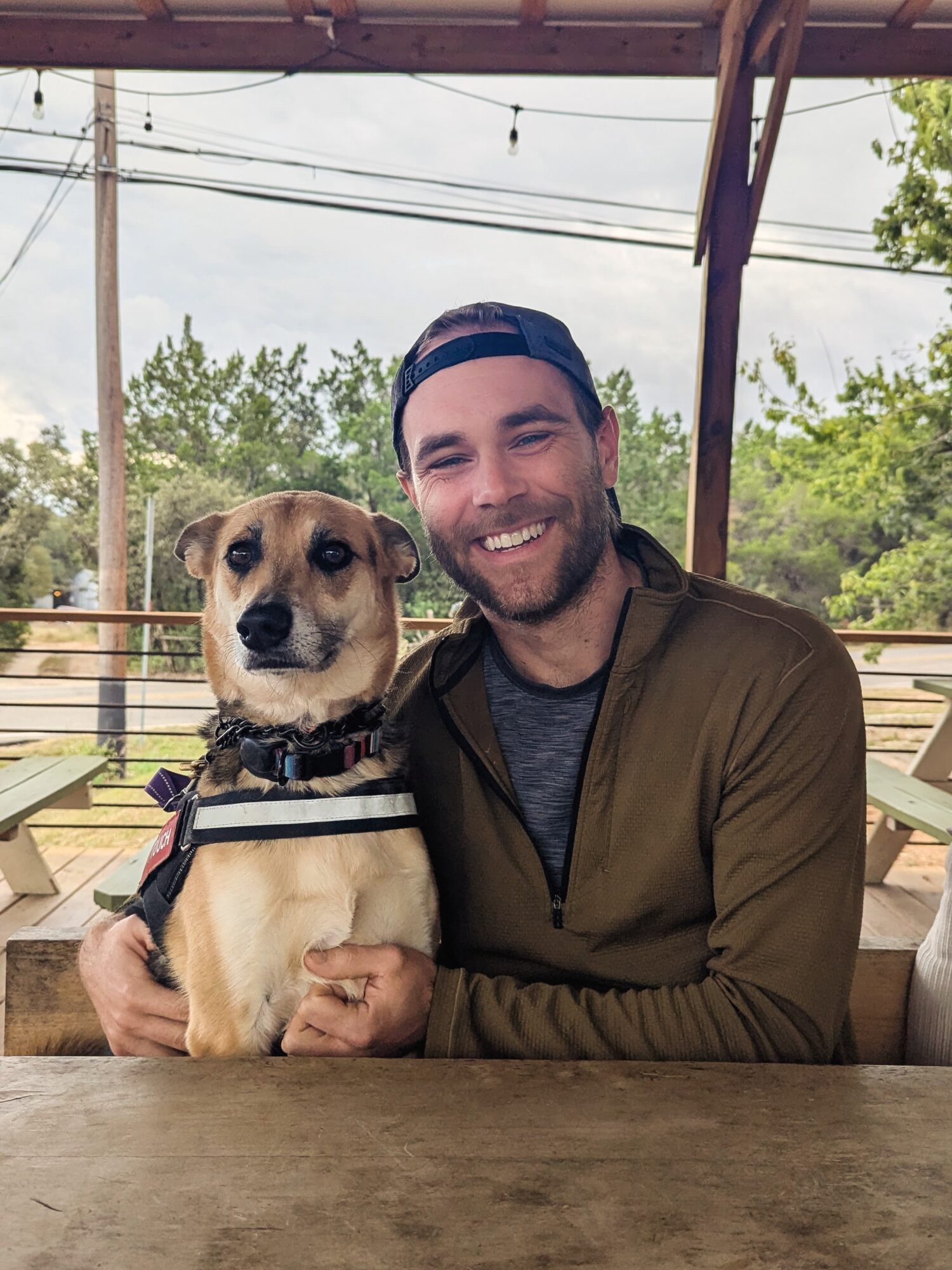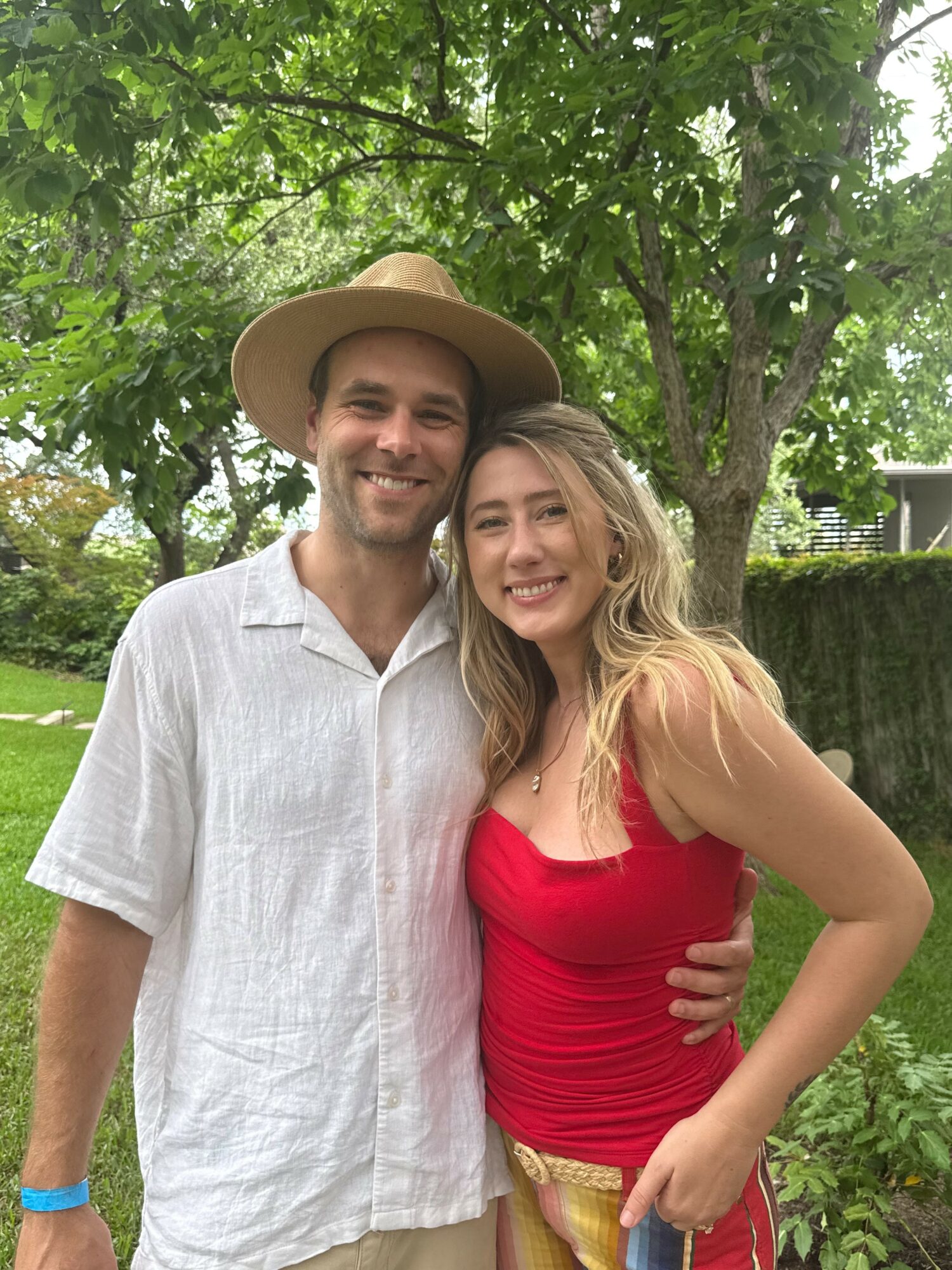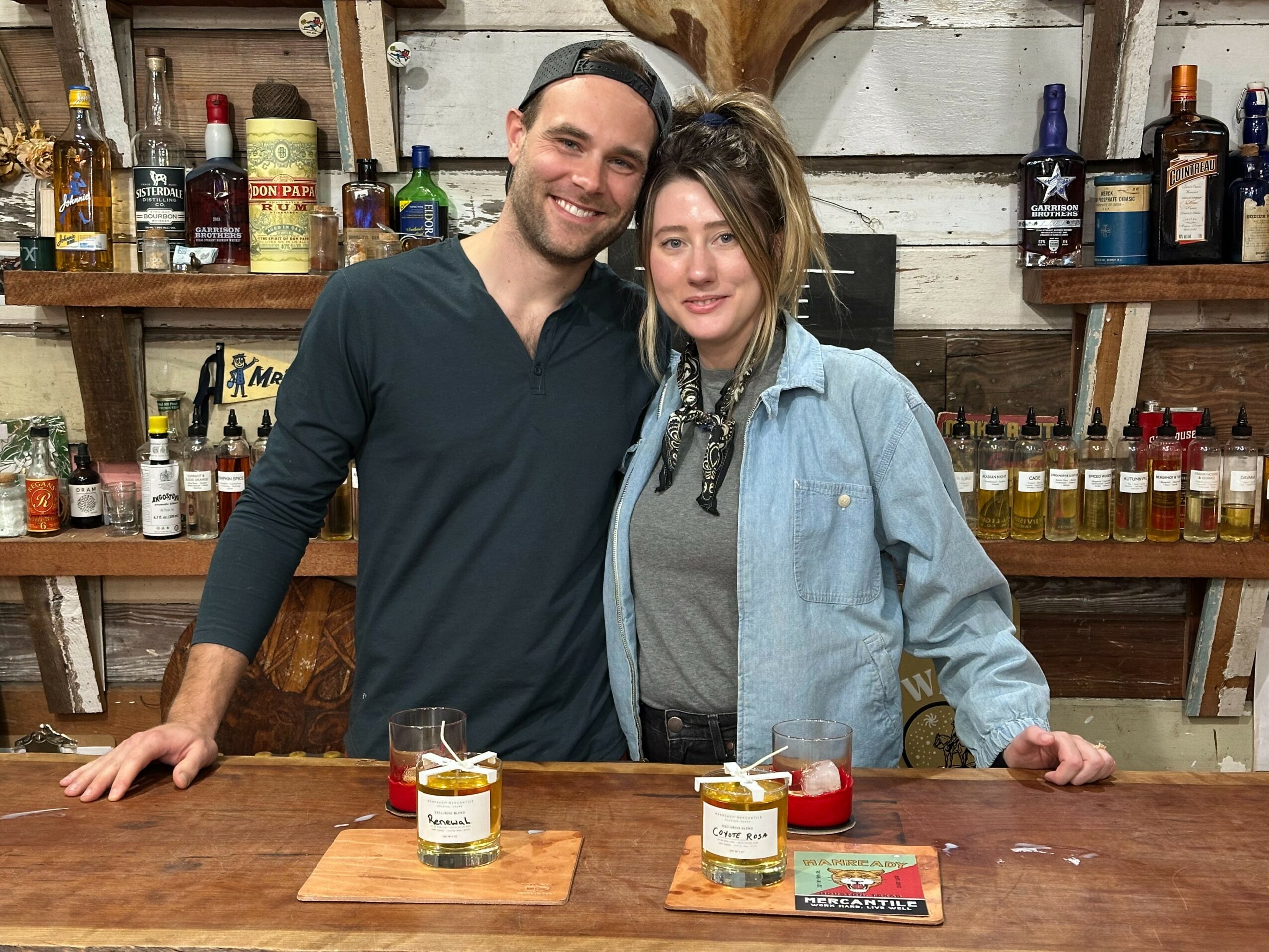



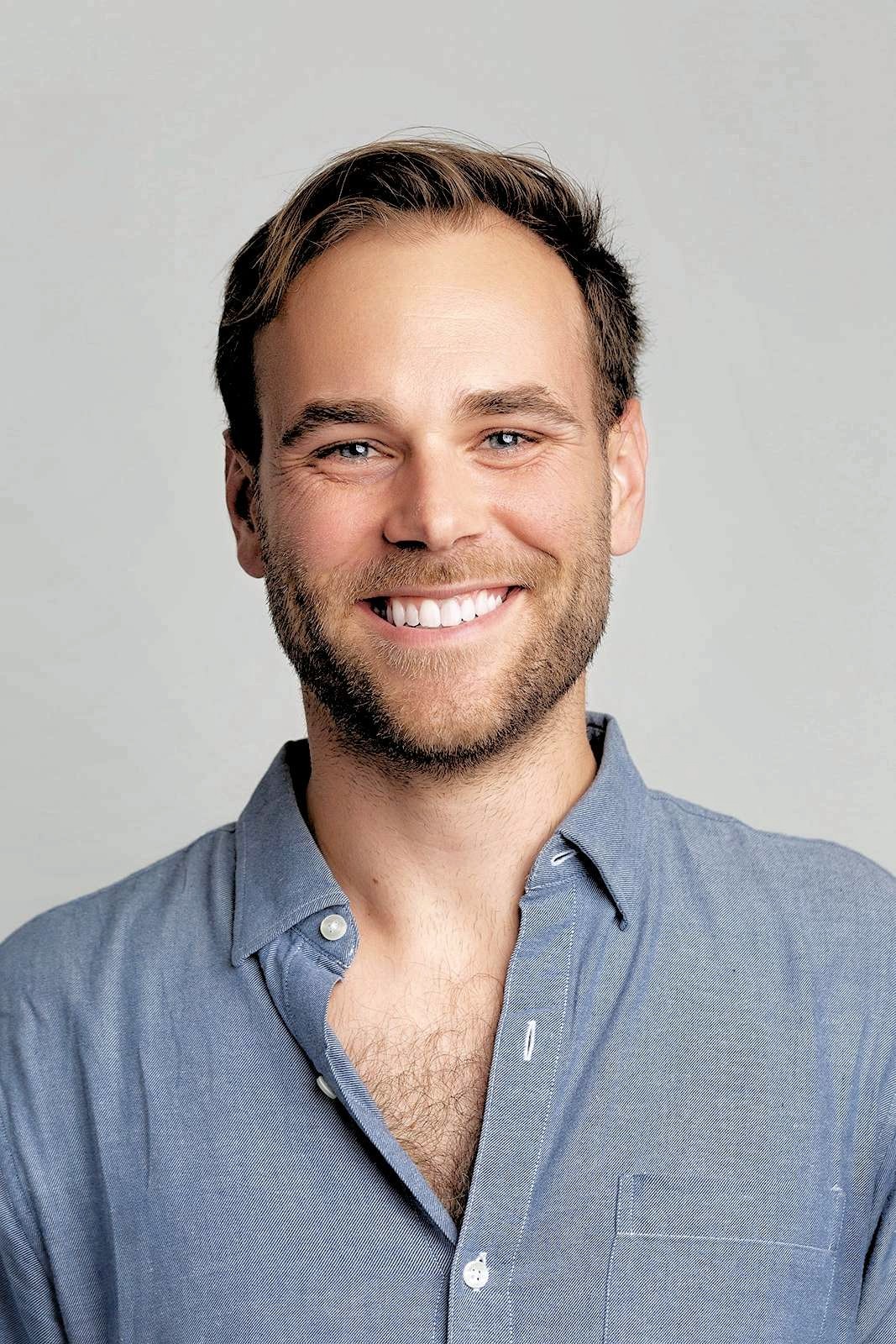
Today we’d like to introduce you to Rob Weidner.
Hi Rob, it’s an honor to have you on the platform. Thanks for taking the time to share your story with us – to start maybe you can share some of your backstory with our readers?
I grew up in Chicago and studied Computer Science at DePauw. By senior year I was running a hand-tossed New York-style pizza company out of the fraternity kitchen. Thursday through Saturday nights, zero startup cost, and the plan was to make that my post-grad life.
Then I took a semester off to work for a small production company in Cape Town. Everything shifted. I’d done video production in high school, and the combination of CS and film cracked open doors in Africa I hadn’t planned on walking through. By the time I graduated and moved back, the pizza brewery I was about to start in Indiana didn’t stand a chance. Cape Town was already pulling.
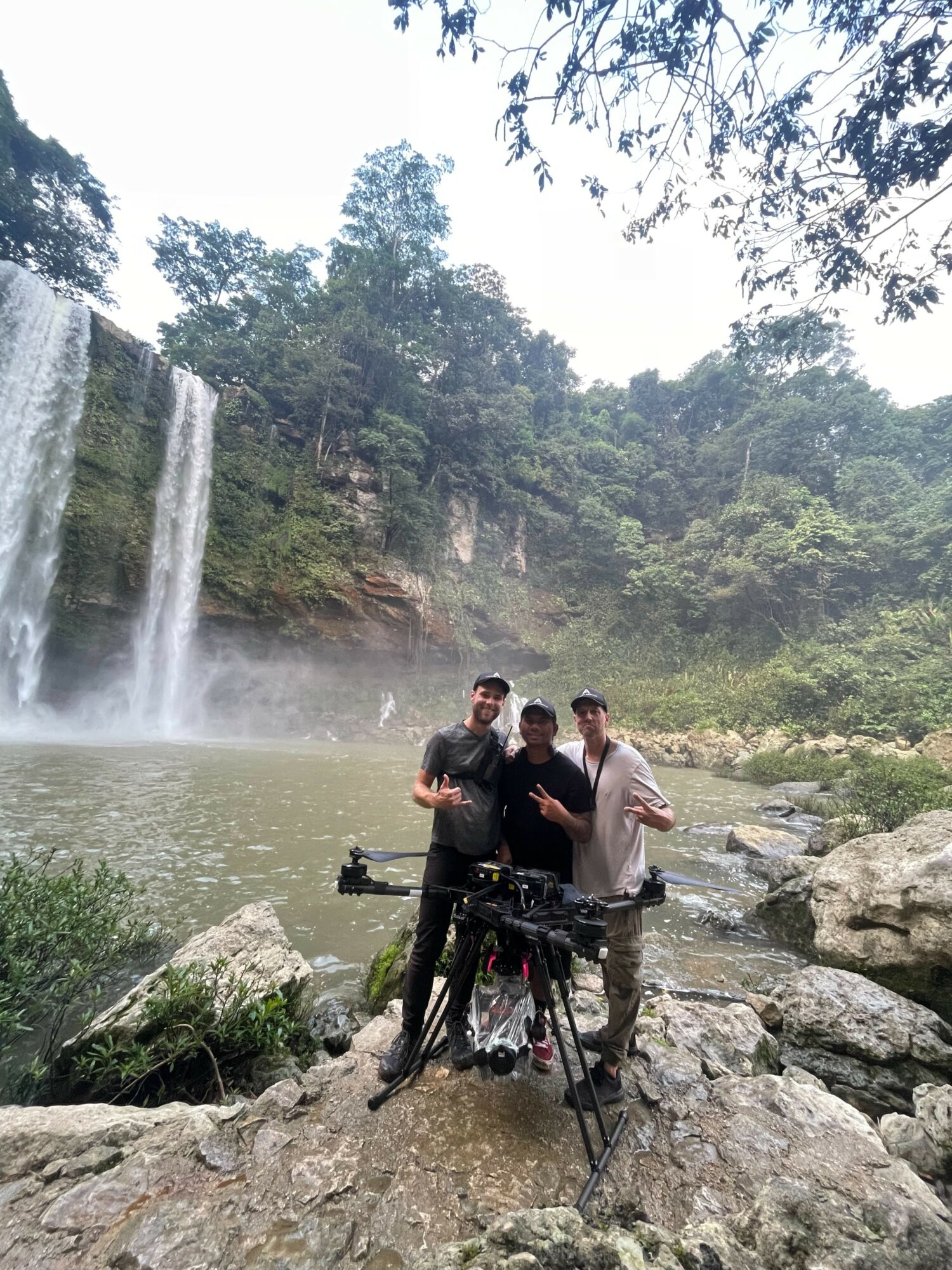
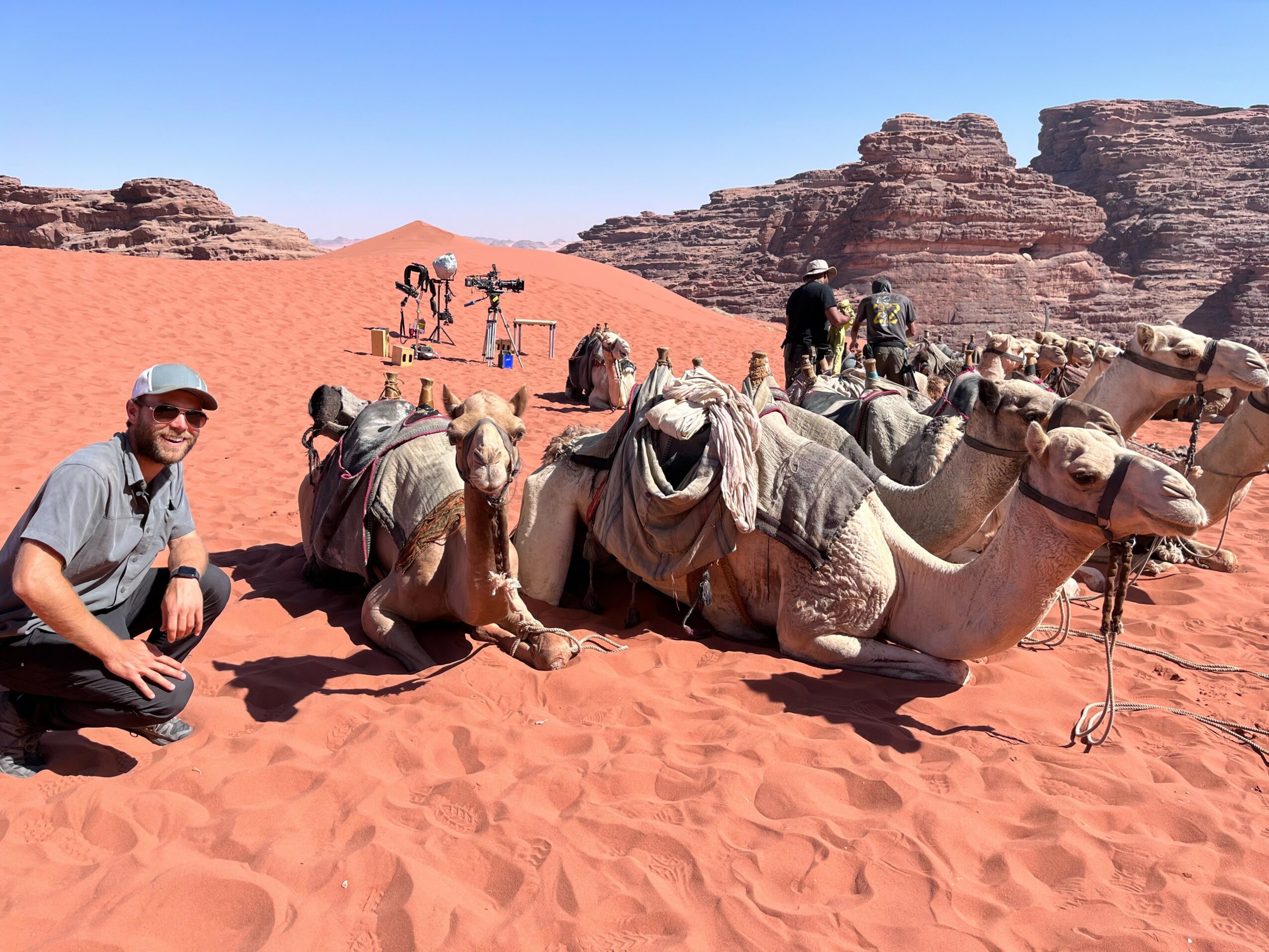
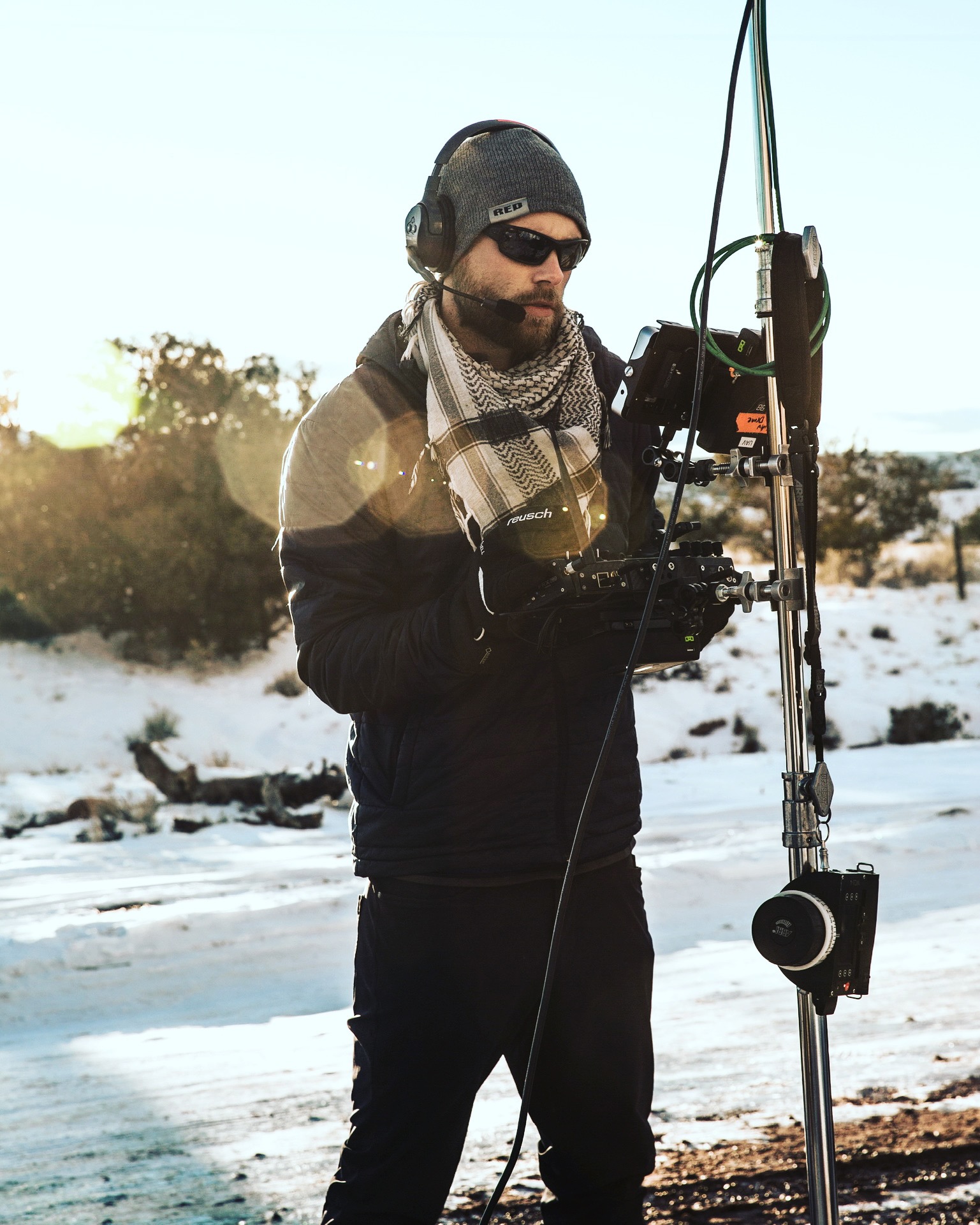
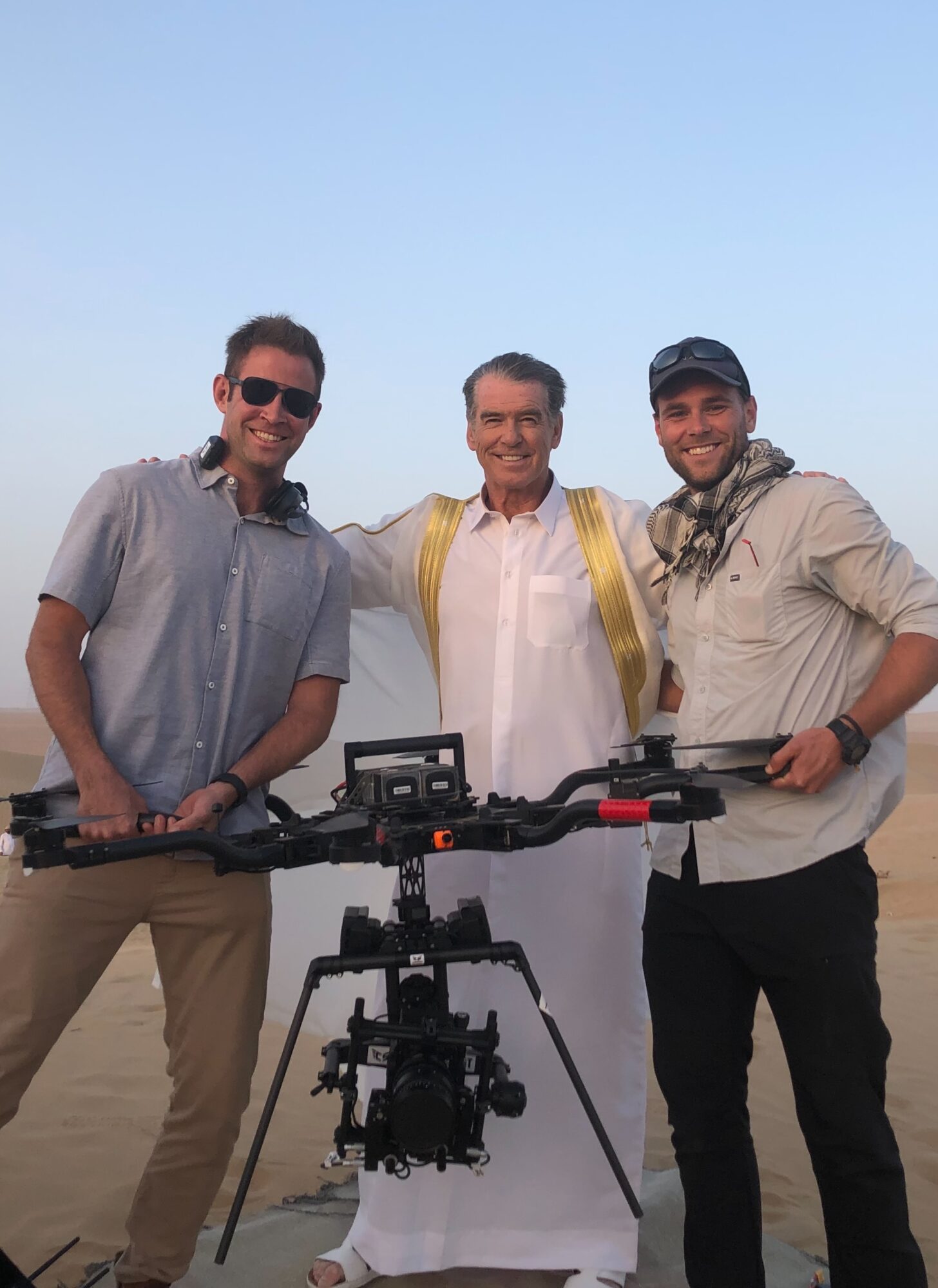
I spent the next eight years working across Africa and the Middle East as an aerial cinematographer. Flying drones and rigging cameras to helicopters on films like *Black Panther* and *Tomb Raider*. Shooting commercials for nearly every major car manufacturer. By the end of it, I’d done basically everything I’d set out to do in that career. On every shoot I was chasing the same thing: the take where it all finally clicks and you can feel the crew exhale.
That same instinct showed up off-set too. With my co-founder Rusty Ruthven, I started Film Gear South Africa to solve a problem every working filmmaker on the continent had: importing equipment without getting destroyed by tariffs and currency swings. That business turned out to be my real introduction to automations, workflows, systems, and running a lean business at scale. At our busiest we had two full-time employees. Most of the time we ran with one. We let the equipment sell itself, helped people figure out the right packages when they asked, and built something close to a self-serve experience: tell us what you need, pay, and your gear shows up. Sometimes we’d hand-deliver to set ourselves, calling on the relationships we’d built across the industry. Nobody really competed with us on the experience.
The two of us also turned a secondhand furniture shop in Cape Town into a coworking space called Kelvin Corner for the international creatives flying in for shoots. And during COVID, we launched a streaming service that broadcast live HD video off film sets to anywhere in the world. That one ended up helping reopen South African productions while the rest of the industry was frozen. We sold it eventually.
When COVID hit, I’d been splitting my time between Dubai and Cape Town for years, working all over the Middle East and Africa. That setup fell apart overnight. Cassidy and I decided to come back to the States. Neither of us had lived in Southern California before, but the film industry was there, Cassidy works in design, and that ecosystem made sense as a place to land. The next three years gave me a chance to take everything I’d built overseas and put it into bigger projects in Hollywood. It was a great run. It also made the answer obvious: I didn’t want to work in the industry anymore.
We got married in 2023, and around that same time we made the call to leave California for Texas. Cassidy is originally from Austin, and the Hill Country was the closest thing to Cape Town we’d found. So we landed here, and I stepped fully into the work I’m doing now.
What surprised me is how much it feels like the same job. The moment a shot finally lands on set is the same moment a system finally clicks for a client. Something a team has been wrestling with for months suddenly works, and the room exhales. That’s what I’m doing now, just from a different chair.
Can you talk to us a bit about the challenges and lessons you’ve learned along the way. Looking back would you say it’s been easy or smooth in retrospect?
It hasn’t been smooth, and the rough parts weren’t actually about the work. They were about identity.
Every pivot meant becoming someone new in front of people who already had an opinion about who I was. Pizza guy to cinematographer. Cinematographer to founder. Founder to consultant. The first day on a film set, I felt like a fraud with a CS degree. The first time I called myself a “founder,” I half-expected someone to laugh. The first paid consulting engagement, I was bracing for the client to realize I was making it up as I went. Imposter syndrome is loud, and it shows up at every threshold.
What took me a while to learn is that the same playbook works every time. The first time I ran it, I was 18 with no film experience, asking friends who’d gone to film school if I could shadow them around the equipment I couldn’t afford. They said yes. I just kept showing up: curious, respectful, helpful where I could be. That exposure is what gave me the confidence to move to South Africa, where the dynamic compounded. Being one of the only Americans in a less crowded market who’d actually used the emerging tools, and not being afraid of them, was the entire differentiator. The signal kept telling me *that’s your edge.* Listening to it, instead of trying to look like everyone else, turned out to be the superpower.
When I pivoted out of film into automation and low-code, I ran the same play. I went straight to my mentor in that space, Cor Schutte at prettysim.pl, worked alongside him for a stretch, and built my real footing in the work I do now. We’re still connected.
If you’re in the middle of an imposter feeling, people forget faster than you think they will, and most of them have already moved on. Find someone whose work makes you think *that’s the bar I want to clear*, watch them closely, figure out your spin, and show up consistently. That sequence has done more for me than any piece of certifying paper.
The thread under all of it is that taking something extremely complicated and quietly making it simple has been my actual job the whole time. On a film set, it looked like rigging cameras and choreographing aerial shots: a CS degree and creative instincts forced to cooperate. With my consulting clients today, it looks like demystifying AI, automation, and workflows everyone’s been told are too complex to understand. Different stage, same craft. I still get to help people make their dreams come true, and I still love it.
Thanks – so what else should our readers know about Rob Weidner?
What I do is easy to describe and harder to find. I’m a fractional consultant and advisor. I work with founders and operators doing genuinely rad work, the kind of people who want to use newer technology like AI, agentic systems, and automation to move faster and leaner without grinding their teams down in the process.
The clients I take on are usually building something disruptive. They’ve outgrown the spreadsheet, the duct-taped Zapier flow, or the consultant who quoted them a six-figure software project they didn’t actually need. What they want is a partner who understands both the technology and the business, who’s actually run companies, and who’ll stick around long enough to make sure the system still works after the meeting ends.
That’s the gap I sit in.
What sets the work apart, I think, is the same thing I’ve been doing my whole career: taking something complicated and quietly making it feel simple. Most of what I do is reduce. Fewer tools. Fewer meetings. Less distance between what a team intends and what they actually ship. Done well, my clients end up with fewer moving parts and a clear path to keep building without me in the room.
I run all of this lean by design. I work with a small handful of clients at a time, on projects where the fit is mutual, and I bring in friends I trust when something calls for more hands. That’s the version of consulting I always wanted to find when I was running businesses myself, and couldn’t.
I call the framework behind it the Ebbe Method: finding the right mix of human, AI, and automation for the specific shape of your business. Not all-in. Not afraid. Just the mix that actually fits what’s in front of you. That’s how I work, and it’s the thing I’m proudest of building so far.
We’d be interested to hear your thoughts on luck and what role, if any, you feel it’s played for you?
I think luck is real. I also think most people misunderstand it.
The trick isn’t waiting for it. The trick is increasing your surface area for it, and learning to recognize it when it shows up. Most people who tell me they aren’t lucky have built lives that minimize the chances. Same room, same routines, same circle, talking themselves out of every coincidence. The ones who seem unusually lucky tend to be the ones who keep showing up in new rooms and pay attention when something unusual walks in.
I’ve moved around a lot. Chicago, Indianapolis, Cape Town, Dubai, Southern California, Houston, now Austin. Every one of those moves was a real bet, and the pattern I’ve noticed is that I do best in smaller communities. Cape Town had that feeling. Austin has it. Southern California, especially Los Angeles, was the version where the community was so big I couldn’t feel like part of anything. San Diego was better, but still big. The places where luck has actually found me have all been tighter rooms, where you can be on the west side of town in the morning and the east side by lunch and run into the same people often enough that something starts to add up.
There’s a cost to this, and most people skip past it. Increasing your surface area is stressful. New cities, new rooms, new versions of yourself. It’s real friction. Luck is a muscle. It gets sore. If you only want luck on the condition that nothing else hurts, you’ll talk yourself out of every doorway.
Bad luck has done its share of the work too. When COVID hit, the whole life I’d built overseas disappeared in a season. At the time it felt like the floor giving way. Looking back, that’s the event that pulled us home and pointed me toward the work I’m doing now. Bad-luck moments tend to redirect you toward something you didn’t know you were looking for, as long as you read them as a redirect instead of a punishment.
The thing I’d add, and the part I think keeps luck from quietly turning into greed, is gratitude. Using your luck to make the people around you luckier. The same openness that lets luck find you is the openness that lets you pass it along. Open your network. Make the introduction. Be the room where someone else gets lucky. The lucky stretches I’ve been on are the stretches where I’ve felt like I had something to hand out, and I’m lucky I get to.
Pricing:
- Fractional engagements typically run around $10k/month, depending on how much of my time the work actually needs. I keep a small client list on purpose, and I’d rather take on the work because the fit is right than because I have a payroll to hit.
Contact Info:
- Website: https://robweidner.com
- Instagram: https://instagram.com/automatewithrob
- LinkedIn: https://linkedin.com/in/automatewithrob