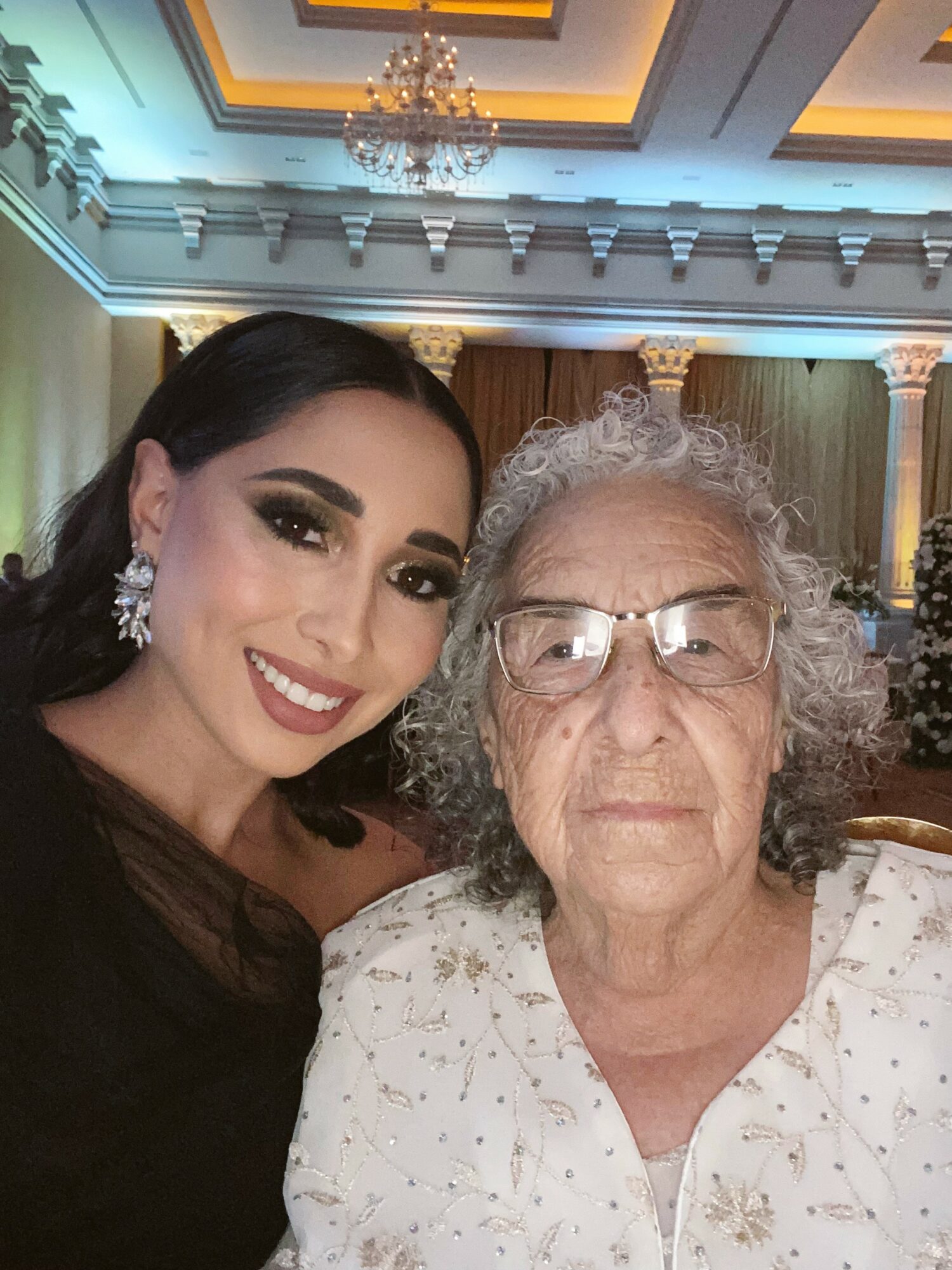




Today we’d like to introduce you to Estefania Alexandre.
Hi Estefania, it’s an honor to have you on the platform. Thanks for taking the time to share your story with us – to start maybe you can share some of your backstory with our readers?
I didn’t set out to start a women’s health company. I set out to become a physician.
As a first-generation college student and Latina in medicine, I was driven by a desire to serve communities that often fall through the cracks of our healthcare system. Throughout medical school, I became increasingly aware of a pattern: women’s symptoms were frequently minimized, normalized, or dismissed. Pain was labeled as “just hormones.” Irregular cycles were brushed off. Bloating, fatigue, and pelvic discomfort were treated as inconveniences rather than meaningful data.
Then in 2022, my grandmother was diagnosed with cancer in a rural town in Mexico. By the time we understood what was happening, it was already advanced. There had been subtle symptoms for months. Nothing dramatic. Nothing urgent. Just quiet signals that did not trigger alarm in a system designed to respond to late-stage disease rather than monitor early change.
That experience changed me.
I began asking a different question: why are we not longitudinally monitoring women’s physiology the way we monitor so many other systems in healthcare? Why do we wait for acute events instead of creating visibility into patterns over time?
That question became OvaWise.
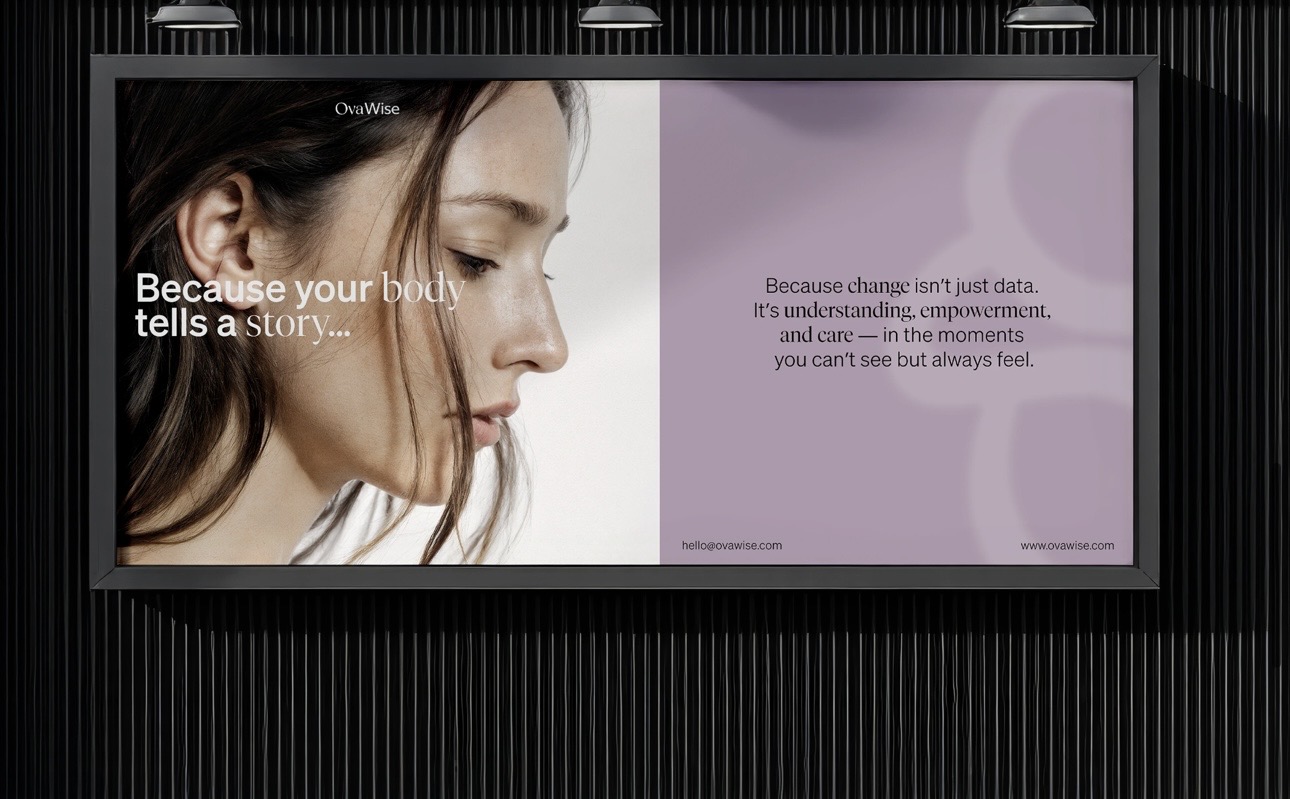
OvaWise is a women’s health technology platform we are building in Austin that integrates wearable sensing, structured symptom tracking, and AI-driven pattern recognition to help women better understand changes in their bodies over time. Our AI system is named Minerva, after my grandmother. It is a small but meaningful reminder that behind every data point is a person, a family, and a story.
This work is not about replacing physicians. It is about restoring confidence and visibility. It is about giving women structured insight into trends that medicine often overlooks until much later.
Building a hardware and AI company has been both humbling and exhilarating. I have had to learn a new language, from firmware and data pipelines to regulatory pathways, while staying grounded in clinical reality. What drives me is not innovation for its own sake, but the belief that women deserve proactive, personalized tools that respect the complexity of their physiology.
Austin has been an incredible place to build this. There is an entrepreneurial energy here that encourages bold ideas, especially at the intersection of health and technology. As a Latina founder in this space, I also feel a responsibility to expand who gets to shape the future of medicine.
My story is not just about launching a startup. It is about honoring my grandmother’s memory, challenging systemic blind spots in women’s health, and working toward a future where early insight is the norm rather than the exception.
Would you say it’s been a smooth road, and if not what are some of the biggest challenges you’ve faced along the way?
It has not been a smooth road, but I would not expect it to be. Building something at the intersection of medicine, hardware, artificial intelligence, and regulatory science is inherently complex.
One of the biggest challenges has been stepping outside the traditional path of a physician. Medicine is structured. There are clear milestones and defined training pathways. Entrepreneurship is the opposite. There is ambiguity, rapid iteration, and constant decision-making with incomplete information. Learning to operate in that uncertainty has been one of the most transformative parts of this journey.
Another challenge has been credibility in a space that is still largely male-dominated, especially on the hardware and engineering side. As a young female founder building a wearable medical device, I have had to be exceptionally prepared. Every design decision, every regulatory strategy, every scientific assumption has to be defensible. That pressure has ultimately strengthened the company. It has forced rigor into every layer of OvaWise.
There is also the reality that women’s health has historically been underfunded and under-prioritized. When you are building in a category that has long been overlooked, you are not just building a product. You are challenging assumptions. You are asking investors, engineers, and clinicians to think differently about whose physiology deserves proactive monitoring.
Personally, balancing this work while remaining engaged in medicine has required discipline and clarity of purpose. There are long days and constant trade-offs. But I have never viewed those as obstacles. I view them as alignment tests. If the mission still feels worth it on the hardest days, that tells me I am building something that matters.
The challenges have not made me hesitant. They have made me sharper. They have forced me to think like both a clinician and a systems architect. And they have reinforced that meaningful innovation in healthcare requires resilience, especially when you are building for populations that have historically been underserved.
Thanks – so what else should our readers know about OvaWise?
OvaWise is a women’s health technology company focused on proactive, longitudinal insight into gynecologic health. We are building an integrated platform that combines wearable sensing, structured symptom tracking, and AI-driven pattern analysis to help women better understand changes in their bodies over time.
Our initial focus includes conditions such as PCOS, endometriosis, ovarian dysfunction, and other menstrual and hormonal irregularities that often go under-monitored or dismissed. These conditions can be complex, cyclical, and deeply individualized, yet our healthcare system typically evaluates them in isolated snapshots. We believe women deserve tools that reflect the dynamic nature of their physiology.
What sets OvaWise apart is our multi-modal approach. We are not building just a wearable device or just a period tracking app. We are designing a coordinated system that brings together physiologic signals, symptom patterns, and intelligent analytics to surface meaningful trends. As a physician-founded company, clinical rigor informs every design decision, from safety thresholds to regulatory strategy.
While ovarian health is a key area of interest, our broader mission is to create earlier visibility into patterns that may otherwise be overlooked. This includes supporting women navigating hormonal imbalance, persistent pelvic pain, cycle irregularity, and unexplained symptoms that are too often normalized rather than investigated.
I am most proud of the discipline behind the build. We are taking the time to approach this responsibly, with scientific integrity and regulatory alignment at the forefront. Women’s health innovation deserves both ambition and rigor, and we are committed to delivering both.
At its core, OvaWise is about restoring confidence. We want women to feel informed, supported, and equipped with structured insight into their own bodies. Our goal is not to replace clinicians, but to strengthen the bridge between daily life and medical care through better data and earlier awareness.
So, before we go, how can our readers or others connect or collaborate with you? How can they support you?
OvaWise is still in its building phase, which means collaboration is incredibly important to us. We welcome thoughtful partnerships across clinical medicine, engineering, research, and women’s health advocacy.
For clinicians, we are interested in collaborating on pilot programs, feedback loops, and research that helps refine how proactive monitoring can integrate responsibly into patient care. For engineers and data scientists, we are always looking to connect with individuals who are passionate about building technology that respects the complexity of female physiology.
We are also open to conversations with investors and strategic partners who believe women’s health deserves the same rigor, funding, and innovation as other areas of medicine.
Beyond formal collaboration, support can be as simple as starting conversations. Women’s health has historically been under-discussed and underfunded. Amplifying the importance of proactive, longitudinal insight into gynecologic health is something anyone can participate in.
At this stage, we are building carefully and intentionally. We are looking for partners who value long-term impact, scientific integrity, and thoughtful innovation.
Contact Info:
- Website: https://www.ovawise.com
- Instagram: https://www.instagram.com/ovawisehealth
- Facebook: https://www.facebook.com/ovawisehealth
- LinkedIn: https://linkedin.com/company/ovawisehealth/