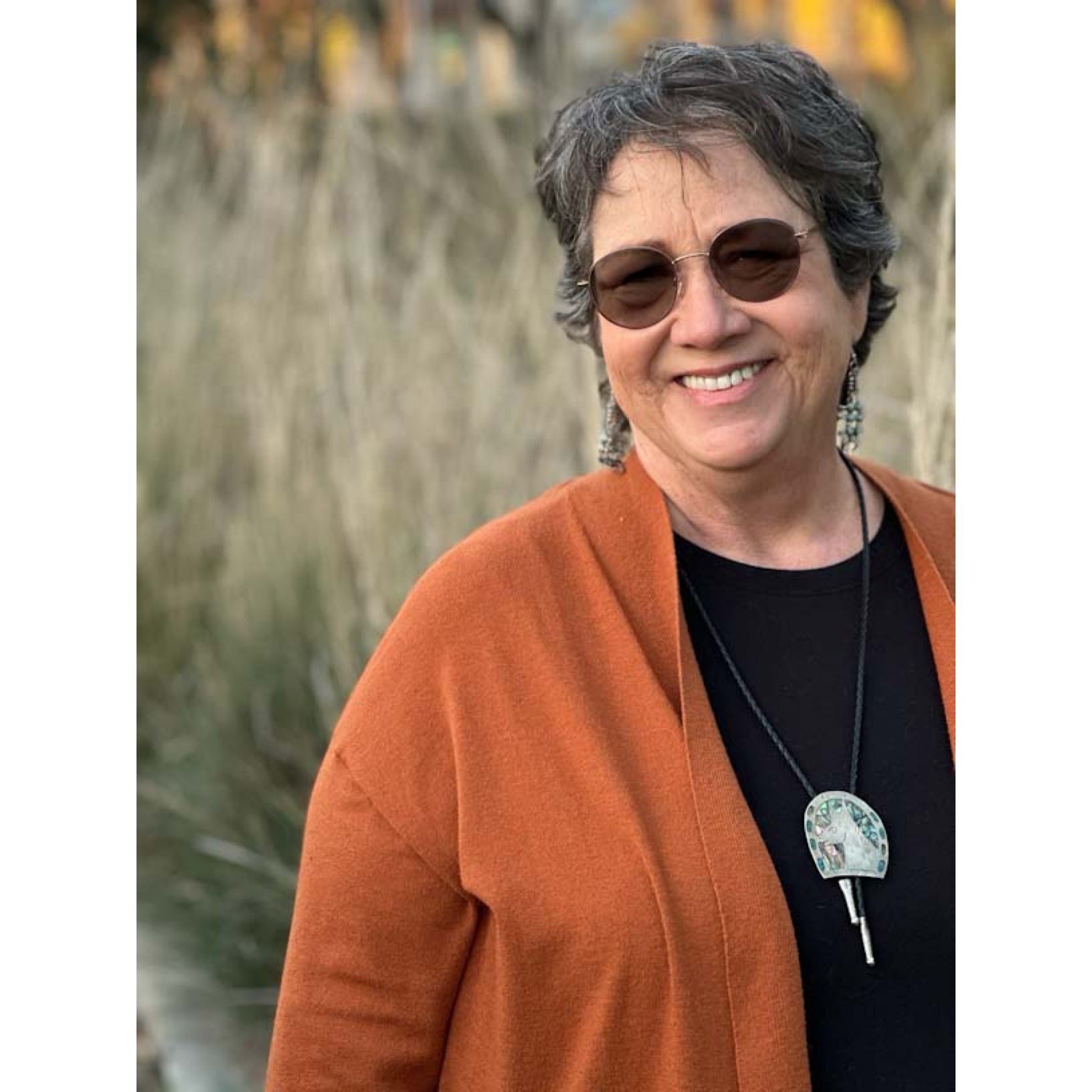



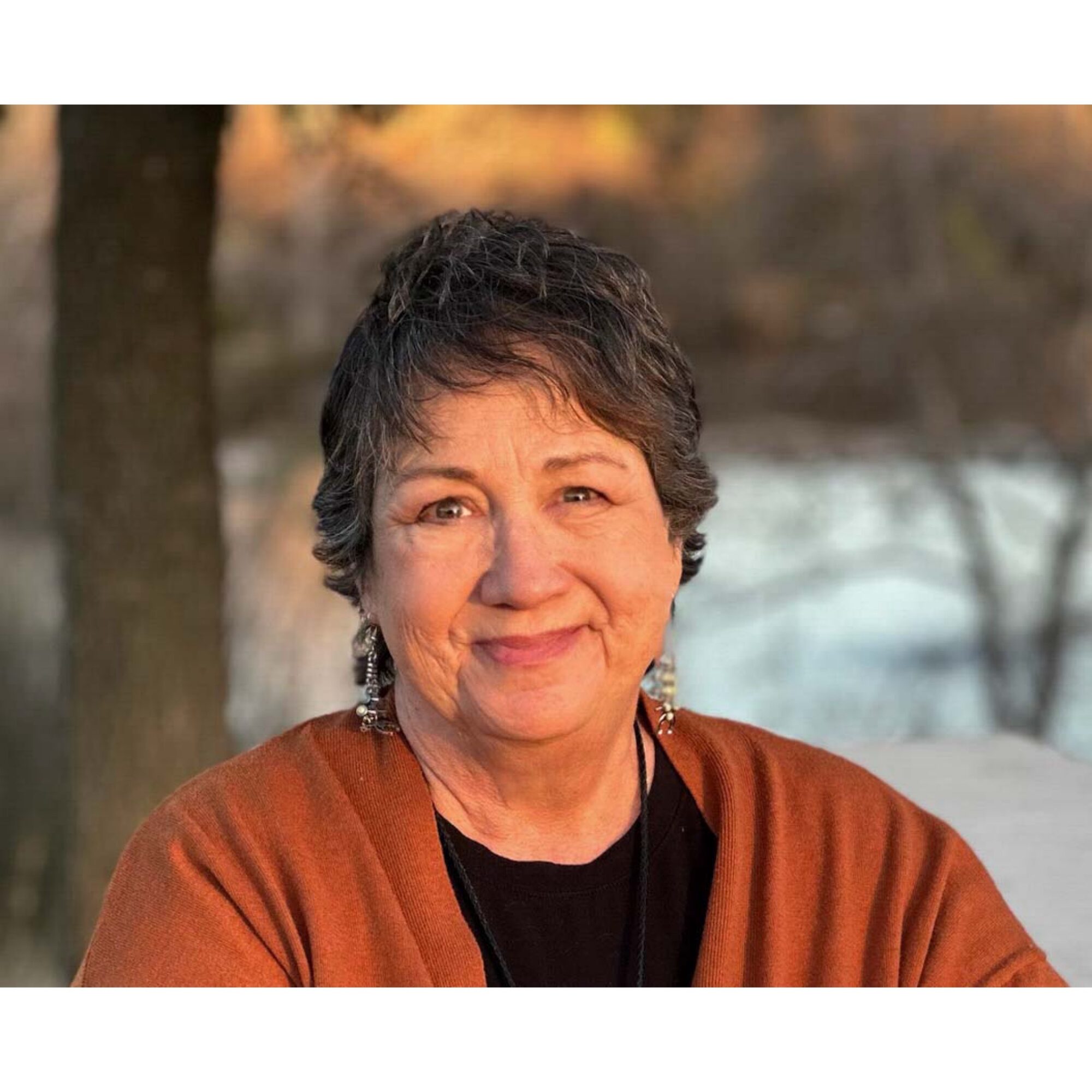
Today we’d like to introduce you to Kathleen Womansong.
Hi Kathleen, we’re thrilled to have a chance to learn your story today. So, before we get into specifics, maybe you can briefly walk us through how you got to where you are today?
What do you like about being a psychotherapist?
This work fits me, and it’s hard to imagine doing anything else. Every day, I get to witness and be part of a client’s process of honesty, curiosity, and self-acceptance. Becoming more self-aware takes great courage, and I am humbled to be present for it. Over the years, this work has also been a catalyst for my own personal growth, deepening my insight and strengthening my ability to show up fully for my clients. I have participated in many trainings and workshops over the past twenty years, yet nothing compares to what I have learned by walking alongside people as they discover their own inner strengths and resources.
What brings people to therapy, and what do you notice about clients today?
People come to therapy for many reasons. Some are navigating anxiety, grief, or a persistent sense of feeling overwhelmed, while others are trying to make sense of painful or toxic relationships. Many arrive at a moment when what once worked no longer does, and they are searching for steadier ground. As a member of the LGBTQ community, I am especially aware of how important it is to feel seen, safe, and supported, especially right now. I believe healing happens not only individually, but also through connection, compassion, and our willingness to show up for one another.
Over the years, I have also noticed a meaningful shift in psychological awareness. Many clients, including teenagers, arrive with an impressive ability to name their emotions and talk about their inner lives in ways that were far less common when I began my practice. At the same time, we are all living under unprecedented demands, constantly bombarded with images and information designed to keep our attention engaged. I sometimes think we are living in the midst of a grand evolutionary experiment, asking our nervous systems to adapt at the same pace as rapidly advancing technology. Therapy can offer a place to slow down, recenter, reflect, and restore balance.
Over time, have you developed a unique style or approach?
Lasting change is an inside job. Much of the work I do with clients centers on becoming aware of what is happening inside, the thoughts, emotions, and reactions we often distract ourselves from. Rather than pushing these experiences away, we slow down and begin to notice them with gentle curiosity. Anxiety, self-criticism, and old patterns are not signs of failure, but protective responses developed over time. As we stop blaming ourselves for not being more perfect, we can begin to relate to ourselves with greater understanding and care. Many people find that as they create a more accepting inner environment, they feel steadier, more present, and better able to respond to life with intention rather than reactivity.
At times, I may recommend adding the Safe and Sound Protocol, a science-based listening therapy, alongside regular sessions for clients who feel ready to support their work at a deeper level. Through specially filtered music, the SSP is designed to offer cues of safety to the nervous system, helping lay the foundation for greater awareness, embodiment, and resilience. While the experience itself can vary, its deeper value lies in supporting longer-term regulation when thoughtfully integrated with therapy.
We all face challenges, but looking back would you describe it as a relatively smooth road?
What does working with you look like for individuals and couples?
When I work with individuals, my focus is on creating a grounded, compassionate space to help people build a more positive relationship with themselves. Together, we explore how past experiences continue to influence present patterns, often in subtle but powerful ways. I draw from evidence-based approaches such as Internal Family Systems, Acceptance and Commitment Therapy, Cognitive Behavioral Therapy, and EMDR, always tailoring the work to the person in front of me.
I also work with traditional and non-traditional romantic partners, offering a supportive setting where both people can slow down, speak honestly, and listen with care. It is genuinely moving to witness couples begin to move beyond defensiveness and toward a deeper understanding of one another’s needs, hopes, and desires.
What I love most about this work is being present for moments of real transformation, the quiet “a-ha” realizations, the release of tears long held inside, and the small but meaningful victories that emerge as each client’s unique healing process unfolds.
Where do you practice, and who do you work with?
I work with clients from adolescence through older adulthood and offer both online sessions and in-person therapy at my Dripping Springs office near the Belterra shopping center. I also accept some insurance.
Pricing:
- 50 minute individual or partners session $170
- Sliding scale may be available.
- Accept some insurane
Contact Info:
- Website: https://www.kwomansong.com/
- Other: https://share.google/oJVwCsHN9dsxucW4b