
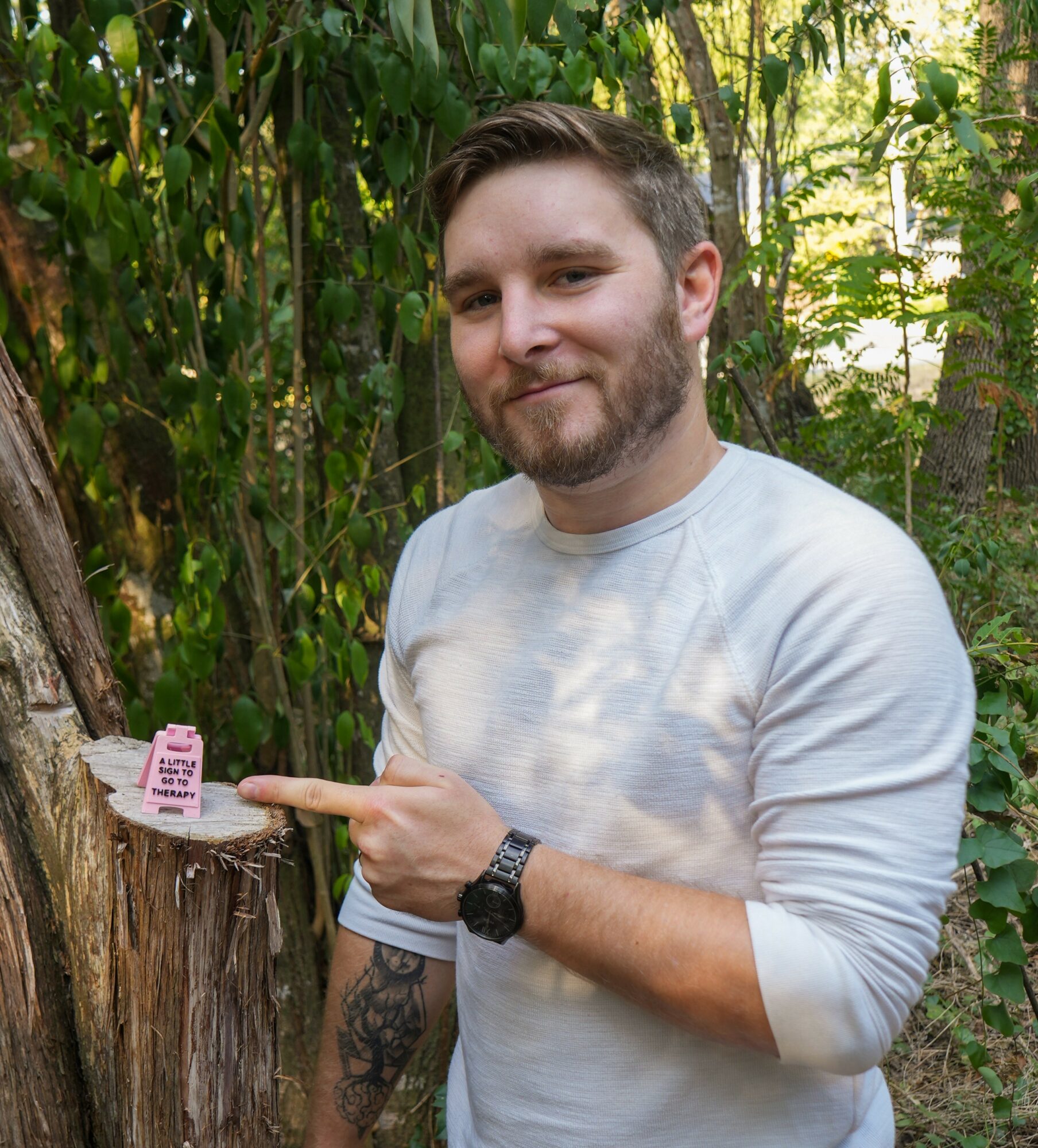
Today we’d like to introduce you to Kyle Rutherford.
Hi Kyle, so excited to have you with us today. What can you tell us about your story?
Hey! I’m Kyle, and I am many things: a therapist, a partner in a neurodiverse relationship, a board gamer, an outdoor enthusiast, and a proud ADHDer with a deep appreciation for the beautifully complex ways our brains work.
I bring both clinical tools and lived experience to the therapy room, especially when it comes to working with folks who’ve never quite felt like they fit. I specialize in working with couples and individuals who struggle to manage neurodivergence and the pervasive effects of trauma in their relationships. In other words, I help sensitive nervous systems regulate, grow, and reconnect!
I became a therapist because I wanted to help others find hope, strength, and change. I know what it’s like to lack people who understand and support us. I continue to be a therapist because of the impact I’ve seen validation, compassion, and curiosity have on people’s lives and the reciprocal impact clients have on me. I am truly amazed by the challenges my clients have surmounted and genuinely honored that they trust me to sit with them in the darkest of places.
When I’m not working with clients, you’ll probably find me playing reaaaaaally long and complex board games, 3D printing organizers and creative solutions to problems around my house, playing disc golf, building Lego sets, being silly with friends, or spending time with my partner (recently we have gotten back into Just Dance – it’s a great workout).
Can you talk to us a bit about the challenges and lessons you’ve learned along the way. Looking back would you say it’s been easy or smooth in retrospect?
As an ADHD therapist and partner, I benefit from having the lived experience that many of my clients have; I can better understand, connect with, and guide clients with similar experiences. However, I also live with the same downsides. There are times when my brain is going too fast, I fall behind on household or business tasks, or I get so overwhelmed that the world feels like it’s melting. At times, I’ve caught myself concluding that I am not cut out for this, I am too much and not enough at the same time, and even that I am not deserving of praise from others because they don’t see the struggles I face silently.
I think people put a lot of pressure on themselves to be perfectly competent, have no doubts in their abilities, and be productive all the time. Of course, being a perfectionist myself, I also fall into this category. It took a lot of time, tears, practice, and my own therapy to untangle my self-worth from my performance (and it’s still an ongoing battle). Over the time I’ve been in private practice as a therapist, I’ve done my best to lean into the imposter syndrome. Without it, I might stagnate – if my thoughts constantly told me I was doing everything right, I would never have the drive to improve. I’ve also tried to embrace how my brain is wired and work with it rather than against it. For me, this has meant finding non-traditional ways to support myself in reaching my goals. Instead of attempting to motivate myself the neurotypical way (“I need to do this because it is important”), I motivate myself through interest, novelty, and play aka the ~neurospicy~ way (“I am going to do the dishes before this song ends”). I’ve found a lot of value in trying to accept things as they are and working with the energy I do have. Less is more!
Appreciate you sharing that. What should we know about The Rooted Brain, PLLC?
I started The Rooted Brain, PLLC in 2025 with the mission to provide therapeutic services tailored to each client’s unique neurological needs and life experiences. A “rooted brain” refers to the grounding effect that compassion for our brain wiring, sensory preferences, and early life experiences has on our day-to-day activities and relationships. Much like the roots of a tree anchor it to the ground, our earliest interactions with caregivers (especially those involving safety, trust, and love) and the unique ways our brains are set up (ADHD brains, autistic brains, dyslexic brains, etc) form the foundational neural pathways that shape our perceptions, emotional responses, and ways of relating to others and ourselves.
When our attachment needs are not met, when trauma occurs, or we don’t honor the sensory needs of our brains, these foundational pathways can become distorted, creating patterns of fear, distrust, overwhelm, burnout, or self-sabotage. However, just as a tree can grow and adapt over time, so too can the brain (hooray for neuroplasticity)! The first step is to create the right environment; a tree can’t grow, adapt, or flourish in harsh conditions. I do exactly this with my clients!
I see clients in a variety of places: in the office, on a trail during walk-and-talk therapy, or via telehealth to anyone in Texas. Whether I see clients as a couple, individually, or in one of my groups, I always start by establishing sensory safety and encouraging clients to start noticing their relationship with their environment and their own internal world.
Is there anything else you’d like to share with our readers?
In 2026, I am starting a new therapy group called “Games for Growth”. In the 10-week group, we’ll use board games as a therapeutic tool to explore how we show up in relationships. Whether you’re working through social anxiety, navigating neurodivergence, or hoping for more connection in your life, this group is a unique way for up to 6 people to grow through play! As an avid board gamer myself, I am excited to lead this group that represents an overlap of my personal and professional passions. My hope is that by playing games with people who are open to learning about themselves and others, group members can experience a new way to connect that feels safe and inviting.
Pricing:
- $125 for individual therapy sessions
- $150 for relational/couple therapy sessions
- $65 for group therapy sessions
- EMDR and Walk-and-Talk therapy are just variations of individual sessions (no extra cost)
- Prices vary for intensive sessions
Contact Info:
- Website: https://therootedbraintherapy.com
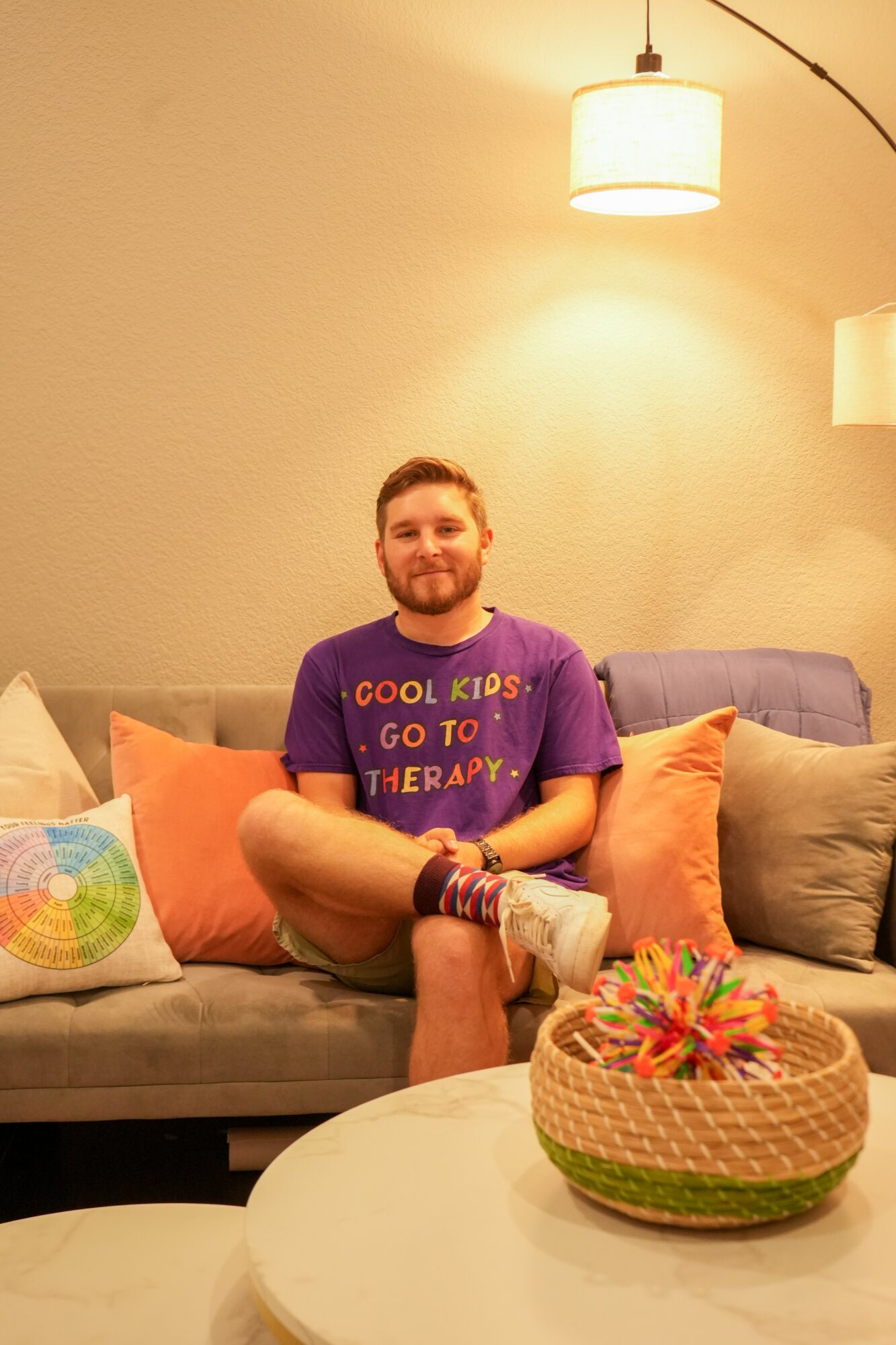
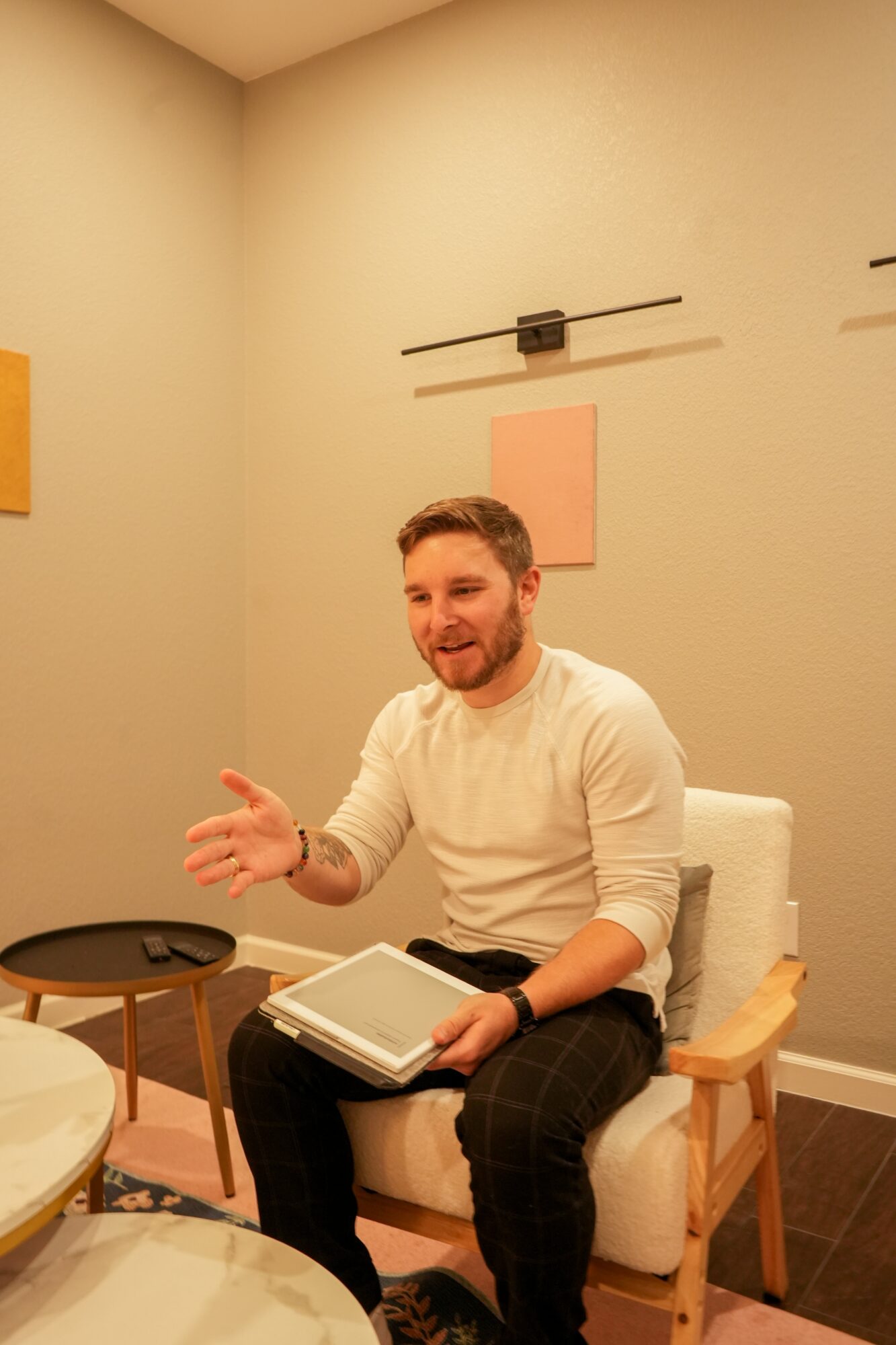
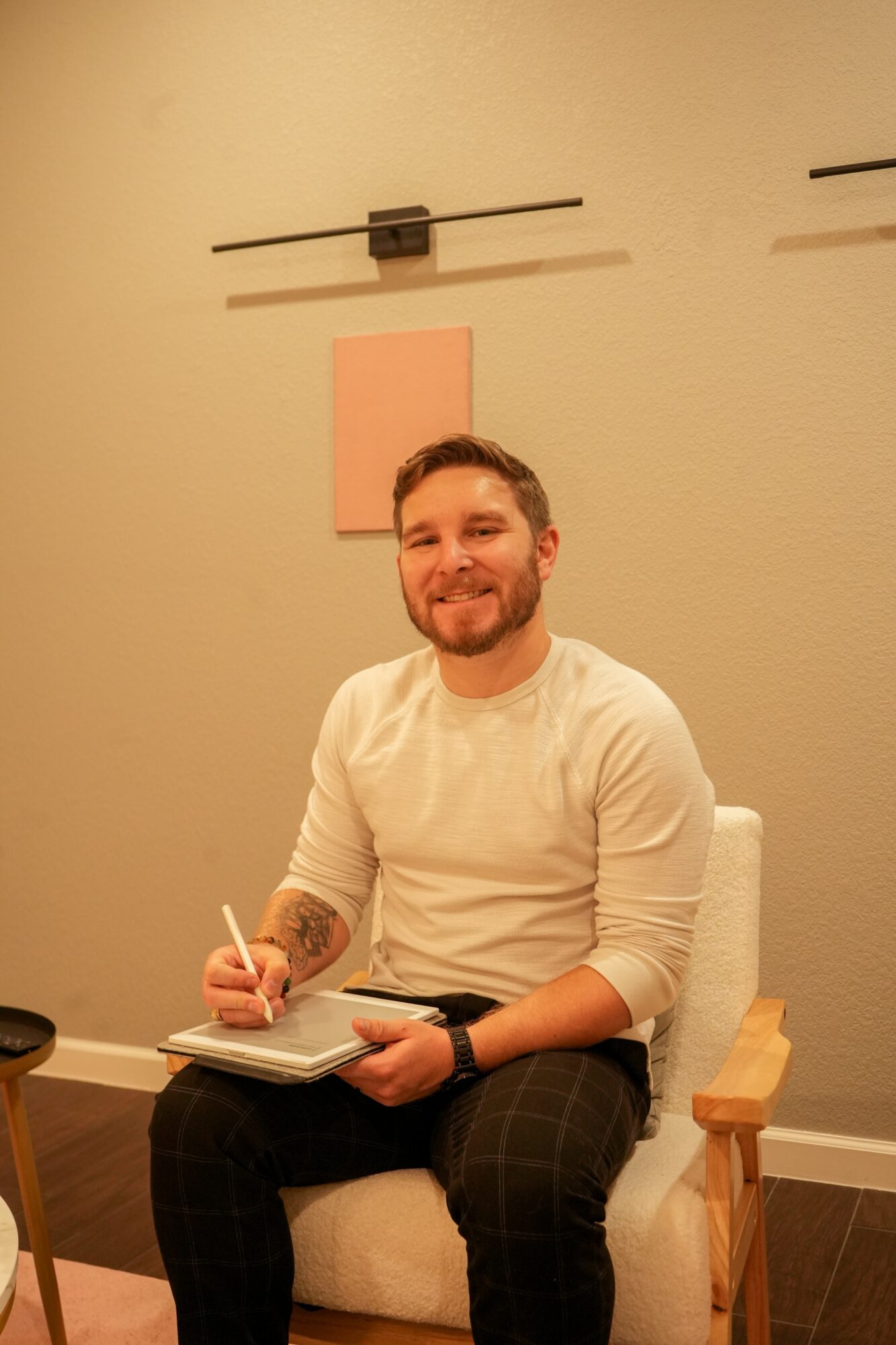
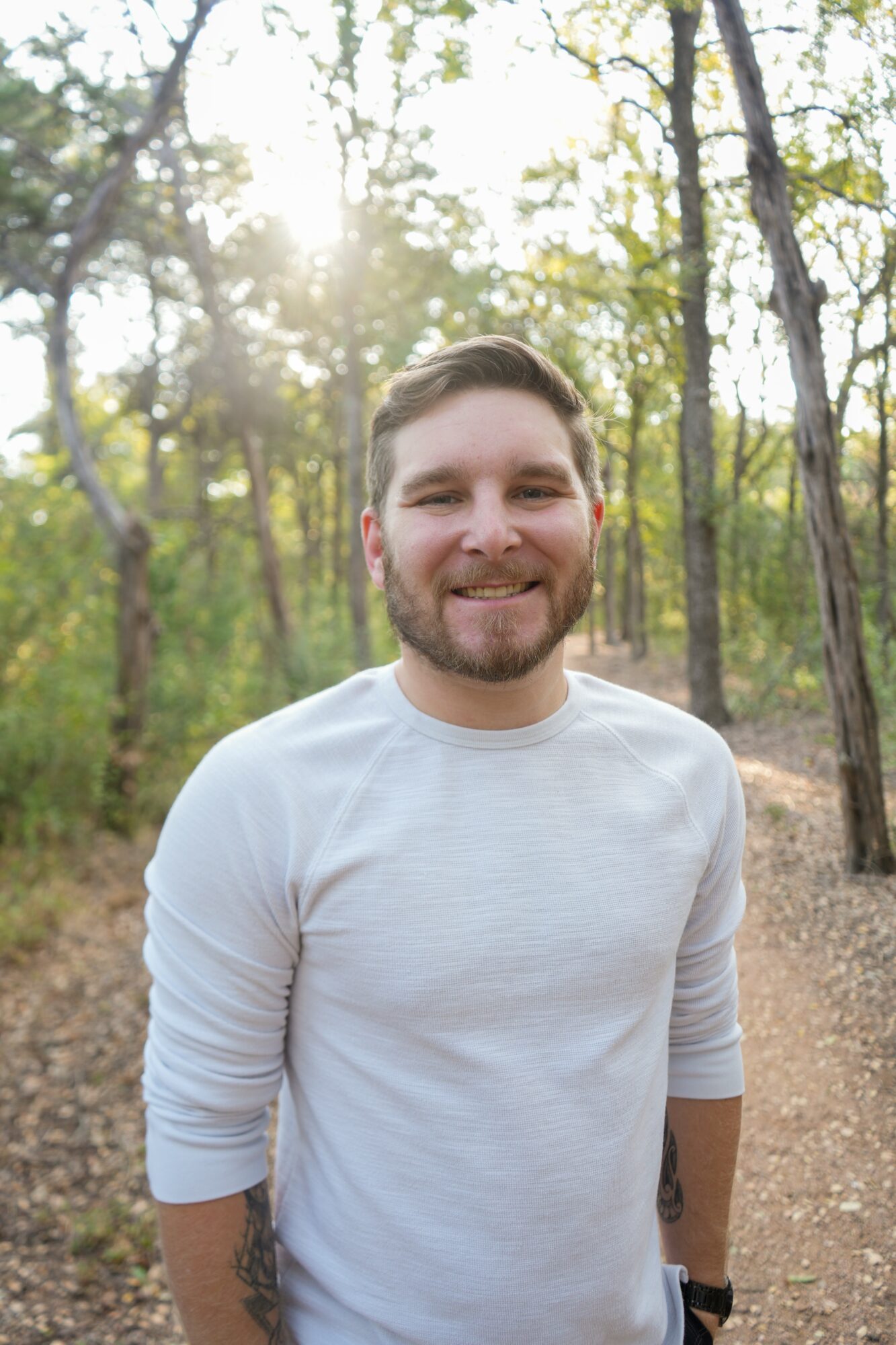
Image Credits
Julia Brown