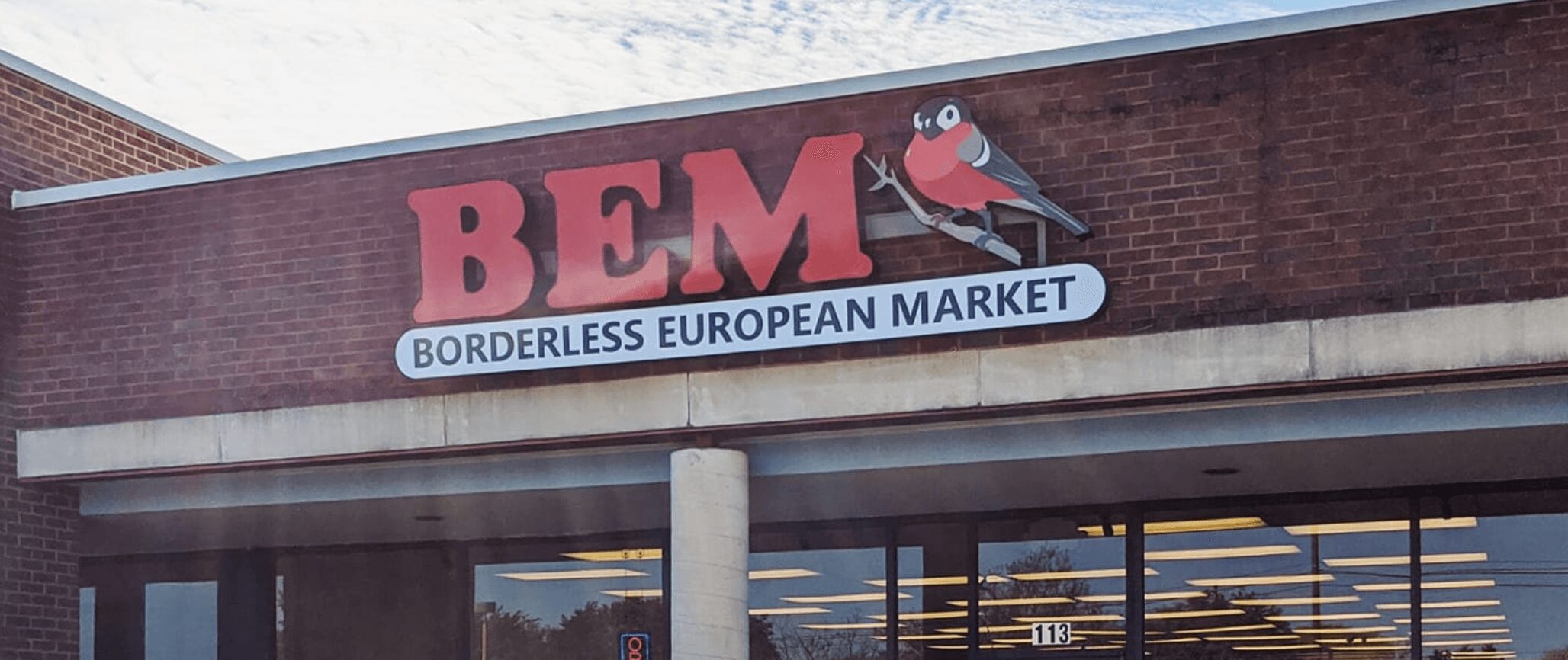



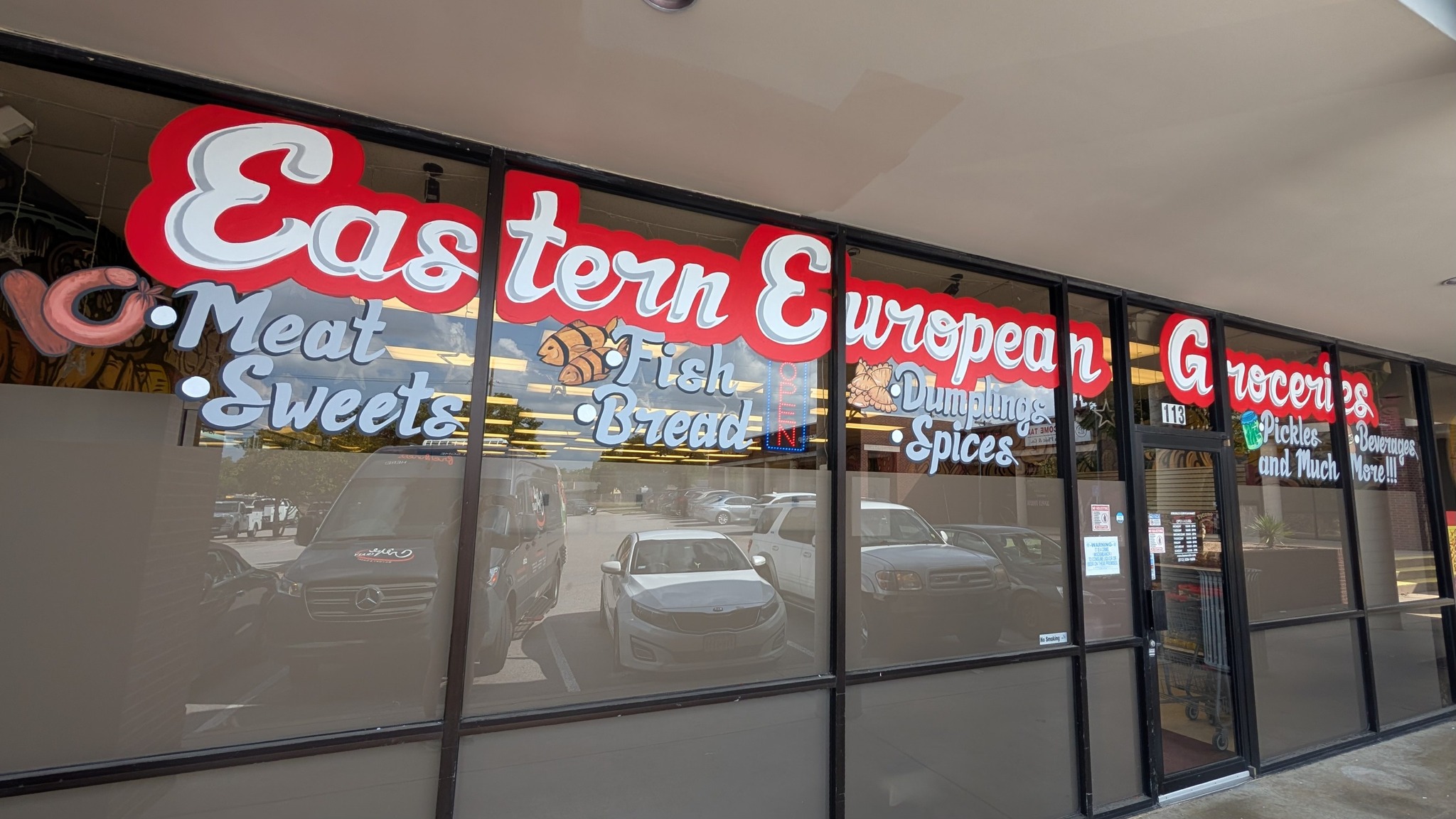
Today we’d like to introduce you to Tatiana Manning.
Hi Tatiana, thanks for joining us today. We’d love for you to start by introducing yourself.
When I look back at how Borderless European Market began, it doesn’t feel like a business decision – it feels like something Taras and I were pulled into by a quiet, persistent need.
Austin is full of energy, opportunity, and diversity. People come here from all over the world, bringing pieces of their lives with them. But for many of us from Eastern Europe, there was always something missing. Not in a dramatic way, but in small, almost invisible moments – the taste of a familiar chocolate, the smell of rye bread that reminds you of childhood, the comfort of walking into a place where nothing needs to be explained.
That absence is what pushed me and Taras to open Borderless European Market.
I’m from Russia, he’s from Ukraine – different countries, different backgrounds, but a shared understanding of what “home” tastes like. At some point, we realized we were both searching for the same things in Austin and coming up short. Not just products, but a feeling. A sense of recognition.
In late August 2016, that realization turned into a decision.
We didn’t start with a perfect plan. We started with a simple idea: if we couldn’t find these foods and products here, maybe others couldn’t either. And if that was true, maybe we could build something that actually mattered – not just a store, but a place people could walk into and instantly feel a little closer to where they came from.
It wasn’t easy in the beginning. There were long days, uncertainty, and a steep learning curve. We had to figure out everything as we went – suppliers, logistics, what people actually wanted, how to balance quality with cost. There were moments when we weren’t sure if it would all work.
But what kept us going was the community.
People didn’t just come to shop – they connected. They told stories. They would pick up a product and say, “I haven’t seen this in years.” That’s when it became clear we weren’t just building shelves and inventory. We were rebuilding pieces of people’s memories.
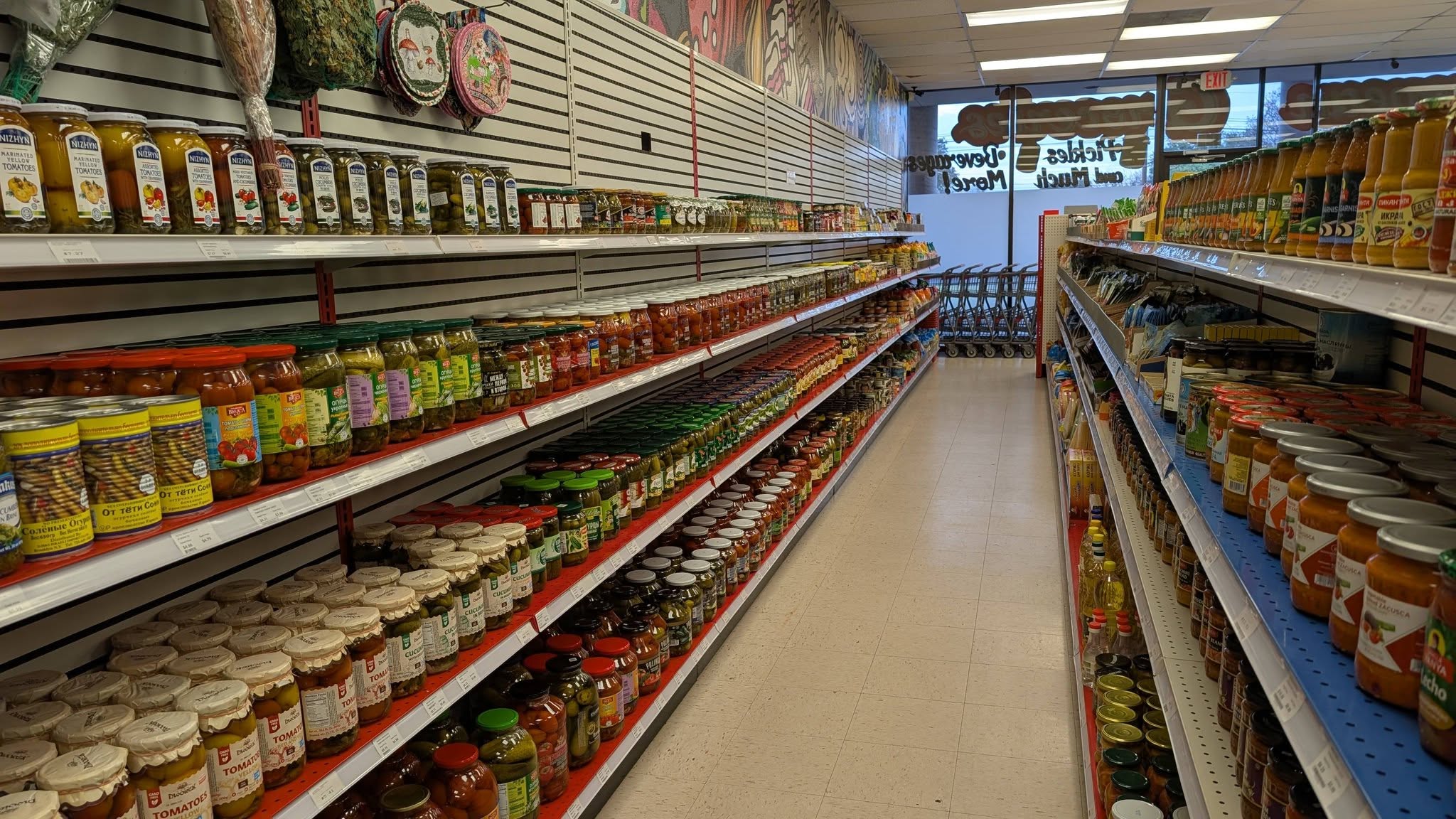
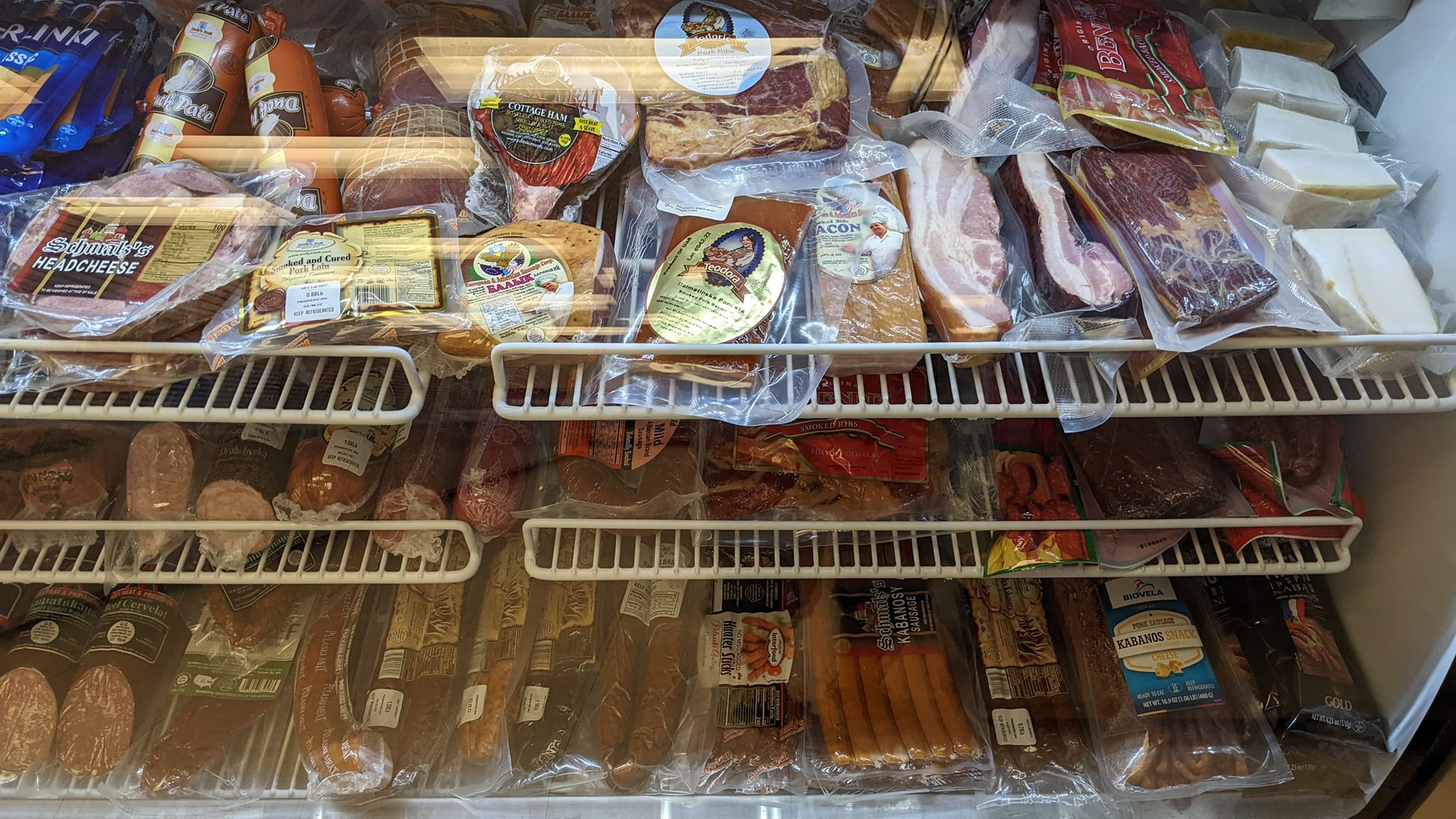
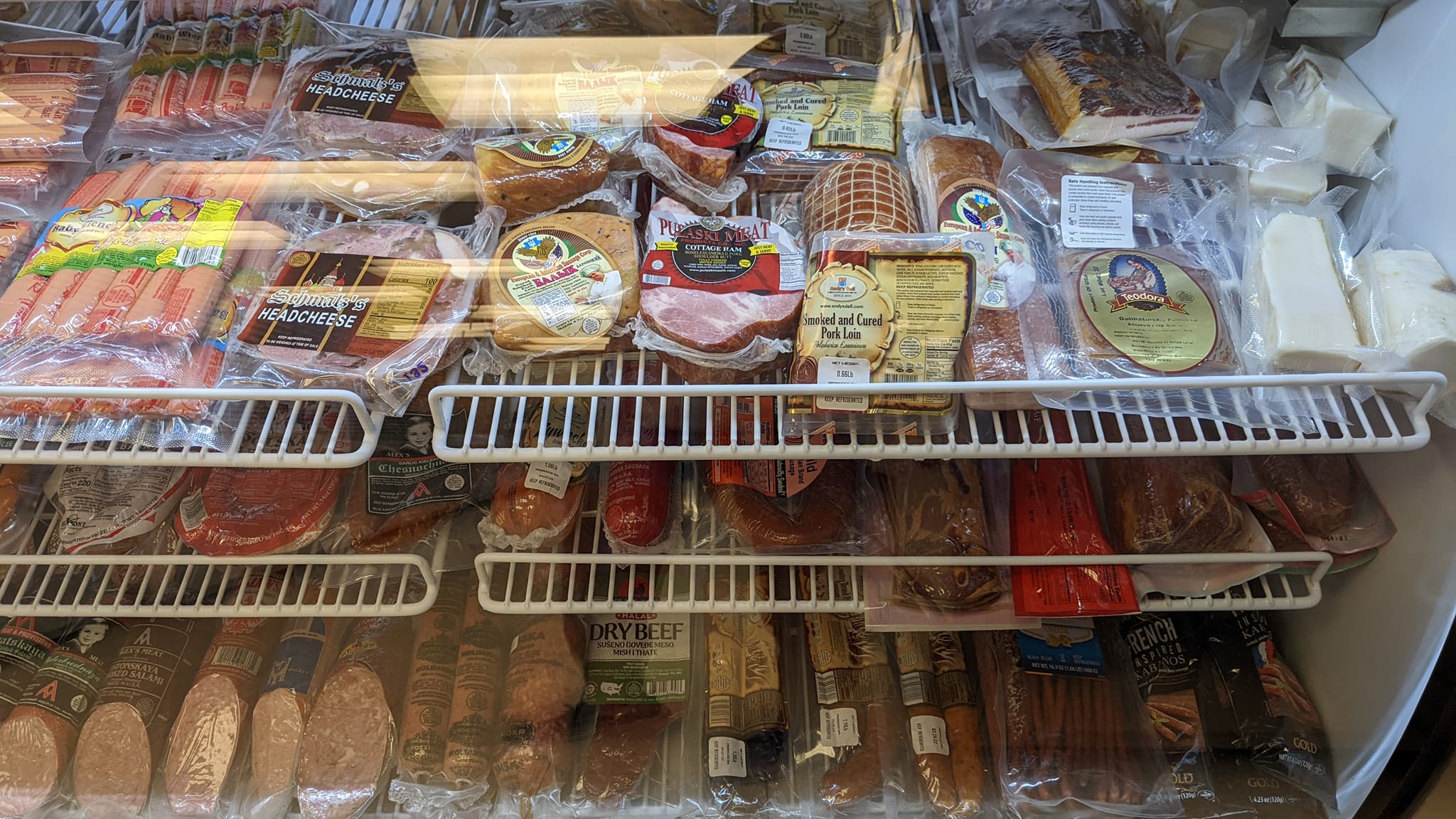
Today, Borderless European Market carries products from across Eastern Europe – Ukraine, Poland, Romania, Hungary, Bulgaria, Lithuania, and beyond. But the real value has never been in how many countries we represent. It’s in what happens when someone walks through the door and recognizes something they thought they had lost.
Because at its core, this place was never just about food.
It’s about memory. It’s about identity. It’s about belonging.
And in a city like Austin, where everything moves fast, creating a space where someone can slow down for a moment, recognize something familiar, and feel at home – that’s what made all of this worth building.
Alright, so let’s dig a little deeper into the story – has it been an easy path overall and if not, what were the challenges you’ve had to overcome?
There were long days, uncertainty, and a steep learning curve. We had to figure out everything as we went – suppliers, logistics, what people actually wanted, how to balance quality with cost. At the beginning the community itself wasn’t as big as it is now, so that was challenging as well.
Thanks for sharing that. So, maybe next you can tell us a bit more about your business?
Borderless European Market (BEM) stands out for a few clear things that people consistently recognize and remember about it:
1. True Eastern European authenticity
BEM isn’t a generic “international grocery.” It is specifically curated around Eastern European countries – Ukraine, Poland, Romania, Hungary, Bulgaria, Lithuania, and others. That focus makes it one of the few places in the Austin area where customers can find very specific, hard-to-source products that actually match what they would buy back home.
2. Nostalgia-driven selection, not just inventory
A lot of stores stock “ethnic foods.” BEM is different because the selection is built around memory and cultural familiarity. It’s the kind of place where customers recognize exact brands, packaging, and flavors from childhood – not just “similar” substitutes.
3. Deep community connection
Over time, BEM has become more than a grocery stop. It’s a place where people from Eastern Europe connect with each other, share stories, and feel understood without needing explanation. That emotional layer is a big part of what sets it apart.
4. Curated, evolving assortment
Instead of staying static, the store continuously expands based on what the community asks for. That responsiveness creates trust – customers feel heard, and they see their input reflected in what ends up on the shelves.
5. Cultural bridge in Austin
Austin is international, but Eastern European representation in everyday retail is still limited. BEM fills that gap by acting as a bridge – making it easier for people to stay connected to their roots while living in Texas, and also introducing others to these cultures in an accessible way.
In simple terms
What sets BEM apart isn’t just what it sells, but why it exists: it’s built around familiarity, memory, and belonging – not just groceries.
Is there anyone you’d like to thank or give credit to?
1. Early employees
The first people who worked the floor, unpacked pallets, learned unfamiliar products, and dealt with constant uncertainty. Early staff in small immigrant-focused markets often end up doing everything – customer service, stocking, learning new languages, and figuring things out without systems in place. They shape the day-to-day experience customers remember.
2. The supplier and importer network
Without suppliers willing to work with a small, unknown store in Texas, there is no authenticity. Many Eastern European distributors and import partners took a chance on you early on, helped source products, and sometimes adjusted shipments just to make sure items could even reach shelves.
3. The Eastern European community in Austin
This is a big one. Customers didn’t just buy products – they guided the store. They requested items, corrected product expectations, explained what was missing, and essentially helped define the inventory. In many ways, the community acted like co-builders of the market.
4. Family support behind the scenes
Businesses like this quietly depend on families stepping in – whether it’s emotional support, childcare coverage, help during busy periods, or simply tolerating the chaos of startup years. It’s often invisible but foundational.
5. Loyal long-term customers
The people who kept coming back even when selection was still growing or imperfect. Early loyalty is what gives a small store stability and signals to others that it’s worth trusting.
Contact Info:
- Website: https://www.bemaustin.com
- Instagram: https://www.instagram.com/bem.austin/
- Facebook: https://www.facebook.com/bem.austintx/