



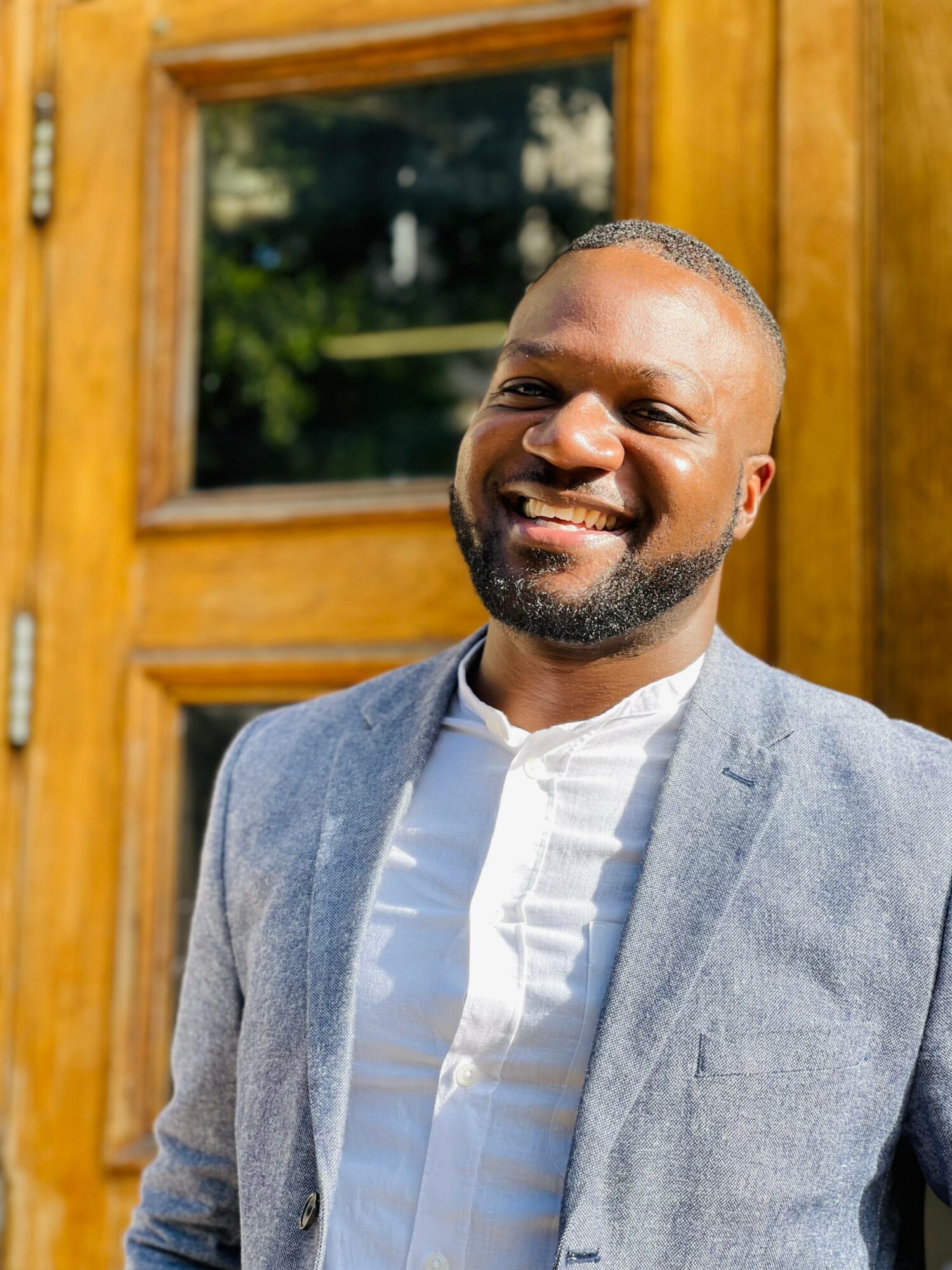
Today we’d like to introduce you to Kevin Overton-Hadnot.
Hi Kevin, so excited to have you on the platform. So before we get into questions about your work-life, maybe you can bring our readers up to speed on your story and how you got to where you are today?
My story really began in East Austin, off Springdale and MLK, where I grew up. That community shaped me early on and taught me the value of relationships, resilience, and looking out for one another. Those experiences helped form my belief that community support and connection can change lives.
My journey into mental health counseling eventually came full circle. As a young Black man, my first experience with counseling wasn’t by choice—it was court-mandated. At the time, I didn’t fully understand the value of having someone listen, challenge, and support me. But over time, counseling became a mirror that helped me see myself differently, recognize my potential, and understand the power of being heard.
That experience stayed with me. I began to feel called to be that same kind of mirror for other Black boys and men—someone who could reflect hope, possibility, and growth. Through prayer, faith, and guidance, I pursued my education, earning my MBA and later my Master’s in Clinical Mental Health Counseling in 2023.
That same year, I opened my group practice, Counseling For Us, where I serve as both owner and therapist. Our mission is to provide accessible, culturally responsive care for individuals, children, adults, couples, and families.
Austin continues to play a big role in my story. I love this community and deeply appreciate the support it offers. My hope is that through my work, I can give back by expanding access to mental health care and being a beacon of hope for those who may need someone to walk alongside them on their journey.
Can you talk to us a bit about the challenges and lessons you’ve learned along the way. Looking back would you say it’s been easy or smooth in retrospect?
The road to becoming a therapist definitely wasn’t smooth. While I would have appreciated a straight and simple path, I’m grateful for the journey God allowed me to take because it ultimately shaped me into who I am today. Much of that journey began with me wrestling with who I was truly called to be. At different points along the way, I worked in state government and even considered pursuing a Master of Divinity to serve more directly within the church. For a while, I believed my calling might be rooted entirely in ministry. Over time, though, I began to recognize that the work of helping and healing people could also happen in other spaces. That realization took time, reflection, prayer, and faith, and it ultimately led me to the field of counseling. I’m especially grateful to the Reverend Dr. Joseph C. Parker Jr., Esquire, who helped shepherd me through that season of discernment and growth.
Another important part of that journey was learning and developing my identity as a counselor, particularly as a Black male in the mental health field. That process required intentional work—cultivating confidence, building a sense of belonging, and finding community within the profession. Growing into that identity helped me understand not only the responsibility of the role, but also the importance of visibility and representation in the work we do.
Once I embraced the path of becoming a therapist, my entrepreneurial spirit pushed me to think bigger about what that work could look like. That vision led me to start my group practice, Counseling For Us, something I’m incredibly proud of. Along the way, that same entrepreneurial drive has expanded into other areas of impact—we’ve stepped into podcasting, acting, and authorship as well. Each of these platforms has helped me learn the importance of scaling the work of healing beyond the counseling room. While I deeply value the one-on-one connection that therapy provides, I’ve also come to understand the importance of reaching many more people through different spaces and conversations. That balance has been part of the growing pains of this journey—learning how to honor the depth of individual work while also expanding the reach of the message.
The journey from idea to opening the doors—and continuing to grow the practice—has required patience, learning, and perseverance. Building a business that centers healing and the work of supporting people’s mental and emotional well-being is deeply meaningful, but it also comes with challenges. Along the way, we’ve continued to grow, now supporting interns, associates, and other clinical staff who serve the community alongside me. It’s been a longer, more scenic journey than I expected, but it’s also been one filled with purpose.
Thanks for sharing that. So, maybe next you can tell us a bit more about your work?
In many ways, I see myself not only as a therapist but also as a creative. I often call myself a “hope dealer.” We have dealers for everything else in the world—so why not hope? That idea has really shaped the direction of my work and sparked a deeper sense of purpose behind everything I do. It has fueled what I now call the Heal to Lead movement, which is rooted in the belief that healing is an essential part of leadership, particularly for men who are often taught to suppress rather than process their emotions. My goal has been to expand conversations around mental health and healing beyond the counseling room and into everyday life.
That vision has opened the door to several creative opportunities. I authored a guided journal called A Man’s Guide to Healing and Leadership, available on Amazon, which offers men a structured 21-day journaling process to help them reflect, process, and grow in intentional ways. I also host The Heal to Lead Podcast, where I bring authentic and honest conversations to leaders and men navigating their own healing journeys. Through the podcast, we explore topics that many men face but often keep hidden—creating space for openness, accountability, and growth. In addition, I use social media as a platform to share credible and positive mental health content, working as a kind of influencer within the mental health space to normalize these conversations and reach people who may not yet feel ready to step into a therapy office.
I think what sets me apart is the intersection of my professional training and my authenticity. As a licensed Black male therapist who is visible in public spaces like social media and podcasting, I aim to bring honesty, relatability, and hope into conversations that can sometimes feel intimidating or stigmatized. One message I received from someone on social media described my content as “therapy in a box,” and that meant a lot to me. If my presence can help someone feel seen, understood, or encouraged to take a step toward healing, then I know the work is doing what it’s meant to do. Ultimately, what I’m most proud of is the consistency of showing up—being a voice that normalizes mental health, promotes healing, and encourages people to lead healthier, more authentic lives.
In my direct counseling work, I specialize in individual, couples, and family counseling, working with clients across the lifespan. My youngest client is six years old, where we use play therapy to support emotional expression, while my oldest clients are in their 60s. That range reflects something I deeply value in my work—the opportunity to support people through the full human experience, from childhood through adulthood, helping individuals and families grow, heal, and lead healthier lives together.
How do you think about happiness?
Outside of my own family and community, one of the things that truly makes me happy is seeing more and more men begin to appreciate the value of therapy. For a long time, many men were taught that strength meant silence—that emotions should be hidden and struggles handled alone. But through my work, I’ve had the privilege of seeing men challenge those ideas and step into spaces of healing, growth, and self-awareness.
What brings me the most joy is watching men thrive in ways they may not have imagined for themselves. I see men becoming more resilient, more communicative, and more emotionally aware. I see fathers strengthening relationships with their children, partners learning how to express themselves in healthier ways, and leaders recognizing that healing is a part of leadership. When men show up authentically, grow into themselves, and begin to redefine masculinity in ways that allow them to be both strong and emotionally present, it creates ripple effects throughout families and communities. Being able to witness and support that transformation is one of the most fulfilling parts of the work that I do.
Pricing:
- Journal – A Man’s Guide To Healing and Leadership – $15.99 https://www.amazon.com/Mans-Guide-Healing-Leadership-Authentic/dp/B0F292MHHK
- Counseling Session $130 Individual / $145 Couples with LPC and insurance is accepted
- Keynotes, Speaking, Workshop pricing available upon request
Contact Info:
- Website: https://kevinovertonhadnot.com
- Instagram: https://www.instagram.com/iamkevinoverton
- Facebook: https://www.facebook.com/share/18QVkuPvTt/
- LinkedIn: https://www.linkedin.com/in/iamkevinovertonhadnot
- Youtube: https://www.youtube.com/@HealedToLeadOfficial
- Other: counselingforus.org; https://sociatap.com/iamkevinoverton/
Image Credits
I would like to submit a few more photos shortly. I will email David with final photos,