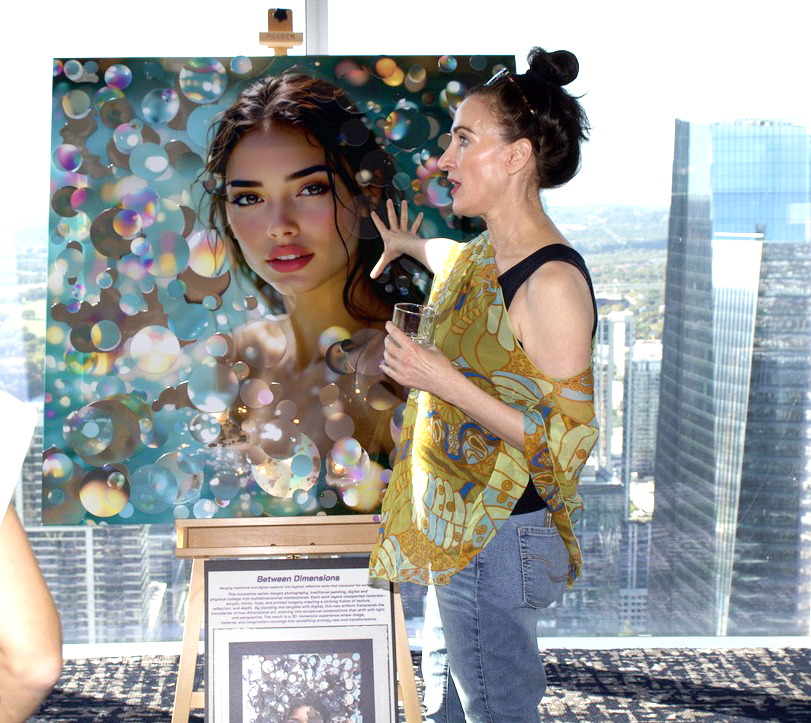



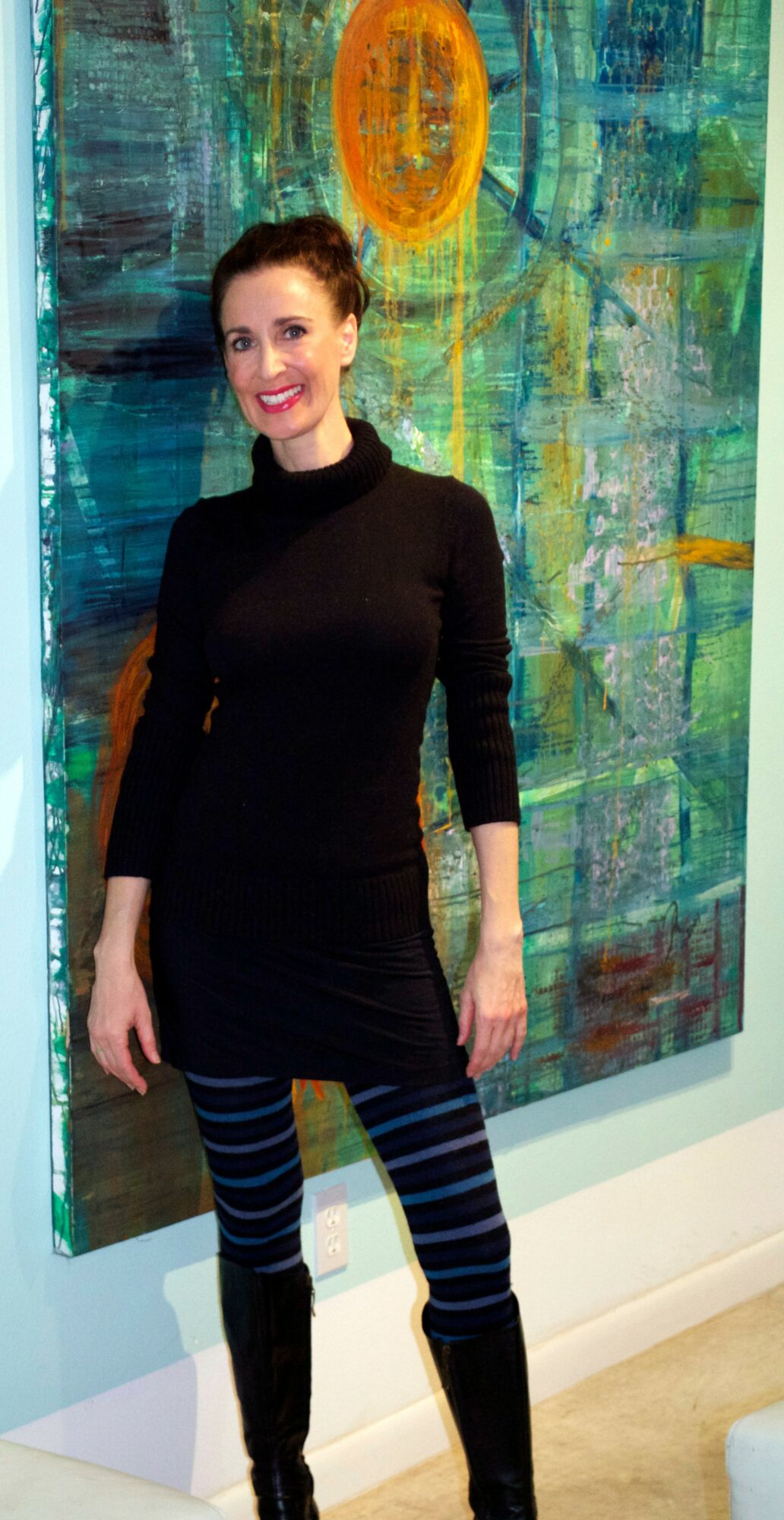
Today we’d like to introduce you to Deborah Argyropoulos.
Hi Deborah, thanks for sharing your story with us. To start, maybe you can tell our readers some of your backstory.
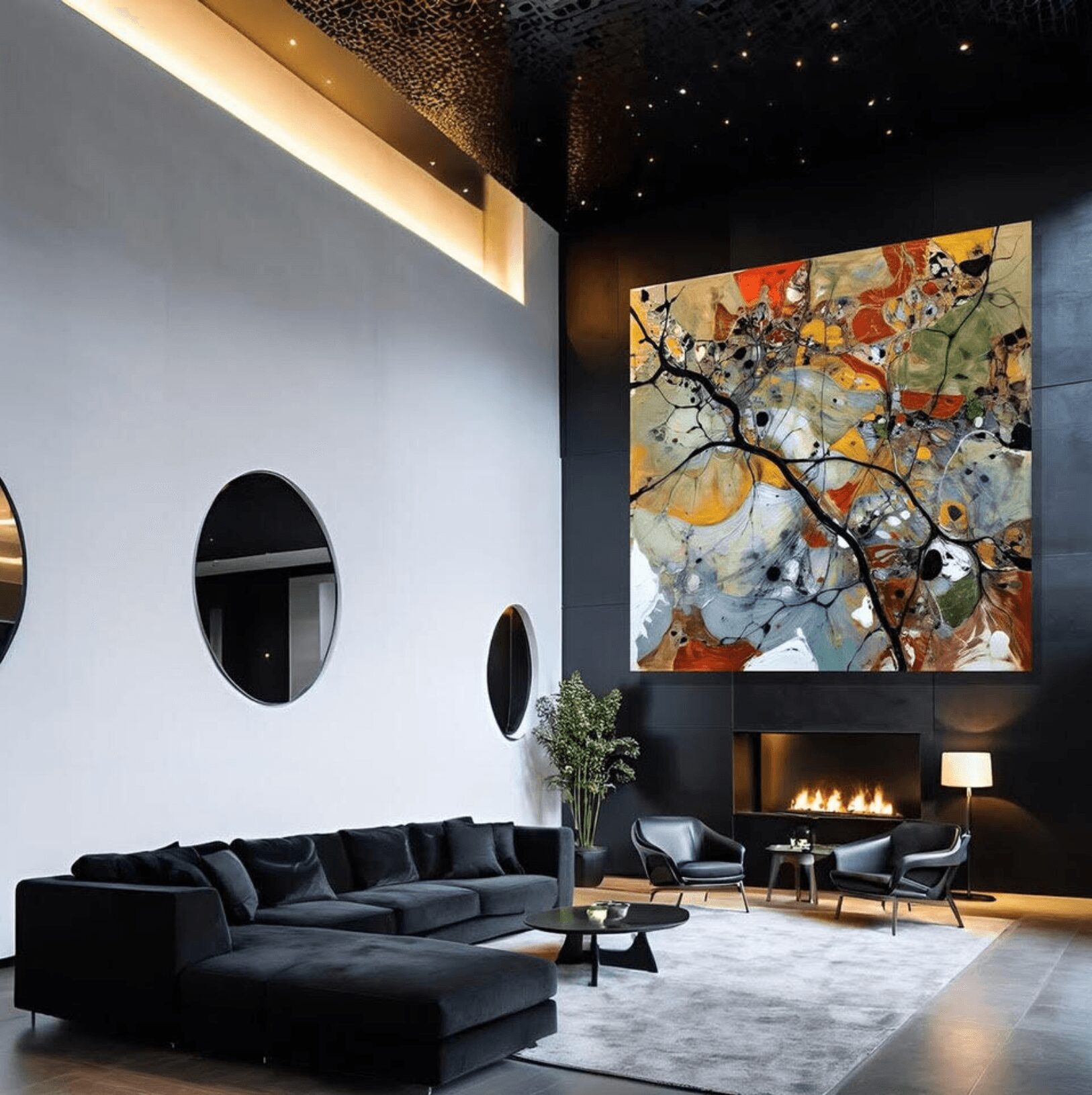
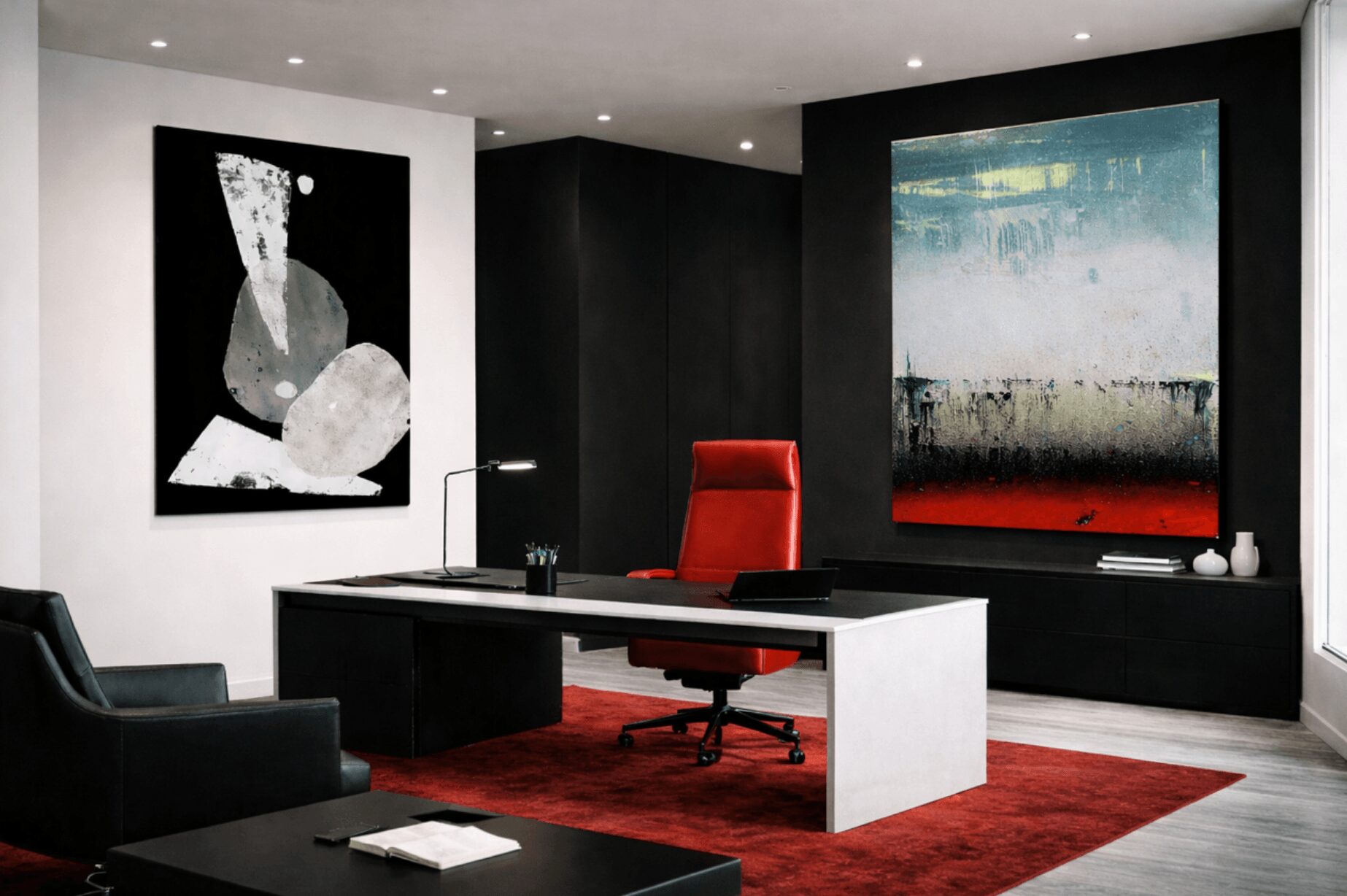
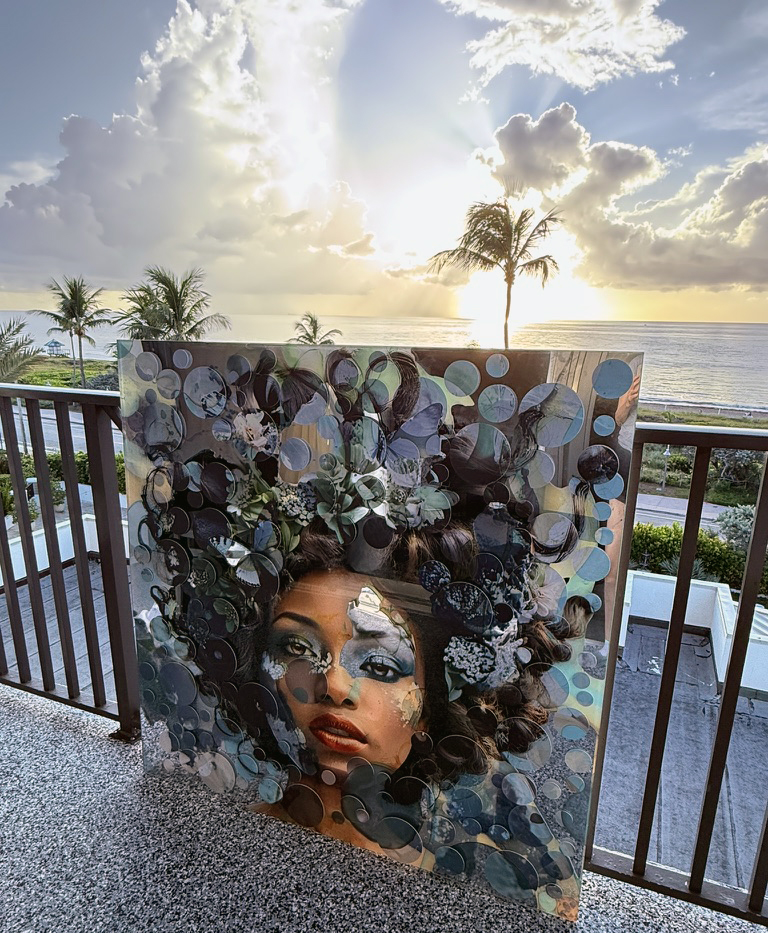
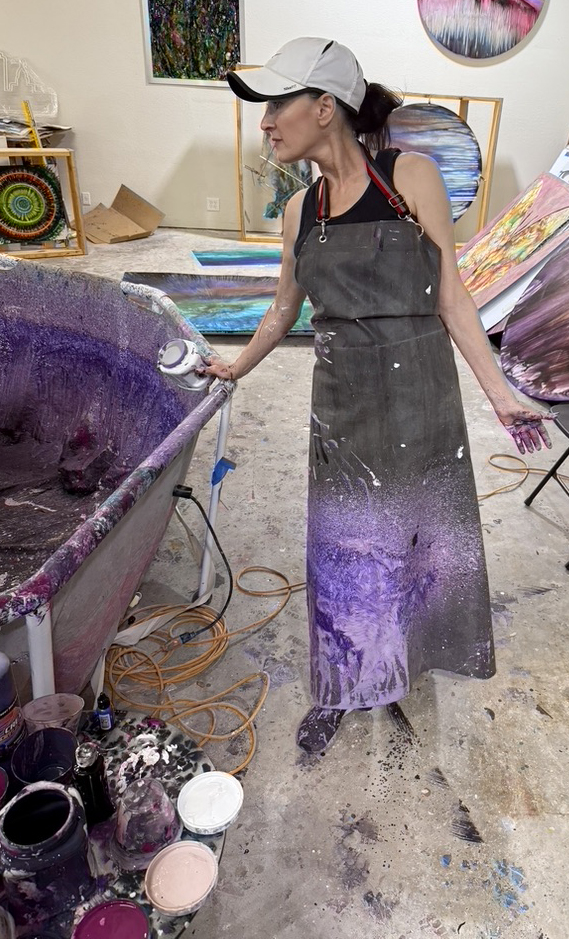
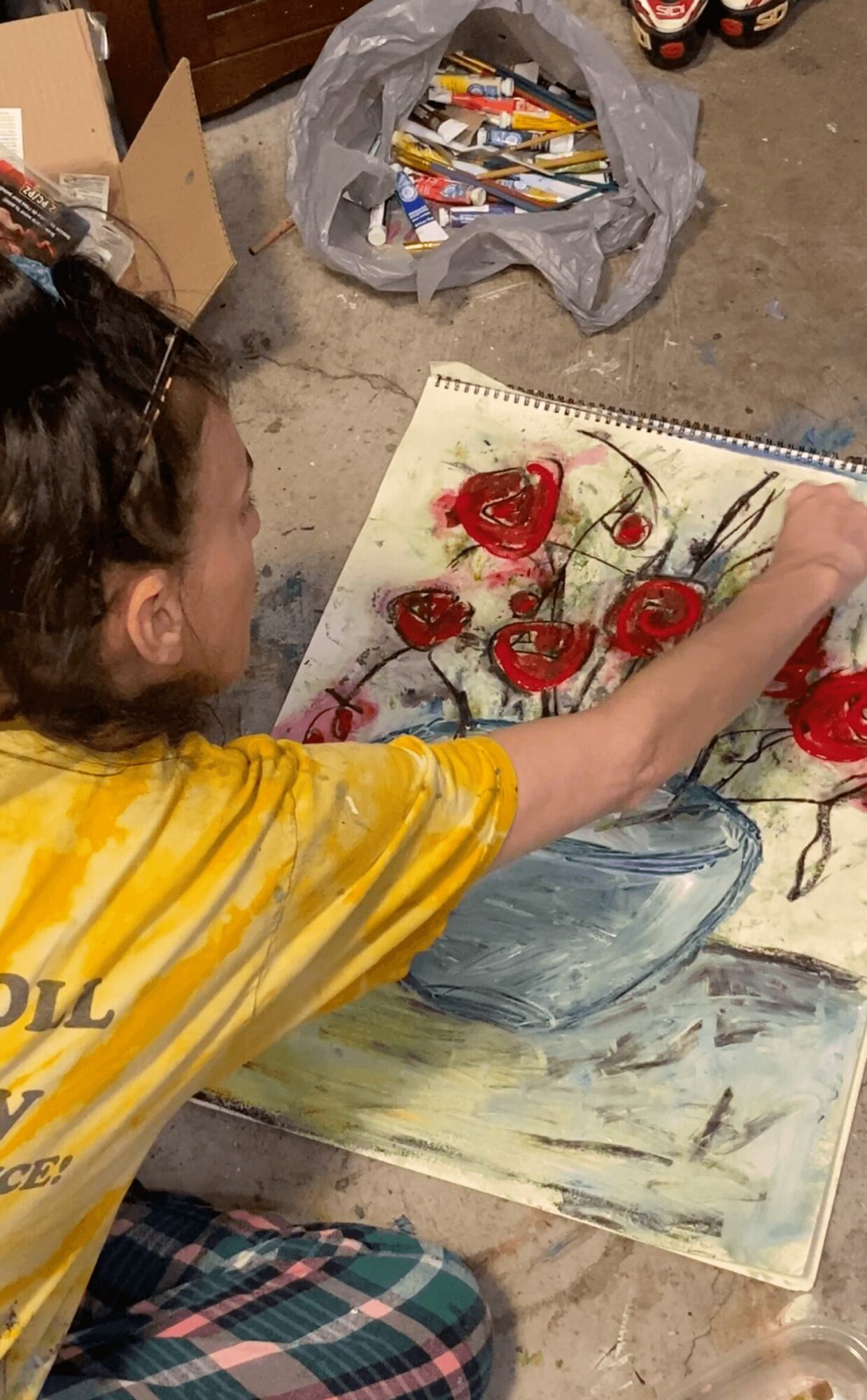
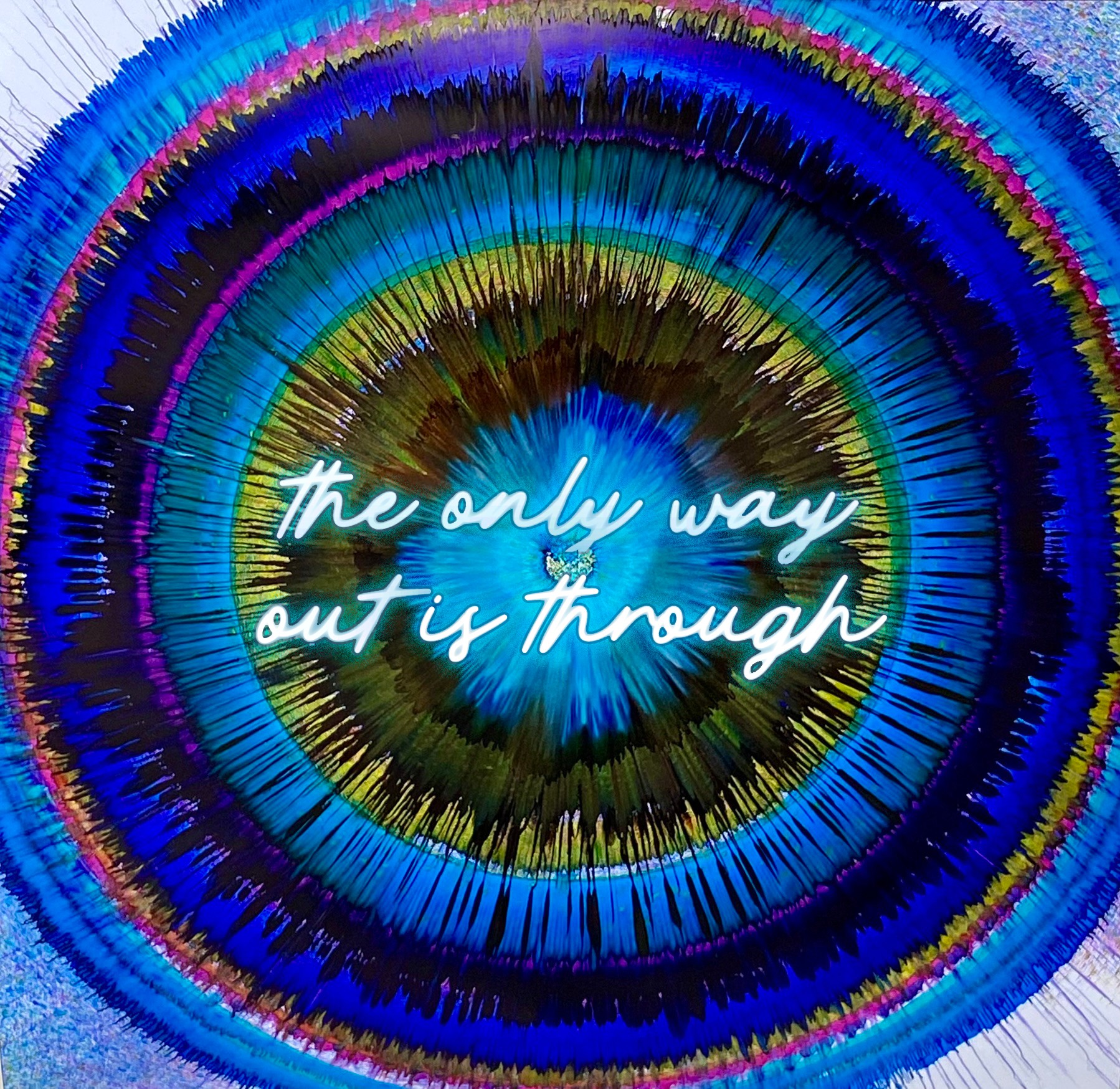
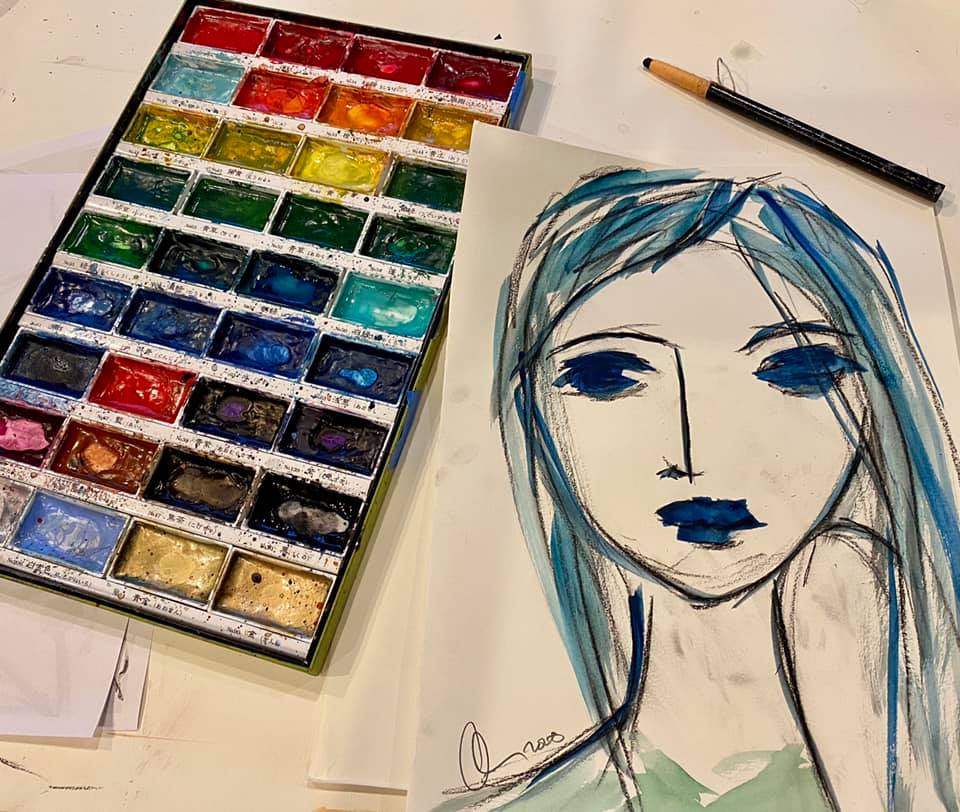
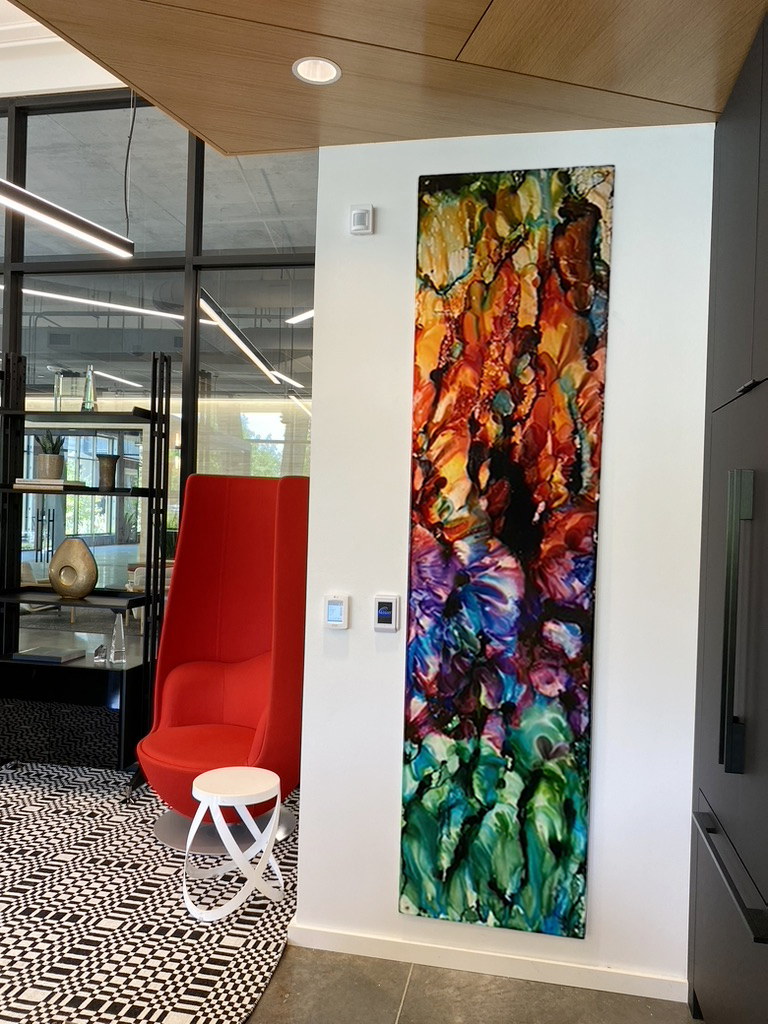
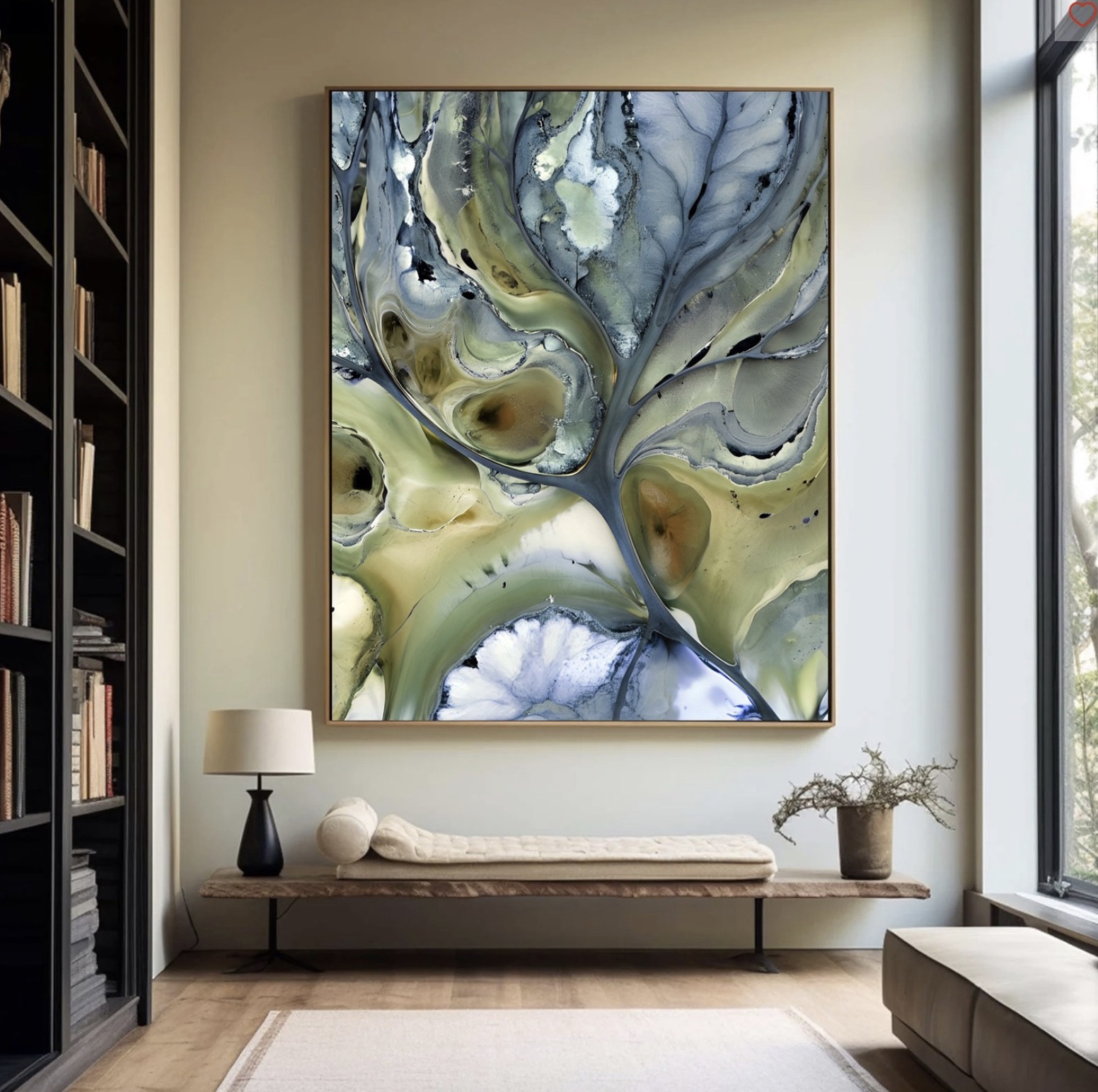
I started my career as a fine artist, originally working in realism and commissions before evolving into large-scale abstract and mixed-media work. Early on, I was offered an opportunity to create a collection of abstract paintings for a corporate office, and that project changed everything. It showed me that art could do more than live in galleries—it could shape environments, elevate brands, and influence how people feel and function in a space.
As those opportunities grew, I realized there was a major gap in how art was being sourced for corporate, hospitality, healthcare, and luxury residential projects. Clients didn’t just need artwork—they needed guidance, scalability, clear pricing, and someone who understood both design and production. That insight led me to build Corporate Art Smart.
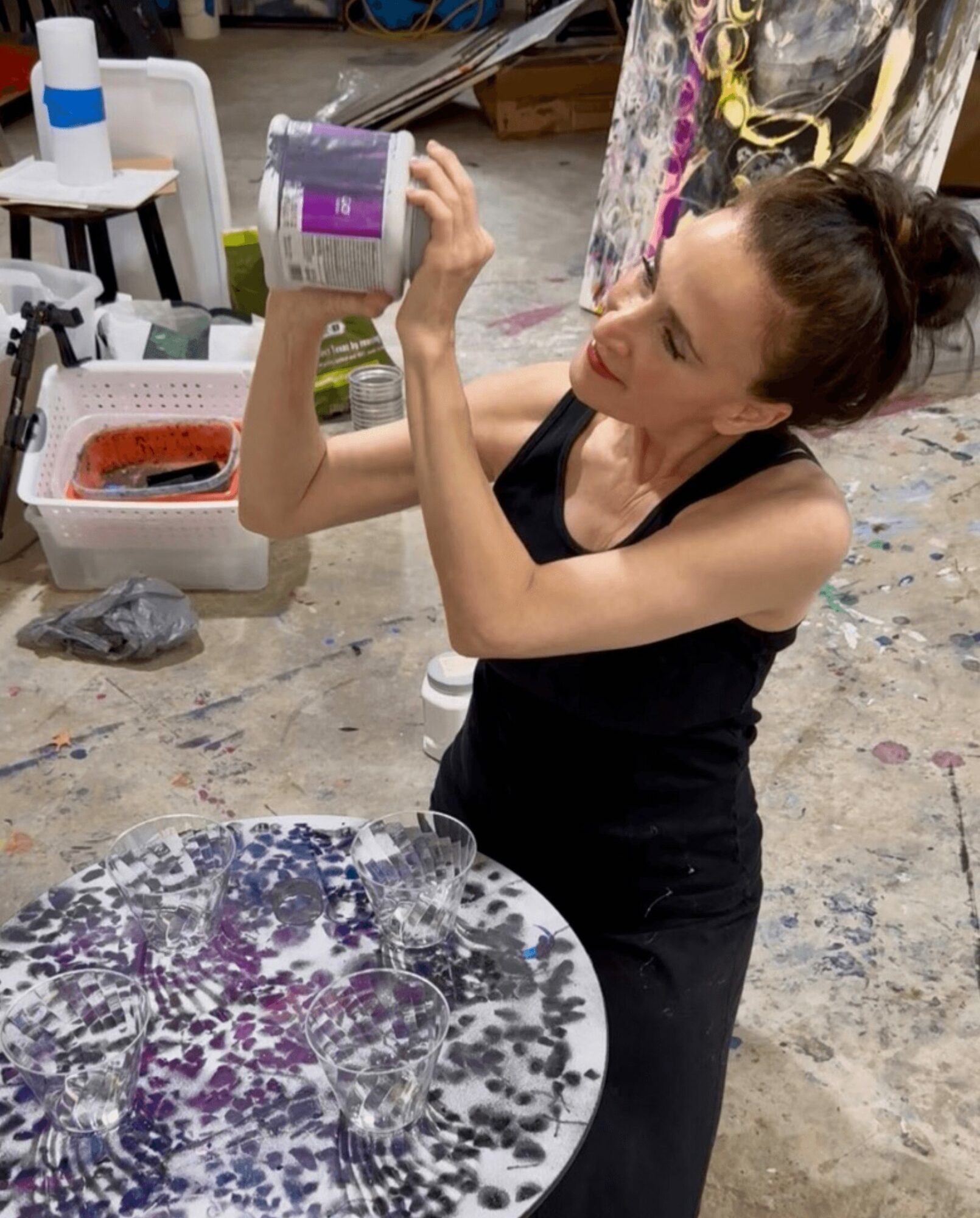
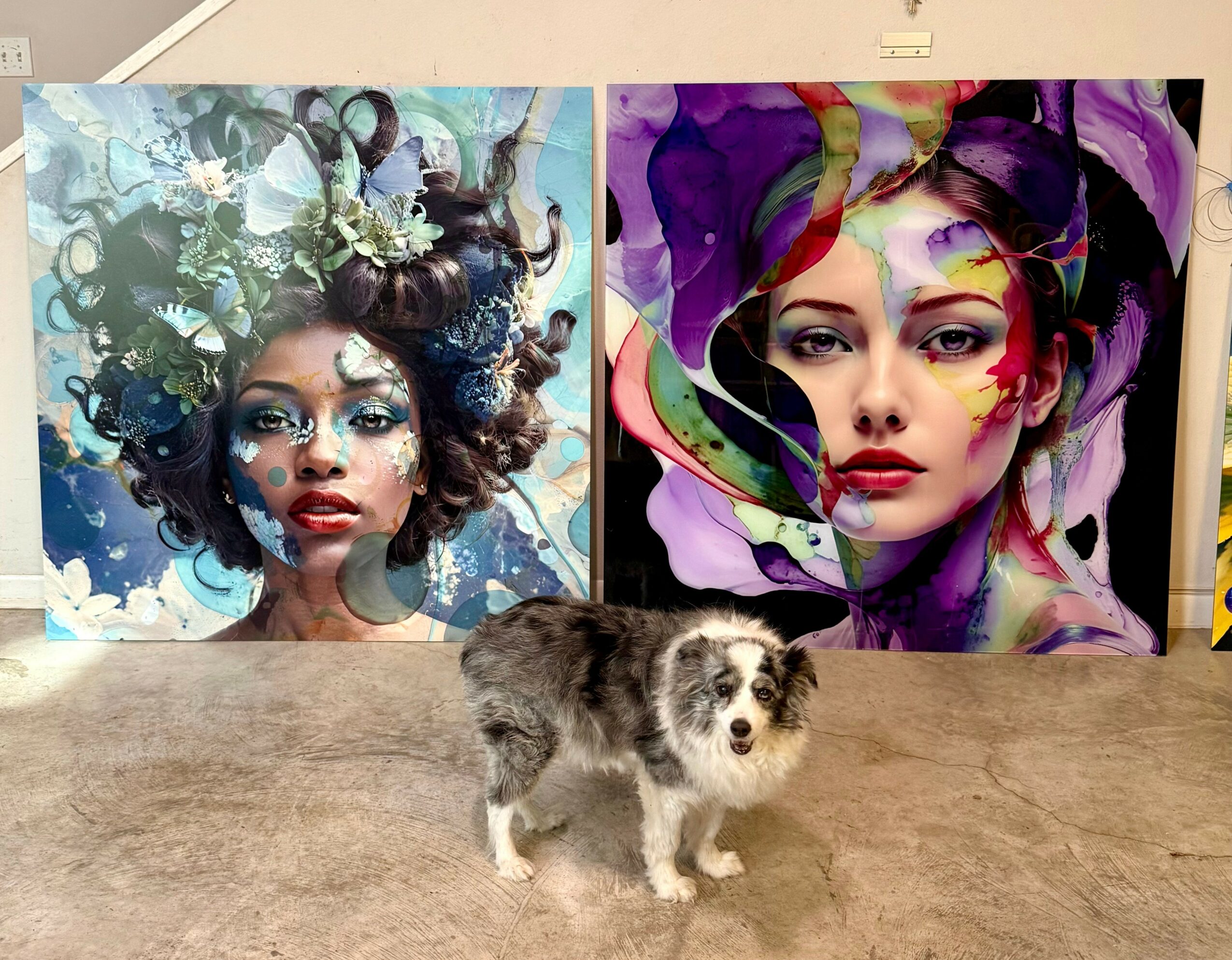
Corporate Art Smart grew organically from my own studio practice into a full art consultancy. We create, curate, and manage artwork specifically for built environments, working directly with developers, designers, procurement teams, and property owners. Because we work in-house as artists and consultants, we’re able to offer custom originals, scalable reproductions, and cohesive art packages that align with architecture, budgets, and timelines—without the friction of traditional gallery models.
At its core, Corporate Art Smart exists to make art purposeful. My goal has always been to create work that enhances spaces, supports the people who use them, and brings intention, emotion, and identity into the environments where we live, work, and gather.
Would you say it’s been a smooth road, and if not what are some of the biggest challenges you’ve faced along the way?
Along the way, one of the biggest obstacles was shifting from a traditional fine-art mindset to a business-driven model without losing the integrity of the work. Galleries weren’t built for scale, deadlines, or procurement structures, and corporate clients weren’t speaking the language of the art world. I had to learn how to bridge those two worlds myself.
Another challenge was credibility. Early on, I often had to educate clients on why art mattered in commercial spaces and why investing in original or custom work made a measurable difference. Art was frequently treated as an afterthought, value-engineered out, or sourced last minute—so I had to advocate not just for my work, but for art as a strategic component of design.
Scaling was also difficult. Creating one piece is very different from producing cohesive collections, managing revisions, pricing tiers, fabrication, shipping, and installation—sometimes across multiple locations. I had to build systems, processes, and partnerships from scratch while still being the artist creating the work.
There were financial risks as well. I invested heavily in materials, time, and infrastructure before projects were fully realized, often carrying the weight personally before the business stabilized. Learning how to price confidently, protect margins, and say no to projects that weren’t aligned was a hard but necessary lesson.
Finally, there was the internal obstacle—trusting my instincts. Stepping away from a conventional art path meant embracing a model that didn’t exist yet. I had to be comfortable being early, being different, and building something that blended art, strategy, and business in a way that felt authentic to me.
Those challenges ultimately shaped Corporate Art Smart into what it is today: a studio-led consultancy that understands art, design, and execution equally—and delivers work that’s intentional, scalable, and impactful.
So maybe we end on discussing what matters most to you and why?
I built a business around my art so I could actually afford the time and financial aspects to create art. I needed the freedom to control the process, the vision, and the outcomes—to be the writer, director, and actor in my own story. Creating a business wasn’t about stepping away from art; it was about protecting the space to make it, on my own terms.
This matters to me most because creating art is who I am, not just what I do. When I didn’t control the process, the time, or the decisions, the work suffered—and so did I. Building a business around my art gave me the autonomy to protect my creativity, my intuition, and my standards. It allowed me to show up fully as an artist, without dilution or permission.
Being the writer, director, and actor in my own story means my work stays honest. It means I can choose projects that align with my values, create at the scale my ideas require, and build something lasting without losing myself in the process. The business exists so the art can exist—and that freedom is what matters to me most.
Contact Info:
- Website: https://corporateartsmart.com
- Instagram: https://www.instagram.com/corporateartsmart/
- LinkedIn: https://www.linkedin.com/in/corporateartsmart/
- Other: https://corporateartsmart.com/art-information-pack/