


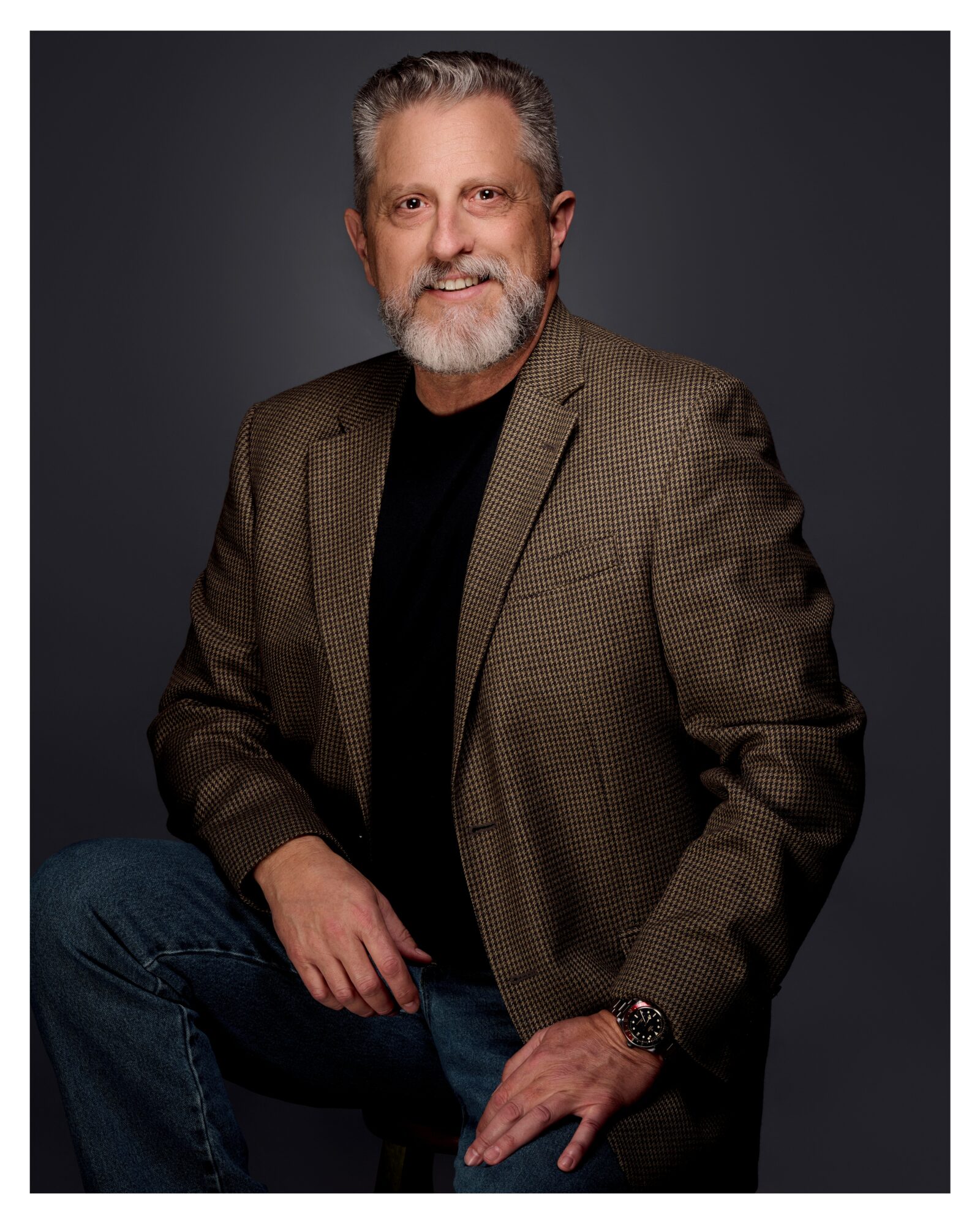
Today we’d like to introduce you to Gary Smith.
Gary, we appreciate you taking the time to share your story with us today. Where does your story begin?
My grandfather was an aviator and a photographer in the 1920’s and I love that. He was in the Army and shot for a wire service in Washington D.C. I have several of his images, some of which have some historical significance, like a photo of Alexander Graham Bell, the Panama Canal being excavated and the National Capitol from the air. I got my first camera, a Nikon FM, when I was in high school and I loved taking pictures. I had visions of being a wildlife photographer. Once in college, I got involved in the newspaper and I shot a lot of black & white film. I loved working with people and the creative process of making an image. I had a pretty good side-hustle shooting and selling prints to the students at that time and the university environment was great because we had a great darkroom. After graduating and my darkroom access was gone, I switched to color film but a day-job as a software engineer and a family meant my images were mostly along the lines of family snapshots.
Back then, I didn’t know anything about strobe lighting or off-camera flash. That changed when digital became a thing in about 2000. I was an early adopter of digital and it was at that time I started working with proper strobe gear, not just a speedlight mounted on the camera hot-shoe. As my work got better I was published in a handful of national magazines and a few books supporting the editorial content. The 2008 housing bust hit pretty hard so I decided to move to Texas in 2009.
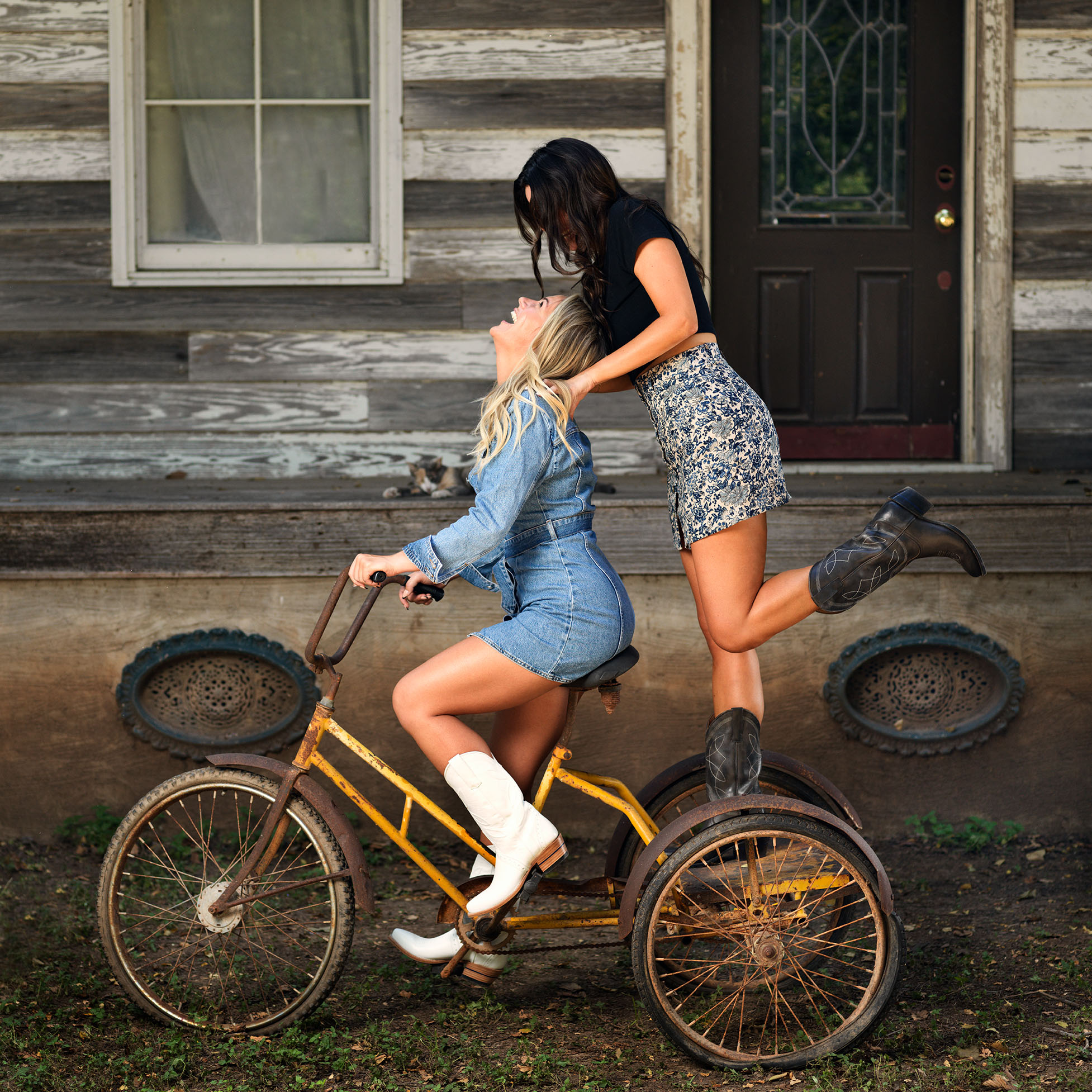
A couple years after moving to Austin, I began shooting product and lifestyle images for a local cowboy boot brand. I learned a lot during the ten years I shot for them and had some good fun along the way. All of the lifestyle work was location-based and that will certainly put lighting skills to the test. Footwear isn’t the easiest thing to photograph since your subject is mostly at ground level.
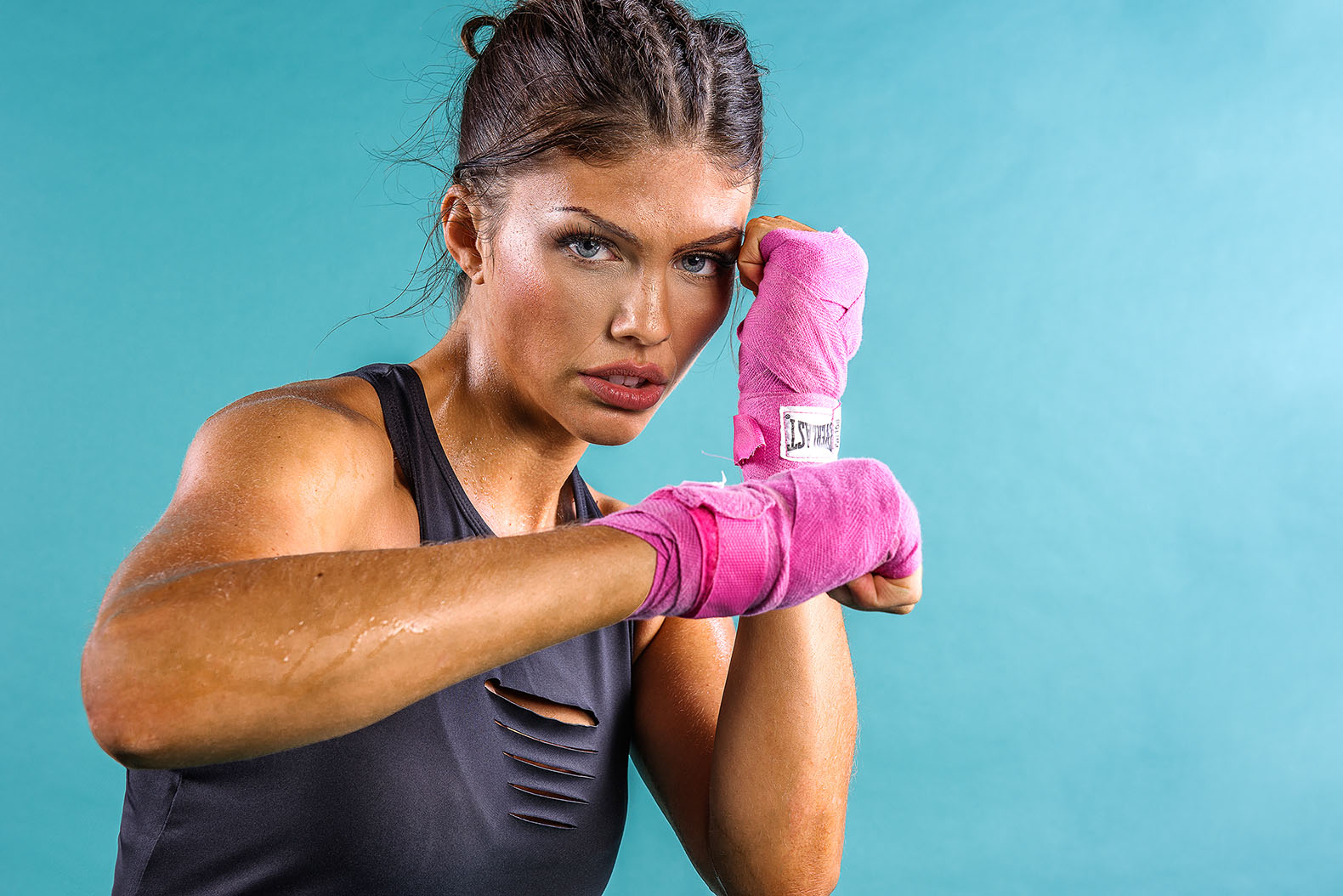
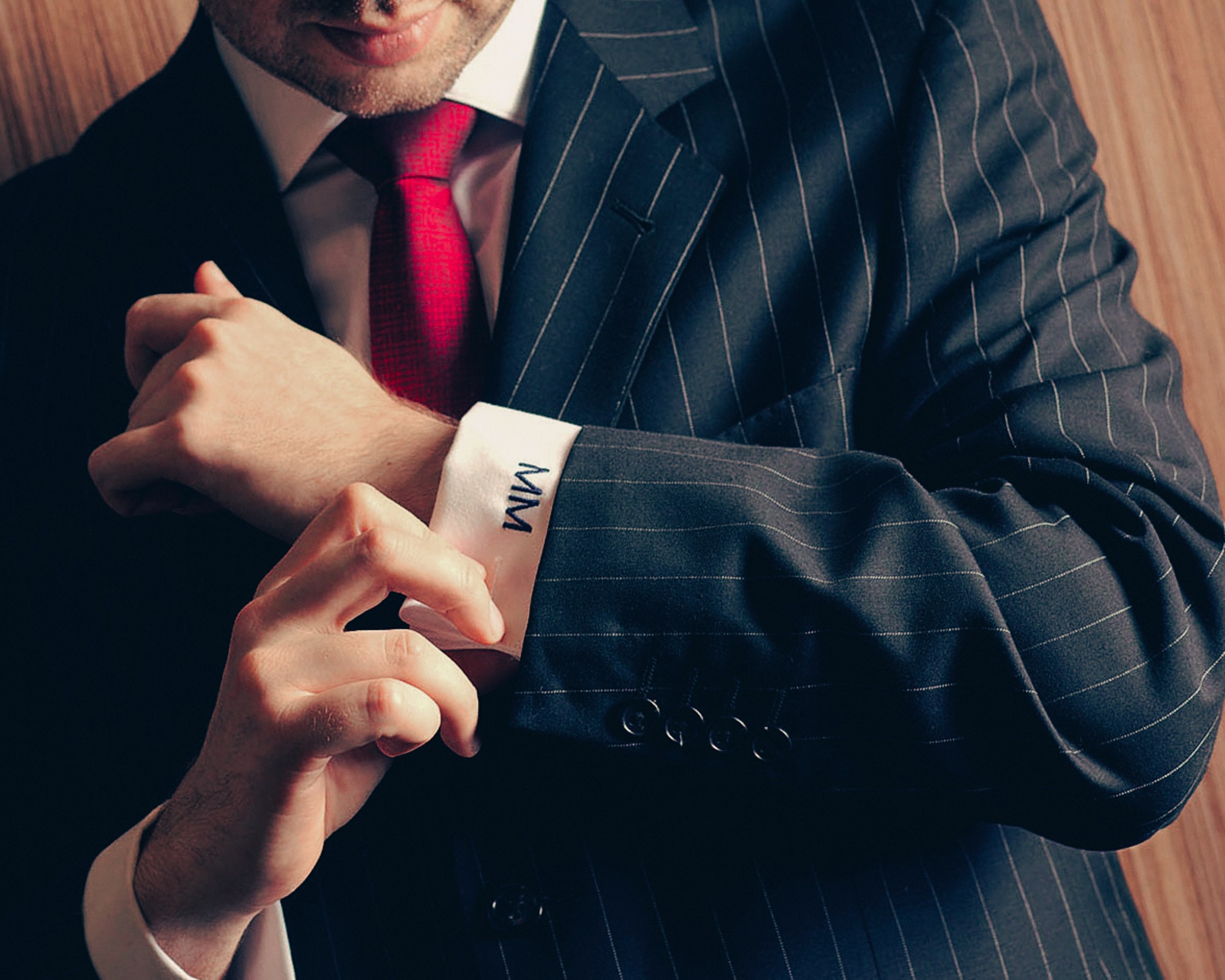
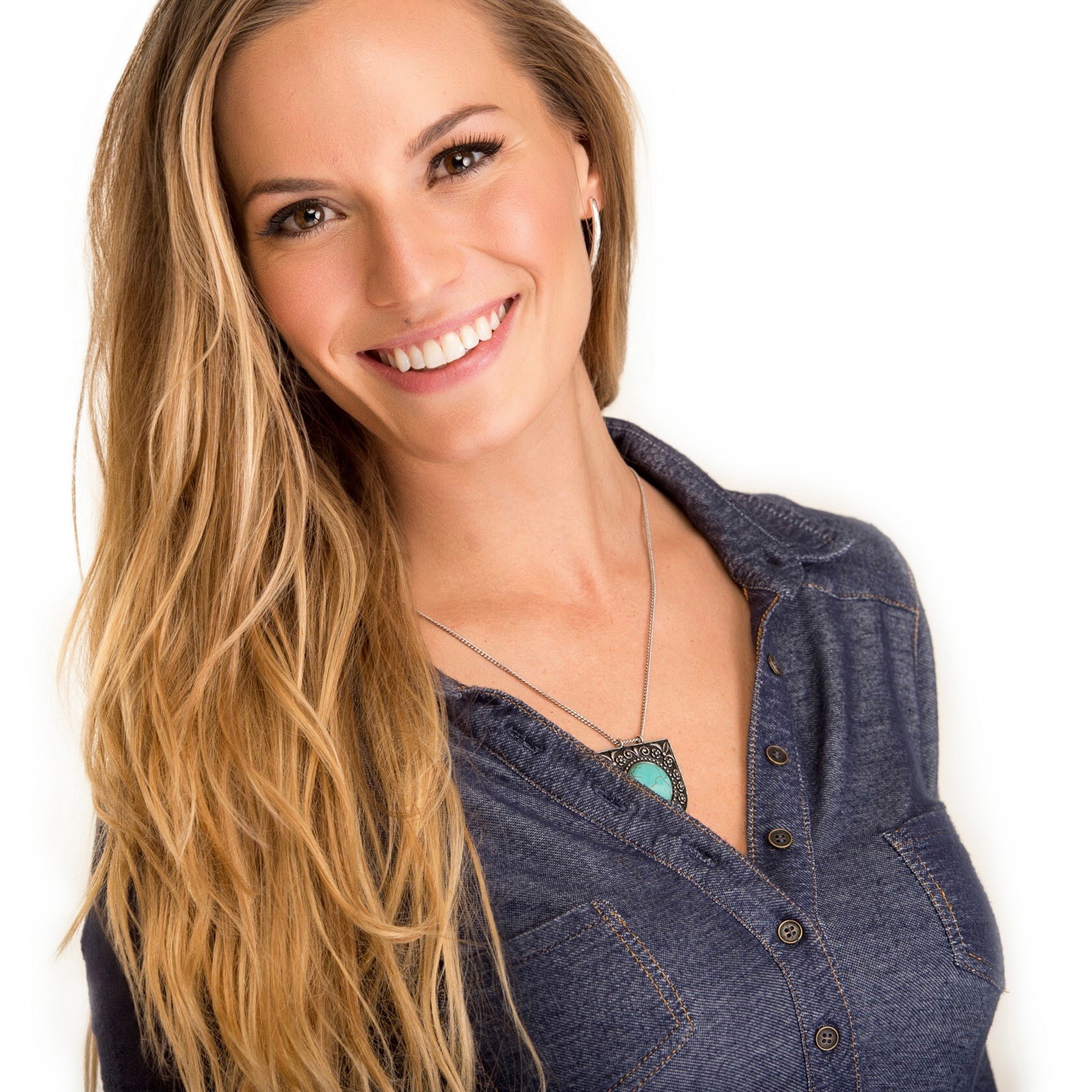
Today I shoot a lot of corporate jobs, headshots and portraits but I would love to get more commercial brand work but that seems to be increasingly difficult.
Can you talk to us a bit about the challenges and lessons you’ve learned along the way. Looking back would you say it’s been easy or smooth in retrospect?
I don’t know about other folks, but it seems life is always full of struggles and while some speedbumps are bigger than others the challenges we face is an opportunity to learn new things. The housing bust in 2008 was tough economically and right now the tech sector seems to be struggling. I think AI has a lot to do with that. I see AI is another inflection point when it comes to creative and many other jobs, but I’m really not worried as it relates to photography. Right now, AI is a tool in the tool box even though the potential for really bad things is quite high. There is a segment who still values authenticity and that’s one reason film photography is thriving. There are some things AI just can’t generate, like a wedding, which may be my next photographic pursuit.
As you know, we’re big fans of you and your work. For our readers who might not be as familiar what can you tell them about what you do?
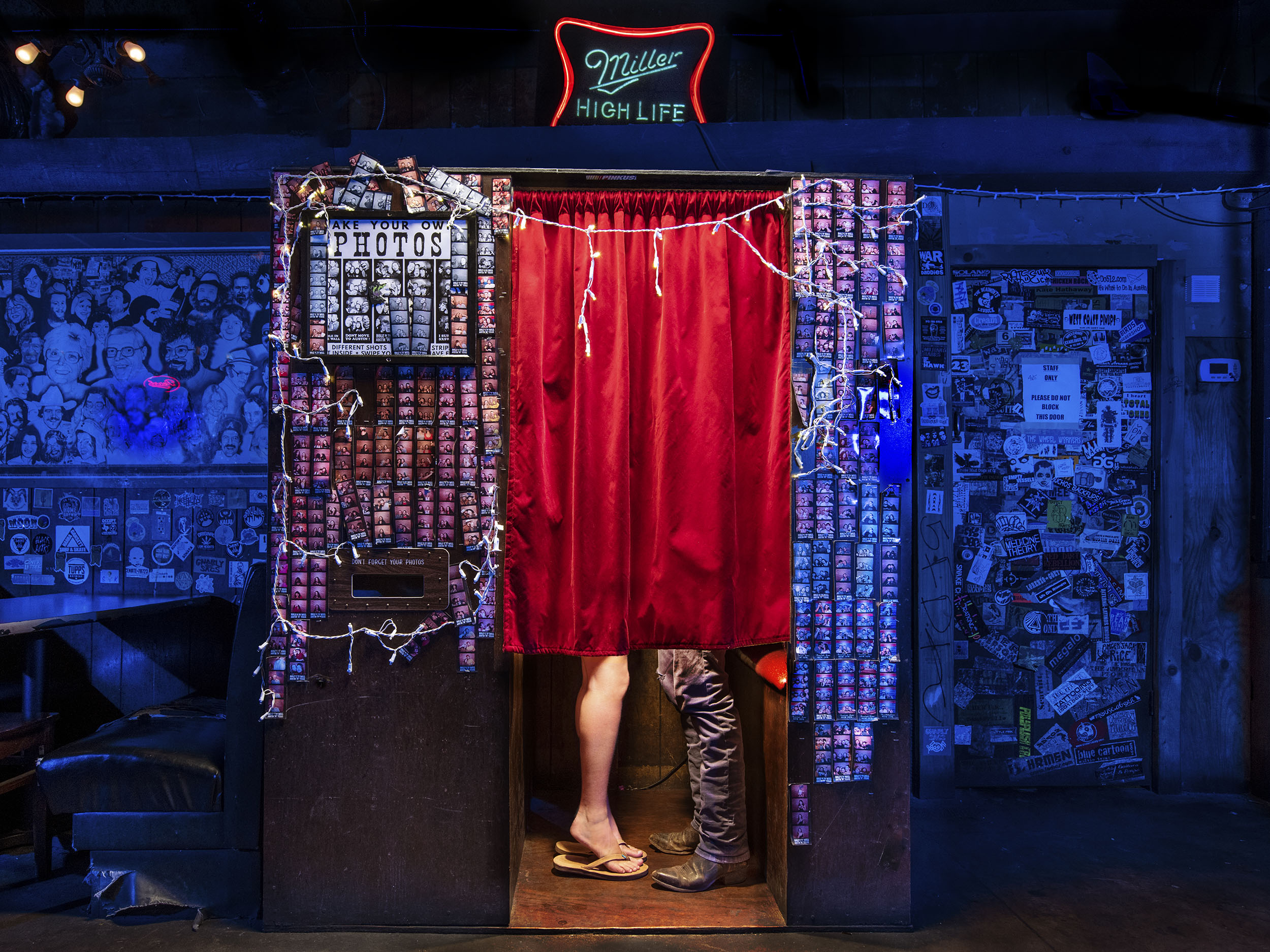
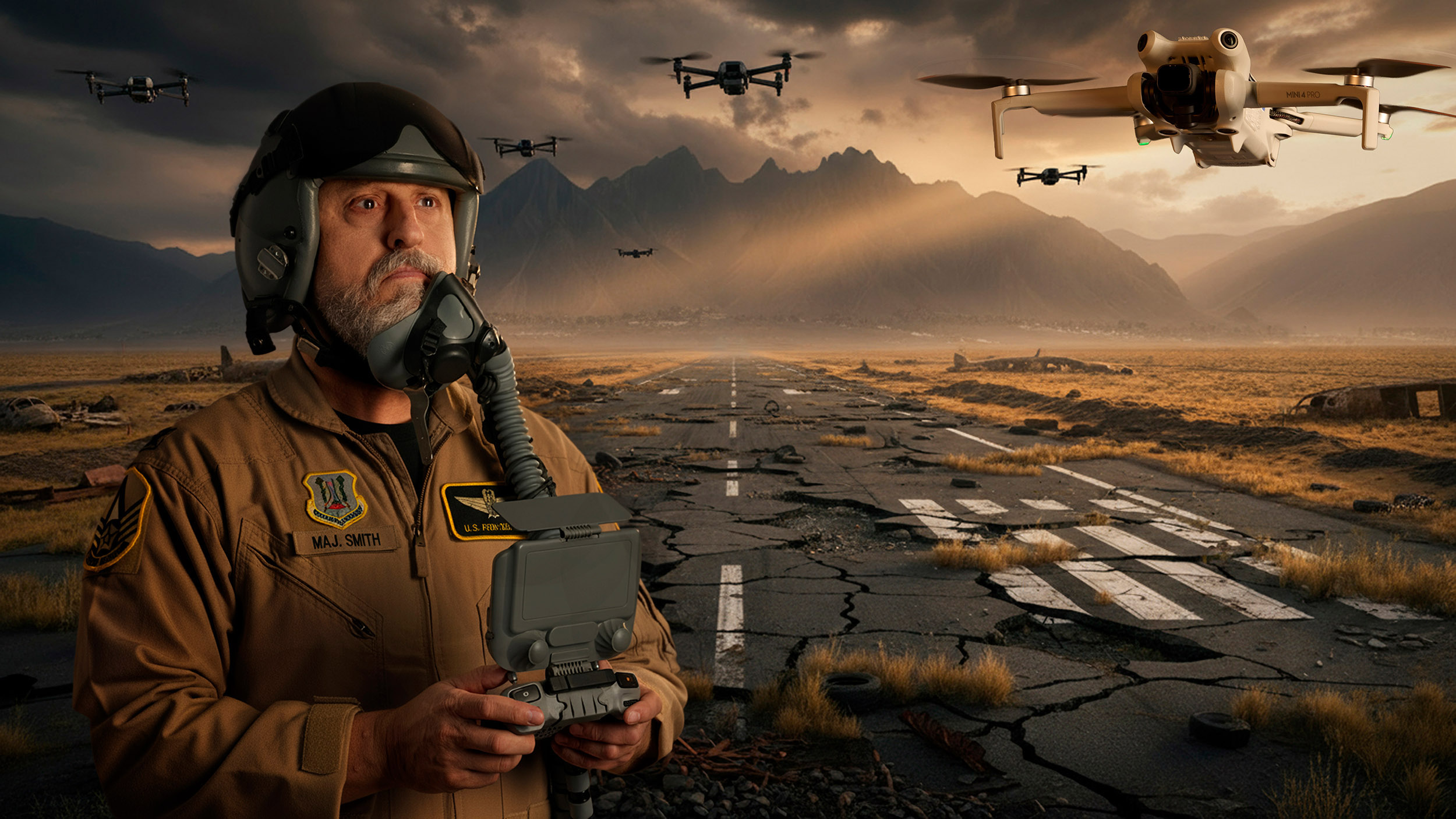
I would have to say that my lighting is what sets me apart from a lot of other photographers. I don’t often shoot just with natural light, instead I try to make the photograph to appear natural even though I’m lighting the entire scene. It’s not uncommon for me. to start with a totally black frame when all the strobes are off. From there I start adding lights to create the mood of the image and getting the subject to pop.
Location lighting for commercial work has a lot of challenges that other genre’s don’t. The client expects you to make their product look great and it doesn’t usually work out very well if it’s hidden in the shadows. Lifestyle work also has to “tell the story” so the entire scene is important to show the products being used or worn in the proper context.
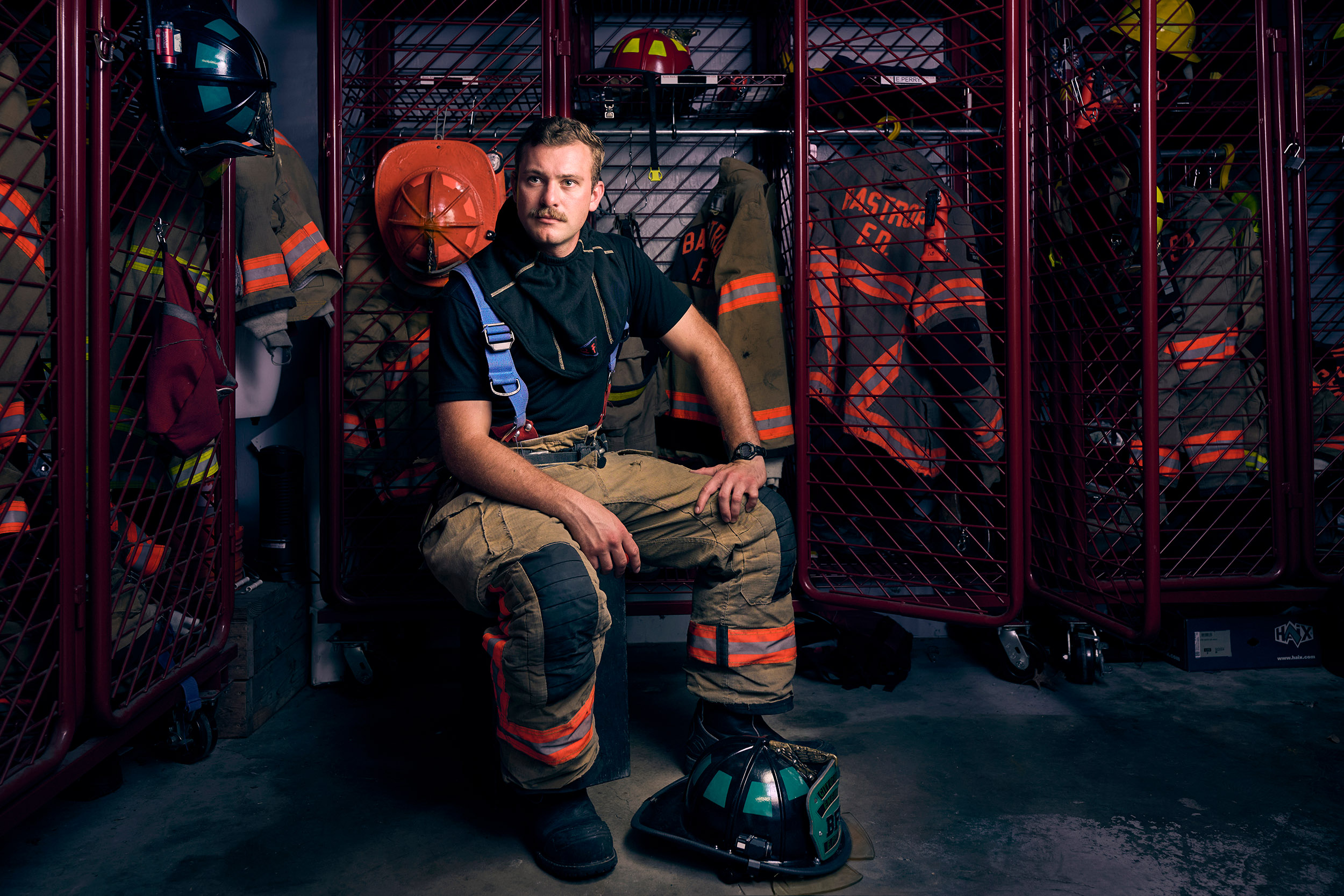
I recently photographed some firefighters for a local publication and I wanted to create some images in their locker room which was basically a 10×10 black hole with dark grey from the floor to the seven foot ceiling. A couple of those shots were some of my best portraits of 2025.
What sort of changes are you expecting over the next 5-10 years?
I’m not sure where we’ll be in 5 years but I am sure AI will be a part of it – it already is. I think the photography industry could be in real trouble in some areas but as I mentioned earlier, there is a strong desire for authenticity and I find that encouraging. This seems to be especially true with the the younger generations. They seem to see behind the curtain a lot more easily because the fakery is so prevalent and disingenuous. It’s similar to what happened when digital first came of age and you showed someone a great photograph that perhaps pushed boundaries of what they could understand and you would literally get a one-word critique, “photoshopped”. Now that word is replaced by “AI”.
I also don’t think the photography industry is in any more danger from AI than the music, movie, accounting, software or legal industries are facing as a profession. It is going to change all of our lives! But at the end of the day, I don’t care about AI because I will try to be as genuine as I can and create with authenticity when it’s needed and I will use AI when it’s needed. I dare say 99% of the photographers today are using some form of AI. After all it’s now baked into the software whether you like it or not! The only photographers who aren’t using AI on some level today are those that are 100% analog (film) including the printing and using a camera from 20+ years ago. You think the autofocus in your new film camera with face / eye detect isn’t using some AI? Like any tool it will be misused by some people.
Contact Info:
- Website: https://www.loop1photography.com
- Instagram: @loop1photography
- Other: https://www.loop1photography.com/pastProjects.php