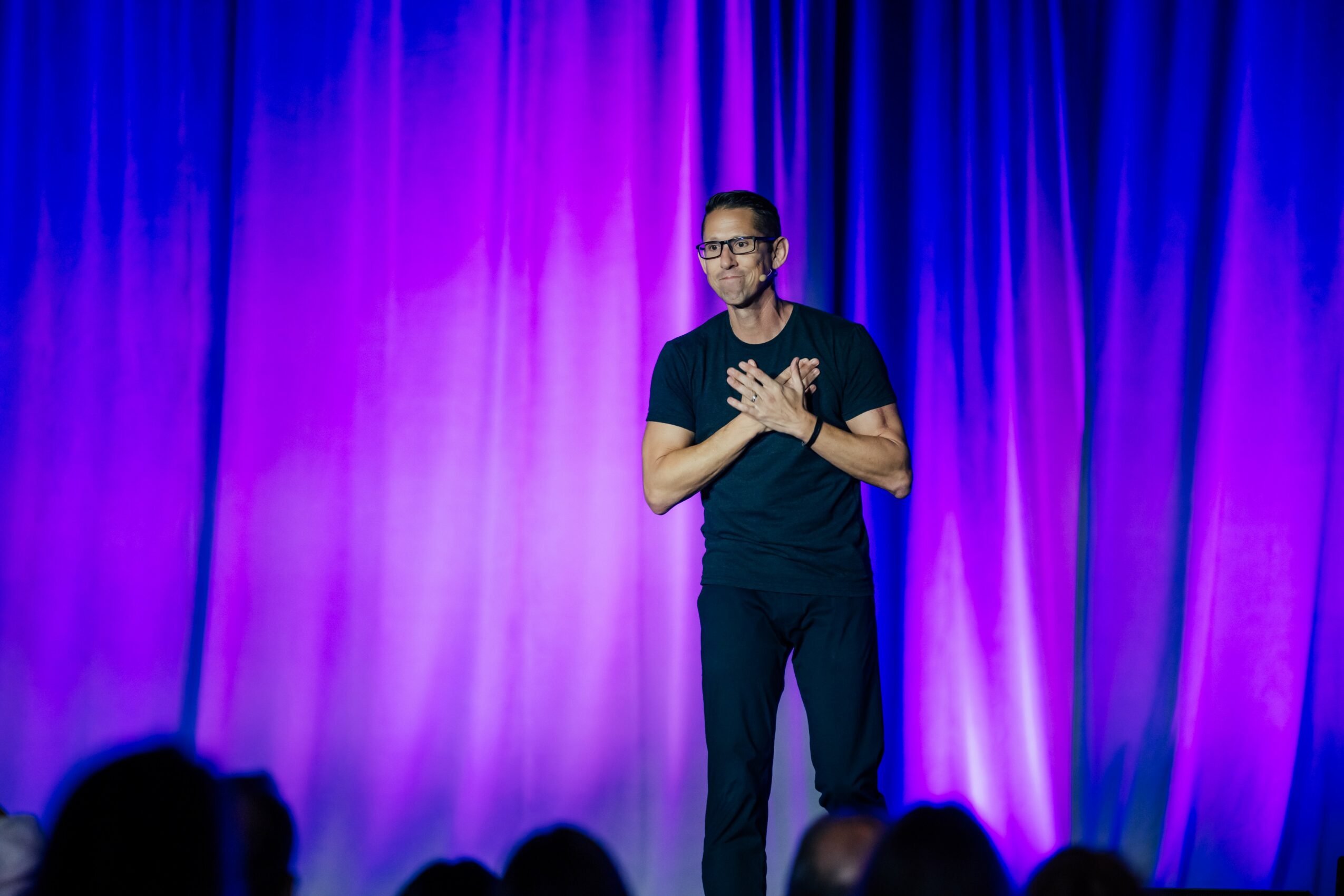



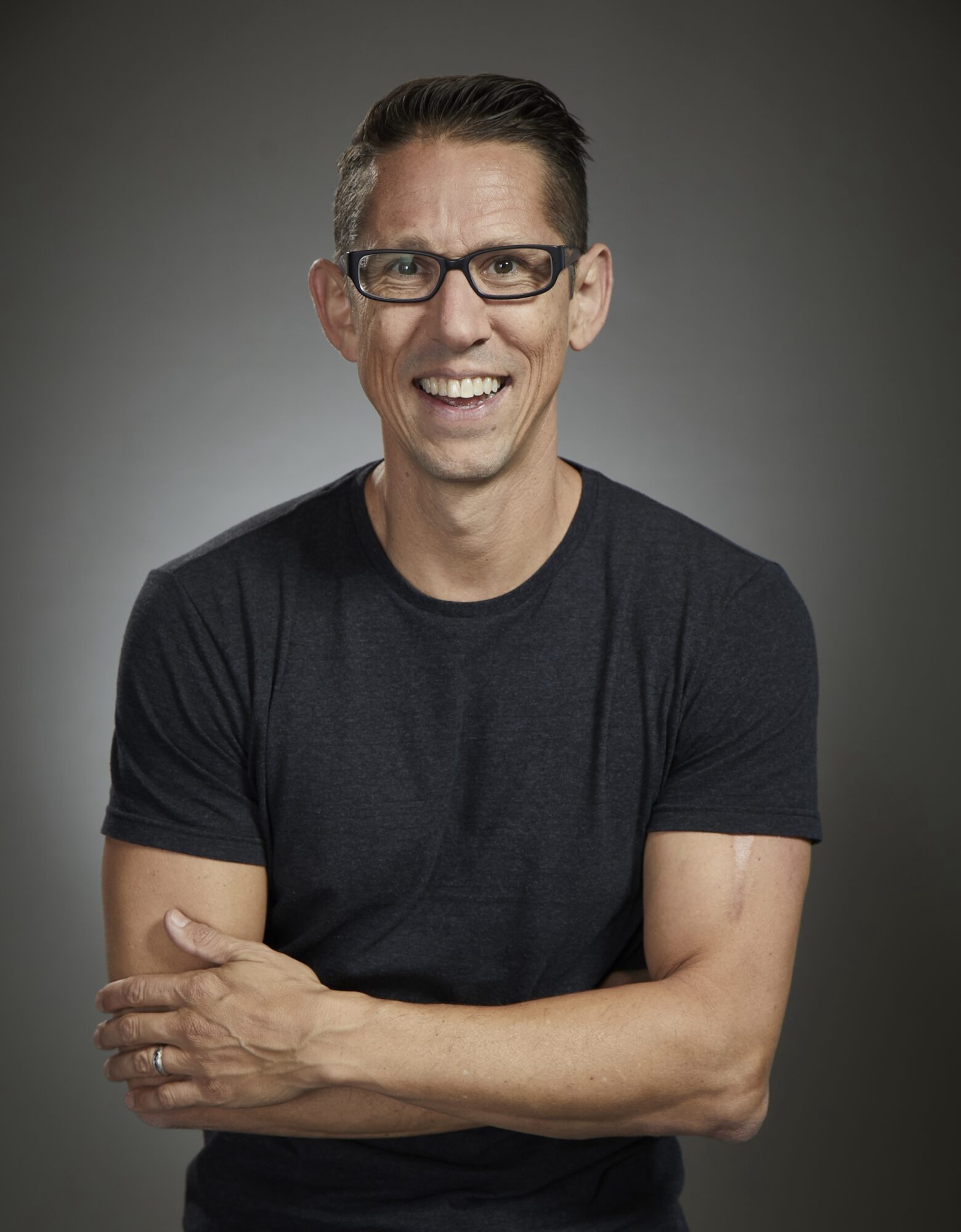
Today we’d like to introduce you to Hal Elrod.
Alright, so thank you so much for sharing your story and insight with our readers. To kick things off, can you tell us a bit about how you got started?
My story has a recurring theme: every adversity we face is an opportunity to learn, grow, and become a better version of ourselves.
At eight years old, I woke up to the sound of my mother screaming, “No God, please don’t take my baby.” I ran into my parents’ bedroom to find my 18-month-old baby sister, Amery, lifeless in my mother’s arms.
That morning, Amery — who had been born with a rare heart condition and spent much of her life in and out of Valley Children’s Hospital — died in front of my mom and me. Heartbroken and devastated, our family grieved, and my parents soon turned their pain into purpose. My mother started a support group for other parents who had lost young children, and my father started an annual fundraiser to raise money for the hospital that cared for my sister while she was alive. Leading by example, my parents taught me that when we focus on how we can use our adversity to serve others.
I grew up in a small town (Oakhurst, California), and I was pretty mediocre at just about everything. School, sports, popularity, you name it, I wasn’t exceptional at anything. That began to change when, at age 15, I made one of my dreams come true when I was hired by the local radio station to host my first weekly radio show. However, I still struggled with discipline in most areas of my life.
My first real proving ground came at 19, when I was hired as a sales rep for Cutco Cutlery. Ten days later, I had broken the Western Region “Fast-Start” record, selling over $15,000 via in-home presentations. That was a defining moment when I realized that I/we (as in all of us) truly can do anything we set our minds to and give it everything we have.
My first rock bottom happened 18 months later, at age 20, when life hit me head-on. Literally. On December 3, 1999, I was driving home when my car was hit head-on by a drunk driver going over 70 mph. I broke 11 bones, suffered permanent brain damage, was clinically dead for six minutes, and spent six days in a coma. I woke up to doctors telling me I’d likely never walk again.
That moment could have been the end of my story. Instead, it became the beginning of my philosophy: we don’t get to choose what happens to us, but we do get to choose who we become because of it. I set a simple goal: do whatever it took to walk again. That meant rehab, relentless optimism (sometimes forced), faith, prayer, and learning to focus only on what I could control, which kept coming back to my attitude and mindset. Eventually, I did walk again, and over time, I went on to run an ultramarathon, build a speaking career, and rebuild a life that looked nothing like what anyone predicted from that hospital bed.
Then, in 2008, I experienced one of the lowest points in my life. The United States economy crashed, and I crashed with it. I lost over half of my income, had my house foreclosed on, and began drowning in debt. I felt like I was a victim of the economy and had little to no agency over my life. That’s when a single quote became the catalyst to turn my life around.
“Your level of success will seldom exceed your level of personal development.”
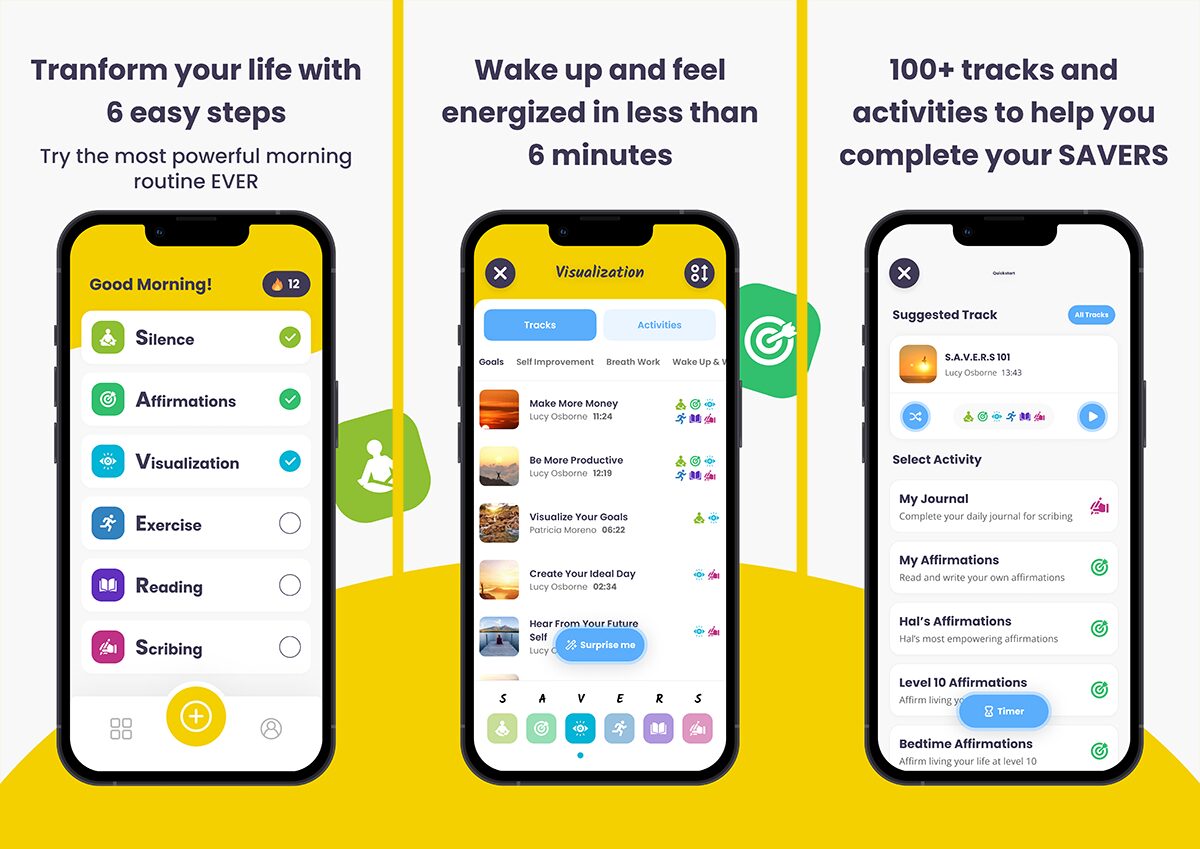
Those words from Jim Rohn made me realize that, if I wanted to turn my life around, I needed to develop myself into the person who was capable of doing so. I went online and searched for the most timeless, proven personal development practices. Although I was only looking for one or two, I ended up with a list of six: Silence, Affirmations, Visualization, Exercise, Reading, and Scribing/journaling, which are now known as the Life S.A.V.E.R.S. I decided to wake up an hour earlier and do all of them in one synchronistic routine.
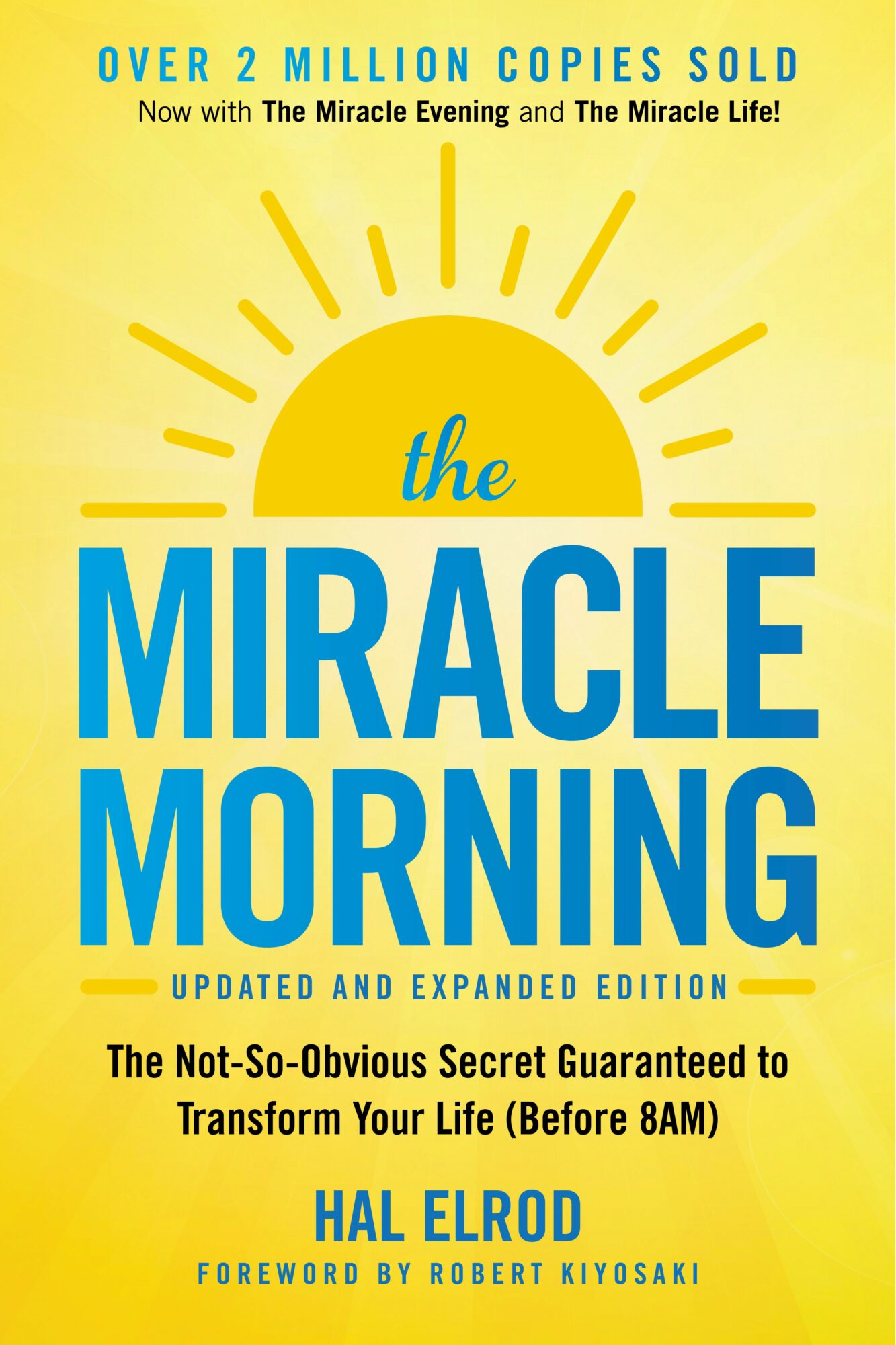
That became <i>The Miracle Morning</i>.
At first, it was just something I was doing to stay grounded and sane. However, within two short months of implementing the Life S.A.V.E.R.S. and focusing them on increasing my income, it worked. I more than doubled my income. Even though the economy continued to get worse, I was getting better, improving my mindset, developing clarity, and becoming more capable.
Then my coaching clients asked what I was doing. They began implementing The Miracle Morning and reported back extraordinary personal and professional transformations. Eventually, I felt I had a responsibility to share this morning routine with as many people as possible, so I wrote the book and self-published it in December 2012. I didn’t have a big publisher, a big platform, or some master plan to turn it into a global movement. I just had a process that worked, especially for people who felt stuck, overwhelmed, or disconnected from who they knew they could be.
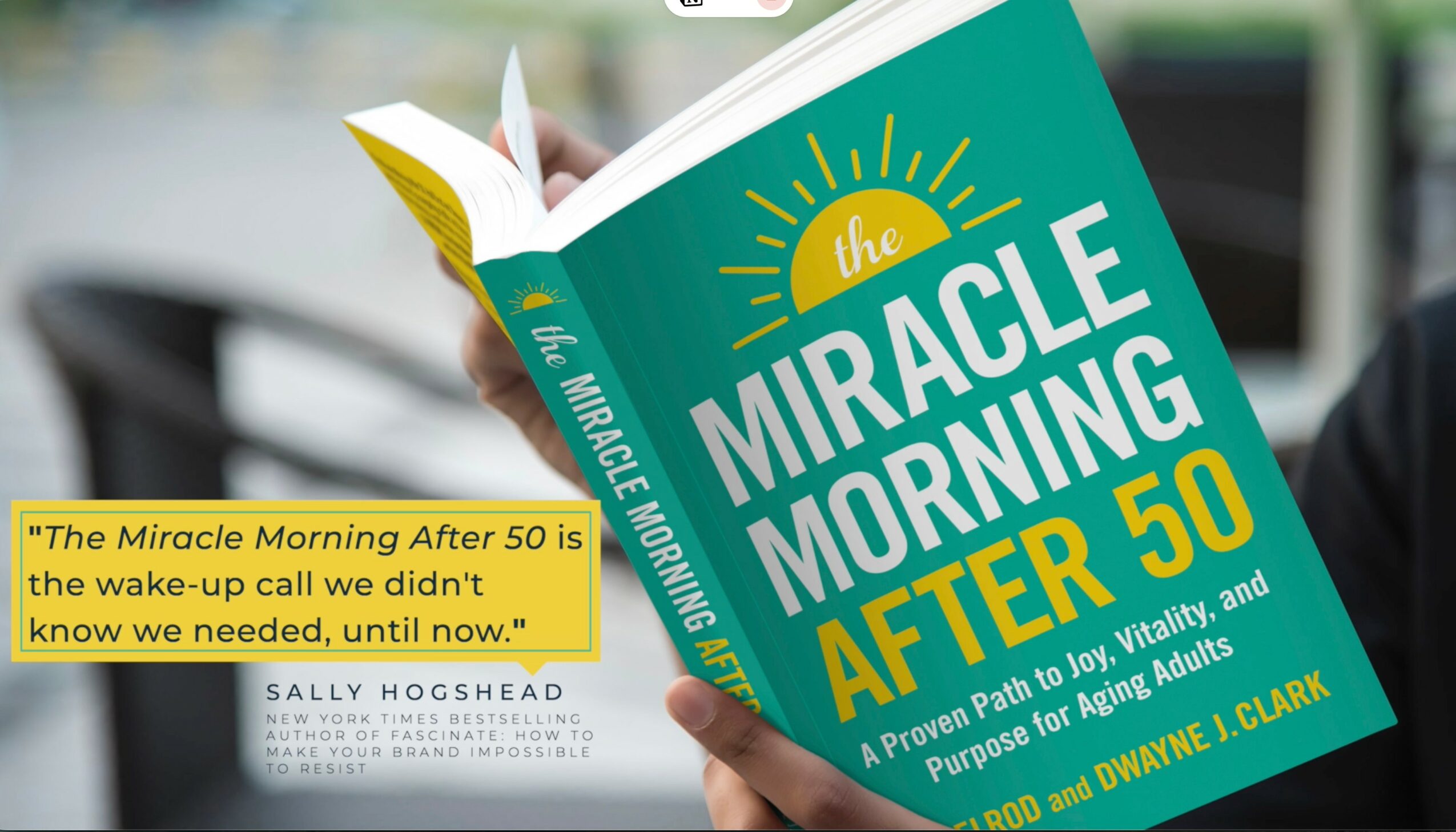
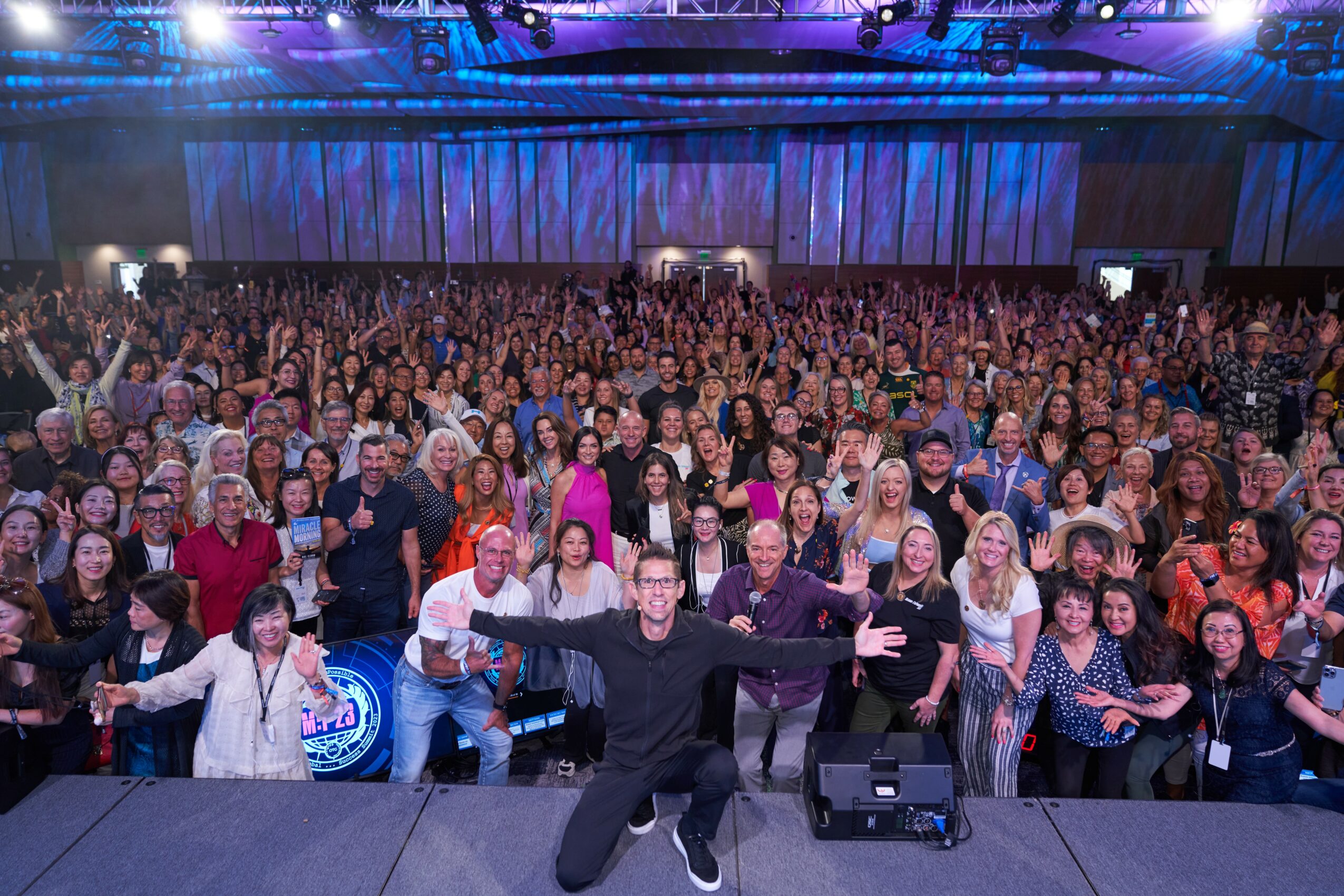
Over time, it grew into a worldwide community, and it’s now been translated into 40+ languages and has sold millions of copies. I’ve also written 12 additional books that expand on the themes of discipline, mindset, and creating lasting change.
Years later, I faced the next big “plot twist.” I was diagnosed with a rare, aggressive form of cancer and given pretty grim odds. The treatment was brutal. Over the course of it, I endured 700+ hours of chemotherapy, and it took a significant toll mentally, physically, and emotionally. Once again, I had a choice: let it define me, or let it refine me. I chose refinement, even when it felt like I was choosing it with a half-empty tank.
Today, my work spans books, speaking, The Miracle Morning movie (a feature-length documentary available for free at MiracleMorning.com), and tools that help people actually apply personal development in real life, not just highlight it in a book. That includes building the Miracle Morning app and continuing to evolve the framework so it meets people where they are, whether they have six minutes or sixty.
I live in the Austin area (Dripping Springs) with my family, and I’m still doing what I’ve always been doing: trying to help people wake up to their potential and live with more purpose, discipline, and peace. Not because life is easy, but because life is worth showing up for. And because I’ve learned the hard way that if you don’t take ownership of your morning, the world will happily do it for you.
We all face challenges, but looking back would you describe it as a relatively smooth road?
In addition to the extreme struggles of my car accident, financial crash, and cancer, I’ve dealt with the every human struggle of perpetual fear, self-doubt, and bouts of depression. However, through all of it, maintaining the Miracle Morning / Life S.A.V.E.R.S. routine enables me to nurture my mental health, optimize my mindset, and cultivate self-discipline so that I can keep moving forward and enjoy this one life we’ve all been blessed to live.
We’ve been impressed with The Miracle Morning, but for folks who might not be as familiar, what can you share with them about what you do and what sets you apart from others?
At its core, my business is built around one simple mission: help people take control of their mornings so they can take control of their lives.
The brand most people know me for is The Miracle Morning, which has grown into a global community and ecosystem of tools and content. What we do is straightforward: we teach a practical, repeatable method for personal development that doesn’t require a personality transplant or a two-hour sunrise ritual.
We specialize in helping people create real change through a daily practice, using what I call the SAVERS framework:
✅ <b>Silence</b> (meditation/prayer/breathwork)
✅ <b>Affirmations</b> (intentional mindset)
✅ <b>Visualization</b> (creating a clear internal target)
✅ <b>Exercise</b> (energy and mood)
✅ <b>Reading</b> (learning and perspective)
✅ <b>Scribing</b> (journaling and clarity)
People come to us when they’re overwhelmed, stuck, unmotivated, or simply tired of “knowing what to do” but not doing it consistently. We’re known for making personal development simple enough to actually implement, even when life is messy.
<b>What sets us apart from others: </b>
The Miracle Morning is a proven system, not just inspiration. Motivation is often fleeting unless it is cultivated daily. This Miracle Morning is a daily routine built on consistency and identity, and it works in the real world. You can do it in 6 minutes or 60. Parents, entrepreneurs, students, cancer survivors, burned-out professionals, and people who “aren’t morning people” can all make it work. In fact, of the millions of Miracle Morning practitioners around the world, roughly 72% report NOT being a morning person before reading the book.
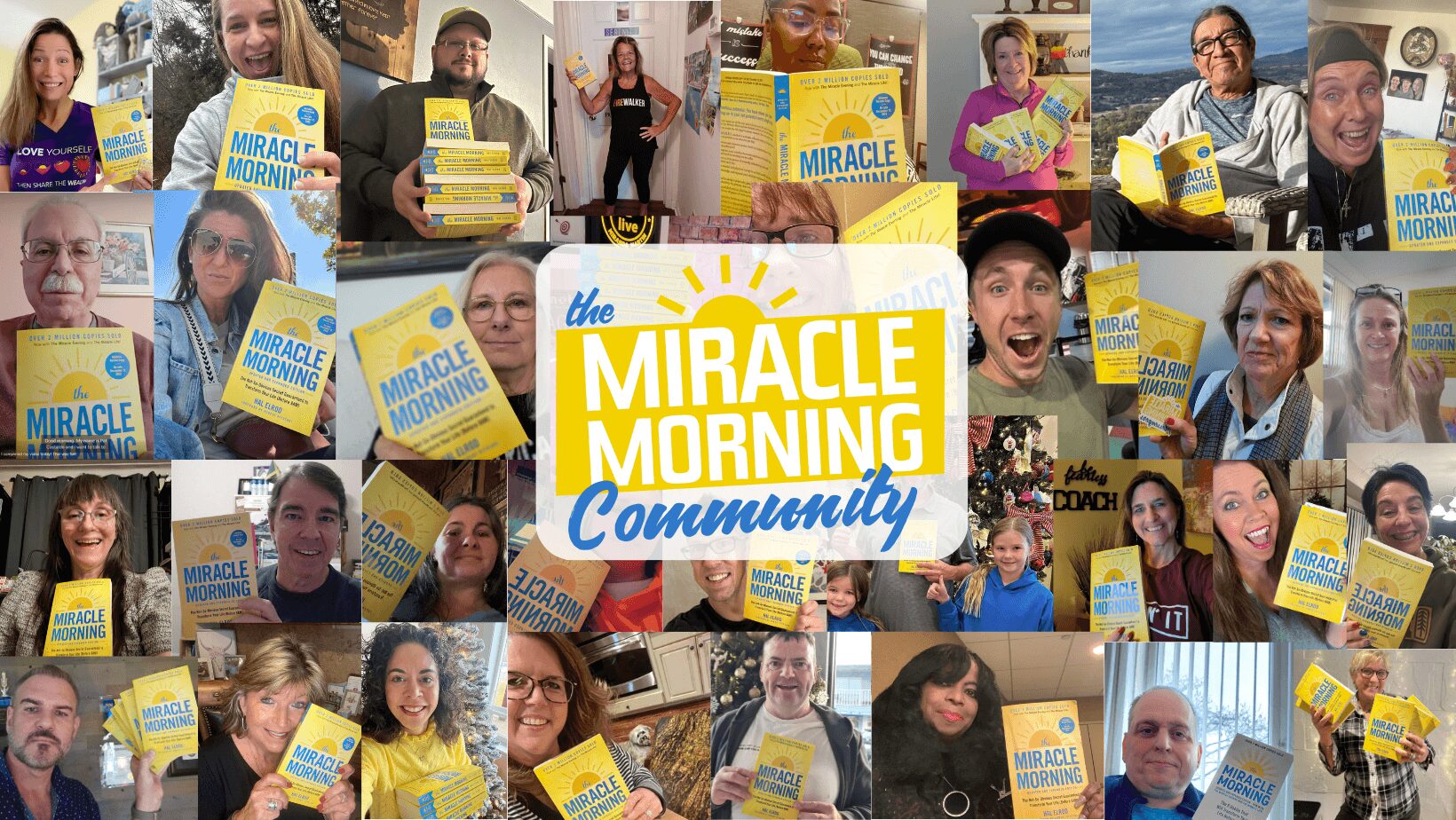
The Miracle Morning Community helps to offer support so that people don’t feel like they’re alone. People don’t just read the book and move on. They build a lifestyle and join a community.
<b>What I’m most proud of, brand-wise:</b>
Honestly, the thing I’m most proud of is the impact story I hear over and over: people rebuilding their mental health, saving marriages, doubling income, finishing degrees, getting sober, starting businesses, getting out of depression, and becoming better parents. Not because they found “the secret,” but because they started showing up for themselves every day.
I’m also proud that the brand has stayed grounded. Even as it’s grown, we’ve kept the tone practical and the message empowering: your life changes when your daily choices change.
<b>What I want readers to know: </b>
If you’re reading this and you feel behind, scattered, exhausted, or like you’ve lost your edge, you’re not broken. You’re just running a strategy that isn’t working. The Miracle Morning exists to give you a better strategy, one that you can start tomorrow morning with whatever time and energy you have available. And if you want to go deeper, I also share a lot of this work through my Achieve Your Goals Podcast, speaking engagements, and The Miracle Morning books and app.
The bottom line: The Miracle Morning enables people to start every day in a peak physical, mental, emotional, and spiritual state so they can show up at their best for themselves, for those they love, and those they lead.
In terms of your work and the industry, what are some of the changes you are expecting to see over the next five to ten years?
Over the next 5–10 years, I think personal development and wellness will get a lot more practical and a lot more personalized.
<b>A few shifts I’m watching:
</b>
✅ AI is going to be everywhere. It’ll feel less like “content” and more like having a coach in your pocket that actually knows your goals, your schedule, and what you struggle with.
✅ Personalization becomes the norm. People won’t want one-size-fits-all routines. They’ll want something that fits their life, their personality, and their season.
✅ There’ll be more pushback on attention-hijacking tech. Especially with kids and teens, I think we’ll see more pressure on platforms that are designed to be addictive.
✅ Trust will matter more than hype. People are getting tired of empty motivation and miracle promises. The brands that win will be the ones that genuinely help people change their habits and feel better.
✅ Community will keep getting more important. Algorithms change, platforms come and go, but real community and direct connection with your audience doesn’t disappear overnight.
Bottom line: the future looks more personalized, more accountability-based, and less hype. And honestly, I’m optimistic.
Contact Info:
- Website: MiracleMorning.com, HalElrod.com
- Instagram: instagram.com/hal_elrod
- Facebook: facebook.com/yopalhal
- Linkedin: linkedin.com/in/hal-elrod-aa054324a/
- Twitter: twitter.com/halelrod
- Youtube: youtube.com/halelrod