


Today we’d like to introduce you to Jared Moossy.
Hi Jared, please kick things off for us with an introduction to yourself and your story.
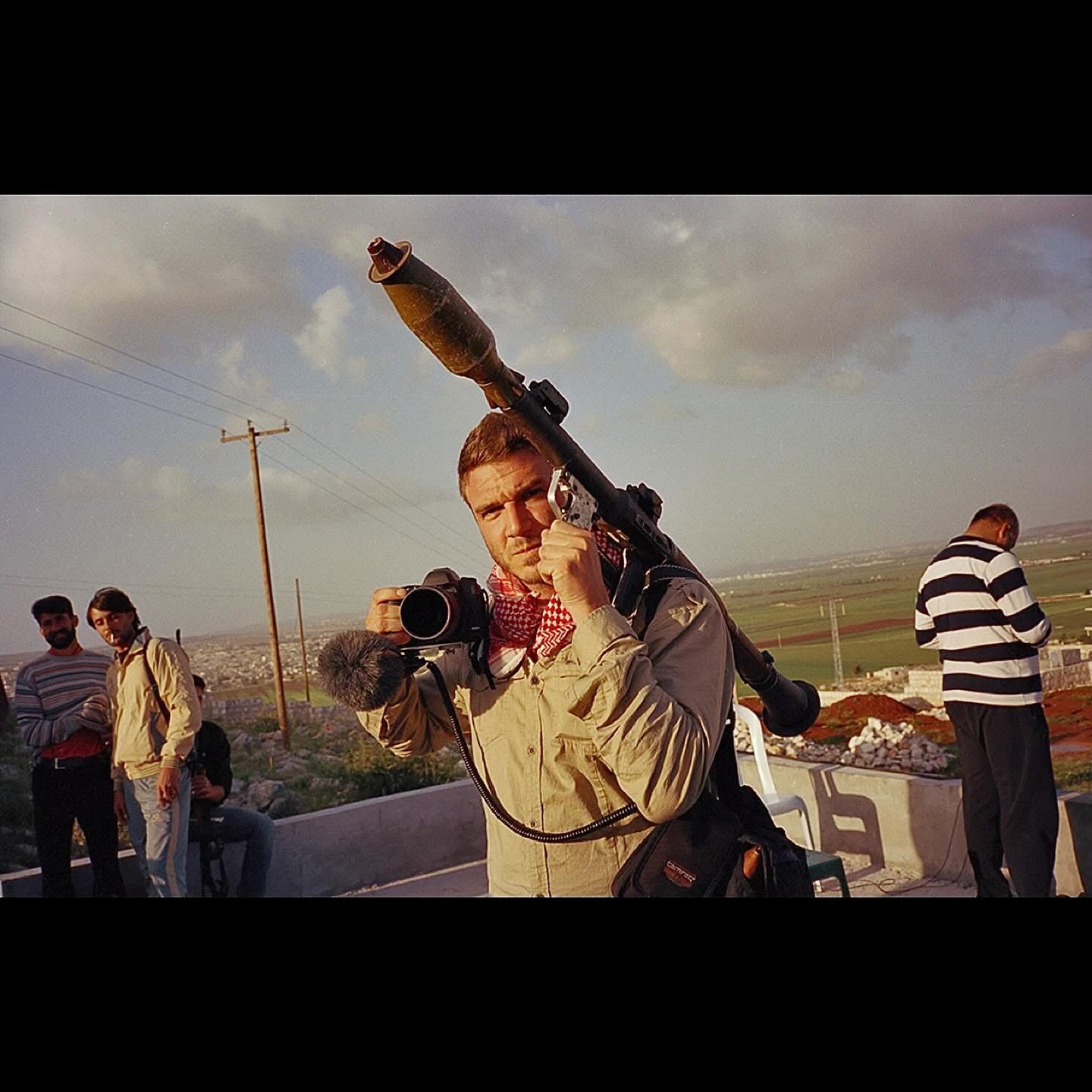
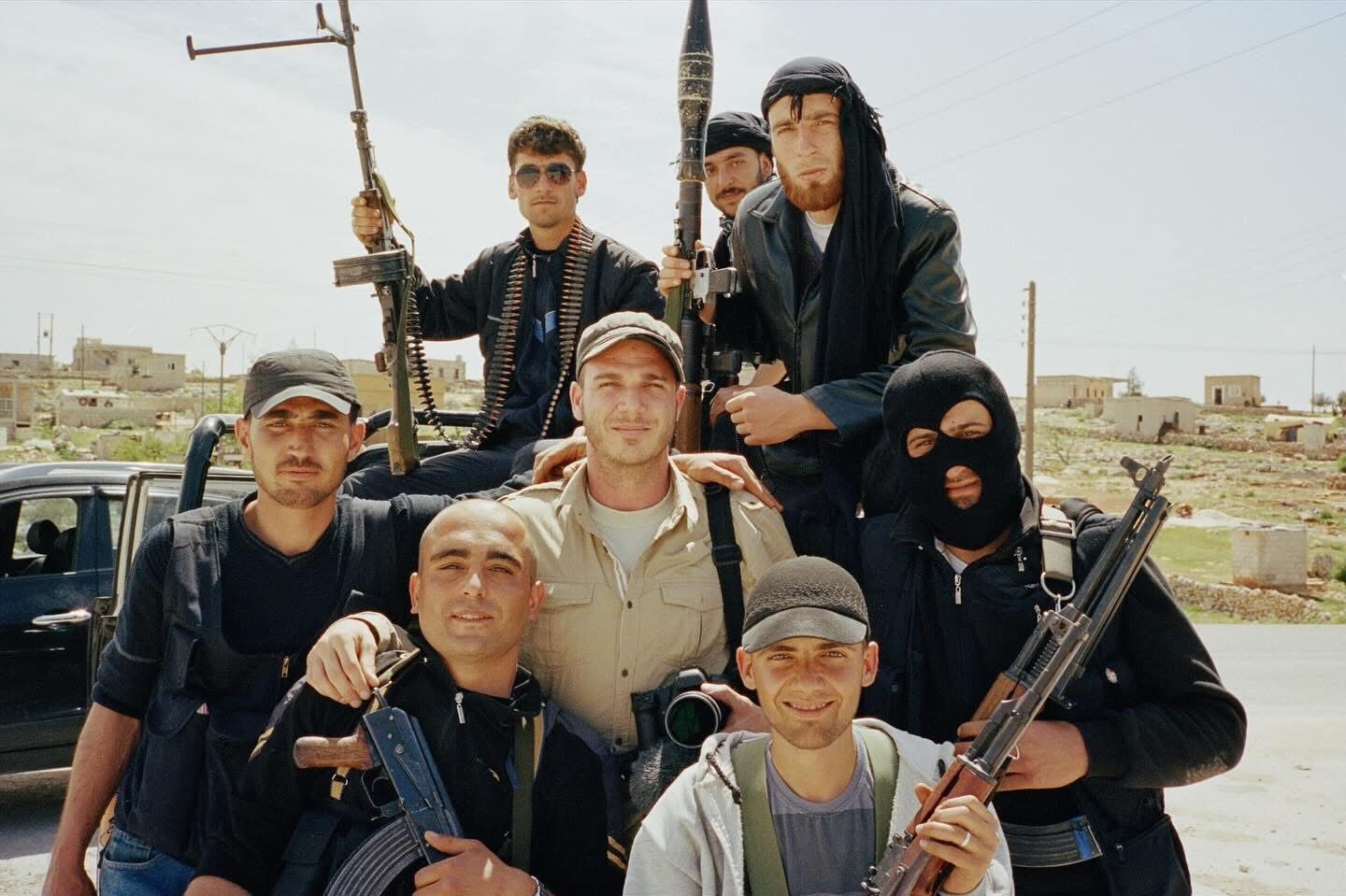
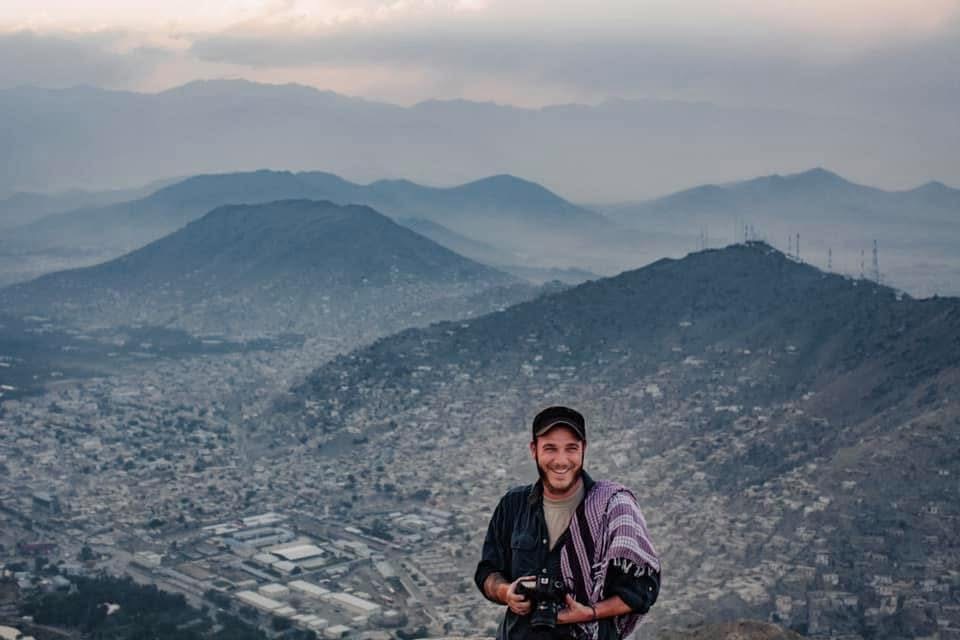
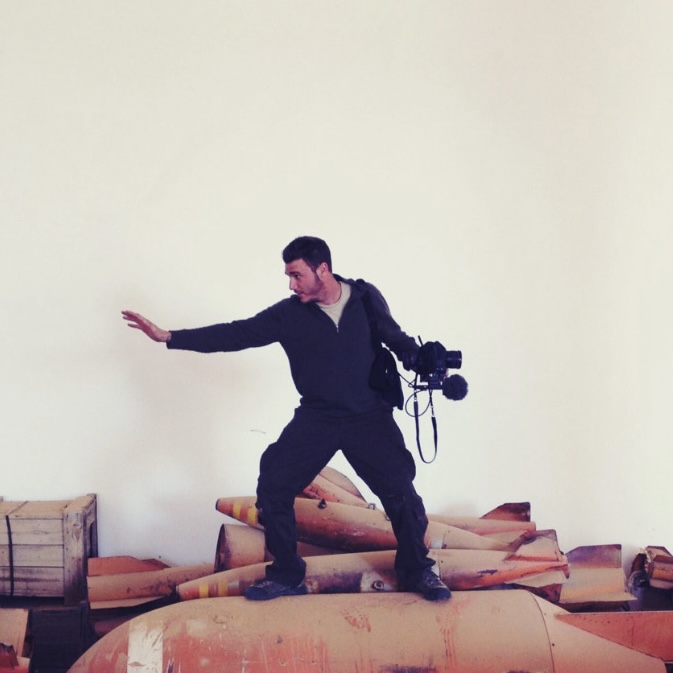
My career began with a simple desire to travel and understand the world. That curiosity led me to art school in New York City at Parsons School of Design, and eventually into photojournalism. I spent years working internationally, documenting stories in places such as Afghanistan, Iraq, Somalia, the Congo, Libya, and Mexico, and later went on to create a television project for HBO.
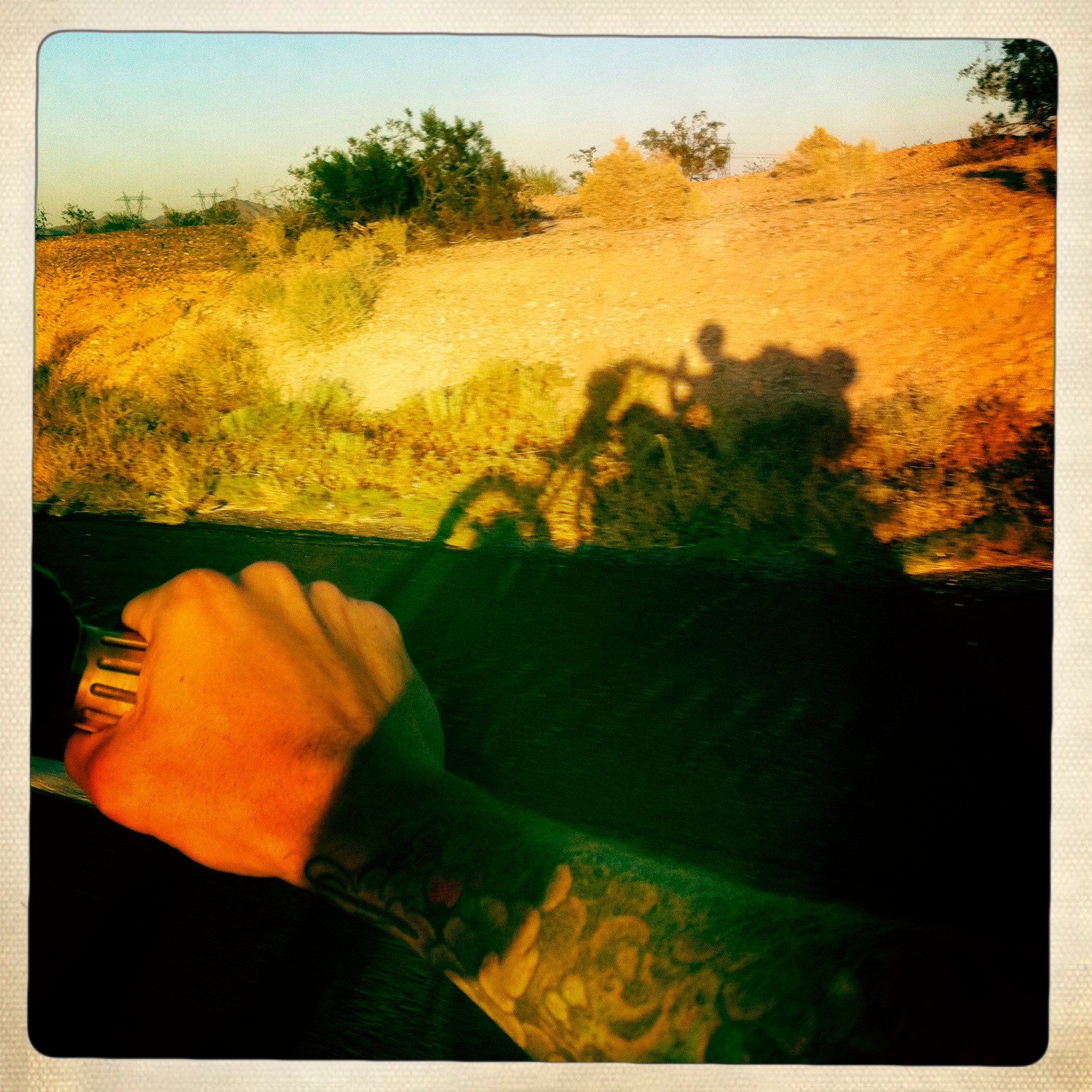
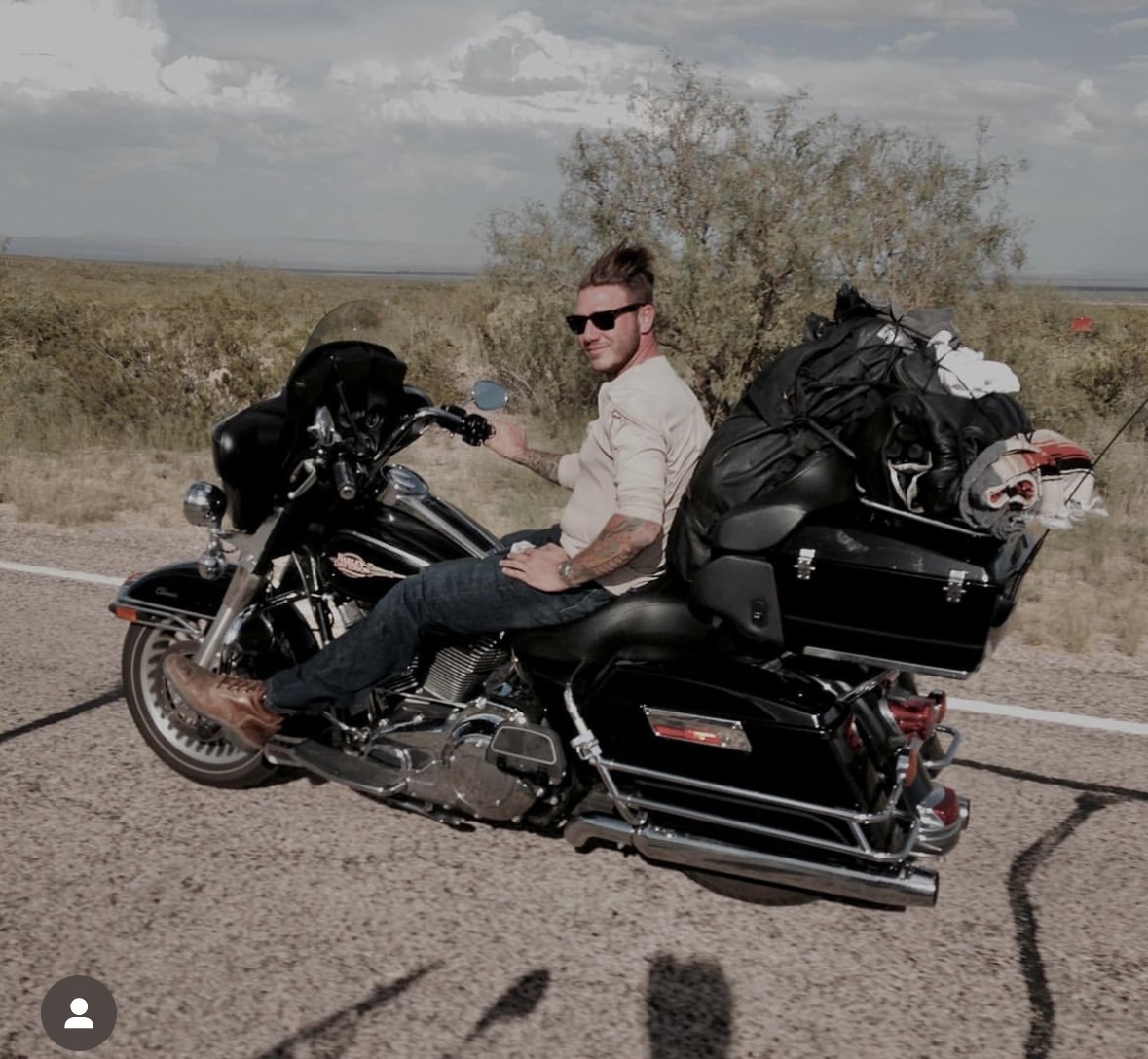
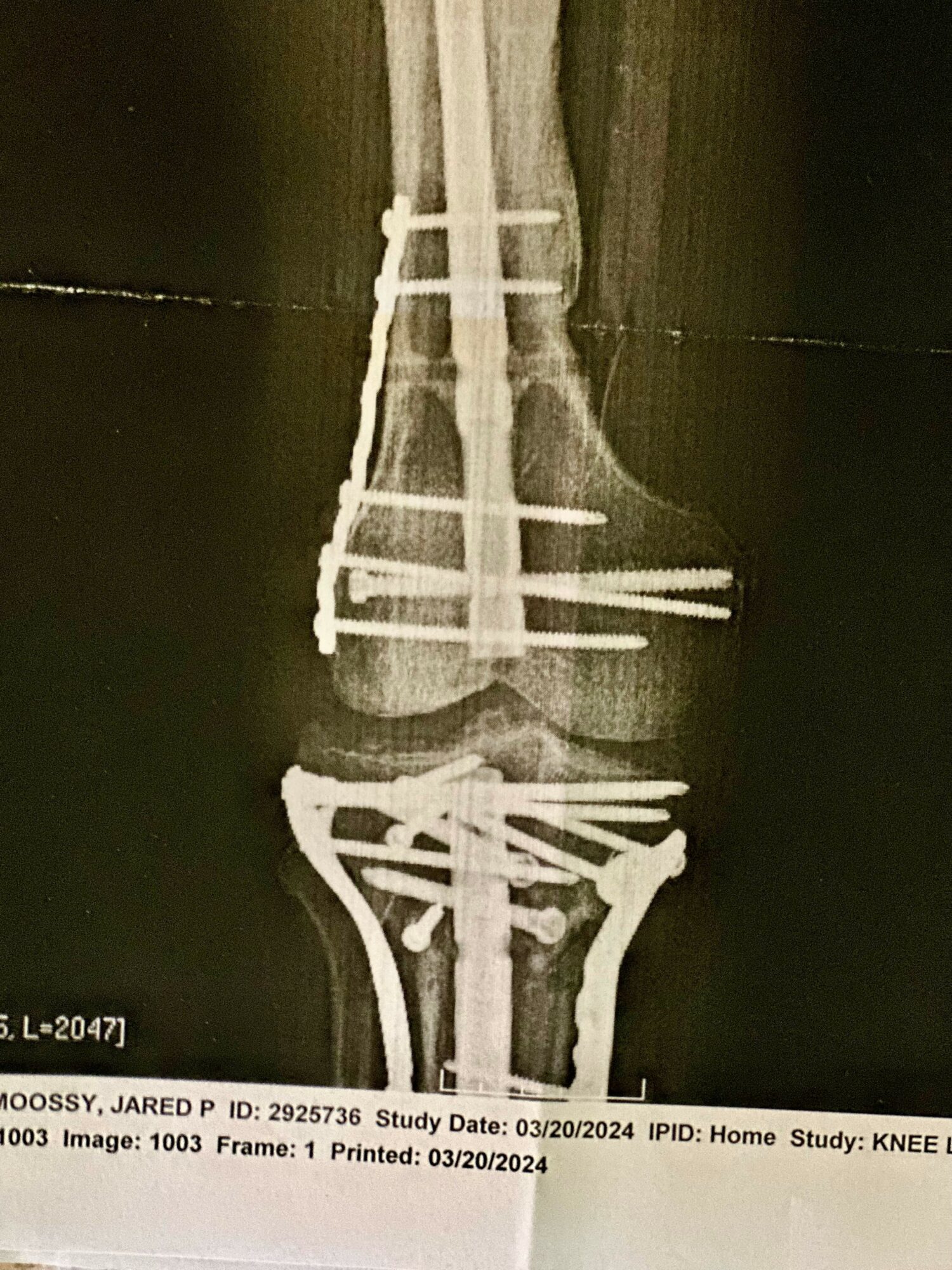
At the height of my career, my life changed abruptly when I was struck by a drunk driver while riding my motorcycle. I wasn’t wearing a helmet and sustained severe traumatic brain injuries, spending months in a coma followed by years of recovery and rehabilitation.
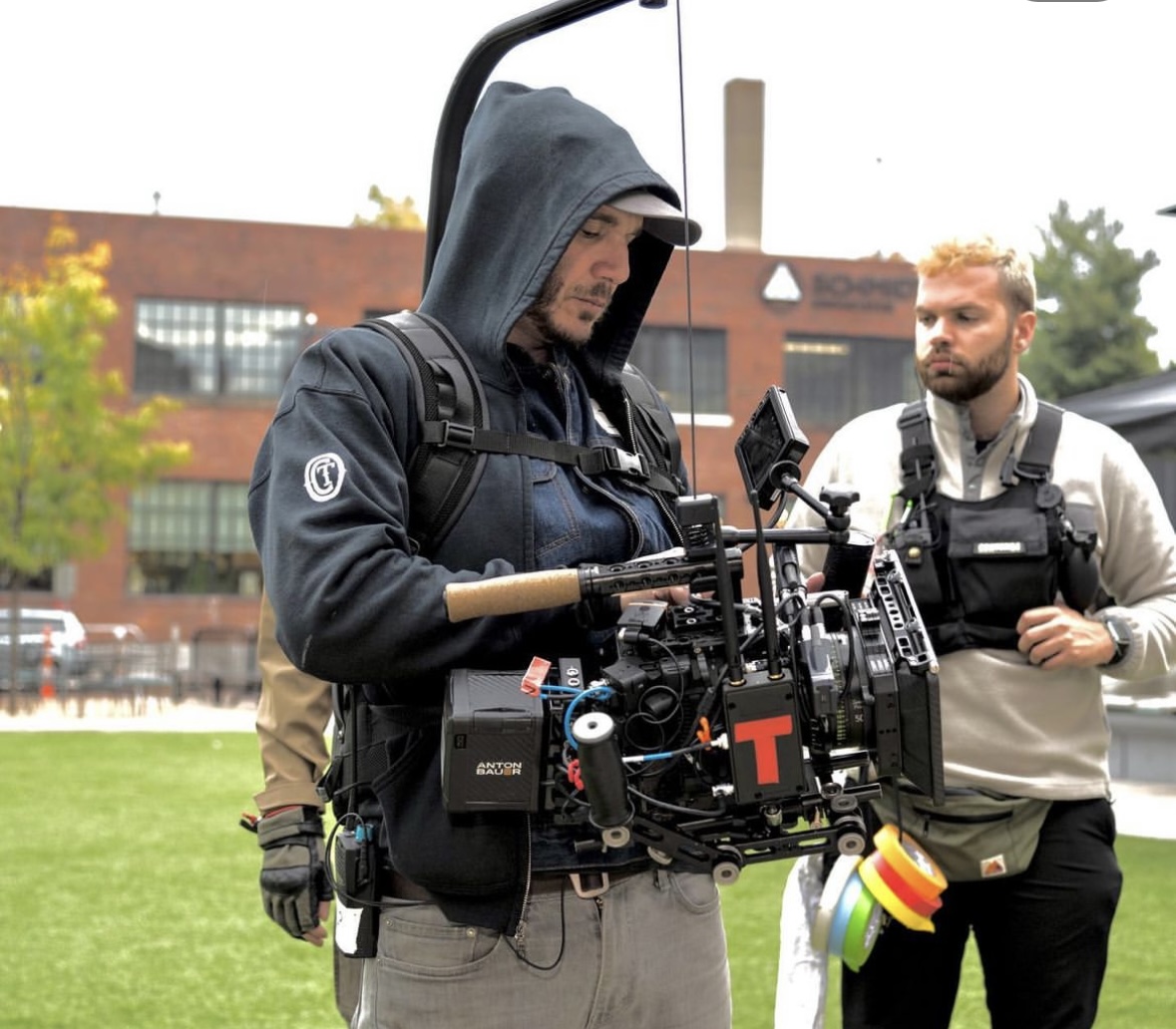
Although that experience altered my path, it didn’t end it. After time away from full-time work, I am now back in commission—returning to storytelling through filmmaking and photography, and currently developing new films and a book. My work today is informed by lived experience, resilience, and a deeper understanding of what it means to observe, survive, and create with purpose.
Would you say it’s been a smooth road, and if not what are some of the biggest challenges you’ve faced along the way?
It has never been entirely smooth sailing, but until about ten years ago my career was steadily moving upward. I was producing strong work, building meaningful client relationships, and receiving recognition and awards for my projects.
That trajectory changed after I sustained a severe traumatic brain injury. The recovery required me to relearn fundamental aspects of my life and identity—including who I was, how I worked, and how I made art. Beyond the physical and cognitive challenges, I faced the difficulty of re-entering a competitive industry: rebuilding confidence, remembering workflows, reconnecting with clients, and learning again how to find and sustain work.
The process has been slow and often difficult, but it has also reshaped my approach. I now work with greater intention, patience, and awareness, carrying both my previous experience and the hard-earned knowledge gained through recovery.I
Can you tell our readers more about what you do and what you think sets you apart from others?
My work is an embrace of light, shadow, and contrast—constantly weaving through life’s challenges through deliberate framing and composition. My approach to exposure is inseparable from how I understand life itself: measured, intuitive, and responsive to what’s revealed and what remains hidden. Each image reflects a balance between clarity and restraint, using visual contrast as a way to navigate complexity and convey emotional truth.
Can you talk to us a bit about happiness and what makes you happy?
It doesn’t take much to make me happy these days. After a life-altering experience ten years ago, I gained a deep appreciation for the small, often overlooked moments of daily life—the ability to move through the world, to see, hear, feel, and fully experience it. I’m constantly aware of how vital our senses are, how they work together, and how much of a privilege it is to be able to use them at all.
That awareness shapes how I live and how I work. Creating art brings me a deep and lasting sense of fulfillment, and it’s something I know I’ll always return to. There are also things I once loved that I no longer do—like riding a motorcycle—but that loss has only sharpened my gratitude for what remains, and for the creative work that continues to give my life meaning.
Contact Info:
- Website: https://www.Jared-Moossy.com
- Instagram: @jaredmoossy
- Other: https://m.imdb.com/name/nm5294041/