



Today we’d like to introduce you to Lilac Frost.
Hi Lilac, thanks for sharing your story with us. To start, maybe you can tell our readers some of your backstory.
I started The Mossery because nature has always been where I go to feel grounded—especially when the world feels chaotic and divided. When everything feels noisy, nature reminds me that we’re still connected, to the land and to each other. The same systems that keep forests alive keep us alive too.
After I was laid off from my dream job in the climate sector in 2024, I spent time in Hawaii. Swimming along the reefs was both beautiful and devastating. I saw vibrant marine life right next to large stretches of bleached, dying coral—damage tied to irresponsible tourism and business practices. It was painful to witness. It made me realize that while nature has an incredible ability to heal us, it also needs care, respect, and restraint from us.
When I came back to Austin, I started small. I began working with fallen trees from the Texas freeze—a winter that wiped out nearly a third of our trees. Using those fallen trees became a way for me to honor what was lost.
That passion project turned into The Mossery. Today, I create sculptural, zero-maintenance moss art for people who love nature, care deeply about their homes, and want that feeling of calm and connection—without needing a green thumb. The work now lives in homes in Austin and across the country.
I’m sure it wasn’t obstacle-free, but would you say the journey has been fairly smooth so far?
No, it definitely hasn’t been a smooth road.
One of the biggest challenges has been materials. Once I started digging into how moss art is typically made, I realized how many common shortcuts didn’t align with my values. Plywood, for example, is widely used in wall art, but it isn’t compostable and relies heavily on synthetic resins. I choose soil-bound and reclaimed wood instead, even though it’s harder to source and far less predictable.
Paint was another wake-up call. Many conventional paints contain toxic compounds like lead, formaldehyde, and high levels of VOCs that off-gas into homes over time. I didn’t feel comfortable bringing that into living spaces, so I use food-grade, milk-based paint. It’s safer, but it’s also more demanding and leaves less room for error.
Most moss art is attached using hot glue guns or silicone adhesives, which are plastic-based, non-biodegradable, and can release fumes when heated. They’re fast and convenient—but they permanently lock synthetic materials into the work. I use low-VOC wood glue instead. It’s much safer, but it takes significantly longer to dry, which slows the entire process.
Another challenge is how niche this work is. Many people don’t fully understand what moss art is—or how it transforms a space—until they see it. Early on, that meant spending more time educating, sharing visuals, and asking people to imagine something unfamiliar.
I also put a lot of pressure on myself to make the experience exceptional, even when it takes more time and effort. Every client receives a custom deck that walks them through the process from concept to installation. Each piece comes with authentication papers, and for local commissions, I personally handle delivery and installation. More recently, every work is finished with a custom metal plaque that accompanies the piece as part of its story.
All of this adds complexity, cost, and time—but it’s intentional. The challenges shaped The Mossery into something slower, more thoughtful, and more human. And that care is something people feel, not just see, when the work enters their home.
Thanks for sharing that. So, maybe next you can tell us a bit more about your work?
I create visually striking, maintenance-free moss art and installations that bring nature into interior spaces in a way that feels both grounding and breathtaking. My work is not decorative filler—it’s meant to be felt.
I have a BFA from RISD, with additional coursework at MIT and Brown University, and I personally design and hand-make every piece. Each work is custom, sculptural, and built slowly, with strong opinions guiding every material choice. I’m deeply intentional about how things are made, which is why my work looks and feels different from typical moss art.
What sets The Mossery apart is that sustainability isn’t an afterthought—it informs every decision. The materials, the construction, the finishes, and the process are all chosen with care. The pieces are maintenance-free, but they carry a lot of thought and restraint behind them.
I’m most proud that people can feel my love for what I do when they see my work. And beyond the studio, a portion of the profits funds my passion for coral restoration diving—so the work also supports the ecosystems that continue to inspire it.
So, before we go, how can our readers or others connect or collaborate with you? How can they support you?
There are several ways: Email me via hello@themossery.co; Complete a commission inquiry form on TheMossery.co
Contact Info:
- Website: https://www.themossery.co
- Instagram: https://instagram.com/the.mossery
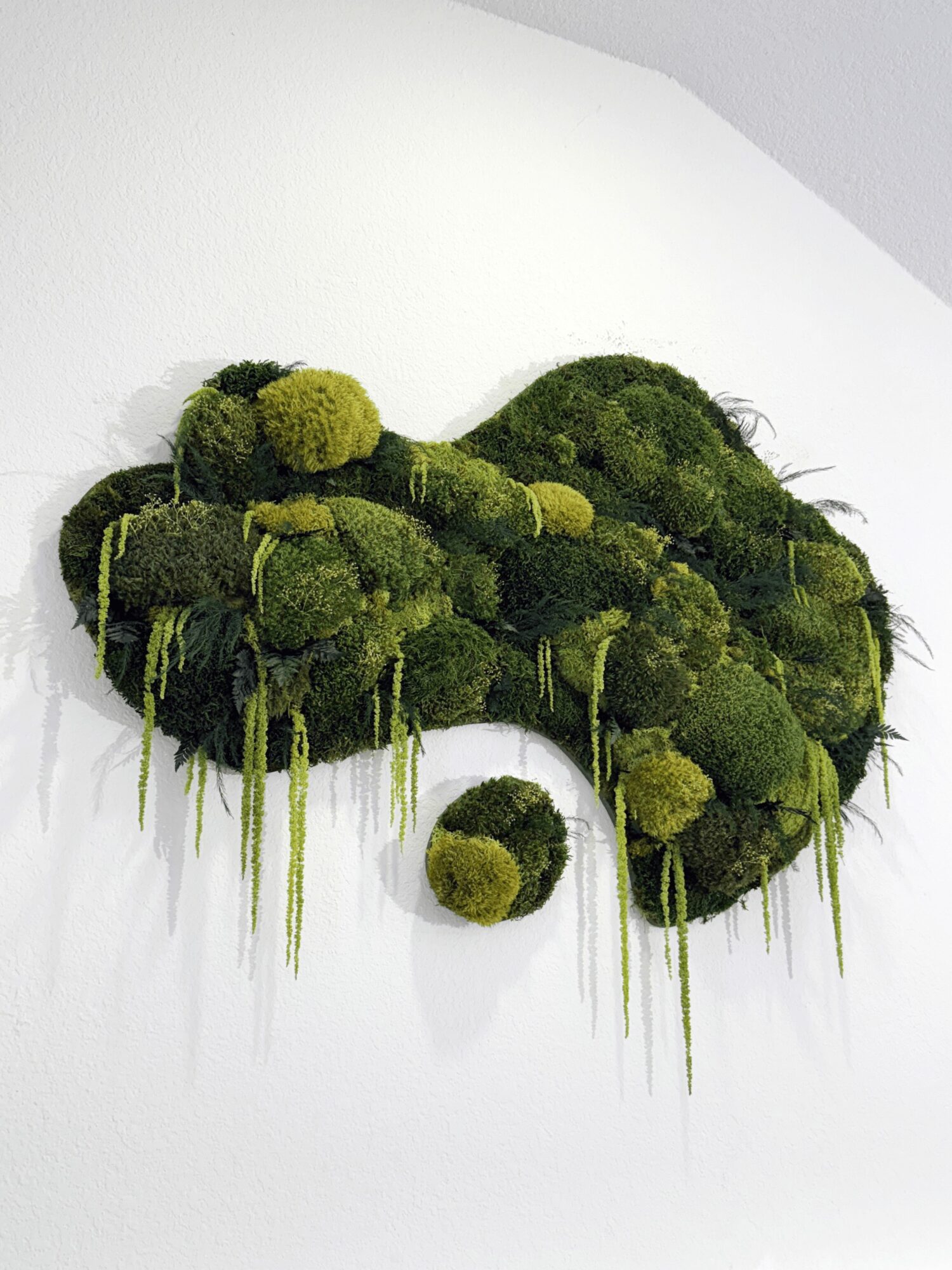
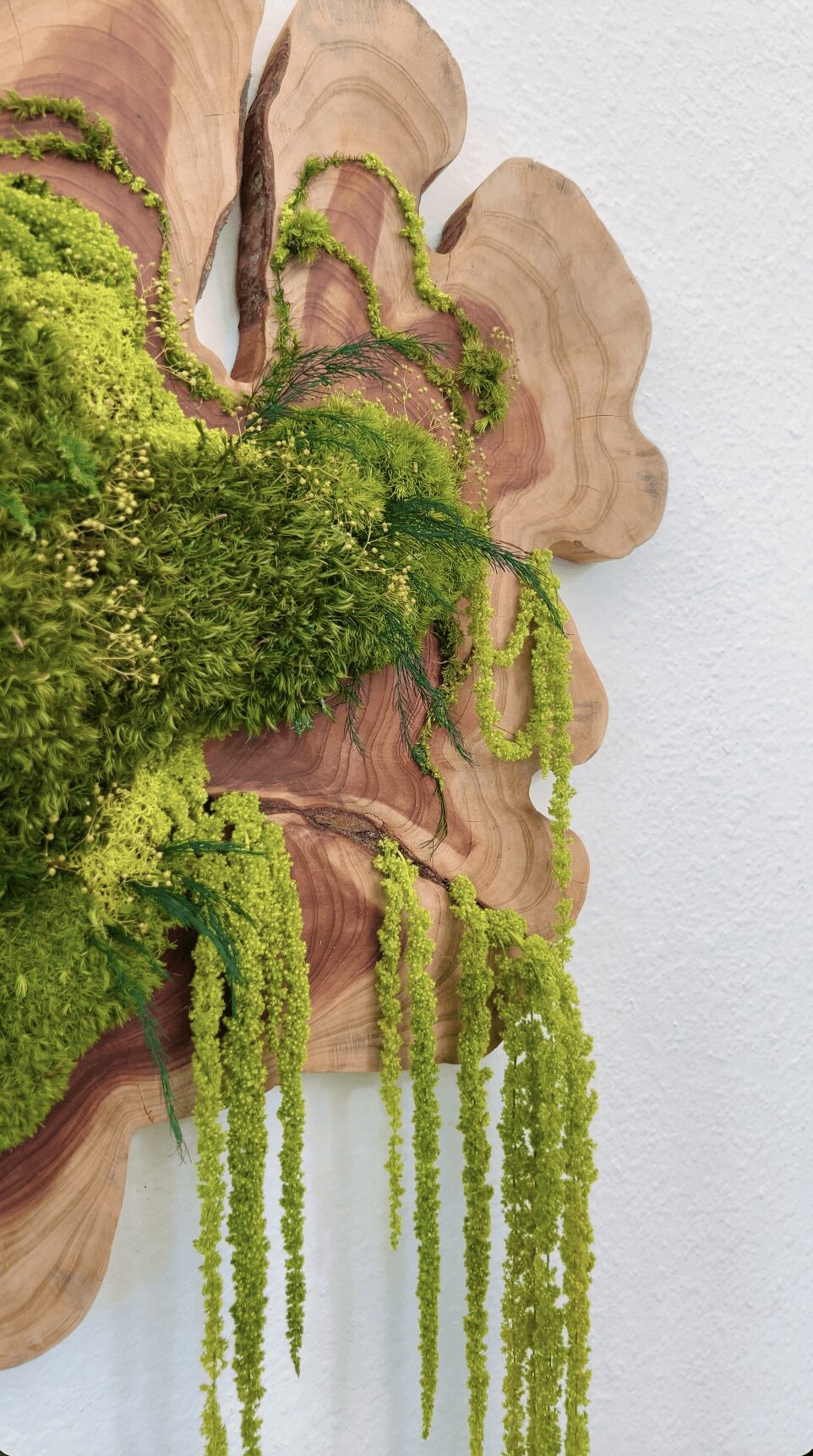
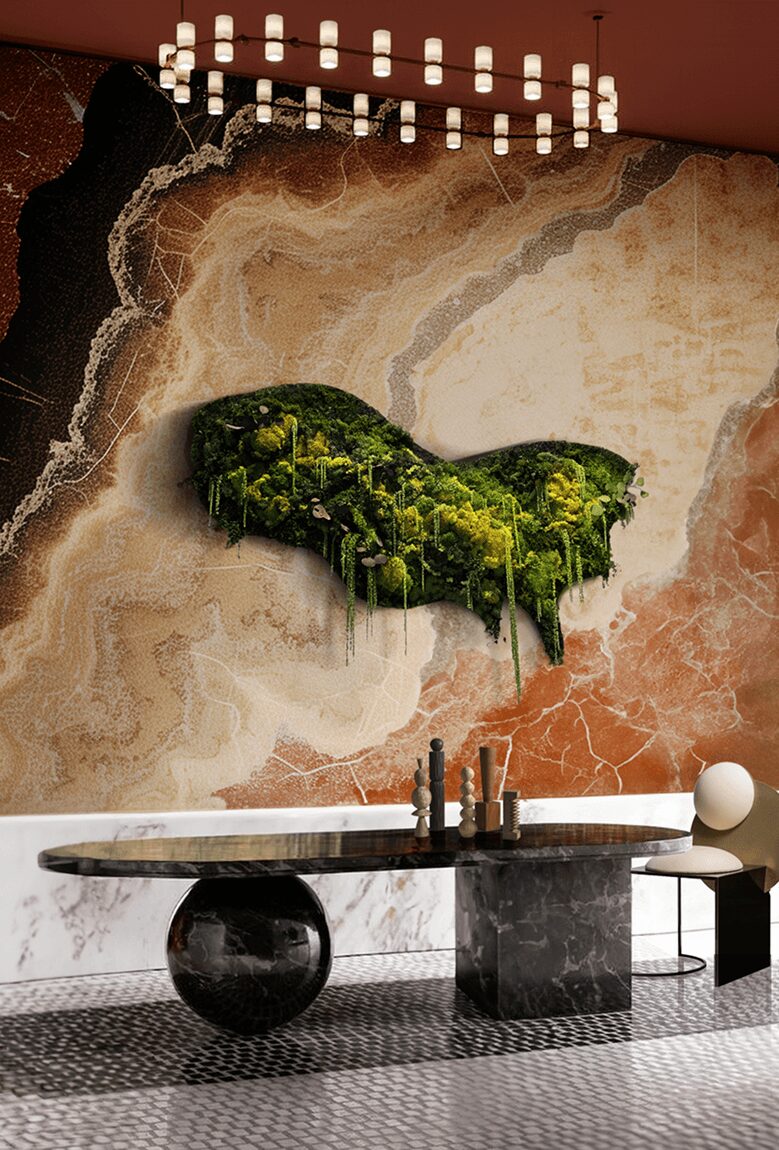
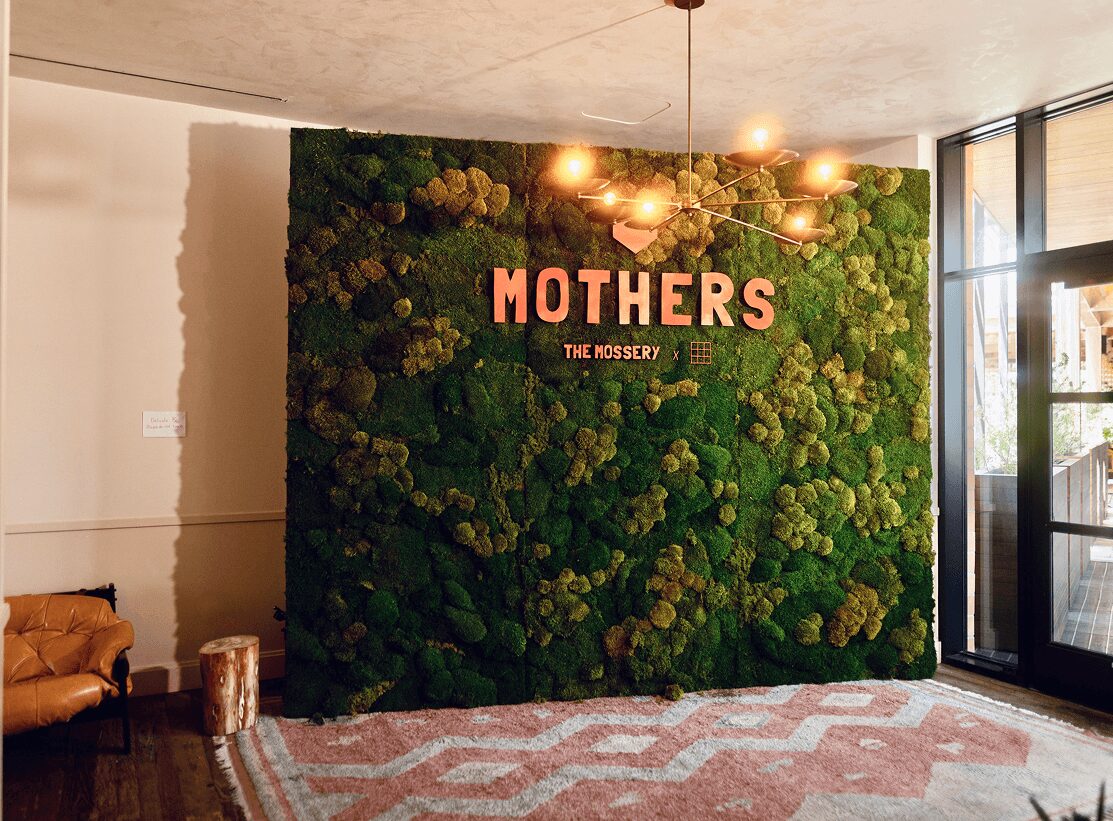
Image Credits
The Mossery