

Today we’d like to introduce you to Mel Lau.
Mel, we appreciate you taking the time to share your story with us today. Where does your story begin?
Small nod design began as a personal practice before it became a studio, during a season when nearly everything in my life was shifting—identity, relationships, and what “success” even meant to me.
At the time, I was working in a traditional corporate role and could feel that the way I wanted to create and collaborate didn’t quite have room to exist there. I was also noticing how much pressure there was for presence to show up loudly—online, always performing. I became curious about the opposite: using quiet, slowness, and story as a way to draw people in. I realized the only way to create space that reflected how I wanted to work—and the community I cared about—was to build it myself.
Over time, the studio moved through different forms—interior design, photography, branding, and digital strategy—but underneath all of it, the work was always about story: helping people find the words for what they want to express, and carry that story across physical and digital space with integrity.
Today, we support founders, creatives, and community-driven businesses who want to move with more intention across brand, space, and story. Our growth has been steady and organic, shaped by long-term relationships and community partnerships across Austin.
Last fall, during Austin Studio Tour in partnership with Creative Ladies Night, the studio moved through a fast, intentional season of storytelling—documenting what was unfolding across the city in real time. Without paid promotion, that season reached well over 100,000 people, less as a metric and more as affirmation that when story is grounded in real life and real relationships, it travels.
Can you talk to us a bit about the challenges and lessons you’ve learned along the way. Looking back would you say it’s been easy or smooth in retrospect?
It definitely hasn’t been a smooth road, mostly because the studio itself doesn’t follow a traditional path. One of the biggest challenges early on was letting go of linear ideas of success—titles, timelines, and what a “proper” creative career is supposed to look like. Building something that lives across brand, space, story, and community doesn’t fit neatly into a single box, and that ambiguity took time to learn how to trust.
There were also very real practical challenges: learning how to run a business while still protecting the quiet, human parts of the work. Visibility can be a double-edged sword, and I’ve had to learn how to share the work without turning everything into performance.
The hardest part, honestly, has been pacing—resisting the pressure to grow loudly or quickly, and instead staying rooted in the slower, relationship-driven way the studio actually works. That tension between what the internet rewards and what the work truly needs has been one of the most ongoing lessons.
We’ve been impressed with small nod design, but for folks who might not be as familiar, what can you share with them about what you do and what sets you apart from others?
Small nod design is a multidisciplinary studio working across brand, space, and story. We partner with founders, creatives, and community-driven businesses to clarify what they’re really trying to say—and build the conditions for that truth to live both online and in the physical world. Our work spans branding, spatial storytelling, gifting programs, and experiential installations.
What sets us apart is our commitment to pace and presence. In a landscape that rewards being loud and fast, we specialize in slowness, intention, and emotional clarity. We use story not as a marketing layer, but as a connective thread—helping people move more honestly between who they are, what they’re building, and how others experience it.
Our work lives at the intersection of the digital and the tangible—from pairing brand identities with physical environments to creating Gifts of Presence that extend a brand’s values into real life. We’re proud when our work becomes part of everyday ritual: how people gather, mark transitions, and create space for themselves and their communities.
Any advice for finding a mentor or networking in general?
For me, the heart of networking has always been sincerity—saying only what you truly believe, and showing up in a way that actually reflects who you are. People can feel the difference between connection that’s performative and connection that’s real.
I’ve also learned that mentorship rarely arrives through formal channels. Some of the most meaningful guidance in my life has come through long conversations, shared work, and quiet relationships built over time. Paying attention to who grounds you, who challenges you with care, and who models the integrity you admire has mattered far more than chasing proximity to status or visibility.
Leading with curiosity, generosity, and honesty has opened more doors for me than any strategy ever could. When relationships grow from shared values instead of transactions, they tend to unfold in ways you could never plan for.
Pricing:
- Brand & presence sessions — typically begin in the mid–four figures
- Market + installation activations — vary by scale and duration
- Gifts of Presence — limited editions, priced per release
- Custom projects — scoped per collaboration
- Sliding scale available for select community and cultural projects
Contact Info:
- Website: https://smallnod.design/
- Instagram: https://www.instagram.com/smallnoddesign/
- LinkedIn: https://www.linkedin.com/in/melau/
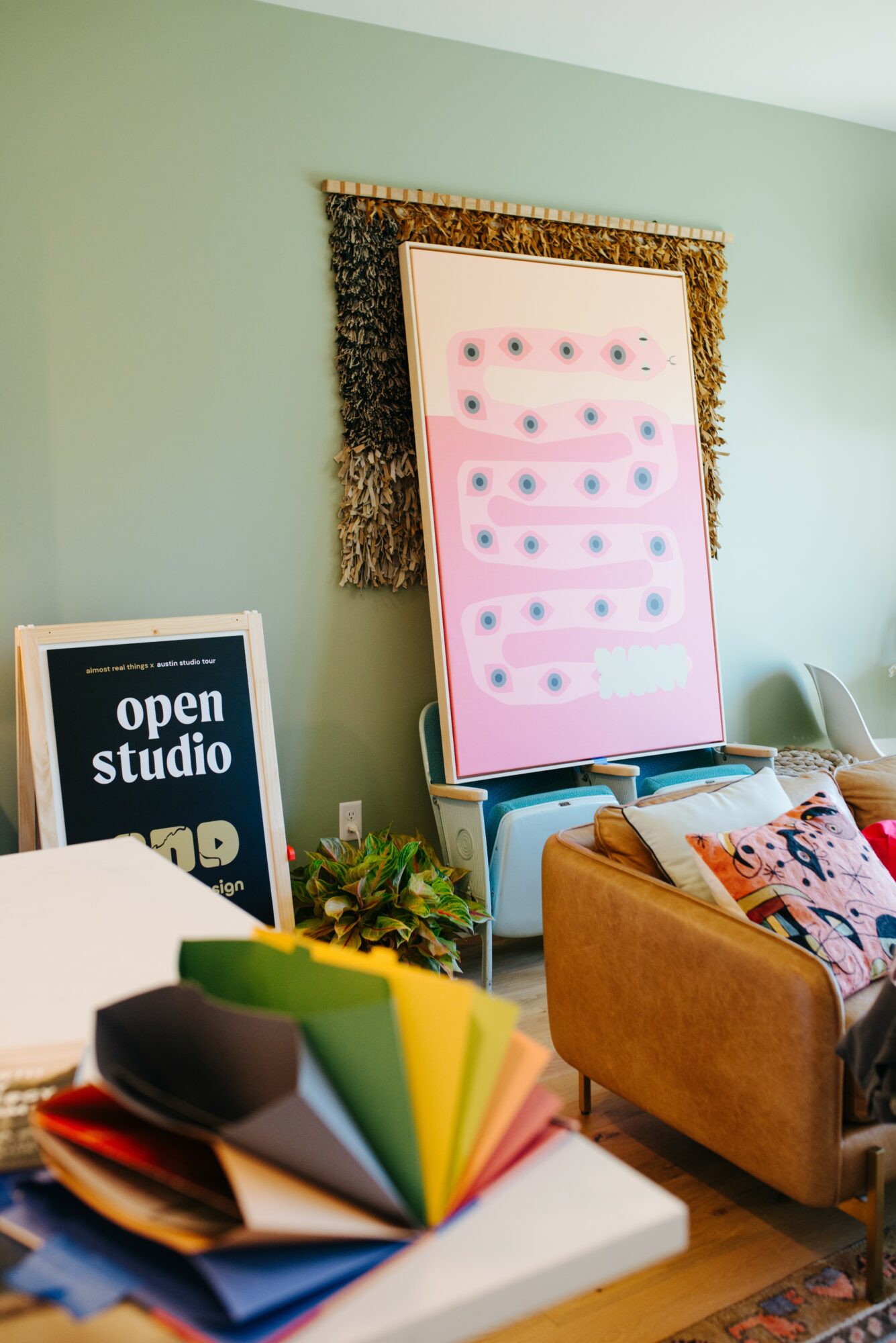
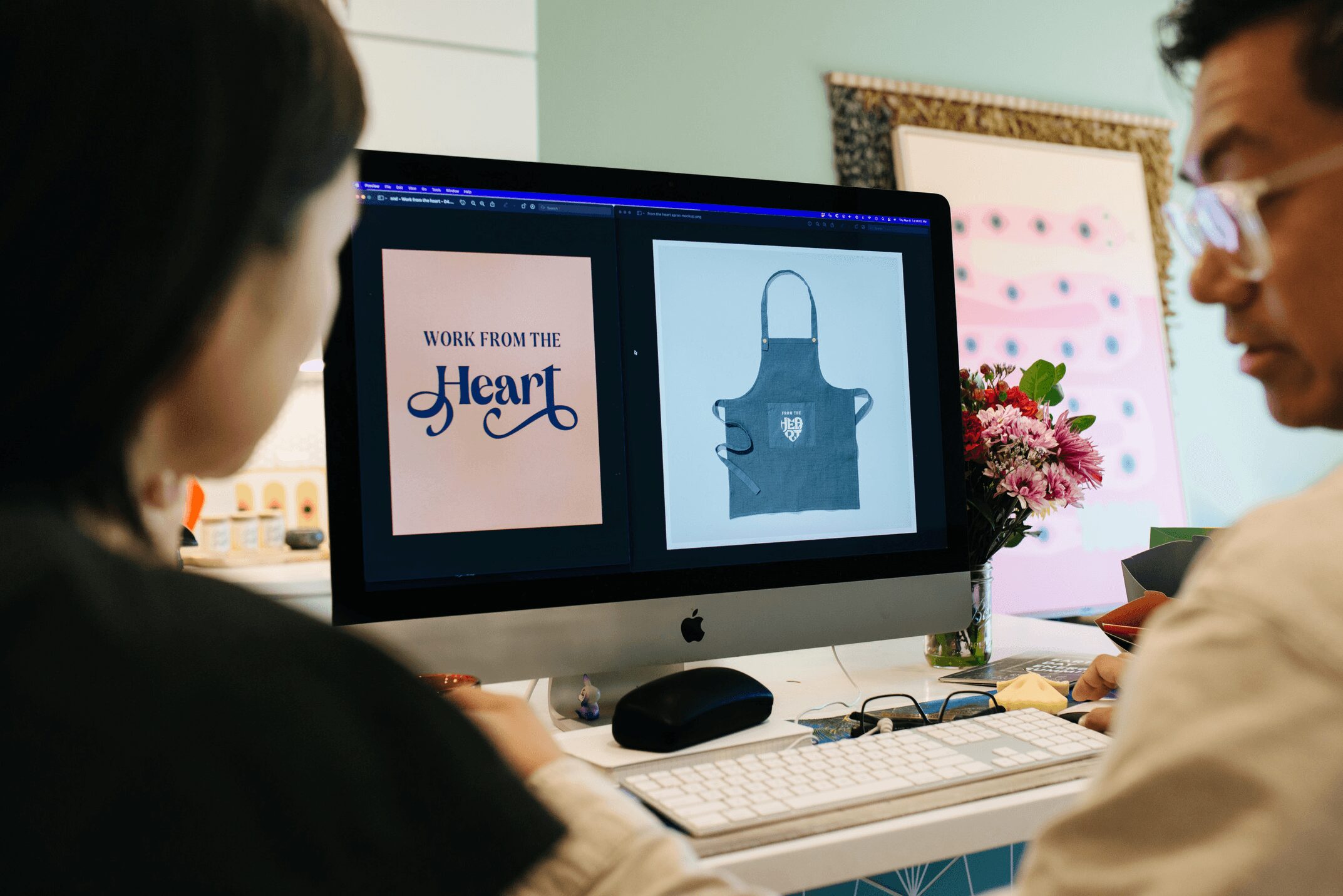
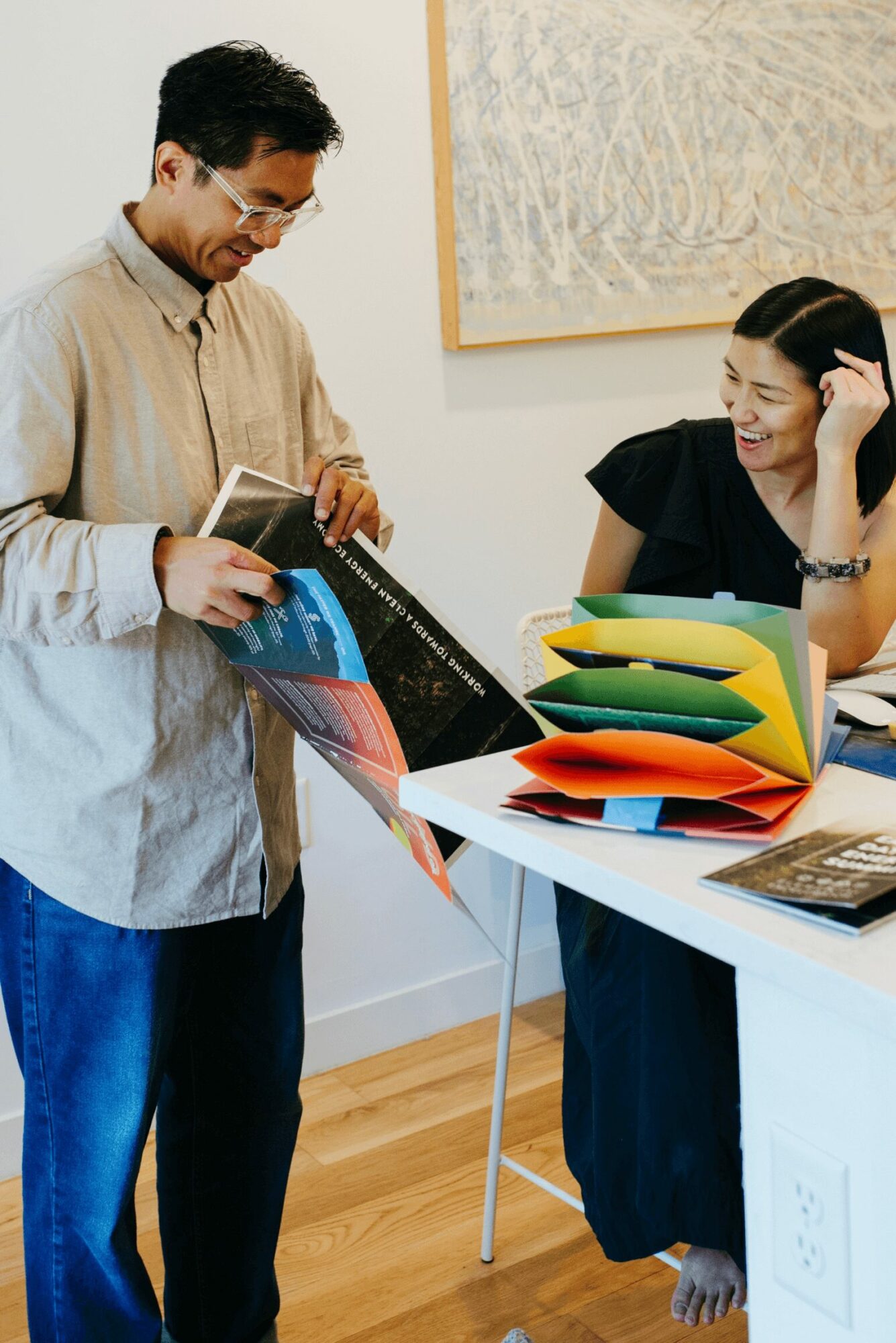
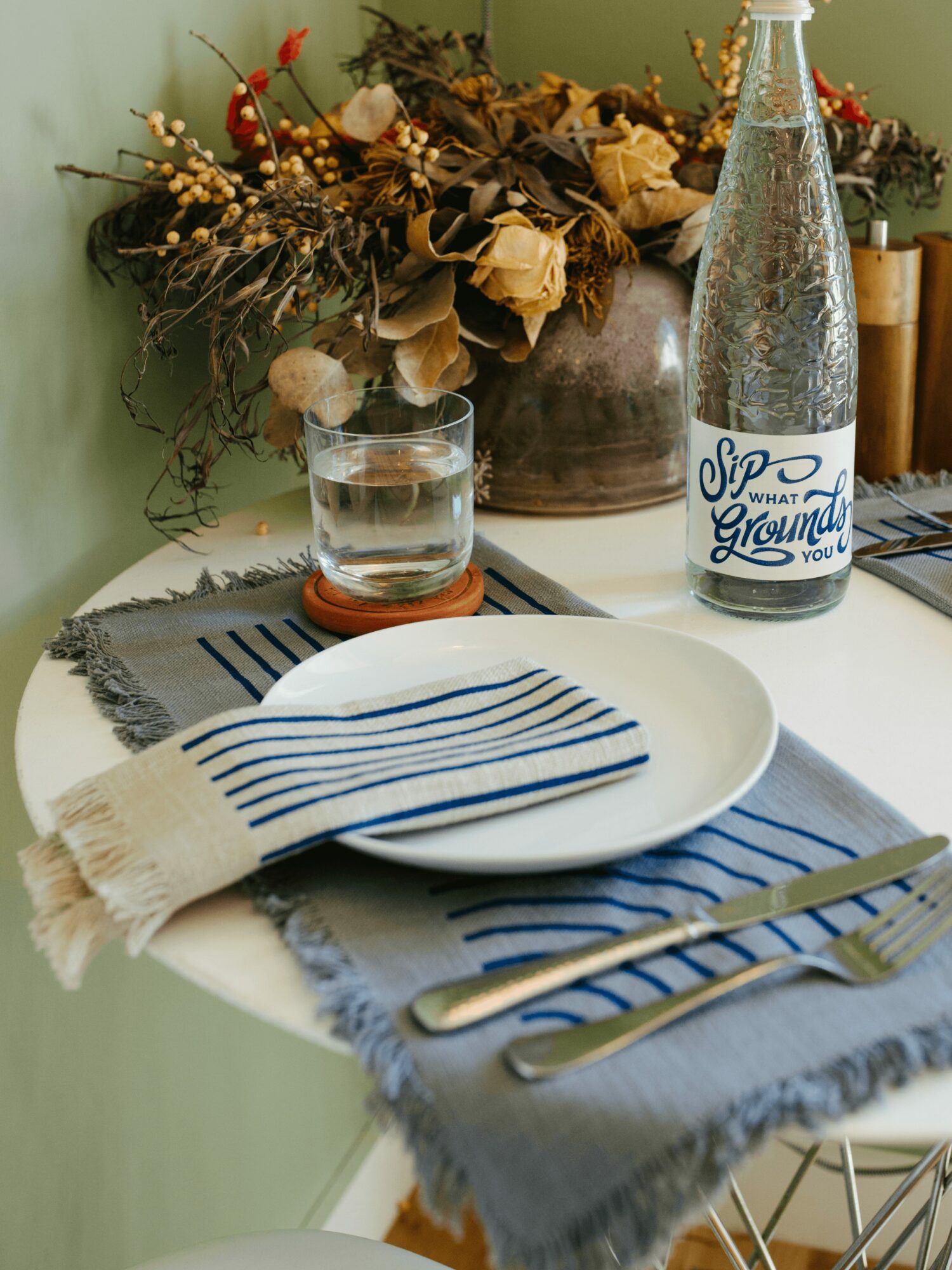
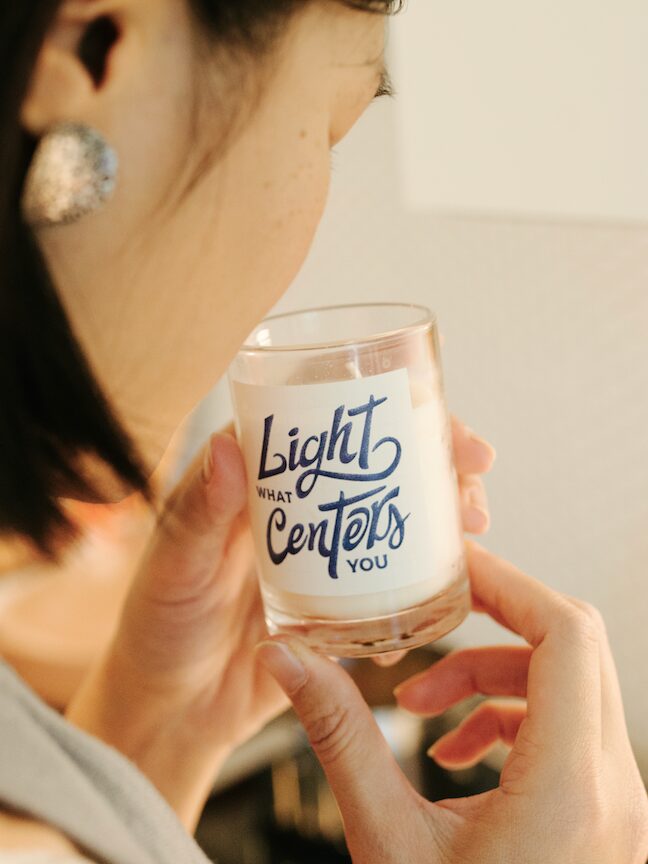
Image Credits
Harmon Li (Feature)
Chester Alan of blvck rose photo