



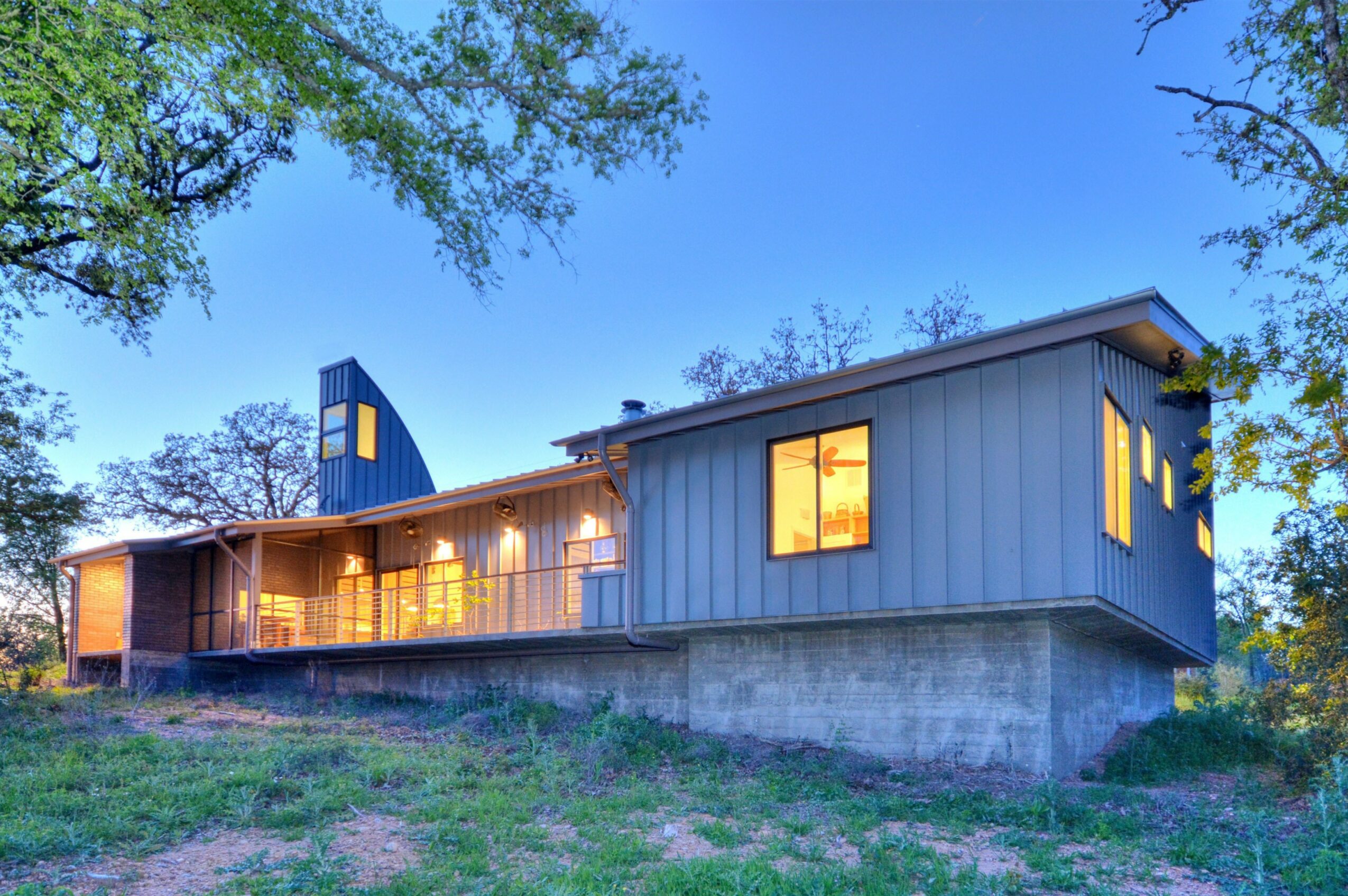
Today we’d like to introduce you to François Lévy.
Alright, so thank you so much for sharing your story and insight with our readers. To kick things off, can you tell us a bit about how you got started?
I moved to Austin in 1989 with a philosophy and humanities background to attend graduate school at The University of Texas at Austin in the School of Architecture. I fully expected to leave town upon graduating, but of course this is Austin, and it has a way of exerting its own gravitational field. Early in my architecture career, I had the privilege to work for a couple of great architects: Dick Clark, and then Mell Lawrence. I learned a great deal from those experiences and came to understand that school doesn’t necessarily teach you a profession, it teaches you how to be ready to learn your profession. Along the way I did a couple of stints abroad: while still in graduate school I interned with Greg Burgess in Melbourne, Australia, and I also worked for a bit in Paris for Bernard Kohn, a disciple of Louis Kahn.
When our first child was born, I decided to go to work for myself so that I could be closer to my growing family. You learn about design, history, theory, and to some extent the technical aspects of architecture in school, but it doesn’t really prepare you to run your own firm. So starting out, I manufactured some courage by teaming up with an architect, my first design partner. There’s safety in numbers.
To my surprise, in those early years I discovered how fulfilling and affirming being of service to clients could be. I would imagine that like me, most people get into architecture or any design field because we love to design. A lot of us aren’t picky, designing is its own joy, whether you are working on a humble gas station or a beautiful home. And of course, finding one’s voice and learning to manifest it through design is very gratifying. Yet I wasn’t prepared for the level of fulfillment that I experience when a client first walks into their home as its being framed, seeing the revelation and joy on their face as they suddenly understand the space that we’ve created together. Because in spite of countless design meetings, poring over drawings, walking through 3D models, there’s no substitute for experiencing a space, viscerally and proprioperceptively.
As my career evolved I deepened my technical knowledge, developing expertise in sustainability and digital design. I’ve increased my commitment to preservation (my wife and I have lived in a reimagined train depot for over 20 years that we relocated from Granger, Texas). I’ve gone back to school and earned a Master’s in engineering, taught at UT Austin, UTSA, and St Edward’s. And I regularly share my professional knowledge with my peers. All of that is deeply satisfying. But if I’m honest, nothing beats a joyful client.
I’m sure it wasn’t obstacle-free, but would you say the journey has been fairly smooth so far?
For the vast majority of my professional career, I have been self-employed or the principal of a firm. As I’m sure any designer will attest, running a practice — or any small business really — is challenging. You have to wear every hat there is: marketing, sales, HR, finance, not to mention the actual design work. I wouldn’t say that it’s been hard, but it has been bumpy at times. The world of construction as a whole tends to be rather cyclical. That said, one of the gifts of accidentally putting down roots in Austin is that this city has been very kind to architects and allied professionals, given our astounding growth in the last few decades.
Alright, so let’s switch gears a bit and talk business. What should we know about your work?
I think it’s a common perception that architects are a kind of artist, and that the work that we do is a function of intuition or talent. There is some truth to that, of course, but really getting good at your craft, at your profession, requires putting in the hours and a willingness to learn. These days when I’m faced with what seems to be really thorny design problem, it tends to seemingly solve itself. If the answer isn’t immediately evident, I know that if I set it aside and let it simmer in the back of my mind, a solution will present itself almost unbidden within a few hours or a day. I loose the falcon, and wait for it to come back with dinner. This is highly reliable. But it certainly wasn’t always that way and it’s not that I’ve somehow gotten more “talented.” Rather, after years of designing, the process has seeped so deeply into my unconscious that it appears to have a life of its own. If you are patient, persistent, set aside your ego, and always strive to do your best work, you will get better. One of the beautiful things about a design career is that it is a marathon, not a sprint. I’m looking forward to peaking in 10 or 20 years.
Before we let you go, we’ve got to ask if you have any advice for those who are just starting out?
It’s OK to make mistakes—in fact, it’s essential, as that is the most reliable way to learn. Own them quickly, then clean them up.
Arrogance is thinking you know how the world should be. None of us do; get comfortable with that. Learn from everyone. When I’m on a job site, I want to learn from the framer, or the roofer, even if they are half my age. Doing good work is hard, and it’s a team sport. Look for ways for everyone to win.
Contact Info:
- Website: https://www.francoislevy.com
- LinkedIn: https://www.linkedin.com/in/fran%C3%A7ois-l%C3%A9vy-967b214/
- Other: https://www.houzz.com/professionals/architects-and-building-designers/francois-levy-architecture-interiors-pfvwus-pf~310451486
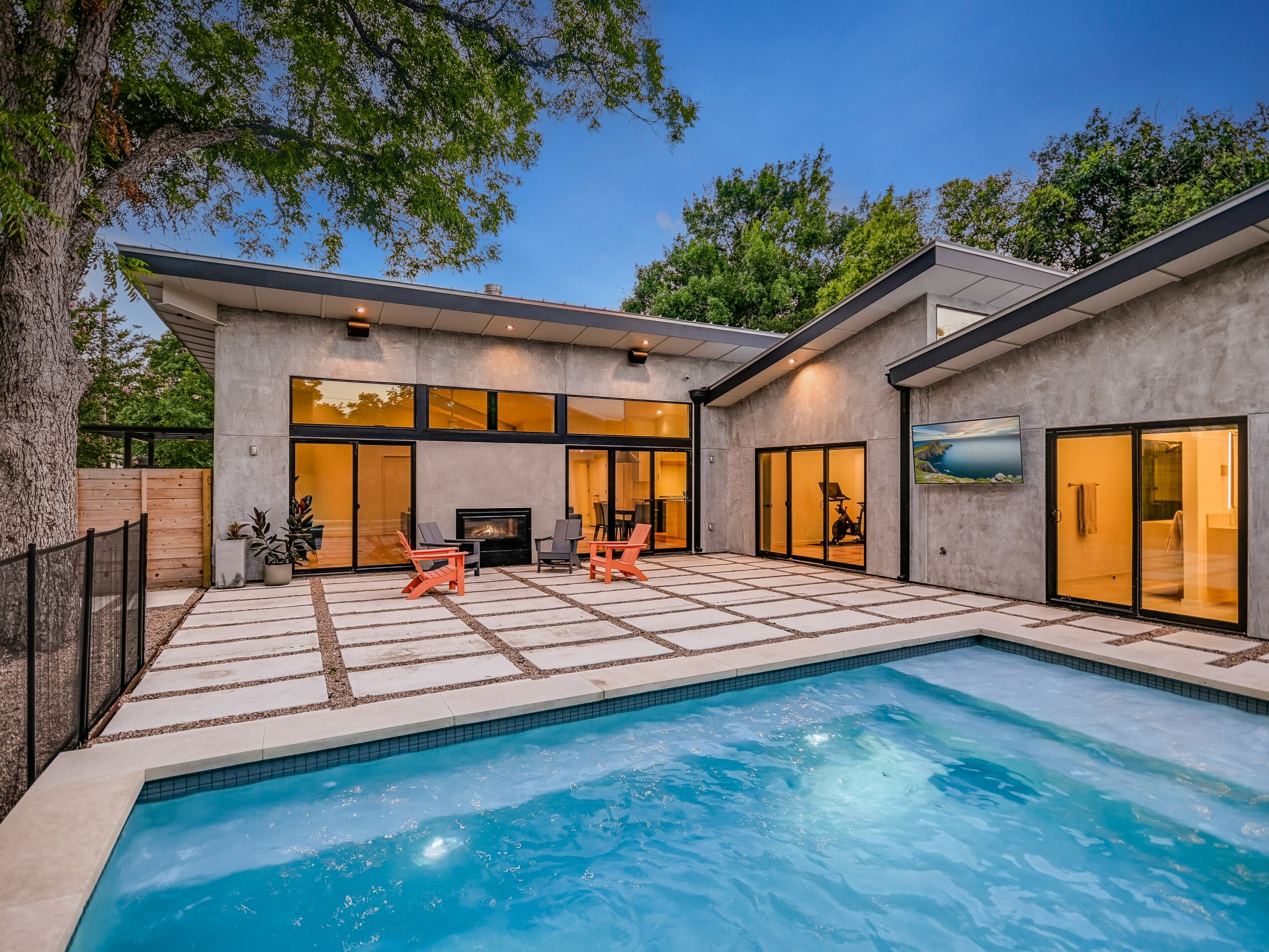
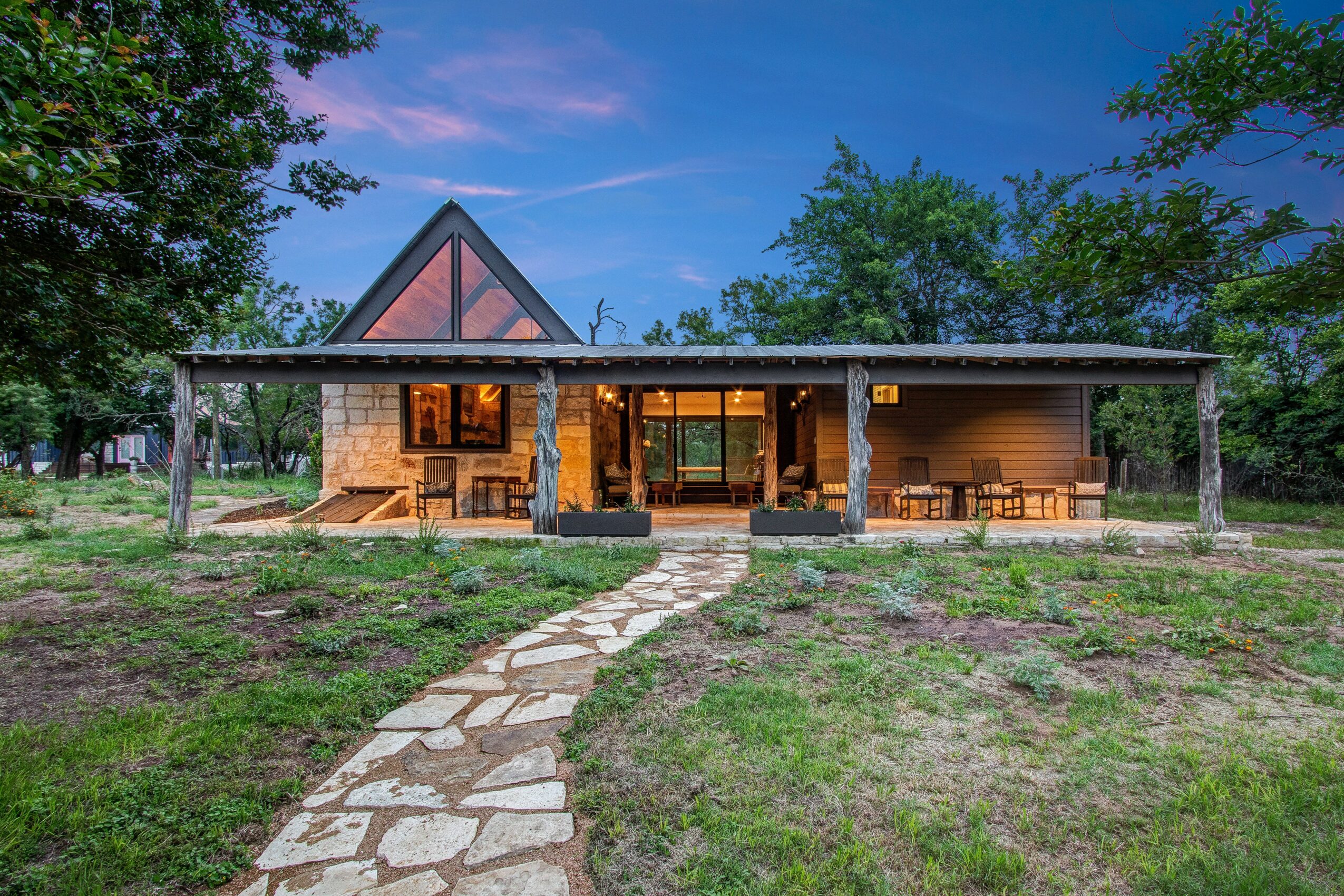
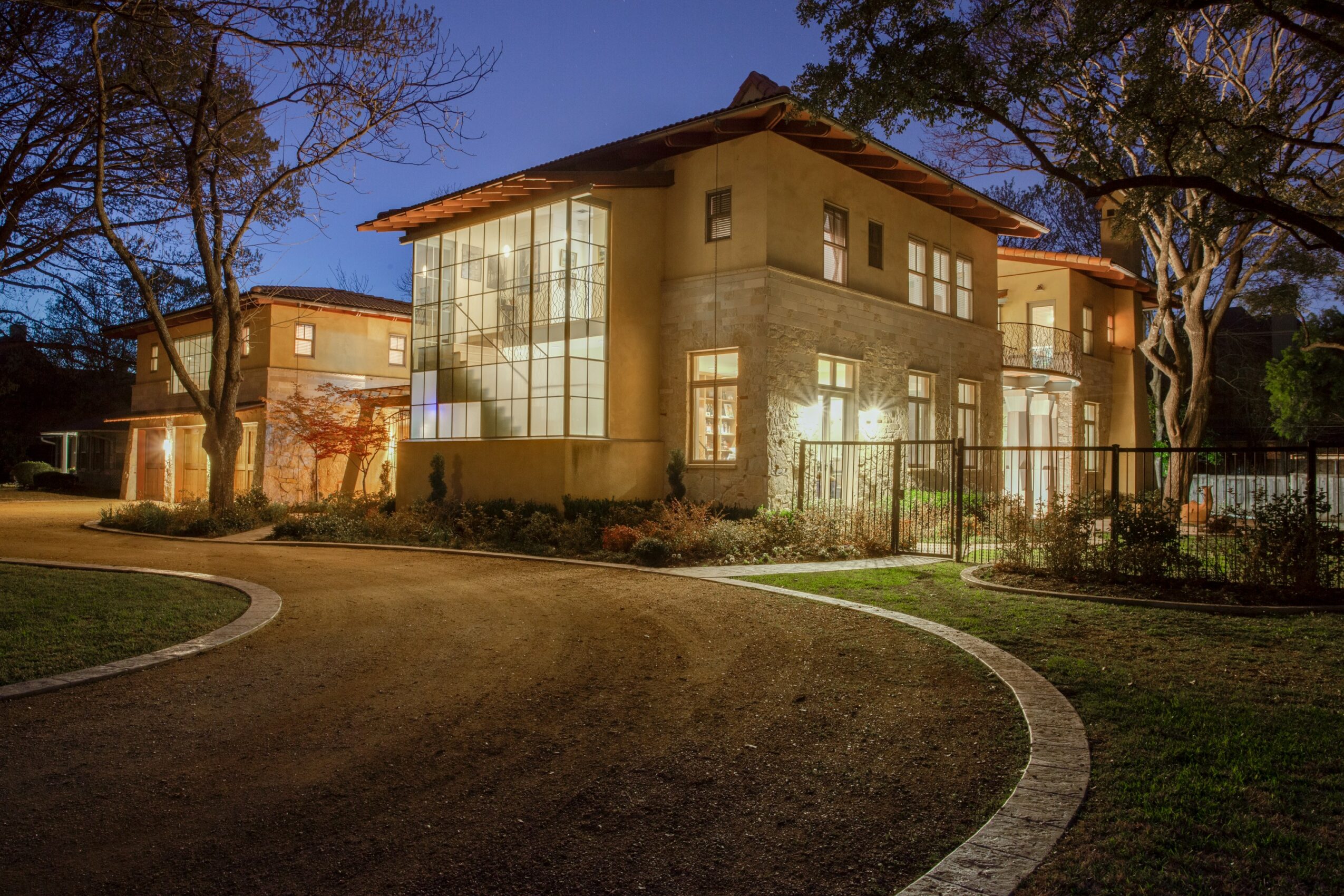
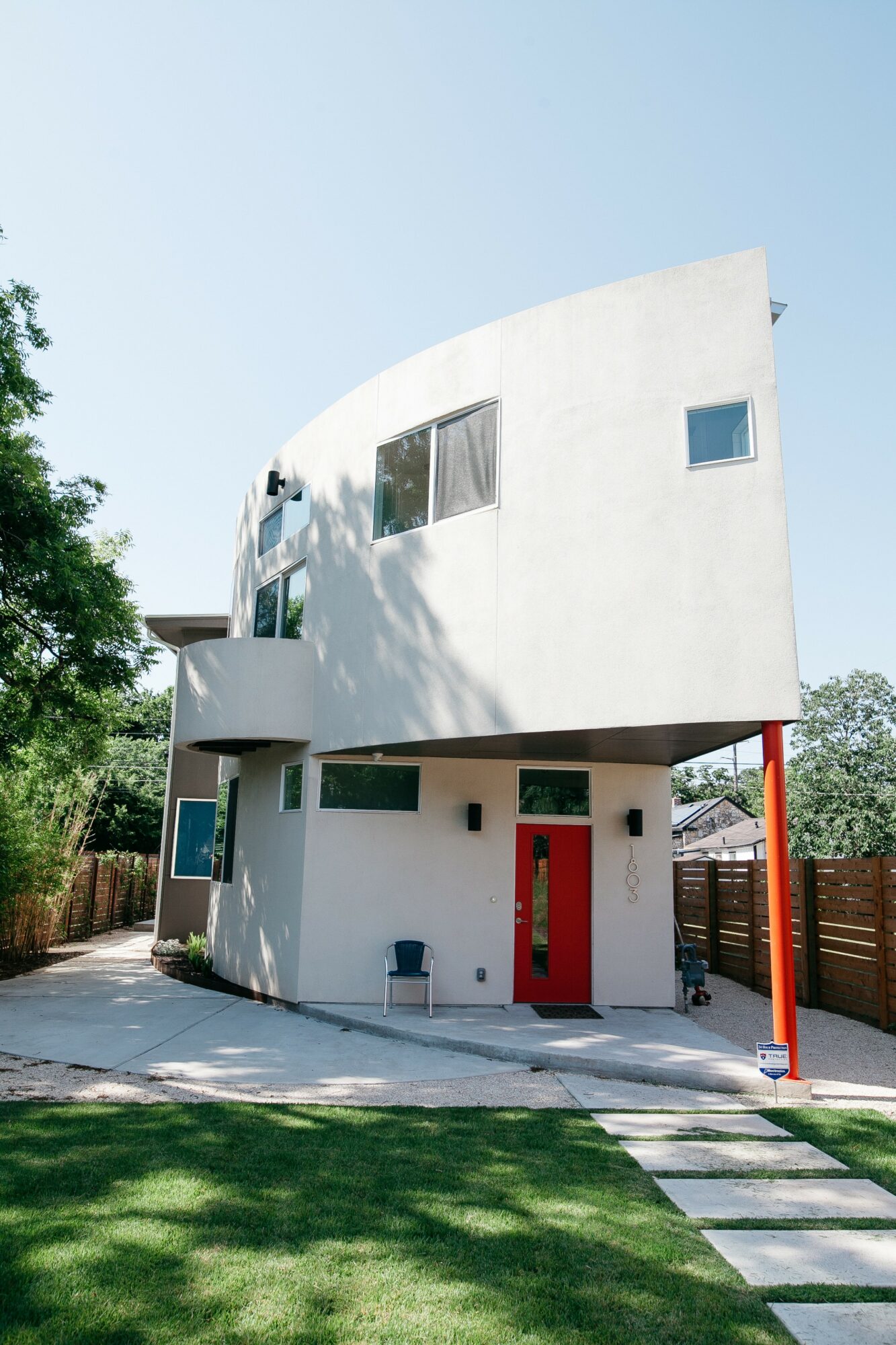
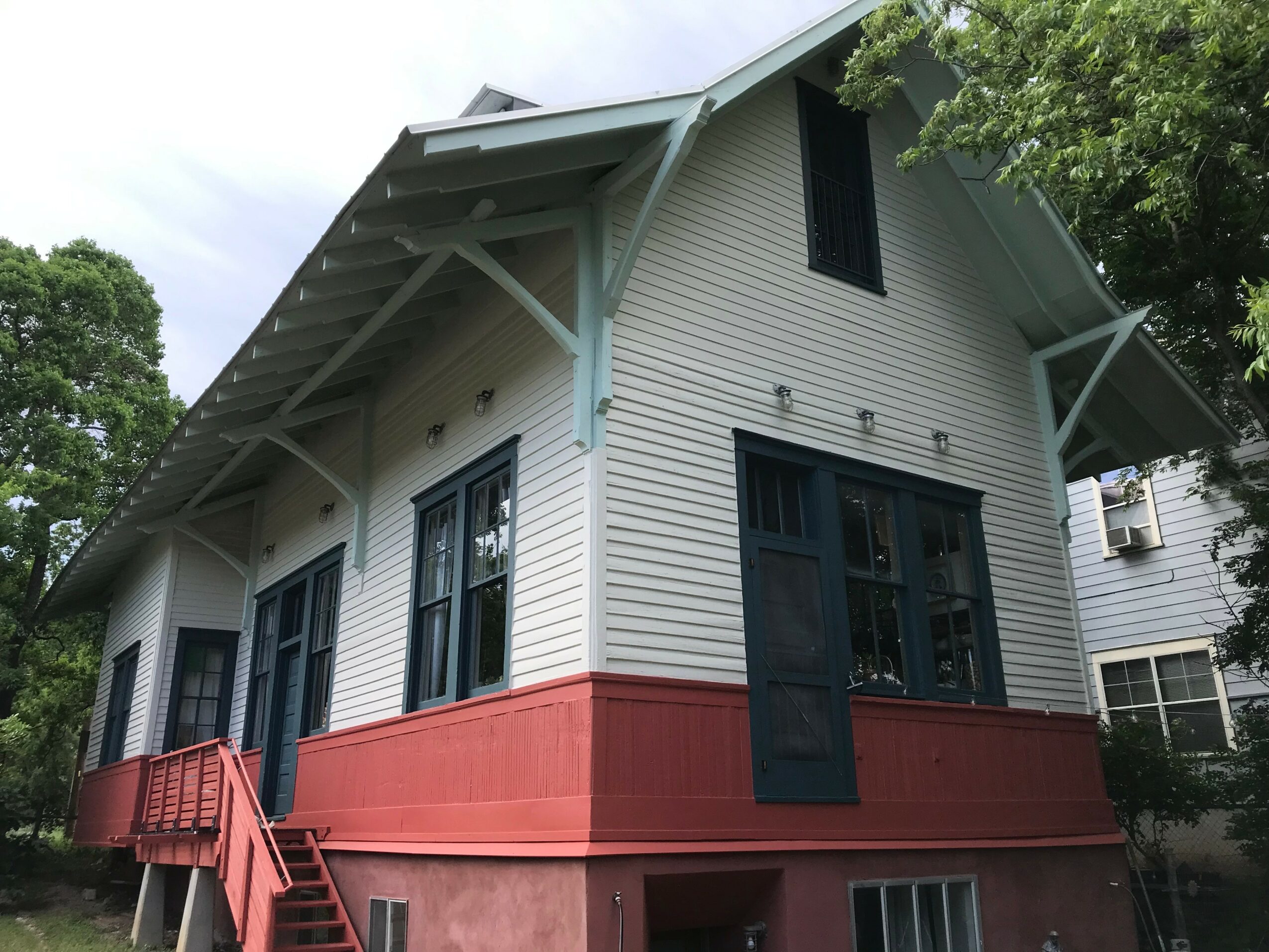
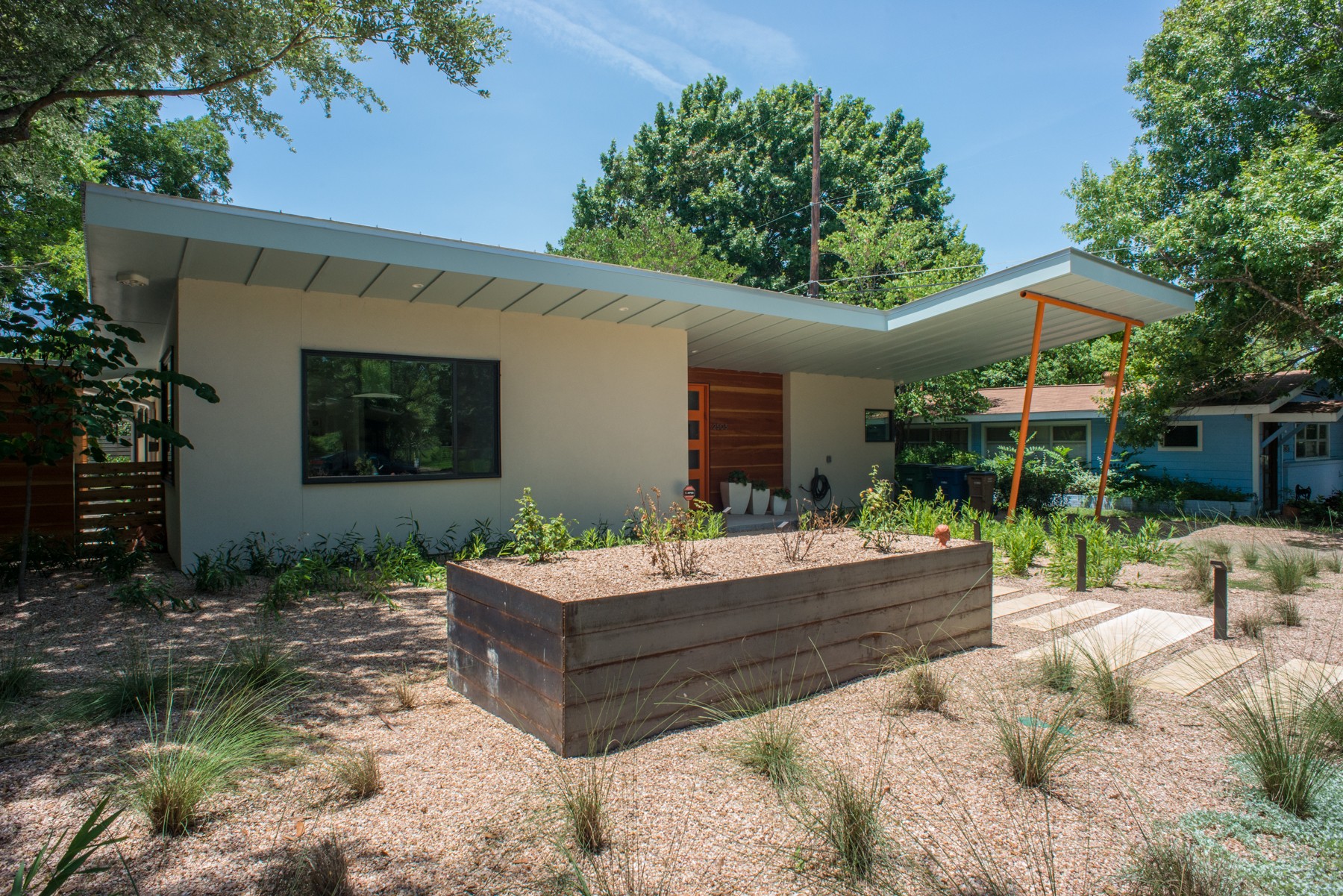
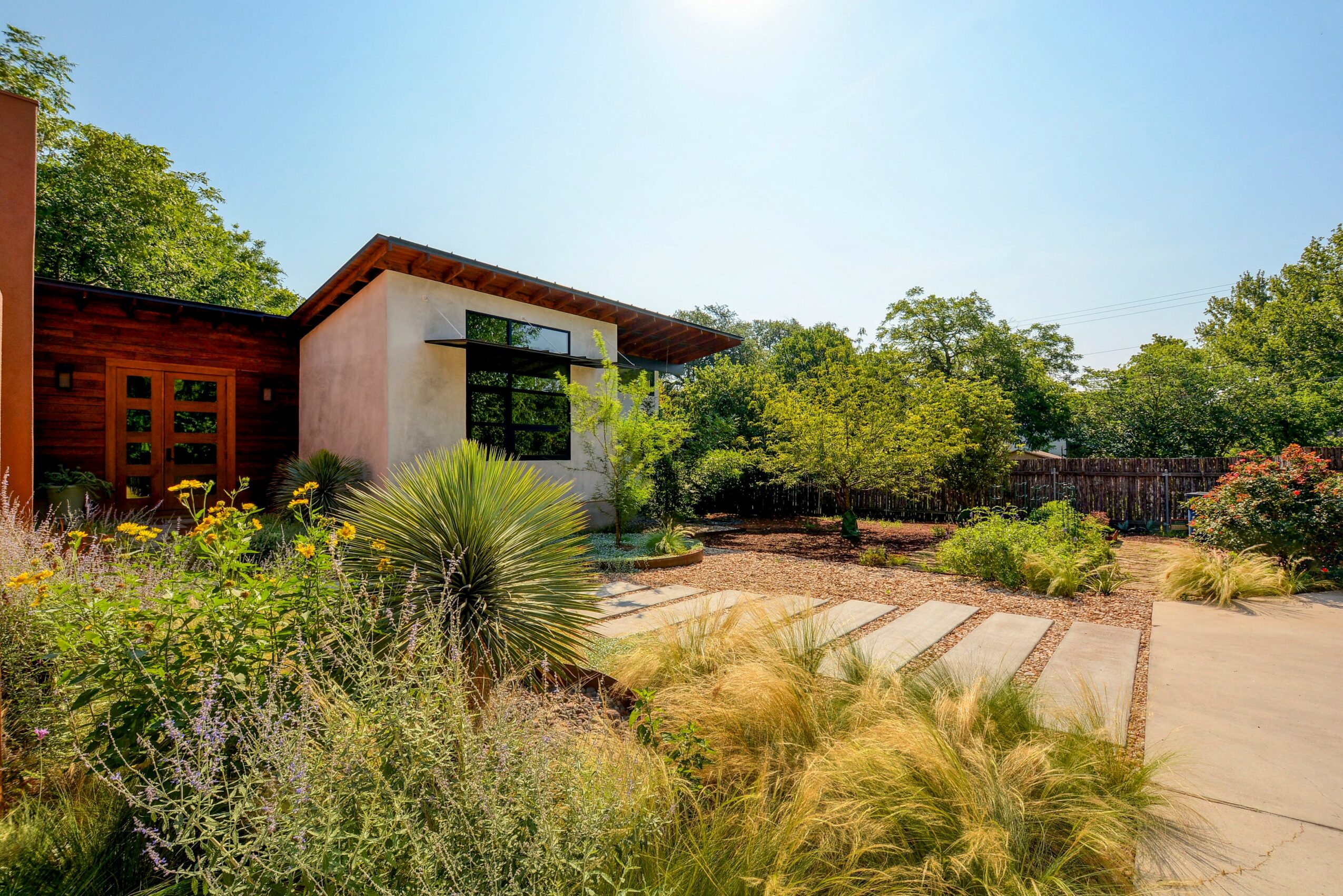
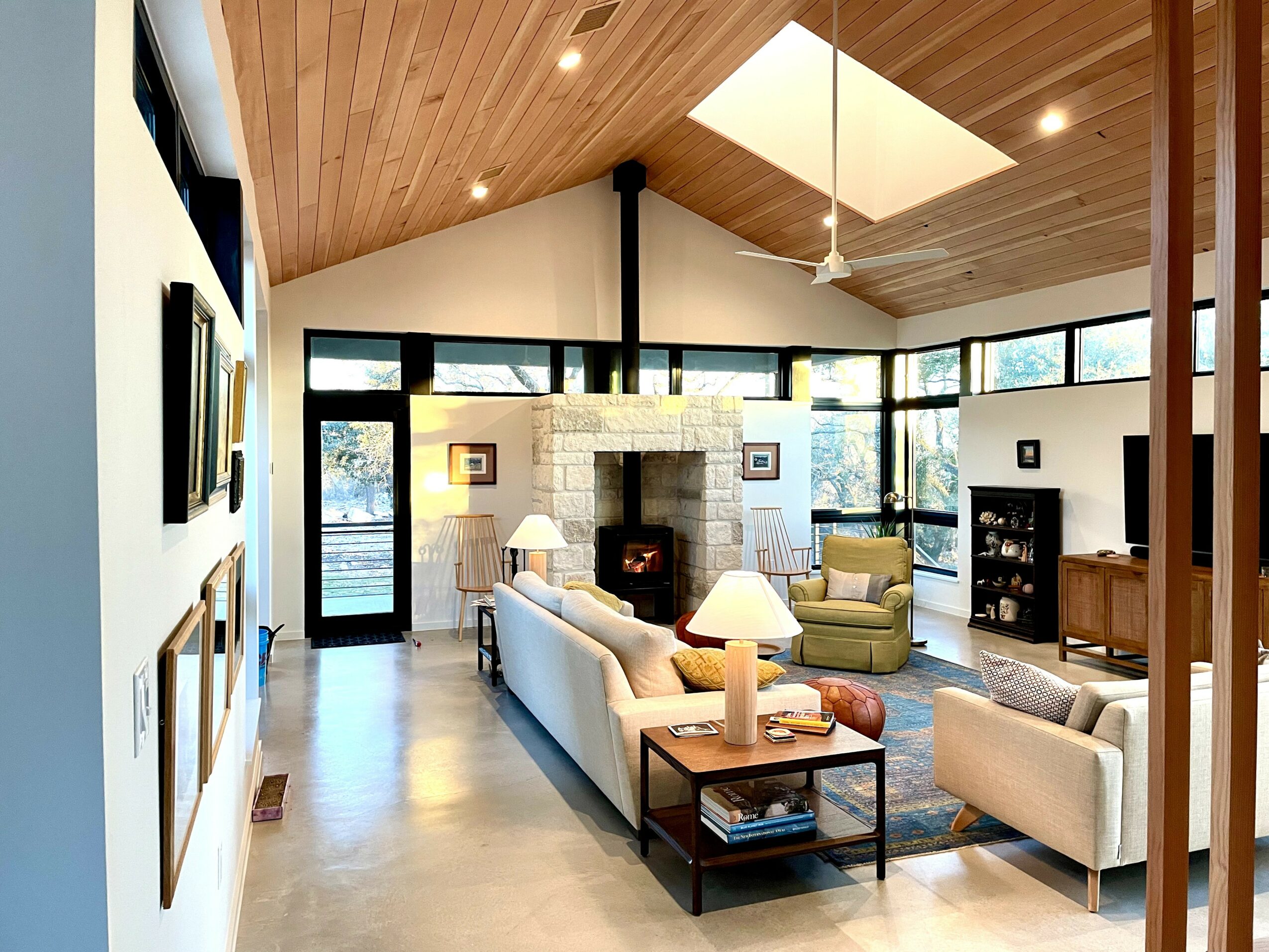
Image Credits
In order:
Chris Diaz
Jessica Johnson
Juan Molina
Courtney Pittman
François Lévy
Joan Brook
Chris Diaz
John Dahlheim