



We’re looking forward to introducing you to Addison Van. Check out our conversation below.
Addison, so good to connect and we’re excited to share your story and insights with our audience. There’s a ton to learn from your story, but let’s start with a warm up before we get into the heart of the interview. What’s more important to you—intelligence, energy, or integrity?
Integrity is the most important to me because it guides every choice I make and every responsibility I take on. Intelligence and energy matter, but without a strong moral foundation they can be directed toward the wrong goals. Integrity keeps me grounded in what is right, even when it is difficult or inconvenient. It is the value that shapes how I treat others, how I lead, and how I show up when no one is watching.
For me, integrity is closely tied to moral responsibility. I believe that when you have the ability to influence others, even in small ways, you also have an obligation to use that influence for good. Whether it is in community work, leadership roles, or academic settings, I try to hold myself to standards that reflect honesty, humility, and accountability.
It also connects deeply to how I see servant leadership. To lead is to serve, and to serve well you need a genuine commitment to the people around you. Integrity ensures that decisions are made with empathy, fairness, and respect, not ego or convenience. It is the value that reminds me that success means very little if it is not built on a foundation of character.
Can you briefly introduce yourself and share what makes you or your brand unique?
My name is Addison Van, and I am a student at UT Austin committed to public service and to building a life guided by leadership, communication, and civic responsibility. My path began at Purdue where I first enrolled last fall. I genuinely enjoyed my time in West Lafayette. I found a supportive group of friends, a strong academic environment, and a sense of community that made my first semester meaningful. But even with all of that, I felt something was missing, so I made the difficult decision to transfer out of Purdue.
My transfer to UT was influenced by several factors. Being closer to family and friends mattered, and the in-state tuition made the decision financially sound. However, the main reason was the chance to be at a university where civic engagement, policy, and public leadership are central to campus life. I wanted a place where my interests could grow, where I could work alongside people who cared about the same issues, and where I could prepare for a career in service to others.
This past year has been one of the most formative of my life. I took a gap semester to work full-time for the Indiana Senate where I learned how governments operate and how policy choices shape real communities. That experience grounded me in servant leadership and showed me that public service is not only a career but a responsibility. After that, I spent the summer in Washington, D.C. with Amazon Web Services. Being surrounded by talented people from across the world gave me a deeper understanding of how major organizations work and how communication and leadership shape decisions that impact millions.
Returning to school this fall, I feel a renewed appreciation for learning and community. Working full-time for most of the year taught me how different the pace of professional life is compared to college, and it made me value the time, people, and opportunities at UT in a new way. I am approaching this chapter with clarity and gratitude, determined to make the most of it. Everything I am working toward is guided by a simple goal: to serve others with integrity and use the skills I gain to make a meaningful difference in the communities around me.
Thanks for sharing that. Would love to go back in time and hear about how your past might have impacted who you are today. What’s a moment that really shaped how you see the world?
A moment that profoundly shaped how I see the world occurred while I was working for the Indiana Senate. Despite being across the aisle from my own political perspectives, State Senator Ron Alting quickly became my favorite policymaker to work with. I found that we shared many core values, and working alongside him helped me understand the reality of political polarization. The other side is not the enemy. It is not me versus you or us versus them. It is all of us facing common problems, and the goal should be collaboration for the betterment of society.
One discussion that particularly stayed with me was a committee meeting on a bill about homelessness. Senator Alting spoke passionately about the importance of compassion in policymaking, urging his colleagues to see the humanity in every individual affected by these challenges. He emphasized that empathy is not a weakness but a reflection of character, and that our actions or inactions affect real people. Hearing him speak so genuinely at that moment helped me understand that solving society’s problems takes both practical solutions and a strong sense of responsibility.
Another moment that deeply resonated was when he spoke about protecting public school funding for teachers. He shared that his own teachers and coaches had guided him through all of his hardships and struggles. They were mentors who supported him through challenges he could not have overcome alone and helped him become the person and leader he is today. Without their guidance and support, he said, he would not be where he is now. His story helped me see how important it is to support our educators and mentors because helping people grow and succeed in their own lives can make a positive difference for our communities.
Together, these experiences with Senator Alting taught me that leadership is not about winning arguments or advancing agendas alone. It is about seeing the humanity in others, building bridges across differences, and committing to the long-term work of creating a society where everyone has the opportunity to thrive.
What fear has held you back the most in your life?
The fear that has held me back the most in my life is the fear of taking the first step. I have often found myself hesitating at the start of something new, whether it is trying a new hobby, exploring an interest, meeting new people, or beginning a project that feels uncertain. I worry about failing, making mistakes, or not being good enough, and that worry has sometimes kept me from opportunities that could have helped me grow.
There are many moments I look back on and wish I had acted differently. Times when I wanted to join a club, take on a leadership role, or reach out to someone new, but let my hesitation win. In those moments, I watched opportunities pass me by, and I realized that the fear was not protecting me, it was holding me back. Sometimes after I fail to take that first step, I think about it for days or even weeks, feeling a quiet regret for not stepping into the unknown and seeing what could have been.
Over time, I have started to see that this fear is not about the activities themselves, but about stepping into uncertainty. Some of the experiences I value most, like working in the Indiana Statehouse or transferring schools to follow my passions, required me to confront this fear directly. Taking that first step in those situations was uncomfortable and intimidating, but it led to opportunities that shaped who I am today. Each time I push past my hesitation, I gain confidence, learn something new, and see that growth only comes when I take the initial leap.
I am learning that courage is not the absence of fear, but the choice to act despite it. I am also learning to forgive myself for the times I have hesitated and to see them as lessons rather than failures. Every moment I take that first step, I remind myself that the only way to fully engage with life is to move forward, even when the outcome is uncertain. Facing that fear has become one of the most important ways I continue to grow, explore, and understand myself.
Next, maybe we can discuss some of your foundational philosophies and views? Whose ideas do you rely on most that aren’t your own?
The ideas I draw on most that are not my own revolve around altruism, the principle of acting to help others without expecting anything in return. This perspective has shaped the way I approach both my personal life and my interactions with others. I have learned that meaningful impact is rarely about recognition or reward. It comes from noticing the needs of others and responding thoughtfully.
Altruism guides both my decisions and my everyday actions. Small gestures, like buying a meal for someone in need or treating everyone I meet with kindness and humility, remind me that service is not only about big achievements but also about how we interact with others every day. These acts, simple as they may seem, can create meaningful impact and help build stronger communities.
Relying on altruistic ideas has helped me frame challenges in a broader context. When I make choices, I ask not only what benefits me, but what benefits those around me. I have realized that personal growth and the well-being of the people around me are deeply connected, and the best outcomes come when actions are guided by empathy, humility, and care for others. Altruism is not just a philosophy I admire. It is a lens through which I strive to live, shaping how I learn, lead, and engage with the world.
Thank you so much for all of your openness so far. Maybe we can close with a future oriented question. What will you regret not doing?
What I will regret not doing is giving more of myself to the community. I have always felt a strong drive to contribute, whether through volunteering, mentoring, or helping others in small ways. Even in moments of personal downtime, like watching a movie, reading, or simply relaxing, I sometimes feel a quiet twinge of guilt. There is a voice in the back of my mind that reminds me I could always be doing more, reaching further, or stepping up to support someone in need. This feeling is not overwhelming, but it lingers, a gentle nudge that pushes me to reflect on whether I am living fully in service to others.
I recognize that personal time is essential. That downtime, whether it be playing video games or going out with friends, allows me to recharge, gain perspective, and approach my responsibilities with renewed energy. I know taking care of myself is not selfish, and it’s necessary for maintaining the ability to give meaningfully to others. Still however, even with that understanding, I cannot shake the sense that I could be doing more, that every hour spent solely on myself is an hour I might have used to make someone else’s day better or to support a community I care about.
This tension has shaped the way I approach life. It has taught me that living intentionally requires balance. I have learned to acknowledge the value of personal time while also listening to the part of myself that urges me to act. I do not want to look back and regret the opportunities I let pass, even small ones, to help, encourage, or uplift those around me. I want to live a life where service is not occasional or accidental, but a consistent practice. At the same time, I want to approach it in a way that is sustainable, knowing that taking time to rest, reflect, and grow as an individual ultimately makes me more effective and present when I do give back.
I think the greatest regret would be looking back and realizing that I let fear, hesitation, or the desire for comfort keep me from doing what I could to make a difference. I want to act when I can, to notice needs around me, and to offer support not because it is expected, but because it reflects who I want to be and the values I hold most deeply. Giving to others, even in small ways, is how I hope to live, and I want to make sure I do not miss opportunities to act on that every day.
Contact Info:
- Instagram: https://www.instagram.com/vantheasianman/ and https://www.instagram.com/addison__van/
- Linkedin: https://www.linkedin.com/in/addisonvan/
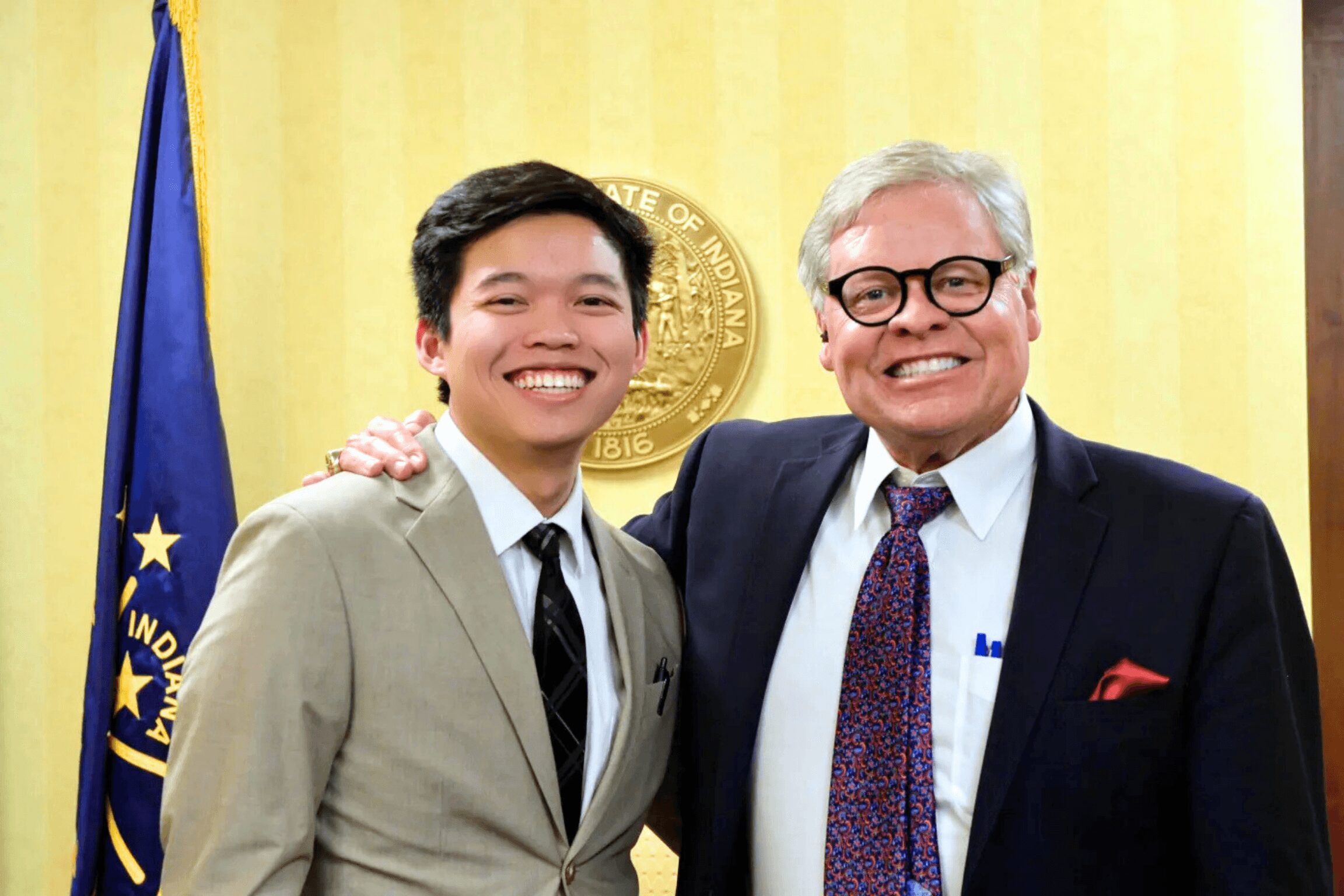
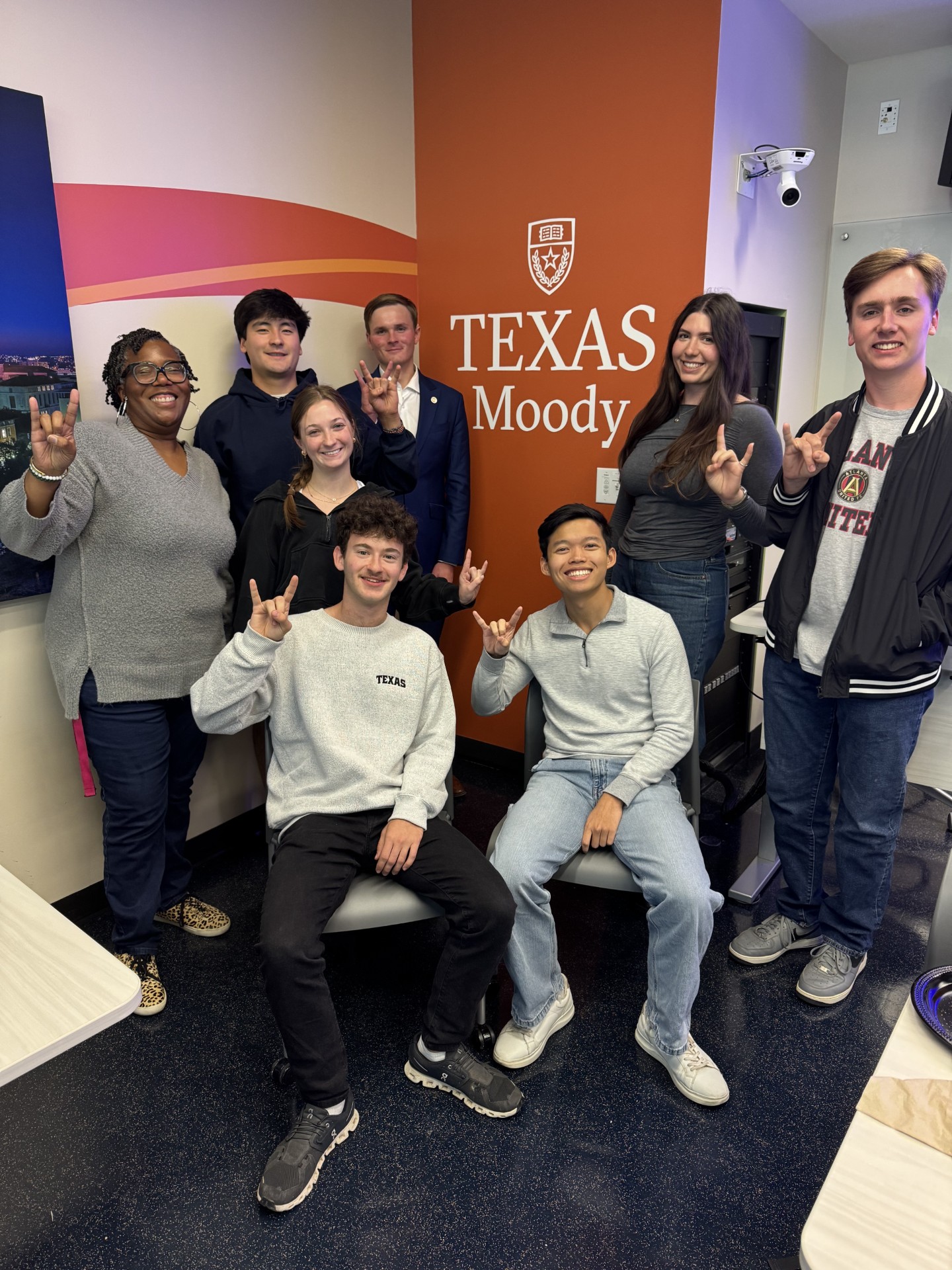
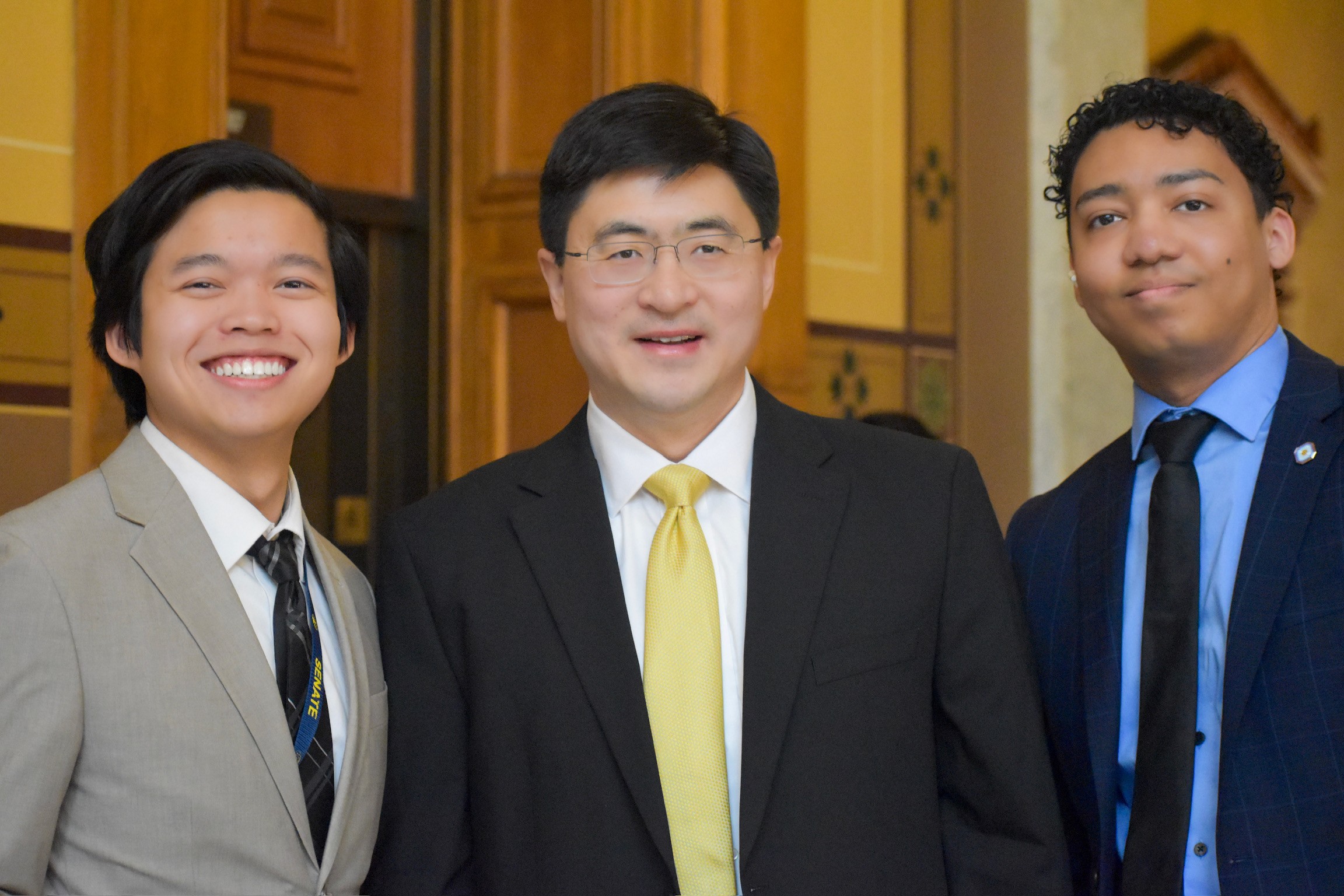
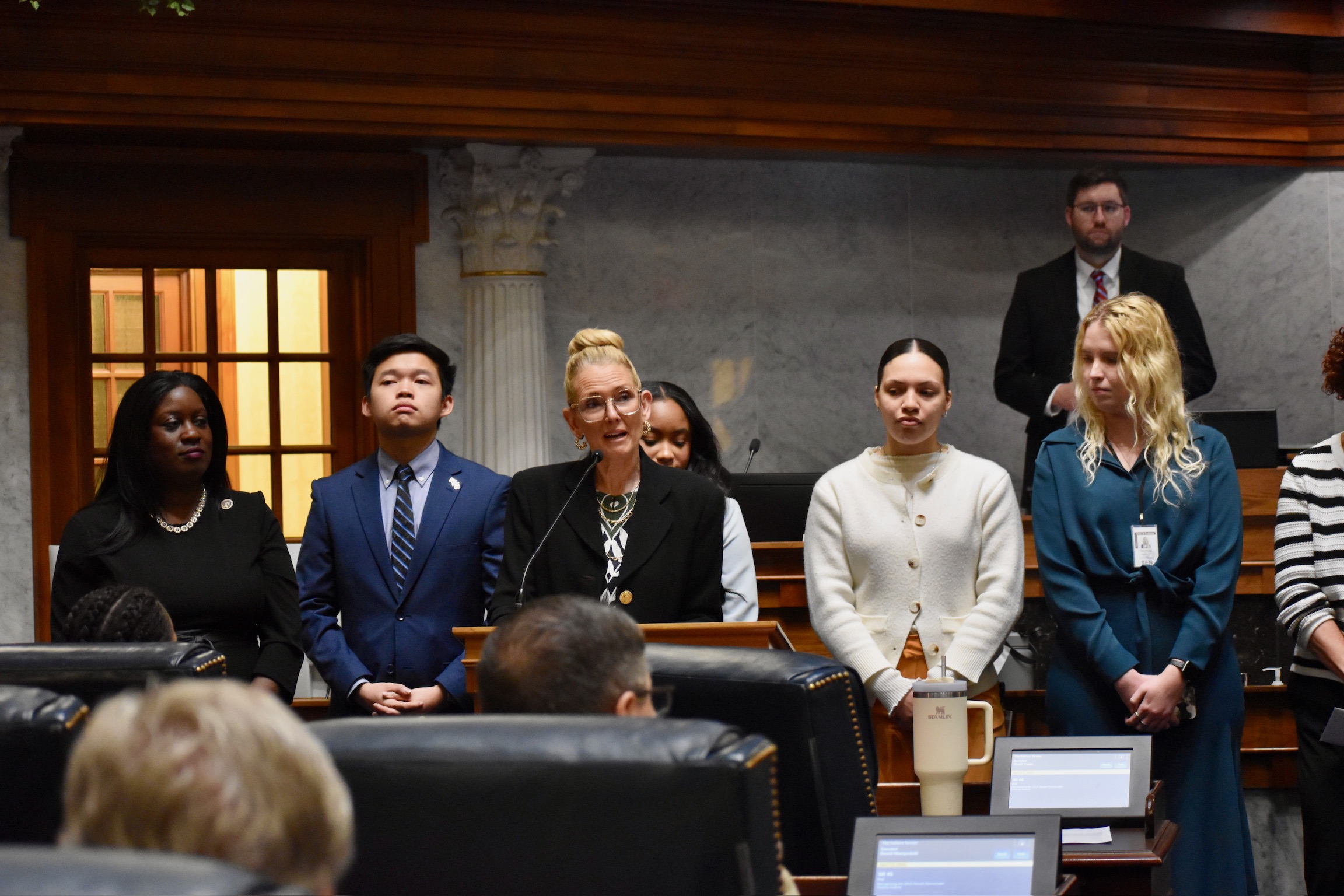
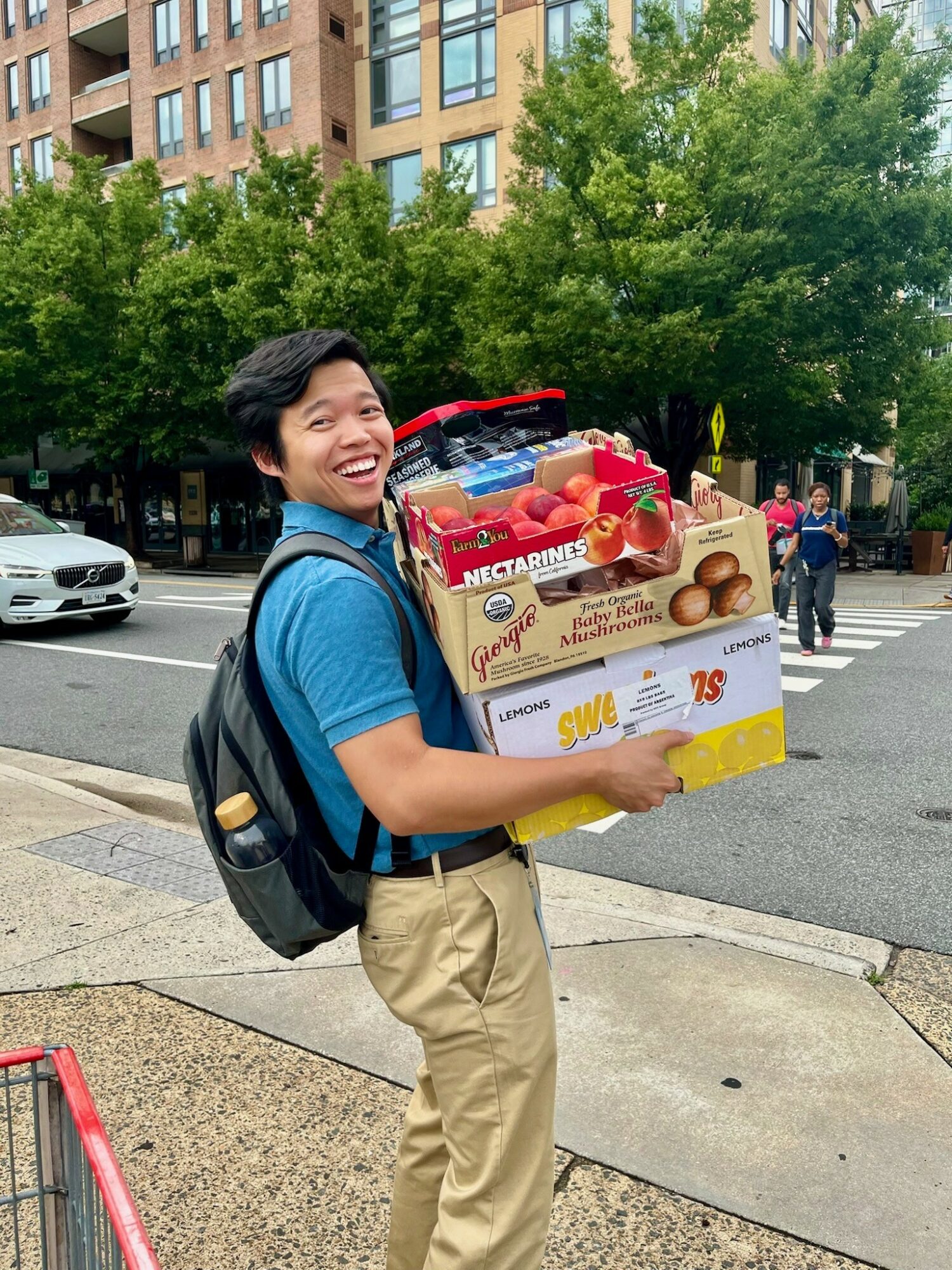
Image Credits
Rachel Martin, Andrew Tan, Chester Bryant, Molly Neary