



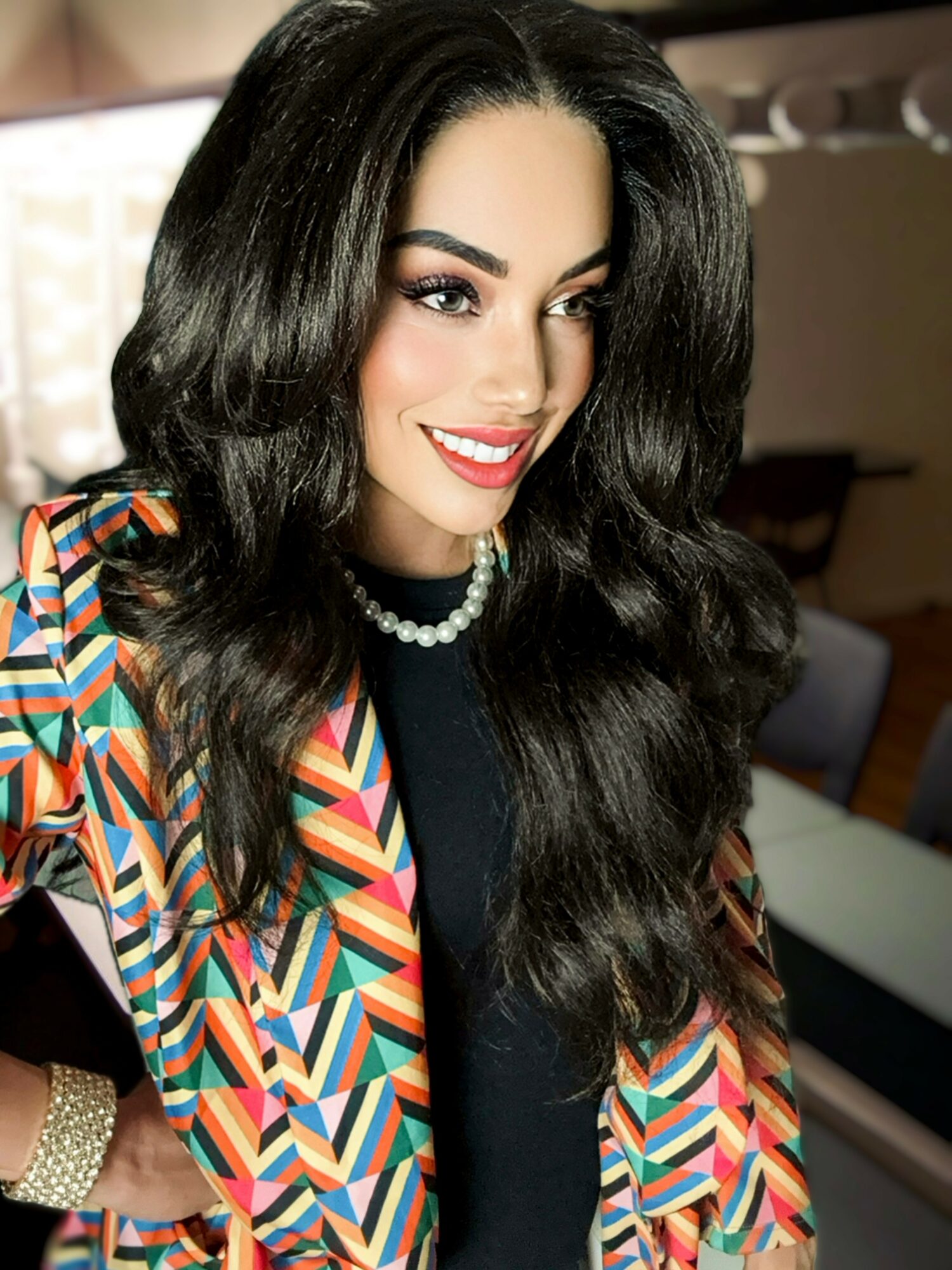
Dr. Tiffany Tajiri shared their story and experiences with us recently and you can find our conversation below.
Dr. Tiffany, a huge thanks to you for investing the time to share your wisdom with those who are seeking it. We think it’s so important for us to share stories with our neighbors, friends and community because knowledge multiples when we share with each other. Let’s jump in: What makes you lose track of time—and find yourself again?
What makes me lose track of time and find myself again is creating.
Creation pulls me into a flow state where the noise of the world quiets and my nervous system exhales. Time dissolves. Self-consciousness fades. I’m no longer managing myself—I’m inhabiting myself. That’s when I feel most whole.
Creation is not just expression; it’s regulation. It organizes the mind, softens the body, and restores coherence between thought, emotion, and movement. When we create—through art, music, movement, writing, or imagination—we enter a state where healing becomes possible because we are no longer fragmented. We are present.
I believe this is by design.
We were made in the image of the Creator. And what does the Creator do? Creates. Not out of lack, but out of overflow. When we create, we align with that same frequency. We remember who we are beneath conditioning, productivity, and performance. Creation reconnects us to Source—and to ourselves.
This is why creation heals. It bypasses logic and speaks directly to the body and the subconscious. It restores flow where stagnation once lived. It turns pain into movement, chaos into meaning, and imagination into medicine.
When I create, I don’t just lose track of time.
I return to myself.
Can you briefly introduce yourself and share what makes you or your brand unique?
I’m Dr. Tiffany Tajiri, a board-certified clinical psychologist, Air Force veteran, musician, and performing artist. I spent years working at the highest levels of government mental health, serving as a supervisory psychologist and clinic chief, before stepping away to fully answer a deeper calling.
Today, I create at the intersection of psychology, movement, music, and spiritual embodiment. I’m the creator of Freedom Rhythm, a neuroscience-informed movement experience that transforms emotion into energy through dance, rhythm, and creative expression. My work is rooted in the belief that healing and self-actualization don’t come from suppression or perfection, but from reconnection—to the body, to creativity, and to inner truth.
I’m also the author of Born to Create and Peace After Combat, and a singer-songwriter with music published on major streaming platforms. Across everything I do—writing, movement, music, and teaching—my mission is to help people break free from conditioning, reclaim their creative power, and remember who they were before they were taught to shrink.
Okay, so here’s a deep one: What was your earliest memory of feeling powerful?
My earliest memory of feeling powerful was as a child in a tutu, standing in the middle of my living room as if it were a stage. I didn’t need an audience or permission—I just needed space. My family would clear the room, and my mother would hold a flashlight like a spotlight, illuminating me as I danced, sang, and fully became whatever character lived inside me that day.
In that moment, I felt seen—not judged, not managed, not corrected. Power wasn’t about control or achievement; it was about expression. I was fearless because I hadn’t yet learned to shrink. My body knew how to move. My imagination knew how to lead. I wasn’t performing to be approved—I was creating because it felt natural.
That memory still lives in me. It reminds me that power, at its core, is not domination or status. It’s aliveness. It’s the freedom to take up space in your own story before the world teaches you to dim your light.
What fear has held you back the most in your life?
The fear that held me back the longest was the fear of being judged—of how I would be perceived if I stopped filtering myself to fit expectations. I’ve always been audacious and different, but for years that difference was carefully managed. I knew how to shine without offending, how to succeed without unsettling people.
That shifted in my early forties.
Instead of trying to resolve that fear privately, I confronted it publicly. Almost like exposure therapy, I began doing the very things my inner child would have been proud of—without rehearsing how they might be received. I danced with silks in public. I allowed play and imagination to lead. I created The Colorful Psychologist, a quirky, animated persona that teaches psychology and neuroscience—my own version of Ms. Frizzle from The Magic School Bus.
Each post, each performance, each moment of visibility loosened the grip of that fear. What I discovered was that the opinions of others lose their power when you stop outsourcing your sense of self. Freedom arrived not when everyone approved, but when I no longer needed them to.
That, more than anything, changed my life.
So a lot of these questions go deep, but if you are open to it, we’ve got a few more questions that we’d love to get your take on. What are the biggest lies your industry tells itself?
The biggest lie my industry tells itself is that diagnosis equals understanding.
Modern psychology is trained to categorize behavior quickly—often before it has taken the time to truly listen, contextualize, or feel into what is happening. We are taught to ask, “What’s wrong with this person?” instead of “What is trying to emerge through this person?”
Creativity, intensity, imagination, and nonlinear thinking are frequently viewed through a pathological lens. Many creatives are neurodivergent—often ADHD, highly sensitive, deeply intuitive, or wired for novelty and pattern recognition. In flow states, artists can look expansive, energized, emotionally expressive, or unconventional. From the outside, that can be misread as hypomania, narcissism, emotional instability, or lack of boundaries.
I’m very aware that when I stepped fully into my creative and performative self, some people likely assumed I had “lost it.” That I was manic. That I’d abandoned professionalism. That something must be wrong. But what they were witnessing wasn’t pathology—it was permission. Permission to stop compressing myself to fit a narrow definition of “normal.”
The DSM was never designed to cultivate creativity, self-actualization, or transcendence. It was designed to identify dysfunction relative to social norms. And those norms are built around productivity, predictability, and compliance. In that sense, psychology often serves the system more than the soul. It helps people function inside the rat race—not question whether the race itself is harming them.
That doesn’t mean diagnosis is useless. It means it’s incomplete.
When we pathologize difference without curiosity, we risk medicating brilliance, dulling intuition, and training people to distrust their own inner worlds. Many of the traits we label as “disorders” are adaptations, gifts, or evolutionary variations that simply don’t fit neatly into industrialized life.
Psychology doesn’t need to abandon rigor.
But it does need to remember humility.
Understanding must come before labeling.
Context must come before correction.
And creativity must be protected—not punished.
Because some people aren’t meant to be normal.
They’re meant to be alive.
Before we go, we’d love to hear your thoughts on some longer-run, legacy type questions. What do you understand deeply that most people don’t?
What I understand—often before people are ready to hear it—is that **we are not as free as we’ve been taught to believe**.
Most of us are born into a system that quietly siphons our energy while calling it responsibility. From an early age, we are conditioned to trade our time, creativity, and vitality for survival and approval. The 9–5 is framed as stability. Debt is framed as opportunity. Exhaustion is framed as adulthood. Freedom is promised later—after you comply, after you perform, after you earn it.
But later rarely comes.
This system doesn’t need to imprison bodies. It trains minds. It normalizes chronic stress, disconnection from the body, and the suppression of imagination—all while rewarding productivity over aliveness. People learn to cope, not to question. To adapt, not to ask whether the environment itself is pathological.
Because I see this clearly, some people label me dramatic, unrealistic, or even delusional. Others default to calling it “conspiracy thinking.” But what I’m describing isn’t hidden—it’s normalized. When a culture requires burnout to be considered successful, something is fundamentally misaligned.
I don’t believe freedom is entirely absent. I believe it has been **redefined**—reduced to choice within narrow parameters. True freedom isn’t just the ability to choose between options; it’s the ability to imagine beyond them. And imagination is the first thing the system teaches us to distrust.
Seeing this doesn’t make someone deranged. It makes them awake.
But awakening is uncomfortable. It disrupts identities built on compliance. It threatens systems that depend on people not asking deeper questions. So it’s easier to pathologize the person who sees the cage than to examine the cage itself.
I’m not interested in rebellion for rebellion’s sake. I’m interested in consciousness. In helping people reclaim their energy, their creativity, and their right to design a life that doesn’t require self-abandonment.
That understanding changes everything.
Contact Info:
- Website: https://www.freedomrhythm.org
- Instagram: @drtiffanytajiri @freedomrhythmllc
- Linkedin: @drtiffanytajiri
- Facebook: @drtiffanytajiri
- Youtube: @drtiffanytajiri
- Soundcloud: Dr. Tiffany
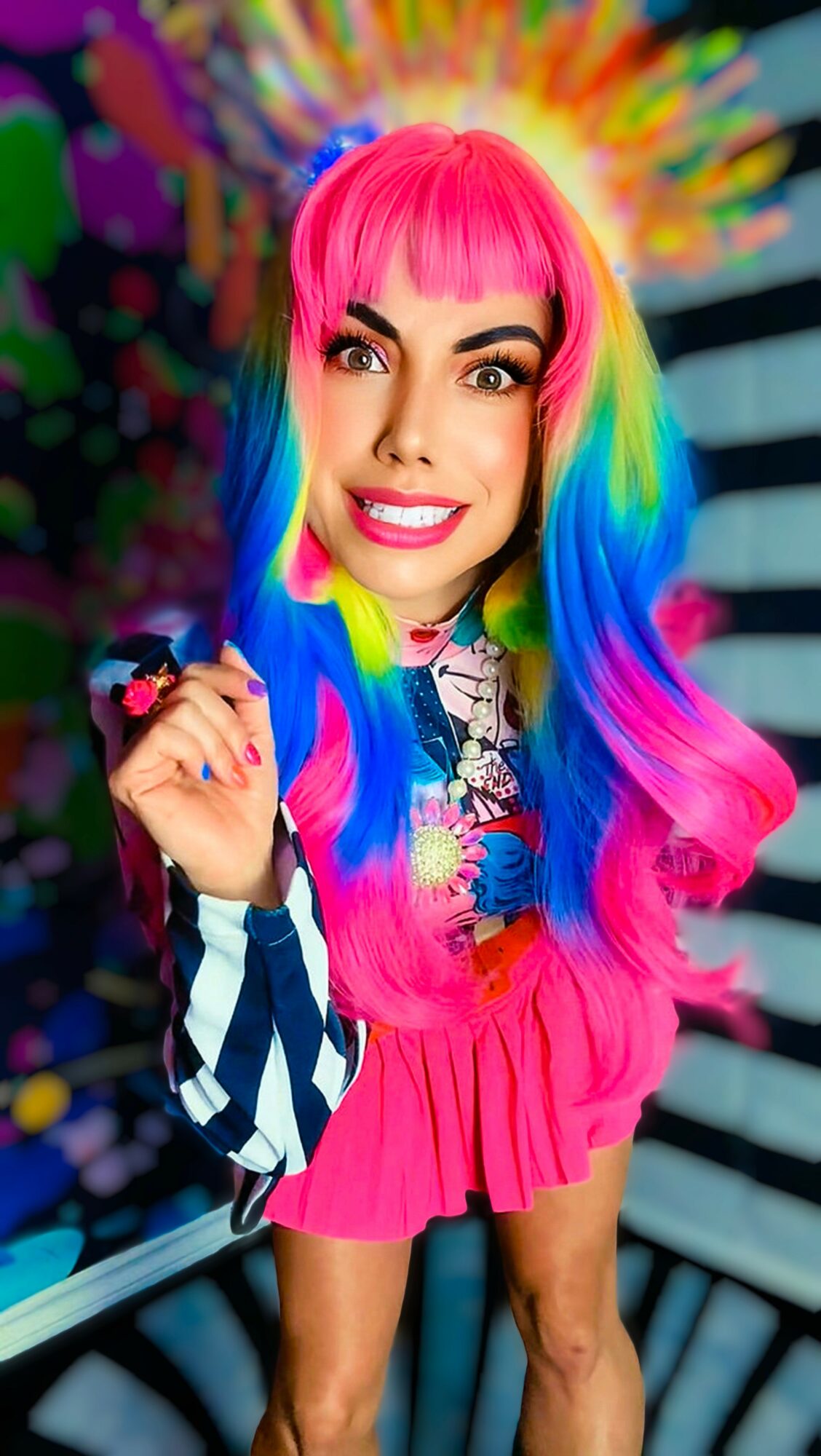
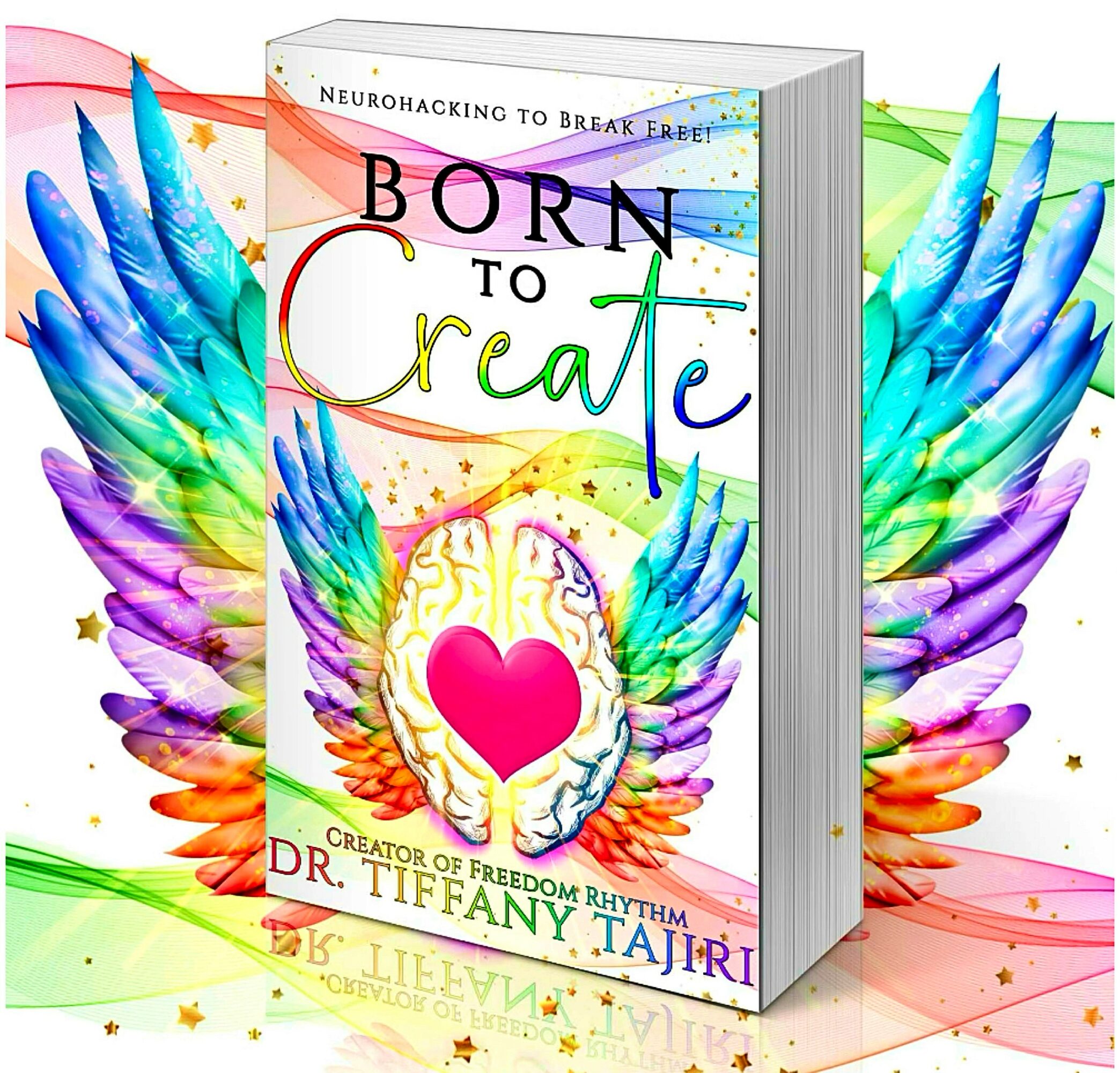
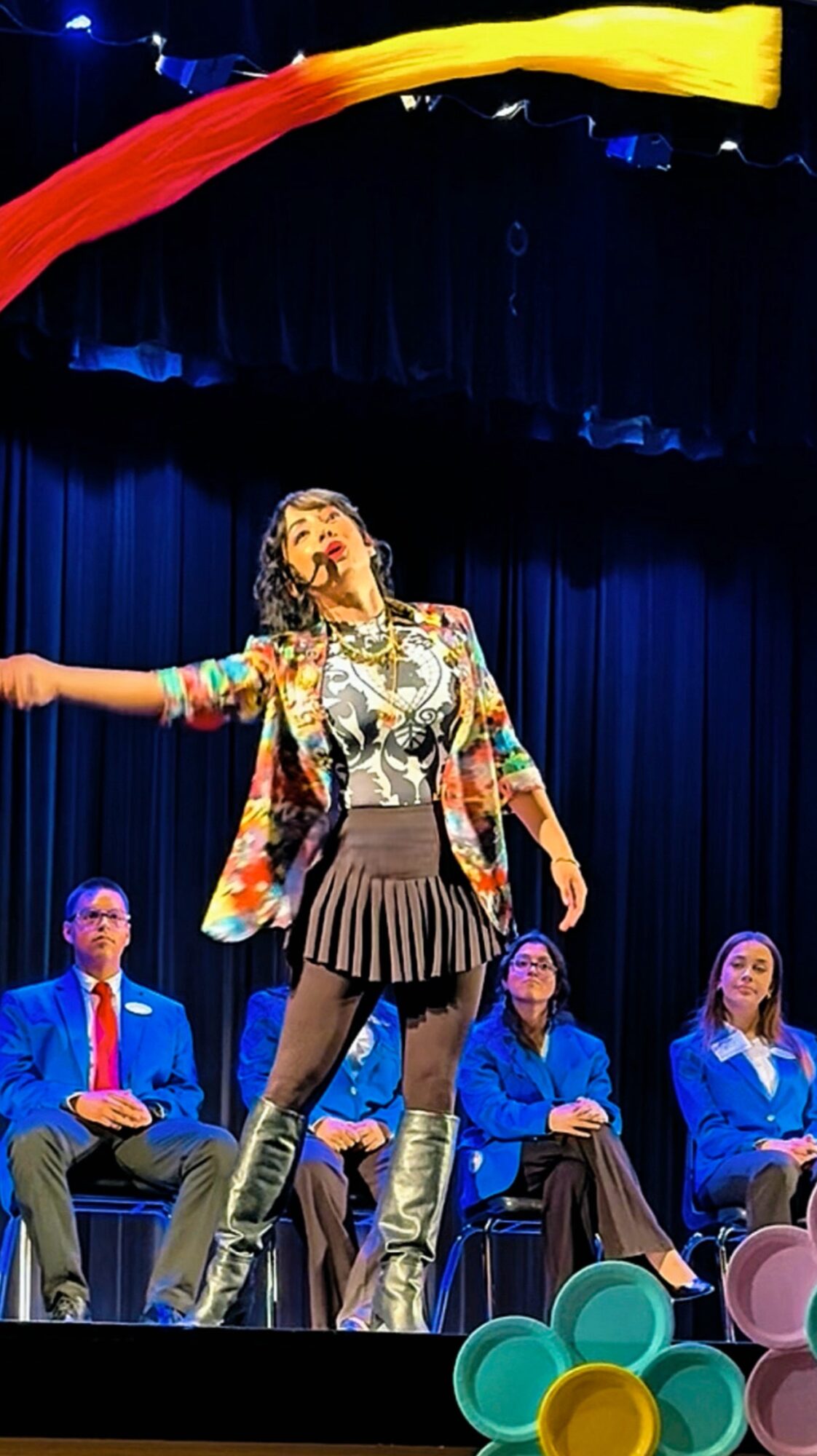
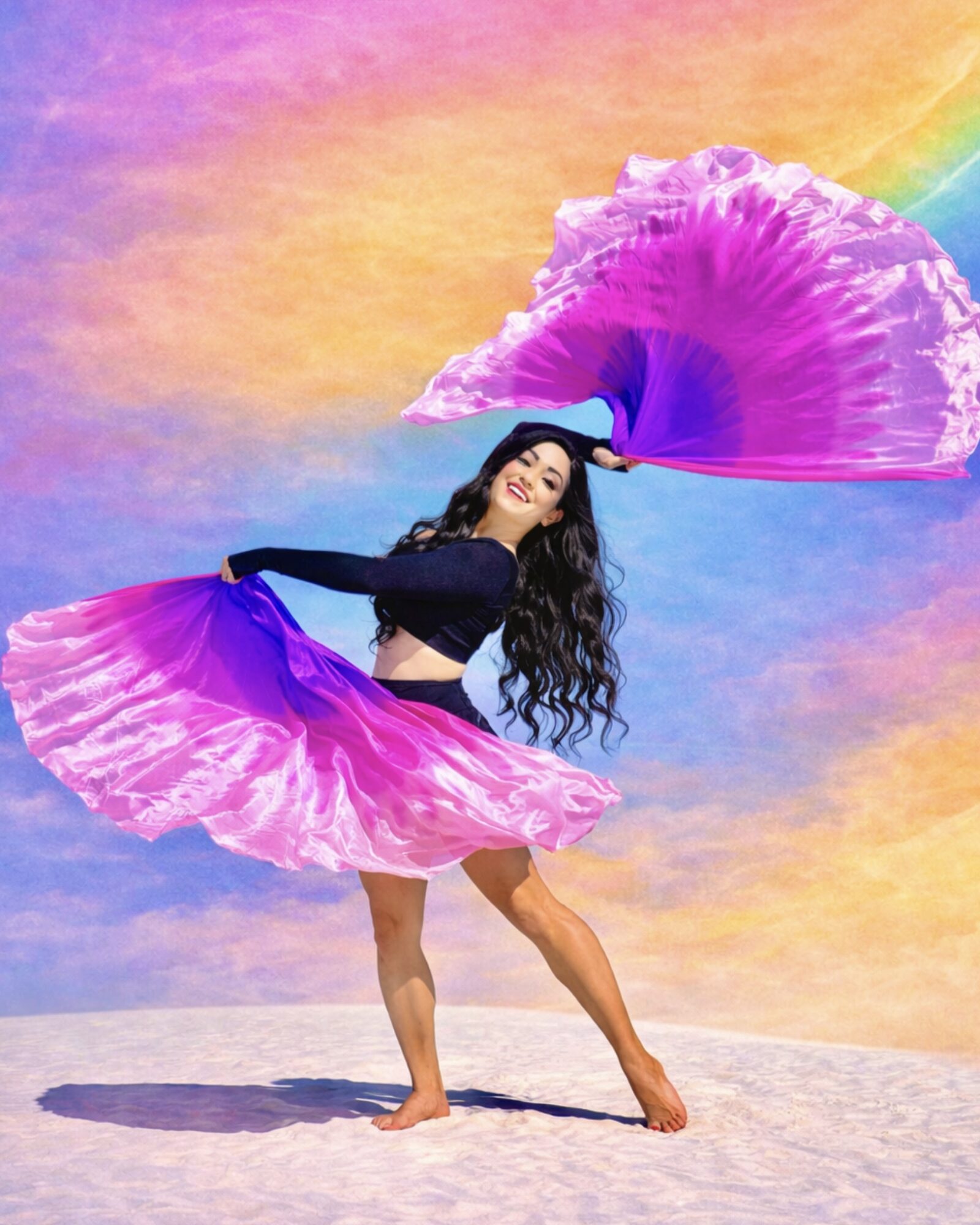
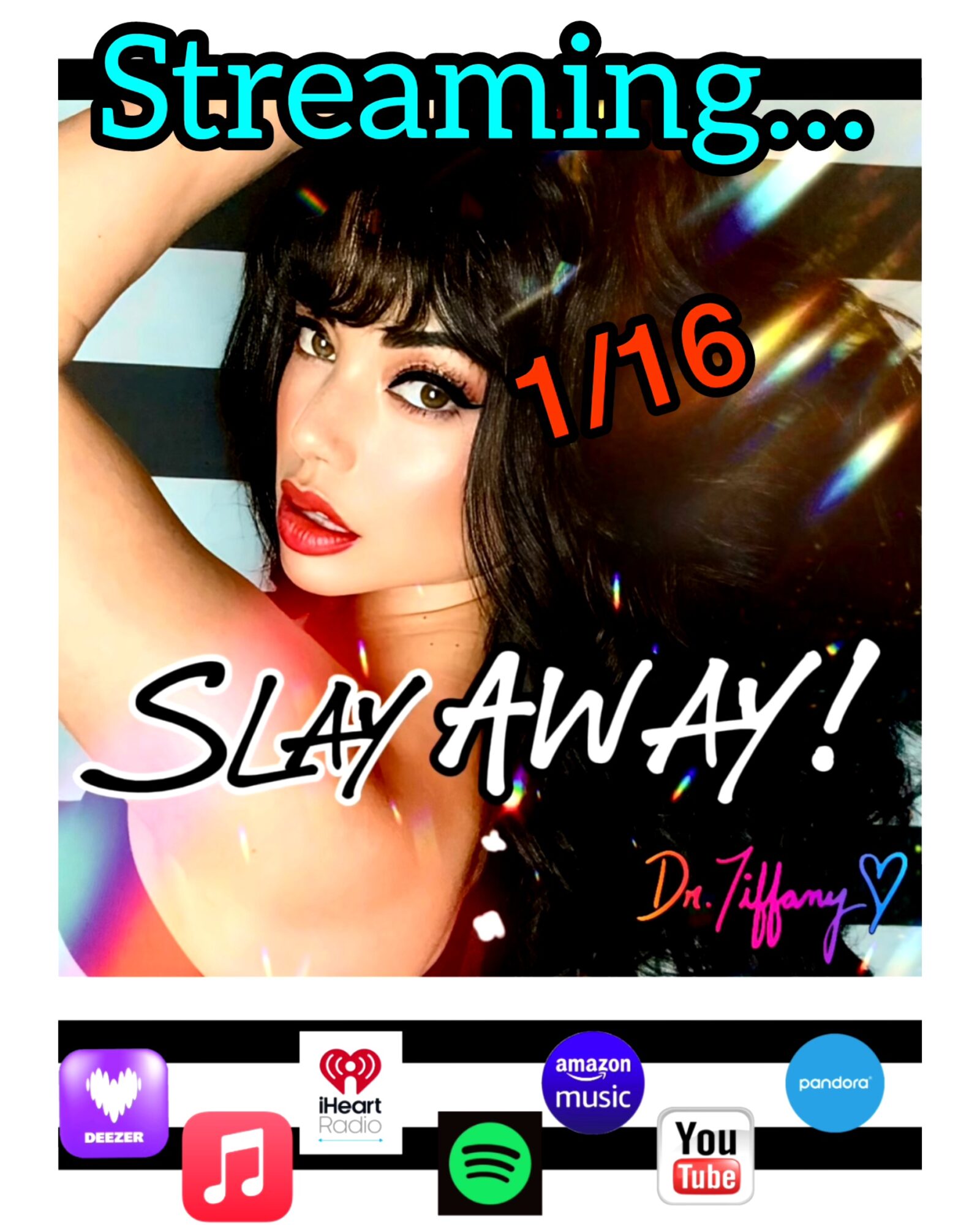
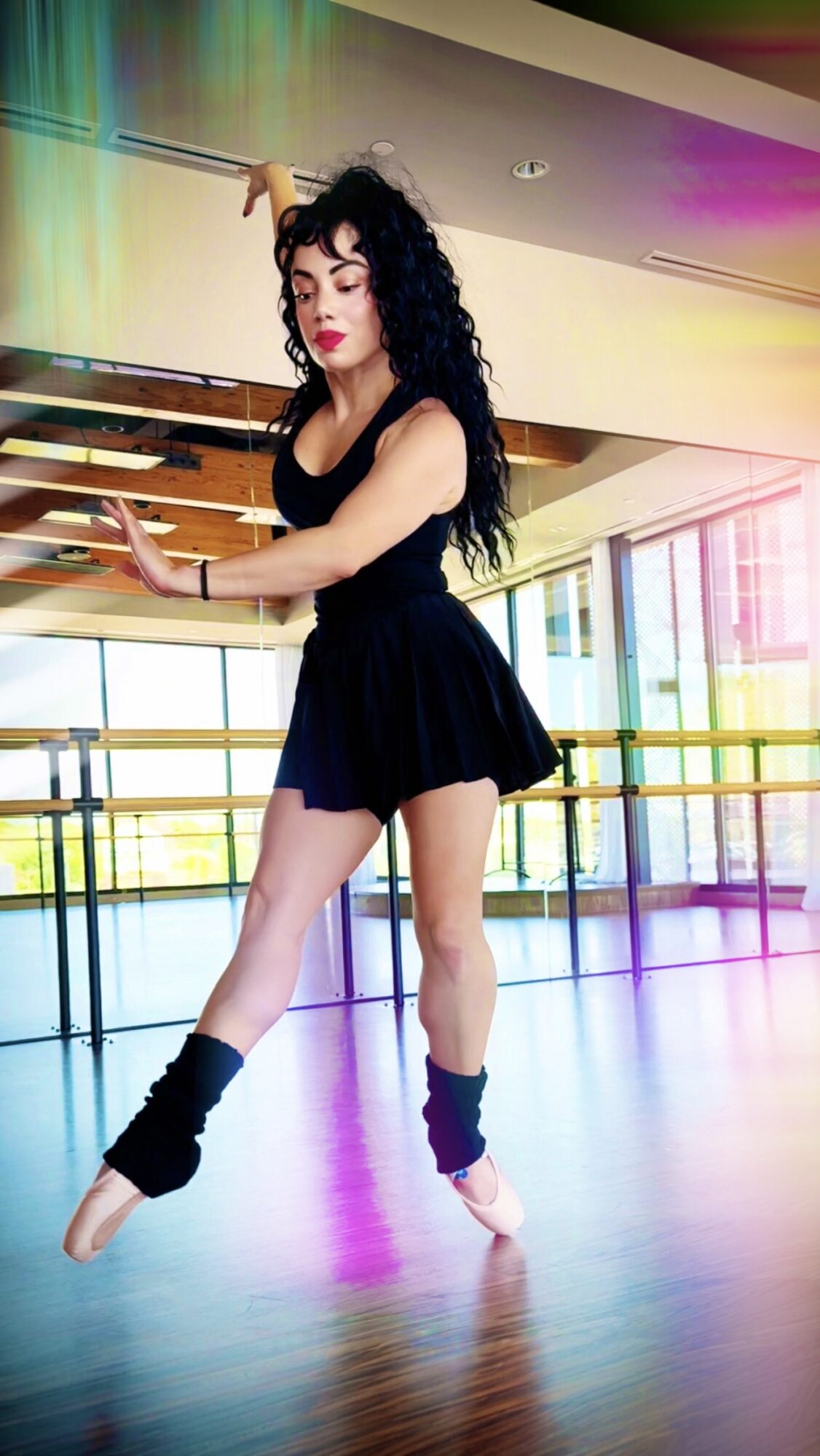
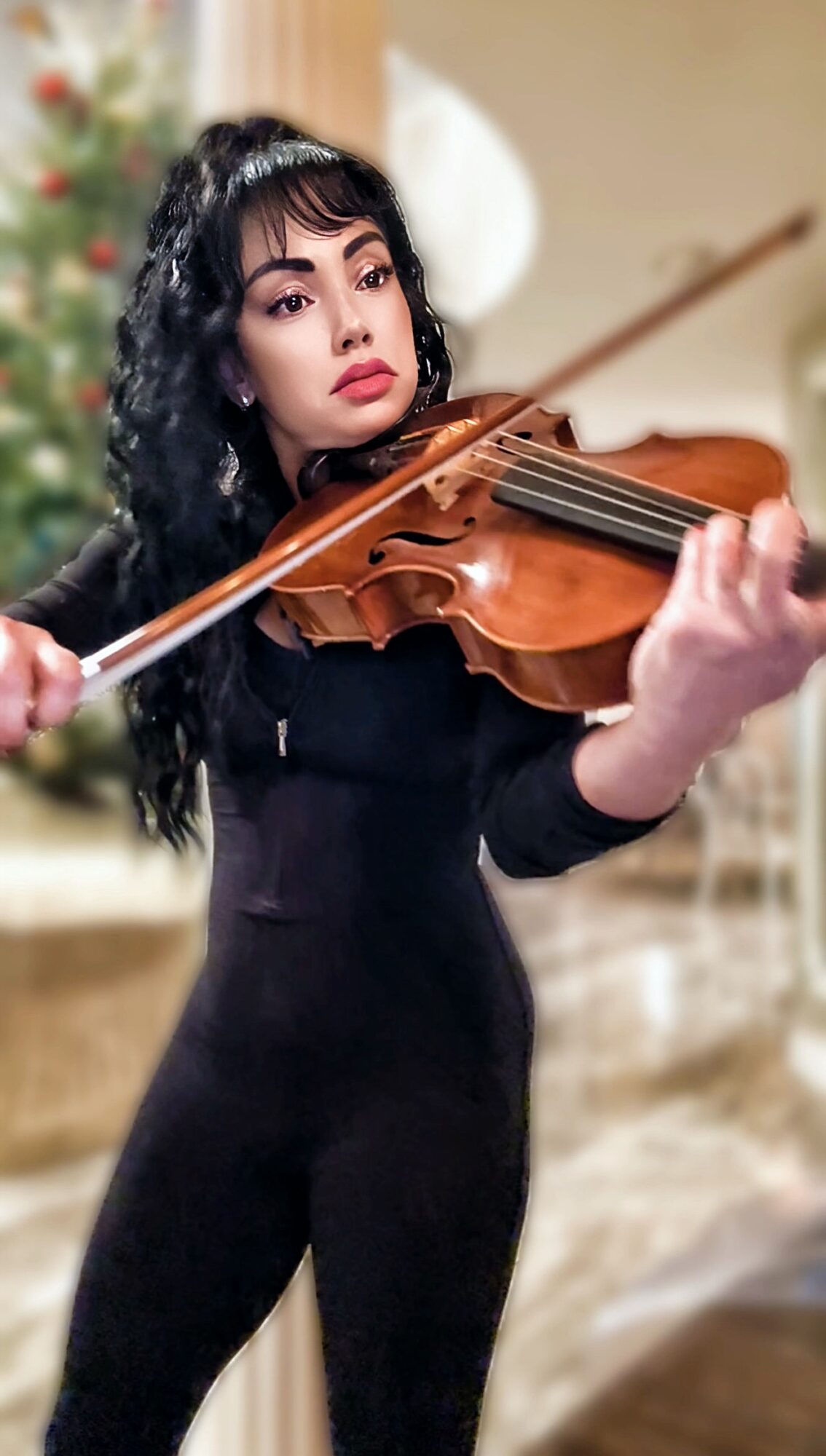
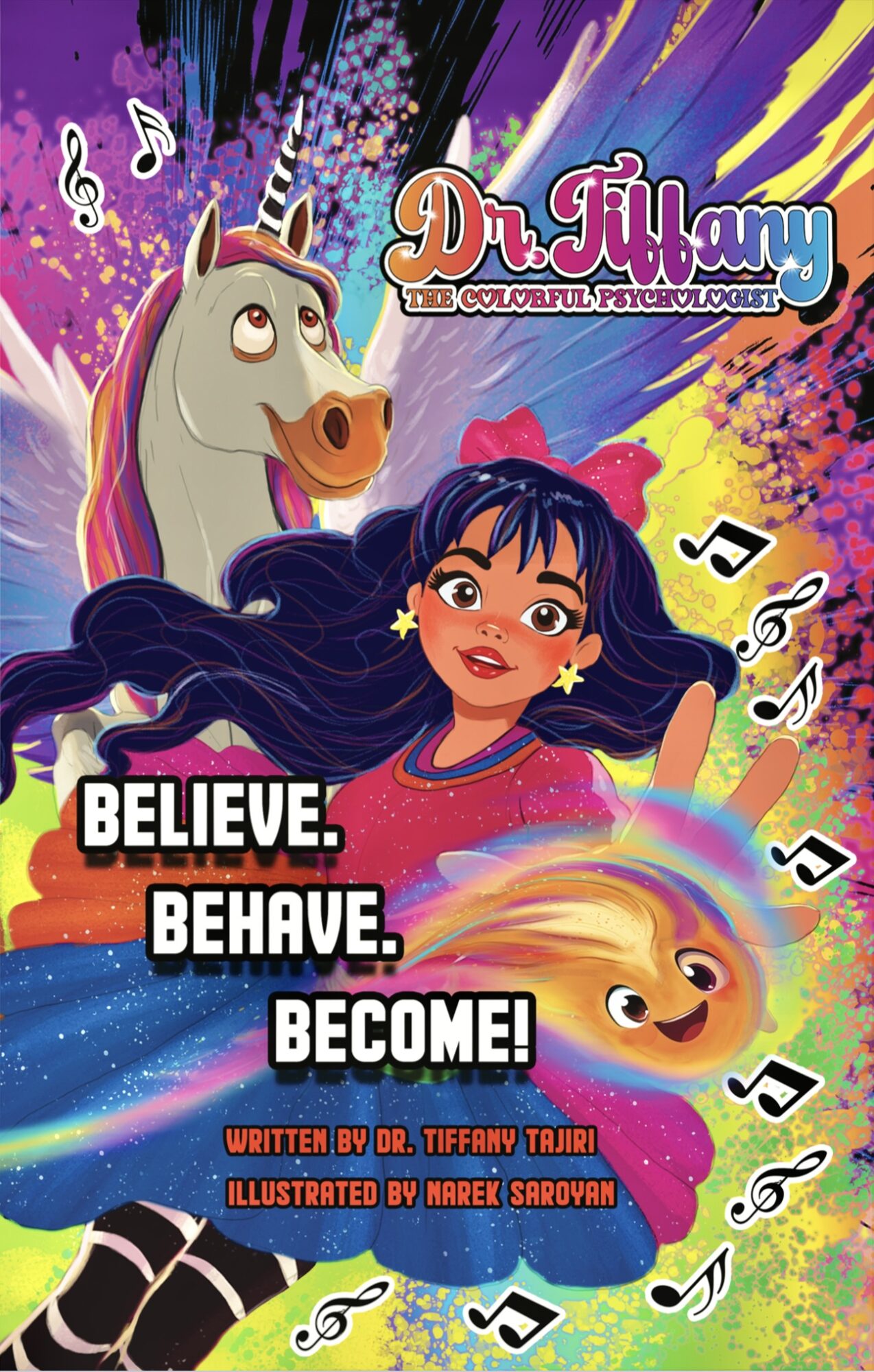
Image Credits
All mine.