


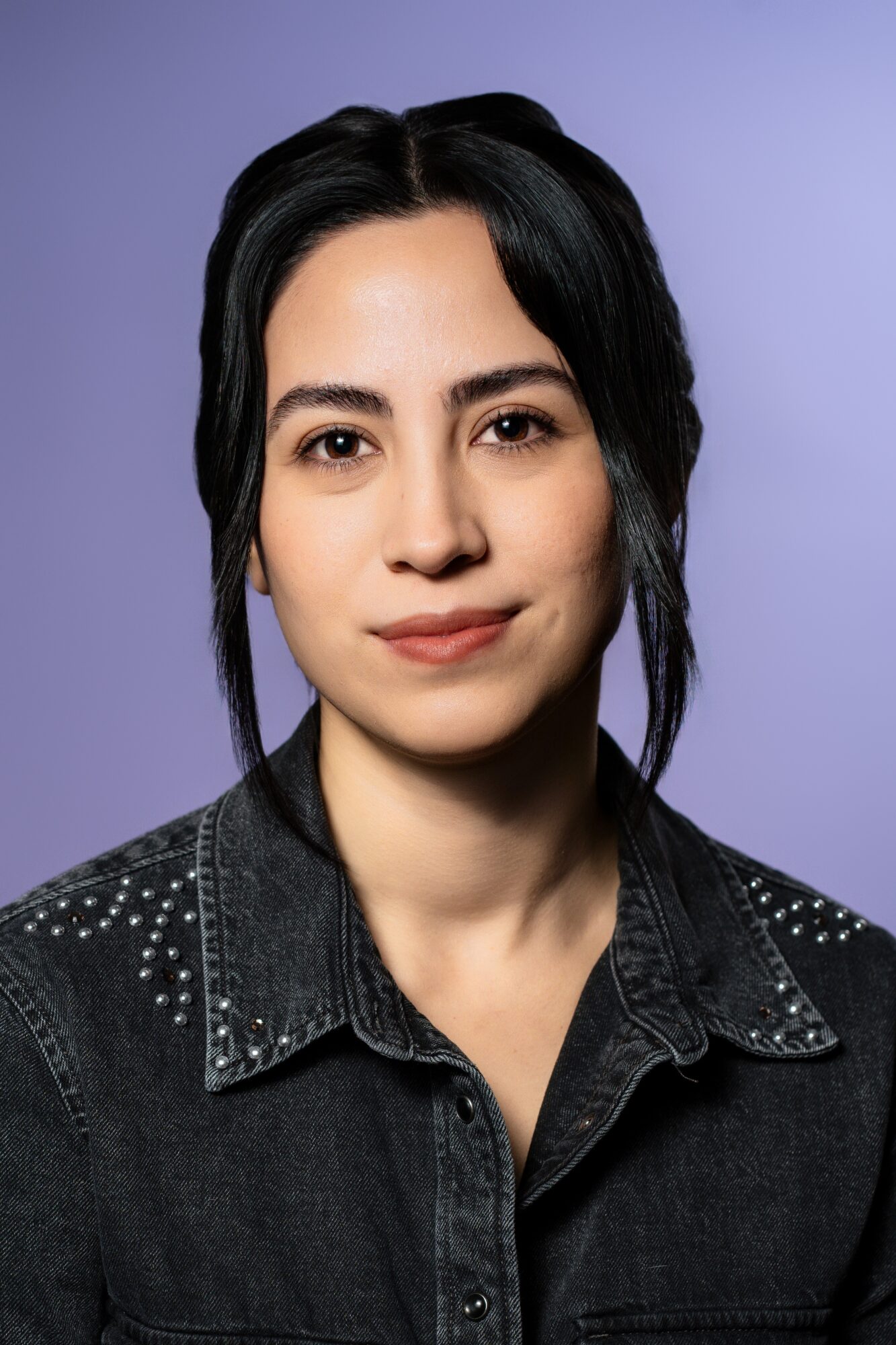
Today we’d like to introduce you to Diana Patricia Guizado.
Hi Diana Patricia, we’d love for you to start by introducing yourself.
I’m a multidisciplinary Mexican artist drawn to storytelling that explores my cultural roots in provocative, unconventional, and surreal ways with a feminist lens. I was born and raised in central Mexico. My dad is from Toluca, an hour from Ciudad de México, and my mom is from Anáhuac, a small town in Nuevo León forty-five minutes from Texas. I always felt lucky to have family in two very different lands of Mexico, to travel between them, and to hear stories about my abuelos, my tíos, and my ancestors. The mysticism that comes from inhabiting a place that’s deeply connected to its Indigenous roots, but also has a violent, unsettling history of conquest and machismo, has always been part of me. The environment I grew up in shaped who I am and the stories that matter to me.
In 2015, my parents feared raising my brother and me in an increasingly dangerous country. Thanks to my dad’s relentless work and my mom’s unintentional American citizenship (she was born in Laredo in the 60s because my grandmother didn’t want her born at her house), we moved to Austin. I was 17, and I didn’t understand the education system or what I wanted to do with this precious life. I knew I found purpose in the arts and storytelling; I’d been performing since middle school, and watching films was how my family spent time together; but I also wanted to make this world a better place for all beings. I enrolled at Austin Community College to pursue Sustainable Engineering, but an acting class with Drama Department Chair Marcus McQuirter changed my path. I realized I wanted to make an impact through performance: stories connect people, build empathy, and help us understand our humanity both in its light and darkness.
In 2016, I transferred to the University of Texas at Austin and earned my BA in Theatre and Dance. There I learned about the Latinx and Chicano theater movement that surged in the 60s from the farm labor movement. I took Latino Studies classes to learn more about my country’s history, and film classes to explore the shapes storytelling can take. I spent a semester in LA, where I studied Art as Activism under the mentorship of Dr. Omi Osun Joni L. Jones and Professor Sharon Bridgforth. My mentor Roxanne Schroeder-Arce connected me to the Indigenous Cultures Institute, founded by the Miakan-Garza band in San Marcos, where I began a transformative journey of reconnecting with my Indigenous roots and witnessed their extraordinary work to reconnect youth to their Coahuiltecan ancestry and protect our land and traditions through art and education. In the Austin theater scene, Teatro Vivo became a second home.
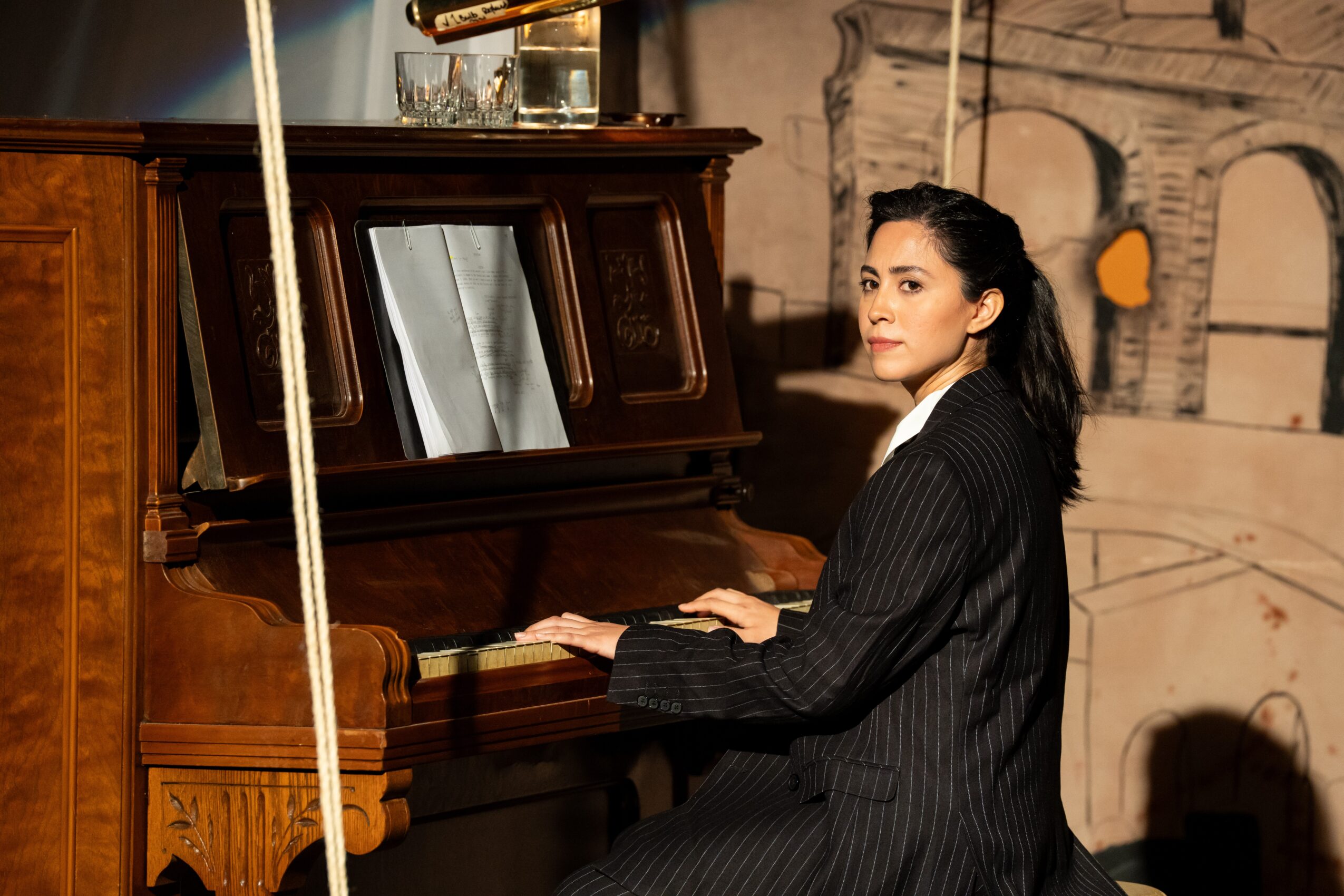
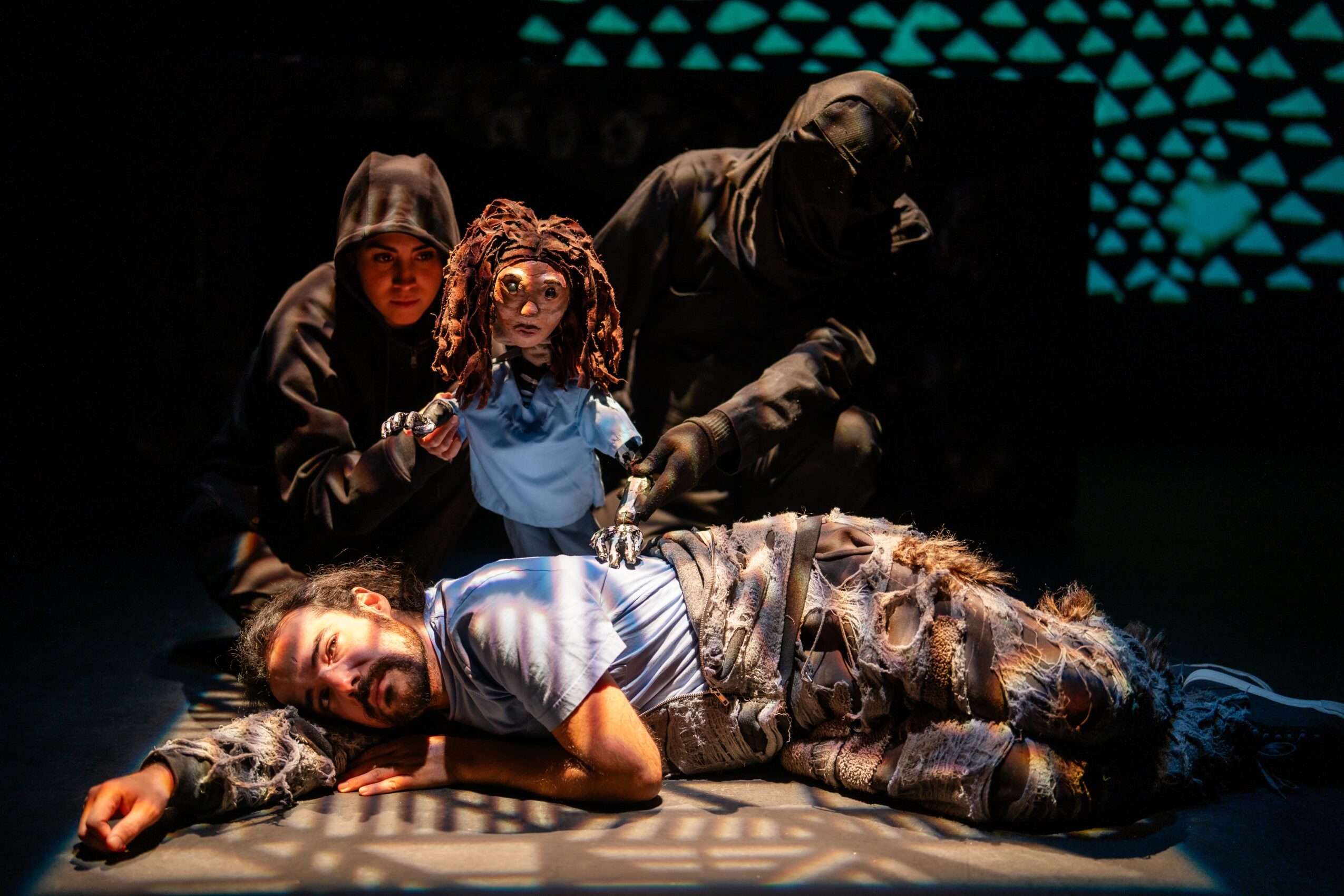
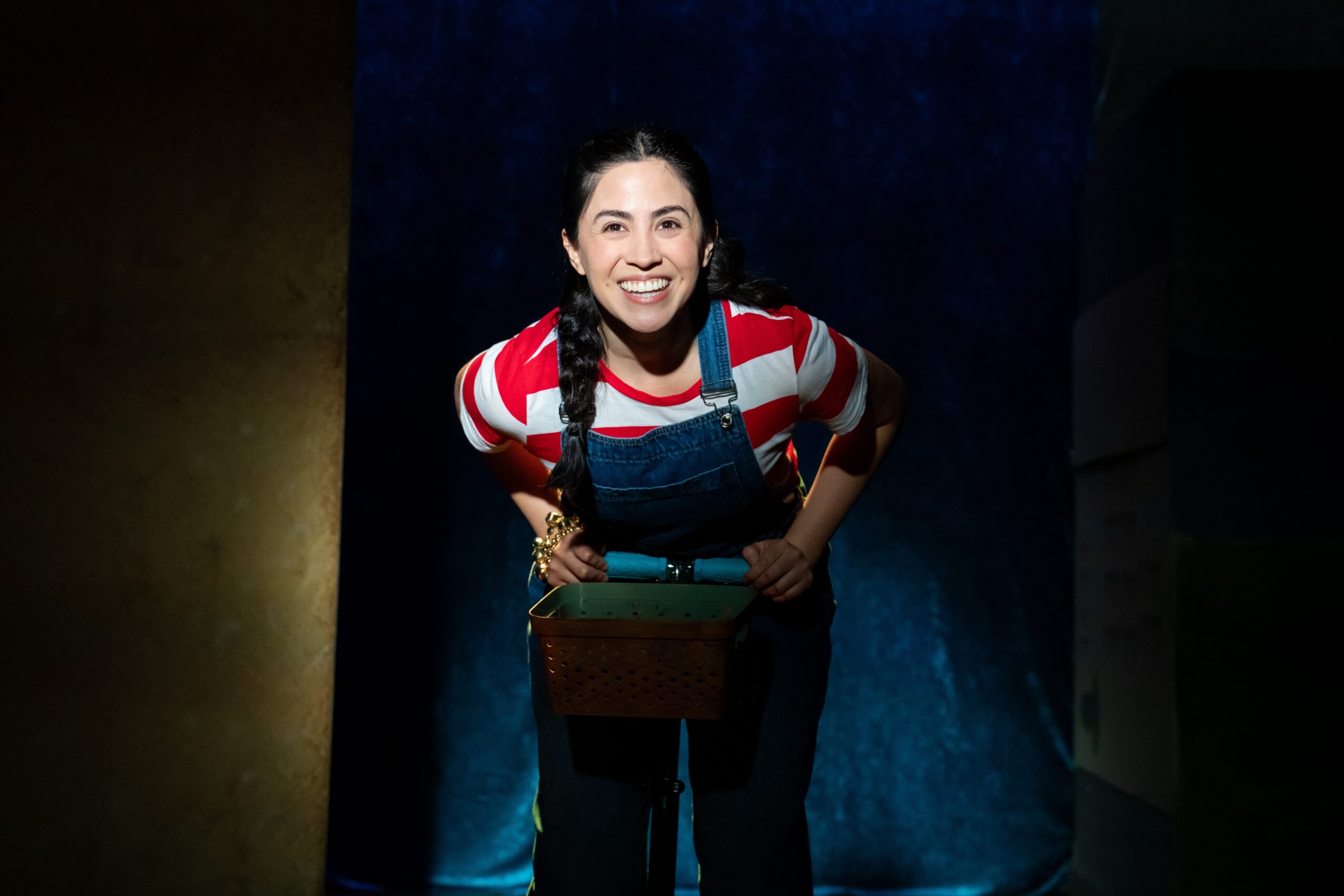
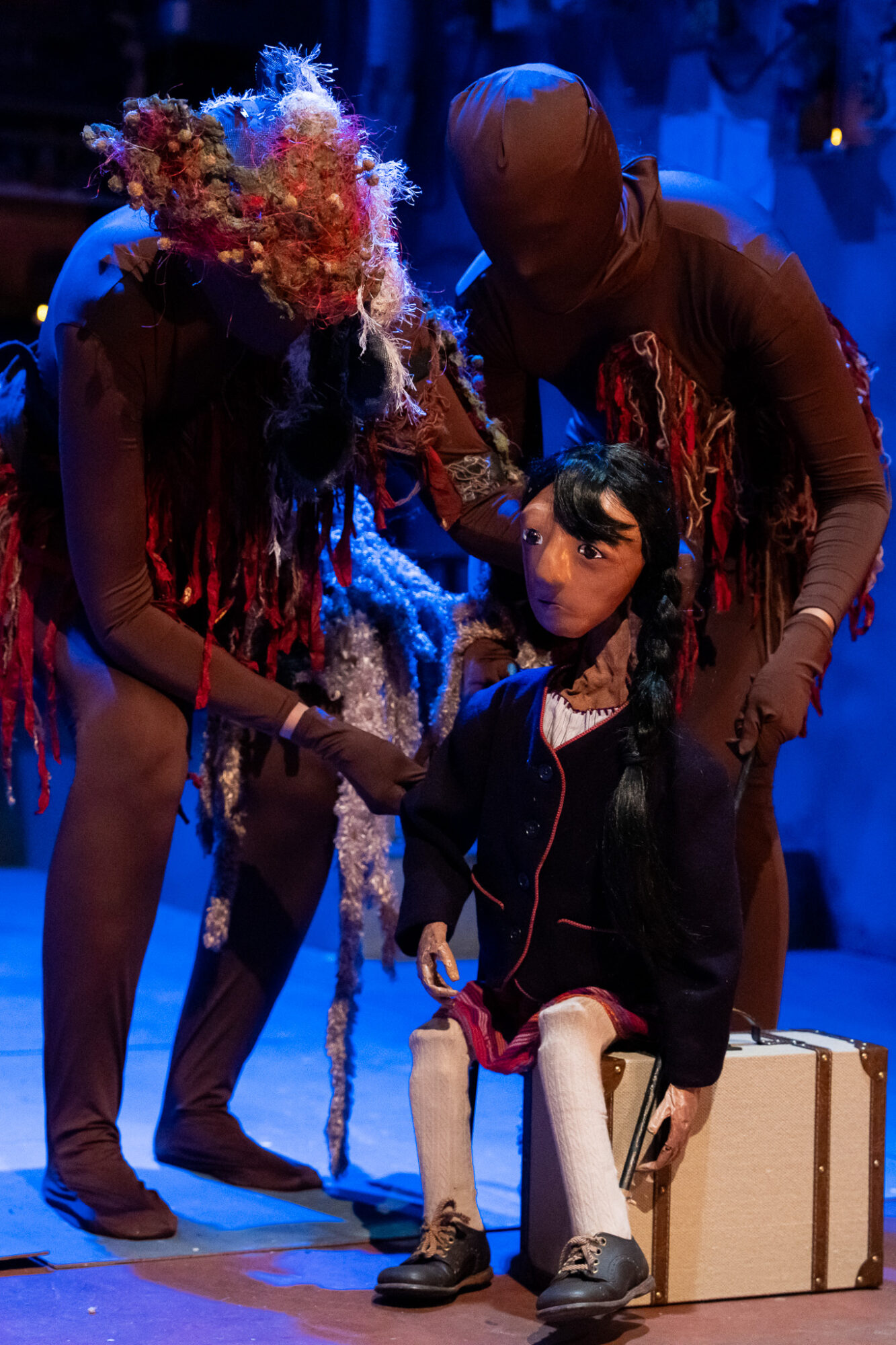
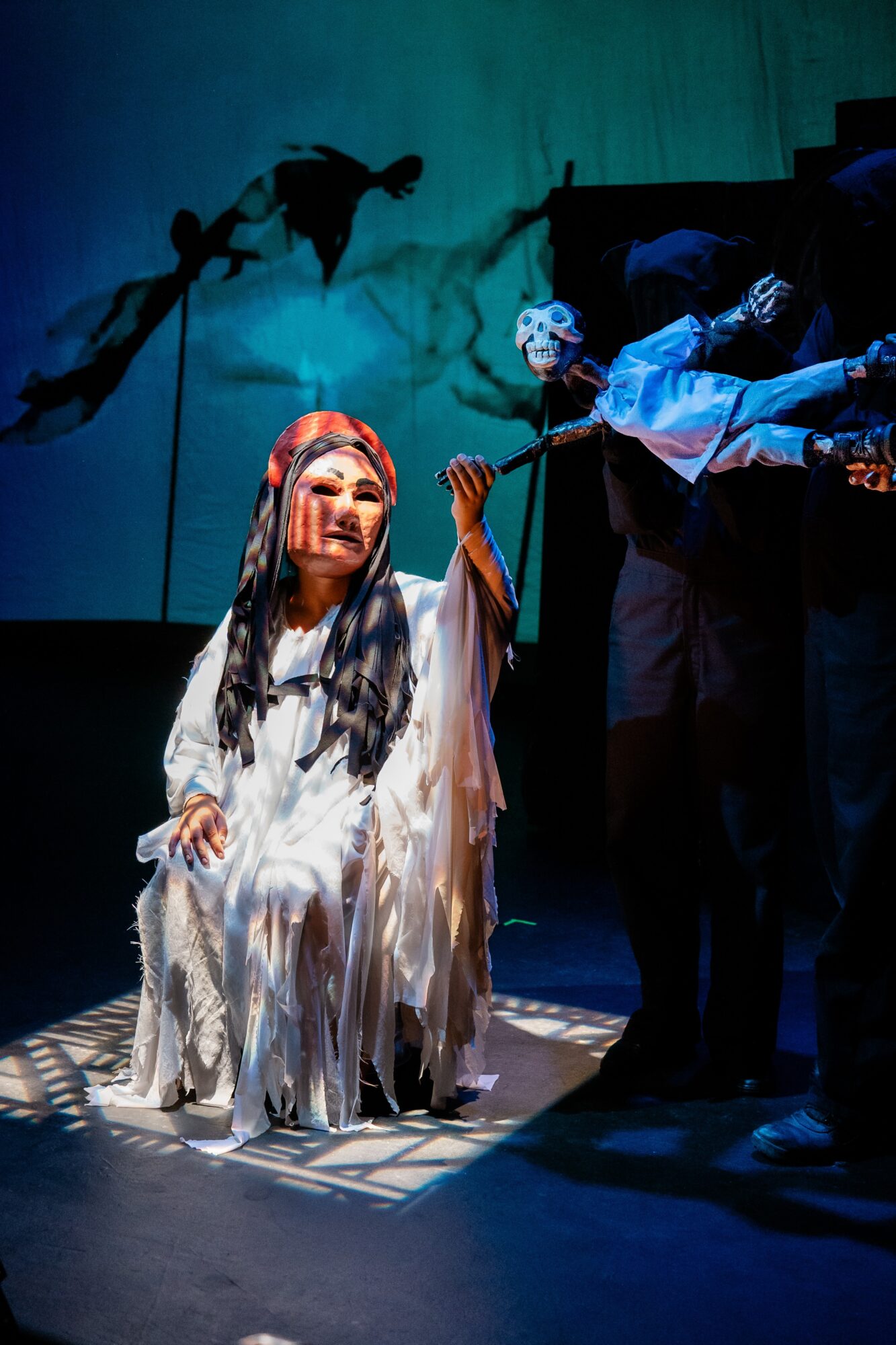
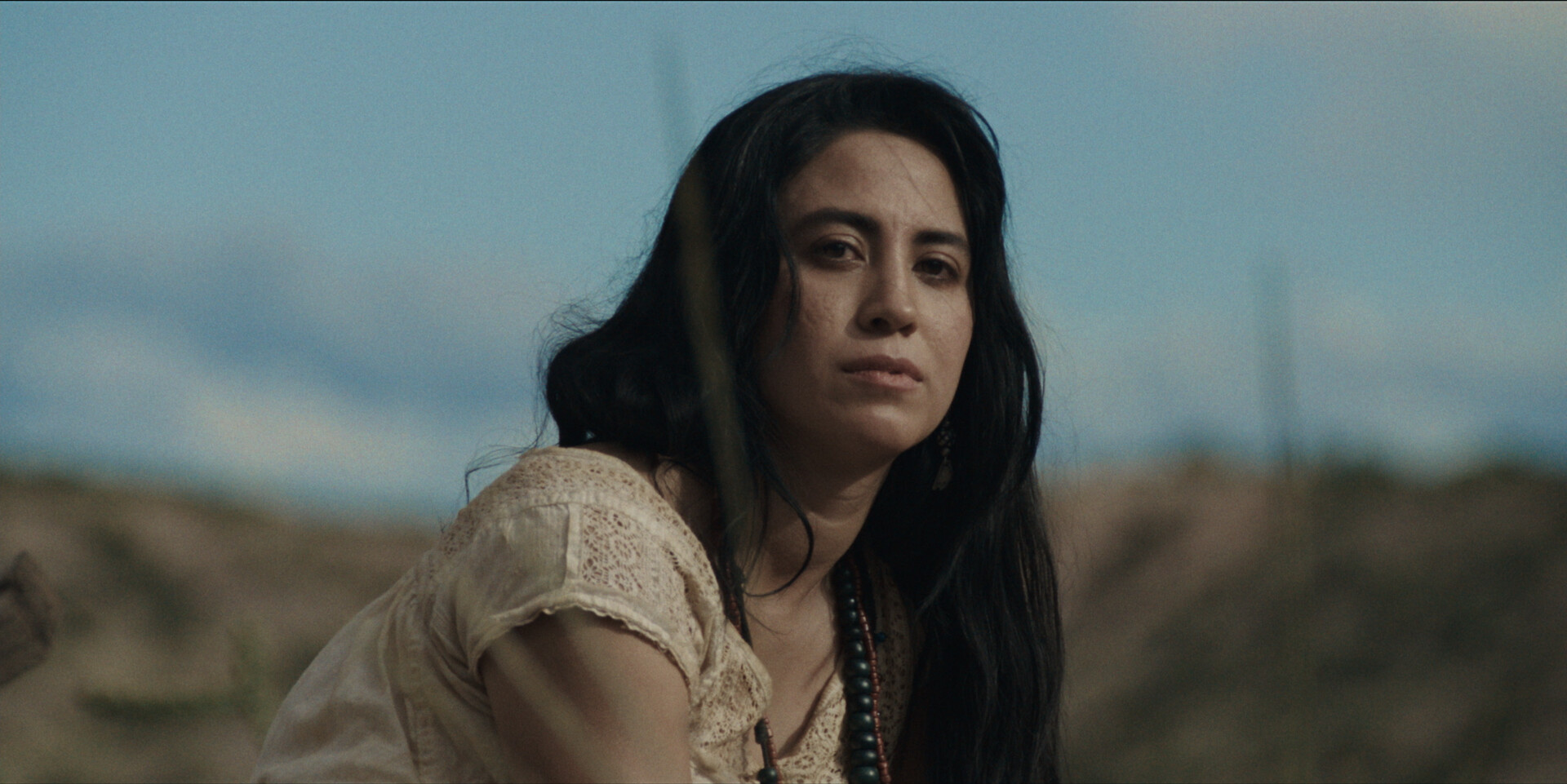
After graduating, my work was selected at the New South Young Playwright’s Festival, then I worked as a Film Administrator at Austin Film Festival and SXSW, where I became fascinated by independent cinema, and as Program Coordinator at the Indigenous Cultures Institute. I performed and directed around the city with Teatro Vivo, Glass Half Full Theatre, Ground Floor Theatre, Austin Playhouse, and Austin Shakespeare; and worked on independent short films in Austin and New Mexico. Most recently, I had the privilege of joining the cast of Yamel Cucuy, an original play about a girl navigating the physical and metaphysical violence of borders, devised by the award-winning Austin-based puppeteering company Glass Half Full Theater, to perform at the Latino Theater Company in Los Angeles for their 2026 Fall Season.
My desire to learn is insatiable (I think I got that from my dad), and I find joy and inspiration in honing my craft and meeting creatives whose work is moving, healing, and captivating. I’m grateful to have trained at the 2026 Latinx Actor Training Laboratorio, Contra-Tiempo Futuro Intensive, Urban Women Summer Leadership Institute, Double Edge Theater, BM Estudio, LAMDA, and RADA. I never take this journey for granted, and all the work that I do has been possible because of the incredible support and love of my family. I do what I do to make them proud, for my ancestors, and to offer a different narrative of my country and my people: we are here, our stories matter, our stories are beautiful and powerful.
Alright, so let’s dig a little deeper into the story – has it been an easy path overall and if not, what were the challenges you’ve had to overcome?
Moving to a different country at 17 was incredibly challenging for me and my family. Even though we had taken English classes since we were young and visited relatives on the border twice a year, nothing prepared us for what it meant to live in a culture so different from ours. We learned that our looks and the way we spoke affected how people treated us, and that our presence was not always welcome. We had to adapt to a new land, to being away from our loved ones, to a new education system, to ways of socializing and interacting that felt distant, and to new ways of communicating, writing, working, and eating that took a toll on my physical and mental health. Over the years, I’ve learned to be gentle with my body and its needs, and not to lose the warmth I grew up with in order to fit into a place. The right people will always find me, and I will find them. I’ve found my spiritual practice to be an anchor I always return to, from meditating to praying to practicing gratitude, as well as changing my habits and trying to lead a healthier lifestyle surrounded by people who bring joy to my life.
The industry I chose to be part of is incredibly fulfilling, but it can also be deeply challenging, isolating, and vicious. I’ve had to learn to embrace rejection, build resilience, and understand the sacrifices that come with pursuing a career that is so uncertain and demands so much time, energy, and emotional labor. Multiple times, I was told to get rid of my accent or alter my appearance to be more “appealing,” or simply to be palatable. Thankfully, I’ve had wonderful mentors and peers who celebrate me as I am and have helped me be proud of where I come from, of the way I speak and look, and of the identities I choose to embody. The political state of the country and the suffering of people of color are heartbreaking, but they are also fuel to keep making art that unites, builds community, and embraces the stories that most need to be heard.
Thanks for sharing that. So, maybe next you can tell us a bit more about your work?
Encountering artists from different places and backgrounds throughout my career has shaped my vision of the art I want to be part of and to create: art that tells diverse stories connected to my Latin American roots, builds and engages community, is told through a feminist lens, and pushes the boundaries of conventional storytelling.
That vision began with representation. Reading about the Latinx theater movements of the 1960s led by Teatro Campesino, performing with the bilingual company Teatro Vivo, and working with the Indigenous Cultures Institute showed me the power of seeing yourself on stage. The low percentage of Latinx representation in media and theater has since awakened in me a desire to tell stories centered on my culture, its complexities, and its beauty, and to make our voices heard.
Those stories, I learned, are most powerful when they bring people together. Through the teachings of Dr. Omi Osun Joni L. Jones, I discovered the intersection of performance and community-building, and how transformative it can be in a divided society. I am constantly dreaming and studying how the performing arts and film can reach audiences more deeply, whether by performing for schools, teaching workshops, mentoring, or building meaningful relationships with the people who support the work.
My commitment to centering women grew from my own context. At a conference at the Centro de Capacitación Cinematográfica in Mexico City, I learned about the Bechdel Test, a metric that measures the representation of women in fiction. I grew up in a country where sexism is the norm and machismo has affected countless women in tragic, violent ways. For that reason, I tell stories that put women at the forefront, especially women of color.
Finally, I want the art I’m part of to be exhilarating and unconventional, to evoke awe and wonder. The University of Texas at Austin is well known for its ‘devising theatre’ practice, an ensemble-driven, collaborative form of theater built from scratch. Taking a class with playwright Kirk Lynn and witnessing the incredible work of my peers in the program changed my perspective on what is possible: a play can be staged in a basement, throughout an entire building, or next to a stream, and it can be created solely through physical work or through a mask. Later, working with Glass Half Full Theater introduced me to puppetry and to the ancient elements that continue to bring us together to make sense of the world in visually captivating ways that invigorate our imagination.
Who else deserves credit in your story?
My deepest gratitude to the people who have been part of this journey, from my teachers to my friends to the people I met in college or at workshops; everyone has left a mark. My parents, Diana and Miguel, and my brother, Migue. My grandparents and ancestors, who have made my existence possible and who keep my commitment to a better world alive. My elders, mentors, professors, and creatives whom I greatly admire and whose guidance has been a turning point in my life: Roxanne Schroeder-Arce, Maestra Maria Rocha, Dr. Mario Garza, Dr. Omi Osun Joni L. Jones, Professor Sharon Bridgforth, Dr. Khristián Méndez Aguirre, Marcus McQuirter, Caroline Reck, Gricelda Silva, Norma del Toro, Mateo Hernandez, Daria Miyeko Marinelli, and Andrew Carlson. My beautiful Indigenous Cultures Institute family and the Austin theater community. My friends in México, who have always supported me and shown me what true friendship looks like: Azul, Lupita, Majo, Mar, Val, and Yane.
Contact Info:
- Instagram: https://www.instagram.com/diana.guizado/