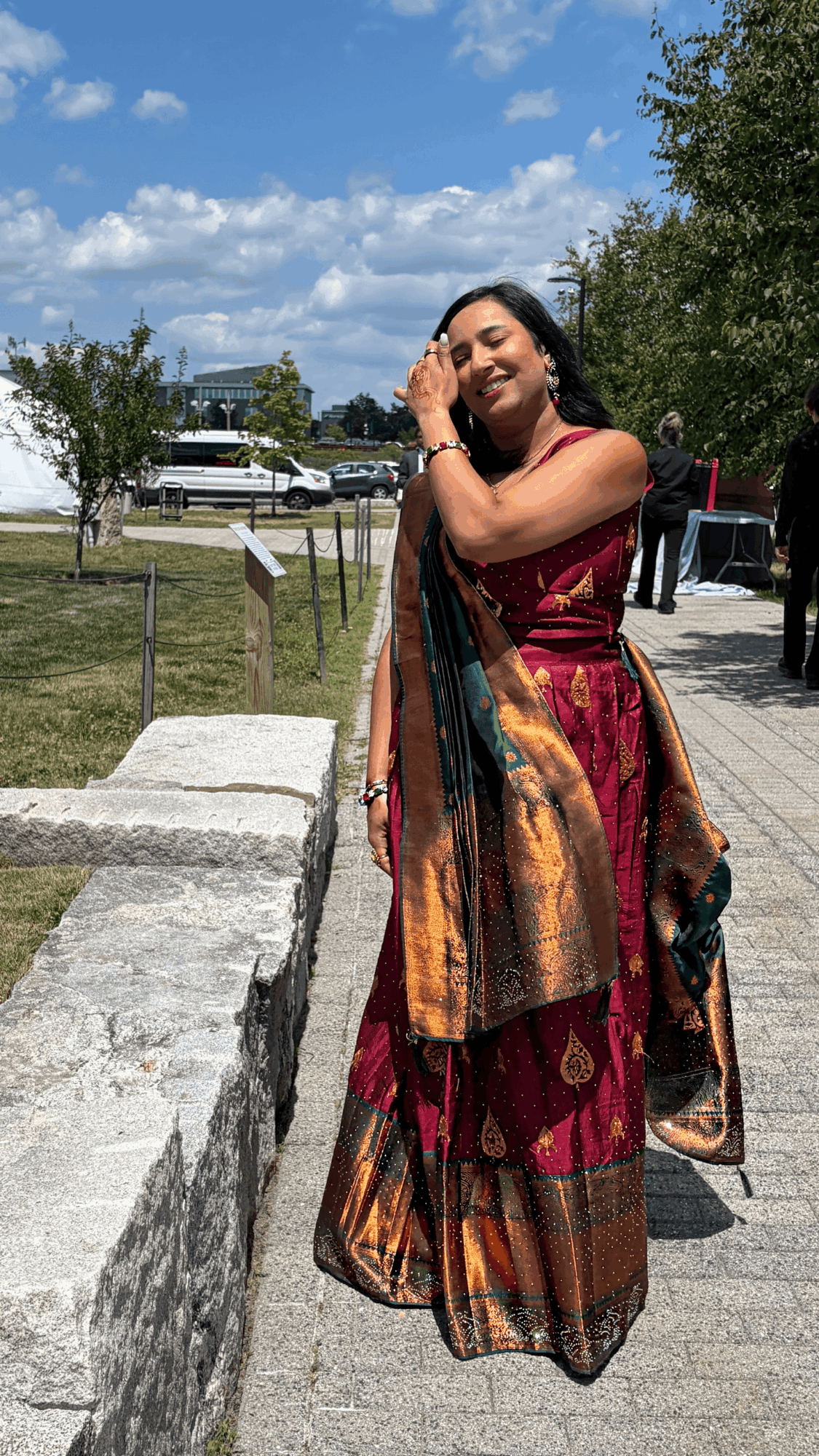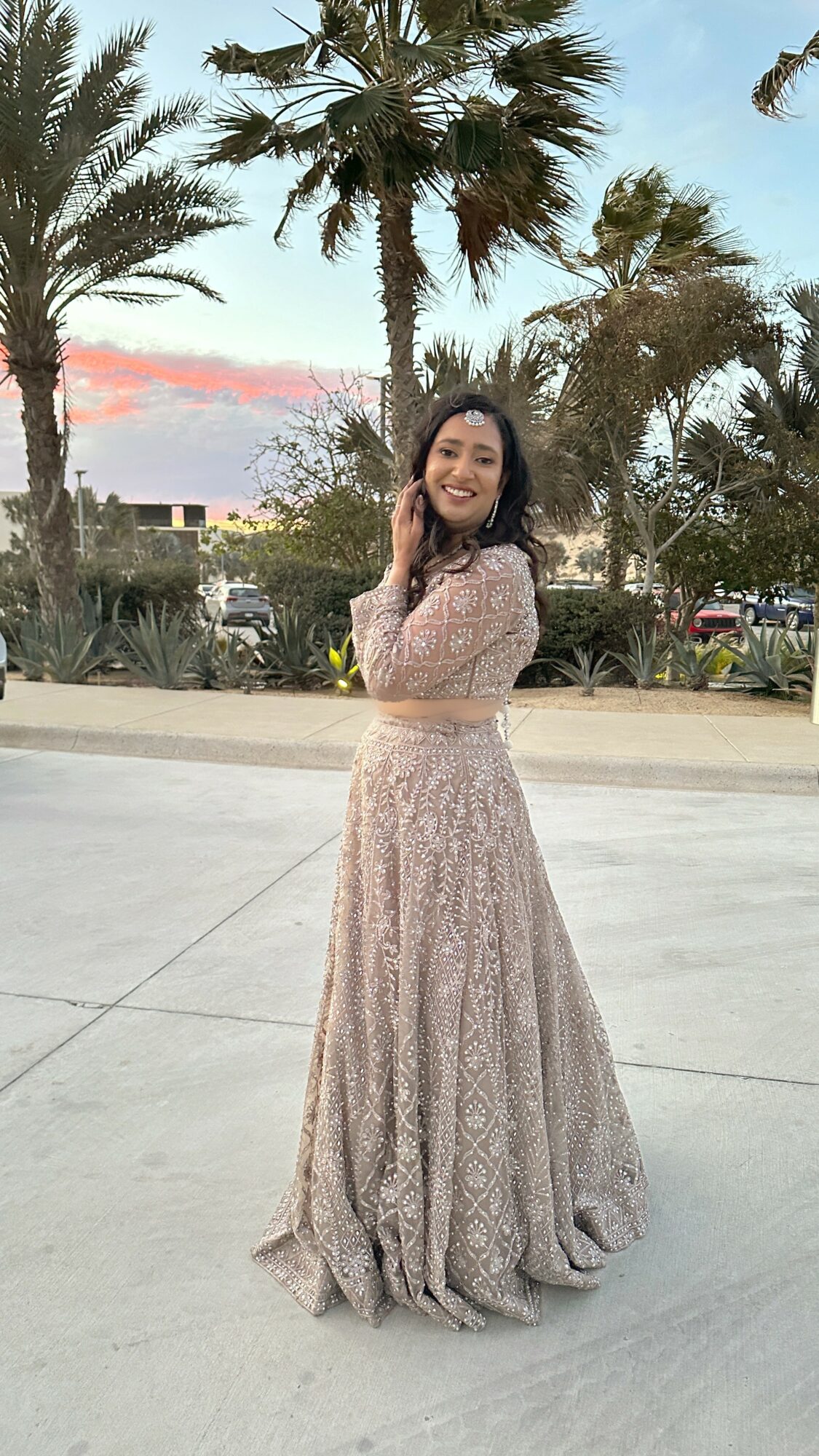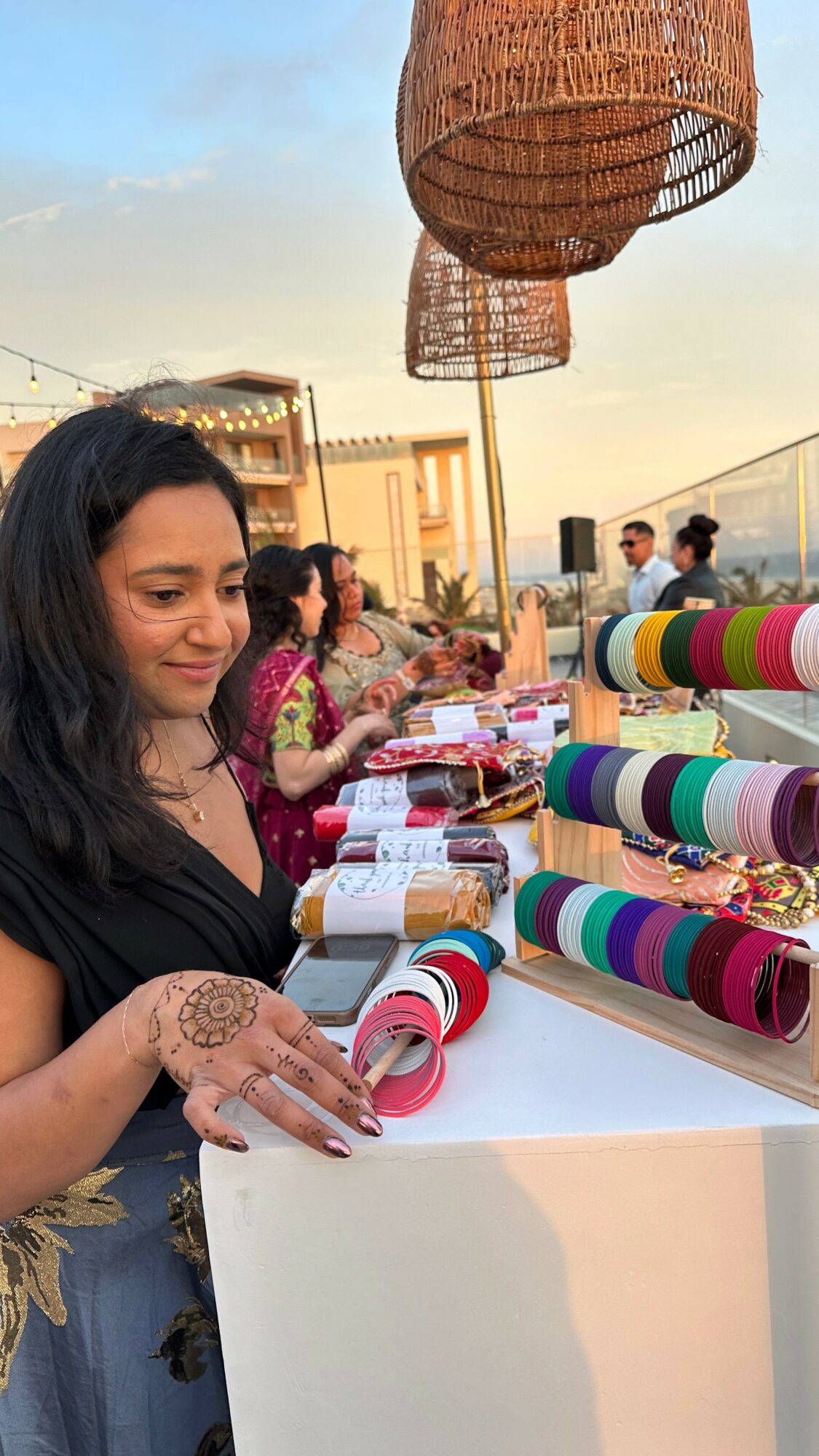




Today we’d like to introduce you to Ishani Kundaria.
Hi Ishani, so excited to have you with us today. What can you tell us about your story?
Long before I ever evaluated behavior clinically, I was obsessed with a very specific feeling: getting people to stop rushing toward the future and just be present with me. As a kid, my favorite place in the world was the zoo for that exact reason. It was one of the few places where the adults around me were forced to slow down, observe the smallest details, and actually connect without worrying about what came next. That search for genuine connection and communication has driven almost every major pivot in my life.
I grew up in Chicago as the eldest daughter of two Indian immigrants, raised in a large joint family surrounded by grandparents, aunts, uncles, and a closely entangled community. My parents worked incredibly hard to build a secure life while preserving their heritage, which I deeply respect now. But as a young girl, living inside that environment created an intense internal conflict.
There was a rigid, pre written formula for what a successful and respectable life was supposed to look like, along with heavy cultural expectations and traditional gender roles. For a long time, I wrestled with a painful disconnect between the dutiful daughter I was conditioned to be and the person I actually was. I knew I wanted something different, but going against cultural norms felt like betrayal.
My instinct was always to teach, communicate, and share what I was discovering. I joined sign language club early on and am still working toward conversational proficiency in ASL. At Loyola, I initially studied nursing before discovering Applied Behavior Analysis, or ABA, which felt like the perfect bridge between healthcare and teaching across clinics, homes, schools, telehealth, and community settings. Around that same time, my relentless curiosity led me to launch a platform sharing global trivia and life experiences, which marked the early beginnings of my journey as a content creator.
Despite finding fulfilling paths in ABA and content creation, I still needed physical and mental space to untangle myself from those cultural expectations. Moving to Austin was the ultimate turning point.
Austin gave me something I desperately needed: space to figure out who I was when nobody else was defining me. It allowed me to reconcile my internal cultural conflict and embrace my authentic self. I realized I didn’t have to reject my heritage to be free, nor did I have to blindly perform traditions out of guilt.
I started viewing my identity like a garden: I could choose which cultural roots to nourish and which weeds of expectation I needed to leave behind. Reclaiming my culture on my own terms turned what once felt like a burden into my greatest source of grounding. Today, my identity stands on three meaningful pillars: my work in the community as an ABA professional, my authentic relationship with my culture, and my growing platform as a content creator to share my journey with others.
Can you talk to us a bit about the challenges and lessons you’ve learned along the way. Looking back would you say it’s been easy or smooth in retrospect?
Definitely not. My hardest struggles weren’t external challenges; they were the internal battles I fought with my own identity.
Growing up inside a traditional community, stepping outside established boundaries takes a psychological toll. When I chose nursing, I was the first person in my circle to do so, and I faced jokes and skepticism about why I wasn’t becoming a doctor instead. I saw the same hesitation when I pursued ABA and later when I stepped into content creation. People feared what they didn’t understand, and for a long time, I carried the heavy pressure of feeling like my choices were disappointing the people I loved.
The biggest struggle was unlearning the cultural shame and guilt associated with choosing a different path.I spent years feeling torn between two worlds. I loved my family and my heritage, but I hated the rigid standards, community judgment, and gender expectations that came with them. For a long time, I couldn’t tell if I was unhappy with who I was or just exhausted from trying to fit into a mold that was never designed for me.
Moving to Austin gave me the distance I needed to process that tension, but my clinical work in ABA gave me the actual tools to work through it.In ABA, we are trained to look past surface behavior and ask why: What is the underlying function? What is maintaining this? I began applying that exact clinical lens to my own internal life. I started questioning long held beliefs: Why do I feel guilty for wanting something different? Why do I follow this tradition? Is this belief giving me life, or am I just performing it out of habit? That process wasn’t easy, and asking those questions created uncomfortable moments. But it taught me that questioning tradition is not the same as rejecting your culture. Once I stopped reacting out of fear and started looking at the why, I was able to unlearn the shame, pull out the weeds of expectation, and build an authentic relationship with my roots.
Thanks for sharing that. So, maybe next you can tell us a bit more about your work?
My professional background is in Applied Behavior Analysis, or ABA, where we focus on understanding why behavior occurs to teach functional skills that expand independence and quality of life.
What drives my clinical work goes back to that early passion I had at the zoo for present moment connection. I take that desire for meaningful connection and turn it into helping my patients connect with their environments and caregivers. When a child learns to communicate a need or share a present moment with their family for the first time, it opens up an entirely new world for them. Watching a caregiver realize their child has found a way to truly connect with them is what I am most proud of.
Where my clinical expertise and personal journey converge is in South Asian representation within behavioral healthcare.
Because I personally walked the road of resolving my internal cultural conflict and unlearning stigma, I turned that experience into a tool for community advocacy. Developmental diagnoses within South Asian communities often carry heavy cultural shame and silence. I spend time in South Asian community groups demystifying ABA services so families have someone who understands their cultural nuances, family dynamics, and fears without judgment. Helping a family realize that seeking support isn’t a failure is deeply meaningful to me.
Outside of clinical work, content creation became an unexpected tool for my own personal growth. Creating content forced me to build confidence in publicly displaying who I am and what I believe in, without hiding behind expected molds. More than that, it connected me with people across my community who had completely different upbringings and perspectives, which continuously helped shape and expand my own worldview.
Through content creation and the community I built, I was exposed to something I didn’t even realize I was seeking: a community of my own choosing, one that I genuinely align with and actively participate in.
What sets me apart is how these aspects of my life inform one another: ABA taught me to observe, ask why, and help others connect. Cultural Advocacy allows me to use my internal journey to heal stigma for others. Travel taught me to experience the world deeply. Content Creation gave me the confidence to share my authentic voice and build real community.
How do you think about happiness?
Curiosity, authentic connection, and being present make me happy.
I am happiest when I am discovering something new or fully observing my surroundings. That stems from childhood visits to the zoo or the beach: places where I could slow down, pay attention, and force myself and those around me to stay in the present moment instead of rushing toward what comes next. When I travel now, stepping into unfamiliar territory forces me to tune in fully to understand the history, food, values, and environment that shape a place.
I’m also deeply happy when my work creates real world meaning:
Helping a patient connect to their caregiver and open up a new world of communication.
Guiding a South Asian family through a diagnosis with clarity and compassion instead of cultural shame.
Connecting with people in my community who share different perspectives and help expand my own.
Hearing from someone online who feels represented or inspired by a story I shared.
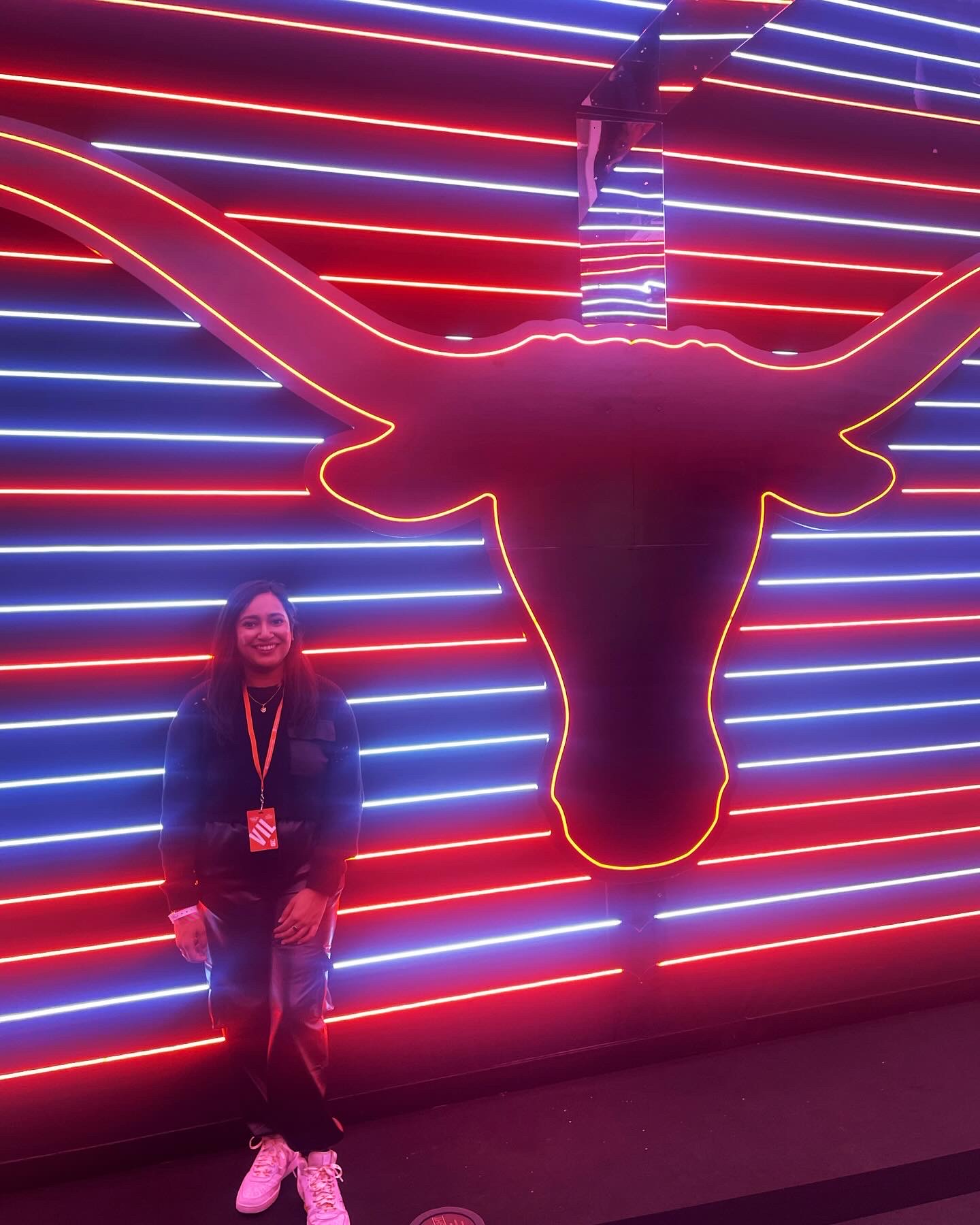
On a daily level, I thrive on simple pleasures: getting absorbed in a great book or show, finding my new go to favorite coffee shop, drawing, writing, making friendship bracelets, exploring Austin’s food scene, curating the perfect pool playlist, planning trips, and watching the Texas Longhorns win (Hook Em).
Ultimately, what makes me happiest is the internal freedom I have gained.
For a long time, I thought success meant following the pre written checklist I was handed. Reconciling my internal cultural conflict taught me that I don’t have to choose between honoring where I came from and becoming who I want to be. I can be an Indian American woman, an eldest daughter, a clinician, a creator, a traveler, and an advocate all at once.
I spent a long time trying to figure out who I was supposed to become. Now, I am much more interested in discovering who I can become. Having the freedom to keep asking why, keep building a community, and keep evolving: that is what makes me happiest.
Contact Info:
- Instagram: https://www.instagram.com/ishanikundaria/
- LinkedIn: https://www.linkedin.com/in/ishani-kundaria-96a85b235
- Other: https://www.tiktok.com/@atx.ishani