


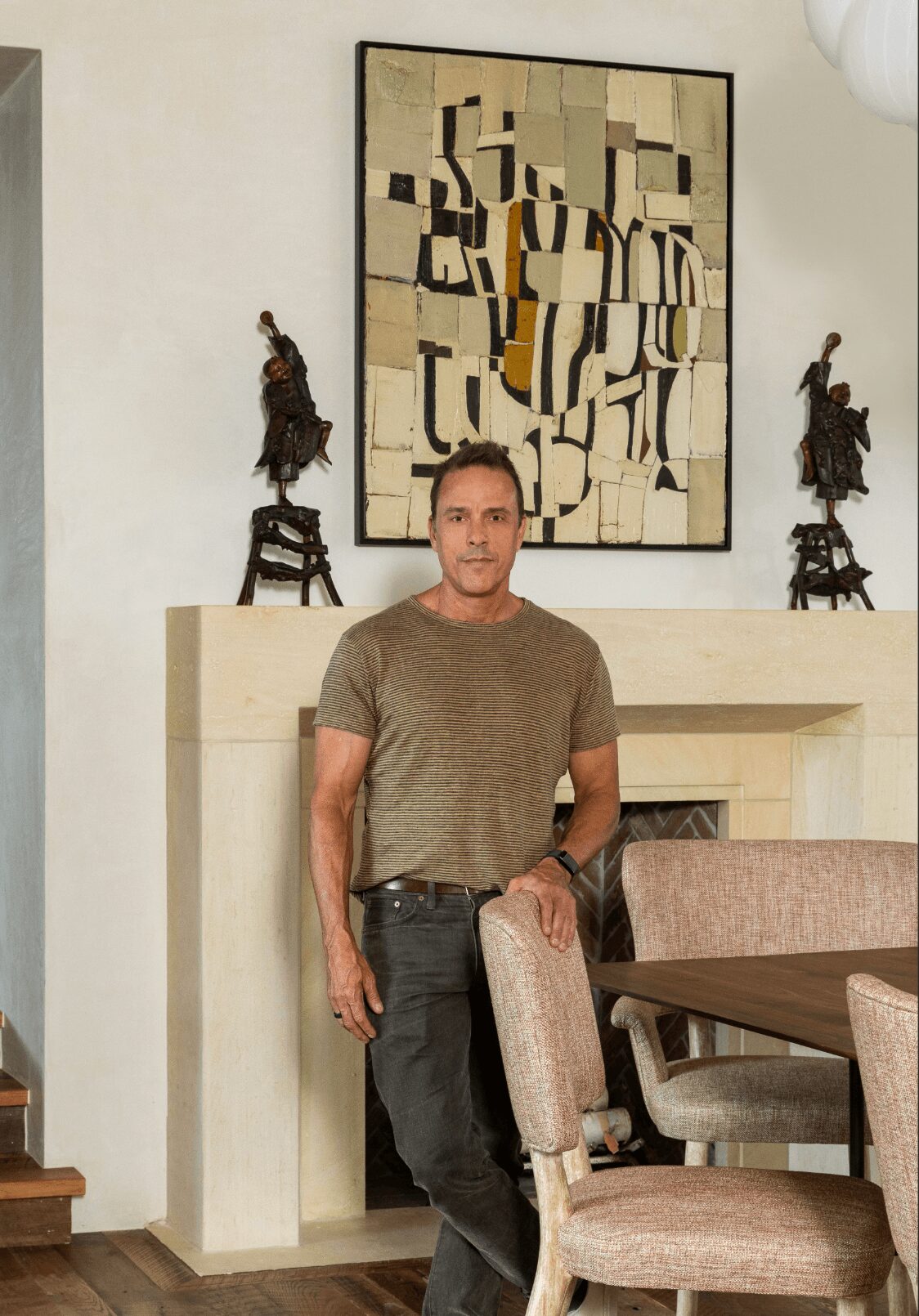
Today we’d like to introduce you to Mark Cravotta.
Hi Mark, we’d love for you to start by introducing yourself.
I’ve been making things with my hands as long as I can remember. Jewelry, ceramics, textiles woven by hand on a loom, cars rebuilt from the frame up. Long before I called myself a designer, I knew how things were actually put together.
I moved to Austin in 1985 and founded Cravotta Interiors in 1996. The firm started as a drapery workroom. Every piece made and sewn in-house. The tools and the business have evolved since then, but the maker’s eye is still at the center of everything we do.
That background isn’t biography. It’s methodology. When you’ve made things yourself, you can see the difference between what was done right and what was done fast. You can see where a maker’s hand is present and where it isn’t. You stop being willing to accept almost right.
Cravotta Interiors today is a team of seven in East Austin. We work on residential and boutique hospitality projects nationwide, from Austin and across Texas to Montana to New York. Many clients have hired us across multiple homes and multiple chapters. The space is what they hire us for. The relationship is what stays.
The work has been recognized along the way. Veranda, The Wall Street Journal, Luxe Interiors + Design, 1stDibs Introspective, Galerie, AD Pro, around thirty other publications over three decades. But the recognition I care most about is the one that doesn’t make magazines: clients who come back to us fifteen years later, work from the early years that still holds.
I design the same way I live. With a maker’s eye, a long memory, and a standard that doesn’t change.
I’m sure it wasn’t obstacle-free, but would you say the journey has been fairly smooth so far?
Smooth would be the wrong word. No serious creative practice is smooth, and a thirty-year run guarantees you’ll meet every kind of weather.
The early years asked the hardest questions. Building a firm in Austin in the late nineties, before the city was what it is now, meant educating clients about what design at this level actually involves. Why the right thing takes time. Why custom is different from custom-looking. Why the best result is rarely the fastest one. That work isn’t behind us. We still have it with every new client. The form just keeps evolving.
The 2008 recession was a brutal stretch. The firm contracted hard. For a period it was just me and a part-time bookkeeper, working from my house. Rebuilding from there took everything I had. But the work that came next is some of the best we’ve ever done. It’s also when Cravotta Interiors became a real business, not just a design practice. The standard stayed the same. The infrastructure underneath it grew up.
Building a team is its own long road. Finding people who can hold the standard, who actually see the difference between right and almost right, who can carry it consistently across years and projects. That takes patience. The team I have now is the result of decades of that work, and I’m not casual about it.
The deeper question, after thirty years, isn’t how to keep going. It’s how to keep dreaming. I’m a builder by nature. The questions that interest me are how do we do this better, how do we think about it another way, how do we create real value, what are we missing. Settling is the one thing I can’t do and still want to come to work. Continuing to dream on behalf of each new client is the thing that keeps the work alive.
Thanks for sharing that. So, maybe next you can tell us a bit more about your business?
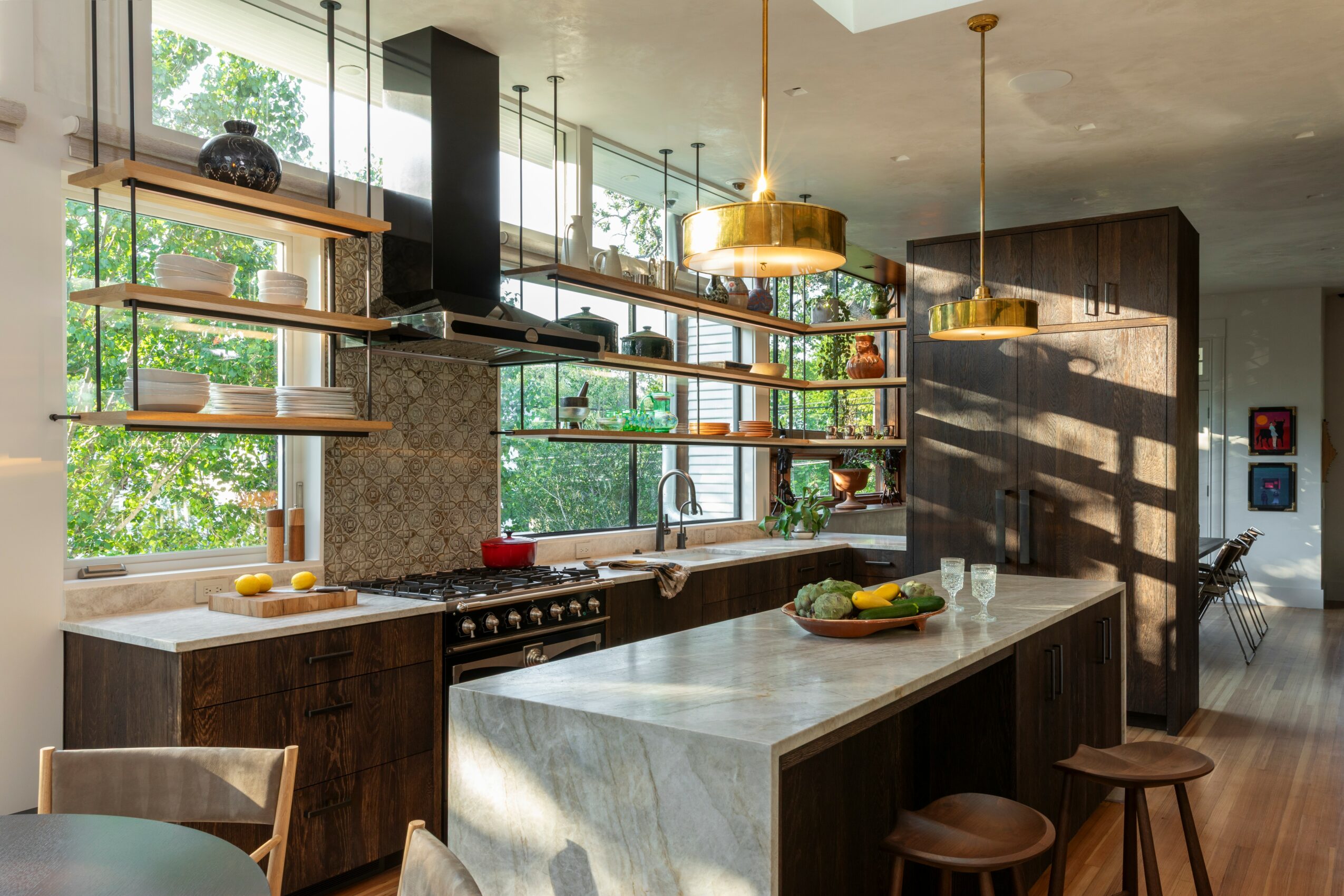
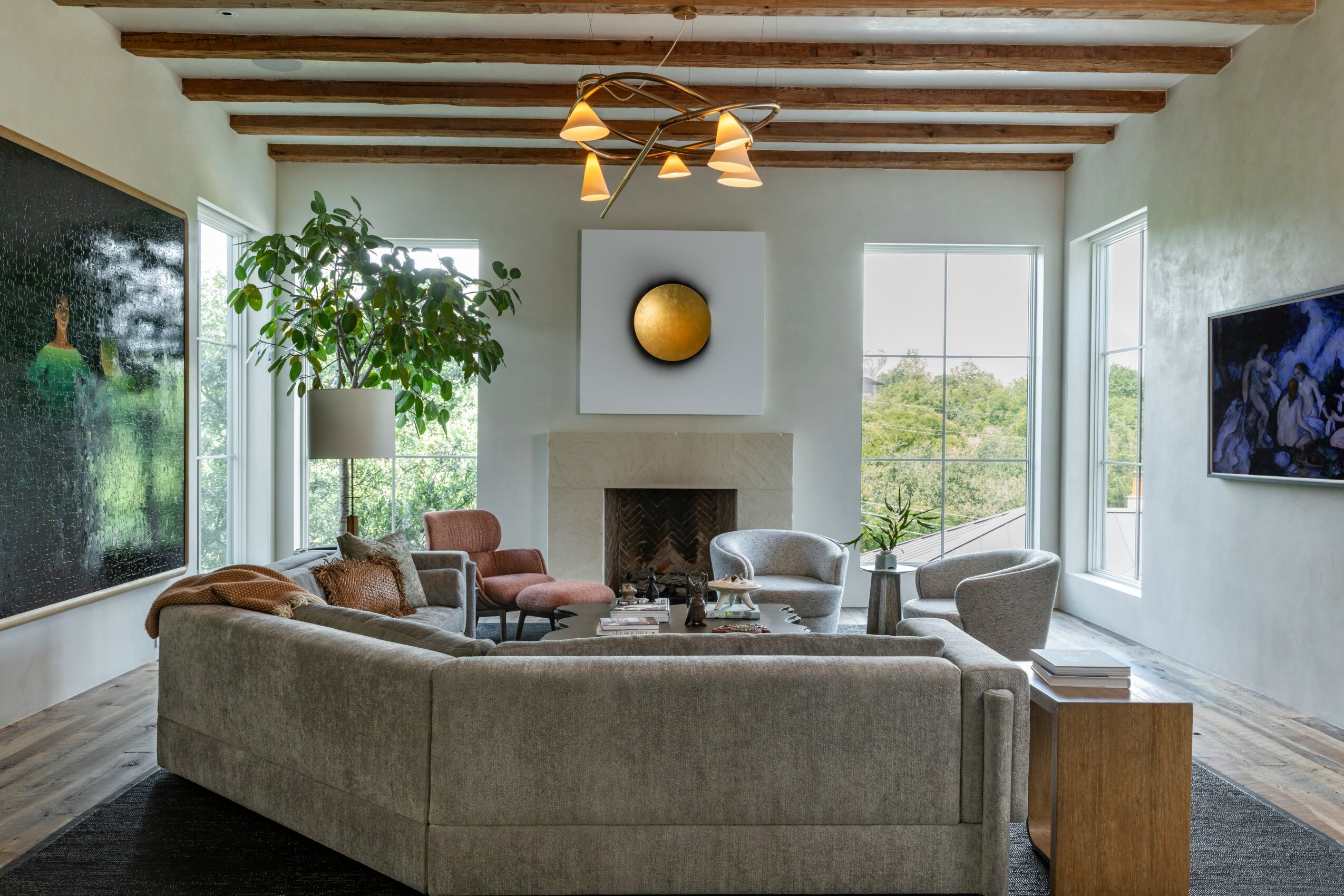
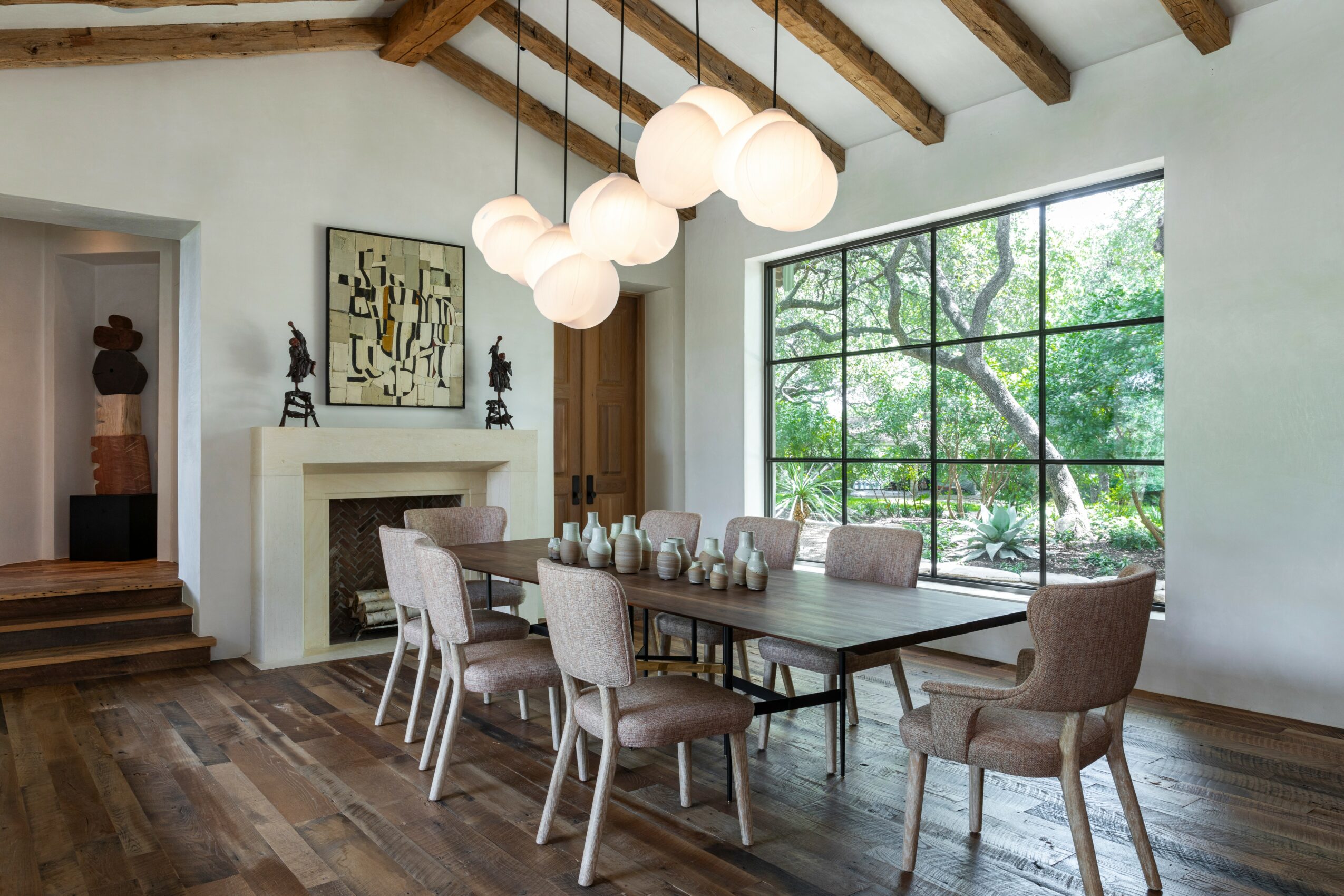
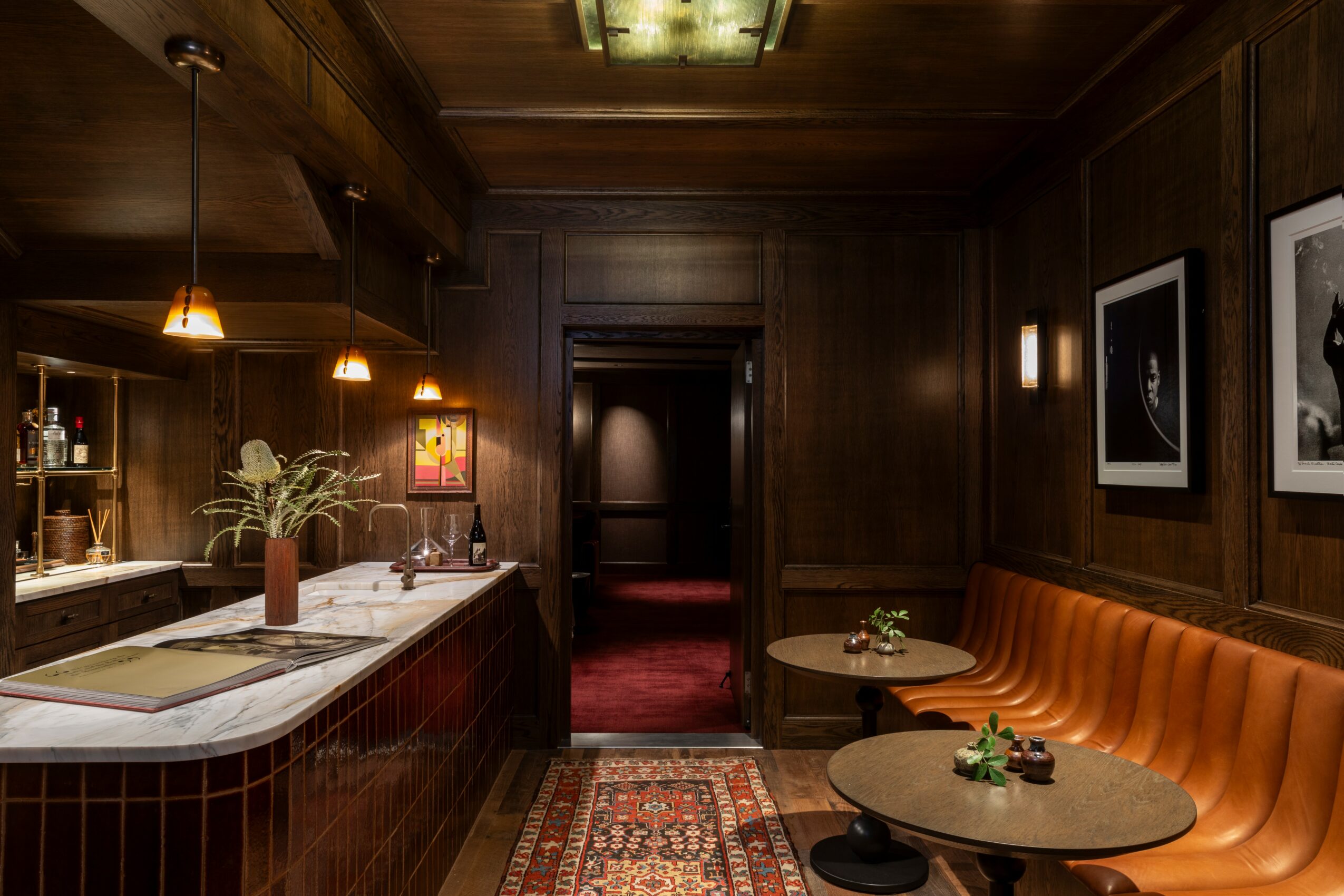
Cravotta Interiors is a residential and boutique hospitality interior design firm based in Austin, founded in 1996. We work with clients across Texas, in New York, in Montana, and wherever serious projects take us. The studio is seven people in East Austin, and our work spans new construction, full-scale renovation, restaurant and hotel commissions, and the kind of long-term relationships where clients return for their next home, and the one after that.
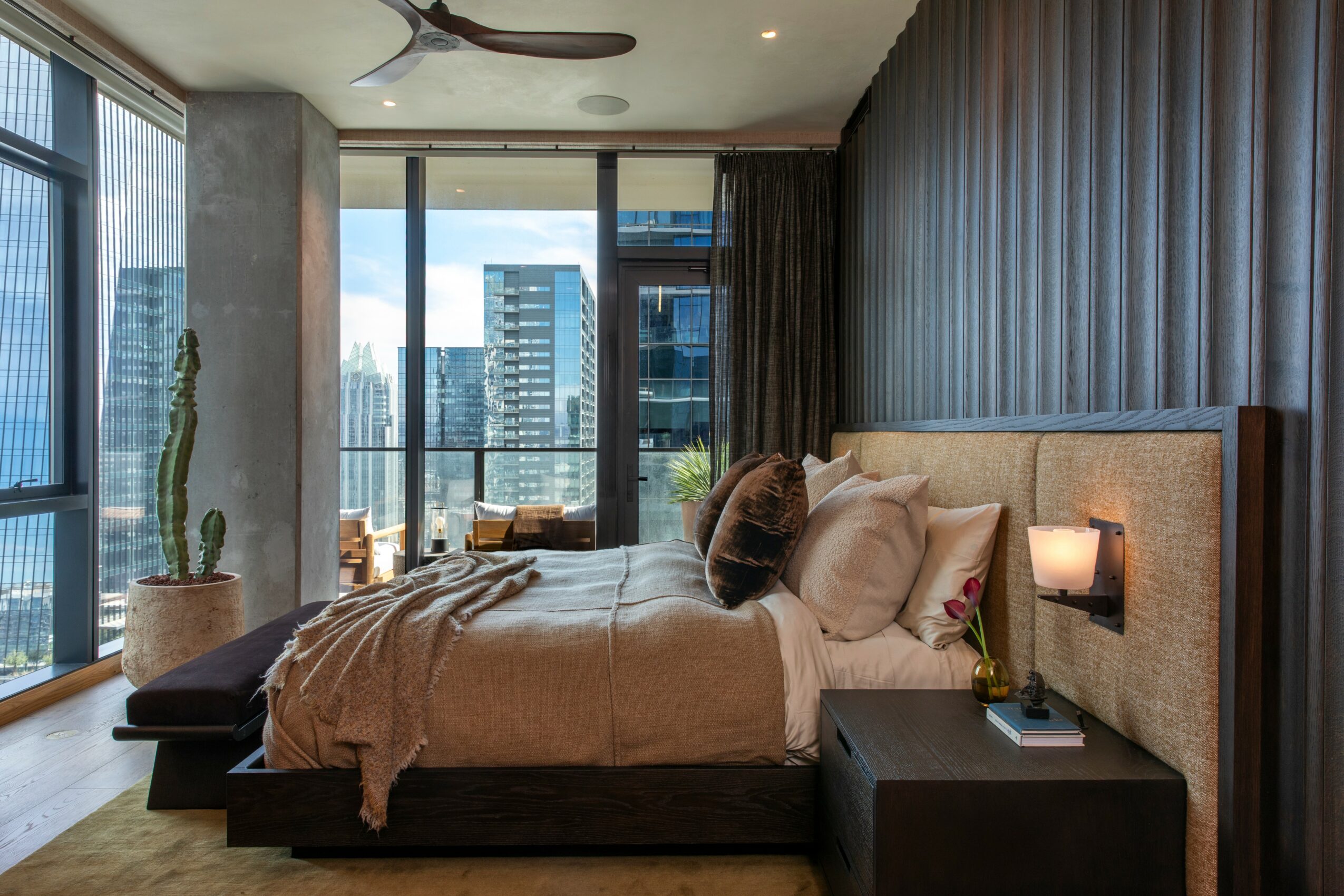
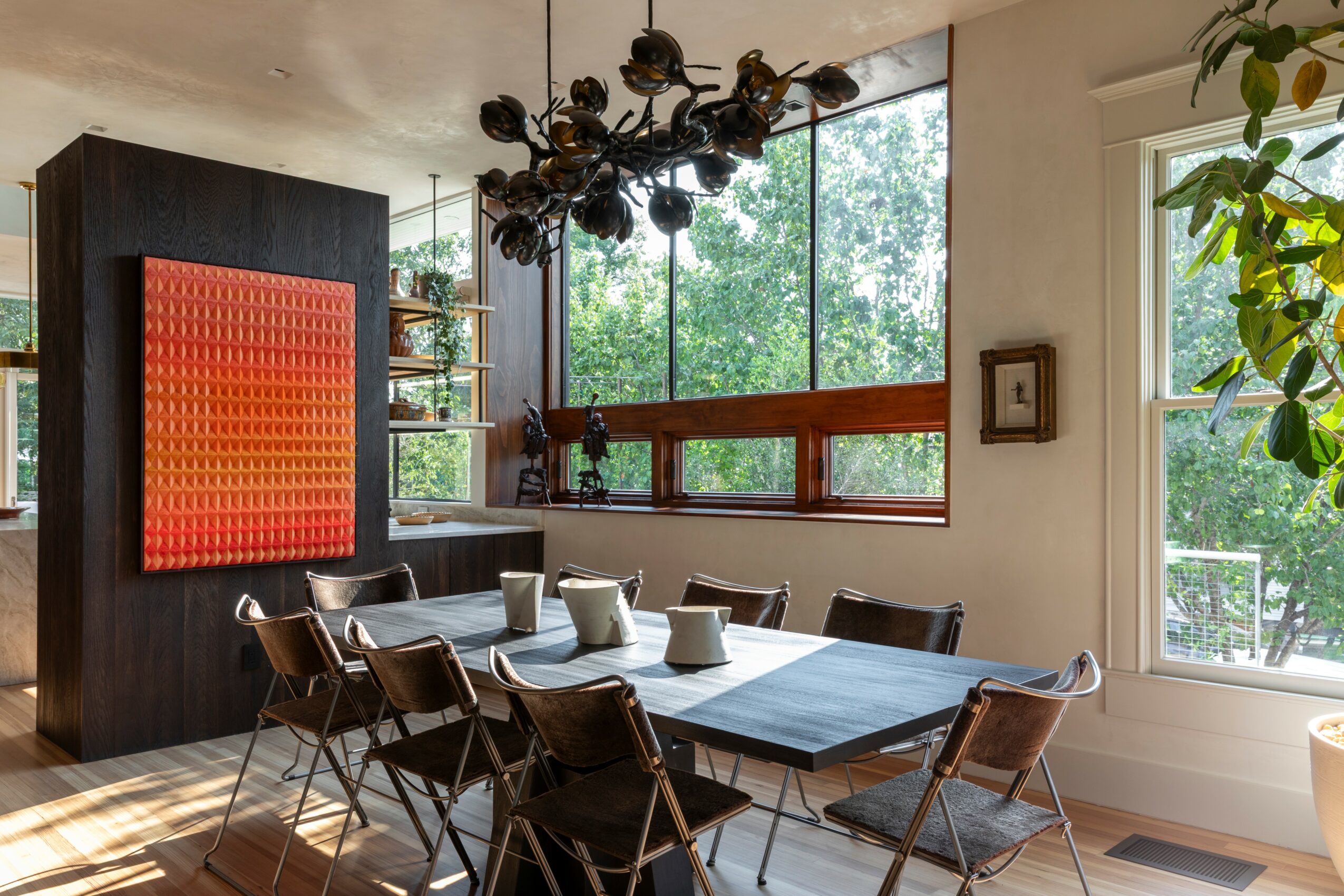
What sets us apart starts with a maker’s eye. I started as a maker, and the firm started as a drapery workroom where everything was made by hand. That background isn’t decorative. It’s the lens through which every material decision gets made, every custom piece gets designed, every almost-right gets set aside in favor of right. When the right thing doesn’t exist, we design and build it.
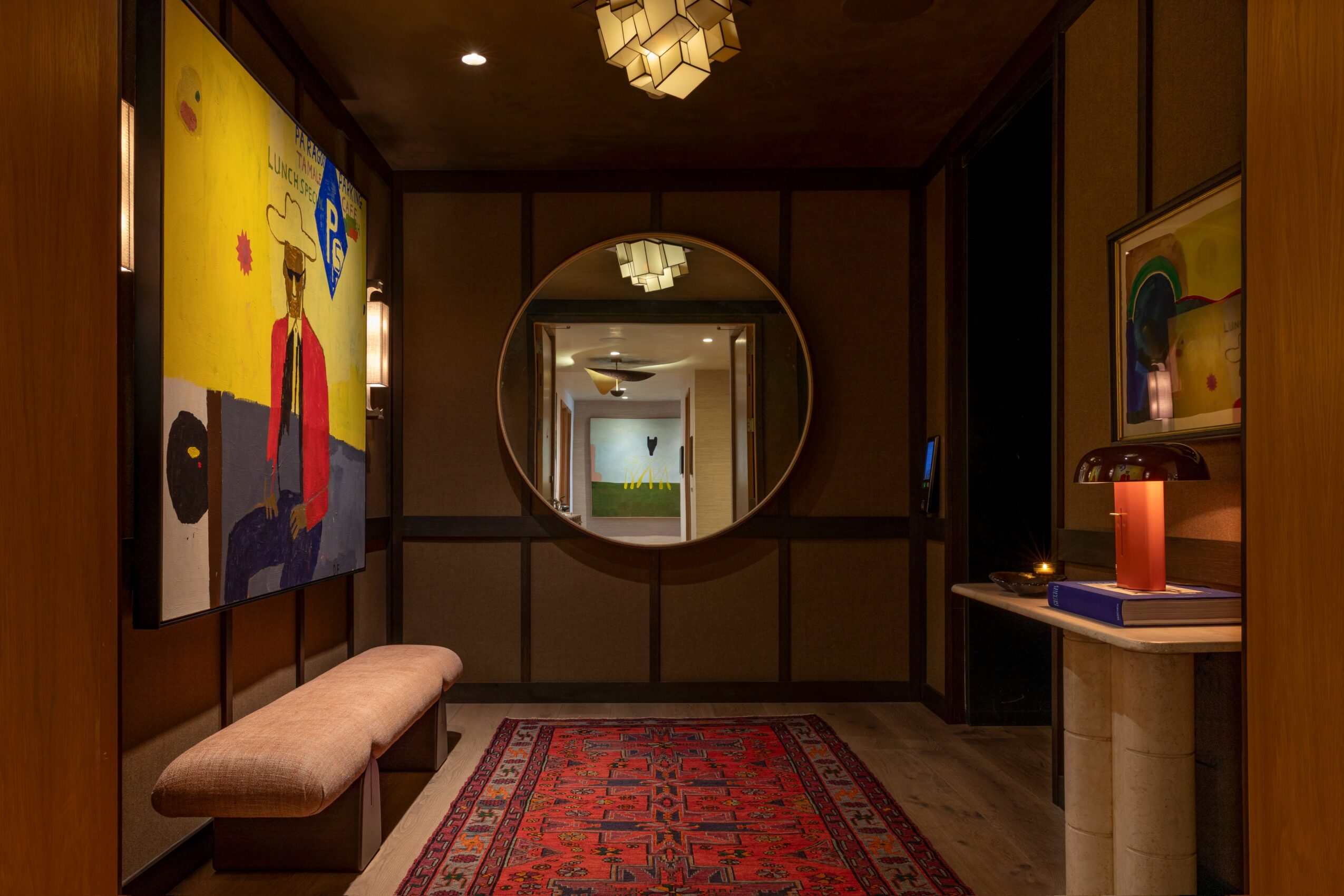
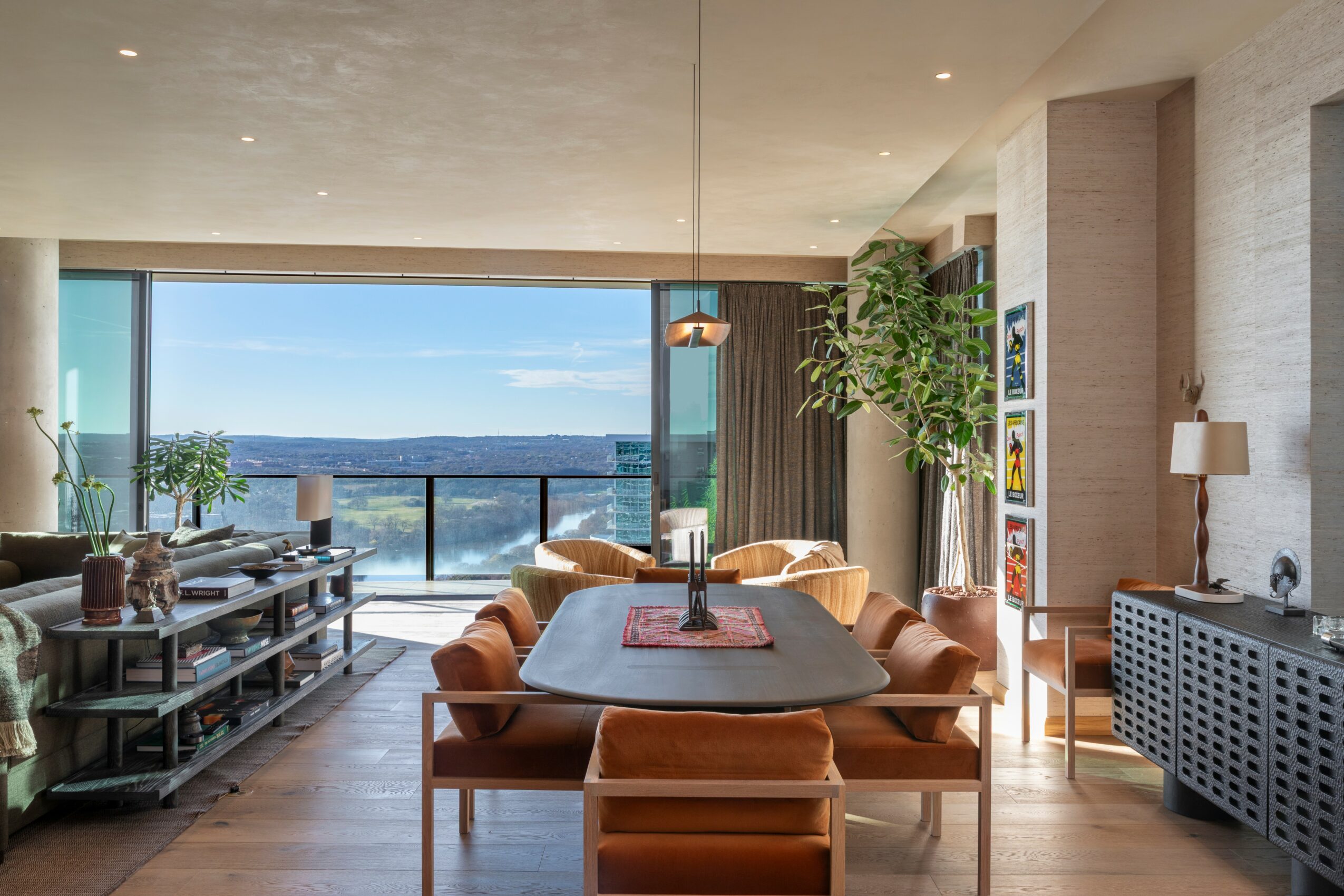
That maker’s eye shows up in how deeply we layer. Fine craft throughout the project. Every piece, every object, every work of art has its own story. Nothing generic. Nothing placeholder. The rooms are composed not just of things that look right, but of things that mean something specific to the people who live there.
The other half of the work, less visible but just as important, is stewardship. These are complex projects. Thousands of decisions on our end alone before you count the architect, the builder, the landscape architect, and the other consultants. Our systems and processes exist to protect our clients’ time, money, and intent. We act as their advocate throughout, making sure the standard holds, the budget is respected, and they always know where things stand. The creative work is what they came for. The infrastructure underneath it is part of why they stay.
What I’m most proud of, brand-wise, isn’t the press list, though we’ve been fortunate there. It’s the relationships. Clients who’ve worked with us across three, four, five projects over fifteen years. Architects and builders who keep calling. Artisans who’ve been with us for two decades. The work doesn’t last unless the relationships do, and ours do.
What I’d want your readers to know is this. The clients who hire us at this level take money seriously, and they should. Real budgets are involved, and they’re entitled to know exactly where every dollar is going and why. What we’ve learned in thirty years is that the deeper question is trust. Trust that the work will be done with care. Trust that the standard is real and will hold. Trust that the people doing it will care as much in year three as they did in week one. That trust is the foundation everything else is built on, and it’s what we’ve spent three decades earning.
Do you have any advice for those looking to network or find a mentor?
I never had a single mentor in the traditional sense. What I had was a long pattern of seeking. Looking back, the journey would have been faster and easier with one. Some of what I learned the hard way could have been learned the easier way, with someone further along to point at it. That’s worth saying, because young people reading this should know that finding a real mentor is worth real effort.
I moved to Austin at nineteen, from a modest household where ambition wasn’t really modeled. The path forward had to be found rather than inherited, and the way I found it was by paying attention. I’ve always been deeply curious about people, about how minds work, about what makes relationships and businesses succeed or fail. The work I’ve done on myself in those areas, starting at nineteen and continuing today, has been as important as anything I’ve learned about design.
My clients turned out to be some of my best teachers. This work gave me access to extraordinarily successful people, and I paid attention to how they thought, how they made decisions, how they treated the people around them. That’s an education you can’t pay for and can’t shortcut. You earn it by doing good work and being someone people want to keep around.
I’ve sought structured guidance too. I’ve been a member of the Design Leadership Network and Leaders of Design for fifteen years, both of which put me in rooms with designers operating at a higher level than I was at the time. I was active in EO for years, which exposed me to entrepreneurs across every industry. The closest thing I’ve had to a formal mentor was Keith Cunningham, whose work on the business side of business reshaped how I run mine.
The other thing worth saying is this: anyone earlier in their career today has resources I would have killed for at the same age. Podcasts, books, an entire universe of content designed to teach you almost anything. You do have to learn to discern who’s good from who’s selling snake oil, but the good ones are out there. The seeking itself has gotten easier. The willingness to seek is still the variable that matters.
The advice I give my own team is the same advice I’d give anyone earlier in their career: the two most important qualities you can cultivate are observation and curiosity. I can teach and coach a lot of things. I can’t teach you to be interested. You have to bring that yourself. Everything else gets built on top of it.
Contact Info:
- Website: https://cravottainteriors.com
- Instagram: https://www.instagram.com/cravottainteriors/