


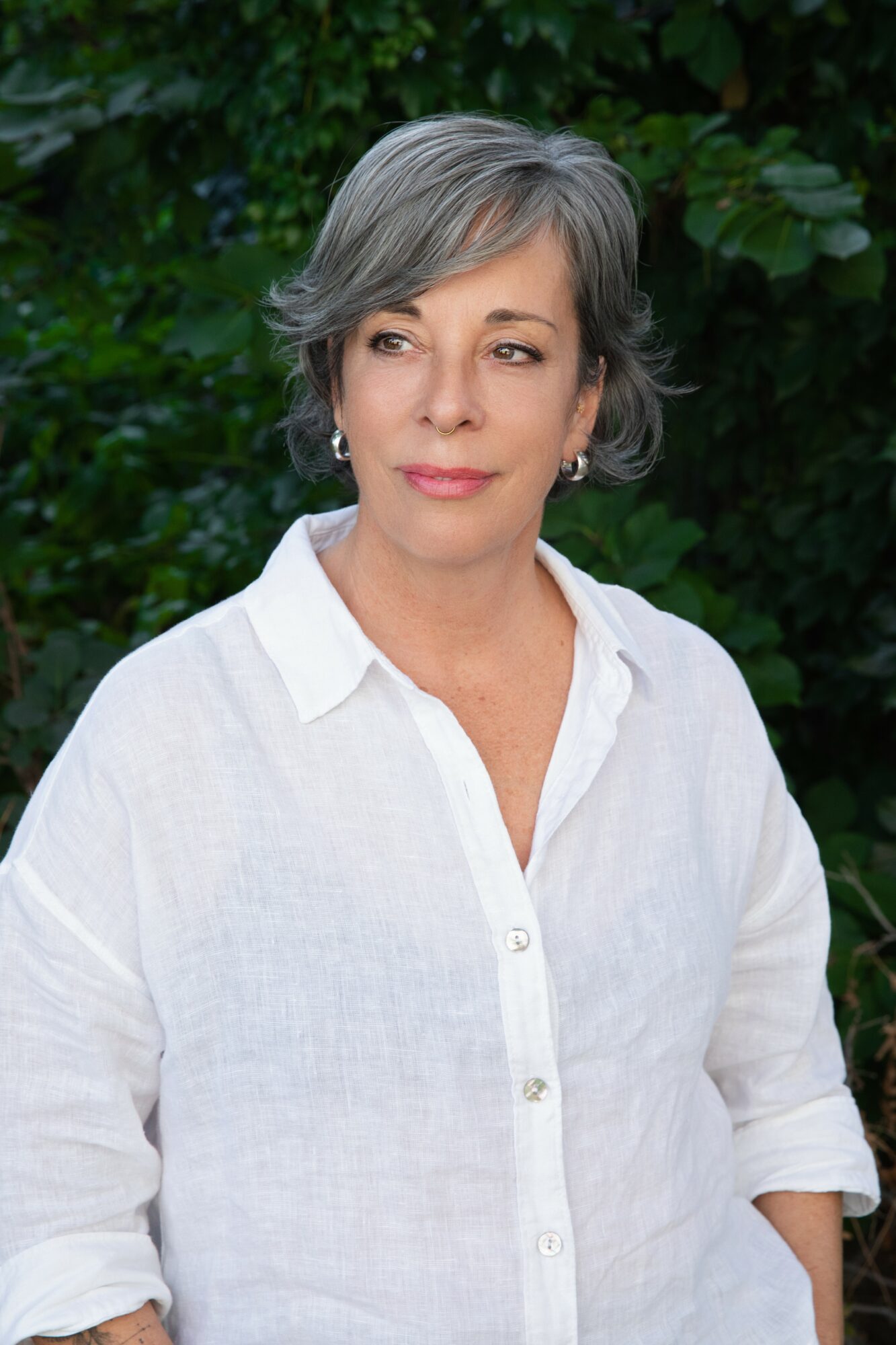
Today we’d like to introduce you to Ysabel LeMay.
Hi Ysabel, thanks for sharing your story with us. To start, maybe you can tell our readers some of your backstory.
I had a rather special childhood. I come from a fairly strict family and
was raised by two teachers who had a great love for music. My father was a entrepreneur and
true dreamer — and that’s where I believe my artistic side and my drive comes from.
My parents owned a cabin deep in the forests of northern Quebec, where I often escaped to
connect with the magic of nature. It was where I felt the most free. I was a real tomboy and
always loved playing sports.
Because of my dyslexia, school wasn’t easy for me. I wanted to pursue the arts, but at the time
the options were mostly limited to graphic arts and illustration. So I became a graphic
designer and worked in the field for fifteen years. I grew from graphic designer to art director,
then creative director, and eventually went on to own an advertising agency in Vancouver. At a certain point, the world of advertising began to feel like a creative
prison. I knew I needed to take my creativity on a new path, so I turned to painting. Believing
it would help elevate my career, I moved to the United States.
For ten years, I worked with canvas and brush, until a close friend who was documenting my
work — a photographer who had collaborated with Robert Rauschenberg, a pioneer of the
Pop Art movement — suggested I experiment with a camera and explore what this new
medium could bring to my creativity.
I knew nothing about photography, but I followed his advice. I loved it so much that within a
month I completely shifted my practice to digital composite photography. After years of
working in enclosed studios, I was ready for a change. The smell of paint, turpentine, and
solvents often left me short of breath. I haven’t touched a paintbrush since. It all happened incredibly fast. While walking my dog in Naples,
Florida, I became fascinated by the surrounding rich in flora and fauna. The attraction soon
turned almost obsessive, taking photograph of all the plants, and I began creating intuitively
— without planning, without knowing where it would lead. The work grew organically,
guided purely by instinct.
Within just a few months, I was invited to exhibit at the Chelsea Museum in New York.
Shortly after, I was noticed through a small exhibition and invited to participate in The Rising
Star competition — which, to my amazement, I won. That’s when everything truly began to
unfold. 160 exhibition later across the globe, Here I am.
Can you talk to us a bit about the challenges and lessons you’ve learned along the way. Looking back would you say it’s been easy or smooth in retrospect?
The hardest part of being a professional artist is preserving the integrity of your creative process while living with constant uncertainty. As artists, we are often known and celebrated for a particular body of work or visual language. The success of that work can become both a gift and a challenge, creating an expectation—from the market, galleries, collectors, and even ourselves—to remain in familiar territory. It takes courage to continue evolving, to listen to your inner voice, and to allow your work to transform, even when change carries the risk of leaving behind what has already proven successful.
At the same time, you never know how or when your work will sell, and you must learn to embrace that unpredictability.
Another challenge is navigating the relationships with the galleries that represent you. At times, it feels like being married to many different people, each with their own expectations, priorities, and needs.
The way the art market is structured also places continuous pressure on artists to produce something new. Galleries build momentum by introducing fresh artists and presenting new bodies of work from the artists they already represent. As a result, there is an unspoken expectation that we must keep creating, not only from a place of inspiration but also to satisfy the demands of the market.
While I understand the importance of evolution and renewal, this constant cycle of novelty can be emotionally and creatively draining. Yet I also believe it is our responsibility as artists to protect the authenticity of our creative voice. In the end, the most meaningful work emerges not from responding to the market, but from remaining faithful to the quiet inner force that first called us to create.
Appreciate you sharing that. What else should we know about what you do?
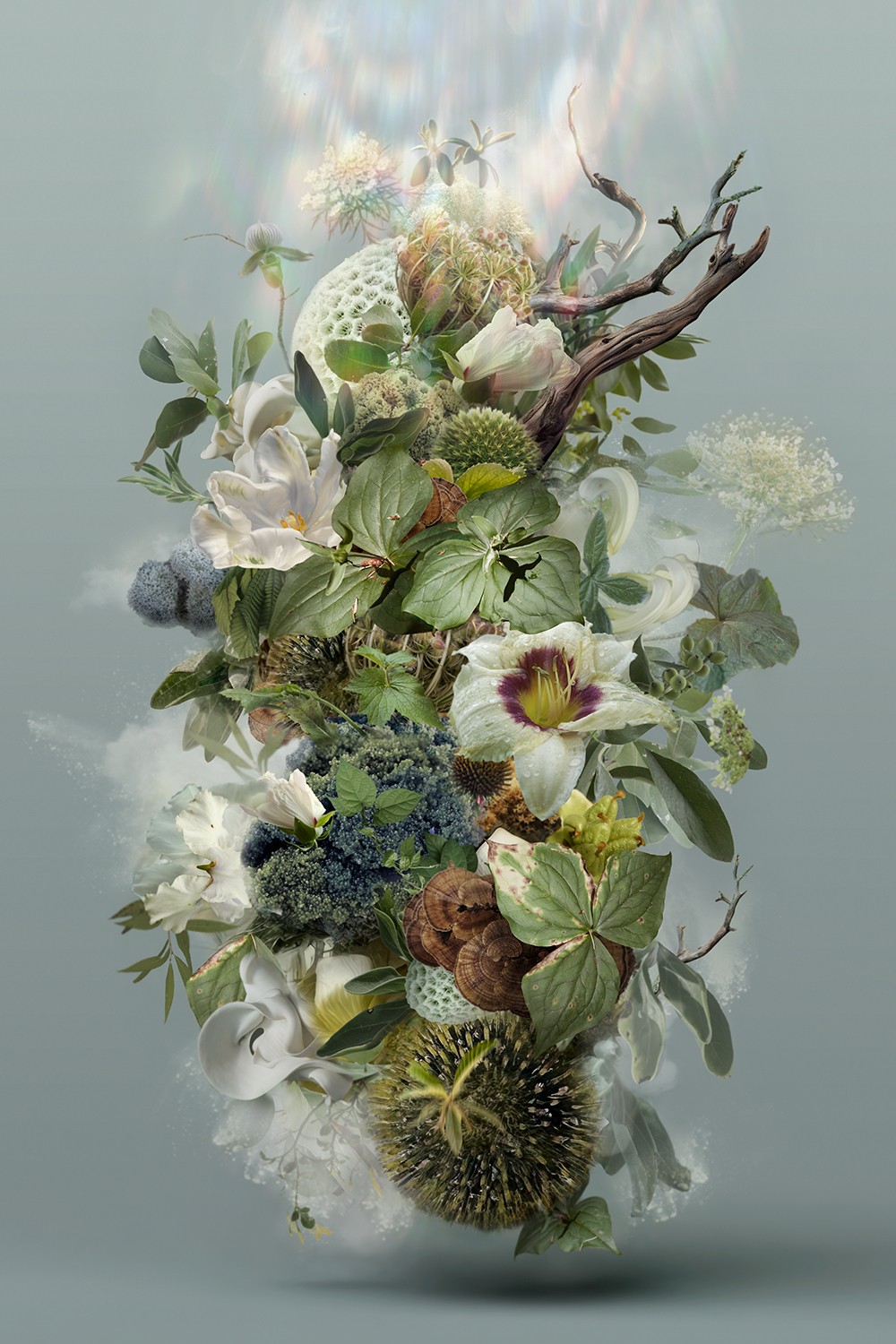
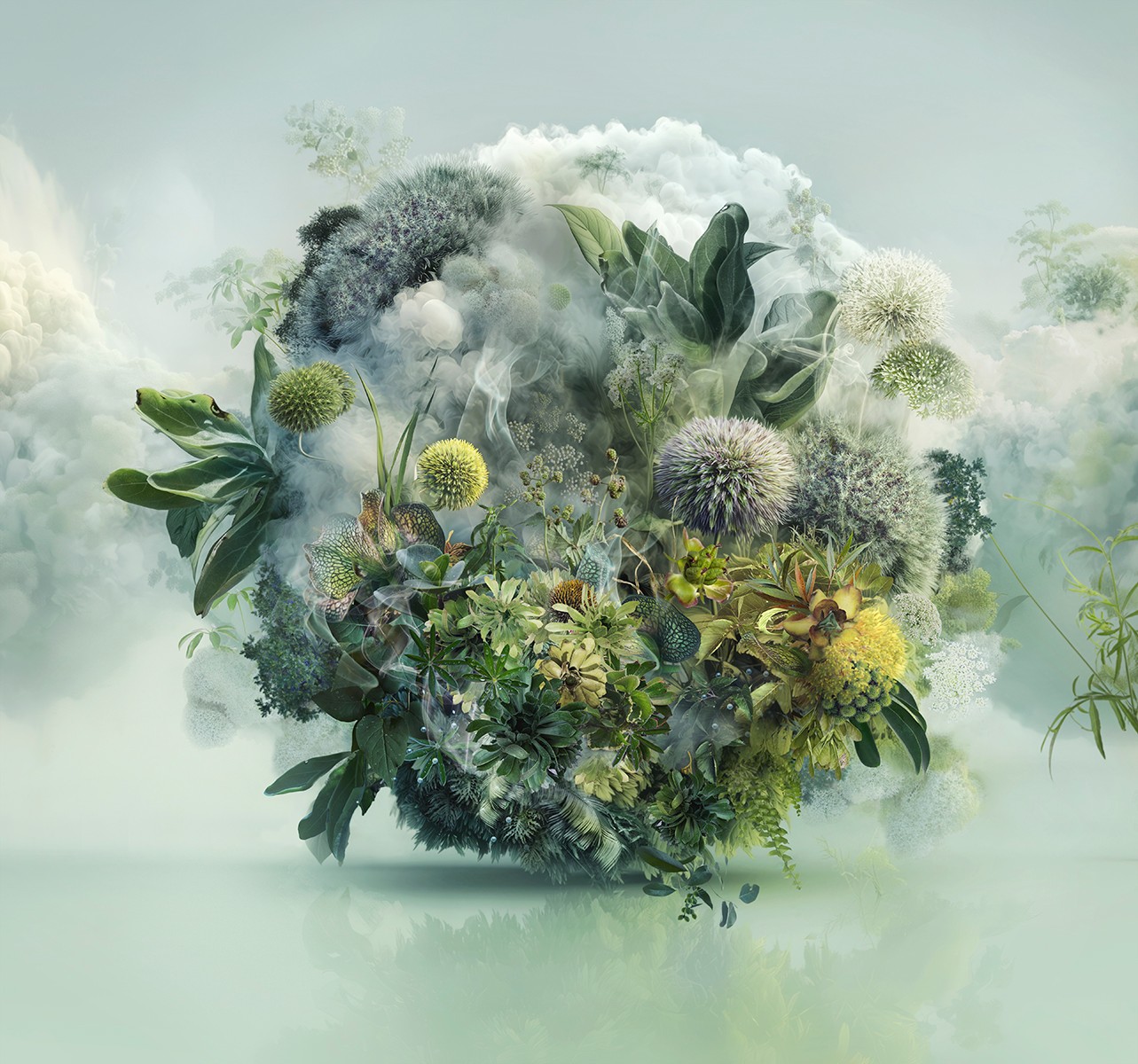
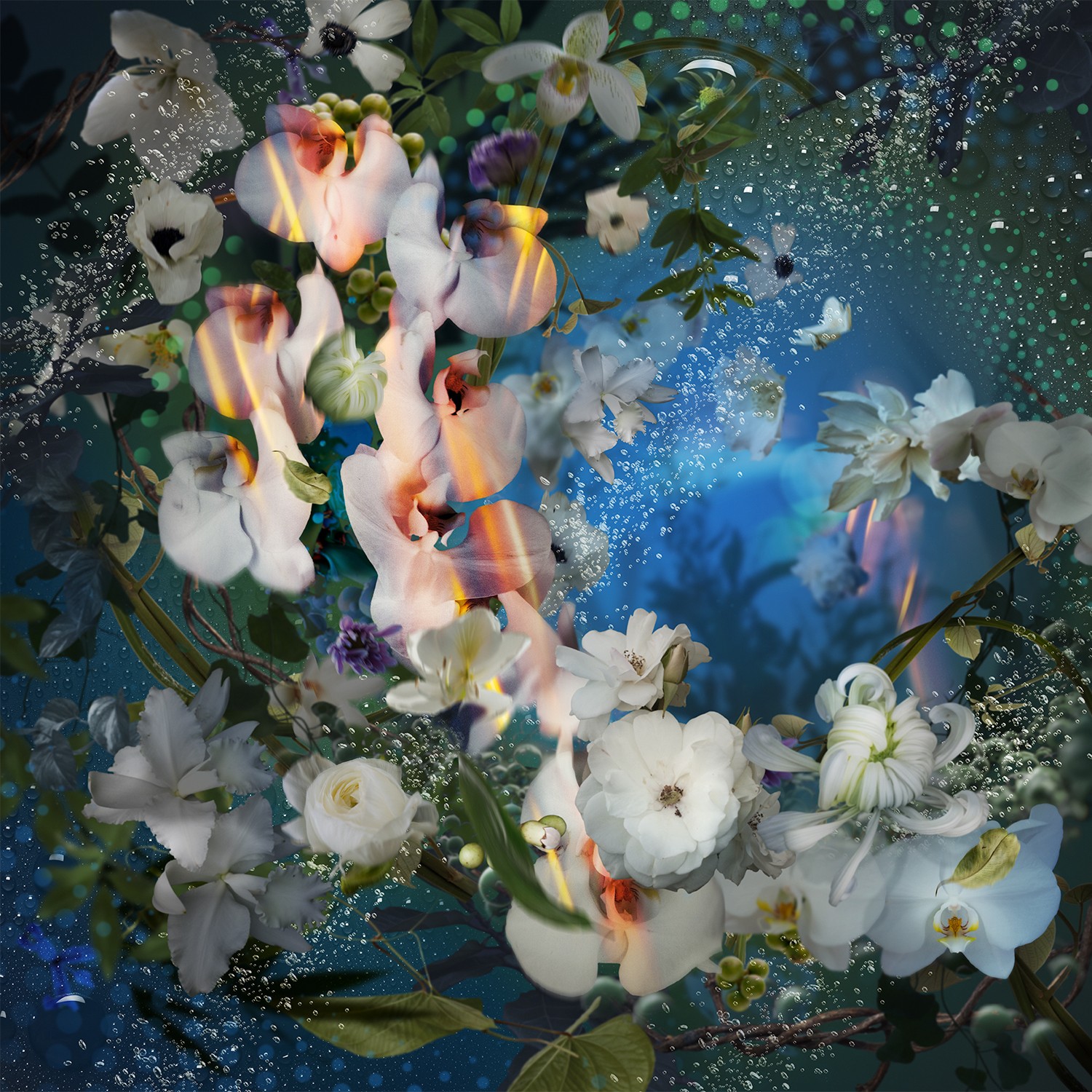
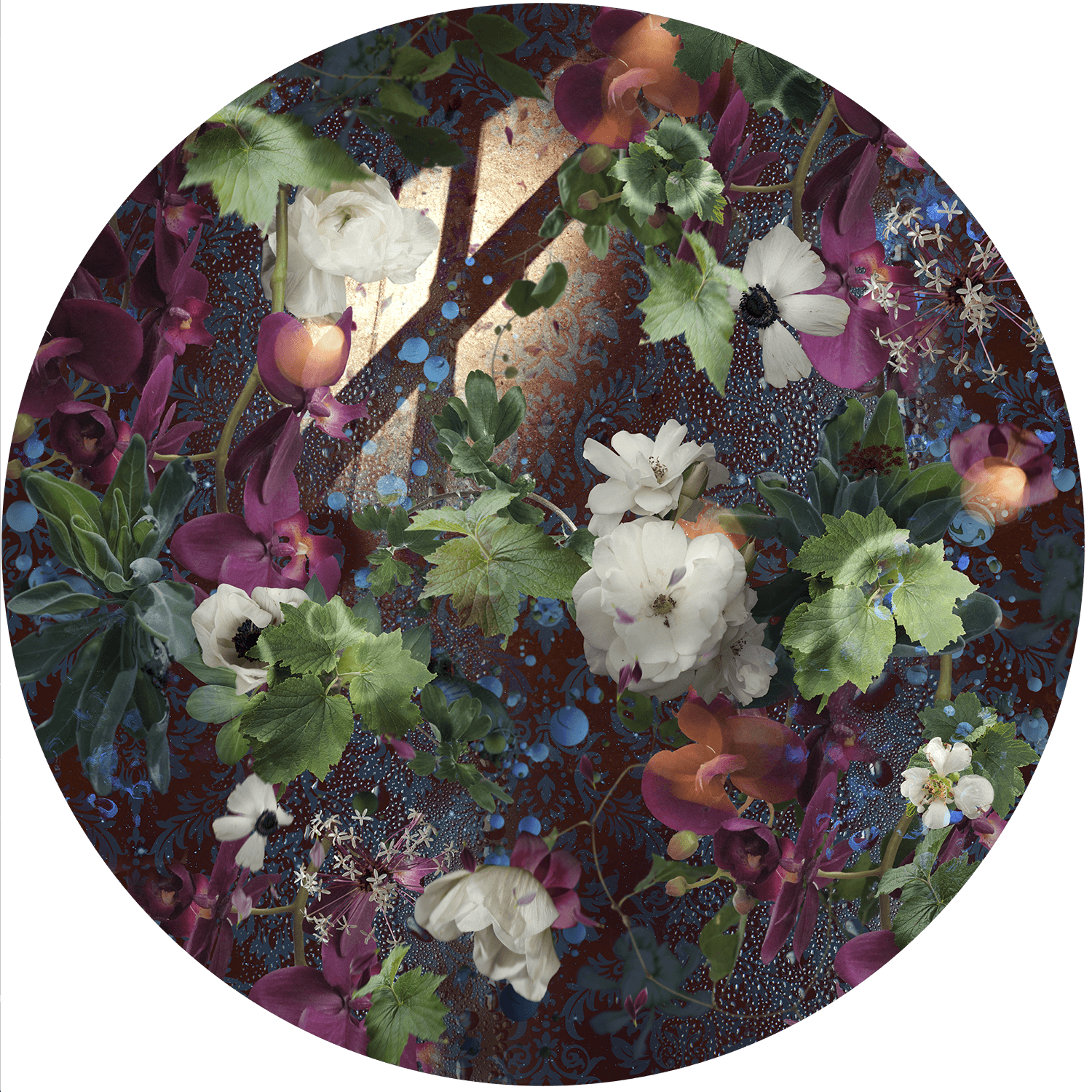
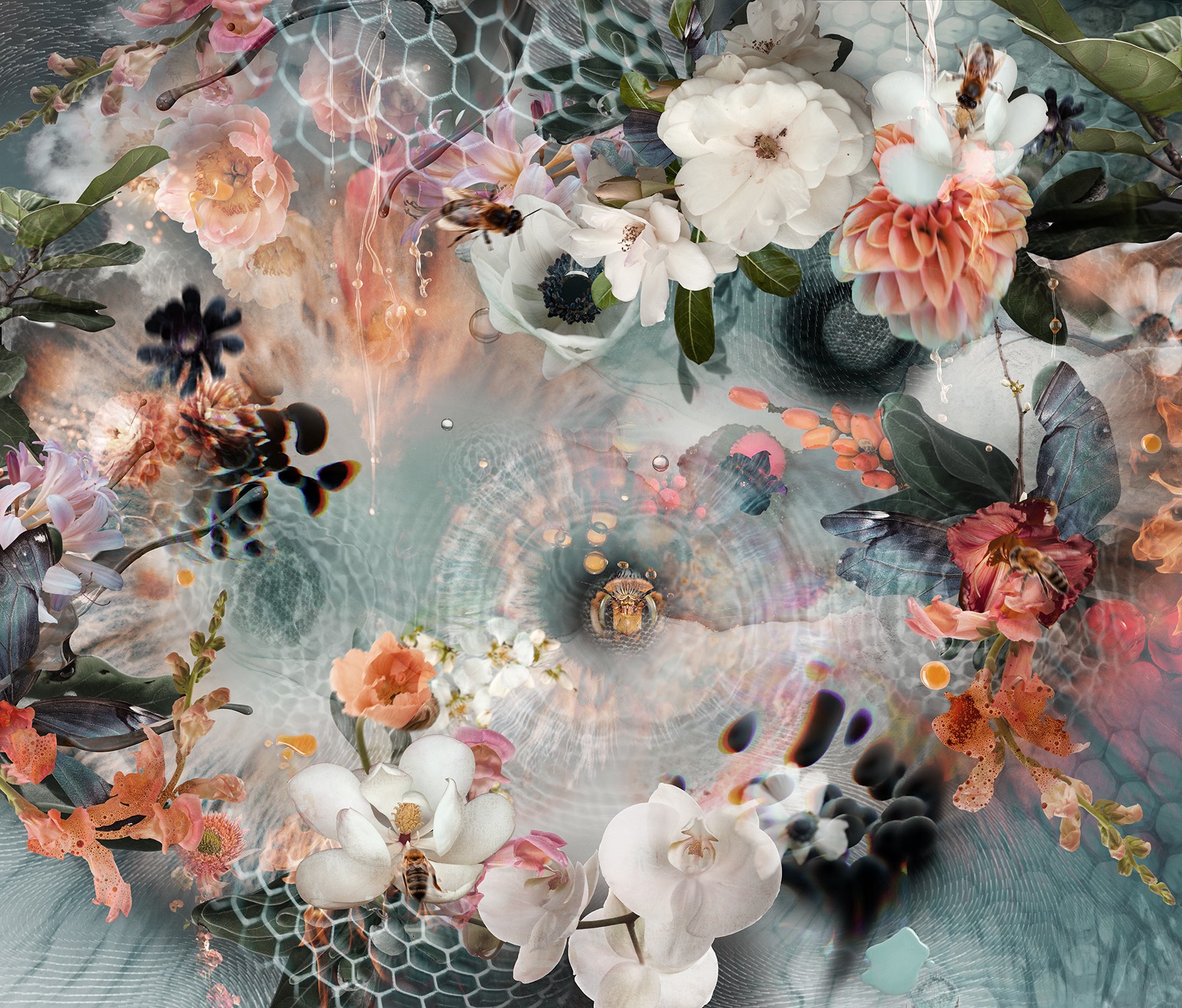
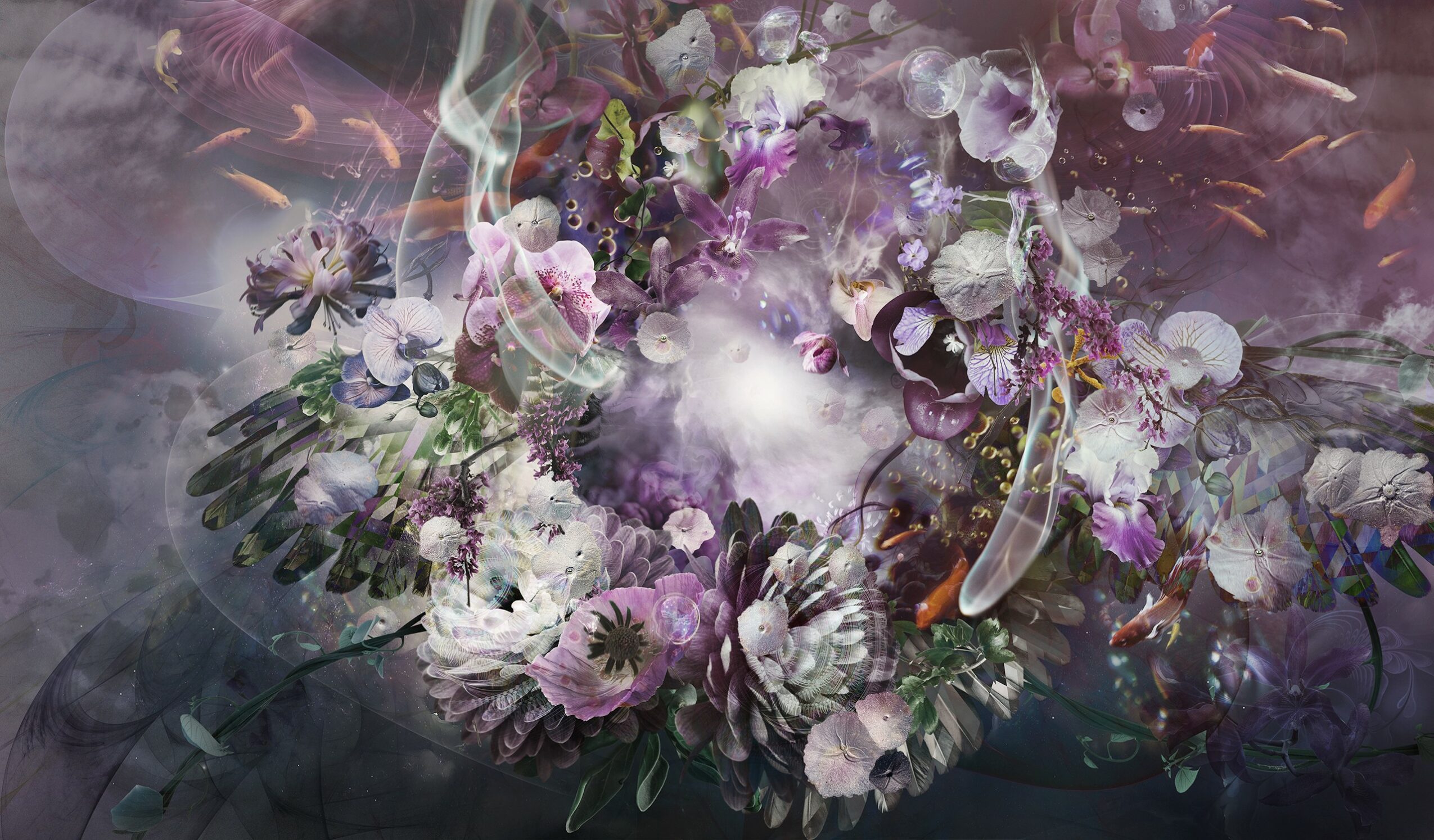
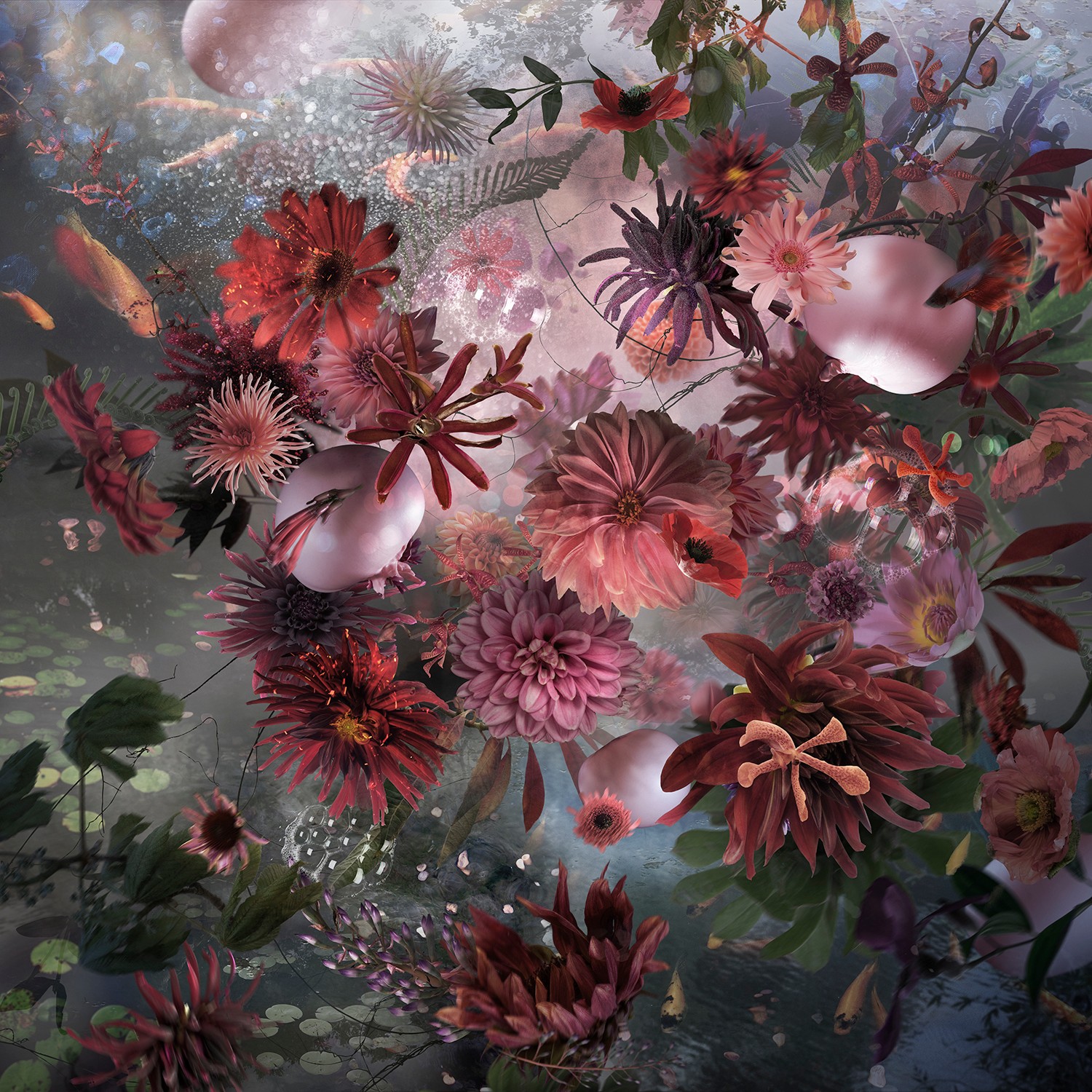
I am a multidisciplinary artist whose work explores the profound relationship between humanity and the natural world. Through large-scale digital compositions, photography, and organic sculptural installations created with materials gathered from nature, I seek to reveal the invisible forces that connect all living things. My work is less about documenting nature than about expressing its essence—its energy, intelligence, and quiet poetry.
Over the years, I have become known for creating immersive, highly detailed compositions that invite viewers to slow down, look closely, and experience a sense of wonder. Whether working digitally or with natural materials, my intention is always the same: to create spaces of contemplation where beauty becomes a bridge to something deeper within ourselves.
What I am most proud of is having remained faithful to my artistic voice while allowing it to evolve continuously. Rather than repeating what has already brought success, I have chosen to keep exploring, taking creative risks, and following my curiosity wherever it leads. That commitment to growth has shaped every chapter of my career.
What sets my work apart is the dialogue between technology and nature. I embrace contemporary digital tools while remaining deeply rooted in the organic world, creating images and installations that blur the boundary between the real and the imagined. More than anything, I hope my work reminds people that we are not separate from nature—we are an expression of it.
What would you say have been one of the most important lessons you’ve learned?
The most important lesson I have learned is to trust the intelligence of the creative process. Early in my career, I believed I had to control every outcome—to know where the work was going and how it would be received. With time, I discovered that creativity asks for something very different: presence, patience, and the willingness to surrender to the unknown.
I have also learned that an artist’s greatest responsibility is not to repeat what has already been successful, but to remain faithful to what feels true. Every meaningful evolution in my work has required letting go of certainty and allowing curiosity to lead the way.
Looking back, I realize that every challenge, every rejection, every unexpected turn has quietly redirected me toward a more authentic version of myself. Today, I no longer measure success only by recognition or sales, but by whether my work continues to express my deepest sense of wonder and invites others to reconnect with the beauty and interconnectedness of life.
Contact Info:
- Email: ysabel@ysabellemay.com
- Instagram: lemay.ysabel
- Facebook: Ysabel LeMay
- Youtube: https://www.youtube.com/@ysabellemaycreator
- Other: https://Linktr.ee/ysabellemay