


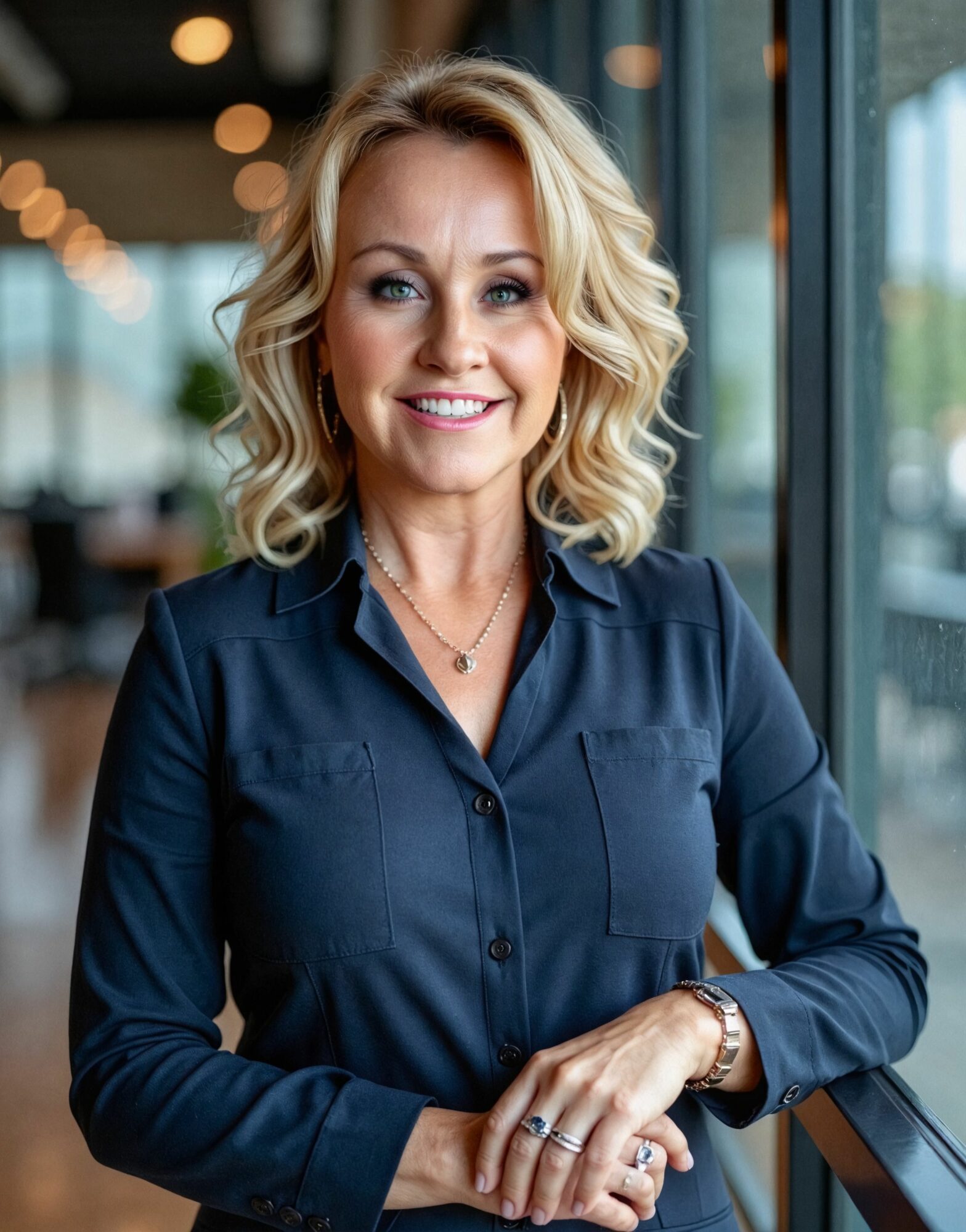
Today we’d like to introduce you to Brooke Dukes.
Hi Brooke, we’re thrilled to have a chance to learn your story today. So, before we get into specifics, maybe you can briefly walk us through how you got to where you are today?
I grew up in Michigan as an only child. My biological father was abusive, and I watched my mother stay in that situation for ten years because she did not have the financial independence to leave. That shaped everything. I made a decision early that I would never depend on anyone. I would outwork everyone. I would build a life no one could take from me.
That drive took me far. I climbed fast — Director at American Express in my mid-twenties, then into Fortune 500 sales and consulting leadership. I worked 60 to 80 hour weeks and told myself that was what success looked like. From the outside, it did. High six-figure income, a great marriage, two kids, a lake house, a dog. Everything looked right.
On the inside, I was burning out. I just didn’t know it yet — or maybe I did, and I didn’t have time to stop.
I eventually became president of a consulting firm. I stayed in that role for sixteen years. I was the person who absorbed everything: the pivots, the fires, the decisions nobody else could make. I was good at it. I also didn’t realize until much later that I had built my entire identity around being indispensable. My mother had stayed too long because she had no way out. I stayed too long because I had built the cage myself and convinced myself it was a career.
The exit was not graceful. My body quit before I did. I got shingles and did not know it — I had shut down my physical signals so completely that one of the most painful conditions a person can get was not breaking through. Then COVID hit. Alone, sick, forced into stillness for the first time in years. That is when I finally saw it.
When I left, the world looked different. I do not say that metaphorically. Colors were brighter. I had been living in gray for so long I had forgotten what vivid looked like.
I wrote my book, Burn On, Not Out, during that period of rebuilding. I had spent 24 years helping companies grow but I had never examined the patterns underneath my own behavior. Writing the book forced me to do that. It also showed me that what I had lived — the overachievement, the indispensability trap, the collapse — was not unique to me. I heard it from hundreds of women.
BMD came out of that clarity. I started the firm in 2023 because I kept seeing the same problem in founder-led companies that I had lived personally: the founder was the bottleneck in their own business. Every decision came back to them. The company couldn’t move without them. That is not a talent problem. It is a structural problem. And it is solvable.
I now work with founder-CEOs to install decision structure — clear rules about who owns what, what gets escalated, how execution moves without the founder in the room. I host the Burn On, Not Out podcast. I speak nationally on AI as a business operating system and on the decision patterns that keep founders stuck. I serve on the board of Texas Women in Business and on the advisory board of Not On Our Watch TX here in Austin.
I moved to Austin six years ago and have not considered leaving since. This city has exactly the kind of founder energy that makes the work I do feel like home.
We all face challenges, but looking back would you describe it as a relatively smooth road?
No. And the honest answer is that the hardest parts weren’t the ones that looked like struggles from the outside.
The moment that broke something open for me happened before I left corporate life. I was eight months pregnant with my daughter and working as a Director at EDS. My doctor had put me on bed rest. My boss gave me an ultimatum anyway: fly from Michigan to Nova Scotia — an eight-hour international flight — to close a $500 million deal, or stay home and forfeit the commission.
I boarded the plane.
On the flight home, I went into early labor at 30,000 feet. I kept it to myself as long as I could. A flight attendant sat with me the rest of the way — breathing with me, talking me through it. When we landed, an ambulance met us on the runway. They were able to stop the labor. My daughter was fine.
I wasn’t. Not in the way that mattered.
Lying in that hospital room, I didn’t feel relief. I felt shame. I’d put my unborn daughter’s life at risk to protect a commission and prove I was irreplaceable. I’d been working 12 to 15 hour days, missing field trips, missing my son’s childhood, building a career that I’d convinced myself was the point. That night I started to question whether I actually knew what the point was.
The second struggle was more internal, and it took longer to name. I’d spent years building a persona of total competence. No cracks. No uncertainty. I was the person who always had a plan. What I didn’t know until I finally slowed down was that the competence was armor. The little girl underneath it — the one who grew up in an unstable home, who got called out by her biological father at 24 for studying business because “women don’t know anything about business” — she’d never actually felt like she belonged in the rooms she was walking into. She’d just learned to perform well enough that no one could tell.
Therapy helped. It took years. Forgiving my father was part of it — not for his sake, but because carrying that much anger was burning resources I needed for other things.
When I finally left the consulting firm and started BMD in 2023, I thought the hard part was behind me. It wasn’t. I’d built three companies before the firm — and sold one of them. I knew how to build. But there’s a difference between building when you’re younger and hungry and building in your fifties with a clear mission and a very short tolerance for doing it wrong. No guaranteed paycheck. No built-in team. No structure that someone else put there before you arrived. You have to build the thing and run the thing at the same time. I’d done it before. It’s still hard every time.
What I know now is that the struggles weren’t detours. They were the source material. Everything I teach about founder dependency, decision structure, and the patterns that keep leaders stuck — I lived all of it first. That’s the only reason I can see it so clearly in someone else’s company.
Thanks – so what else should our readers know about BMD ?
BMD is a structural leadership firm. We work with founder-CEOs of growing companies — typically between $1M and $50M in revenue — who have a capable team and are still somehow the bottleneck in their own business.
Here’s what that looks like in practice: decisions that should be made by the team keep routing back to the founder. Projects get finalized and then restarted. Meetings multiply. The founder’s calendar fills up with problems that shouldn’t need them. Revenue is growing but the founder’s bandwidth has become the company’s ceiling.
Most leadership advice treats that as a mindset problem or a delegation problem. It’s not. It’s a structural problem. Nobody ever installed clear rules about who owns which decisions, what gets escalated and what doesn’t, and how work moves forward without the founder in the room. So everything defaults back to them.
That’s what we fix.
Our flagship program is called Success by Design — a Leadership Operating System that installs decision structure inside founder-led companies. It’s not coaching. It’s not a course or a community. It’s a system that defines ownership, sets escalation limits, and creates the architecture that lets a company execute without the founder at the center of everything.
I’ve helped scale one organization to $54 million in revenue using this approach. The structural discipline is what made it hold.
I also work with founders and executives one-on-one through Private Executive Advisory — for the leaders navigating high-stakes transitions, fast growth, or moments where they need a senior thinking partner, not just a coach.
And I speak nationally on AI as a business operating system. That’s a topic most people are approaching as a technology problem. I approach it as a leadership and decision problem — which is where the real competitive advantage actually lives.
What I’m most proud of brand-wise is the clarity of what we don’t do. We don’t sell mindset. We don’t sell motivation. We don’t run a feel-good leadership community. We install structure, and structure holds. That’s a rarer thing to offer than it sounds.
I’m also the author of Burn On, Not Out — an international bestselling book about the patterns that drive high-achievers toward burnout and what it actually takes to build a sustainable career. And I host the Burn On, Not Out podcast, where I talk about the decision patterns and leadership behaviors that keep founders stuck.
If you’re an Austin founder who’s building something real and starting to feel like the company can’t move without you — that’s exactly who I built this for.
How do you think about happiness?
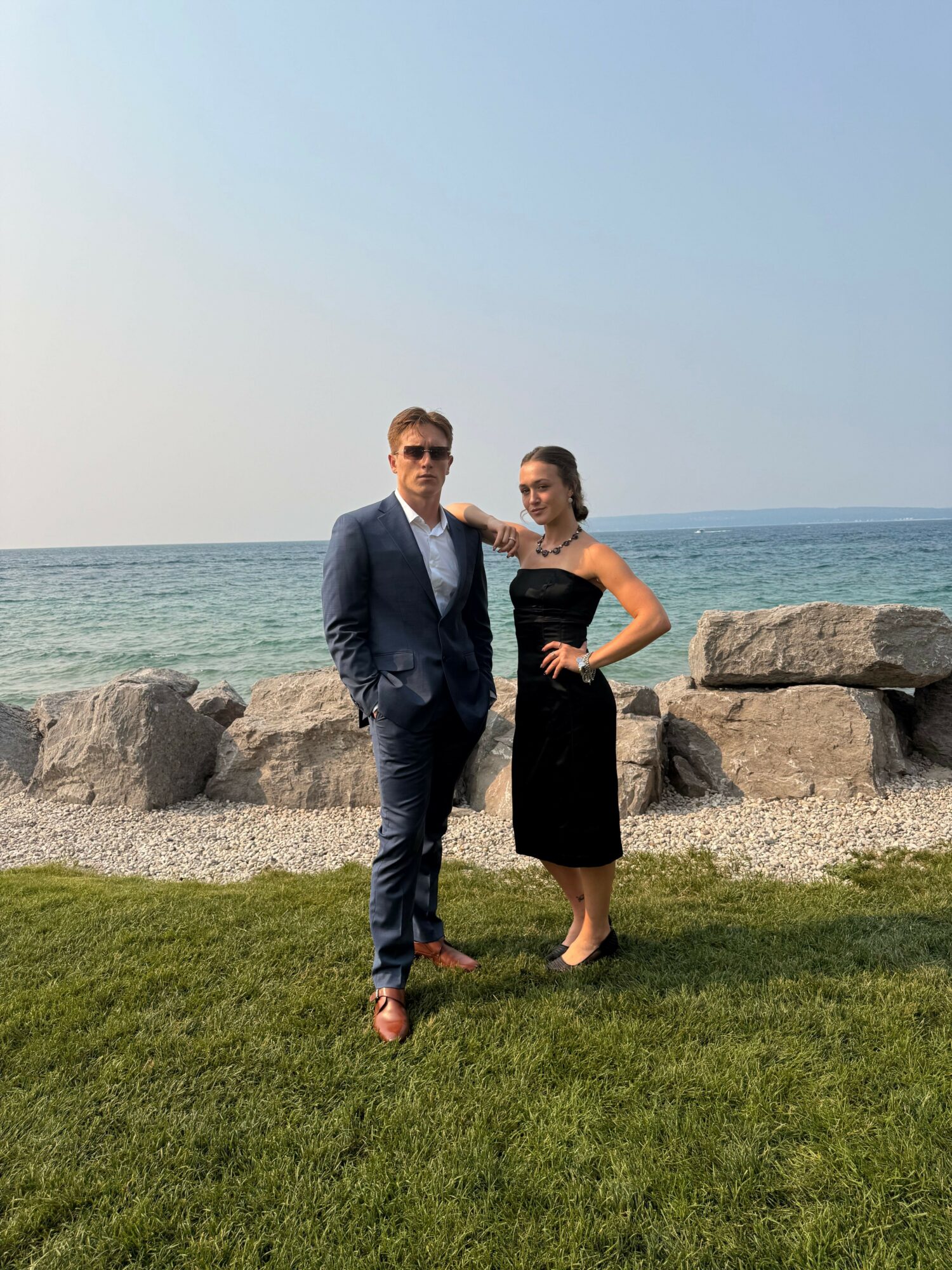
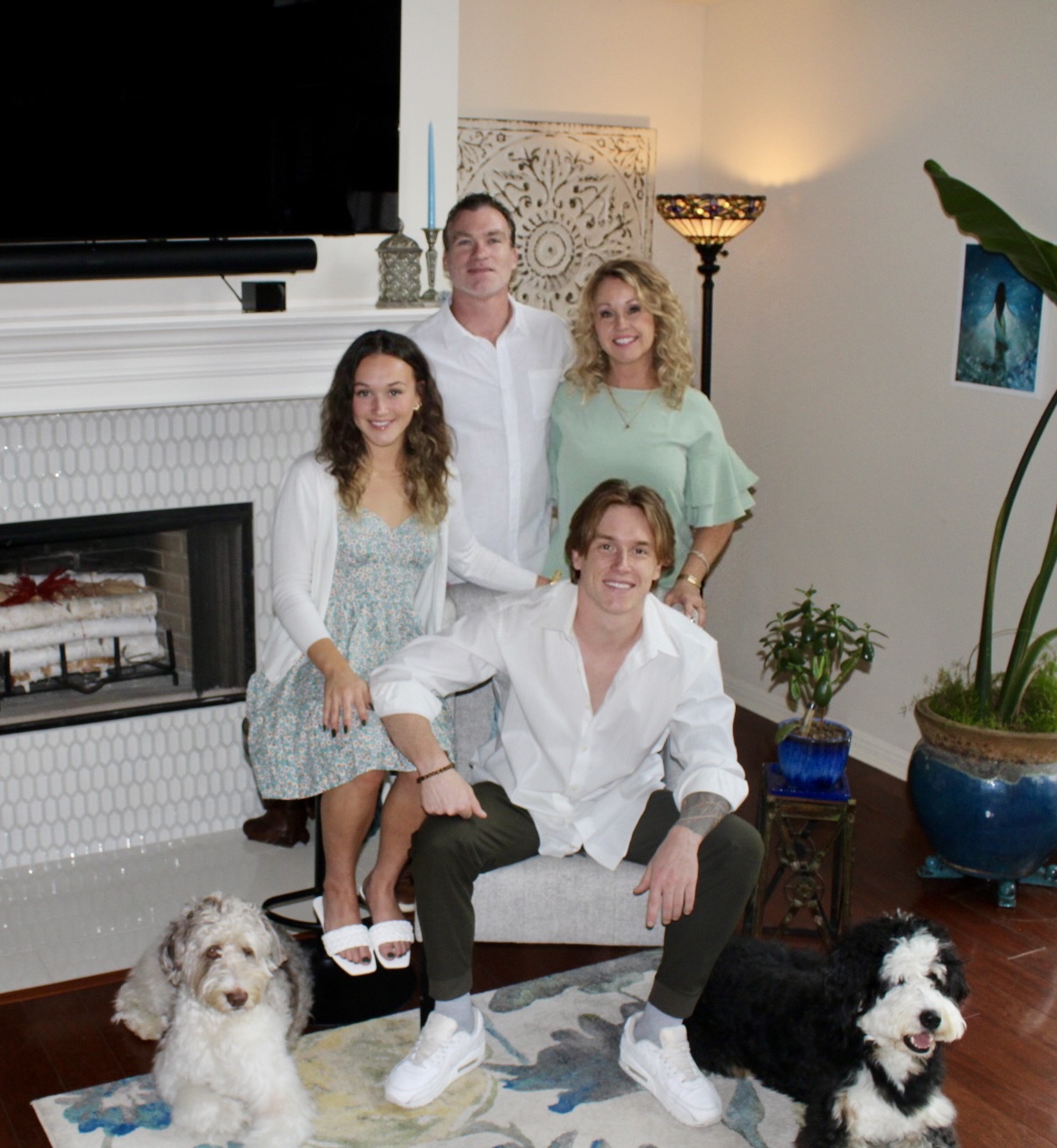
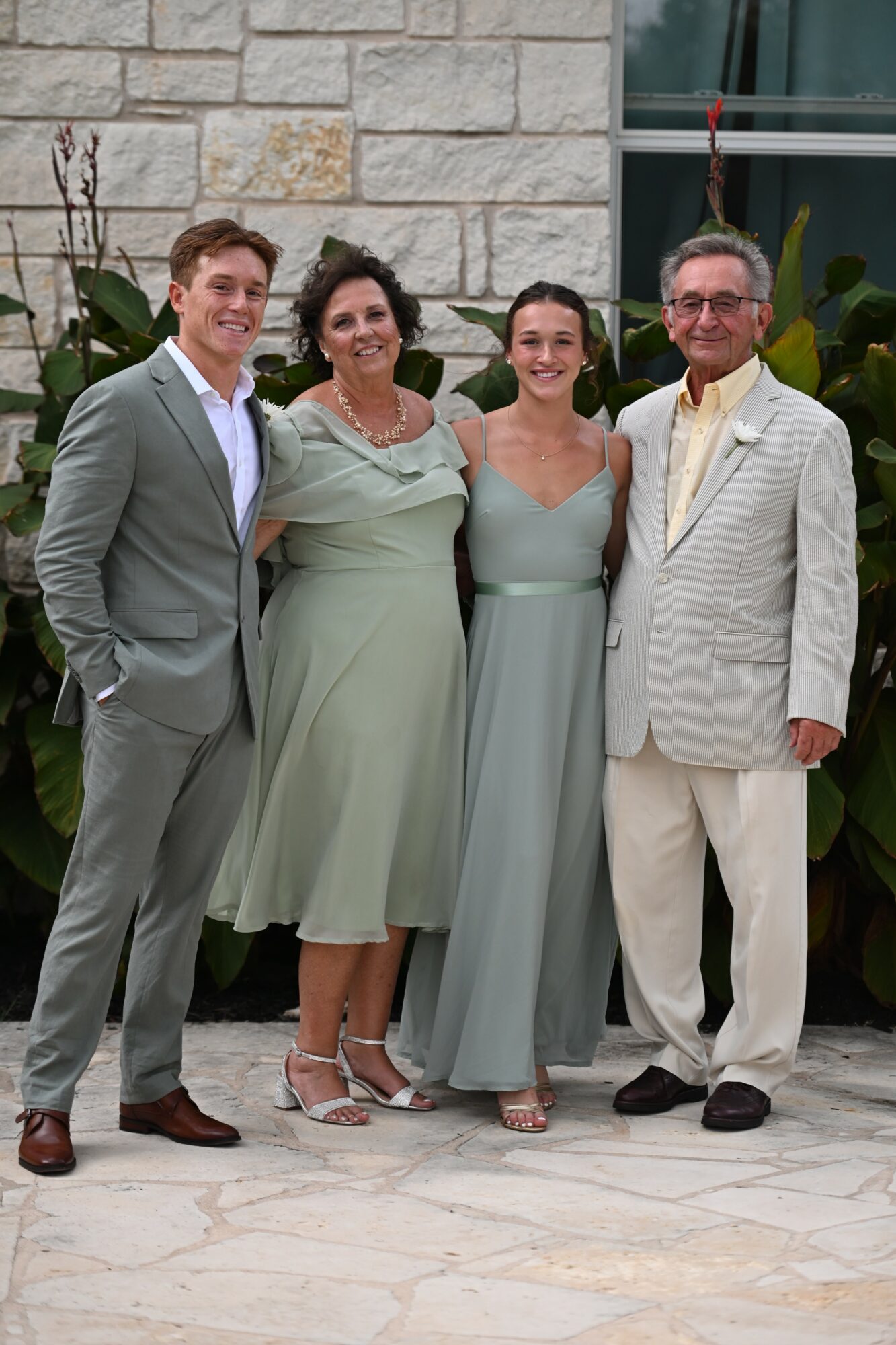
My husband and my kids. I spent a long stretch of my career proving I didn’t need anyone. Learning to actually let people in, and finding out it makes everything better, took longer than I’d like to admit.
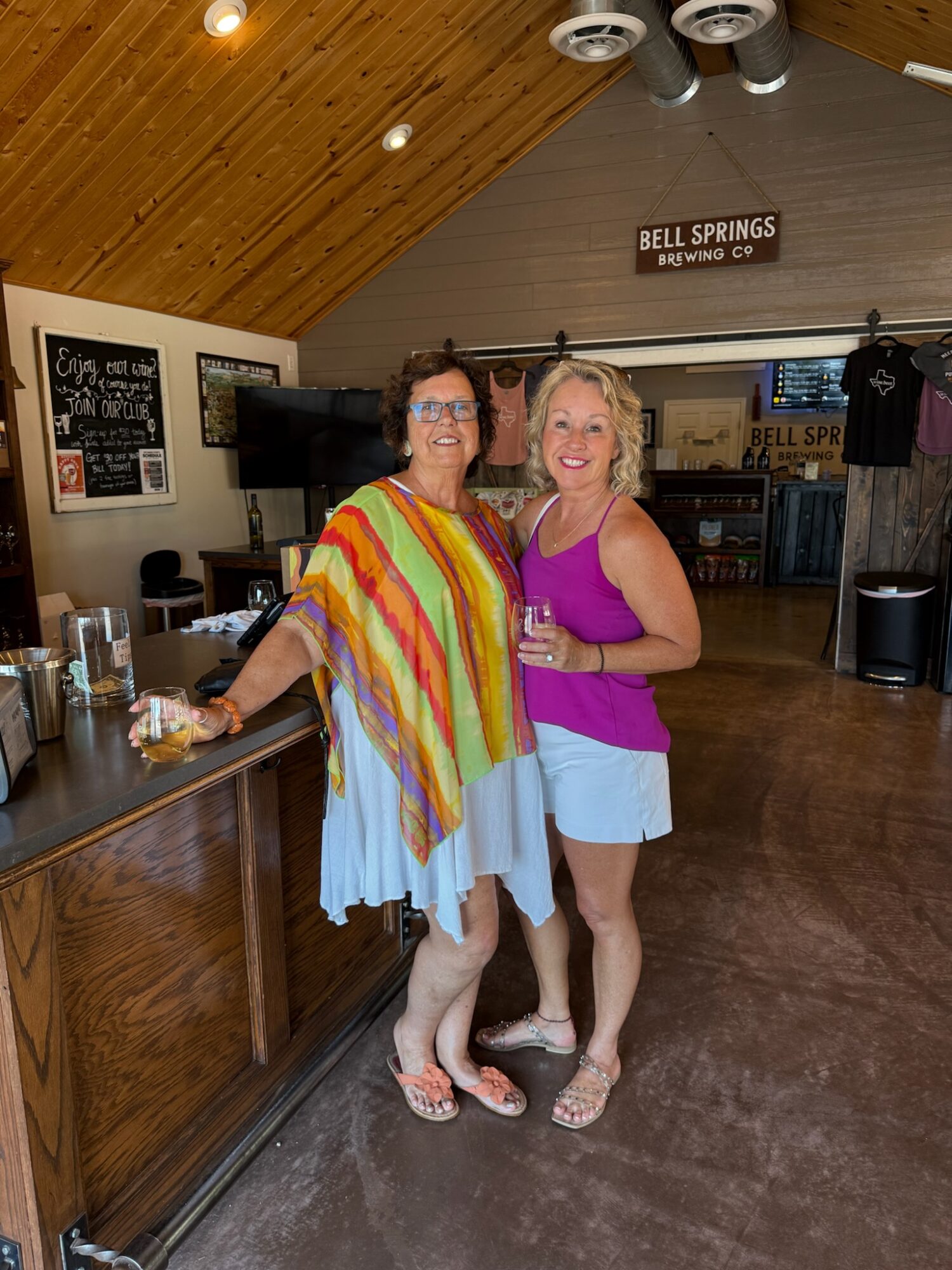
My parents are incredibly important to me. My mom especially — she sacrificed a lot to give me the life I have, and I don’t take that lightly. And my friends are my chosen family. The people who’ve shown up through the hard chapters and the good ones. I don’t have a lot of people in that circle, but the ones who are in it are everything.
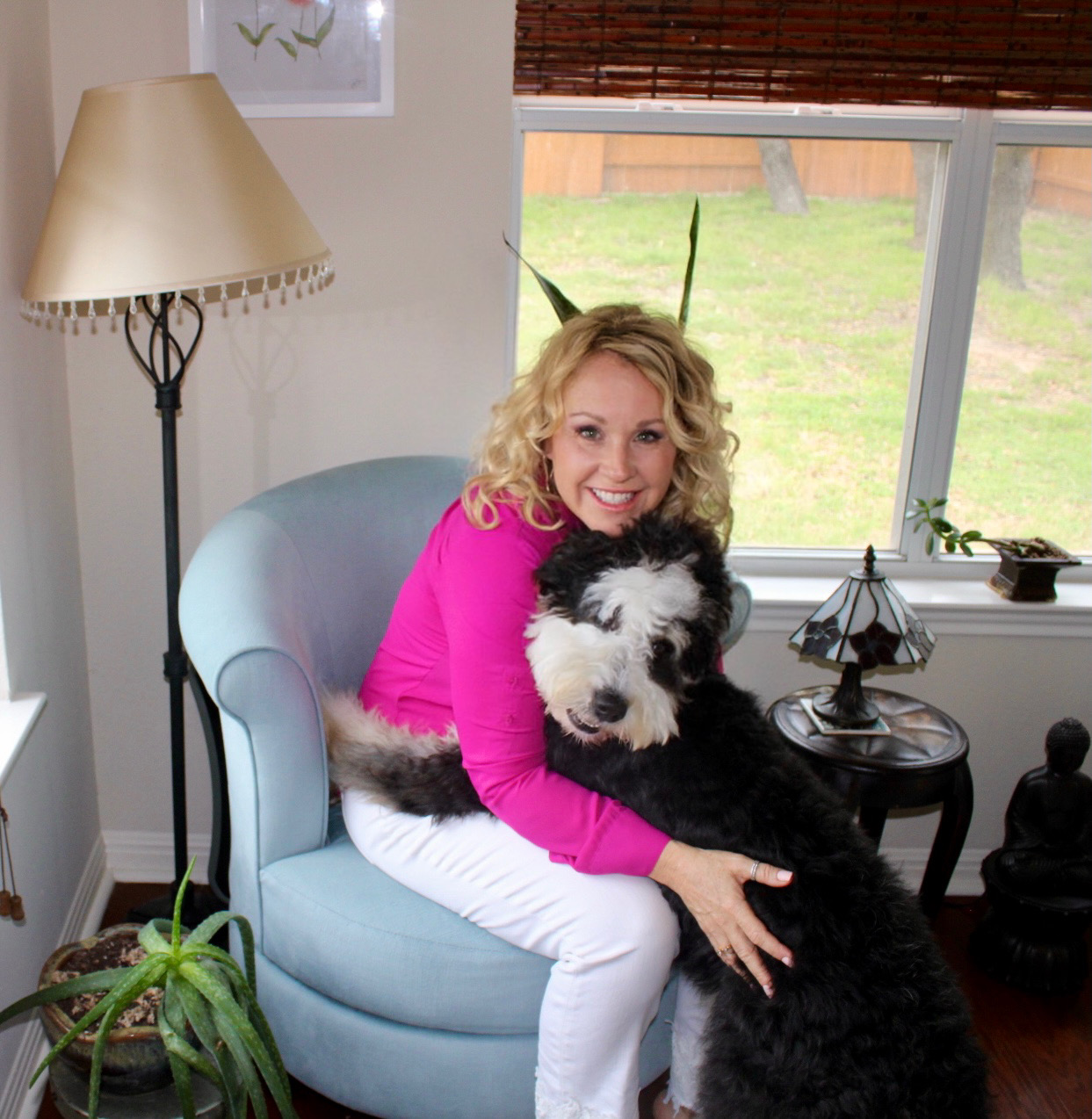
And then there’s Winston. He’s our Bernedoodle, and I’ll just say it — our whole family is completely obsessed with him. He’s ridiculous and perfect and we’re grateful we have him every day.
Outside of the people and the dog — hiking, golf, live music, and good comedy. Austin is genuinely one of the best cities in the world for three of those four things. I’ll let you guess which one I have to travel for.
I read constantly. Human behavior is the subject I keep coming back to — why people do what they do, why smart people repeat the same patterns, what it actually takes to change. That question has driven my career for 24 years and I’m still not tired of it.
What makes me happiest in my work is the moment a client sees their own genius clearly — sometimes for the first time.
Most of the people I work with are exceptional. They’ve built real things. But they’re also carrying blocks they’ve had since childhood that are quietly running the show. When that lifts, and they can finally access what they’re actually capable of, that doesn’t get old.
My purpose has always been the same, even when the work looked different on the outside: help people understand their own genius, clear what’s in the way, and build a life that has both success and fulfillment in it. Not one or the other. Both.
That’s why I wrote the book. That’s why I built the firm. And honestly, that’s why I’m still going.
Contact Info:
- Website: https://www.brookemdukes.com
- Instagram: https://www.instagram.com/brookedukes/
- Facebook: https://www.facebook.com/brookedukes
- LinkedIn: https://www.linkedin.com/in/brookedukes/
- Youtube: https://www.youtube.com/@BrookeDukes
- Other: https://www.brookemdukes.com/TheCEODecisionReset-Webinar