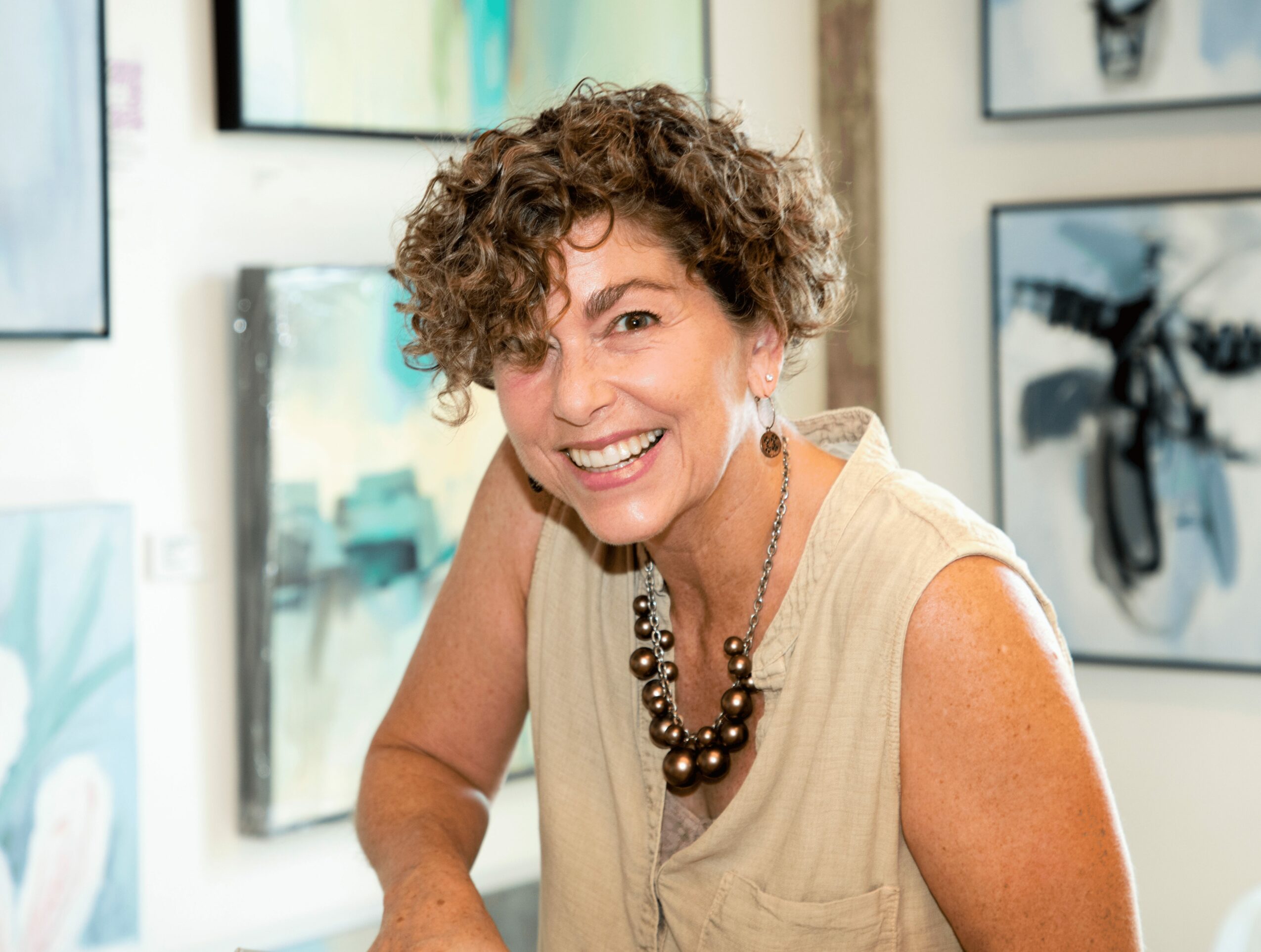



Today we’d like to introduce you to Ann Flemings.
Alright, so thank you so much for sharing your story and insight with our readers. To kick things off, can you tell us a bit about how you got started?
I started my professional life in graphic design, where I was drawn to the balance of composition, form, and visual storytelling. Over time, I found myself increasingly interested in the human side of that work—what motivates people, how they connect, and how meaning is made—so I went back to school and earned a master’s degree in sociology. That shift eventually led me into a long career in nonprofit fundraising, where I spent more than 20 years helping mission-driven organizations build capacity and raise significant support for their work.
While I valued that career deeply, I also realized I was slowly moving away from my own creative practice. About a dozen years ago, I began returning more intentionally to making art, starting again with painting in a way that felt exploratory and personal rather than goal-driven. That return coincided with building a daily yoga practice, which became a major influence on how I approach both life and studio work—more grounded, more attentive, and more willing to sit with uncertainty and process.
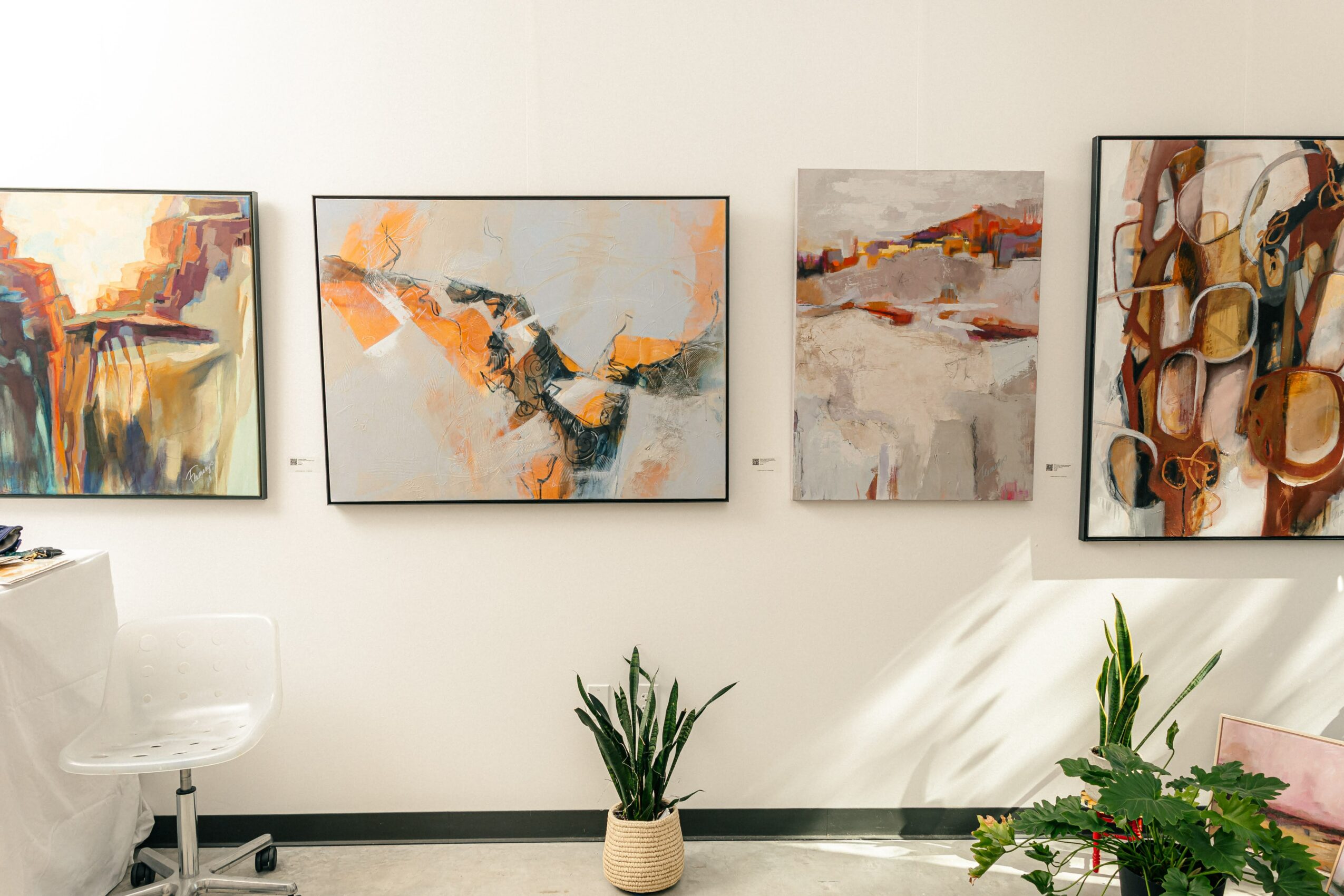
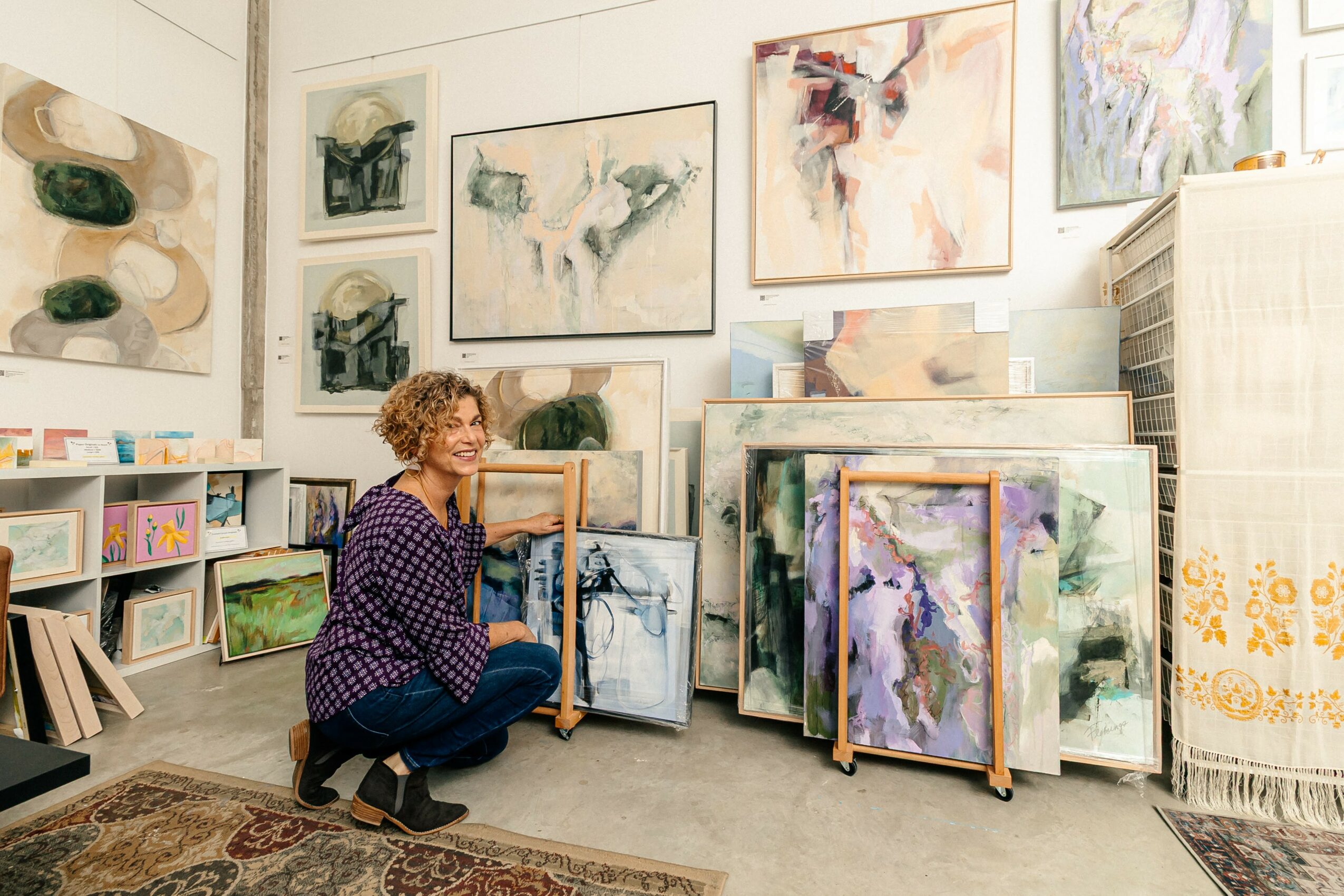
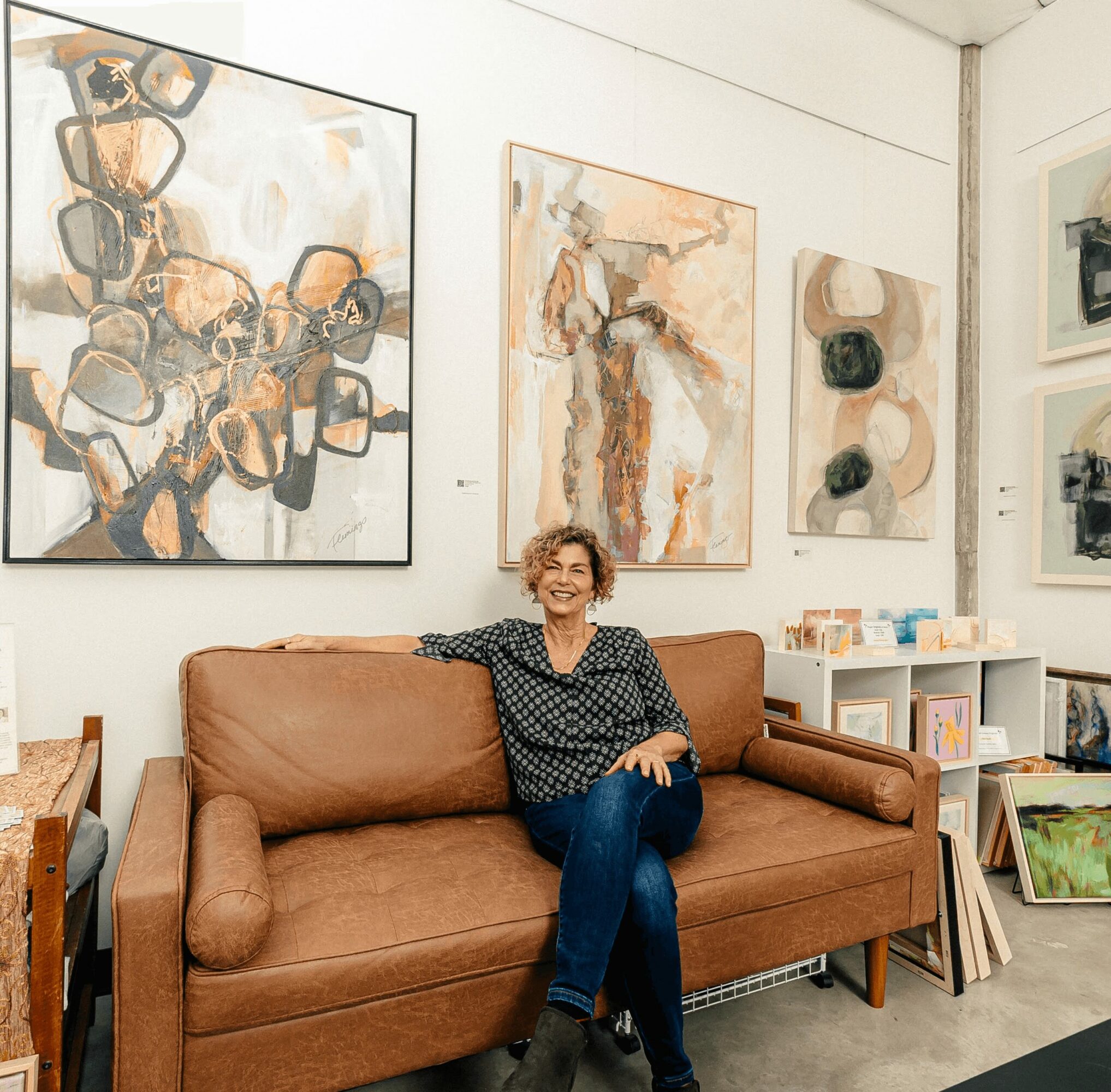
I eventually made the decision to step away from fundraising and devote myself fully to my art practice. Since then, my work has evolved into layered abstract paintings that explore excavation, memory, and light—often reflecting that intersection between stillness and movement that I experience in yoga and meditation. Working out of my studio in Austin at Canopy has been an important part of that evolution, giving me a community of artists and a space to develop my work in a more visible, public way.
In recent years, I’ve had the opportunity to show my work in galleries and juried exhibitions, participate in residencies, and continue expanding both my studio practice and yoga teaching—bringing together the threads of my background in design, sociology, nonprofit work, and contemplative practice into a unified creative path.
We all face challenges, but looking back would you describe it as a relatively smooth road?
No, it hasn’t been a completely smooth road.
One of the biggest ongoing challenges has been the transition from a structured, steady professional career into a more uncertain and self-directed creative life. After more than 20 years in nonprofit fundraising, I was used to clear metrics, defined roles, and predictable income. Stepping away from that into a full-time art practice meant learning how to sit with ambiguity—about income, visibility, and even daily structure—while still staying committed to the work.
There’s also been a more internal tension that continues to show up: the shift between creating freely and then shifting into a mindset of selling or “positioning” the work. When I’m fully in the studio, the process feels expansive and intuitive. But when I start thinking about markets, collectors, or financial sustainability, it can tighten that creative space. Learning how to hold both realities—creative integrity and professional viability—has been an ongoing practice in itself.
On a practical level, building a new career later in life has required rebuilding networks, learning the contemporary art ecosystem from the ground up, and becoming comfortable with being a beginner again in many ways. That has been humbling at times, but also energizing.
Even with those challenges, I don’t experience them as deterrents so much as part of the process of becoming a working artist. The uncertainty, the recalibration, and the persistence it requires have all shaped not just my career path, but the work itself.
Thanks – so what else should our readers know about your work and what you’re currently focused on?
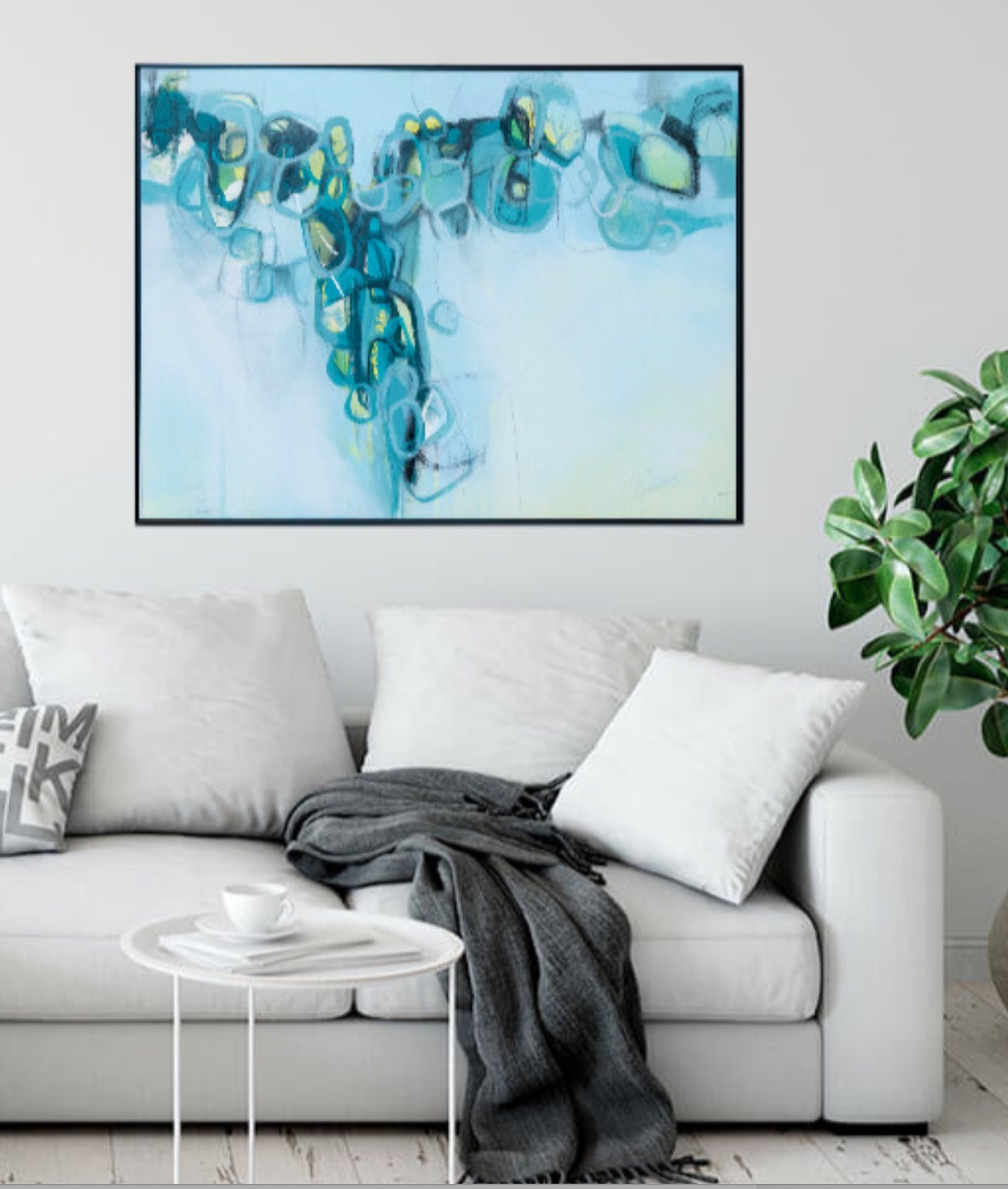
I am a contemporary abstract painter working primarily in layered, process-driven acrylic, oil stick, charcoal, and mixed media works. My practice is centered on accumulation and excavation—building surfaces over time and then revealing what is beneath—so the work often carries a sense of memory, erosion, and emergence rather than a single fixed image.
I would say my work lives in the space between structure and surrender. I’m interested in how light moves through layers, how restraint and gesture coexist, and how abstraction can hold emotional and psychological space without being literal. There is often a quiet tension in the work—between control and release, density and openness—which reflects both my studio process and my background in contemplative practices like yoga and meditation.
In terms of what I specialize in or am becoming known for, it’s this layered visual language that feels both atmospheric and grounded. The work tends to invite slow looking; it doesn’t reveal itself immediately, but unfolds over time. I’m also drawn to creating a sense of spaciousness—moments where the surface opens up and allows the viewer to breathe within it.
What I’m most proud of is the persistence of the practice itself: committing fully to my art after a long career in a different field, and building a consistent studio life where the work has been able to evolve honestly over time. I’m also proud of the way the work has begun to resonate in exhibitions, residencies, and with collectors who respond to its quiet intensity and layered nature.
What sets my work apart is less a single visual signature and more the integration behind it—the way my background in design, sociology, nonprofit leadership, and yoga all inform how I see and build a painting. I approach abstraction not just as image-making, but as a way of thinking and being—one that values depth, patience, and the accumulation of experience over time.
Do you have any advice for those looking to network or find a mentor?
For me, mentorship and networking have worked best when they’re approached less as a transactional “who can help me” process and more as a genuine practice of relationship-building over time.
One of the most important shifts I made was realizing that strong professional relationships in the art world (and really any field) tend to grow out of shared context—studio visits, exhibitions, classes, residencies, and repeated encounters—rather than cold outreach alone. Showing up consistently in spaces where your work and values are visible has been far more effective than trying to force connections.
In my experience, the most meaningful “mentors” haven’t always been formal mentors. They’ve often been peers slightly further along in their practice, or colleagues in adjacent fields, who were willing to share perspective because there was already a sense of mutual respect and creative exchange. Those relationships tend to develop organically when you’re actively engaged in your community—opening your studio, participating in group shows, attending events, and supporting other artists’ work.
What has also helped is being specific about what kind of guidance I’m looking for. Instead of asking someone to “mentor” broadly, I’ve found it more effective to ask targeted, thoughtful questions—about pricing, exhibitions, or career decisions—so the exchange feels grounded and respectful of their time.
Finally, I think consistency matters more than intensity. Networking, for me, has been less about big moments and more about steady presence: showing up, following through, and building trust over time. That kind of foundation tends to lead to opportunities and relationships that are both more sustainable and more meaningful.
Contact Info:
- Website: https://FlemingsArt.com
- Instagram: @ann_flemings_art
- Facebook: @annflemingsart
- Youtube: @annflemingsart
- Other: https://linktr.ee/ann.flemings.art