


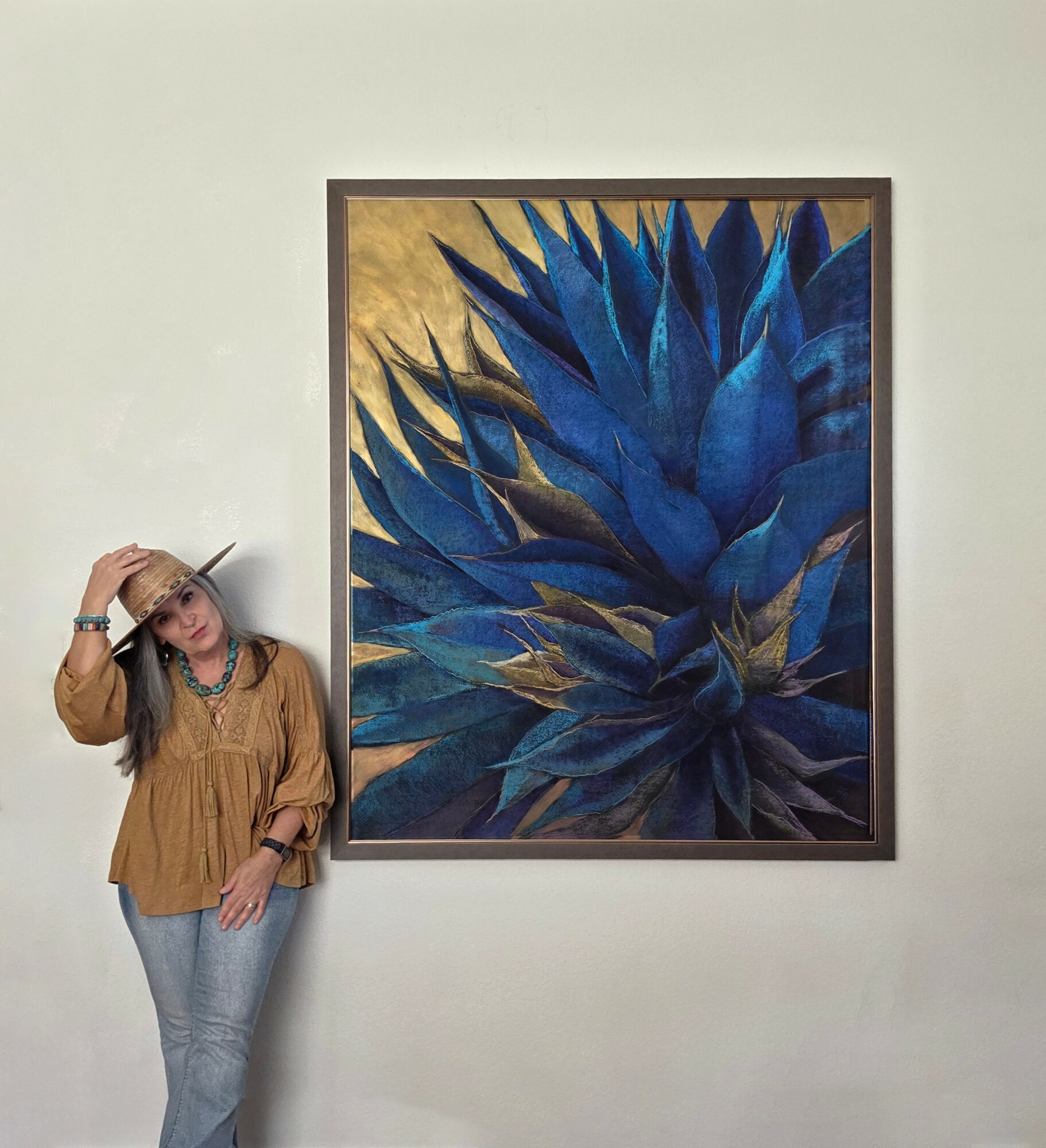
Today we’d like to introduce you to Anna Lisa Leal.
Hi Anna Lisa, so excited to have you on the platform. So before we get into questions about your work-life, maybe you can bring our readers up to speed on your story and how you got to where you are today?
I am originally from Laredo, on the Texas–Mexico border. As a kid, I spent my days playing and drawing in the shade of the citrus trees in our backyard. I vividly remember drawing all through high school and college creating portraits in graphite or charcoal. In college I earned a little extra spending money creating portraits.
Even though I had artistic talent, I chose what felt like a more “practical” degree in the sciences instead of taking the creative route. During college, I discovered a strong aptitude for botany in my very first biology course. When the semester ended, I was invited to teach the laboratory portion of that class, and I continued teaching it for the rest of my time on that campus. That love of botany would find me again years later, I just didn’t know it at the time. After college, I gradually left regular drawing behind, though I always found ways to create after hours as my career grew.
In 2013, encouraged by my sister, I attended a half‑day pastel workshop taught by an artist from the Pastel Society of New Mexico. I was pretty sure I wouldn’t like the medium—so of course I fell completely in love with it. I’ve never set it aside since and continued my pastel education by taking numerous workshops with nationally and internationally recognized pastel artists.
I’m sure it wasn’t obstacle-free, but would you say the journey has been fairly smooth so far?
One of the biggest surprises I encountered was when I moved into my art full time. As one can imagine, there was a a dramatic shift in my creative rhythm. For the last twelve years of my corporate career, I was also steadily building my art business, often devoting sixteen to twenty hours a week to it on top of a demanding full‑time job. My corporate role involved extensive travel and projects with strict, unforgiving timelines. In that environment, my art became my solace—my pressure valve and my way of reclaiming myself.
When I finally transitioned to art full time, I was incredibly productive at first. But once the fire in my hair burned out, I realized something unexpected: the stress I had lived with for so long had been a catalyst in my work. I used that stress to fuel my creation. Without it, I had to learn how to create from a different place—one not fueled by urgency or adrenaline. It was an interesting, sometimes disorienting shift, but ultimately a meaningful one. It taught me to cultivate inspiration and to build a creative life rooted in presence rather than pressure.
Can you tell our readers more about what you do and what you think sets you apart from others?
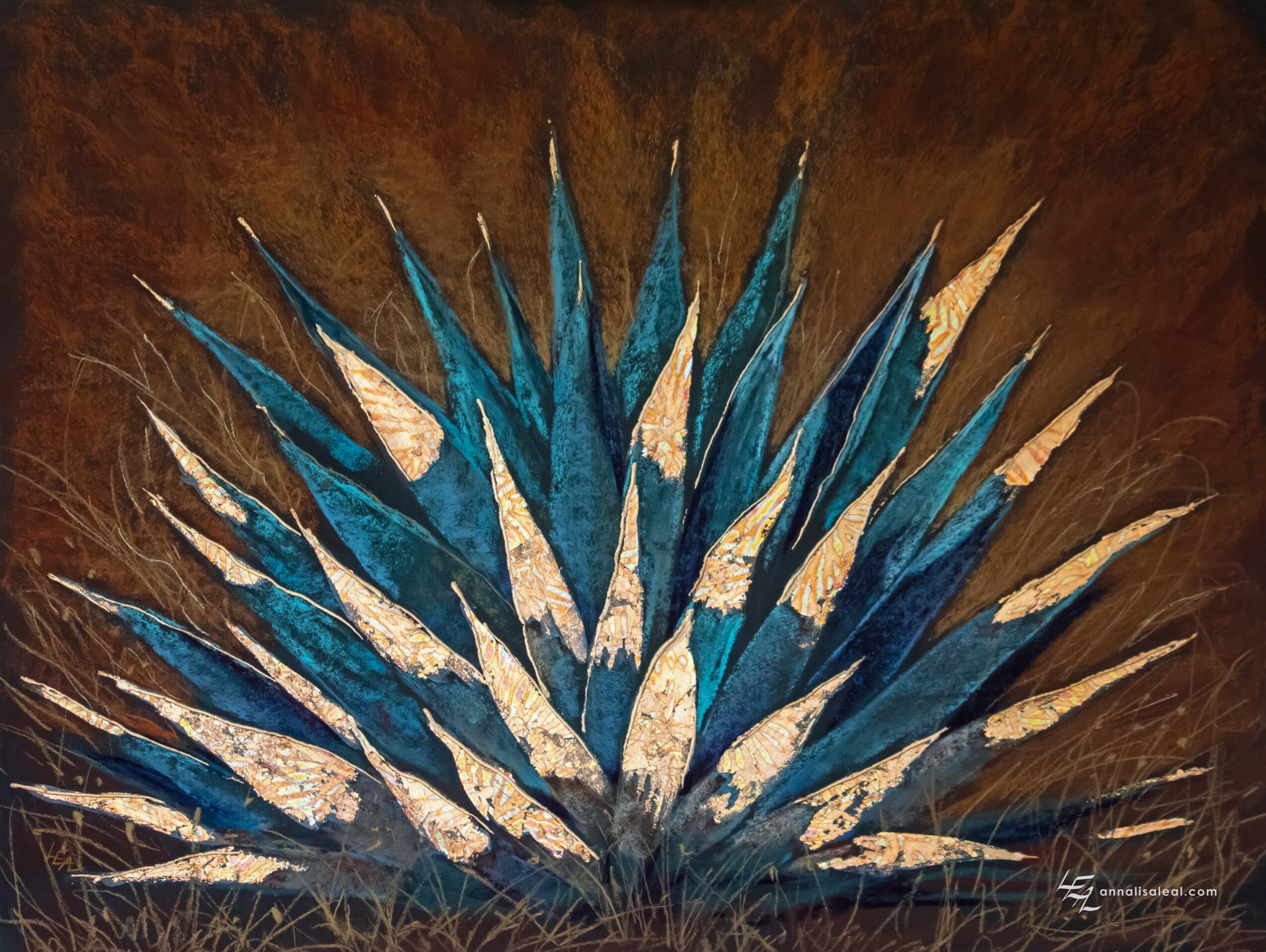
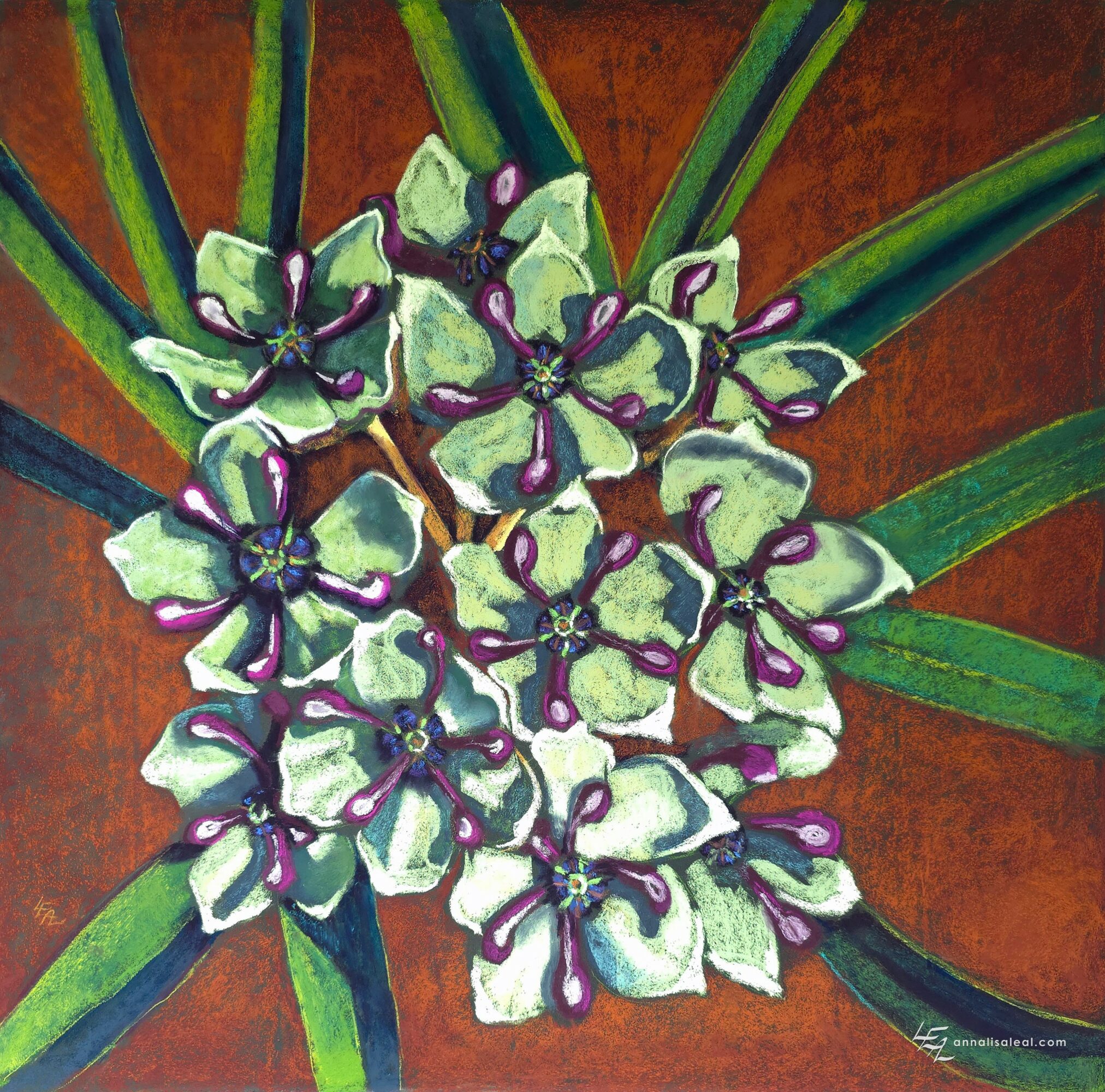
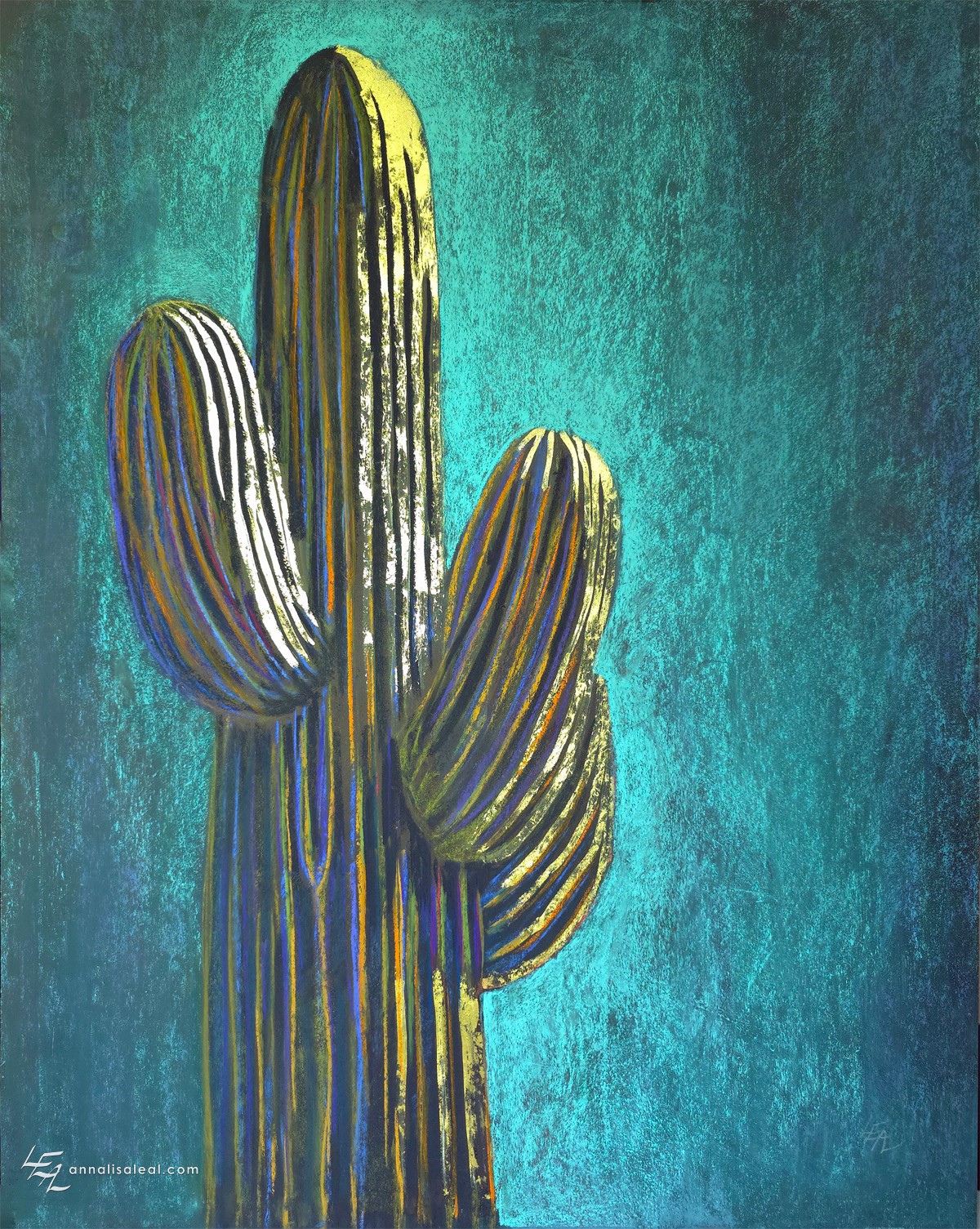
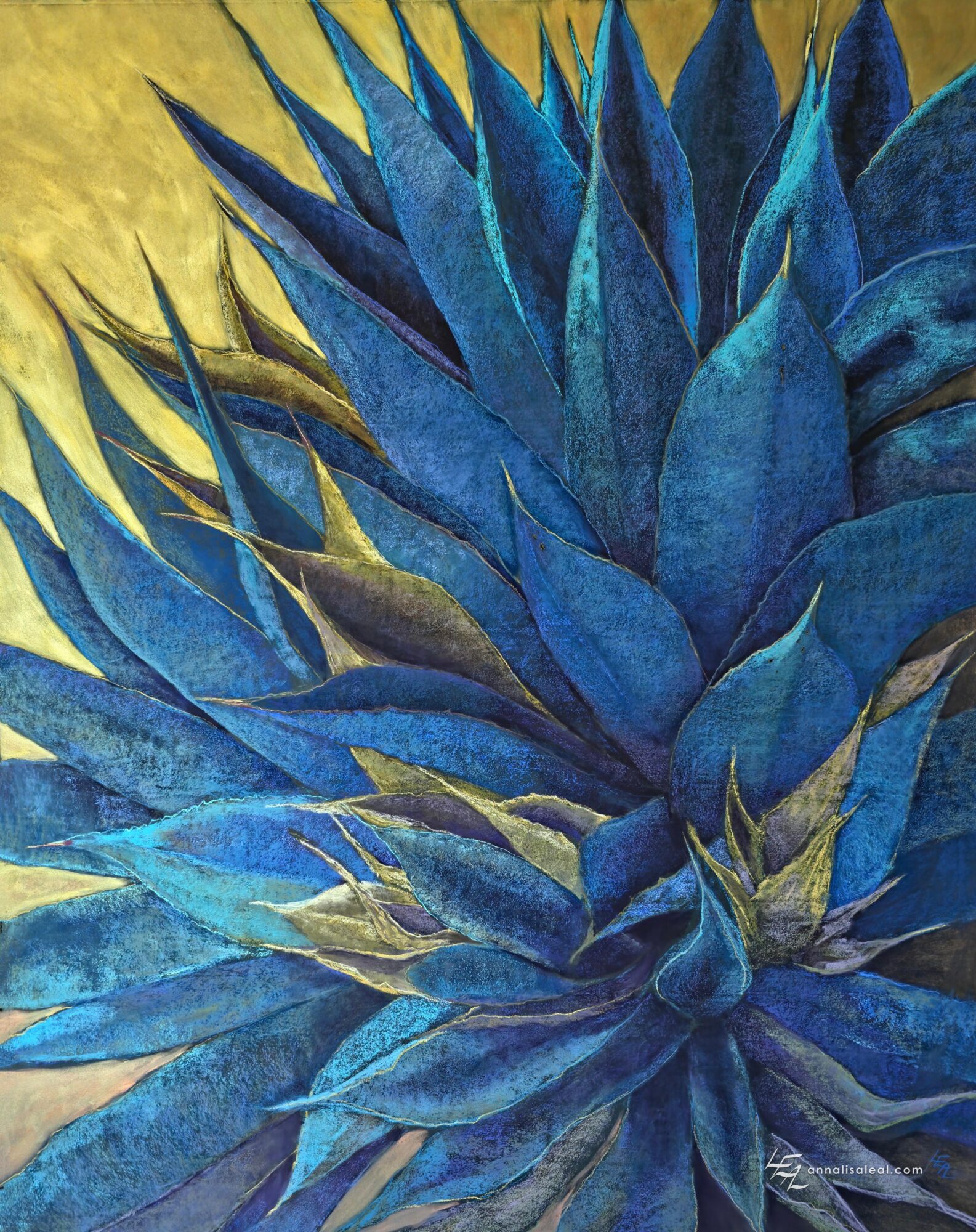
I’m most inspired by the xeric botanicals, fauna, and found objects of the Chihuahuan and Sonoran deserts and the greater Southwestern United States. When people ask me to choose a favorite between cacti, succulents, aloe, and agave, my heart always goes to the agave. I admire its stateliness and the seemingly endless variations in size, color, and form. I’m fascinated by the undulation of certain species’ leaves and the delicate markings left by unfurling growth—like footsteps in sand.
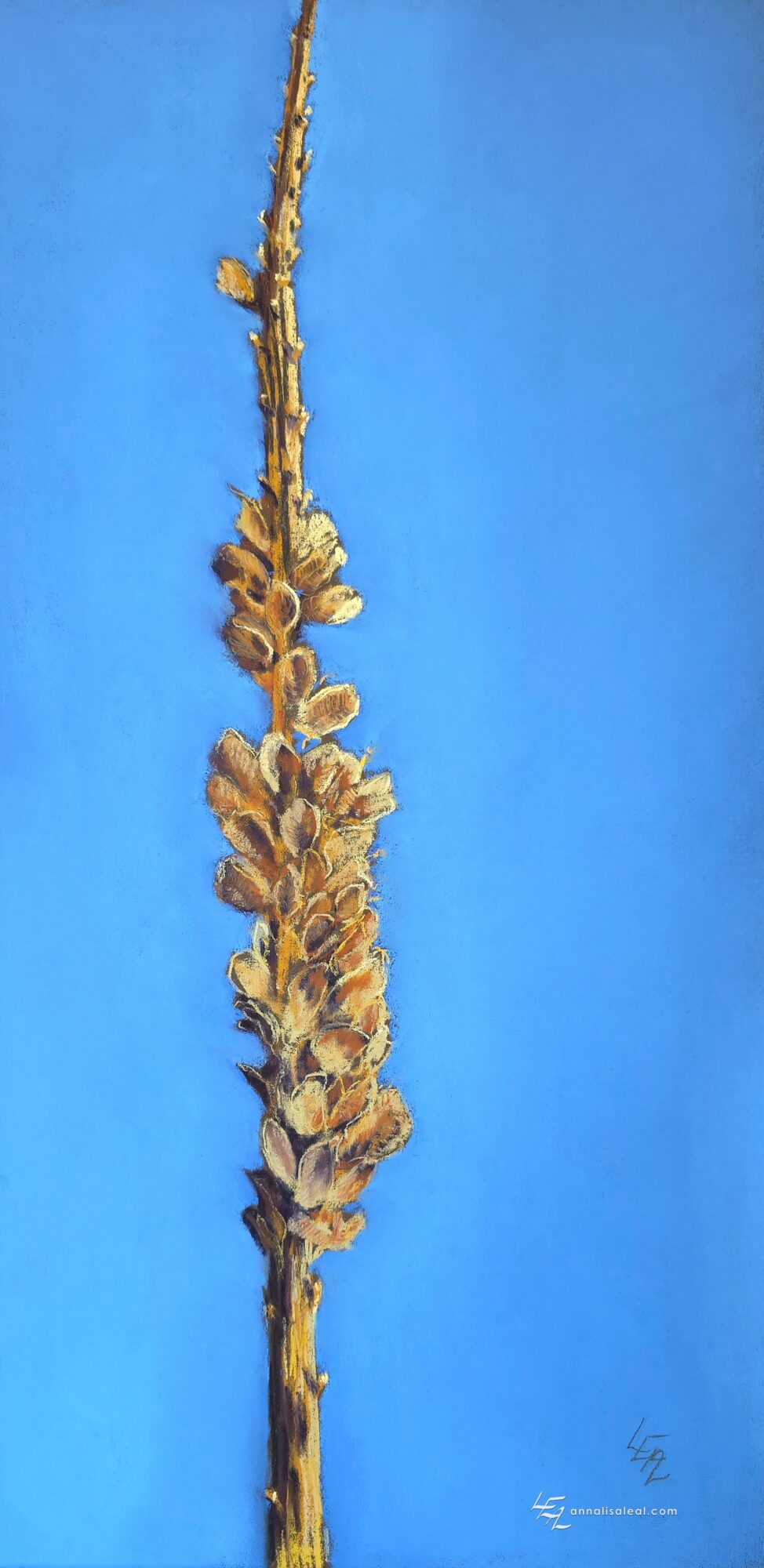
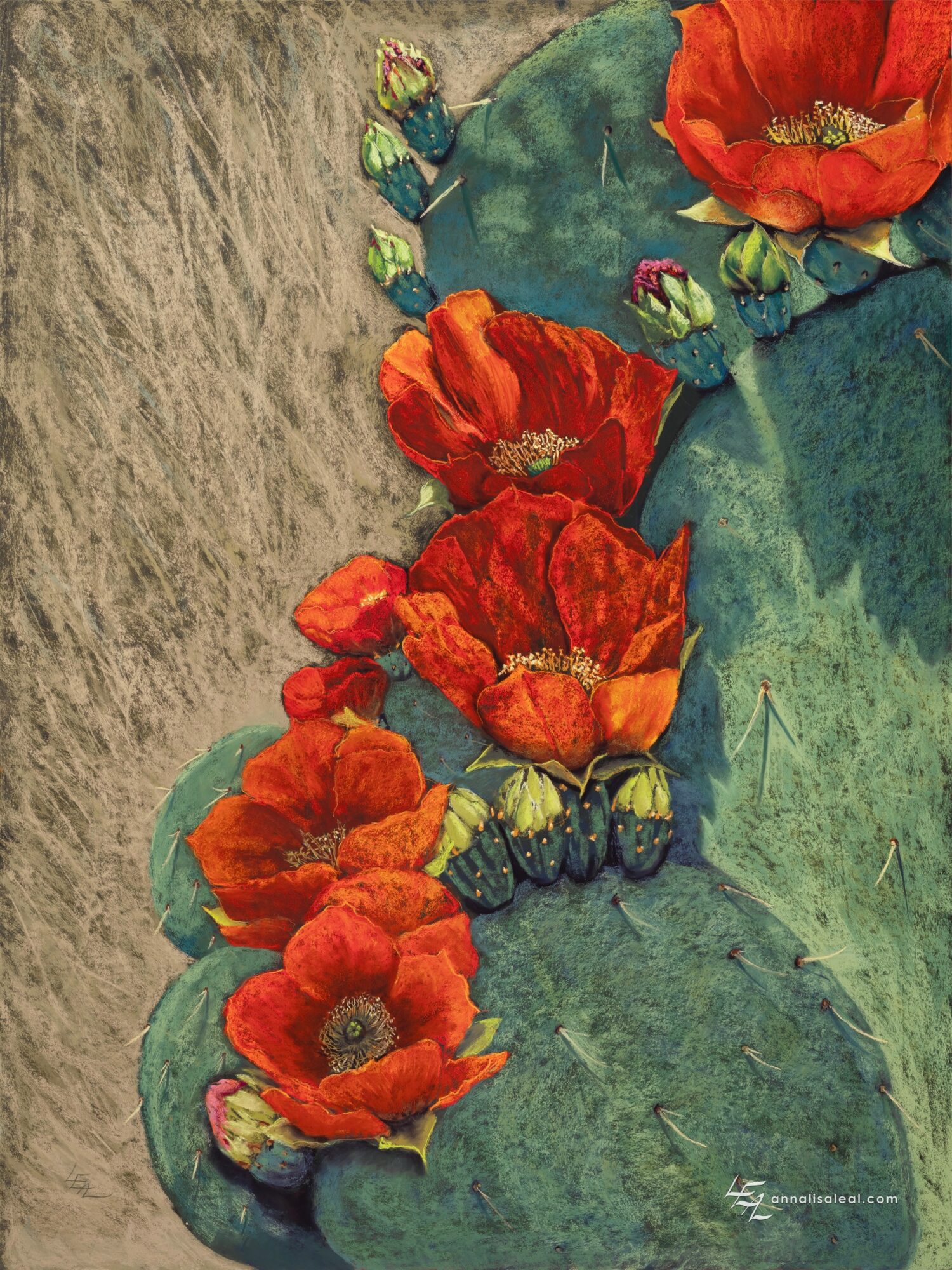
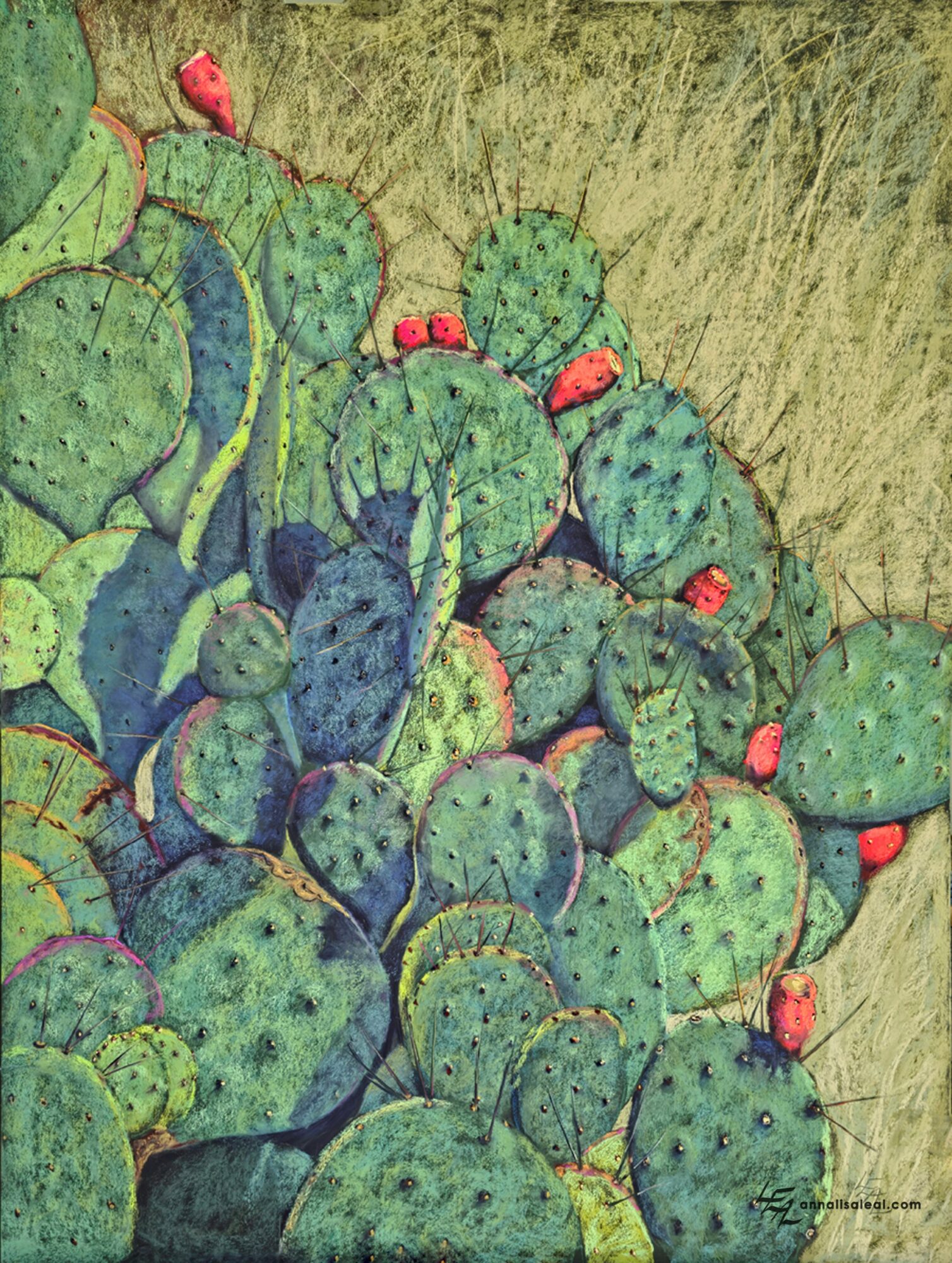
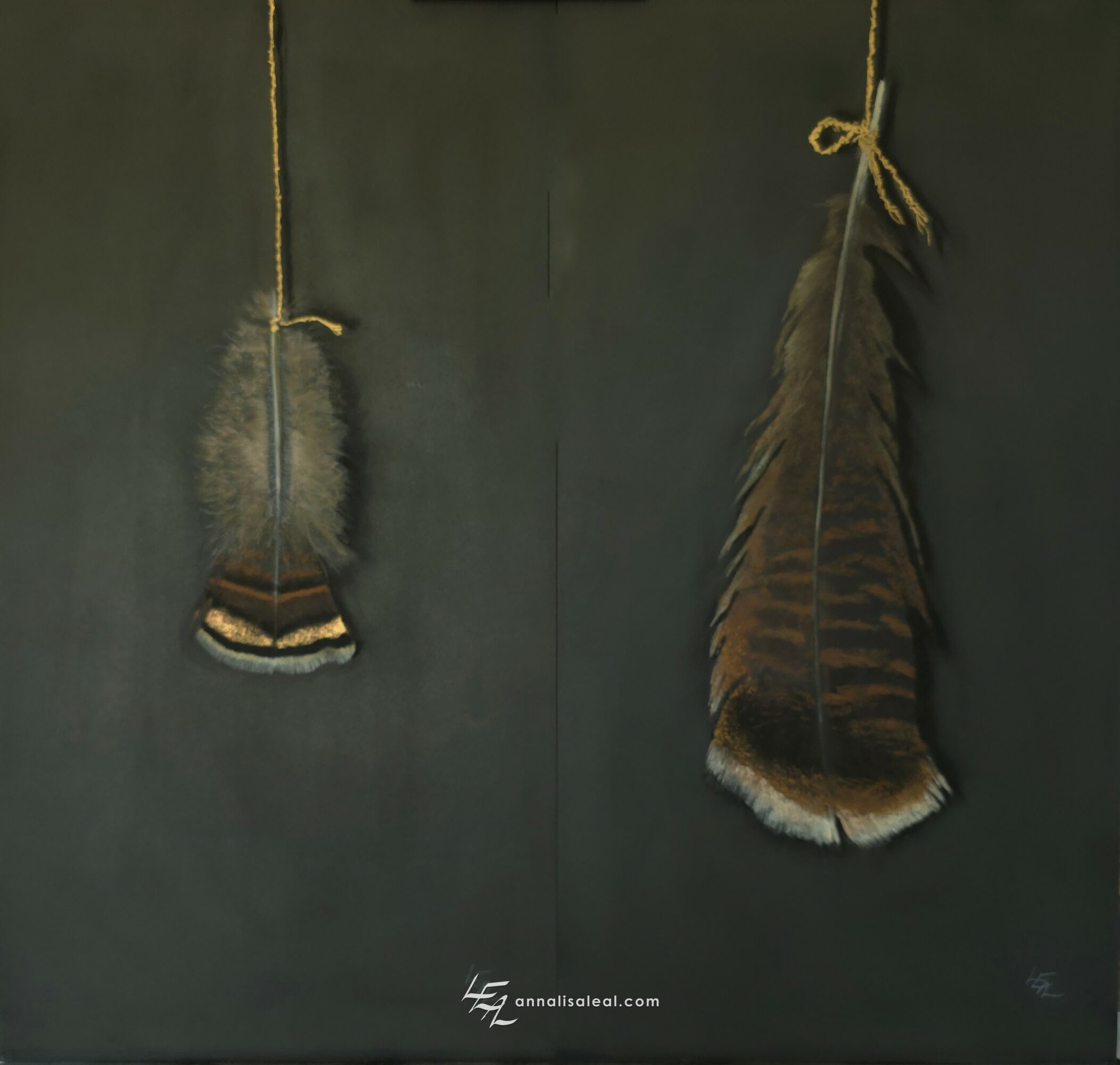
In harmony with my focus on arid environments, pastel is a dry medium. Pastel is composed of pure pigment with only enough binder to give it shape. It’s dry nature and crystalline qualities cause a vibration of color for the eye – good vibrations. On board, I prepare my surfaces with texture medium, carving into wet layers to echo the woody grain of drying agave leaves or cedar branches, and pressing found objects into gel to preserve the tactile memory of the desert itself. Freed from the size limitations of paper, I often present pastels at large scales, immersing viewers in the grandeur of these forms in 4- and 5-foot images. I periodically work in colored pencil and oils when I want finer detail or simply need a change. In a recent series, I’ve started incorporating metal leaf—both plain and patterned—alongside my combination of pastel and metallic acrylics. This began with my Lost Mine Series, an homage to the legend of the Lost Mine Trail in Big Bend National Park. The interplay of soft pastel and metal leaf evokes the strength and rigidity of desert flora, especially the agave and yucca spines and leaves.
Alongside these botanical forms, I often depict the desert’s resilient inhabitants—birds, reptiles, and other creatures that appear naturally in my field photography, as well as other found objects such as bones and feathers. While many are awed by the grandeur of desert landscapes, I invite viewers to look closer—to find reverence in the minute details, the overlooked textures, and the quiet resilience of nature. I ask my viewers to become rooted in the present – the now – seeing the desert world around them rather than brushing it off as desolate and barren. My work is a celebration of what endures, what transforms, and what we might otherwise take for granted.
I never fully understood my fascination with xeric botanicals until I was driving through Presidio, Texas. In that moment, I realized that given my birthplace and early years, I had simply been drawing home all along. For more than thirty years now, home has been in and around Austin, Texas. Today, my studio is at my home in the Hill Country northwest of Austin, near the Balcones Canyonlands National Wildlife Refuge—an environment that continues to shape and inspire my work.
Do you have recommendations for books, apps, blogs, etc?
These are books I’ve loved over the years for not only my art and art work, but also for sense of place and self….
Exploring the Big Bend Country, by Peter Koch and June Cooper Price
How Georgia Became O’Keeffe, by Karen Karbo
Black Elk Speaks, by John Gneisenau Neihardt
Women Who Run With the Wolves, by Clarissa Pinkola Estes
I spend time in nature as often as possible collecting photo images and understandings of the flora, fauna and found objects I depict in my work. Artist residencies at Ghost Ranch in New Mexico and Willow House in Terlingua, West Texas have helped to fuel my creative fires.
Contact Info:
- Website: https://annalisaleal.com
- Instagram: https://www.instagram.com/annalisalealartist/
- Facebook: https://www.facebook.com/annalisalealartist/
- LinkedIn: https://www.linkedin.com/in/annalisa-leal/