


Today we’d like to introduce you to David “Boston” Jones.
Alright, so thank you so much for sharing your story and insight with our readers. To kick things off, can you tell us a bit about how you got started?
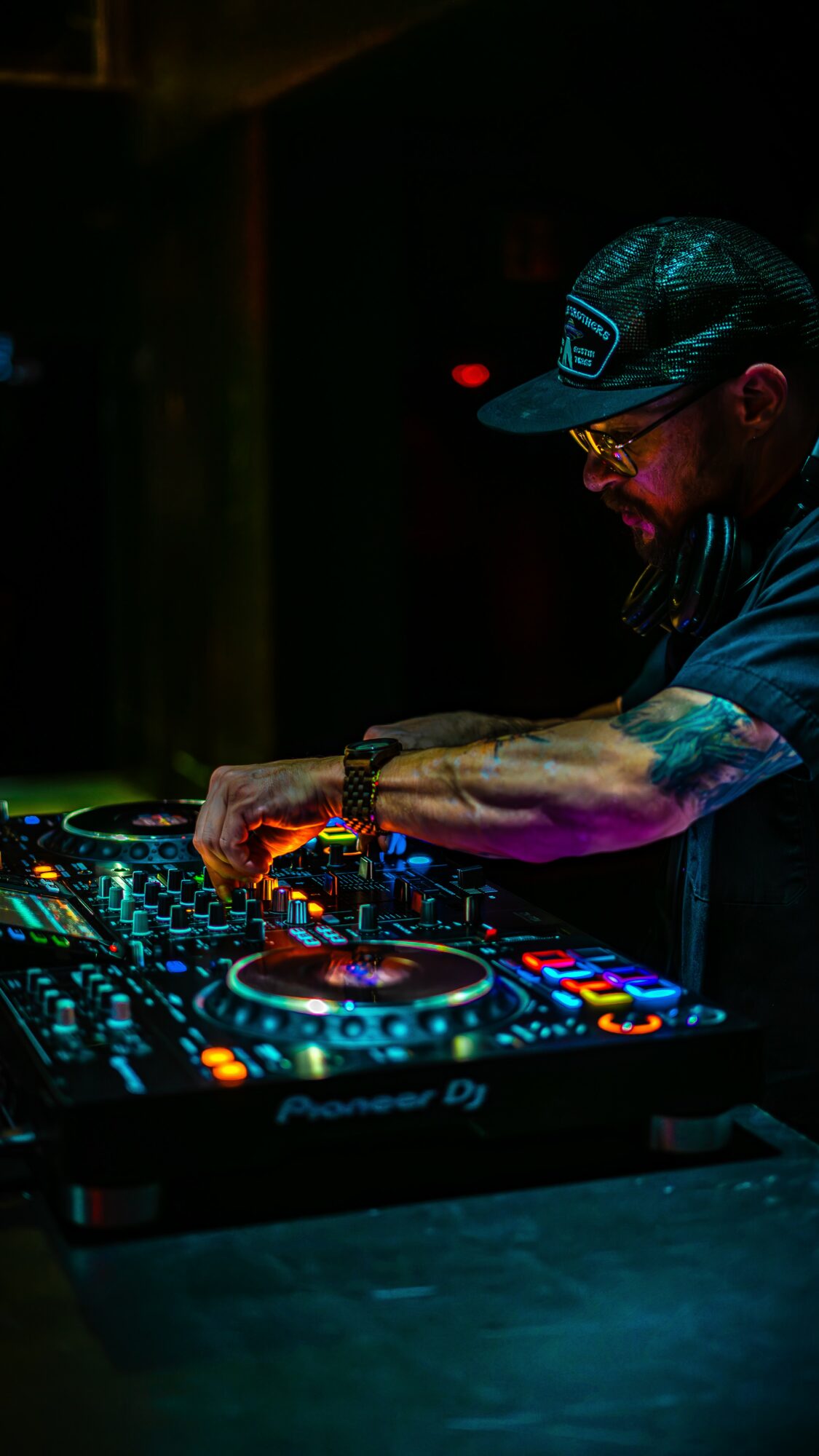
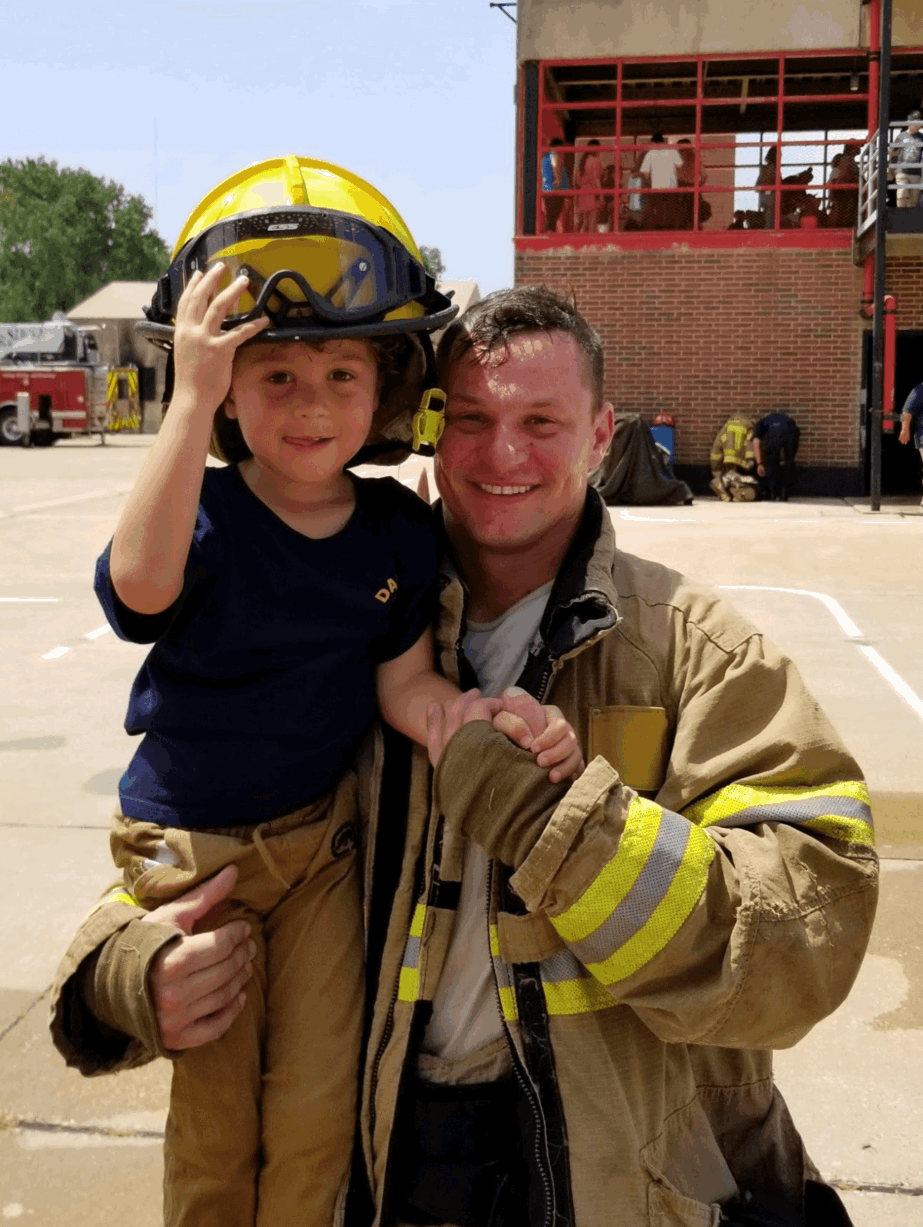
I’ve been a musician for most of my life. I started as a drummer, eventually attended Berklee College of Music, and spent years performing and working in music. My path took a pretty major turn when I became a firefighter with the City of Dallas, where I worked from 2018 to 2023. After leaving the fire service, I found my way back to music in a completely new way through DJing.
I went through DJ school and began rebuilding my career from the ground up, combining my background as a live drummer with electronic music and DJ performance. Since then, I’ve played venues and events in Texas and Boston, become a resident DJ in Austin, and started building my own entertainment company and working with other DJs.
The last few years have involved a lot of rebuilding and reinvention, both personally and professionally. Music has ultimately been the one constant throughout my life, and now I’m trying to turn everything I’ve learned, from Berklee, performing, firefighting, business, and starting over into something that is uniquely my own.
I am also a father to a wonderful 10 year old boy named Hendrix.
I’m sure it wasn’t obstacle-free, but would you say the journey has been fairly smooth so far?
It definitely hasn’t been a completely smooth road. My professional background has been split between two very different worlds: the fire service and the music industry. I spent several years working in the fire service, while at the same time continuing to build and manage my DJ business.
I’ve been managing a DJ company in Boston for the past 12 years, with a staff that has grown to around 20 DJs, and I’ve also been operating in Texas for roughly the past 10 years. Building and maintaining a business across two markets has meant constantly adapting , recruiting and managing talent, maintaining venue relationships, handling scheduling, client expectations, pricing, and all of the challenges that come with the entertainment industry.
Transitioning away from the fire service and putting more of my focus into music and entrepreneurship was a major life change. There have been setbacks, moves, changing markets, and plenty of times where I’ve had to rebuild or adjust the plan. But the fire service taught me discipline, teamwork, accountability, and how to stay composed under pressure, and those lessons have carried directly into how I run my business today.
As you know, we’re big fans of you and your work. For our readers who might not be as familiar what can you tell them about what you do?
I’m a professional DJ, drummer, musician, and entertainment entrepreneur, and music has been a major part of my life for as long as I can remember. I started as a drummer and percussionist, later attending Berklee College of Music in Boston and graduating in 2010. Over the years, I’ve had opportunities I’m very proud of, including playing drums in the 2016 Ghostbusters film and becoming an endorsed artist with SJC Drums.
Over the past 12 years, I’ve managed a DJ company in Boston that has grown to a staff of roughly 20 DJs, while also building and operating in Texas for about the past 10 years. My work goes far beyond performing. I handle talent recruitment, scheduling, venue relationships, client management, branding, pricing, and the logistics involved in keeping a roster of DJs working consistently.
My background as a drummer strongly influences the way I DJ. I approach sets from a musician’s perspective, paying close attention to rhythm, dynamics, energy, and how a crowd responds in real time. I think that musical foundation helps separate me from DJs who came into the craft strictly from the technical side.
I’m also proud that I built this career while spending several years in the fire service. Firefighting reinforced discipline, teamwork, leadership, accountability, and the ability to perform under pressure; qualities that have carried directly into both music and business.
What sets me apart is that I’ve experienced the industry from multiple angles: as a Berklee-trained musician, a professional drummer, a working DJ, a business owner, and someone who manages and develops other DJs. One of my long-term goals is to open my own DJ school here in Austin so I can share what I’ve learned with people who are genuinely interested in the craft and help teach not only the technical side of DJing, but also musicianship, performance, professionalism, and how to build a sustainable career in the industry.
What sort of changes are you expecting over the next 5-10 years?
Over the next 5–10 years, I think the DJ and live entertainment industry is going to change significantly, especially because of AI. I’m excited by some of the creative possibilities, but I also have real concerns about how AI could affect musicians, DJs, producers, and other creative professionals. If technology makes it easier to generate music, automate performances, or replace parts of the creative process, I think the industry is going to have to seriously reconsider what gives an artist value.
I’m trying to keep an open mind about that rather than resist it completely. The music industry has always changed with technology, and I think part of surviving in it is being willing to pivot. If AI changes certain parts of my career, I want to be prepared to adapt, learn new tools, and find ways to use my experience in music, performance, management, and education in different ways.
At the same time, I think those changes may actually make genuine musicianship and human connection more important. AI may be able to help create or organize music, but reading a room, understanding a crowd, performing live, developing a personality, and creating a memorable experience are much harder to replicate. Coming from a background as a drummer and musician, I hope that the human side of performance becomes even more valuable as technology advances.
I also think education and mentorship will become increasingly important. One of my long-term goals is to open a DJ school in Austin, and I would want that school to evolve with the industry rather than teach people one fixed way of doing things. My goal would be to teach the fundamentals of musicianship, performance, professionalism, and business while also helping future DJs understand new technology and how to adapt as the industry changes.
For me, the biggest priority is staying flexible. I’ve already had a career that has crossed music, business, and the fire service, so I’m comfortable with the idea that a career can evolve. I want to continue making music and performing for as long as I can, but I also want to be realistic about where the industry is headed and be willing to pivot if the future requires it.
Contact Info:
- Instagram: @djbostonjones