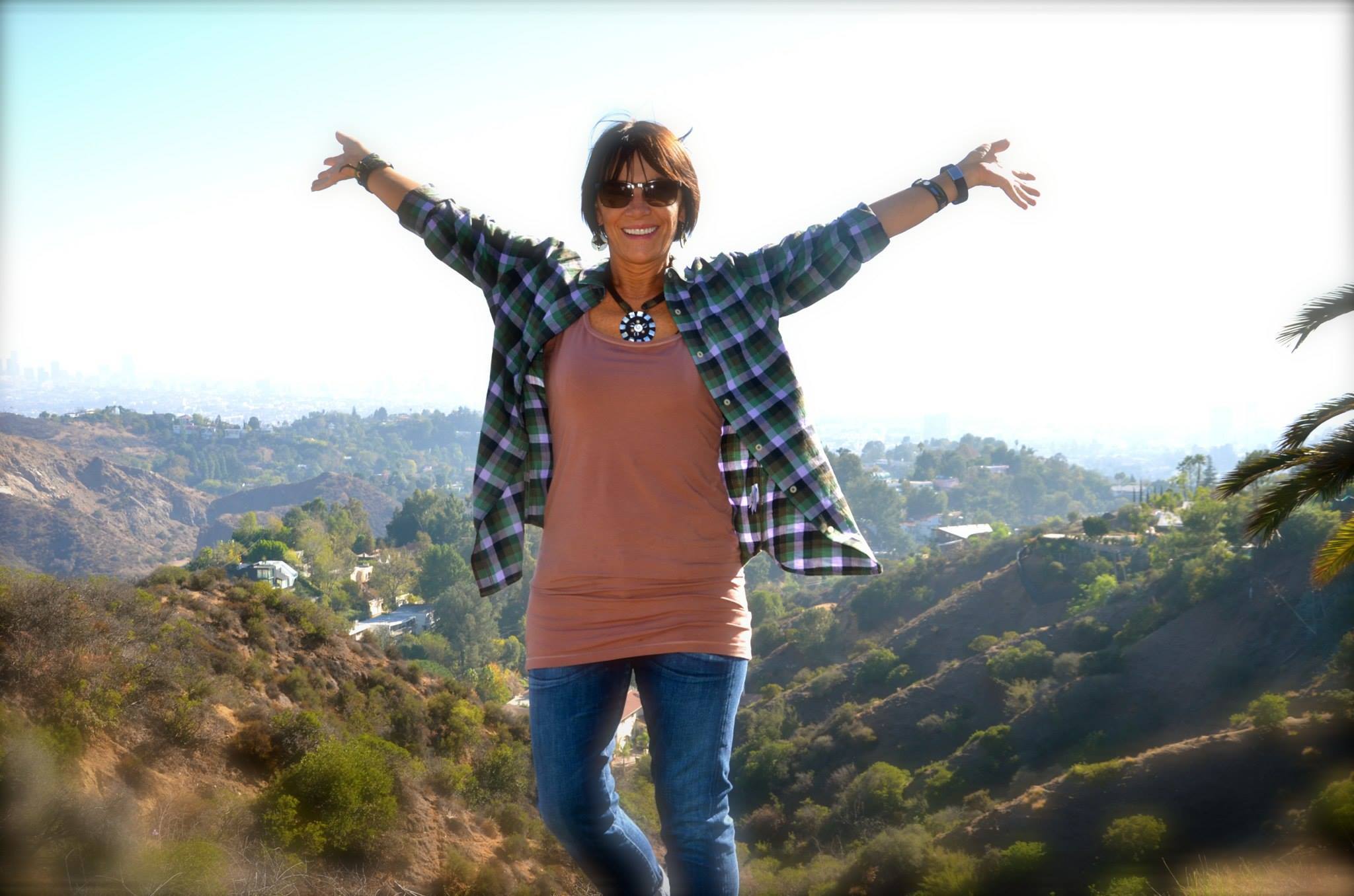



Today we’d like to introduce you to Gabriele Brown.
Hi Gabriele, thanks for sharing your story with us. To start, maybe you can tell our readers some of your backstory.
My journey into travel was anything but traditional. In fact, if you had told me years ago that I would one day own a safari company and spend a large part of my life traveling throughout East Africa, I probably would have laughed.
I was born and raised in a very small community in Germany and immigrated to the United States as a young woman. I built a life here, raised my family, and spent nearly 35 years working in the finance industry. Travel was always a passion, but Africa was the place that somehow captured me in a completely different way.
My first experiences there changed something in me. It wasn’t simply the wildlife, although seeing animals roaming freely across those extraordinary landscapes never loses its magic. It was the people, the cultures, the vastness of the land, and the feeling of being completely present. Africa has a way of reminding you how big the world is and, at the same time, how connected we all are.
Eventually, what began as a personal passion became something I wanted to share with others. In 2014, I founded Urth Expedition, specializing in personally curated journeys throughout East Africa.
I didn’t come into this industry from behind a desk or by studying destinations in brochures. I learned by going there, again and again. I traveled the roads, stayed in the camps and lodges, met the guides, spent time with local communities, built relationships with people on the ground, and learned that the smallest details can completely change a traveler’s experience.
Over the years, Urth Expedition has evolved far beyond simply arranging safaris. We create private wildlife journeys, Kilimanjaro climbs, gorilla and chimpanzee trekking expeditions, photography journeys, wellness retreats, cultural experiences and adventures designed especially for solo travelers, women and multigenerational families.
But what matters most to me hasn’t changed.
I believe travel should feel personal. I don’t believe in rushing through a country simply to check destinations off a list. I would rather have someone spend four meaningful days in one place than race through four places in four days. I want our travelers to slow down, connect with the people they meet, sit quietly with wildlife, learn something about the communities they visit and come home understanding the destination a little differently.
Responsible travel has also become an increasingly important part of what I do. Wildlife and local communities should never simply become a backdrop for someone’s vacation. I am very conscious about the guides, camps and organizations we work with, and I believe those of us who bring travelers into these extraordinary places have a responsibility to help protect them.
More than a decade after starting Urth Expedition, I still personally travel to the destinations I sell. I still inspect camps, meet guides, explore new areas and maintain relationships with the people who ultimately make our travelers’ experiences possible. And I still get excited when someone calls me and says, “I’ve always dreamed of going to Africa.”
Perhaps the greatest surprise in this journey has been discovering that it is never too late to reinvent yourself. I spent decades in one career before finding the work that truly became my passion.
Today, some of my most meaningful moments aren’t necessarily the dramatic ones. They are watching someone see their first elephant in the wild, hearing a traveler tell me they felt completely at home in a place they had once been nervous to visit, or watching a group of strangers arrive in Africa and leave as friends.
That is what keeps bringing me back.
Africa started as a destination for me. Somewhere along the way, it became part of my life, and sharing that connection with others became my purpose.
Would you say it’s been a smooth road, and if not what are some of the biggest challenges you’ve faced along the way?
Hell no! And I say that with a smile now, because some of the hardest lessons ultimately made me a much better businesswoman.
When I first started working in East Africa, I came in with tremendous passion, but passion doesn’t necessarily prepare you for the realities of doing business in another part of the world. I had to learn an entirely different business culture, understand how things operated on the ground, and figure out very quickly whom I could, and could not, trust.
Being a woman navigating a predominantly male tourism industry added another layer. There were times, particularly in those early years, when I felt I was viewed less as a business partner and more as someone with an open wallet. I was unfamiliar with some of the systems and business practices, and unfortunately, there were people who recognized that and took advantage of it.
One of those experiences involved a local partner whom I trusted considerably. I learned the hard way that a handshake, friendship and good intentions are not substitutes for transparency, accountability and proper business safeguards. I lost money in the process, and at the time it was incredibly disappointing, not only financially, but personally, because the loss of trust was much harder for me than the loss of money.
But sometimes the lessons that cost us the most are the ones we never forget.
Instead of allowing those experiences to make me cynical or walk away, I became smarter. I learned to ask harder questions, understand the financial and operational side of the business at a much deeper level, establish clearer boundaries and, most importantly, build relationships slowly and intentionally.
Today, many of my relationships with guides, camp owners, operators and partners in Africa have lasted for years. They are built on mutual respect, trust and a shared commitment to our travelers. Those relationships are one of the things I value most about my business.
Looking back, I wouldn’t say I am grateful that I was taken advantage of, but I am grateful for the woman and business owner those experiences forced me to become. I learned that you can lead with your heart without leaving your business unprotected.
And perhaps that has been one of my greatest lessons: trust people, but do your homework, know your worth, and never be afraid to walk away from a partnership that doesn’t feel right.
Appreciate you sharing that. What else should we know about what you do?
At Urth Expedition, we specialize in personally curated journeys throughout East Africa, particularly Tanzania, Kenya, Rwanda and Uganda. We create private safaris, Kilimanjaro climbs, gorilla and chimpanzee trekking expeditions, photography journeys, cultural and conservation experiences, wellness retreats, and adventures for women, solo travelers and multigenerational families.
But what we are really known for is creating journeys that feel personal rather than packaged.
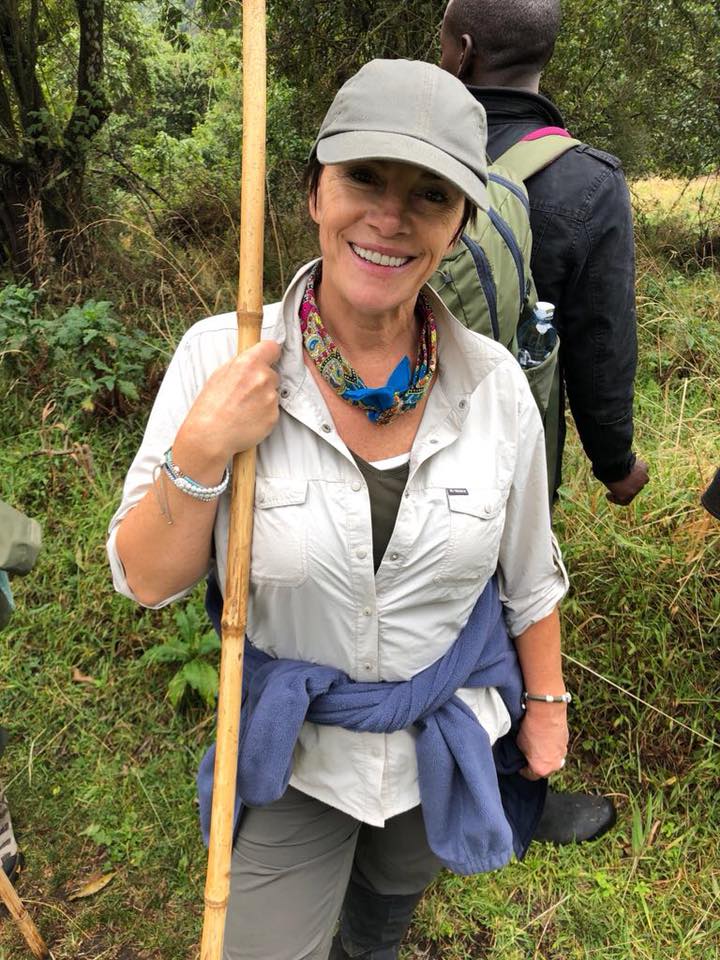
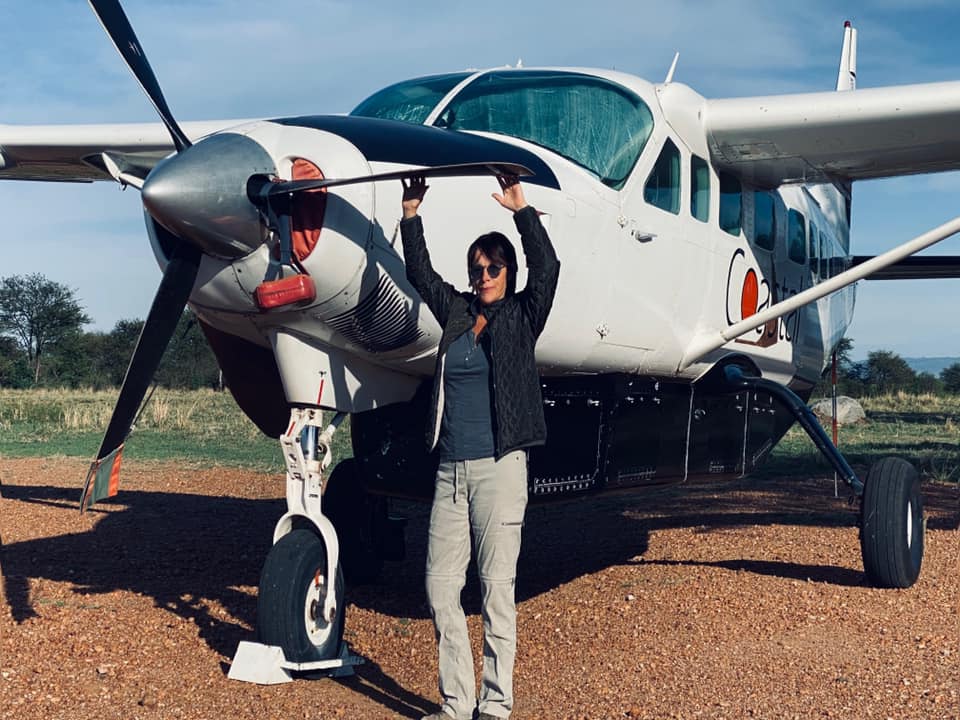
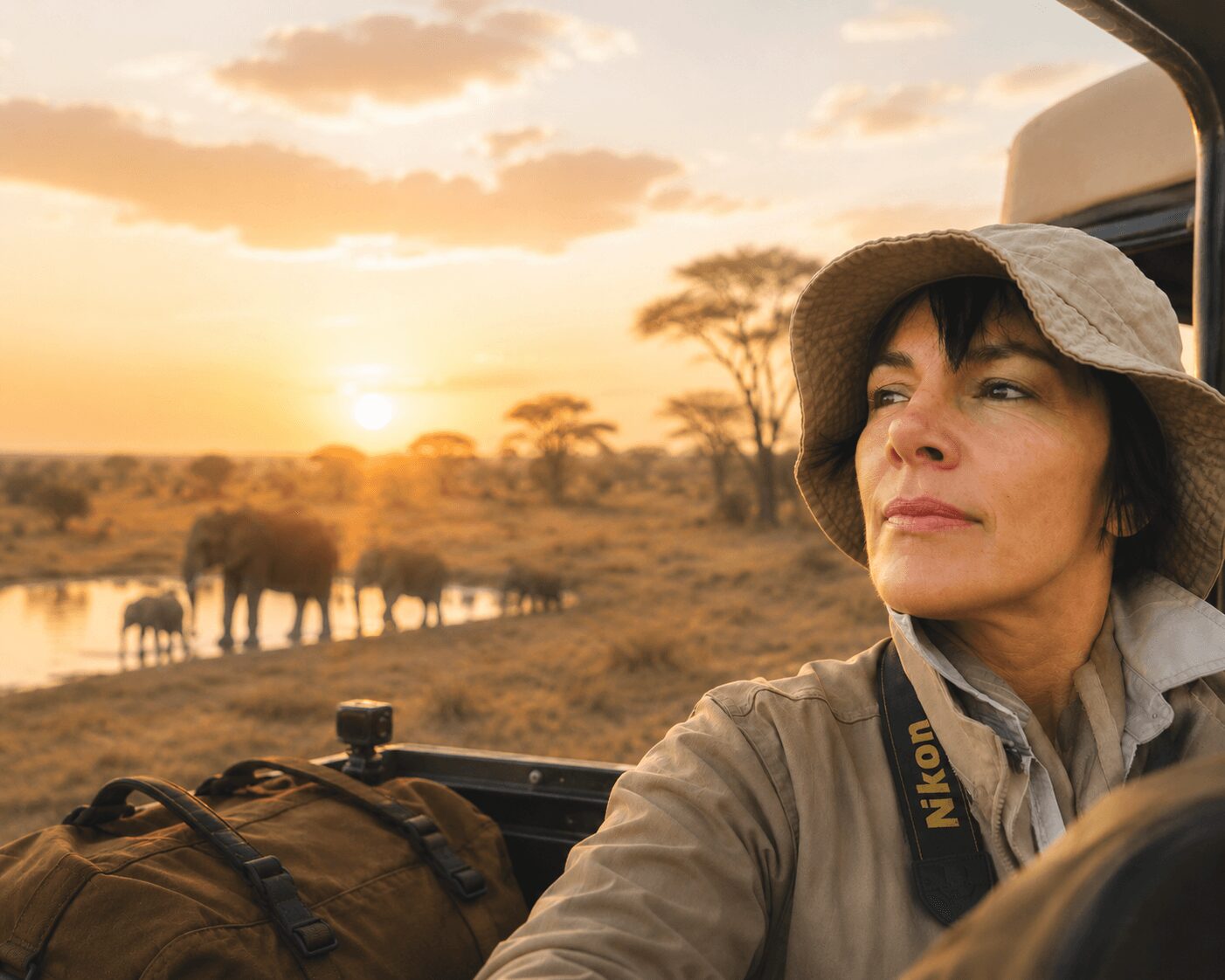
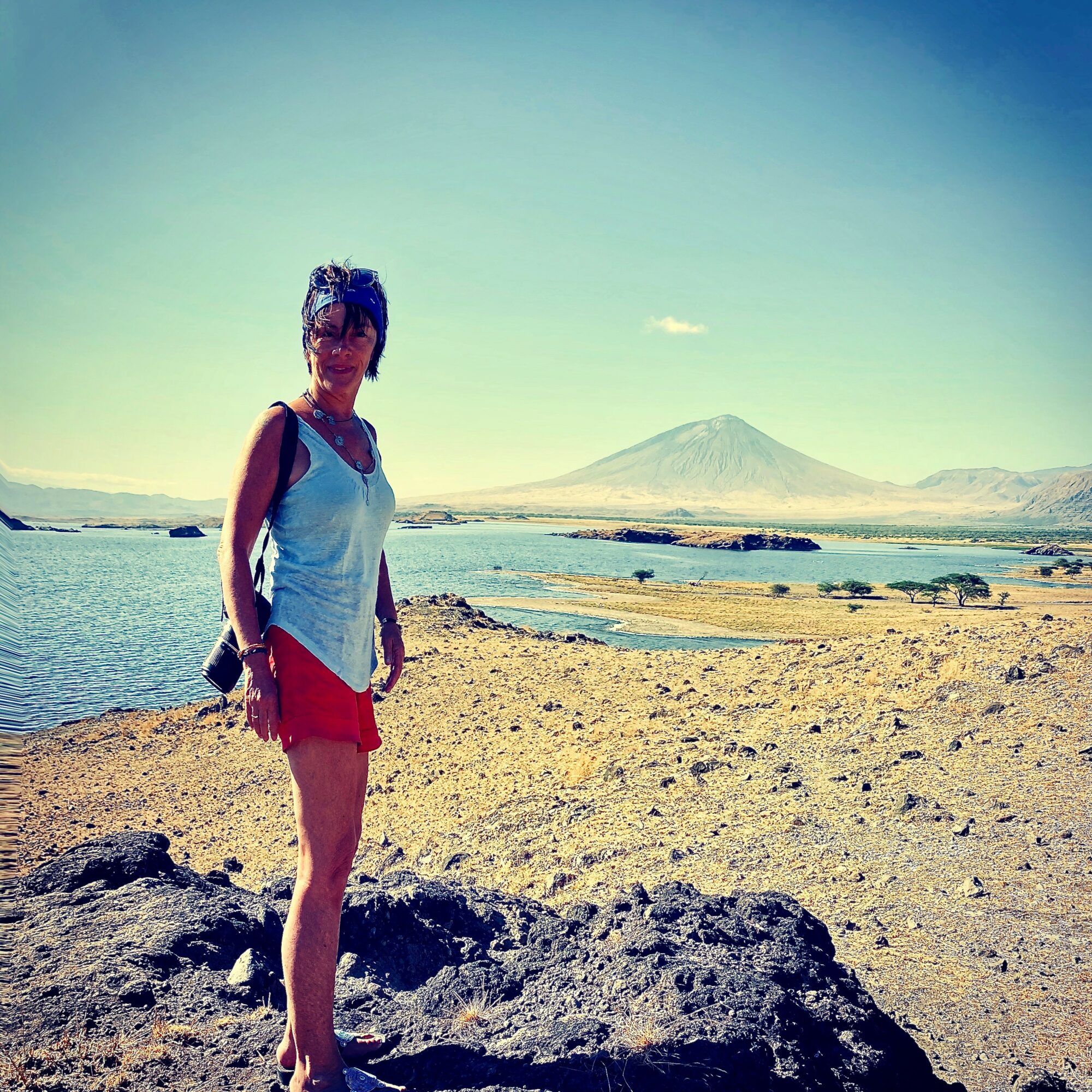
One of the things that sets me apart is that I am very much an on-the-ground travel curator. I don’t design Africa from behind a desk thousands of miles away. I spend a significant amount of time there every year, often rolling up my sleeves long before my clients ever arrive, traveling the routes, inspecting camps, meeting guides, talking with local partners and experiencing firsthand what I am ultimately asking my travelers to trust me with.
When I recommend a camp, I want to know what it feels like to wake up there. When I recommend a guide or operator, I want to know the people behind the company. When I design a route, I want to understand the distances, the roads, the seasons and what the experience actually feels like, not simply what it looks like on paper.
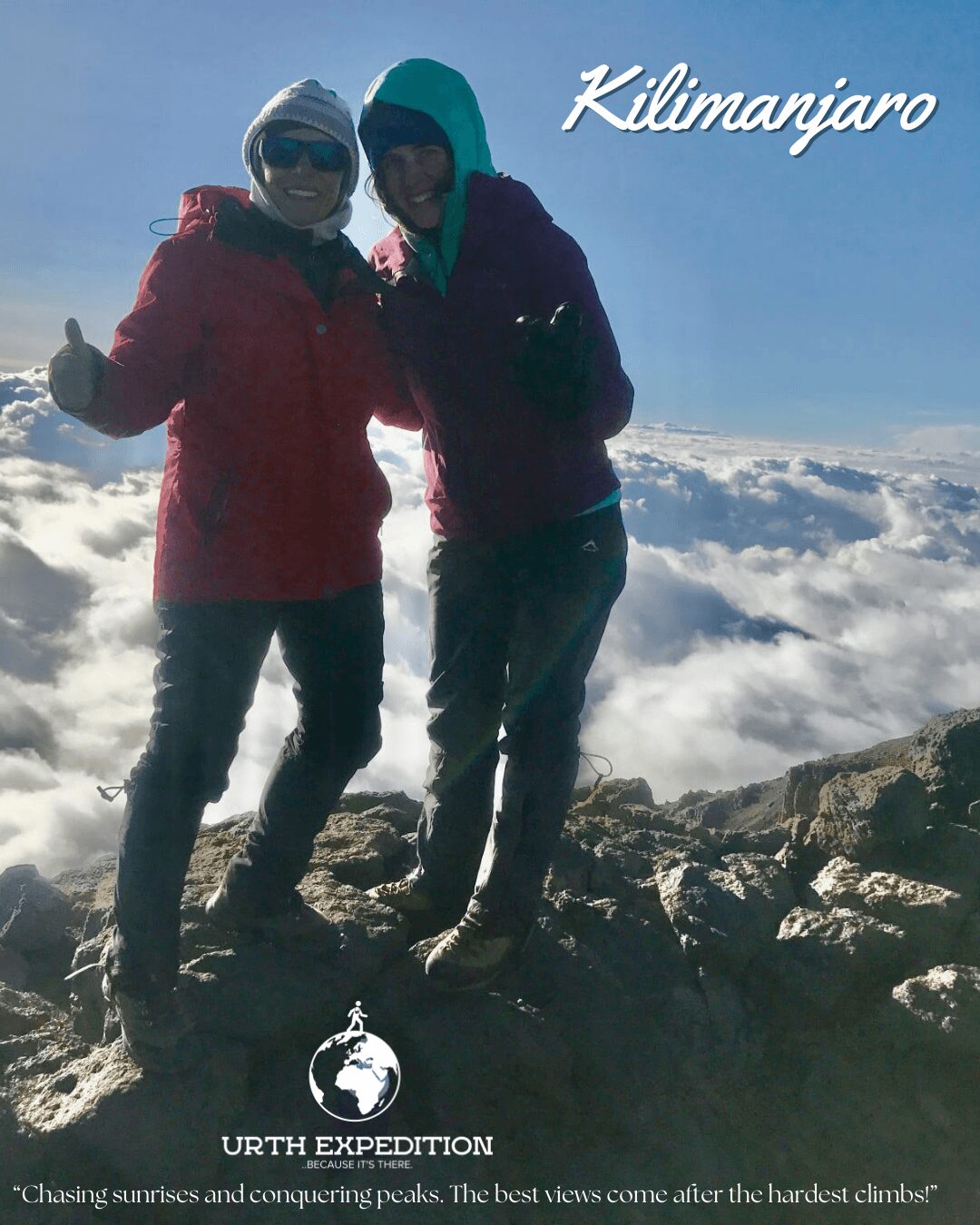
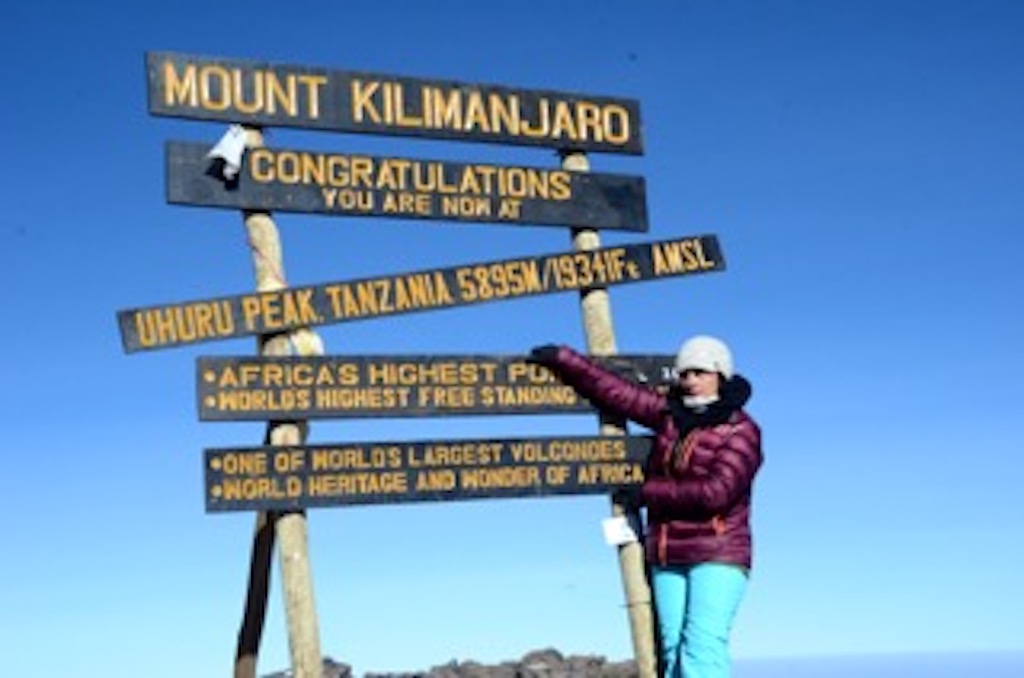
The same philosophy applies to our mountain expeditions. I am a 15-time Kilimanjaro summiteer and have also completed the Seven Summits of Africa. I know firsthand what it feels like to stand at the bottom of Kilimanjaro wondering what the days ahead will bring, and what it feels like to reach the summit after pushing through exhaustion, altitude and that little voice telling you that you’ve had enough.
Those experiences have given me tremendous respect for the mountains, but even greater respect for the African guides, porters and crews who make these climbs possible. When we design a Kilimanjaro expedition, safety, proper acclimatization, responsible porter treatment and the quality of the mountain team aren’t details to me, they are fundamental.
Safari is approached with the same firsthand philosophy. I have personally visited the camps and lodges I recommend, traveled extensively through the regions we sell and built longstanding relationships with people on the ground. I am particularly drawn to intimate safari camps and that wonderful Out of Africa feeling of being immersed in the wilderness, without sacrificing comfort, wonderful food or exceptional hospitality.
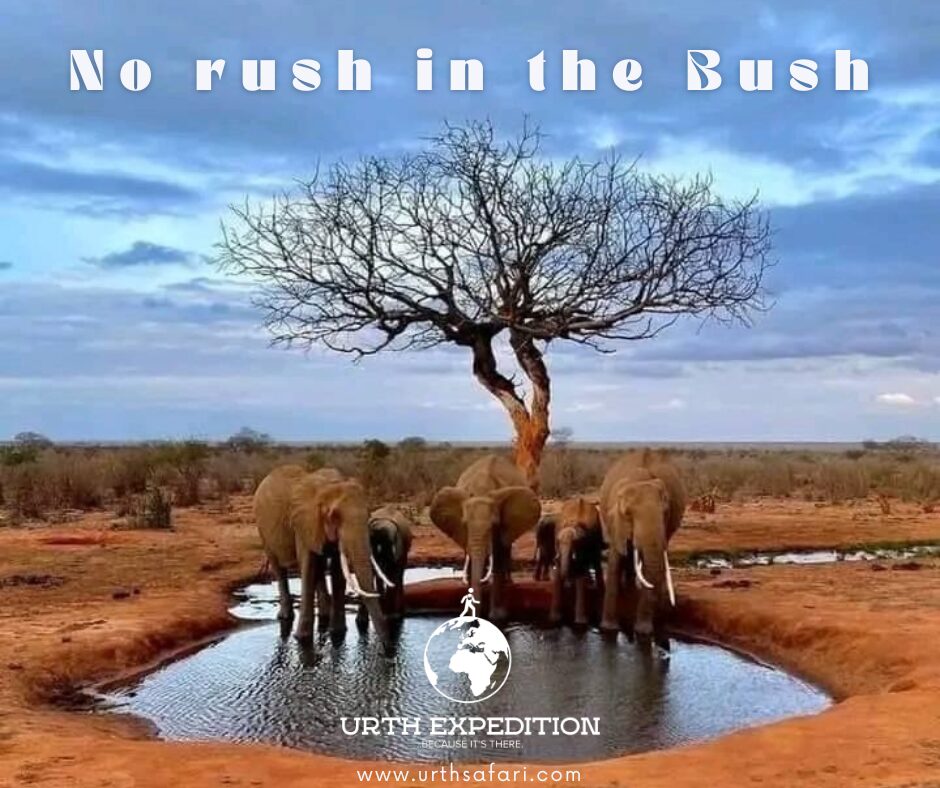
I am also a strong believer in slow travel. Africa should not be rushed. I would rather have someone spend meaningful nights in one extraordinary place than race through several parks simply to check names off a list. Wildlife doesn’t operate according to our schedule. Sometimes the most extraordinary safari experience comes from simply having enough time to stop, wait and observe.
Responsible travel is equally important to me. Tourism should respect wildlife, benefit local communities and recognize the people who make these experiences possible. I am very selective about whom we partner with because my name, and more importantly, my travelers’ experience and safety, are ultimately attached to every journey we create.
What am I most proud of? The relationships and trust I have built over the years.
I am proud when someone returns from Africa and tells me the journey changed them. I’m proud when a client comes back years later and says, “I’m ready to return.” And I’m incredibly proud when previous travelers entrust me with their friends, children and families because they know how personally I take that responsibility.
After more than a decade, I still get excited about every safari I design and every time I return to Africa. I have never wanted Urth Expedition to become the biggest safari company. I want it to remain personal, knowledgeable, ethical and deeply connected to the places and people we represent.
I am on the ground because I believe you cannot truly curate an experience unless you are willing to experience it yourself.
For me, success isn’t measured by how many people we send to Africa. It’s measured by how they come home.
Is there anything else you’d like to share with our readers?
My relationship with Africa began long before I ever imagined creating Urth Expedition.
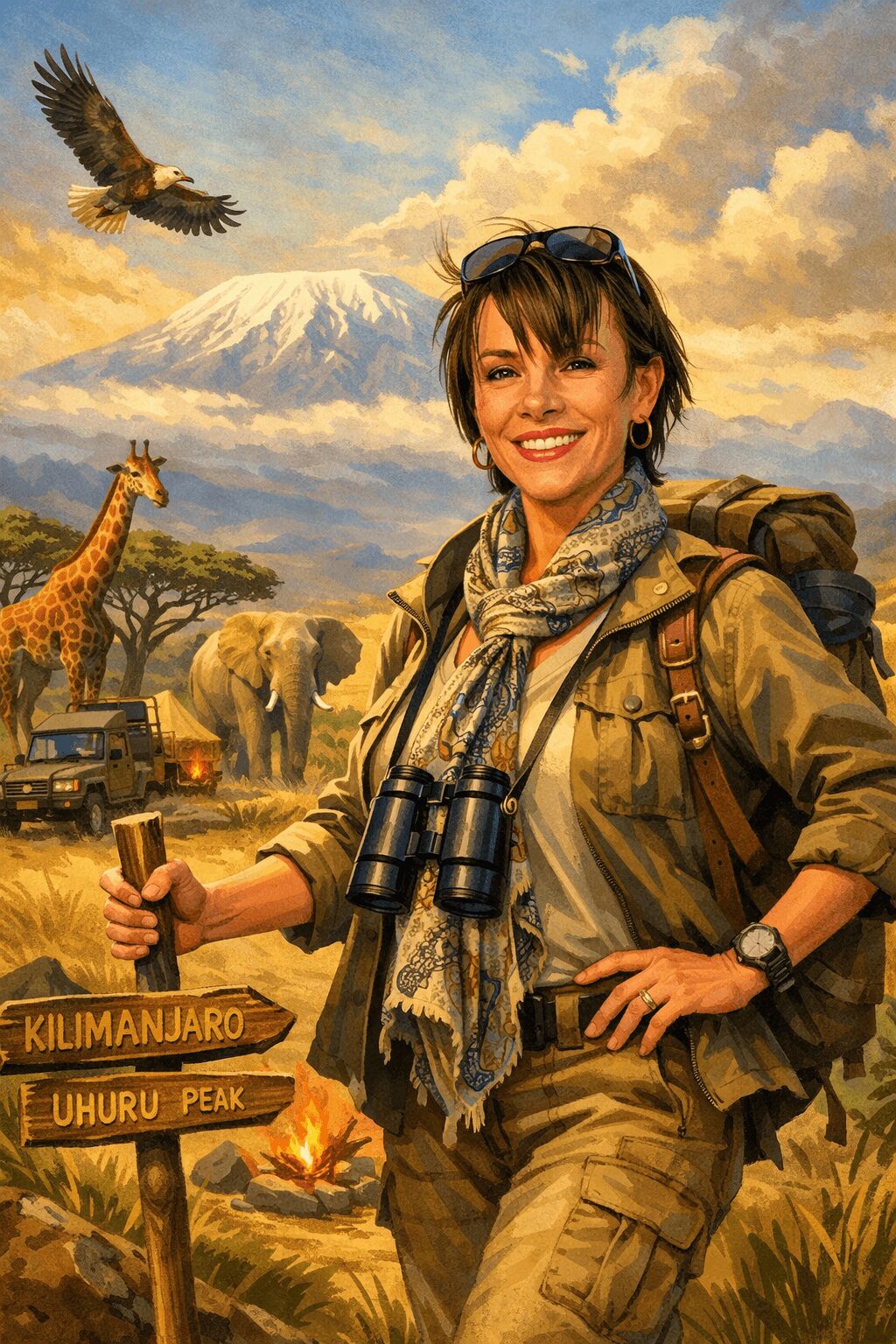
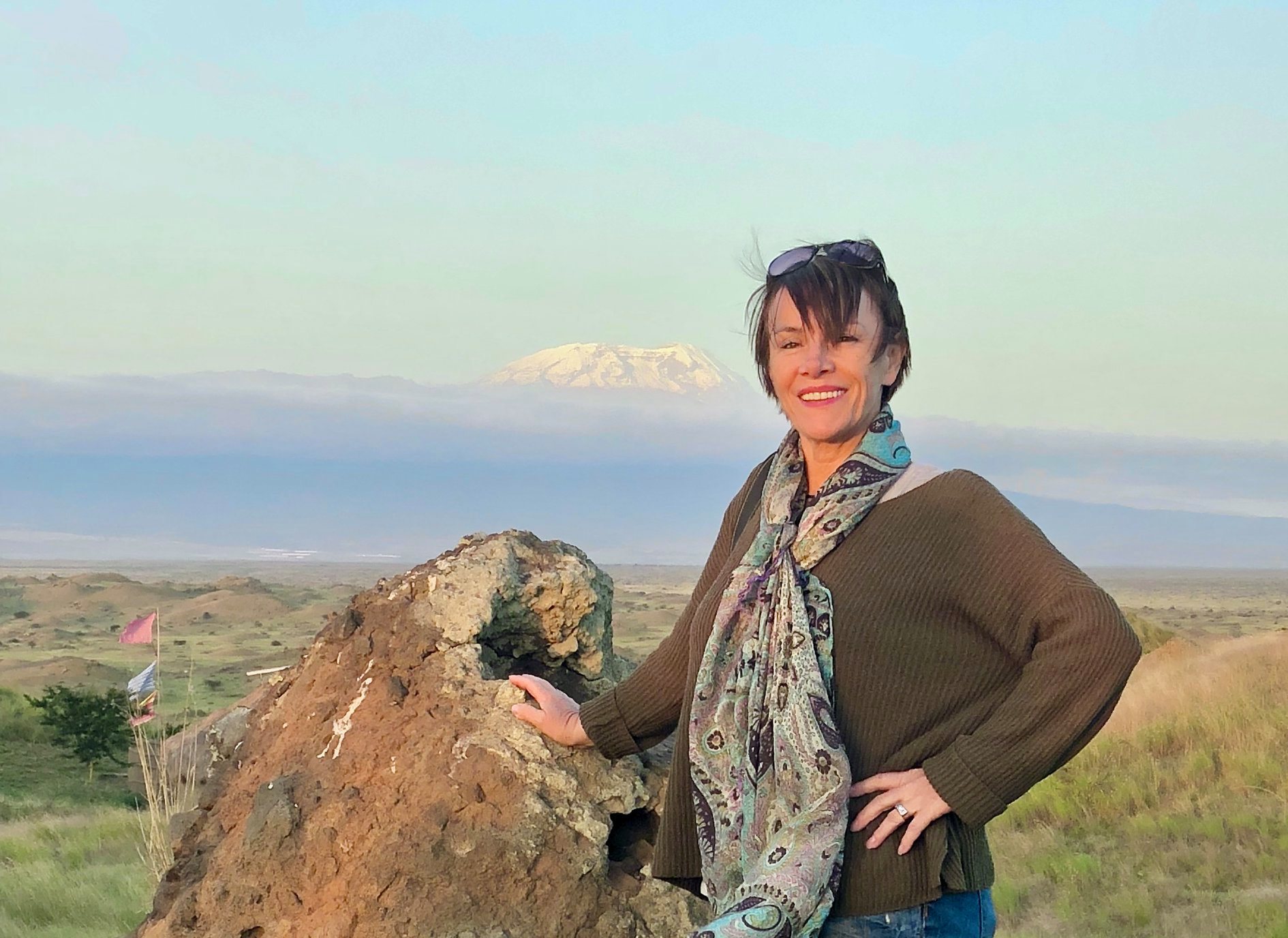
As a child, I was fascinated by Africa, and especially by Mount Kilimanjaro. I remember looking at images of this enormous snowcapped mountain rising above the African plains and making myself a promise: One day, I am going to climb that mountain.
Many, many years later, that childhood dream became connected to one of the most personal and meaningful moments of my life.
After losing my husband, I honored one of his final wishes by carrying his ashes to the summit of Kilimanjaro and leaving them at Uhuru Peak, the highest point in Africa. Uhuru means freedom in Swahili, which somehow made that moment even more profound.
Standing there at the Roof of Africa, I realized I had finally fulfilled the promise I had made to myself as a child, but certainly not in the way I could ever have imagined.
I thought Kilimanjaro might be something I would do once.
Instead, I have now stood on its summit 15 times.
Africa has become woven into my life in ways I could never have planned. It has been part of my greatest adventures, some of my deepest losses, my healing, my friendships, my work and ultimately my purpose.
Perhaps that is why Urth Expedition has never felt like simply a business to me. When I introduce someone to Africa, I am sharing a place that has given me so much personally.
Sometimes the dreams we carry as children don’t disappear. They simply wait for us.
Mine was Africa.
Contact Info:
- Website: https://www.urthsafari.com
- Instagram: https://www.instagram.com/urthexpedition/
- Facebook: https://www.facebook.com/UrthSafari
- LinkedIn: https://www.linkedin.com/in/gabriele-brown-39b5b85/
- Twitter: https://x.com/UrthSafari