


Today we’d like to introduce you to Jacqueline May.
Hi Jacqueline, thanks for sharing your story with us. To start, maybe you can tell our readers some of your backstory.
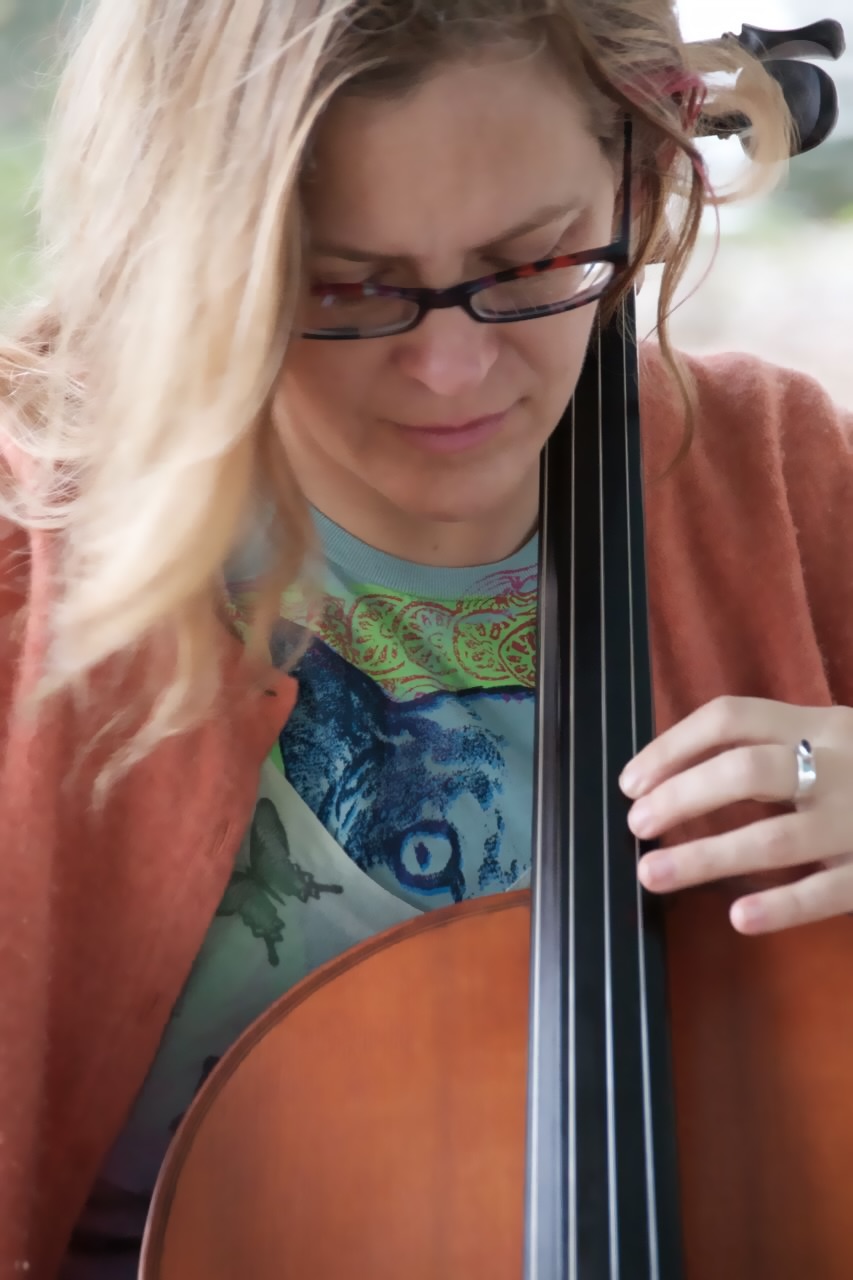
I am from a small town – Aledo, Texas – and from a very early age was attracted to the arts. I took many years of piano and also painting lessons, did creative writing and UIL competitions in ready writing in high school, and majored in Fine Art at North Texas. There is a family history of gardening as well, going back many generations, and having a deep relationship with the Earth is a big thread in my story. In addition, woven into the story of me, you have to see that I have always traveled a lot, and took deep inspiration from my experiences with other cultures. There historically was not a lot of support for women in the arts, and I’m so happy to see that has opened up a lot. I worked in arts administration, mostly at Mexic-Arte Museum, through my twenties, and pursued a career as an exhibiting artist through my thirties and forties. Somewhere in there I worked as an arts writer for a couple of years for the Austin Chronicle. Around age 30, I picked up cello, and took twenty years of lessons from various wonderful teachers. In between all this I owned a tree farm that I inherited, and administered that. In my mid thirties I got serious about going through therapy and recovering from a difficult childhood. I’m not unique there, for sure – almost everybody has stuff, and it’s so fortunate for me that I had the resources to go, when so many do not. My emotional journey has colored my story a lot. I’m so grateful for many generous friends who put up with my early ineptitude, and mentored me through theory and songwriting. I never have been able to restrict myself to only one discipline; I took lots of dance in college, and several years of Afro-Haitian dance in my twenties. When I discovered ecstatic dance in my thirties, it was very liberating, and introduced me to a community of fellow artists working in all kinds of disciplines. A dear friend, observing how much I love to sing, invited me to Hildegirls, a choral group in Austin specializing in the music of Hildegard von Bingen. The amazing, loving and warm community made me believe in myself in a way I never had before. I started doing the circle singing practice in my mid-forties, and attended about six extended workshops in New York. I’m truly a multi-disciplinary artist, and am learning more and more how to bring the disciplines together in a more meaningful way. Despite all the creative experiences I have been blessed to have, it was a rough start in a lot of ways, and I think I’m kind of a late bloomer in terms of really knowing who I am and developing my potential.
Alright, so let’s dig a little deeper into the story – has it been an easy path overall and if not, what were the challenges you’ve had to overcome?
Well, it was not easy being raised by my grandparents in rural Texas, and defying all the expectations of what a girl is traditionally supposed to do. It took me a lot of vocal development to overcome the cultural conditioning of girls being silenced – in addition to the persistant vocal twang that just is part of Texas identity. I probably won’t ever quite shake it. I’m getting to be okay with that. I was not allowed to take guitar or string lessons, because that was not proper for a girl in my straight-laced family. There was the danger that I might become a hippie, which was viewed as a dreadful outcome to be avoided – there was to be no free-spiritedness. In college, I faced a lot of discrimination for being a pretty young girl. At that time, art was to be a men’s game, and the darker and edgier the better. I didn’t look the part. Part of what was nice about my hometown is that everyone in school knew I was bright. Now in rural Texas, being bright is not always going to make you loved, but at least they kind of knew it. That was not visible once I got out of my little town, and the stereotype of a petite blonde is not intellectual, to say the least. I was in two consecutive marriages that were pretty abusive in different ways. Not that they hit me, but they just really did not see me as an artist and a person of value. I was to have the subordinate identity, even though the traditional support role was not present. I have to take responsibility for my own role, though. I refuse to consign myself to a victim role, and see that it is always a choice to walk away. It’s all a process of evolution. They had their hurts too. Now I have finally made it to being pretty free-spirited despite my background. The privilege of having some grey hair is that now people take me more seriously. And I’m kind of out of fucks. Am I allowed to say that? Being single is great and my identity is subordinate to nobody.
Can you tell our readers more about what you do and what you think sets you apart from others?
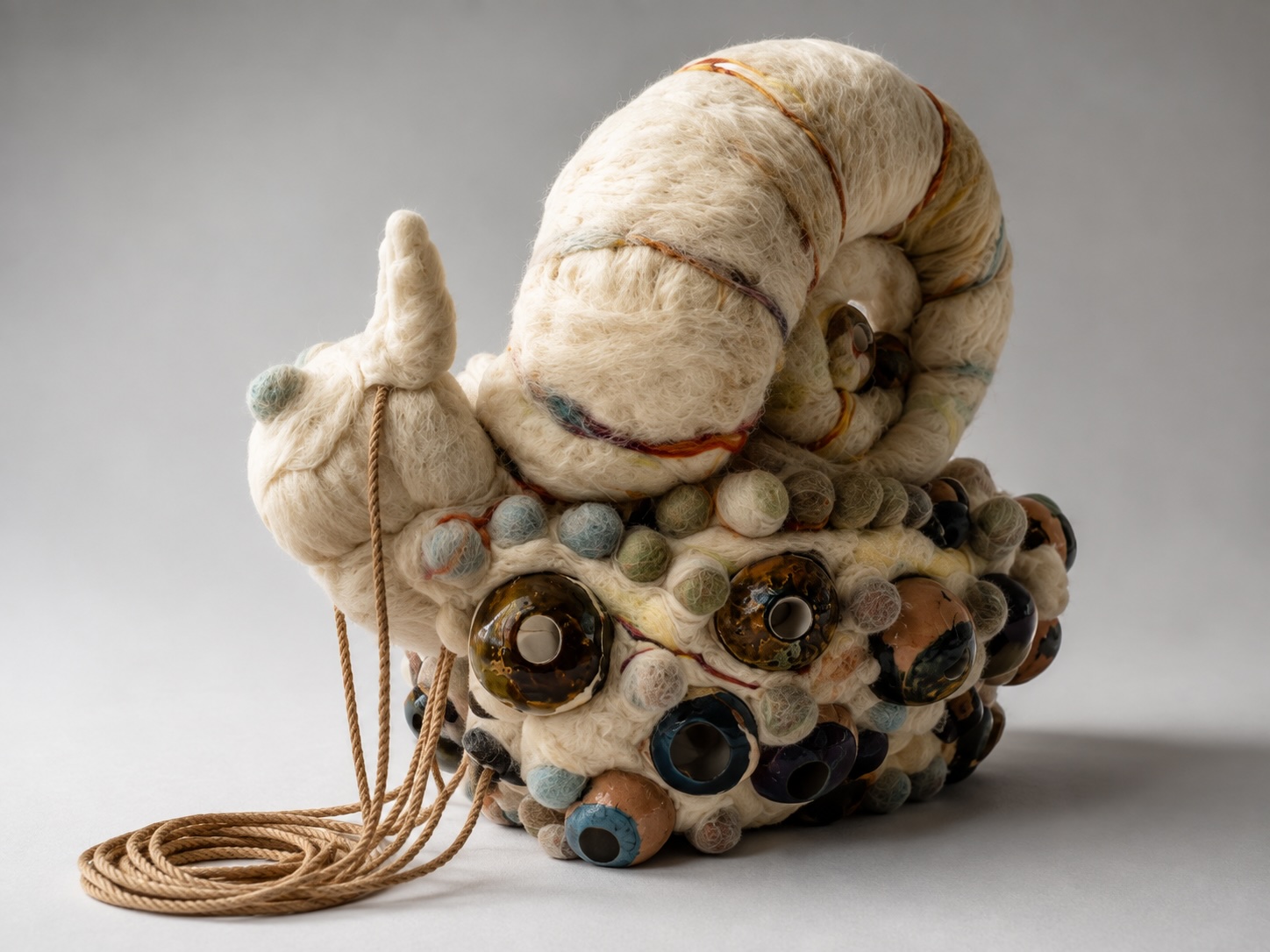
I am a visual artist and a musician and a writer and a dancer and a gardener. Being fluid across disciplines is something that is intrinsic to me, and kind of unique. I’m known some for music and some for art. Not so much my writing but a little. Nobody knows me as a dancer except my dance friends and that is fine. Not everything is about public attention. I enjoy songwriting and audio production a lot, and improv singing is a joy. One of my projects is an “ethics and the arts” podcast, because I see a real need for artists to respect themselves and lift up our community by being a positive influence, which calls all of us to heal ourselves.
In garden circles people respect me as someone who knows permaculture, and I have a niche specialty in food forest design. I know native Texas plants pretty well too. I love our environment so much and hope to make a difference that way. I’m doing a lecture series about it, in preparation for releasing a book about my garden with my own illustrations. Maybe it’ll make a splash, who knows?
I’m also doing a little plastic-free environmental advocacy project. I got so tired of seeing trash everywhere. Who knows, maybe it will take off?
What I’m most proud of is my devotion to lifelong learning and self-development. It’s not that I have achieved that much, but I have just constantly worked on myself and tried to become the best human being and most potent creator that I know how to be. I’m pretty sure I’ll be learning til the day I die.
How do you think about luck?
They say luck favors the prepared. I know lots of great chances were missed early in my life because I had not done the work to be ready for them. Finding myself and my own unique voice, becoming a kinder and more open person, made me more ready to receive the people who have come into my life who have been influential, and not just pass them by. There are always millions of opportunities. A great teacher to me said “Follow love. It will never lead you wrong.” That helps me know which of those opportunities to follow. There are a lot.
Contact Info:
- Website: https://arcorei.bandcamp.com/
- Other: https://jacquelinemay.com