


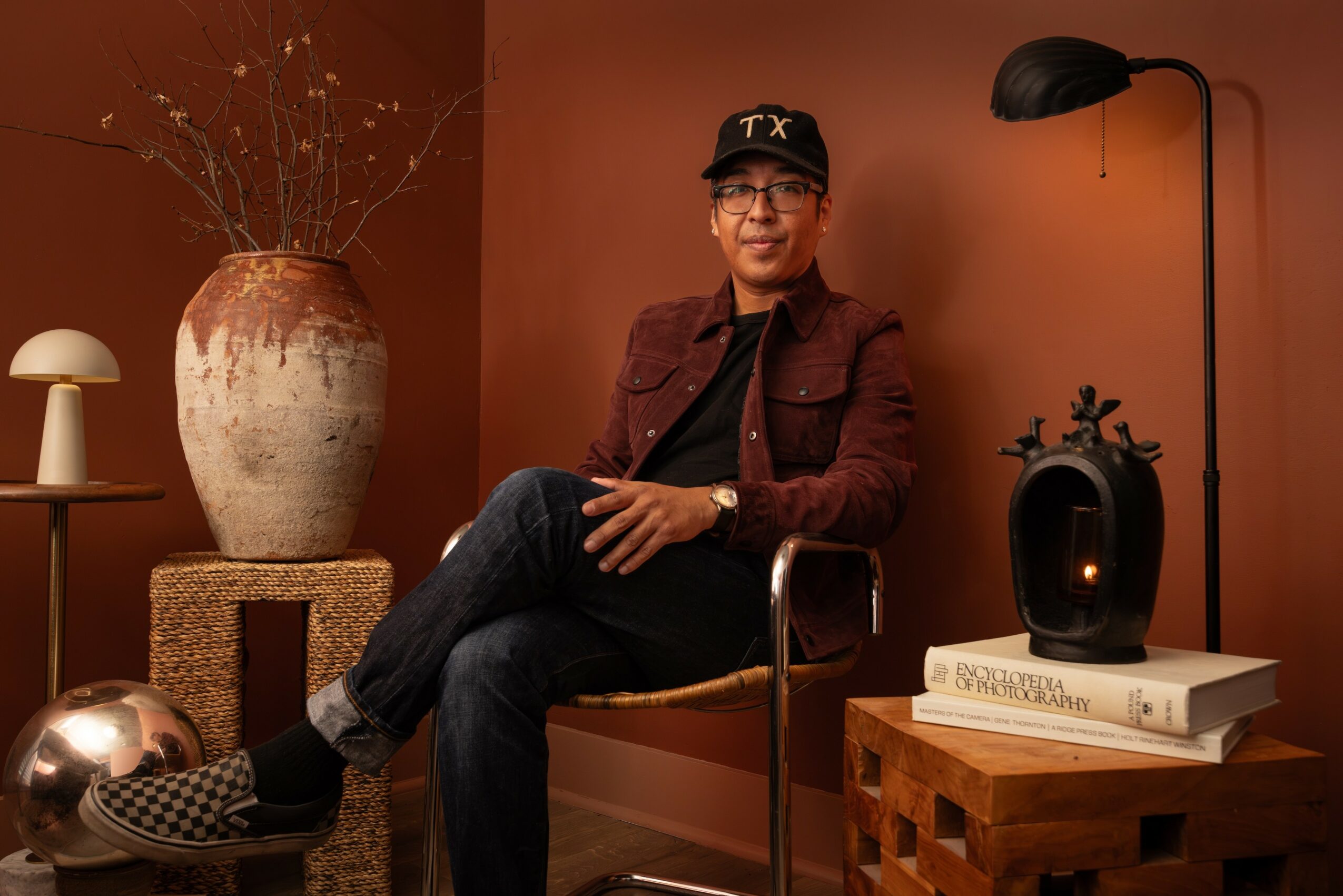
Today we’d like to introduce you to James H. Ruiz.
James, we appreciate you taking the time to share your story with us today. Where does your story begin?
Like many other creatives, I took a very non-linear career path to professional photography. After graduating from UT Austin’s film school, I held several roles at various small businesses in town–including social media assistant, digital media manager, and editorial intern. In each of those roles, I was collaborating with small teams, crafting visual stories and producing content however possible.
Then, during the pandemic, I was asked to photograph home staging projects. So after doing a cursory Google search on how to photograph residential interiors, I took note of a few hard and fast rules and got to work. After a few months, I took on my first client and from there my business slowly started to grow by word-of-mouth.
Nearly six years later, I’m still grateful and fortunate that I took a chance on myself and started my business. Art and commerce are often considered antithetical enterprises. And entrepreneurship was not something I ever envisioned for myself. Yet, not even a decade into my career as a photographer, I’m so lucky to work with incredible clients, travel to design-forward places, and build a strong, diverse portfolio.
Alright, so let’s dig a little deeper into the story – has it been an easy path overall and if not, what were the challenges you’ve had to overcome?
Again, I never planned to become a professional photographer. So I’ve had my fair share of learning-on-the-job experiences. I remember not knowing how to create an invoice when I first started. That was another Google search. I also remember sending my portfolio out to a dozen potential clients and none of them replied with interest.
But as a single-owner business, I learned by doing. As much as I love research and strategic planning, the ability to learn and adapt quickly became an important part of my growth–both creatively and commercially.
I would also say that creating community with other industry colleagues has been incredibly helpful to me in navigating difficult situations or workshopping creative solutions. In many ways, a photographer’s life can be fairly isolating. Once you’ve completed a photoshoot, you then spend hours and hours culling and editing photos alone in front of your computer. So sharing my experiences with other photographers (and vise versa) makes the job feel less isolating and far more fulfilling.
Thanks for sharing that. So, maybe next you can tell us a bit more about your work?
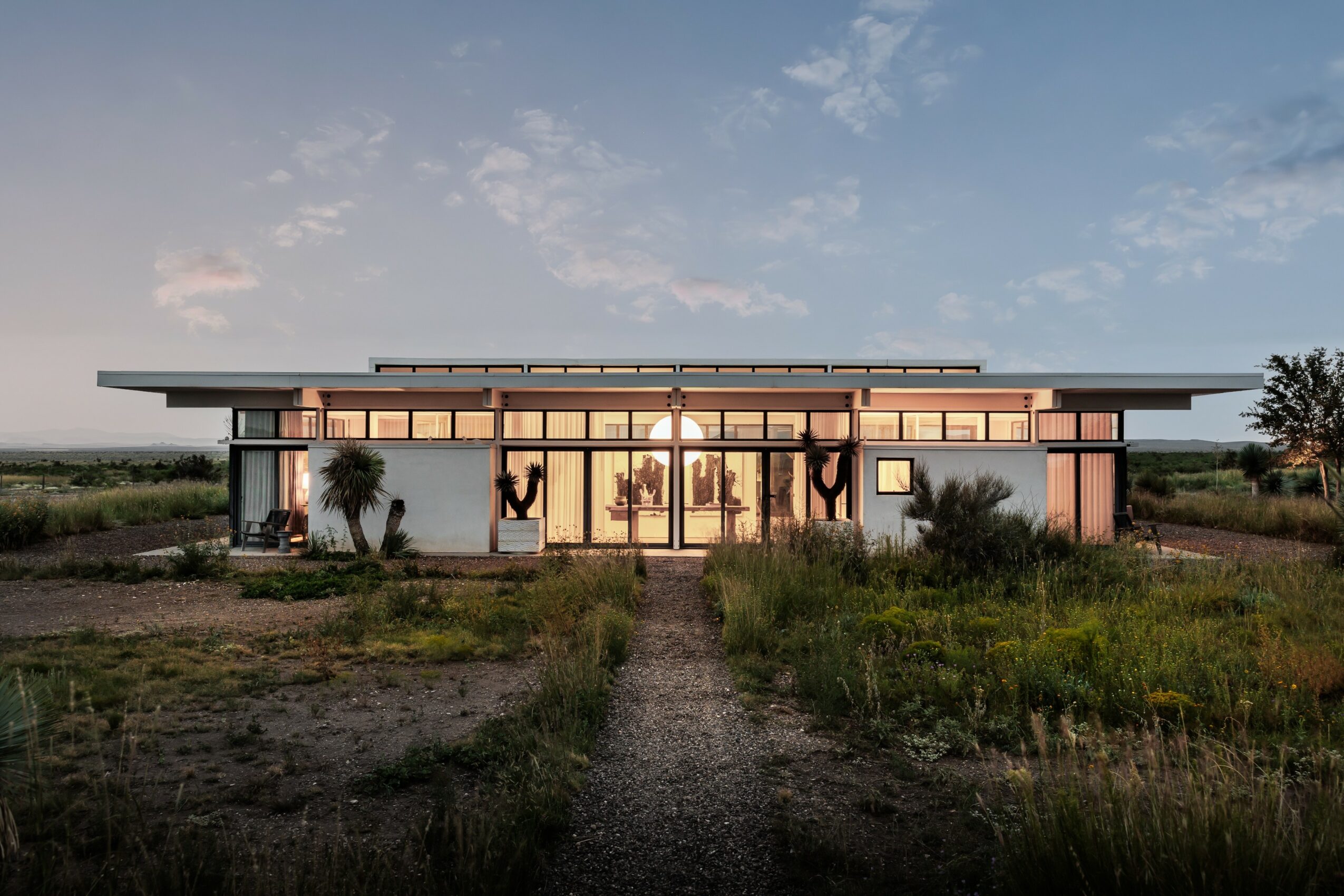
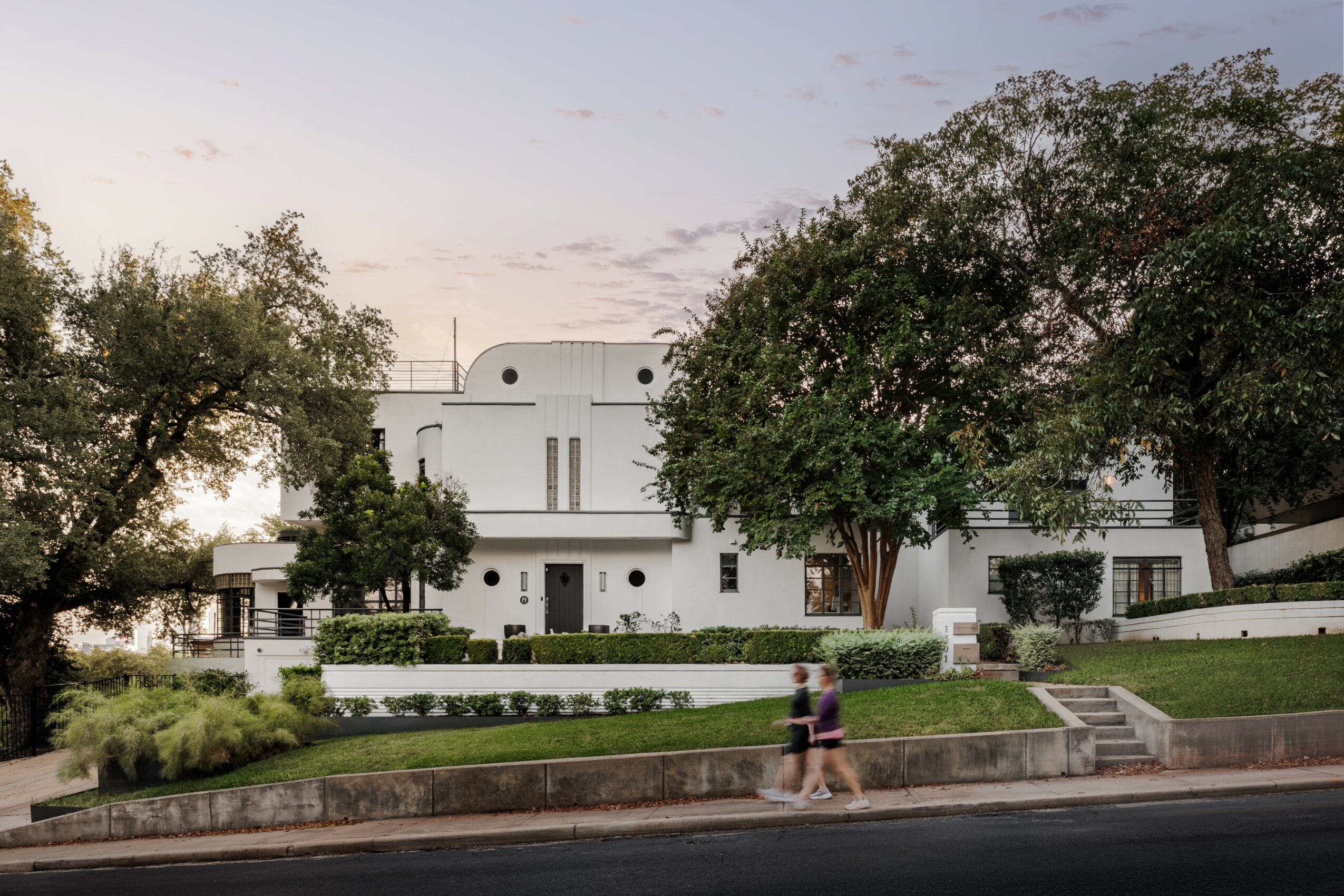
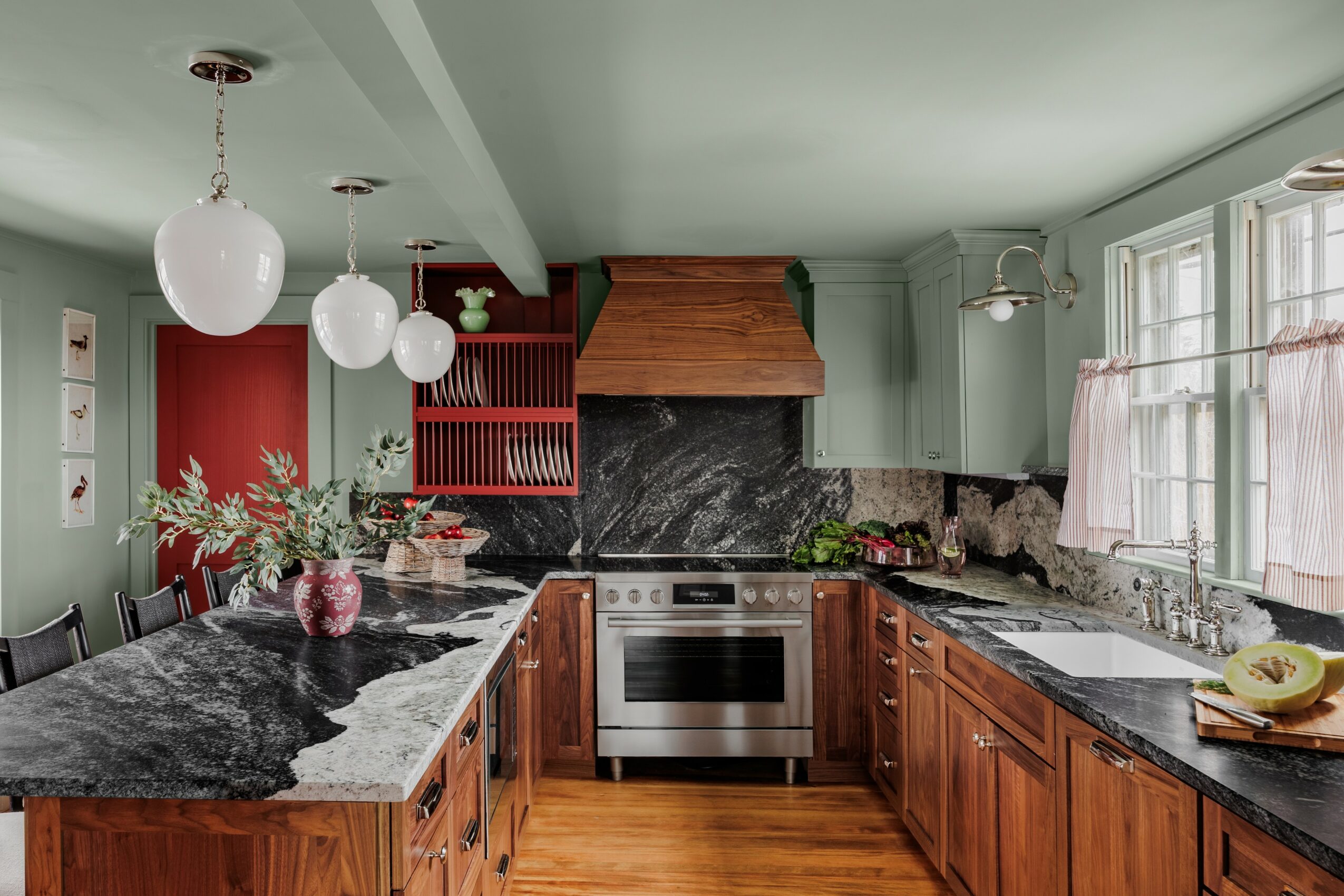
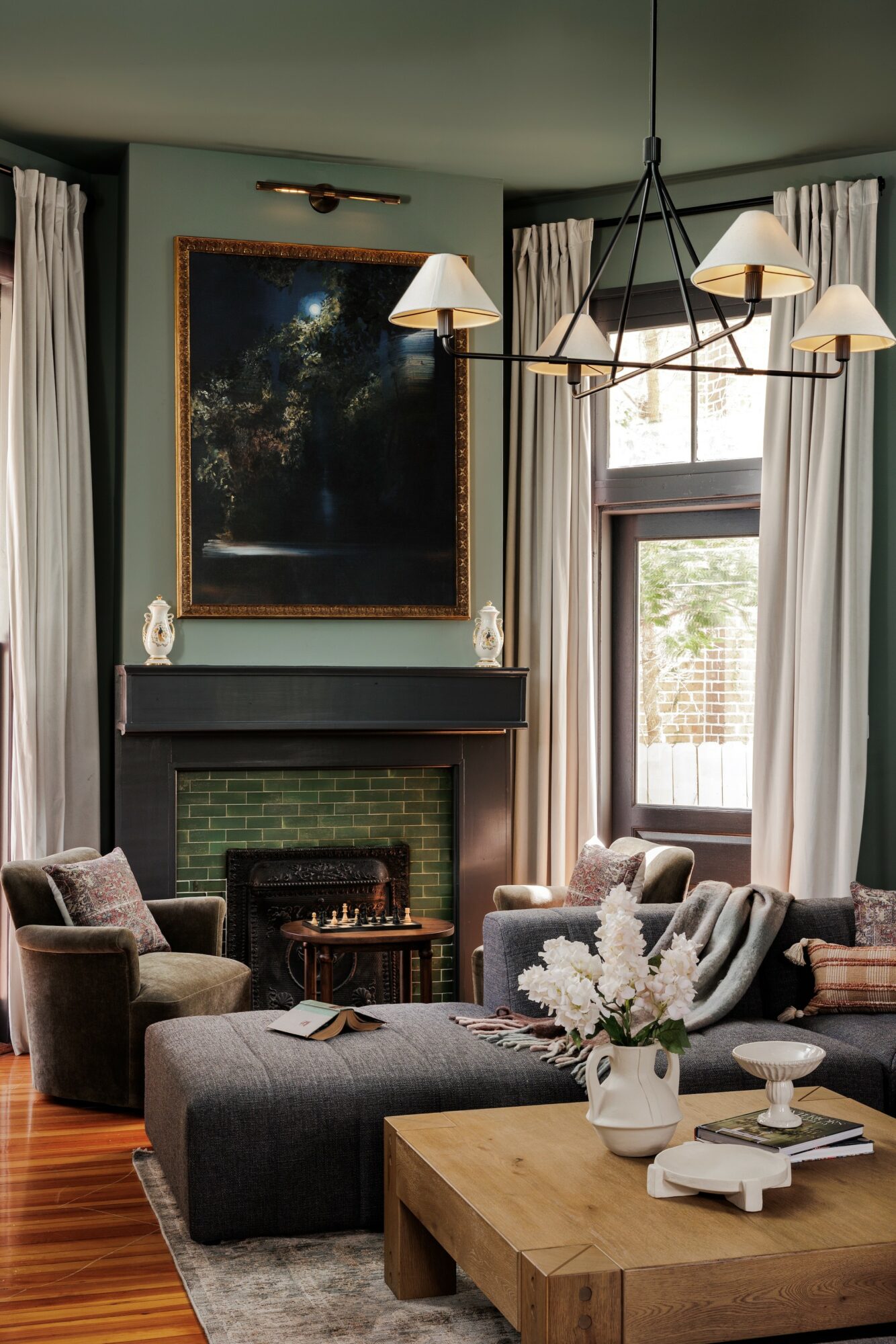
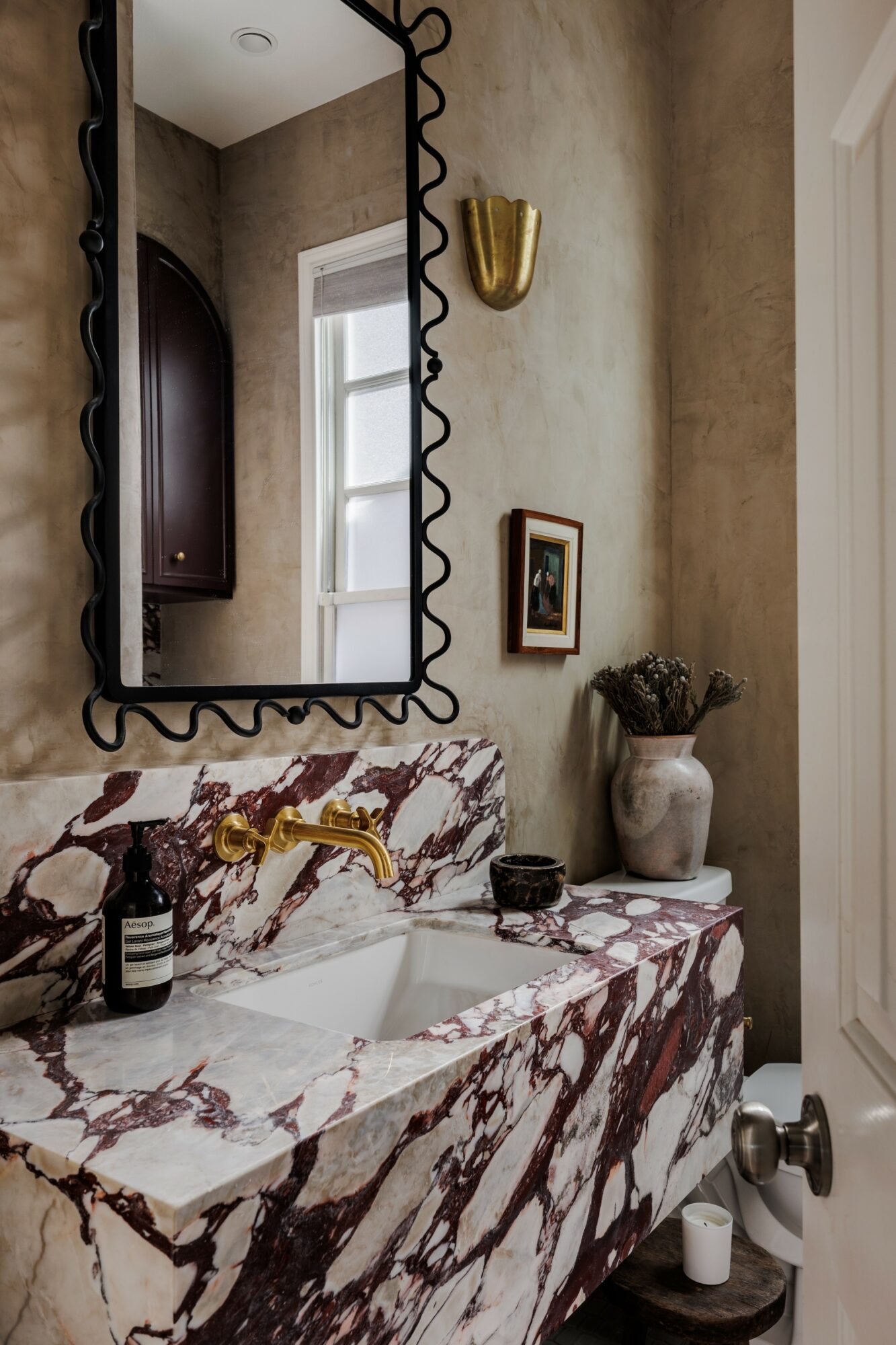
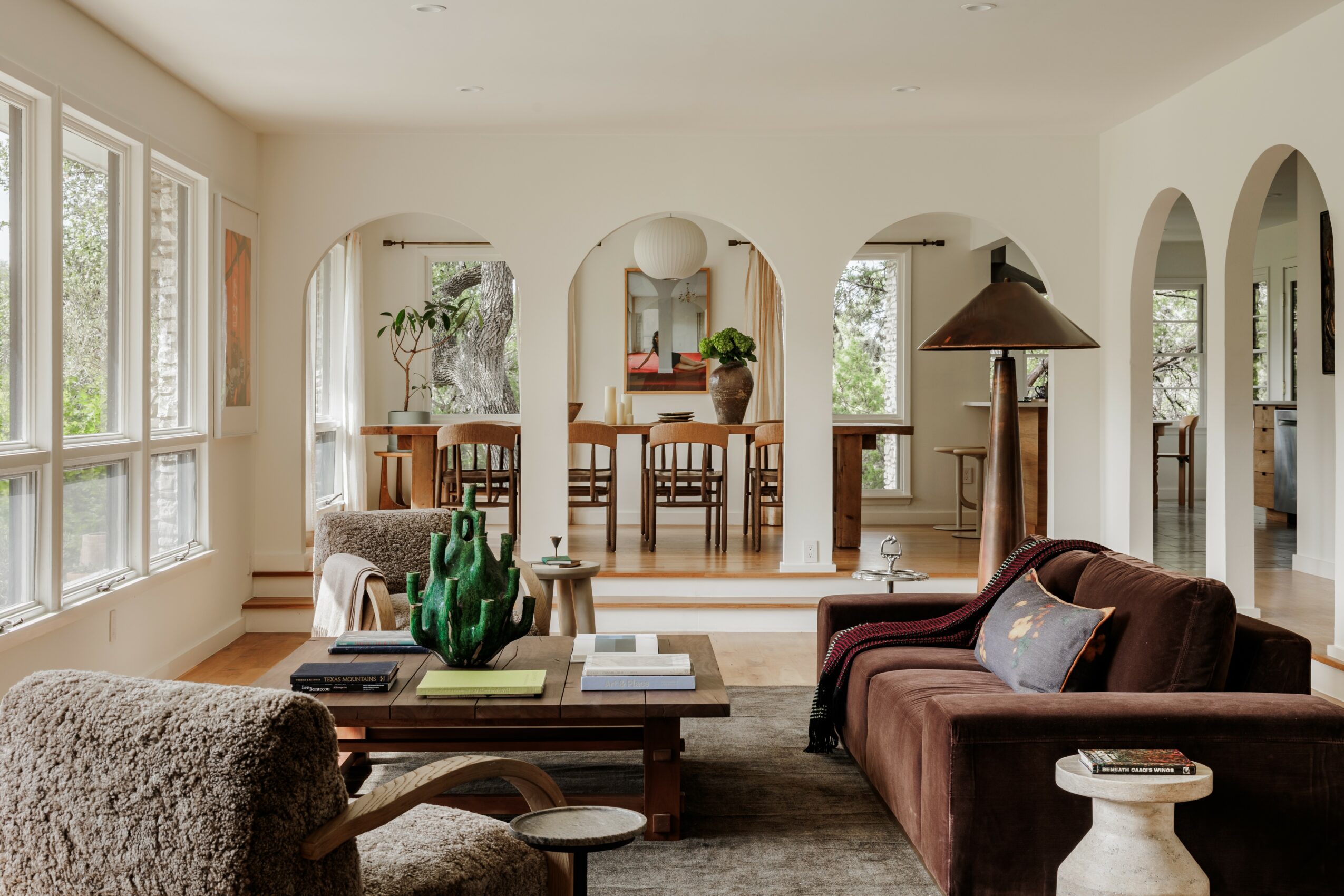
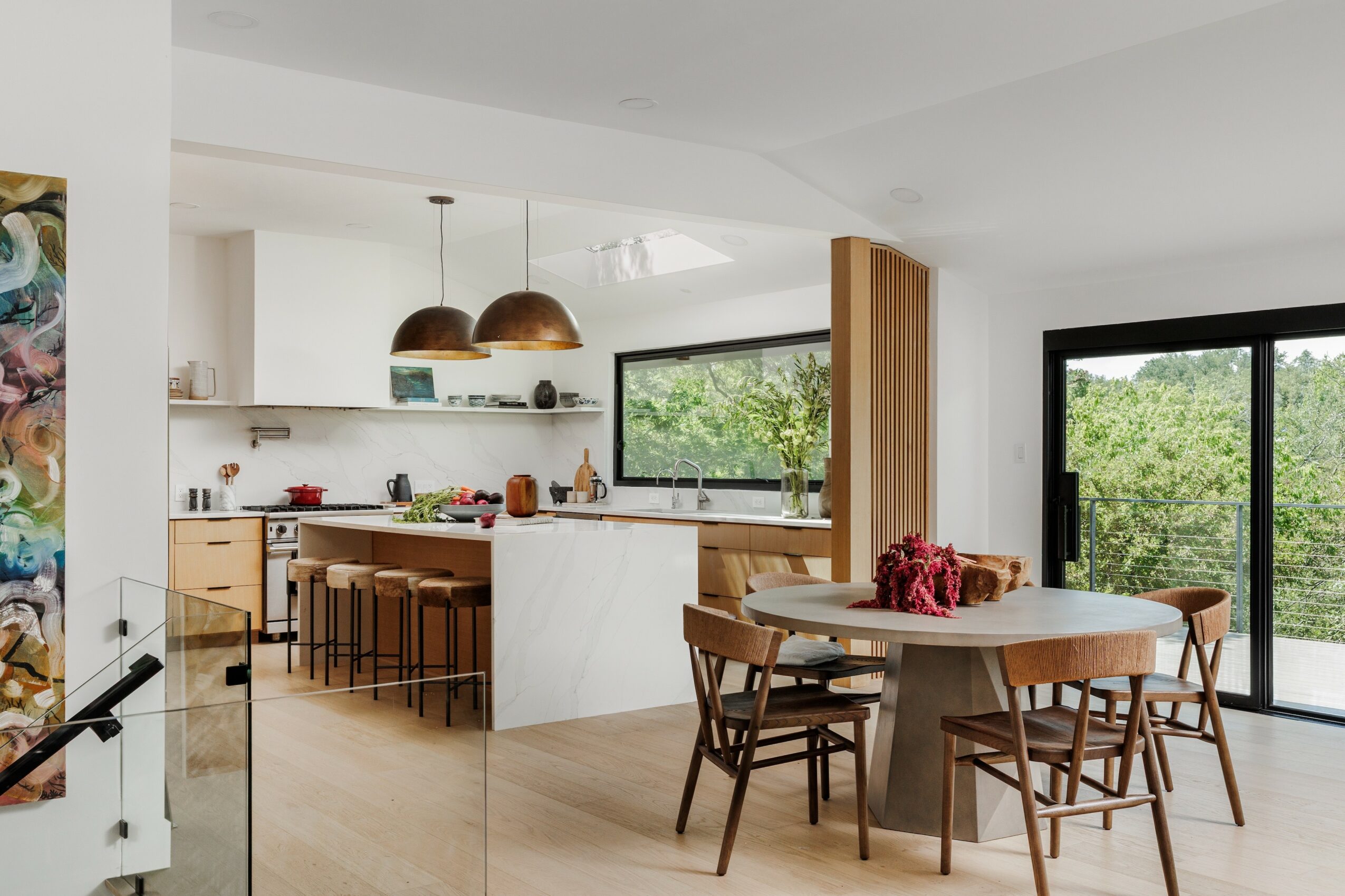
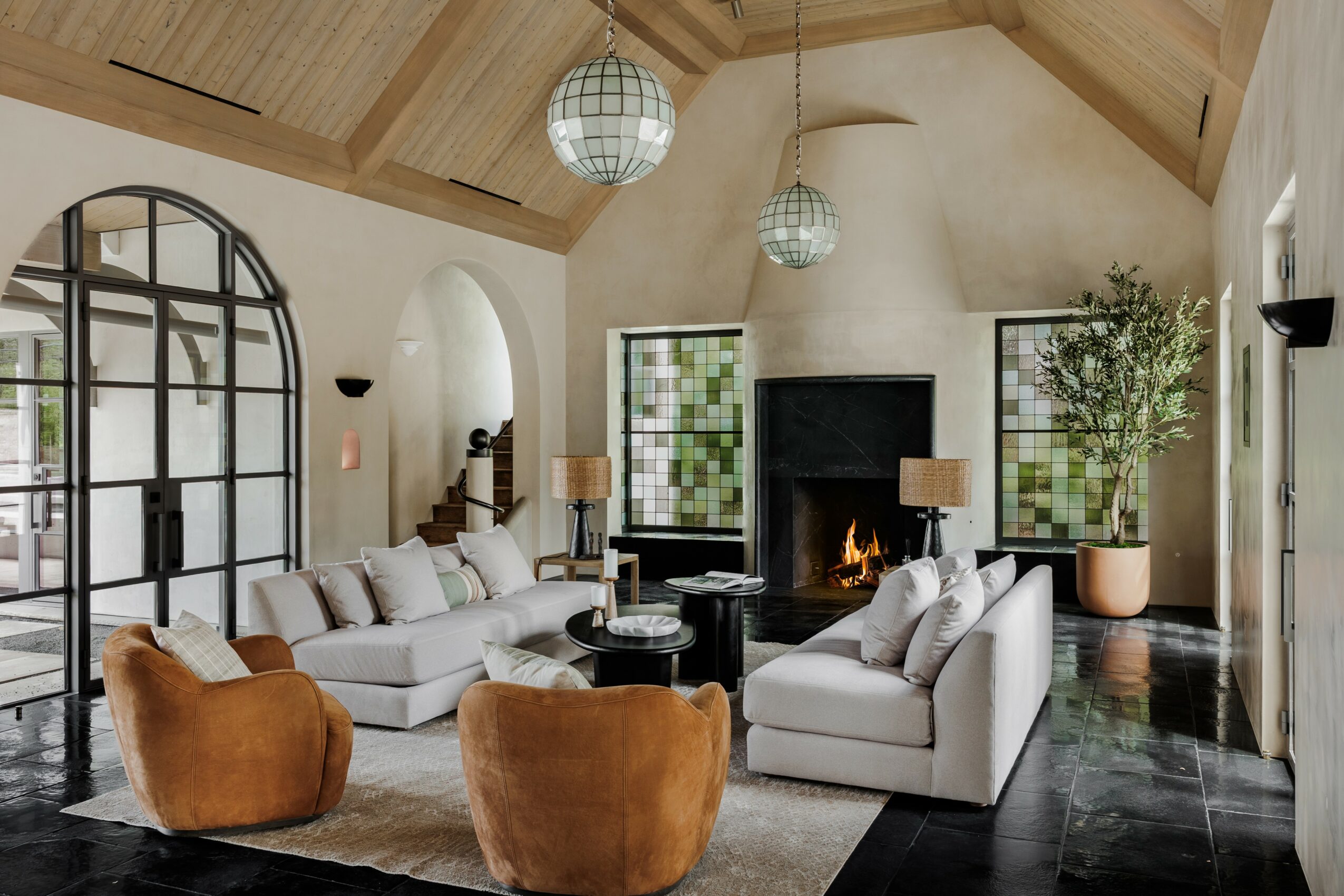
It’s important to remember that not all photographers shoot the same subject matter. Most folks know about wedding photographers, portrait photographers, or sports photographers. But there are so many other specialties. I am a real estate and interiors photographer. So I specialize in photographing homes that are part of the real estate market or homes that have been designed, built, or renovated by a team of professionals.
I think my understanding of color and composition is what most people would say are hallmarks of my work. I have very little interest in spoon-feeding you every detail about a space. I actually think it might be impossible to do so in any sort of elegant, artful way. Rather, I love the idea of inciting curiosity about a home. And in order to achieve that, I think it’s critically important to consider what’s not in the frame. What’s left out of a photograph is often equally important to it’s success.
We’d love to hear about how you think about risk taking?
Naturally, I’m a risk-averse person. I love a sure bet. But of course, those are hard to come by when you’re a creative and a business owner. So I think that learning to become more comfortable and confident with a certain level of risk has been one of the biggest lessons in my career.
Making the decision to leave the security and stability of my last W-2 job was not an easy move at the time. But by that point in my career, I had made a lot of client connections, built a strong portfolio and demonstrated an ability to work for myself–all of which mitigated my fear of failure. These things became my life raft.
Everyone has a different relationship with and tolerance for risk. So how I like to explain it to people considering a decision that carries a lot of risk is this: whether you’re attempting to cross a river, a lake, or an ocean you should think about what kind of raft you want to build in order to feel confident in navigating those waters. Some folks are strong swimmers who may opt out of building a raft, while others (like myself) may need some time to build something to help them cross. And everyone’s raft is going to look different. Whether you want to make more industry connections, have a healthy savings account, or get a few projects under your belt before making a big decision, building something that helps you face risk with confidence is something I recommend.
Contact Info:
- Website: https://www.jameshruiz.com/
- Instagram: https://www.instagram.com/cinematics28/