



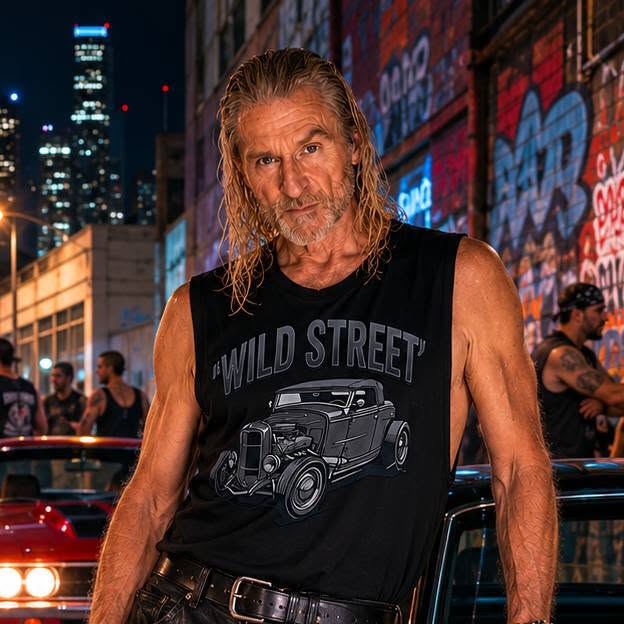
Today we’d like to introduce you to Kevin Kinkade.
Hi Kevin , so excited to have you on the platform. So before we get into questions about your work-life, maybe you can bring our readers up to speed on your story and how you got to where you are today?
I am one of three children. We are of German, Irish and French descent. Our family history also includes Cherokee on my father’s side and Kickapoo on my mother’s side, although DNA testing has proven inconclusive in that regard.
We grew up traveling the country. We are originally from Buffalo, New York, but we moved to Mobile, Alabama, in 1960, right at the height of Jim Crow, so we got to experience what that was like. We were in Miami, Florida, spent some time in Houston, then went back to Florida and were in Jacksonville during the Kennedy assassination. We were in California during the fading years of the Beat Generation, with people like Jack Kerouac, and the beginning of the hippie movement. We were in Seattle at the end of the 1960s and back in Buffalo in 1973.
I graduated from high school in Buffalo and then traveled back to Seattle on my own, then down to Houston, back to Seattle, back to Houston, spent some time in Los Angeles and then Houston again before moving to the Austin area, where I am today. I traveled by car, train and bus, and I also hitchhiked down the coast from Seattle to Los Angeles and then to Houston in the mid-1970s. I also spent a lot of time traveling between Houston and Louisiana, to the racetrack in Vinton as well as Baton Rouge and New Orleans, so I’ve spent a lot of time on the road. Something about being in a car or truck, traveling at high speeds on the highway, is very mesmerizing. It became a way of life.
I currently live on four acres of land east of Austin. This area is heavily Hispanic, with a deep Tejano history stretching back centuries. This area is very much a cultural niche. Tejano music is often heard floating through the woods at night, accompanied by the sound of coyotes, so you can understand that it has a very special quality that is being swallowed up by a lot of recent development.
My brother, sister and I spent our early years singing in harmony in the back seat of our family car while we traveled the country together. My father told me that he used to play Dave Brubeck on the stereo when I was a baby. I remember listening to my parents play Peter, Paul and Mary, Simon and Garfunkel and Joan Baez on the stereo when we were young, so those were the songs we sang while traveling
We grew up during the explosion of rock and roll. We saw the Beatles on The Ed Sullivan Show, and a few years later, the Doors. I remember that seeing the Doors had a profound impact on me. Jim Morrison was a mesmerizing figure, and the lyrics to his songs were very different from those of other musicians at the time.
Santana had another profound effect. The rhythms of that music have influenced me to this day. The psychedelic guitar riffing through it all is another aspect that I later found in the music of The Black Angels, A Place to Bury Strangers, Brian Jonestown Massacre, Ghost Woman, L.A. Witch, Echo & the Bunnymen and PJ Harvey.
I was also drawn to music by people like Miles Davis and John Coltrane, as well as the music of the late Renaissance and Baroque eras—Heinrich Schütz, Johann Sebastian Bach and Handel, especially the cello. The early records of R.E.M. were also an influence, back when their sound was murky with Michael Stipe’s lyrics buried in the layers.
So, we were a musical and theatrical family. It’s in our blood. We performed plays in the front yard for our neighbors. My brother was Tom Sawyer and I was Huck Finn.
I’ve always said that the two people who had the most profound influence on me were Jim Morrison and Huck Finn, and in later years, Friedrich Nietzsche and Franz Kafka. Something about Morrison’s intellectual curiosity and dark mysticism, and the independent streak of Mark Twain’s fictional character Huck Finn, always appealed to me. Mark Twain said that Huck was based on one of his childhood friends, Tom Blankenship, who is alleged, along with his brother, to have helped a slave escape captivity.
That independent streak and willingness to go against societal standards has always appealed to me. So you can see I was influenced by what was going on around me at the time and what I was absorbing from the world of music and literature and parents who encouraged us to be free thinkers and individuals.
The fact that we were traveling all the time also meant that we never got trapped into the expectations of the people around us, because that was always changing. We were constantly being exposed to different people, places and cultures, so we were free to be authentic.
I did all kinds of jobs—in steel plants, construction sites and towboats, and at places like Arthur Andersen. I sold medical accounting systems and worked for Apple Computer. Eventually, I found out that the creative energy found in music and theater was a drug that I was addicted to, so I signed up with a talent agent in Texas and one in Georgia. I also have an international manager.
I’ve acted in movies, television and commercials, and I am now working on a screenplay, Visions of the Dead. I wrote and produced an earlier version of this movie, Voices of the Dead in 2006, but I couldn’t distribute it due to technical problems with the sound and lighting. I didn’t really know what I was doing back then; I was flying by the seat of my pants.
Now I’m using AI as a filmmaking tool to produce the movie again. If it finds an audience, I can use that success to finance a production with real actors or at least use it as a proof of concept to pitch to studios.
I have two more screenplays in my head ready to go after this one is produced.
Can you talk to us a bit about the challenges and lessons you’ve learned along the way. Looking back would you say it’s been easy or smooth in retrospect?
There were many challenges. We were never wealthy, so we had to learn to adapt. I remember eating lots of hot dogs and fish sticks as a kid. I worked part-time growing up to afford track shoes, football shoes and the kinds of clothes I wanted to wear. My parents always had us working in the yard, painting the house and doing other chores, so we developed a work ethic growing up.
In my last year of high school, I wanted to study music, but we couldn’t afford college. So, while all of my friends were partying on their way to college, I was working in the steel plant in Buffalo.
Then I started traveling the country and was often out of money. I remember being very hungry as a young man in Seattle and living off what I could catch at the local pier.
My family had all moved to Houston and I joined them there. We all worked in the family business and performed on stage in the many theaters in town. The city was full of great stage actors and musicians. It was the 1980s and a very interesting time. My brother and sister were also singers in bands. I lived in the Montrose section of town. The Montrose was a very unique neighborhood full of musicians, actors, skate punks and drug dealers. I developed a real addiction to alcohol, cocaine and marijuana, as well as having many mind-expanding experiences with LSD. Alcohol turned out to be the most destructive of those substances for me. My experience with cannabis and LSD was very different. At the time, I felt they opened creative and perceptual channels that I hadn’t known existed. I also consumed quite a lot of psilocybin mushrooms.
I developed my psychic abilities while living in Houston and learned the Tarot. I worked many psychic fairs and the Renaissance Festival, where I met people from The Council of Magickal Arts. They invited me to their Samhain festival in Dripping Springs. That prompted me to move to Austin. I became part of the Pagan and Burning Man community of the 1990s. We had festivals in the wooded Hill Country, with bonfires and drums pounding all night long. That world became a major inspiration for the screenplay I filmed in 2006 and am working on now as Visions of the Dead.
I also went through some very difficult physical and emotional problems. Around 2001, I developed argyria after ingesting too much colloidal silver in an attempt to deal with very painful acid reflux that I had developed after years of eating too many kinds of hot and spicy foods, combined with the stress of working at Apple Computer. I wasn’t able to get much help from doctors at the time, so I had to find ways on my own to deal with what was happening.
The silver caused my skin to turn gray and had a profound effect on my life. I was a mess for about 20 years. I became very isolated.
I lived alone in my house in the woods with two wolf hybrids. I buried them in the woods after they passed away. Then the cats showed up.
There were lots of stray cats and dogs in the woods around here. People drive out here from the city and dump their unwanted pets by the side of the road, and my neighbors and I all end up taking care of them. So suddenly I had all these stray cats hanging around the house.
The silver poisoning caused many problems with my serotonin and dopamine levels and, along with the gray skin and complete isolation from society, caused severe depression. I began having recurring fantasies about ending my life. I would imagine going out into the woods and watching the sun set behind the trees while the blood flowed from my veins. I remember one evening when I was sitting on the wooden steps of a shed in the woods, holding a straight razor against my wrists when suddenly, the stray cats showed up and sat in a semicircle in front of me. I’m not sure what compelled all of them to be there at that exact moment but there they were, watching me. I looked at their faces and suddenly, I couldn’t do it.
That was a turning point in my life.
I eventually began taking steps on my own to rebuild my health. I used aloe vera juice, raw honey and cabbage juice to cure the ulcers in my stomach. I used chlorella as part of my efforts to detox and recover. Later, I started using Maca and fenugreek and eating a diet of grass-fed beef and organic vegetables and only drank spring water and mineral water. I stopped smoking cannabis and gave up drinking coffee; I’d quit alcohol and tobacco long ago. As a kid growing up, we were very athletic. Our grandfather was a boxer and eventually became a bodyguard for Stefano Maggadino, the don of the Buffalo Mafia. In some of the neighborhoods that we lived in, one had to learn how to fight to survive, so self-defense was instilled in us early in life. We all played in sports and eventually trained in martial arts, so I got back to lifting weights and doing cardio on the heavy bag. Eventually, I earned enough money as an actor to pay for laser treatments to reduce the gray pigmentation in my skin.
Before that, I had been using layers of makeup to cover up the gray skin. I remember that the makeup artist for Queen of the South spent three hours working on my skin color before I went in front of the camera.
So, after years of isolation, I returned to society and started working as an actor again. But I had lost a lot of my social skills. Years of isolation had left me socially awkward and disconnected, and I had to relearn how to interact with people.
I had always had an easy time socially, but after all those years of isolation, when I worked as a delivery driver and spent hours alone driving around Central Texas, I found myself making many embarrassing mistakes when I tried to reconnect with people. It was a very difficult adjustment.
At the same time, I learned many things about myself and about society. To be honest, I became very cynical because I got to see what people were really like, and it wasn’t always encouraging. My psychic experiences also changed the way I perceived people. I became much more sensitive to what I felt was happening beneath the surface of their personalities.
People were often very rude to me, and I lost many friends. It was a very lonely time. I had to learn to adapt and overcome.
Today, I am very grateful for the lessons I learned through all of this—not only the resilience I developed, but also my awakening to the world around me and to the ways people hide behind the facades they present to the world.
This was the time when the idea for Visions of the Dead came to me. My years in the pagan community, my experience working as a psychic, and my years of isolation in the wooded Hill Country all became part of the inspiration for the story.
It is about a young woman who has psychic abilities that she is not completely aware of and doesn’t know how to handle when she begins experiencing voices and visions of the spirits of people who still haunt the wooded hillsides where she has moved after leaving Seattle. She finds herself in a strange environment, alone and isolated, and must learn how to adapt, overcome, and ultimately find her place in this unfamiliar world.
As you know, we’re big fans of you and your work. For our readers who might not be as familiar what can you tell them about what you do?
My goal as a creator is to make people aware of the untapped potential each of us has to expand our consciousness, especially in regard to our own latent psychic abilities. To me, it’s not so much about salvation as it is about raising one’s level of awareness and, in my view, one’s vibrational level.
I’ve found that art, music and literature are far more compelling than lectures or proselytizing. It’s not about getting people to conform to your beliefs; it’s more about inspiring people to consider the possibilities. Art, music and literature have a subliminal way of seducing people into seeing things that they might ignore if you were simply preaching to them.
Think of the words of Jim Morrison, Dylan Thomas or Michael Stipe. You’re not exactly sure what they’re saying, but their words put you into a state of mind, a mood where the meaning is later revealed to you—like a shipwreck deep in the ocean that becomes more visible as you descend into the depths.
I shot Visions of the Dead in 2006 and 2007, originally under the title Voices of the Dead, with absolutely no money whatsoever. I really didn’t know what the hell I was doing at the time.
Right before that, I had directed a play for the Scarlet Woman Lodge chapter of the O.T.O. for their Rites of Eleusis. The Rites of Eleusis are seven planetary mystery plays written by Aleister Crowley, each centered on one of the seven classical planets and its associated symbolism. I directed The Rite of Saturn. In the world of metaphysics, Saturn symbolizes death. I took the original script, which was written like a Greek tragedy, and turned it into a modern-day story about a drug dealer who dies from an overdose. I rewrote the entire thing while maintaining the main concept.
While I was working on this, I was also involved in some very stressful times at Apple Computer. I was leading a project to develop a way to streamline the process for updating the support staff on new product announcements so they would be prepared to handle incoming calls from potential buyers. Before that, the staff at Apple had no more information than the customers, so when a new product line was announced, they were completely unprepared to handle the influx of inquiries from customers. I had a meeting with people who came to Austin from Cupertino, developed a PowerPoint presentation and helped create a process that prepared the support staff to handle the influx of customer inquiries.
I was doing that while I was also working on directing The Rite of Saturn, so it was an extremely stressful period.
Right after that, I hired some models to produce two erotic art films titled Damiana and Loss of Innocence, which had limited success. While working with the photographer who had introduced me to the models—she had been a model herself—we came up with the concept for Voices of the Dead. Although the final product wasn’t technically strong enough for distribution, we both learned a lot from the experience.
When she and one of her friends started a talent agency, they added me to their roster, and I got back into the film industry and have been working in movies, commercials and television ever since. Later, this same woman helped me photograph the models that I used for my website and online art and clothing businesses, Wild Street Store and Wild Street Art.
I was also having some very intense dreams during that period, and I began writing these experiences down. Eventually, they became a book called The Dream World, which is now available on Amazon.
So Visions of the Dead is my next project. After that, I have a project in mind about the music industry in Austin, how it has been affected by the influx of the tech industry, and how people have had to adapt. My next project after that is about AI and some of the possibilities of using it in the field of psychic warfare.
There is a common theme here: adapting to a changing world and personal evolution, both physical and spiritual. Even in Visions of the Dead, the theme of development and the way human expansion affects the natural and spiritual world is part of the story.
What matters most to you?
What matters to me is spiritual evolution and making others aware of the possibilities inherent in all of us. We are only using a fraction of our potential. There are things we can accomplish that are way beyond anything you can imagine. All of us have psychic abilities that we haven’t even begun to use. All of us have untapped potential in the areas of Law of Attraction and Magick. Even if I can get just one person to think about their own potential as a spiritual being living in a material world, and about how to meet the many challenges that it presents, I feel I’ve accomplished my goal.
Contact Info:
- Website: https://wildstreetstore.etsy.com
- Instagram: https://www.instagram.com/kevinkinkadeactor/
- Facebook: https://www.facebook.com/kevin.kinkade1
- LinkedIn: https://www.linkedin.com/in/kevin-kinkade-3863b433b/
- Twitter: https://x.com/KevinKinkadeAct
- Youtube: https://www.youtube.com/@kevinkinkadeactor
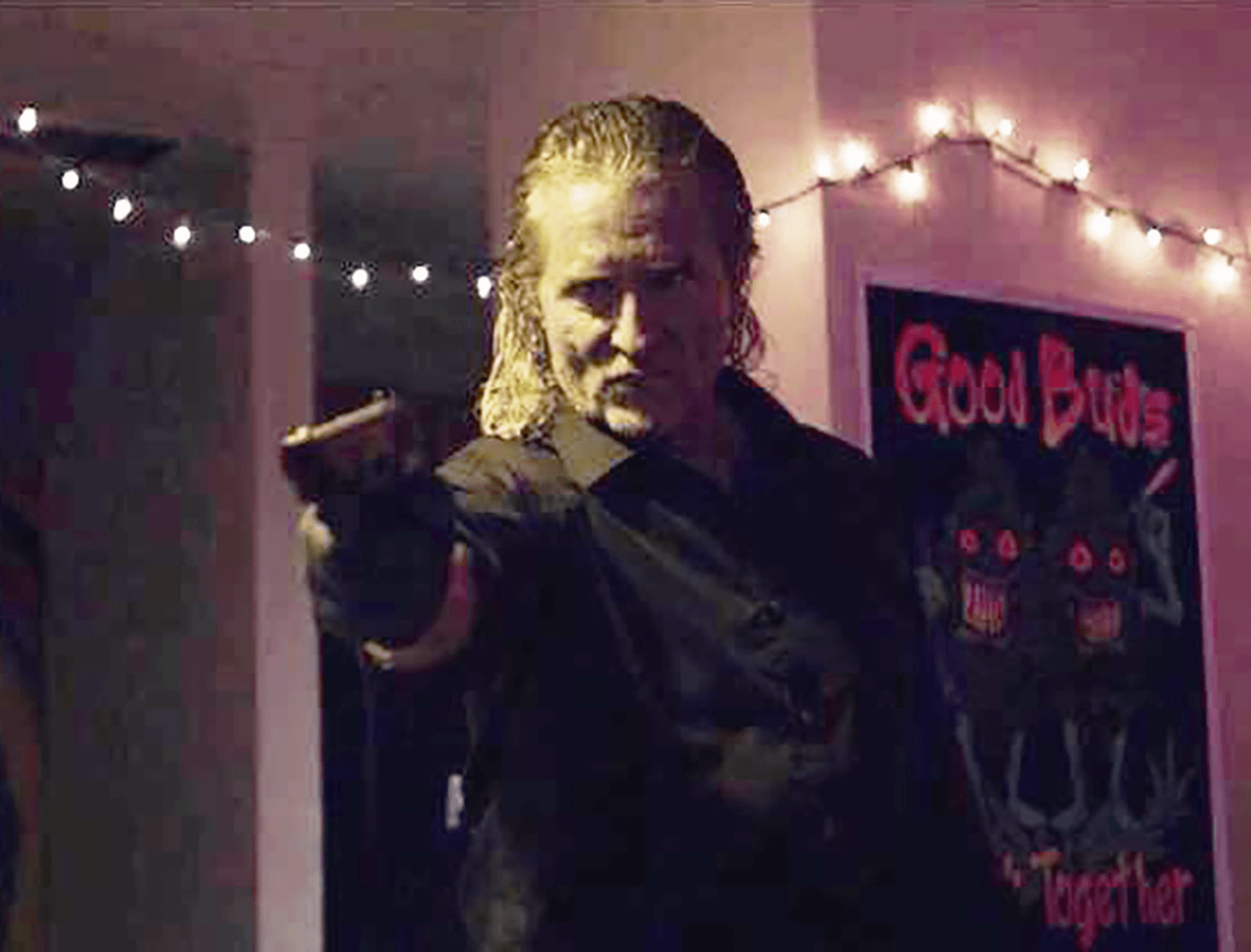
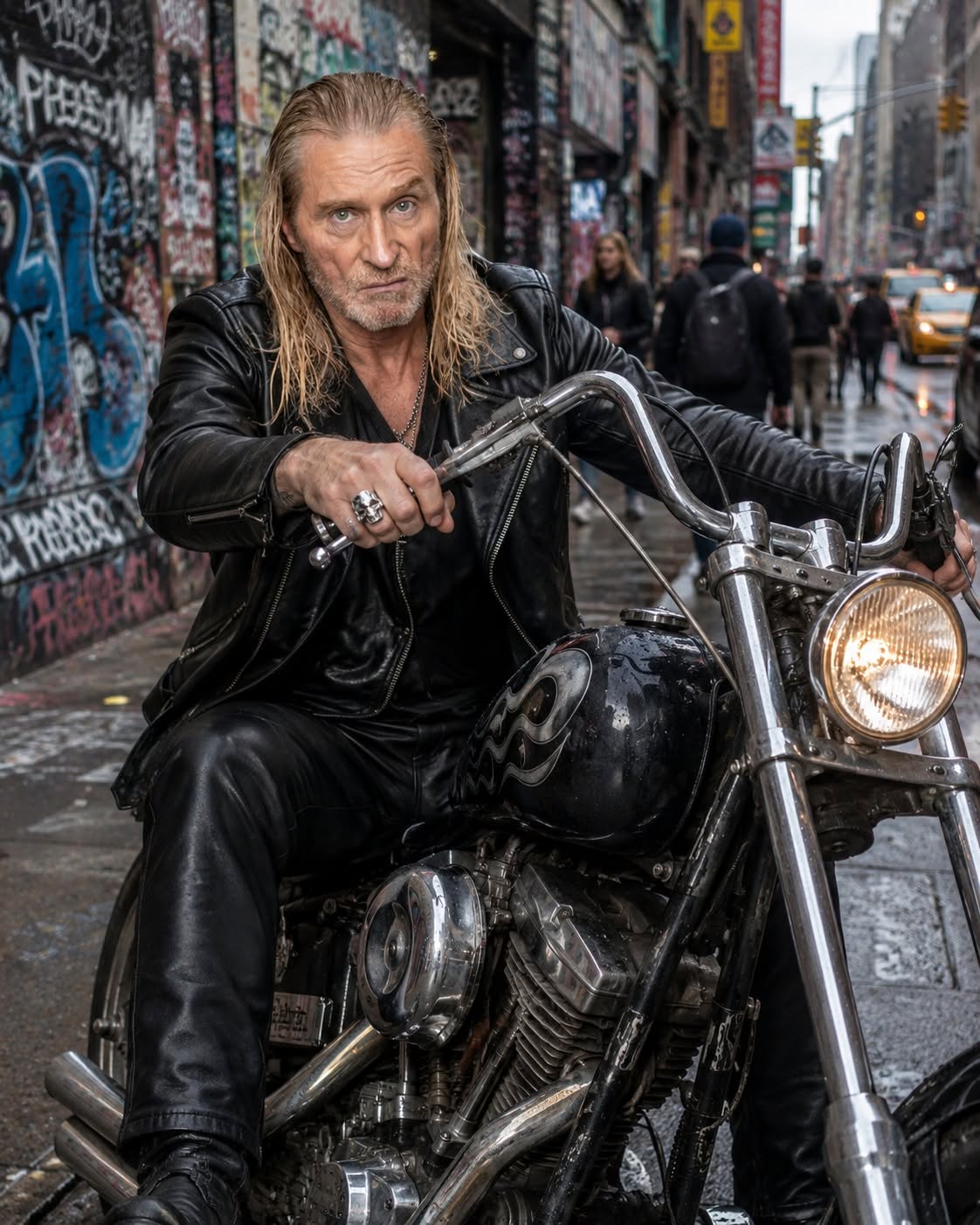
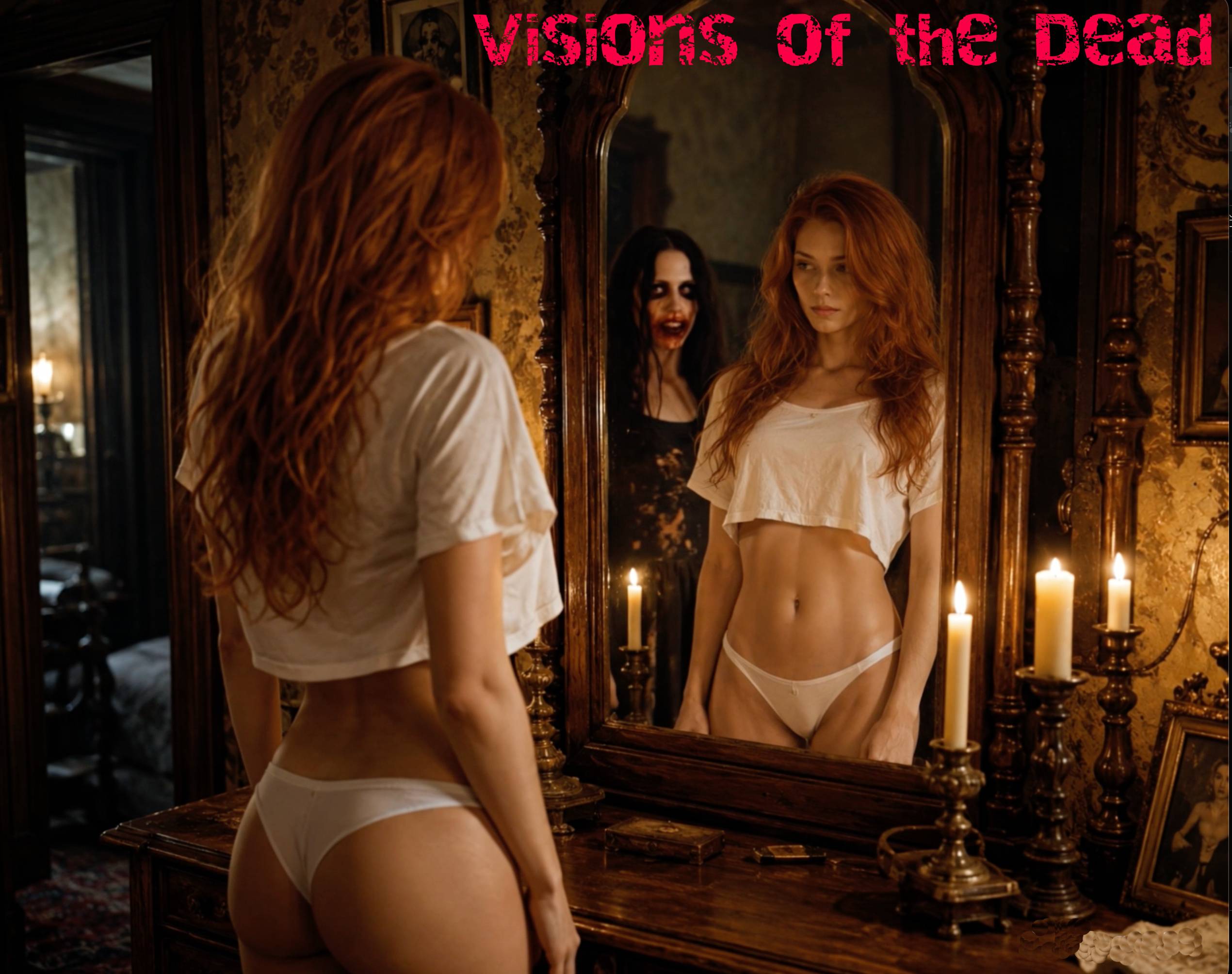
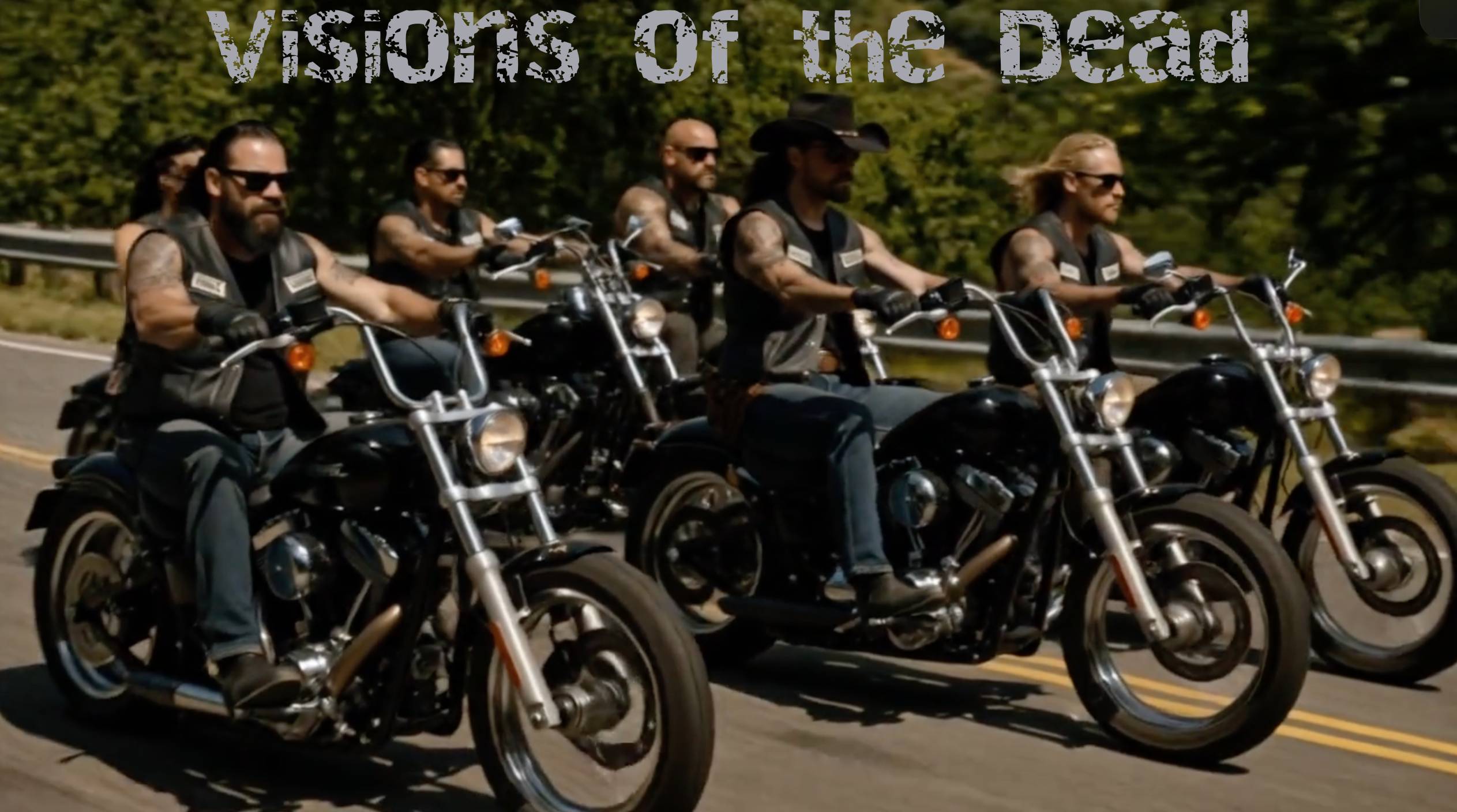
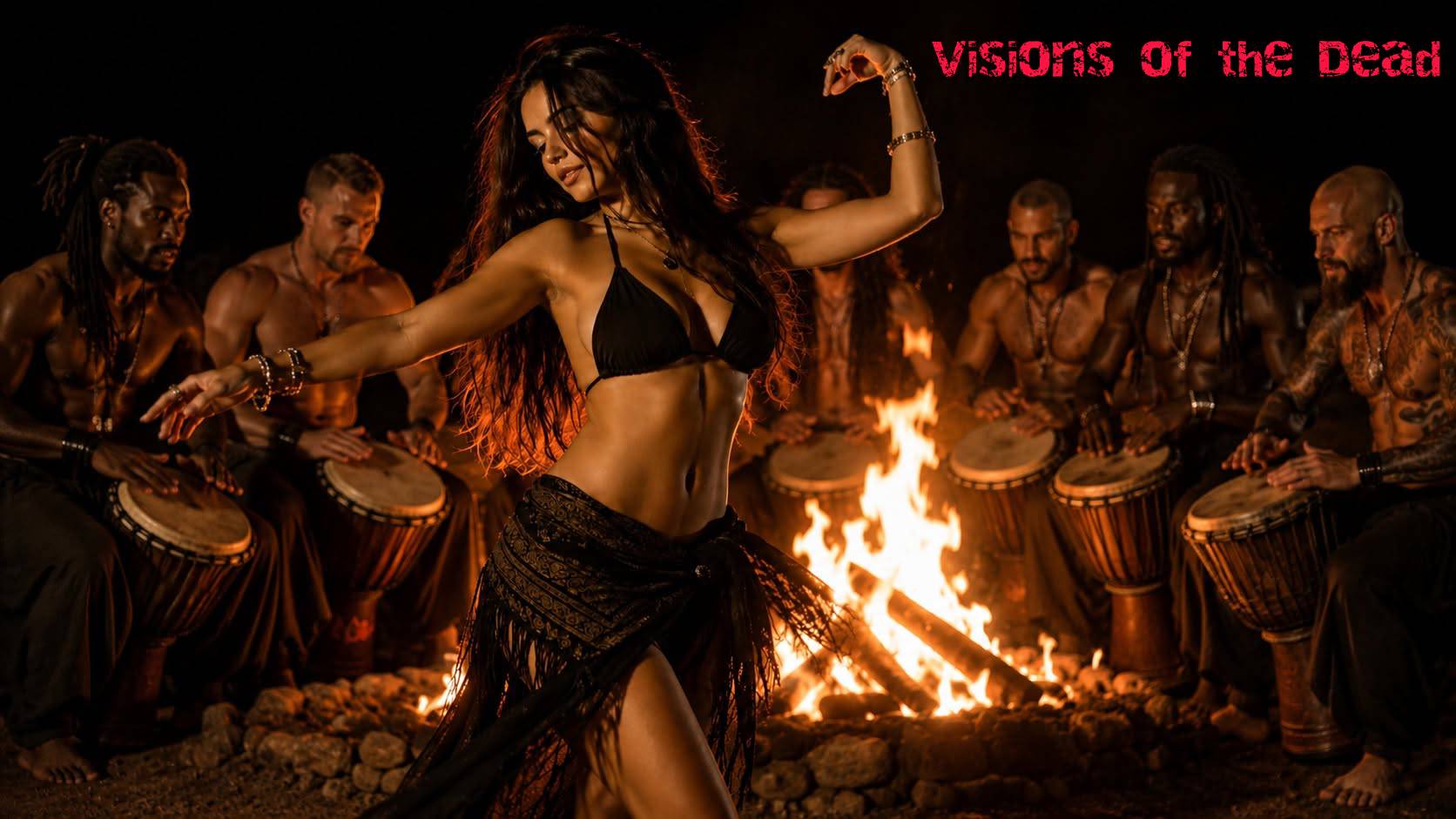
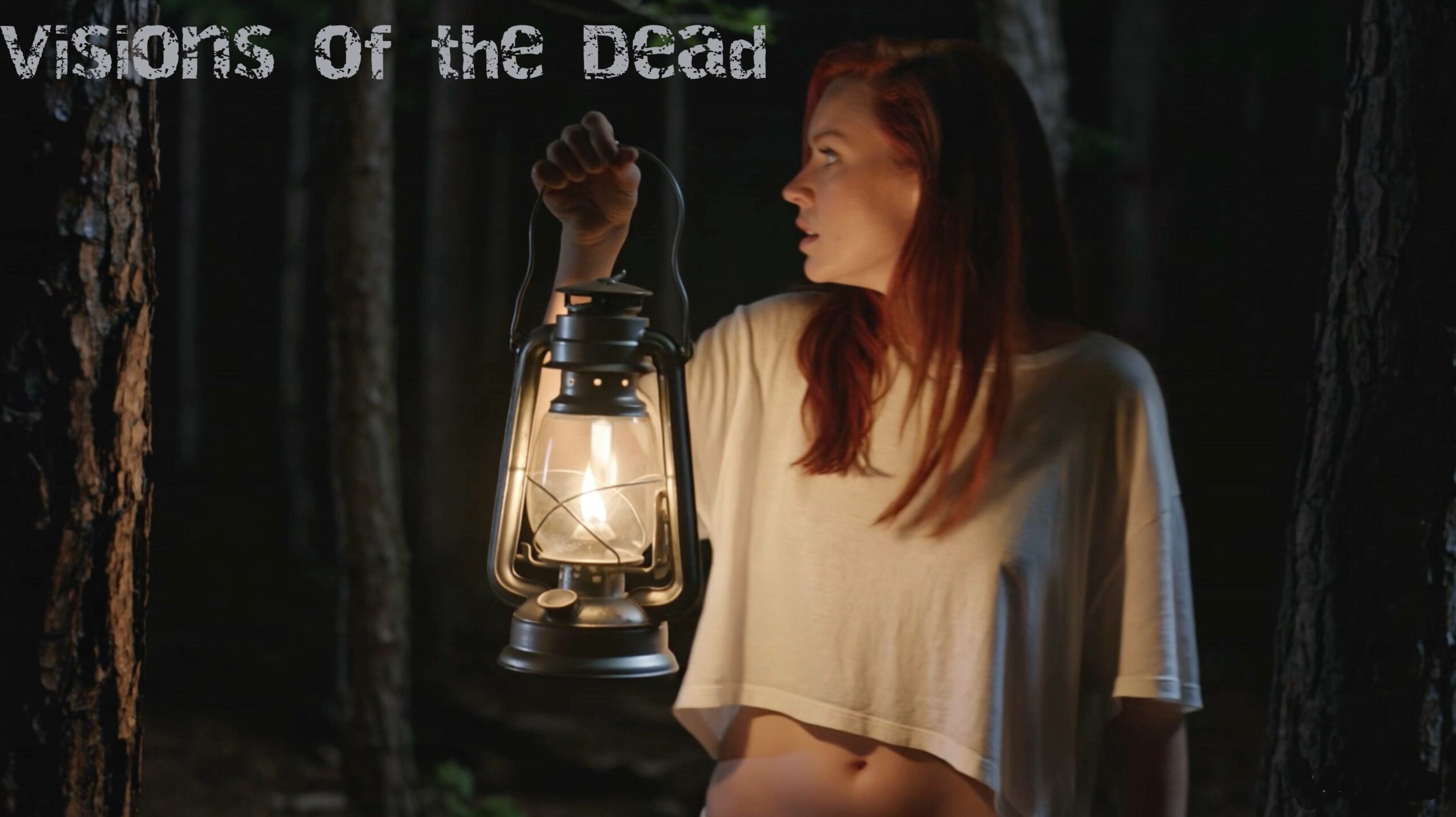
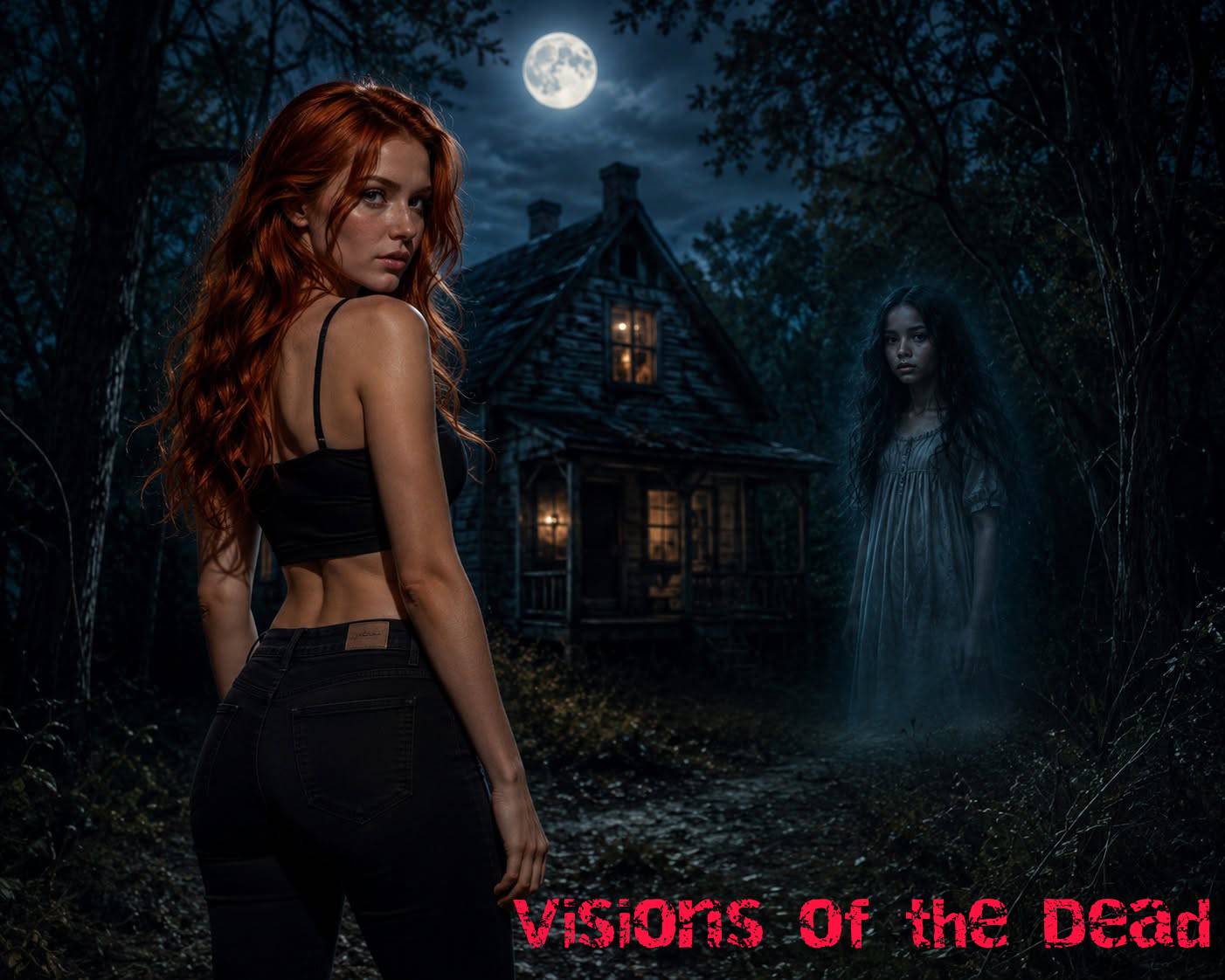
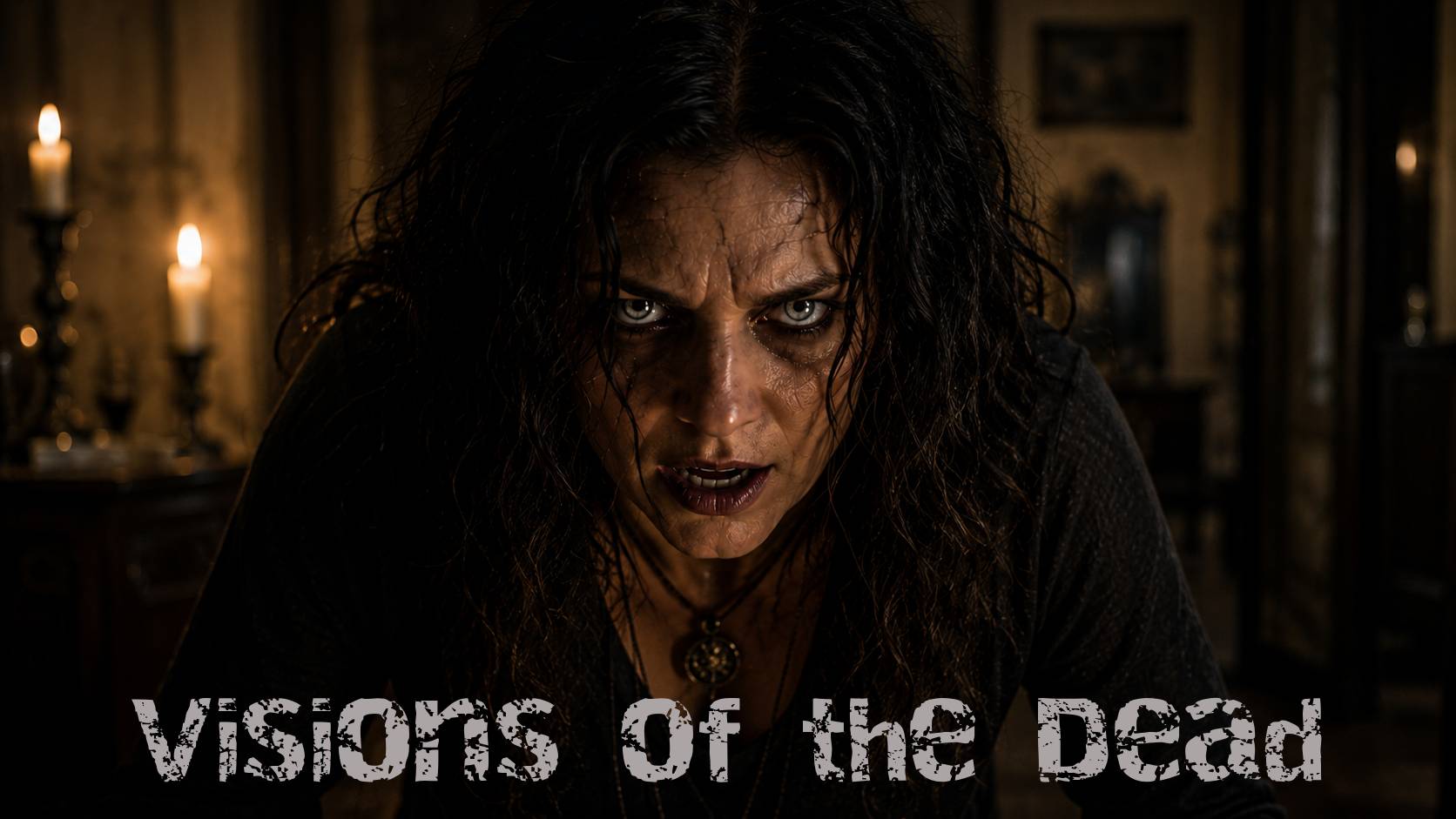
Image Credits
Kevin Kinkade