


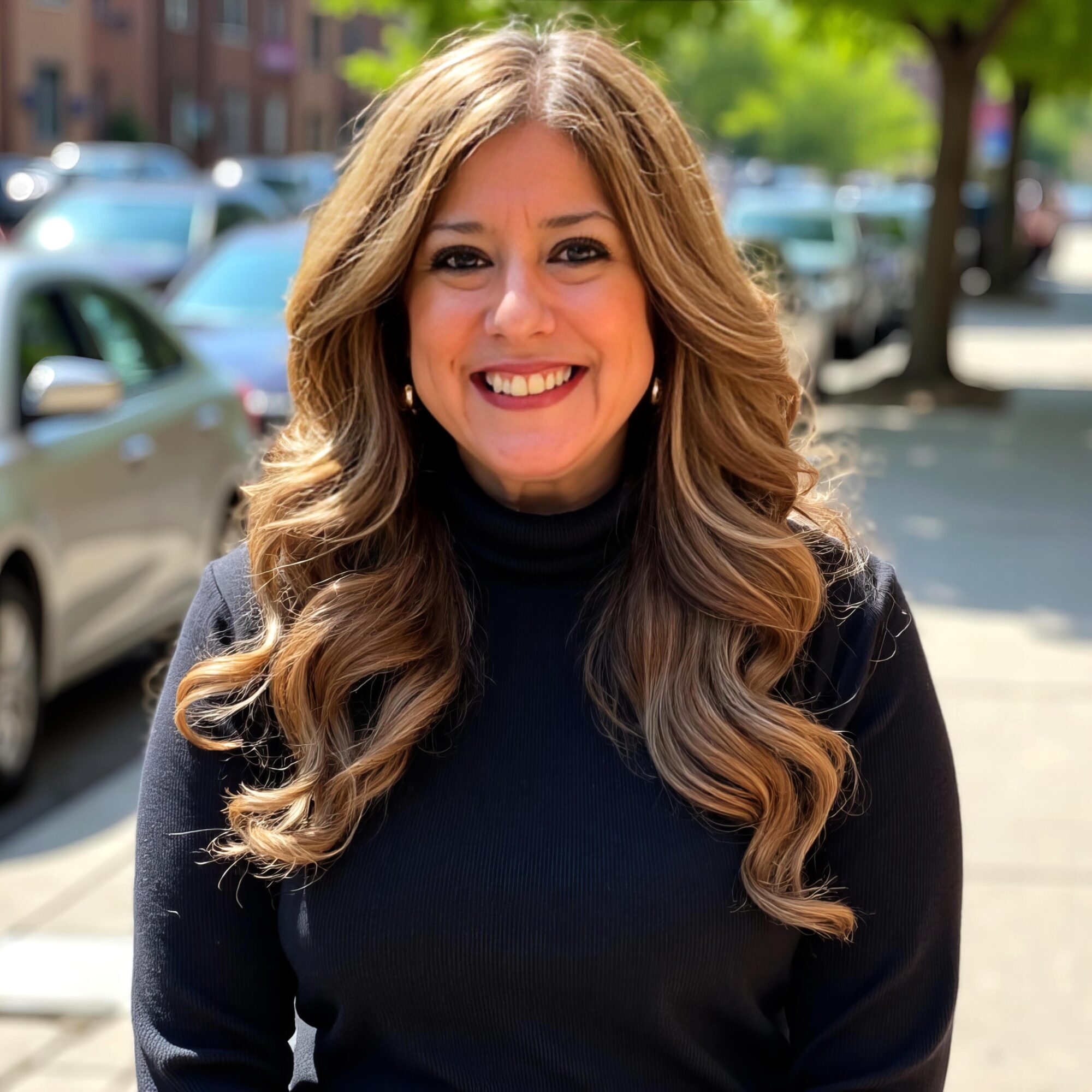
Today we’d like to introduce you to Lorraine Jaimes Martinez.
Hi Lorraine, thanks for joining us today. We’d love for you to start by introducing yourself.
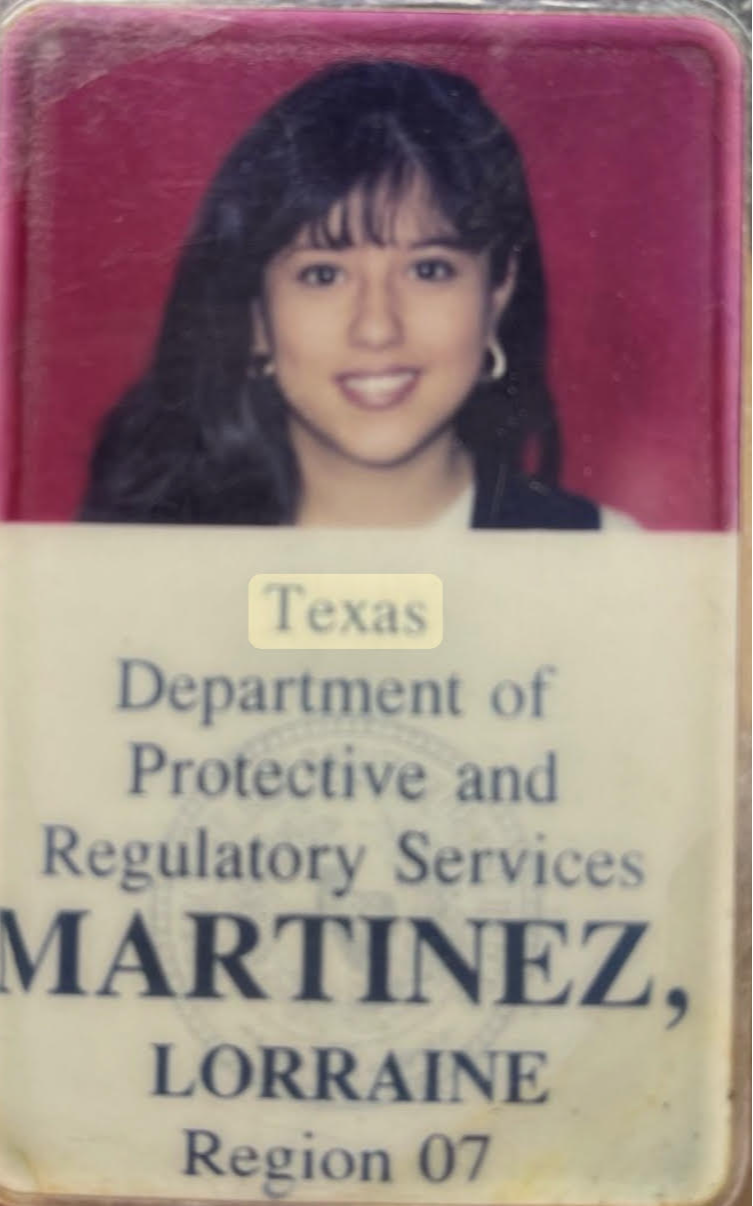
For more than 30 years, my life’s work has centered on advocating for children and families. What began as a career in Child Protective Services eventually led to foster care agency leadership, the development of specialized Medicaid healthcare programs, executive leadership, and national consulting. Along the way, I have had the privilege of working with extraordinary people, helping build programs that serve vulnerable children, and learning that some of the greatest opportunities in life are the ones we never could have planned.
But long before any professional title, I was a South Texas girl growing up near the Mexican border, surrounded by family, faith, and the values that continue to guide me today.
My professional journey began as a Child Protective Services caseworker investigating allegations of child abuse and neglect. Those early years were challenging, emotional, and incredibly formative. I still remember being frightened to knock on someone’s door and announce that I was there to investigate allegations of abuse or neglect. You never knew what might be waiting on the other side or how someone would respond. Then one day, my perspective changed. If I, as an adult, was frightened to knock on that door, how much more frightening must life be for a child living inside that home if the allegations were true?
That realization has stayed with me throughout my career. It changed the way I approached my work and strengthened my conviction that children need people willing to advocate for them, even when the work is difficult or uncomfortable. More than three decades later, that same belief continues to drive me. If the work I do makes a meaningful difference in the life of just one child, it has been worth it.
Over time, my career evolved into foster care agency leadership, where I worked closely with foster families, children, and the professionals responsible for their care. That experience deepened my understanding of the challenges families face navigating complex systems, particularly when children require healthcare, behavioral health services, and other specialized supports.
One of the most defining chapters of my career began when Texas became the first state in the nation to issue a sole statewide Medicaid managed care contract specifically for children in foster care. I was hired approximately one year before the STAR Health program launched as the Manager of STAR Health Liaisons, overseeing health plan employees who would work directly within Child Protective Services offices. It was an innovative approach designed to bridge the gap between child welfare and Medicaid healthcare operations, and we had the opportunity to build the liaison program from the ground up.
The interesting part is that I knew very little about the insurance business when I accepted the position. What I knew was child welfare. Having spent years helping foster children and families navigate healthcare services, I was genuinely concerned about what might happen when a large insurance company became responsible for their healthcare. Rather than stand on the sidelines worrying about it, I wanted to help make sure the program worked for the children and families it was intended to serve.
That meant learning an entirely new industry. I volunteered to work alongside different Medicaid operational teams, asked questions, and immersed myself in understanding how the health plan functioned. At the same time, our team developed the STAR Health Liaison model, establishing relationships, processes, and communication pathways between the health plan and child welfare offices. We built something new and worked hard to make it successful. The experience reinforced the importance of having people who understand child welfare help design the healthcare systems intended to serve those children.
My professional journey with Centene spanned 13 years and eventually included serving as Executive Director of the Texas STAR Health foster care program. Yet one of the most important decisions during that time involved choosing purpose over a title.
Early in my career, I had set a personal goal of becoming a vice president by age 40. As that milestone approached, opportunities for advancement existed, but achieving that title would have required leaving foster care. I simply was not willing to do that. The work meant too much to me. My goal had always been to make a difference for children and families, and I could not justify walking away from that mission just to achieve a professional milestone.
Then Florida presented an extraordinary opportunity to help implement another statewide Medicaid specialty program serving children involved in the child welfare system. A woman I deeply admired, who had become a mentor and role model during my years at Centene, encouraged me to pursue it. Her words have stayed with me: “Fly, little birdie.” She believed I was ready to spread my wings and take the experience gained in Texas to another state.
That decision required a serious conversation with my husband, Chris. We did not have children at the time, and he had an established business in Texas. Relocating together was not practical, but he understood my dreams and how deeply committed I was to this work. His perspective was simple: after everything I had been able to contribute to children and families in Texas, why would I not want to help create those same opportunities for children in another state? We decided we could make a year of traveling back and forth work.
So off I went to Florida, excited and nervous about beginning a new chapter.
And then, approximately 30 days after relocating, I discovered I was pregnant!
There I was, in a new state, starting a new job, without family or friends nearby, and suddenly expecting a baby. I could not even enjoy a glass of wine to help me unwind! It was exciting, overwhelming, emotional, and a little frightening all at once.
After years of pursuing professional goals, God was blessing me with the one dream that meant more than any title I could ever achieve: becoming a mother.
Over the following nine months, I helped lead Florida’s specialty child welfare Medicaid program implementation while Chris and I navigated the excitement and challenges of preparing for our daughter from different states. When it came time to welcome her into the world, I returned to Texas. After all, Hook ’em Horns! There was simply no way I was going to have a baby who was not born in Texas!
At 41, I became a mother, and my life changed in the most wonderful way. Looking back, that season remains one of the greatest examples of God’s timing in my life. I had taken a professional leap of faith to serve children and families, and in the process, received the greatest blessing I could have imagined: our daughter, Cheyenne.
Following years in corporate executive leadership, my career eventually transitioned into national consulting. Today, that work allows me to bring decades of experience to states and organizations seeking to strengthen child welfare, Medicaid managed care, behavioral health services, and healthcare systems for vulnerable populations.
What makes my experience somewhat unique is having worked across so many dimensions of child welfare: as a frontline CPS caseworker, foster care agency leader, Medicaid executive, consultant, and volunteer Court Appointed Special Advocate. Each opportunity has built upon the one before it, expanding my perspective and allowing me to contribute at a broader level. The responsibilities may look different today, but the purpose remains the same as it was when I first began knocking on doors as a young CPS investigator.
My commitment has also extended beyond my professional responsibilities. I previously served on a Child Protective Services Child Death Citizen Review Committee and participated in the Texas Statewide Collaborative on Trauma-Informed Care, contributing to the development of Building a Trauma-Informed Child Welfare System: A Blueprint through the Texas Children’s Commission. These experiences reinforced my belief that protecting children requires more than responding to crises. It requires understanding trauma, examining systems, and continually improving how we support children and families.
Philanthropy and volunteer leadership have also been important parts of my journey. I had the privilege of serving six years on the Texas CASA Board of Directors and currently serve as President of the national ConnectionPlus Board, supporting efforts to help families heal from trauma, strengthen relationships, and remain safely together. I also serve as a Board Director for the Greater Taylor Community Foundation, helping support philanthropy and initiatives that strengthen the community we call home.
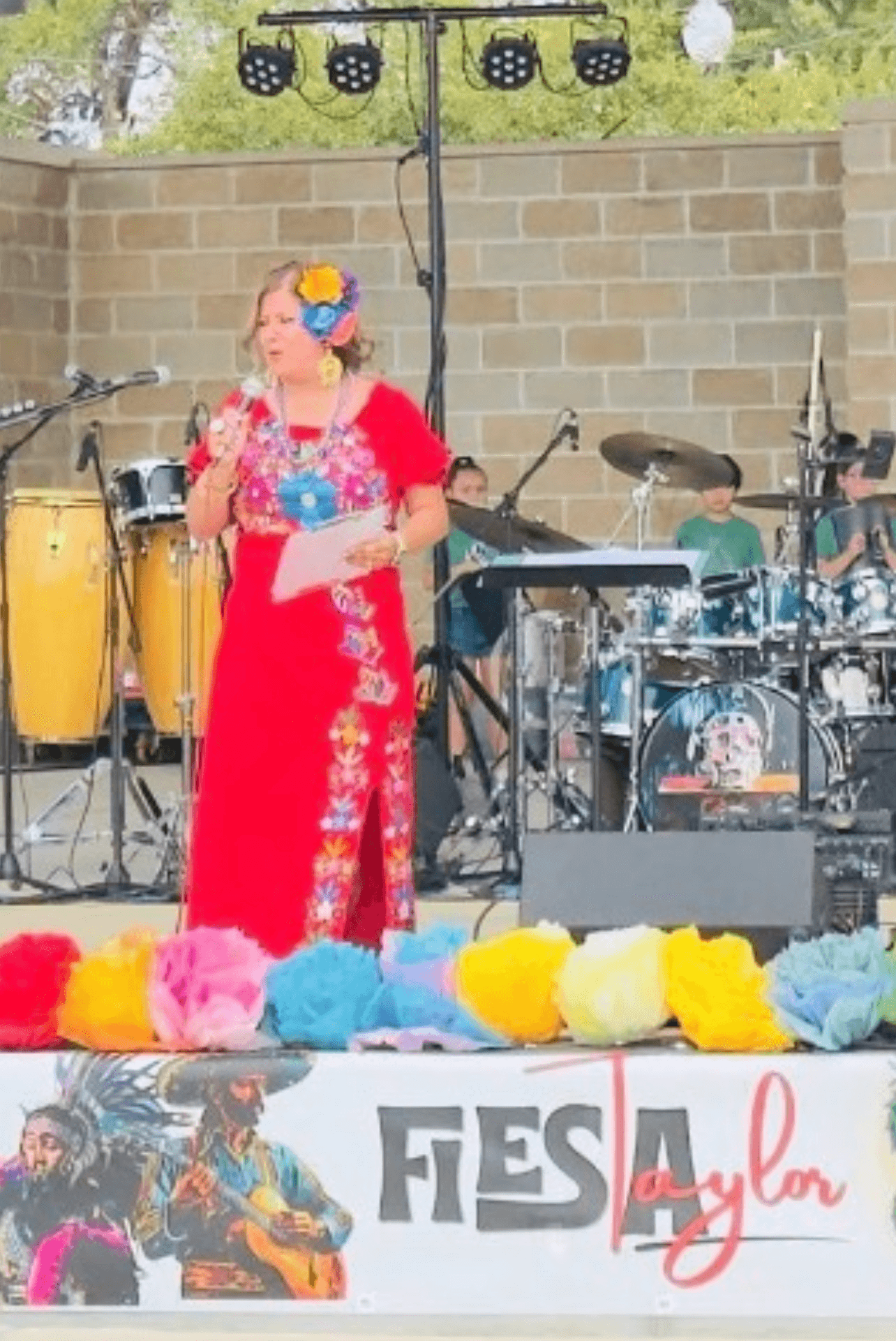
Another opportunity I cherish is serving as Board Chair of the Greater Taylor Chamber of Commerce. One of my proudest recent experiences was helping lead Fiesta Taylor, a celebration of culture, music, family, and community that brought together nearly 4,000 people.
That experience was especially meaningful because of my own journey with cultural identity.
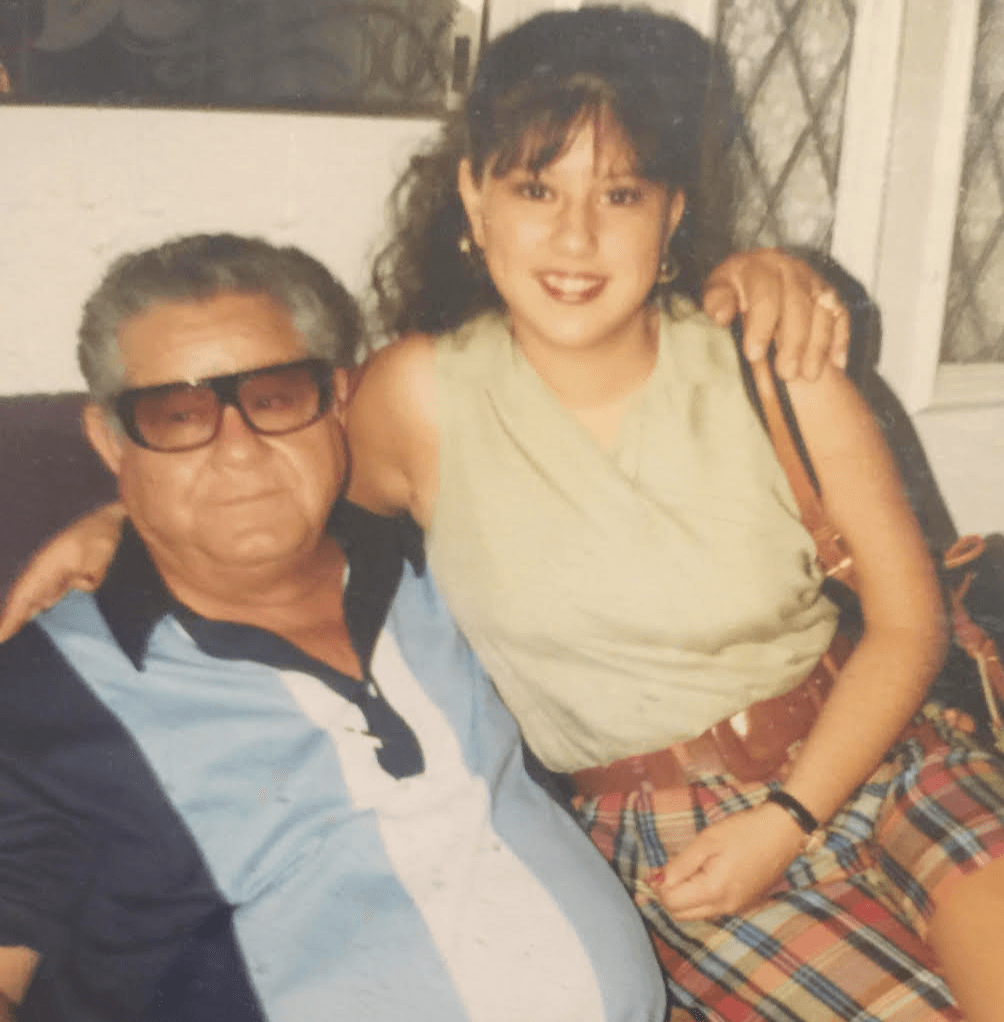
Growing up in South Texas near the Mexican border, I sometimes felt embarrassed by the poverty associated with where I came from. At the time, I did not fully appreciate the richness of the culture, traditions, resilience, and community surrounding me. My maternal grandfather “Papa Mundo” encouraged me to learn Spanish, explaining that being bilingual would make me more marketable professionally. It was not until I left home to attend Southwest Texas State University that I began to appreciate my South Texas roots.
Today, I am an incredibly proud Latina. In fact, I have to laugh because I sometimes get a little offended when someone does not realize I am Latina! Isn’t that funny? The same girl who once felt self-conscious about growing up along the border now proudly embraces everything about that heritage.
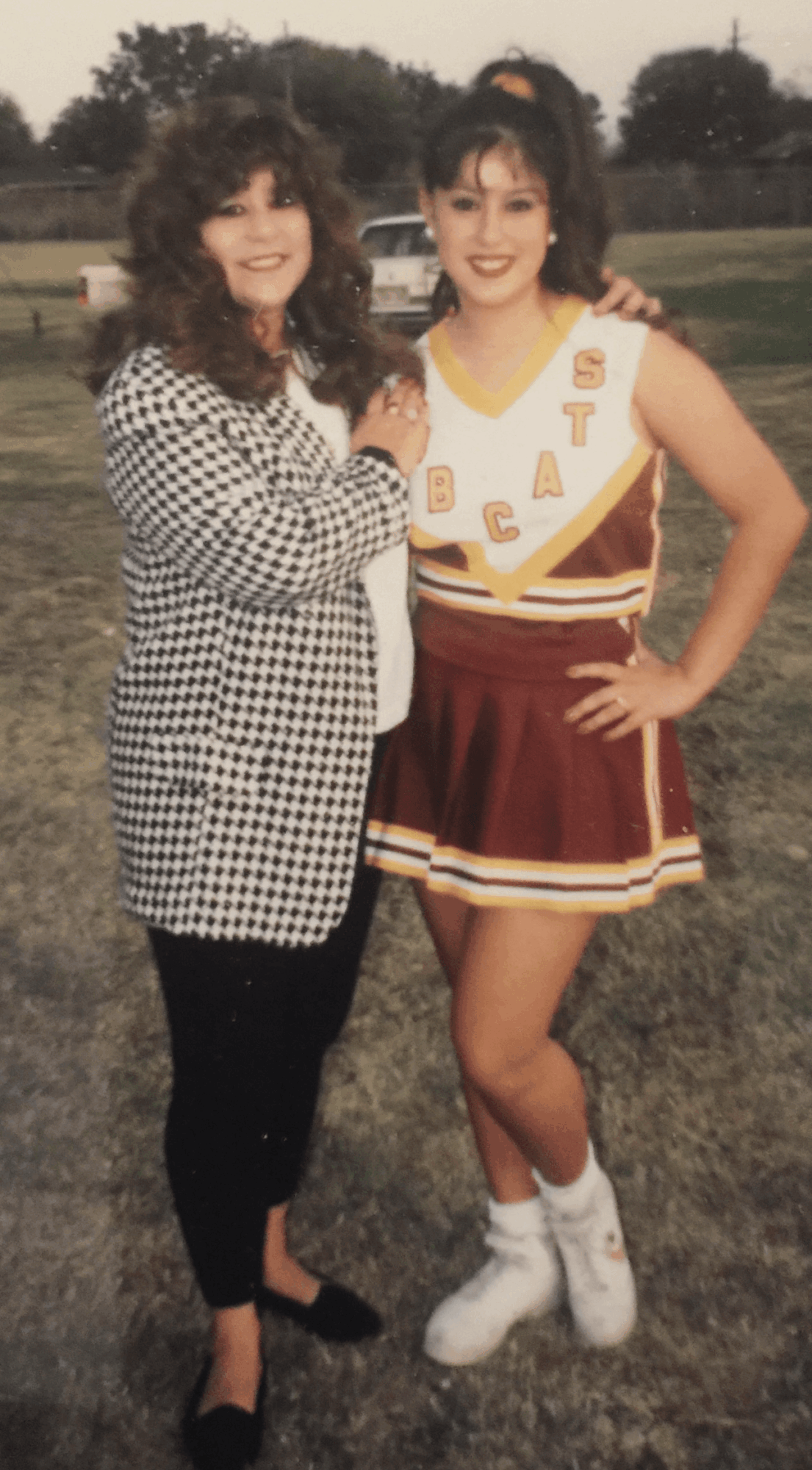
One of my favorite college memories captures that growing confidence. I had been cheerleading since I was three years old, but growing up, I sometimes felt making a squad depended as much on who you knew or how people voted as it did on ability. One of my best friends, who was already in college and served as the school mascot, encouraged me to try out for the college cheerleading squad. He insisted I was just as good as the other girls and should give it a shot.
So, I did! During my tryout, I added a little South Texas flavor with a Spanish chant: “¡Vamos, hey Bobcats, órale!” The judges laughed, cheered, and responded enthusiastically. It made me stand out, and I made the squad! That experience meant more than becoming a college cheerleader. It reminded me that sometimes the very things that make us different are our greatest strengths.
Years later, helping bring Fiesta Taylor to life felt like another full circle moment. The little girl who once felt embarrassed by her South Texas roots had become a woman helping lead a community celebration of the very heritage she had learned to embrace. Seeing families from different backgrounds come together was something I will always treasure.
So much of that personal growth can be traced back to my family, particularly the women who raised me.
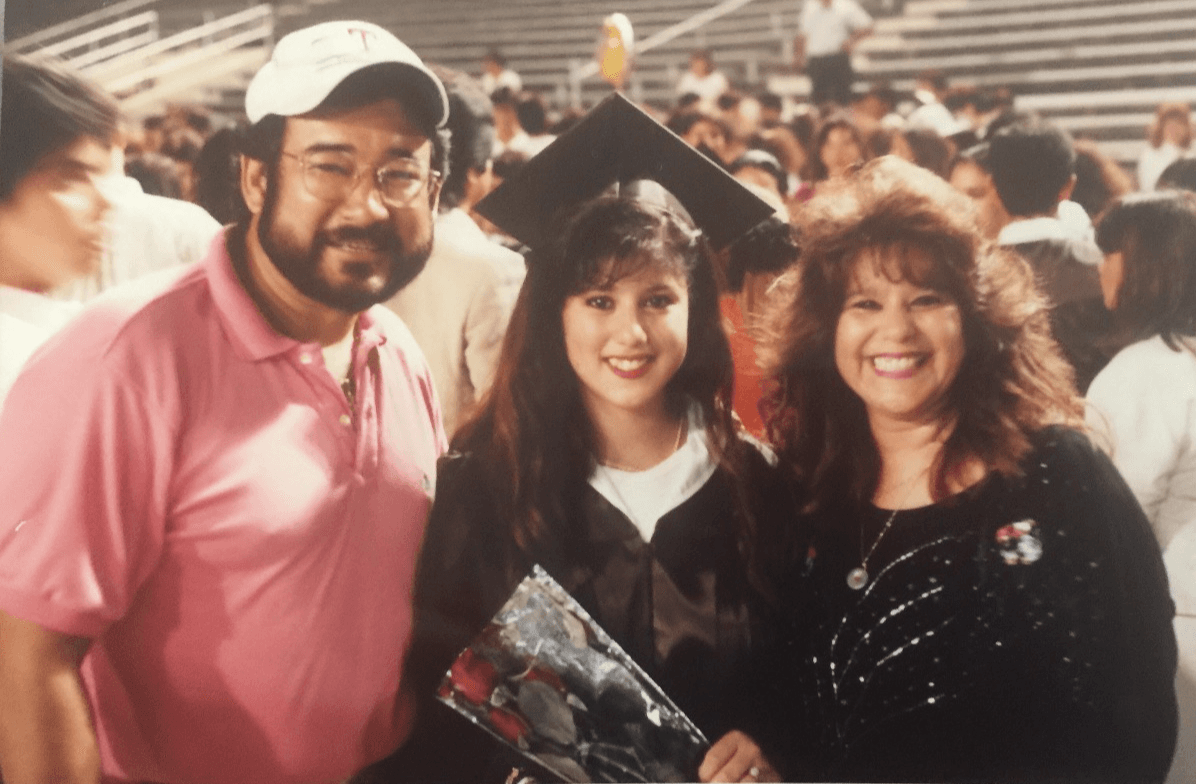
During my teenage years, my mother raised me as a single mom. We did not have much financially, although I did not realize how little we had until I began completing college applications. There were things I wanted that we could not afford, but everything I needed was provided, along with more love than I could ever measure. My mother always found ways for me to participate in activities and pursue opportunities, even when resources were limited. She was, and remains, my biggest cheerleader.
She taught me to work hard, give everything my best, and never stop learning because education and knowledge are things no one can take away from you. She also taught me to be proud of my name and never associate myself with anything I did not wholeheartedly believe in. My name mattered, I mattered, and my worth came from being a daughter of Christ.
Another lesson was wonderfully simple: “Ask. The worst someone can say is no, or they may ignore you. But do not let that stop you.” That advice has served me throughout my career, from professional opportunities and negotiations to boardrooms and leadership decisions.
My maternal grandmother “Mama Nati” had her own way of reminding me who I was. She would say, “Vienes de buen material,” meaning I come from good stock. The Jaimes women are strong!
My full name is Lorraine Jaimes Martinez. Jaimes is my mother’s maiden name, and I carry that family legacy with tremendous pride. My mother grew up as the only girl among six brothers in a strict and protective household. She made a conscious decision to raise me differently, with openness, trust, encouragement, and the freedom to experience life. She became my best friend, and she still is today.
Growing up, our house was where my friends gathered, and Mom was always part of the fun. When she attended my 35-year school reunion over the summer, my former classmates still recognized her and remembered her fondly. I want that same relationship with Cheyenne. I want her friends to feel welcome in our home, know they can count on me, and someday look back with those same wonderful memories.
My older brother has also been an important influence in my life. I have always joked that he got all the talent in the family! He is the musician, the creative one, and the person who can figure out how to put just about anything together. Perhaps our differences began before birth. He arrived prematurely at six months, while I took my time and arrived at ten months. We both entered this world on our own terms!
Our personalities remain very different. I tend to be adventurous and willing to take risks, while he is more cautious and thoughtful. His perspective has helped keep me grounded throughout my life, and even today, I appreciate having someone who knows me so well but sees the world through a different lens.
Education has been another important part of my personal journey. As a first-generation college student, I entered Southwest Texas State through a conditional admission program and had to maintain my grades to remain enrolled. College was not easy. At that stage of life, the goal was simply to graduate, and I did. But I made a promise to myself that someday I would earn a master’s degree.
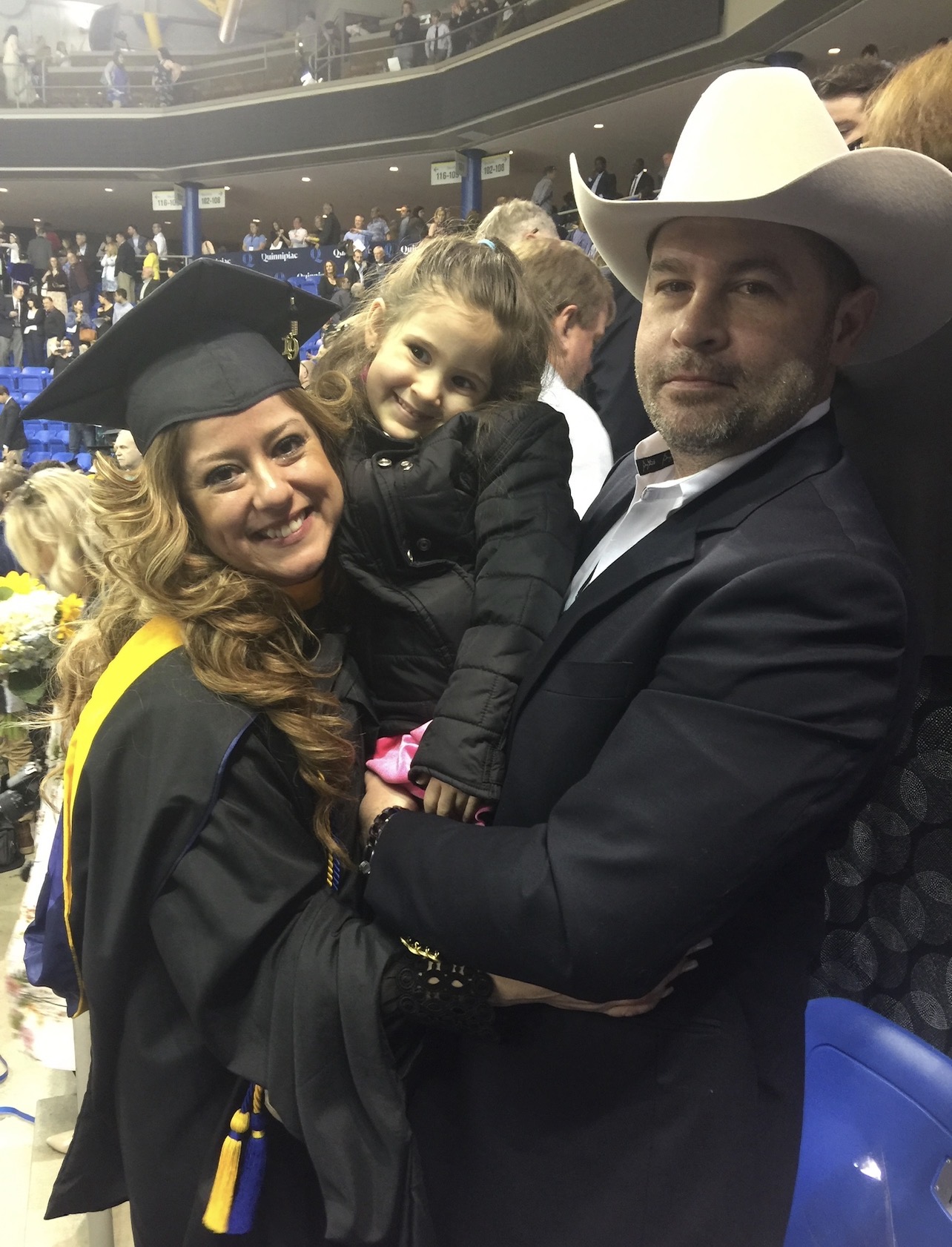
For years, that dream remained unfinished, partly because I was intimidated by academic testing and partly because life and career kept moving forward. When I finally returned to school in my 40s, I earned my master’s degree in Organizational Leadership with a 4.0 GPA. That accomplishment was deeply personal. It was about proving to myself that I was capable, that I could excel academically, and that it was never too late to finish something I had promised myself years earlier. Most importantly, I wanted my daughter to see that dreams do not have an expiration date.
Meeting Chris also helped shape the woman I have become. He taught me to develop thicker skin, something that proved particularly valuable navigating corporate America, growing into executive leadership, and eventually becoming a mother. Marriage has taught me that being supported does not mean always being agreed with. Sometimes the greatest support comes from someone who challenges your thinking, offers a different perspective, and reminds you not to take everything so personally. Chris has been that person for me, and I am grateful for our little family.
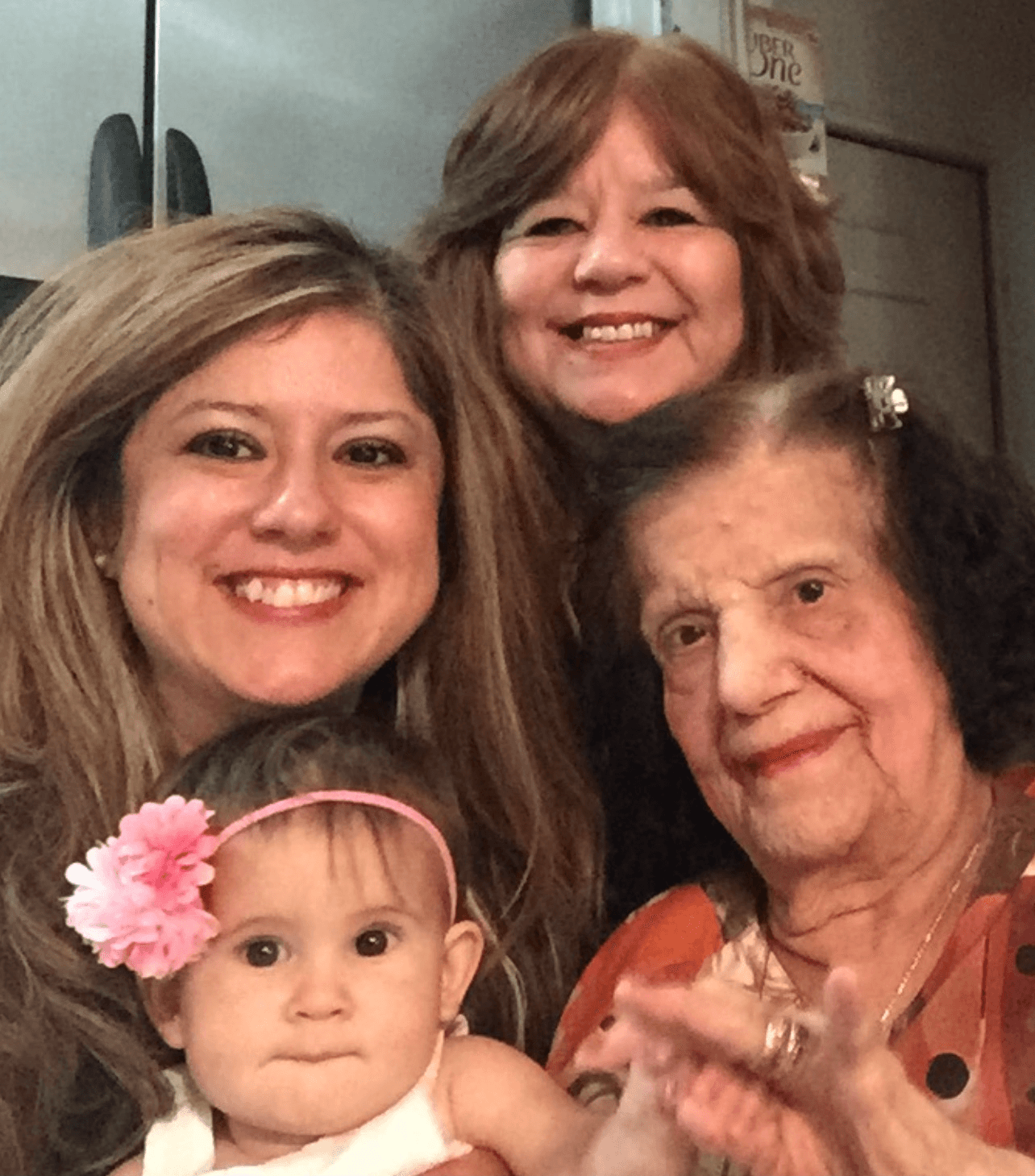
Today, watching the relationship between my mother and Cheyenne brings everything full circle. The lessons my grandmother passed to my mother, and my mother passed to me, are now becoming part of my daughter’s story. My hope is that Cheyenne grows up understanding the strength of the women who came before her, taking pride in her heritage, and knowing that her faith, education, integrity, and family will always be among her greatest foundations.
When I reflect on my journey, I see how deeply everything is connected. My upbringing, my faith, the people who believed in me, the professional risks I took, and the opportunities to serve have all shaped who I am today.
I am proud of what I have accomplished professionally, but I am even more proud of where I came from and the people who helped me get here. My greatest hope is that my legacy will not simply be defined by the programs I helped build, the organizations I led, or the accomplishments associated with my name, but by the difference I made in people’s lives and the example I leave for my daughter.
After all, my mother taught me very early that my name matters. I have spent my life trying to honor that lesson.
We all face challenges, but looking back would you describe it as a relatively smooth road?
No, the road has certainly not always been smooth, but I have come to appreciate that some of the most difficult experiences in life are also the ones that teach us the most.
As a Latina woman navigating corporate America, I have often felt that I needed to work twice, sometimes three times, as hard to earn the same recognition, credibility, and opportunities as others. There have been times when my abilities were questioned, my experience was underestimated, or I had to work harder to establish that I belonged at the leadership table. Those experiences were frustrating, but they also strengthened my determination to be prepared, to know my work inside and out, and to let my results speak for themselves.
My mother has always said that I love a good challenge, and she is absolutely right. Tell me something cannot be done, and I will turn over every rock, explore every possibility, and work tirelessly to find a way. Tell me you doubt my ability to accomplish something, and I become even more determined to prove you wrong. Not because I need to be right, but because I refuse to accept limitations without first understanding whether they can be overcome.
That determination has served me throughout a career involving complex challenges, competing priorities, and decisions that affect vulnerable children and families. Whether working directly with families, leading statewide healthcare programs, or advising organizations through difficult reforms, there are rarely simple answers.
A particularly important lesson has been recognizing that the greatest barriers are not always a lack of resources or willingness. Sometimes the problem is that organizations working toward the same goal do not fully understand one another’s responsibilities, systems, or operational language.
Through my work supporting healthcare and behavioral health services for children in state custody, I have had opportunities to help bring together professionals from different agencies and disciplines to address complex challenges. Having worked across child welfare, Medicaid managed care, and healthcare operations, I can often recognize where disconnects exist and help connect the dots. When people understand one another’s responsibilities, clarify processes, and align around a common goal, meaningful progress becomes possible.
Transitioning from corporate executive leadership into national consulting was another leap of faith. After years of building a career within established organizations, it required trusting that my experience, relationships, reputation, and commitment to quality work would allow me to succeed in a different environment. There is something both exciting and intimidating about stepping away from the security of a traditional corporate role and betting on yourself.
There have also been the challenges that many working women and mothers understand: balancing a demanding career with being present for the people who matter most. My work has involved travel, long hours, and responsibilities that do not conveniently end at five o’clock. Over time, I have learned that balance does not mean giving everything equal attention every day. It means understanding what matters most in a particular season and making intentional decisions about where to invest your time and energy.
Perhaps one of the hardest lessons has been accepting that I cannot fix everything, regardless of how much I care or how hard I work. After more than 30 years advocating for children and families, I understand that systemic change requires persistence, collaboration, accountability, and patience. Some circumstances are beyond our control, but how we respond and whether we continue working toward something better remain within our control.
My faith has taught me to trust God’s timing, even when the path ahead is uncertain. My family has taught me the value of perseverance and integrity. And experience has taught me that challenges often create opportunities to grow in ways we never anticipated.
I do not measure my journey by whether everything went according to plan. I measure it by whether I continued to grow, stayed true to my values, and had the courage to keep moving forward.
The road has not always been easy, but it has been meaningful, and I am grateful for the person those experiences have helped me become.
Thanks – so what else should our readers know about your work and what you’re currently focused on?
My work sits at the intersection of child welfare, healthcare, behavioral health, and organizational leadership. For more than three decades, I have focused on helping organizations and public systems better serve children and families, particularly those involved in foster care and other vulnerable circumstances.
Today, as a consultant and executive leader, I specialize in helping states, healthcare organizations, and child welfare systems navigate complex challenges, strengthen operations, and develop practical strategies that translate policy into meaningful action. My experience spans program design and implementation, Medicaid managed care, behavioral health, organizational transformation, strategic planning, and cross-system collaboration.
What sets me apart is having experienced these systems from the ground up. There is a significant difference between developing a policy in a conference room and understanding how that policy affects a child, a foster parent, a caseworker, or a provider trying to access services. Having worked directly with children and families before moving into executive leadership, I bring both perspectives to the table. I understand the realities of frontline practice, but I also understand the governance, accountability, financial, and operational structures necessary to make large systems function effectively.
Over the years, I have developed a reputation for asking difficult questions, challenging conventional thinking, and finding ways to move complicated initiatives forward. I am naturally curious, persistent, and not particularly good at accepting that something cannot be done simply because it has always been done a certain way. My approach is to understand the problem, bring the right people together, establish clear expectations, and create a path toward sustainable improvement.
One of the most important lessons from my career is that a successful strategy is only as good as an organization’s ability to execute it. Well-intentioned programs can fall short when responsibilities are unclear, communication breaks down, or accountability is missing. I enjoy the challenge of taking something complicated, identifying what is preventing progress, and helping teams develop processes and solutions that are practical, measurable, and sustainable.
What makes me most proud is not any particular title or position. It is having earned the trust of people working at different levels of these systems and knowing that my experience can help bridge perspectives that do not always naturally align. I have worked alongside frontline professionals, state agencies, healthcare executives, community providers, and organizational leaders. Each brings important knowledge to the table, and meaningful progress happens when those perspectives are respected and connected.
I also take pride in mentoring others, sharing what I have learned, and encouraging professionals to recognize their own potential. Some of the most rewarding moments in my career have been watching someone grow into a leadership role, gain confidence, or accomplish something they initially thought was beyond their reach. I have benefited tremendously from people who believed in me, and I consider it a responsibility to do the same for others.
Ultimately, I want my work to be known for integrity, thoughtful leadership, practical solutions, and a genuine commitment to improving outcomes for children and families. The goal has never been simply to create another program or write another strategic plan. It is to help build systems that work better for the people who depend on them.
That is the work I love, and after more than 30 years, I am still passionate about doing it.
What matters most to you? Why?
Faith, family, integrity, and service. Those are the things that matter most to me, and they guide how I choose to live my life.
My faith in God has always been my foundation. It was instilled in me by my mother and grandmother and has carried me through life’s greatest blessings and most difficult moments. It reminds me to be grateful, extend grace, remain humble, and trust God’s timing, even when life unfolds differently than I imagined.
Family is everything to me, and being Cheyenne’s mother is one of the greatest blessings of my life. My family has always been my foundation, from the generations who came before me to the family we are raising today. As a mother, daughter, sister, wife, and friend, I recognize that some of life’s most meaningful moments have nothing to do with professional accomplishments. They are found in everyday conversations, laughter around the dinner table, traditions, and simply being present for the people we love.
Losing my father changed the way I think about time. I thought we would have more of it together. More conversations, more milestones, and more opportunities for him to see the life and career I continued to build.
One of his proudest moments was watching me in court as a young Child Protective Services worker, advocating for a child in a case involving the termination of parental rights. I can still remember how proud he was of me that day. Sometimes I think about how proud he would have been to see the responsibilities I have taken on throughout my career, particularly the opportunities to advocate for children at a statewide and national level. The settings and responsibilities have changed considerably, but the purpose behind my work has remained the same.
His passing reminded me that we do not always get the time we think we will have with the people we love. It has made me more intentional about celebrating milestones, creating memories, and making sure those closest to me know how much they mean to me.
As Cheyenne grows, I think about the example I am setting for her. I want her to see a mother who works hard and pursues her dreams, but also one who laughs, loves deeply, celebrates life’s little moments, and knows when to put everything else aside to simply be Mom. I want her to understand that she can be ambitious and kind, strong and compassionate, independent and grounded in her faith.
Another important lesson has been learning not to take everything so personally. My mother has a saying: “Don’t worry when people are talking about you because that means you must be doing something right. Worry when they stop talking about you!” I have learned to laugh about that advice, but there is wisdom behind it. Not everyone will agree with your decisions, appreciate your approach, or understand your intentions. And that is okay. What matters is being able to look in the mirror and know you have acted with integrity.
Friendship has also been one of God’s greatest gifts in my life. I have always been a people person and have met wonderful individuals throughout the different seasons of my life. But my mother always told me that when it comes to true friends, you can usually count them on one hand and still have fingers left over. She was right.
People come and go as life changes, careers evolve, and families grow. I have been fortunate to have a small circle of friends who have remained by my side through thick and thin. They are my prayer angels, the people who celebrate my successes, challenge me to become better, tell me the truth when I need to hear it, and stand beside me during life’s most difficult moments. Those friendships are priceless.
Service is also an important part of what gives my life meaning. I believe God gives each of us different gifts and opportunities, and with those blessings comes a responsibility to help others. Whether supporting children and families, volunteering, or contributing to the community we call home, there is tremendous fulfillment in knowing that something you did made a difference in someone else’s life.
As I have gotten older, my definition of success has changed. Earlier in my career, I was focused on building, accomplishing, and proving what was possible. Today, the focus is less on what comes next professionally and more on being intentional with the time I have and the people I share it with.
I still love a good challenge and hope to continue doing meaningful work for years to come. But I also want to enjoy the life we have worked so hard to build, watch Cheyenne discover her own dreams, spend time with family and friends, and appreciate the ordinary moments that often turn out to be the most extraordinary.
At this stage of my life, success is less about what I accomplish and more about the difference I make, the people I love, and the example I leave behind. My grandmother’s words have stayed with me throughout my life, and I hope the way I have lived honors the strength, faith, and values of the generations who came before me. Después de todo, tengo que honrar de dónde vengo, ¡porque vengo de buen material!
If I can look back knowing that I loved well, served faithfully, lived with integrity, and made the most of the time God gave me, that will be more than enough.
Contact Info: