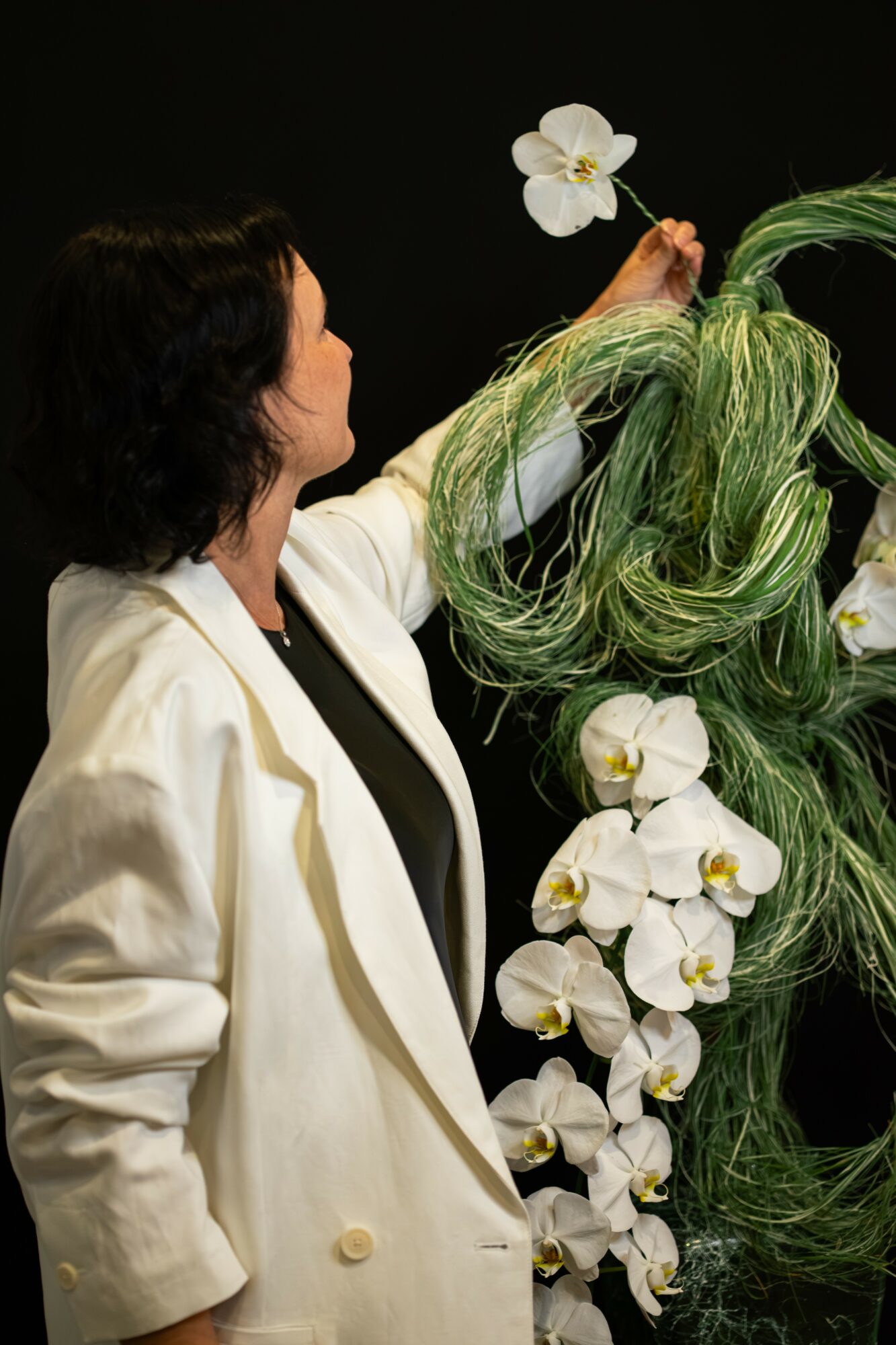



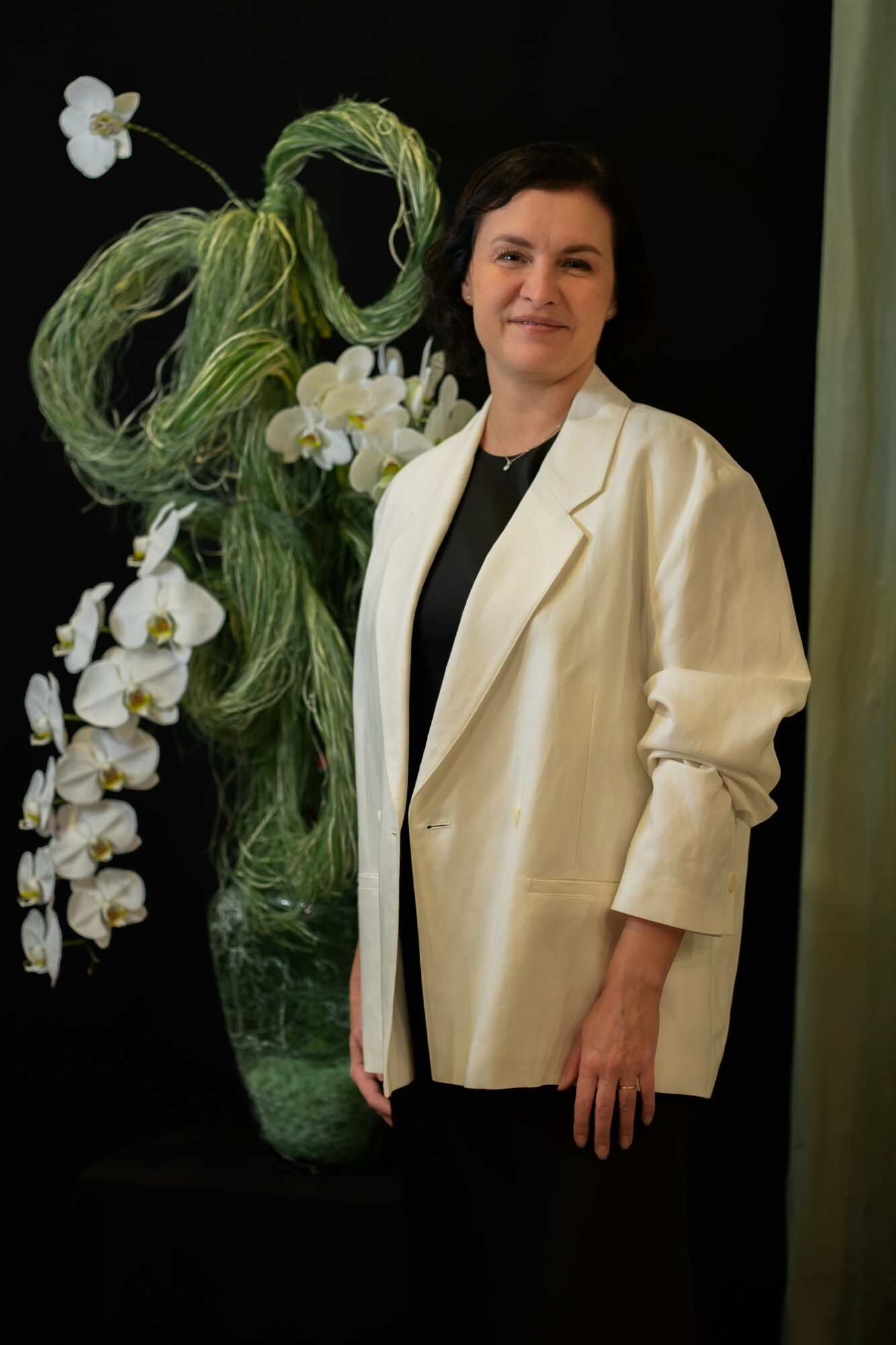
Today we’d like to introduce you to Maryna Litvinenka.
Alright, so thank you so much for sharing your story and insight with our readers. To kick things off, can you tell us a bit about how you got started?
I think my story with flowers began long before I ever imagined they could become my profession. I grew up in Belarus, and one of my strongest visual memories is my mother’s garden at our family’s country house. She has always grown an incredible variety of flowers, and her garden is so beautiful that people sometimes stop to admire it and take photographs. At the time, I never thought much about how deeply that environment was shaping me, but looking back, I realize that flowers, color and nature were part of my visual world from a very early age.
My first professional life was actually very different. For many years in Belarus, I worked as a tax consultant, ran my own business, wrote professional articles and spoke at industry events. When my family and I moved to the United States in 2022, I suddenly had an opportunity to ask myself a question I hadn’t asked in a long time: What do I want the next chapter of my professional life to look like?
I had always been drawn to design, architecture, interiors, art and beautiful details. After moving to the U.S., I began studying color theory and exploring interiors and design more deeply on my own. Flowers had also always been present in my home. I loved noticing how they could change the feeling of a room — and even my own mood when I walked into that space.
Floral design eventually became the place where many of those interests came together. I began studying seriously, practicing constantly and continuing my education through different floral design programs in the U.S. and internationally. Very early on, I knew that I didn’t want simply to learn a new profession. I wanted to create something of my own, and that became BloomaryAustin.
My vision for the studio was quite clear from the beginning. I was drawn to the sense of scale I saw in American floral design, while European floral design spoke to me through line, asymmetry, natural movement, unconventional forms and a strong artistic concept. I didn’t want to reproduce either approach exactly. I wanted to bring together the elements that felt most natural to me and develop a visual language of my own.
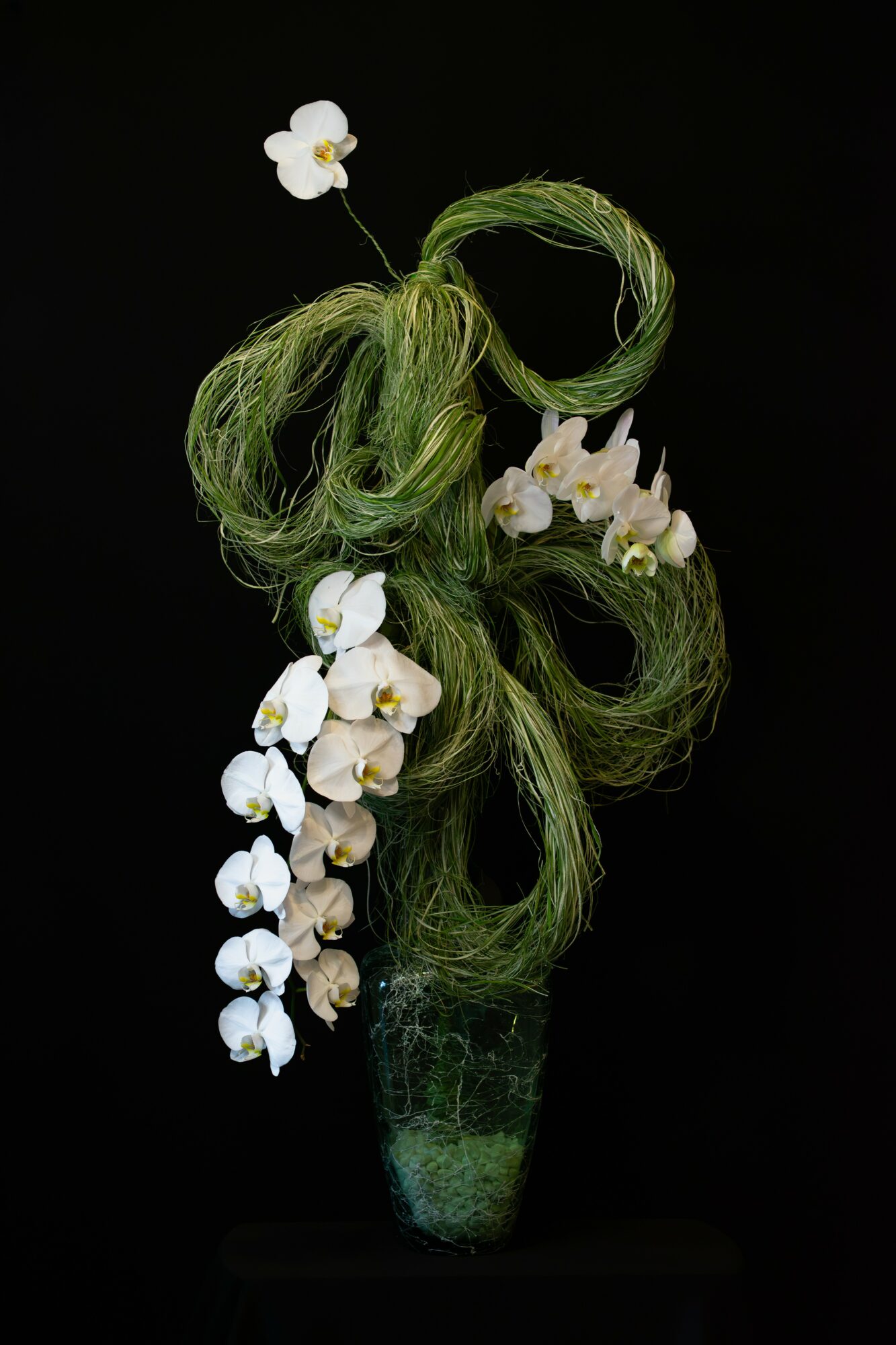
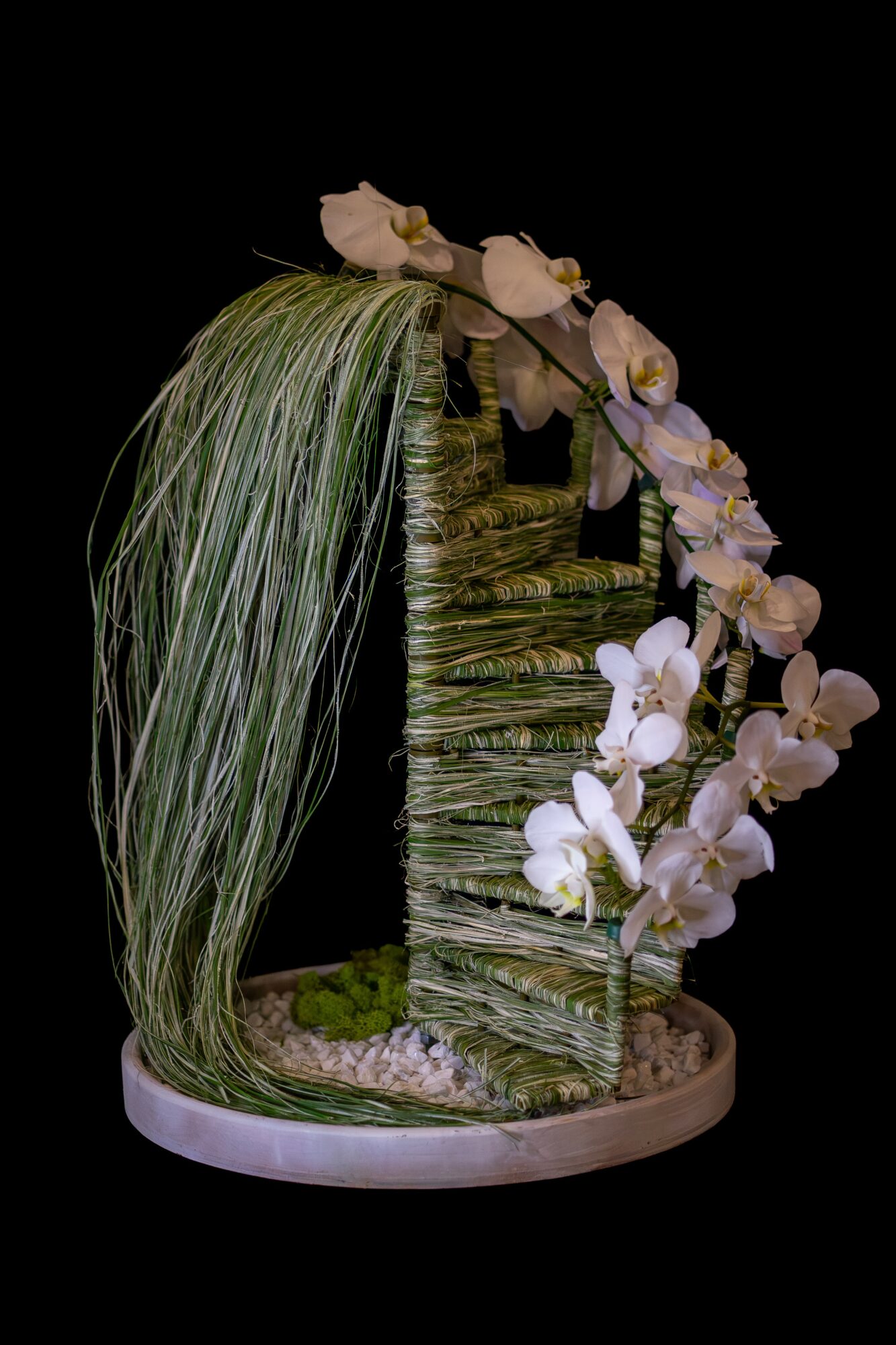
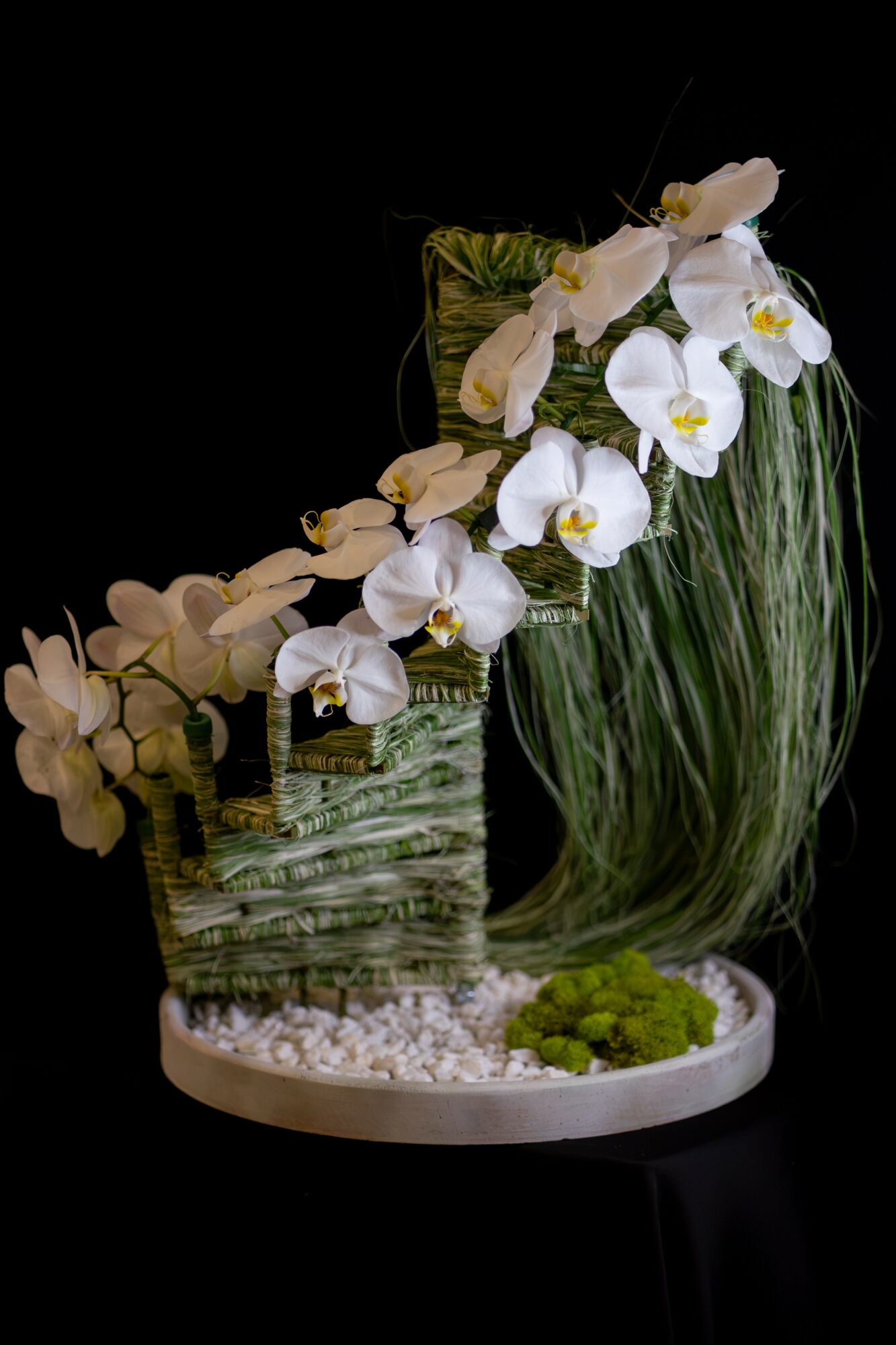
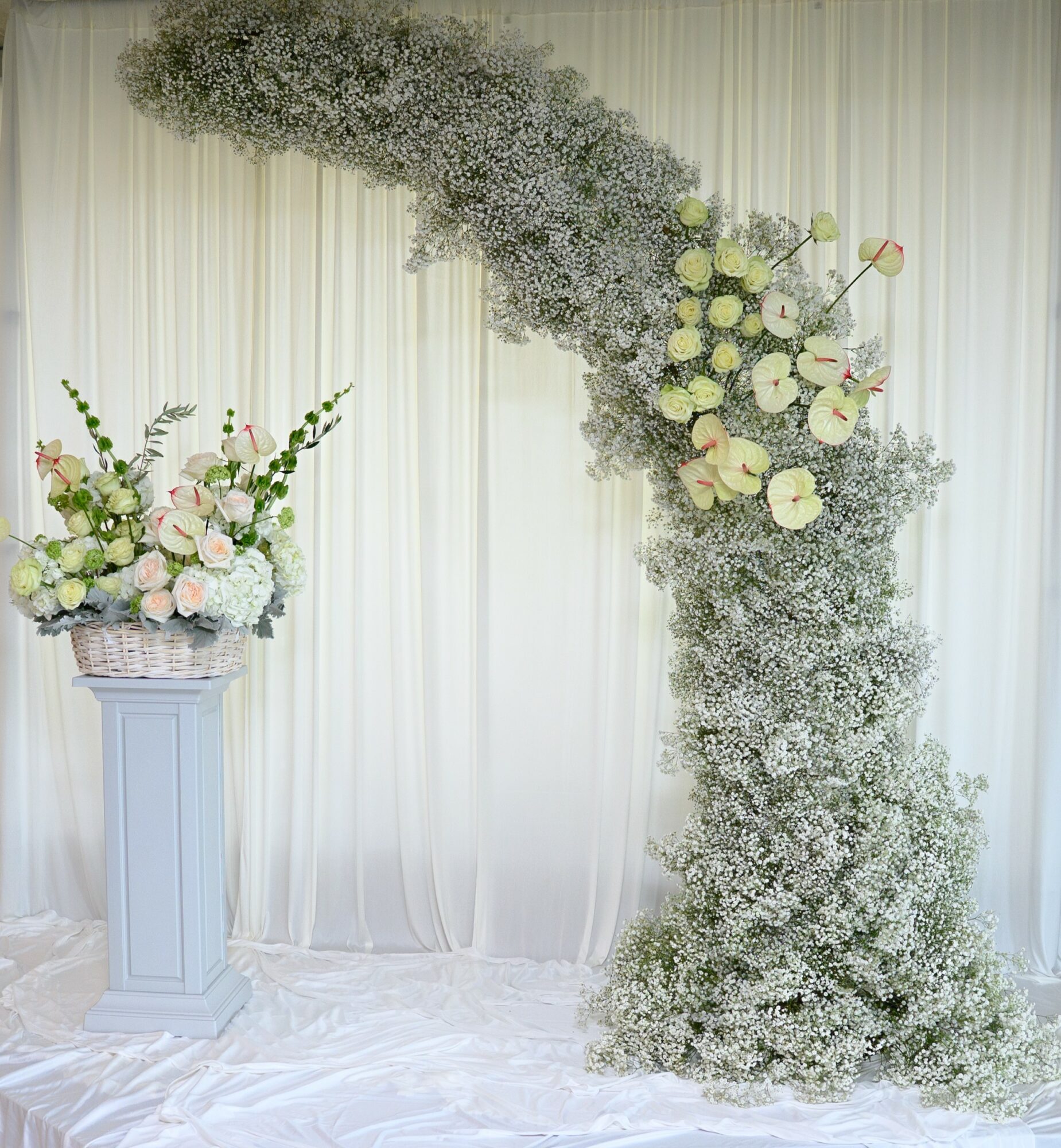
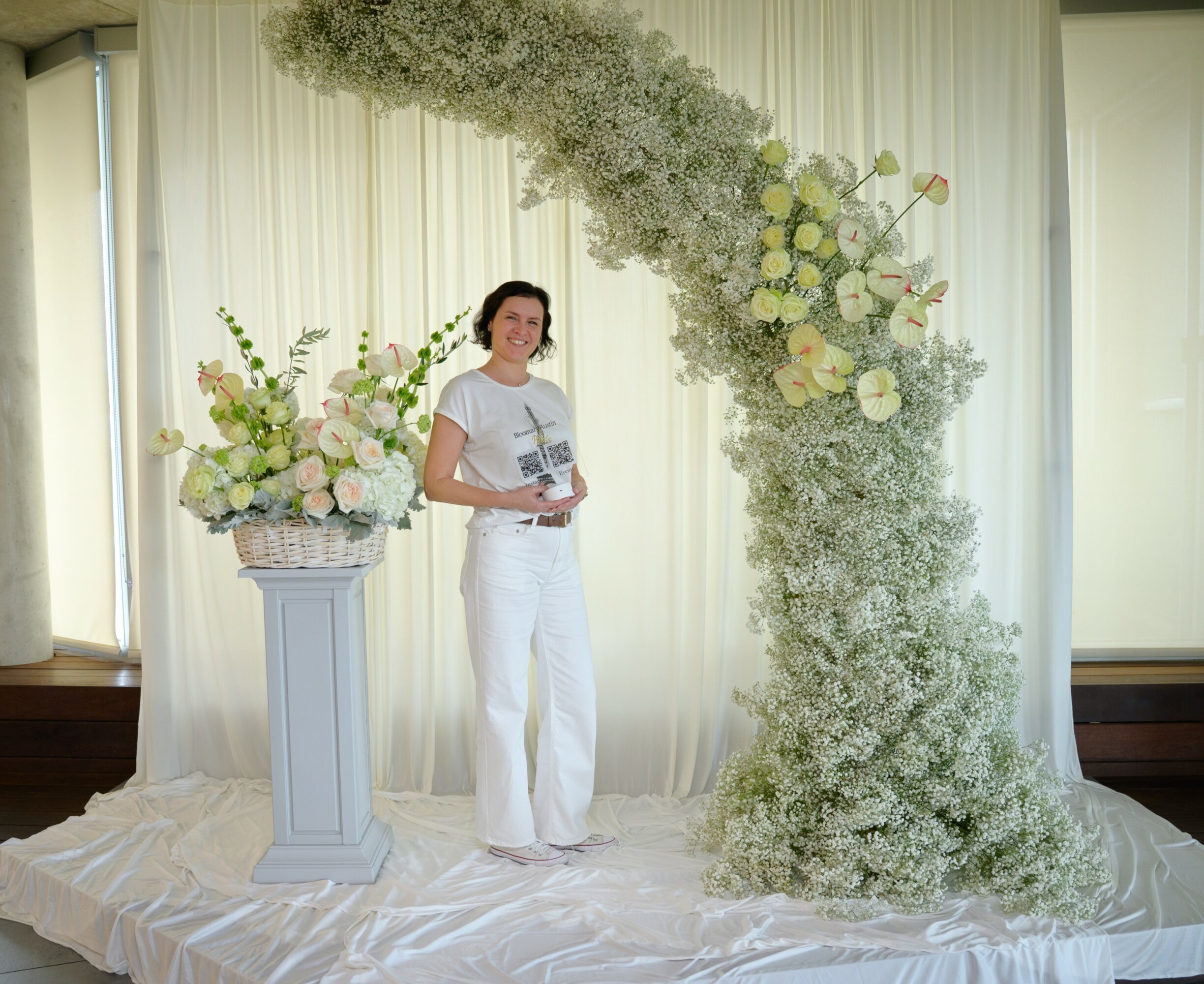
As I continued working, that language naturally became more sculptural and architectural. I found myself thinking beyond the arrangement itself and becoming increasingly interested in the relationship between botanical material, art and the space around it. That evolution has gradually taken BloomaryAustin from sculptural floral compositions toward botanical art objects and larger installations for interiors and spaces.
Being part of Austin Studio Tour 2026 feels like an especially meaningful next step in that journey. It gives me the opportunity to present botanical material in a broader artistic context and to continue exploring where this work can go.
I still feel that I’m at the beginning of this chapter. What excites me most now is continuing to explore the space between floral design, sculpture and interiors — and discovering how far that language can evolve.
We all face challenges, but looking back would you describe it as a relatively smooth road?
It definitely hasn’t been a completely smooth road. In many ways, I was rebuilding my professional life from the beginning — in a new country, in a new language, and in a completely different creative industry.
When I moved to the U.S., I already knew what it meant to run a business, but I had to learn a new market and a new profession at the same time. I was studying floral design in English, learning how the floral industry works here, finding suppliers, understanding sourcing and pricing, communicating with clients in a language that is not my first, and building professional relationships from scratch.
I also started BloomaryAustin without first working inside an established American floral business. That certainly made some things more difficult because there was no existing network or familiar system for me to step into. I had to figure out a lot on my own. But looking back, I think it also gave me a certain freedom. I wasn’t trying to unlearn someone else’s formula or fit into an established way of working. From the beginning, I could ask myself what I actually wanted BloomaryAustin to look and feel like.
Another challenge has been finding the right audience for work that doesn’t always fit neatly into the traditional idea of floristry. As my work has become more sculptural and architectural, I’ve had to learn not only how to create it, but also how to communicate its value and connect with people who are looking for something more individual and artistic.
And, of course, there have been moments of self-doubt. My previous career in tax consulting was built around numbers, regulations and answers that could usually be supported by something concrete. Moving into a creative field is very different. There isn’t always a clear right answer, especially when you are developing a point of view that is very personal to you.
I’m still learning, and BloomaryAustin is still evolving. But I’ve come to see many of these challenges as part of building not only a business, but a creative practice of my own. Every project teaches me something about the material, the market, my clients and my own direction — and that process continues to shape where I want to take the work next.
Alright, so let’s switch gears a bit and talk business. What should we know about your work?
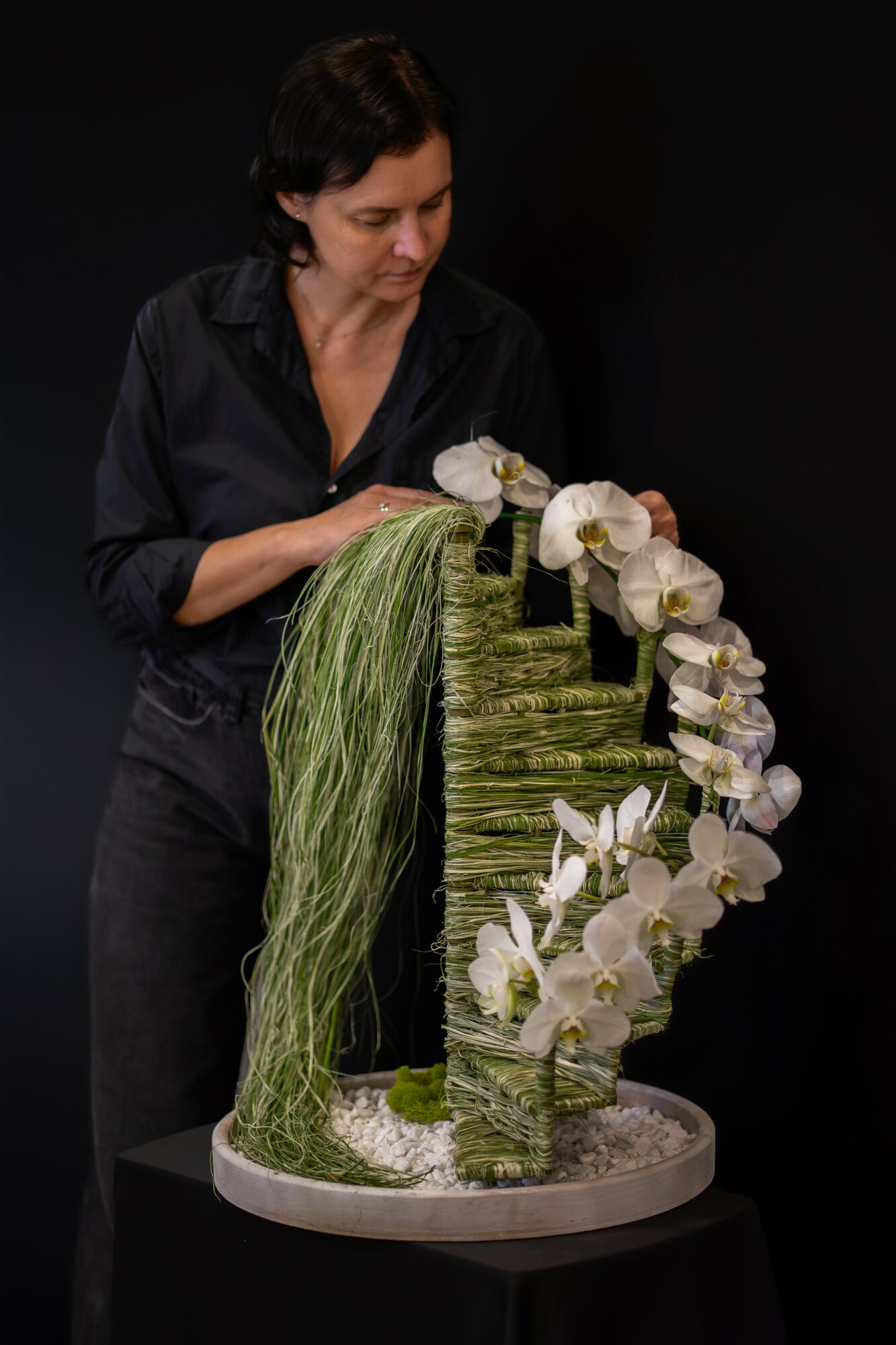
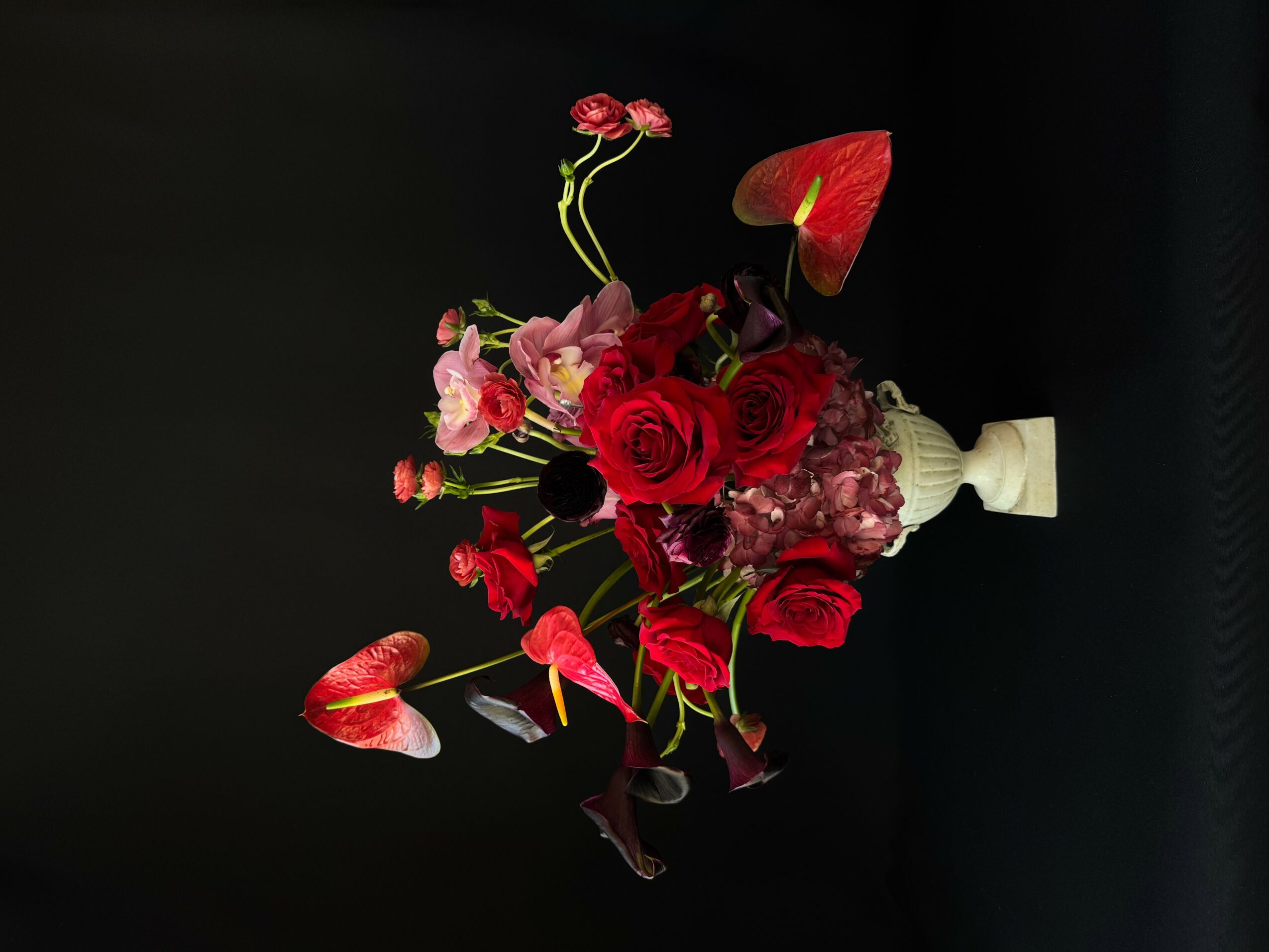
Through BloomaryAustin, I create sculptural floral compositions and botanical art that explore the relationship between nature, art and space. My work sits somewhere between floral design, sculpture and interiors, and that space between disciplines is probably where I feel most at home creatively.
I’m especially drawn to line, form, negative space, movement and scale. I love working with unexpected botanical materials and allowing the natural character of a branch, leaf or flower to influence the direction of a piece rather than forcing everything into a traditional floral shape. For me, scale doesn’t necessarily mean abundance. Sometimes one strong line or an unexpected proportion can completely change how a piece is experienced.
I also think about the environment around the work. I’m interested in how a botanical piece relates to the architecture of a room, its light, furniture, art and proportions. Instead of asking only, “What flowers would look beautiful here?” I often find myself asking, “What does this space need?” Sometimes it needs height or movement. Sometimes softness. Sometimes a strong focal point. I want the work to feel as though it belongs to the space while still bringing something unexpected into it.
One of the things I love most about working with botanical materials is that the artwork is alive. Unlike a static decorative object, it continues to change after I finish it. A flower opens, a line shifts, a material dries, certain elements are eventually removed, and the structure begins to reveal a different character. I often design with that evolution in mind, so the piece can tell a slightly different visual story over time.
For me, that is part of what makes flowers so powerful in an interior. You don’t experience the work only once. You live with it, observe it and notice something different as it changes. I love the idea of creating art that is never completely still.
I’m proud that BloomaryAustin is gradually moving beyond the traditional boundaries of floral design into a broader artistic practice. Being selected as a Featured Individual Artist in the 2026 Austin Studio Tour is especially meaningful to me because it gives me the opportunity to present botanical material in an art context and explore what it can become beyond a traditional arrangement.
What I hope sets my work apart is not a particular flower or recognizable formula, but the way I approach the material. I’m less interested in decorating a space with flowers than in creating a conversation between botanical material and the space itself — something with presence, movement and its own point of view.
What has been the most important lesson you’ve learned along your journey?
The most important lesson I’ve learned has been to trust my own point of view.
That sounds simple, but for me it has probably been one of the biggest adjustments in moving from my previous career into a creative one. I spent many years in tax consulting, where there are regulations, numbers and answers that can usually be verified. There is a certain security in knowing that you can support a decision with something concrete.
Creative work is very different. There is no formula that can tell you that an idea is right, that a composition is finished, or that other people will understand what you see in it. When the work is personal and you are trying to develop your own visual language, it is very easy to question yourself or look for outside confirmation.
I’ve learned that creative confidence is not the absence of doubt. It is the ability to listen to other people, continue learning and stay curious, while still trusting your own eye enough to make a decision.
That has been especially important as BloomaryAustin has moved in a more sculptural and artistic direction. Not every idea has to fit an existing category or look familiar immediately. Sometimes you have to give an idea space to develop before you fully understand where it is leading you.
I also think my previous professional life taught me something valuable that I didn’t recognize at first: discipline and creativity are not opposites. The curiosity and experimentation behind the work need structure, patience and consistency if you want to turn an artistic idea into a real practice.
I’m still learning to trust that process. But perhaps that is the lesson I want to carry forward most — keep learning, keep questioning, but don’t lose your own voice in the process.
Contact Info:
- Website: https://bloomaryaustin.com
- Instagram: https://www.instagram.com/bloomaryaustin/