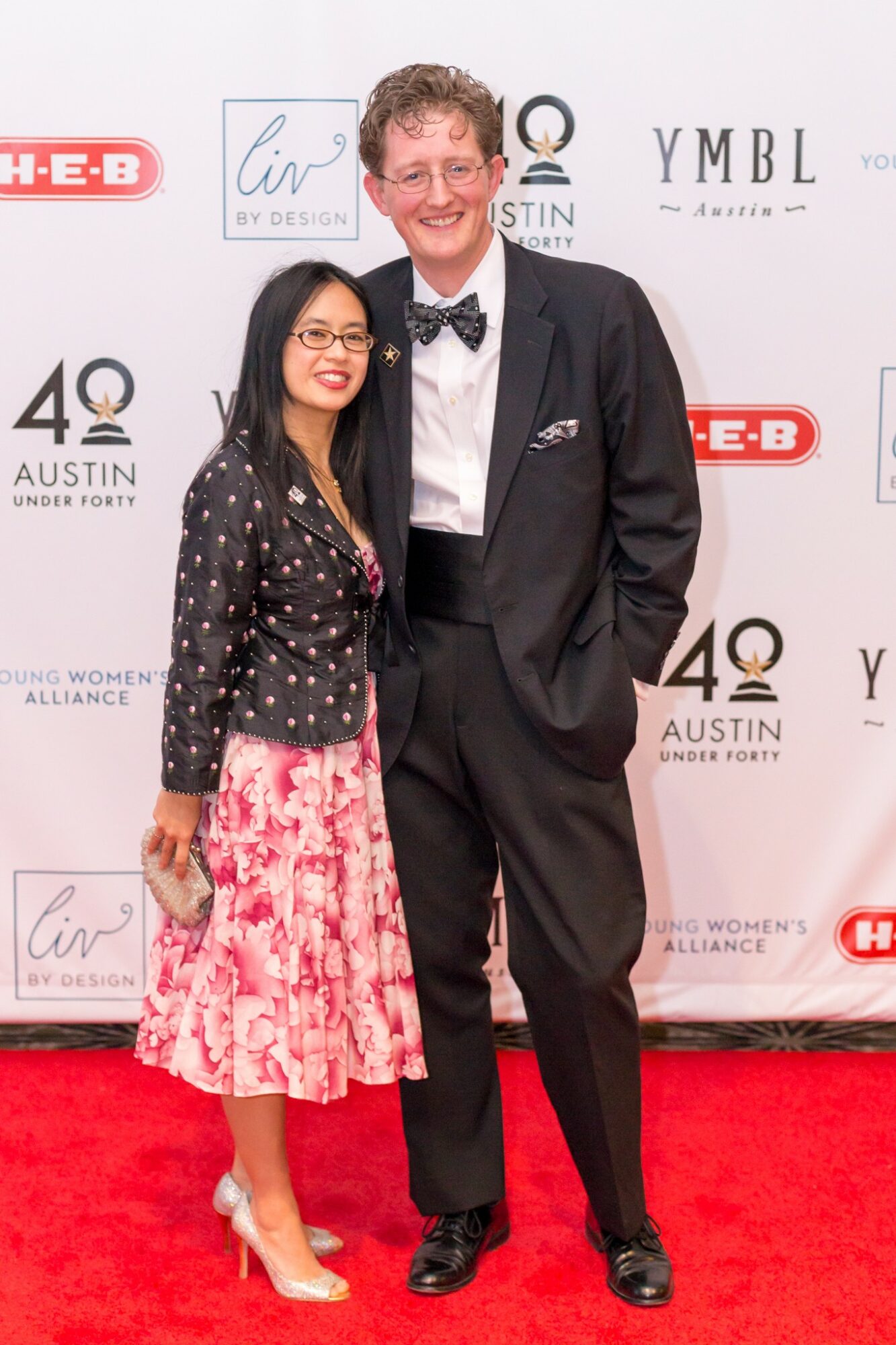



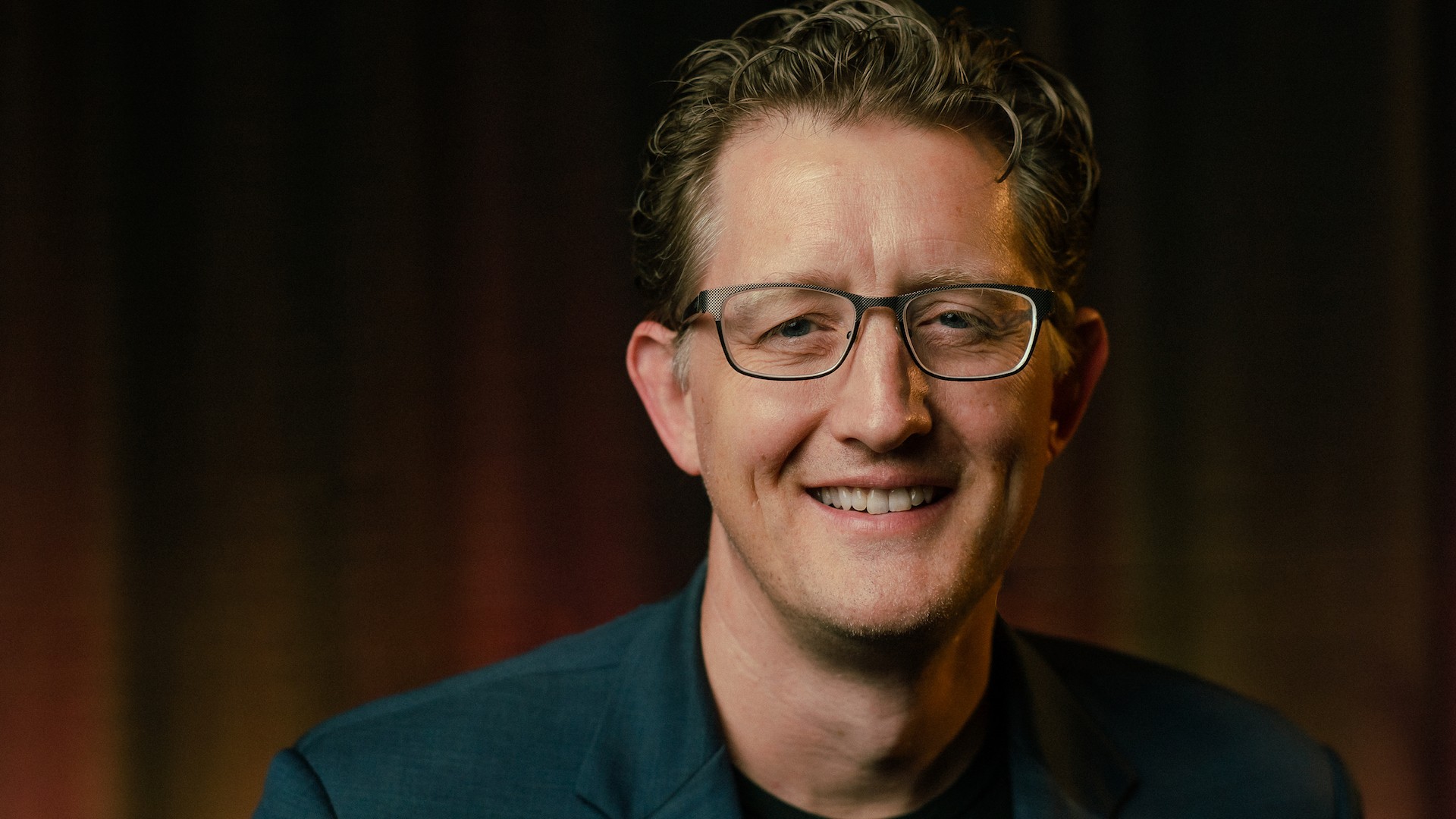
Today we’d like to introduce you to Matthew Hinsley.
Hi Matthew, we’re thrilled to have a chance to learn your story today. So, before we get into specifics, maybe you can briefly walk us through how you got to where you are today?
I just hit thirty years as a nonprofit arts leader!!
I entered the field as a classical guitarist hoping to create opportunities for artists like me. Along the way, however, I realized that art is so much more than entertainment. It can be a medium for divine life-changing practice when shared with kind intention.
I’ve witnessed thousands of moments of personal transformation through the creation and sharing of art. I saw students discover potential, friendships develop, and brilliant artists bring wonder to concert halls packed with people. What started out as a desire to expand the marketplace for artists became a mission to nurture and care for our fellow humans through experiences of beauty and kindness.
Around me has manifested the largest classical guitar nonprofit organization in history. Many millions of dollars flowed through us to artists and educators. We pioneered new approaches to guitar education that impacted hundreds of thousands across the world. Here at home, our community coalesced and vibrated with the resonances of some of the greatest living musicians—my childhood heroes—and countless rising stars.
Employees, volunteers, and donors have stayed with us for years. We’ve seen weddings, births, and memorial services. Generations of students thrived, returning over the years as interns, contractors, employees, and supporters. There were many challenges, but people have jumped up to help, sought opportunities to give, and celebrated one another.
I find myself wondering increasingly at willingness and generosity. Why do people give? Why do young people incarcerated in a juvenile justice center—reluctant to participate in school and treatment programs—find the courage and diligence necessary to excel in our music programs of their own volition? How is it that volunteers and donors not only give freely of their personal resources, but frequently—often emotionally—speak of their relationship to us in familial terms like belonging and love?
I’m sure it wasn’t obstacle-free, but would you say the journey has been fairly smooth so far?
Working as a community advocate and fundraiser for something soft and gentle like music has forced me to reconcile with a world that seems increasingly obsessed with measurable gain in the form of profits or views.
I think the elevation of profitability as the ultimate measure of success is an enormous societal misunderstanding. Collectively we seem to think that products are more important than process, outputs outweigh inputs, profit matters more than people, appearance is more precious than authenticity, and material success outweighs spiritual enlightenment.
I call this misunderstanding the Material Mirage, and as a social servant in the arts, I struggle with it each day.
The Material Mirage has heightened confusion about what really matters in all aspects of life. Measurable gain has become the dominant building block of nearly all human interaction. For example, education is increasingly viewed through the narrow lens of profitability. The very legitimacy of Arts and Humanities is questioned in comparison with more obviously lucrative majors in STEM and Business. The Material Mirage is also behind our obsession with testing as the primary indicator of scholastic success—over the consistent protests of every experienced teacher. We can replace extracurriculars with tutoring and credit recovery, and fill months of Saturdays with SAT prep, but along the way we also hobble teachers’ ability to design thoughtful learning experiences and often strip away the motivating joy of exploration and creativity in learning.
The ubiquity of social media means hours a day interacting with thoughts and ideas that have been commodified for likes and shares and selected for us by algorithms designed to hold our attention for as long as possible. How often, when we might otherwise be dreaming, experiencing nature, or attending to one another’s presence, are we instead distracted by our devices?
A profit-at-all-costs mandate in big business justifies wide-ranging exploitation from mined customer data, to supply chain sweatshops, to humans training robots to be their own replacements. They might realize more gains in the near-term, but who among us has not observed the erosion of trust amongst consumers and the broad decline of employee satisfaction in workplaces across America?
As a nonprofit executive with a mandate to protect moments of exquisite beauty, commission new works of art, care for students, and welcome our whole community–none of which are inherently profitable, but all of which is profoundly valuable–I am sure you can imagine the struggles.
Can you tell our readers more about what you do and what you think sets you apart from others?
I’m a musician, a nonprofit arts executive, and a writer.
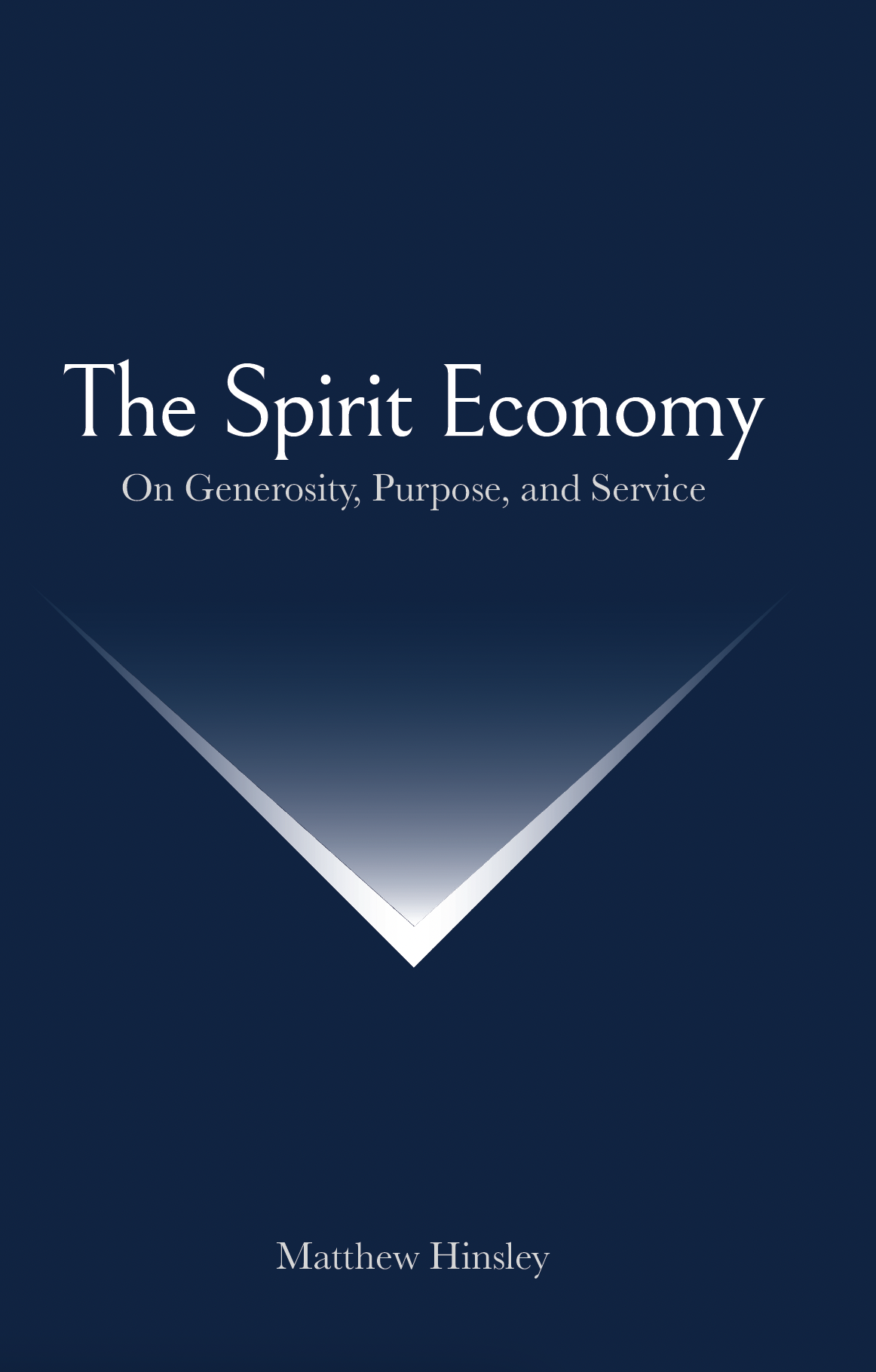
I’ve just finished my tenth book, The Spirit Economy, and I’d love to tell you about it!
For me, the Spirit Economy is an alternative to the Material Mirage. It’s built on the truth of intention. Commerce in the Spirit Economy is not accomplished by what we say or do, but rather by what we believe in our hearts. Wealth is not accumulated by financially beneficial transactions, rather it is a product of the generation of good will over time.
It’s all about how we treat people, and ourselves.
The Spirit Economy is the secret to human kindness. It’s the reason people do things for themselves and each other that they don’t have to do. There is no expectation in the Spirit Economy, no quid pro quo. Rather, to think and act with positive intention is the only way to invest in this mysterious marketplace.
It’s important to clarify that there is not necessarily any correlation between material wealth and spiritual wealth. The world of finance often richly rewards unscrupulous individuals. I’m not suggesting the Spirit Economy as a get-rich scheme. Rather, one should pursue understanding of the Spirit Economy to make the world a better place, to improve the quality of one’s life, to nurture loving relationships, and for the sake of the spirit itself!
Spiritual wealth attracts spiritual wealth. Energy begets energy. This is not about karma, there is no schedule for repayment, there is no one-to-one correlation. But here’s the thing: when we are kind, we may attract kindness over time. When we give, we may attract giving over time.
As our spiritual wealth increases, mysteries begin to unfold around us that are, in my experience, far more wondrous than anything we could have planned for, contracted for, or even dreamed of. We don’t get things because we’ve approached the world with a transactional mindset, rather the world willingly manifests beauty around us, often with the most miraculous part being the willingness itself, not just the beauty.
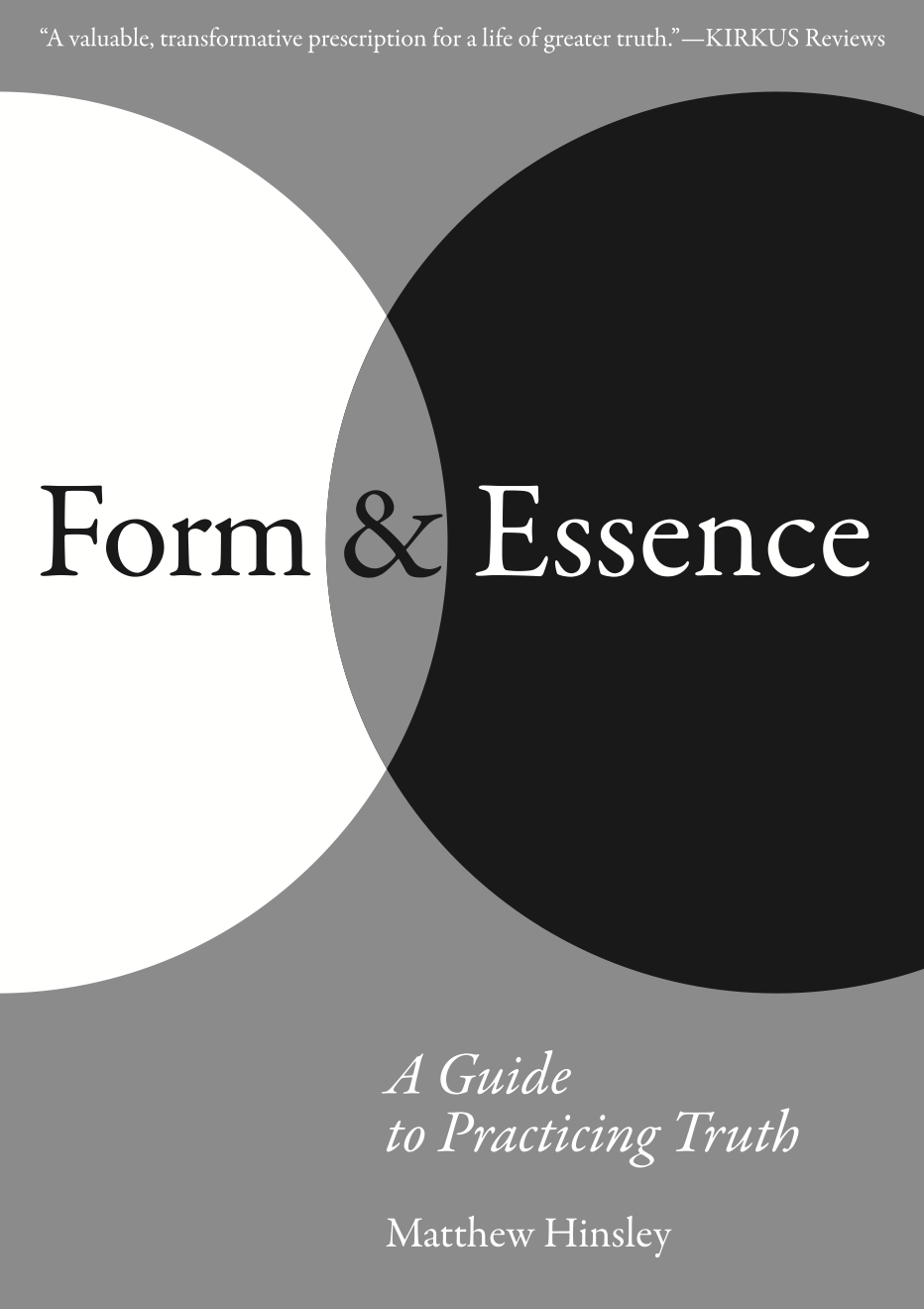
Two other books I’d love to highlight today are my nonprofit management manual, Creativity to Community: Arts Nonprofit Success One Coffee at at Time, and, Form & Essence: A Guide to Practicing Truth.
If you check any of them out, I hope you love what you find!
We’d love to hear about any fond memories you have from when you were growing up?
Holidays were always my favorite. We were in upstate New York which meant snow outside, fireplace inside, making meals together, cuddling with animals, and singing in harmony as a family around the piano.
Contact Info:
- Website: https://www.matthewhinsley.com/
- LinkedIn: https://www.linkedin.com/in/matthew-hinsley-31387b87/