


Today we’d like to introduce you to Noah McGowen.
Hi Noah, thanks for joining us today. We’d love for you to start by introducing yourself.
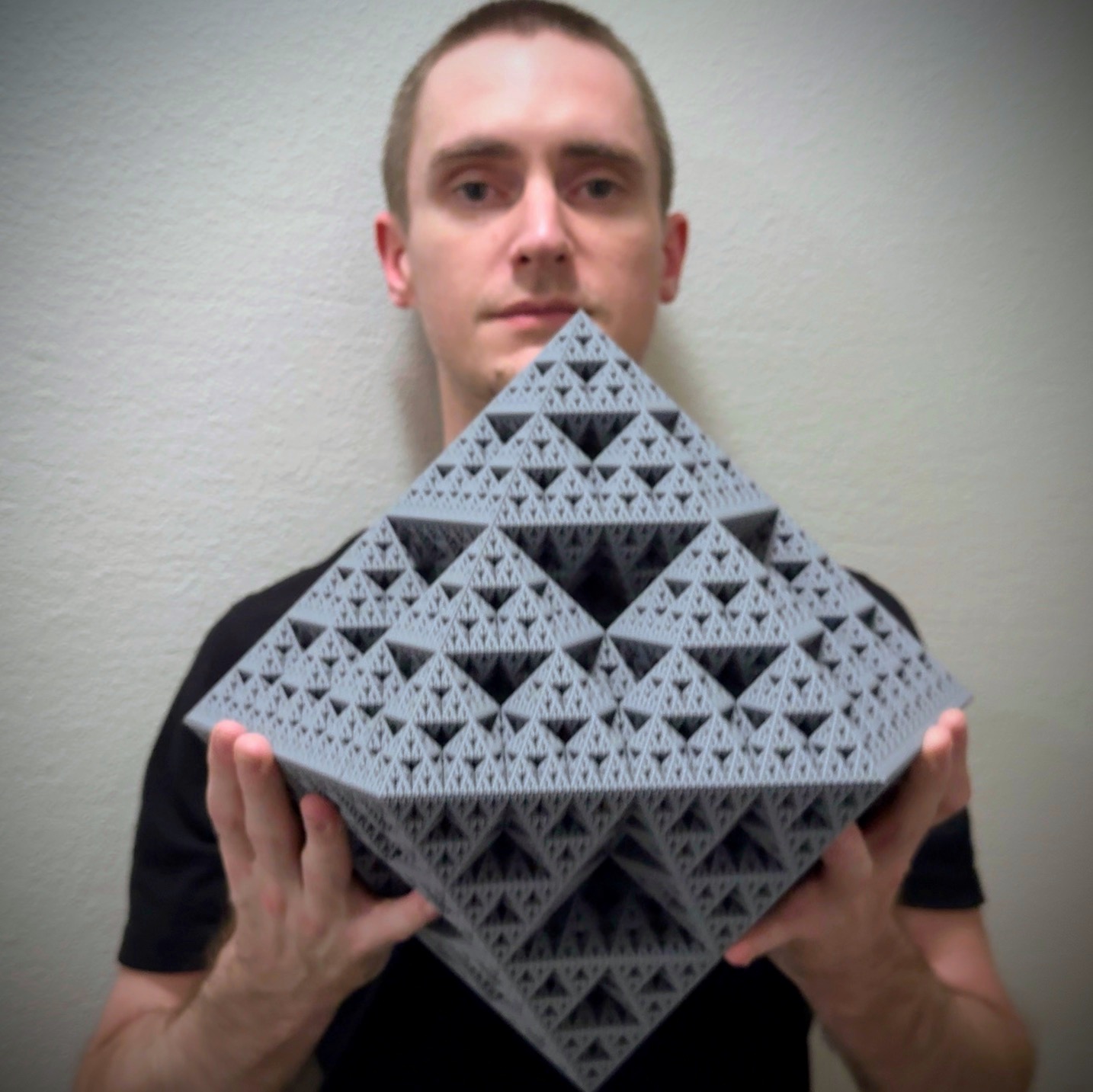
I’m Noah McGowen, the creator behind Endless Design Lab, where I make fractal-inspired 3D printable art, geometric designs, and creative tools for artists, makers, and 3D printing enthusiasts. Before that, I was deep into yo-yos and became fascinated with the idea of designing one with built-in LEDs. That curiosity pulled me into small electronics, prototyping, and eventually 3D printing.
In December 2023, my sister and her husband gave me my first 3D printer as a Christmas gift. At the time, I had no experience with 3D printing or 3D modeling, but it quickly changed the way I learned, created, and understood geometry. A lot of my work could be described as “math art,” but I’m not a mathematician, and math was one of my most difficult subjects growing up. Through 3D printing, FreeCAD, Blender, and artificial intelligence as a kind of personal tutor, I taught myself how to 3D print, 3D model, and understand geometry in a more visual and physical way.
That hands-on discovery became Endless Design Lab, which I officially launched at the end of May 2024 with my first public 3D model under the name. Since then, my designs have reached more than 50,000 downloads worldwide, been featured on the homepage of platforms like Thingiverse and Cults3D, earned MakerWorld rewards that helped me add new 3D printers to my workspace, and received support from brands like Polymaker and ARKA Kraftprotz. One of the most rewarding parts has been seeing people around the world print my models, share photos of their results, and connect with the work in their own way.
Today, I see Endless Design Lab as a growing creative ecosystem built around curiosity, experimentation, and making ideas that may seem complex feel more approachable, playful, and inspiring.
Would you say it’s been a smooth road, and if not what are some of the biggest challenges you’ve faced along the way?
It hasn’t been a completely smooth road. One of the biggest challenges has been learning so many different skills at once while trying to build something meaningful from scratch. Beyond the design work itself, I had to learn programming, procedural systems, file preparation, online publishing, content creation, and community building as I went.
Even learning to trust myself as an artist and designer has been a challenge. Stepping into geometry-heavy creative work felt intimidating at first, especially because I did not come from a traditional math, design, or programming background. Over time, I realized I simply learned differently than I was taught in school. Once I could explore those ideas visually and physically, it completely changed my relationship with learning. On top of that, newer forms of digital and technology-assisted art are not always understood or accepted by everyone. I have had people question whether work made with tools like 3D printing, procedural design, or digital design systems should be considered “real” art. That can be difficult, because for me this is still a deeply human creative process. The tools may be modern, but the curiosity, experimentation, problem-solving, and personal expression behind the work are still my own.
The practical side has also been difficult. For most of this journey, I was working a full-time warehouse job while building Endless Design Lab during breaks, nights, and weekends. On top of creating the actual 3D models, I was also developing creative tools, preparing files for different platforms, uploading work, managing social media, creating content, building online communities, and handling the many small tasks that come with growing a creative project by yourself. In a lot of ways, I have had to handle many of the roles of a small creative studio on my own, and that can be exhausting when you are trying to build something serious with limited time, energy, and resources.
At the same time, those challenges have made the journey more meaningful. Every download, purchase, shared photo, kind message, and moment of support has reminded me that the difficult parts are worth it.
As you know, we’re big fans of you and your work. For our readers who might not be as familiar what can you tell them about what you do?
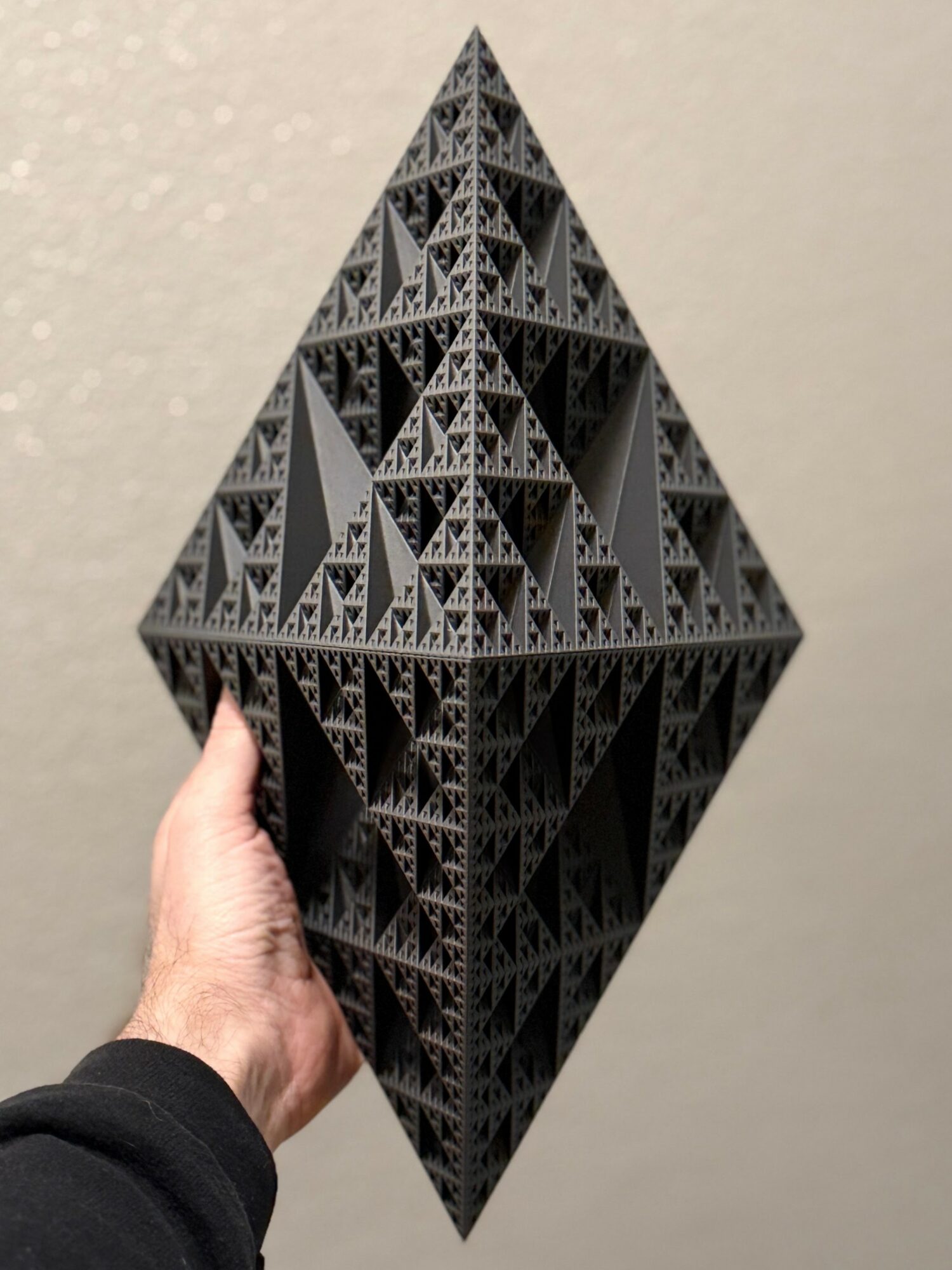
At its core, my work is about turning geometric ideas into things people can see, print, build with, and explore. Through Endless Design Lab, I create fractal-inspired models, physical art pieces, interactive design systems, and Blender-based tools.
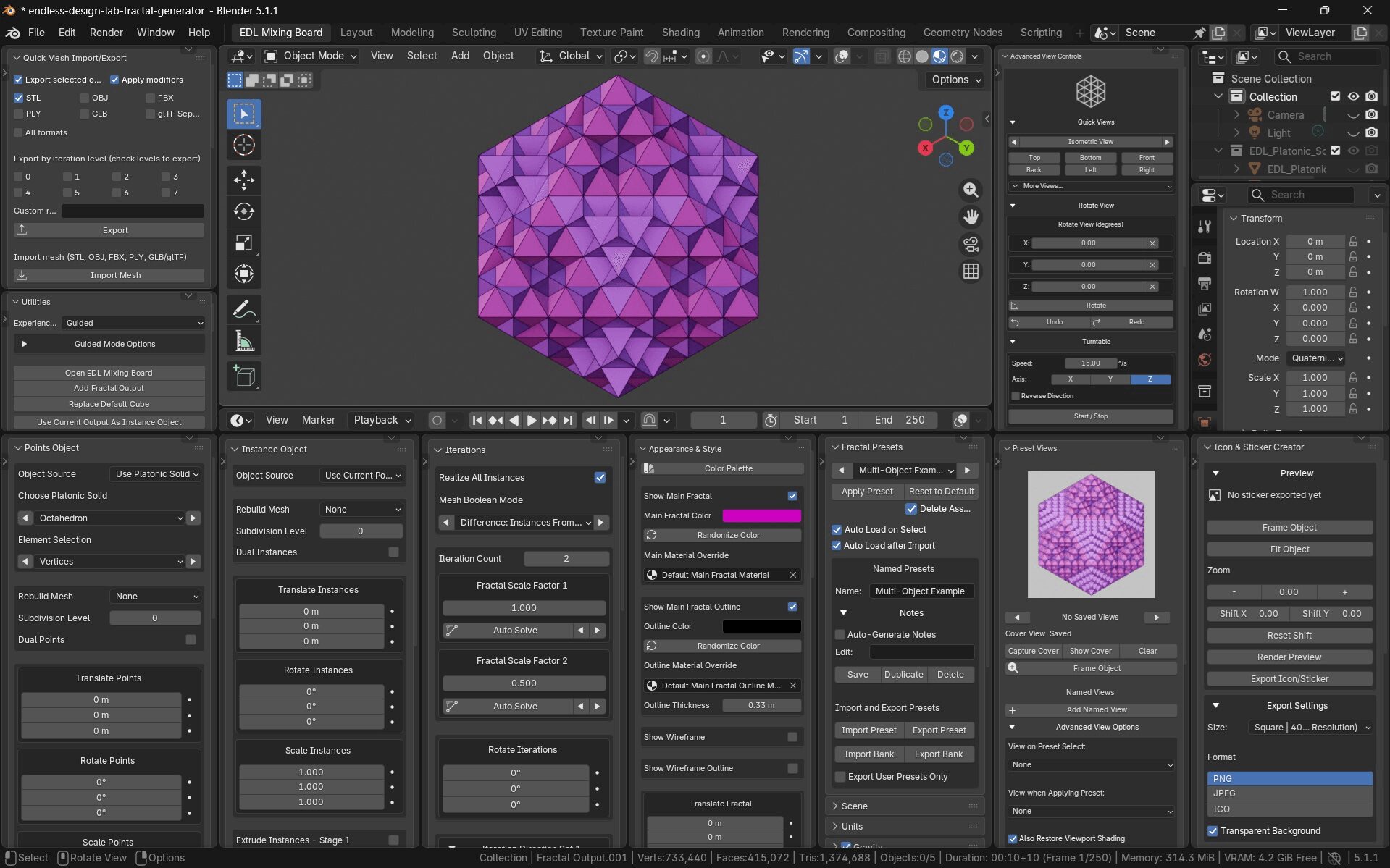
A big part of my work focuses on procedural and scalable design. One of the projects I’m most proud of is the Endless Design Lab Fractal Generator, a Blender add-on I’ve been developing that allows users to generate and explore complex fractal-based structures in real time. I plan to release it for free under the GPL open-source license because I want these kinds of creative tools to be accessible to more people.
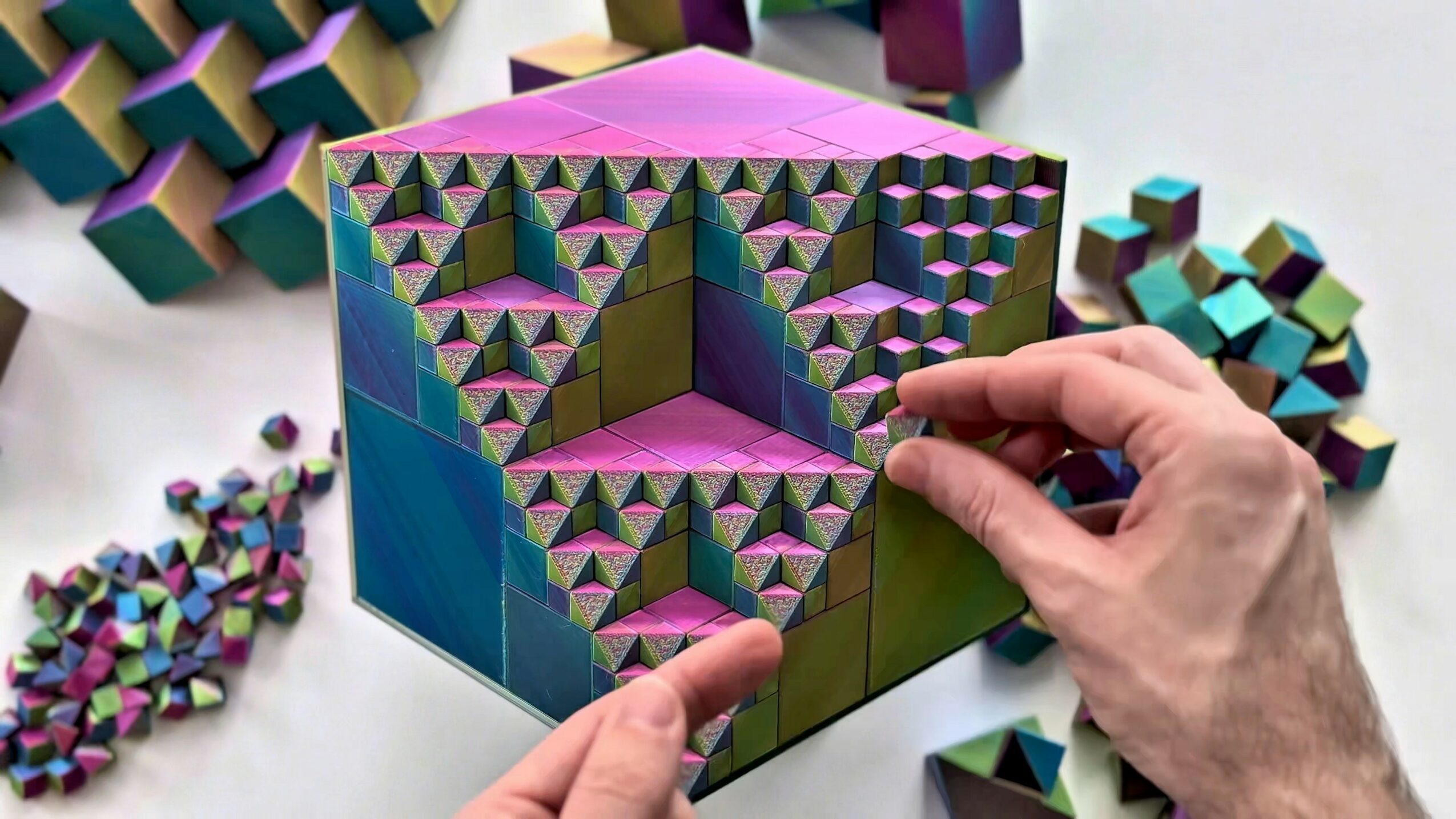
Another project I’m especially excited about is Endless Design Blocks, a modular geometric building system inspired by scalable and fractal structures. What started as an experimental geometry concept has recently gained a lot of attention online, with videos reaching millions of views across social media. I think people connect with it because it brings together art, geometry, engineering, and hands-on play in a way that feels intuitive and fun.
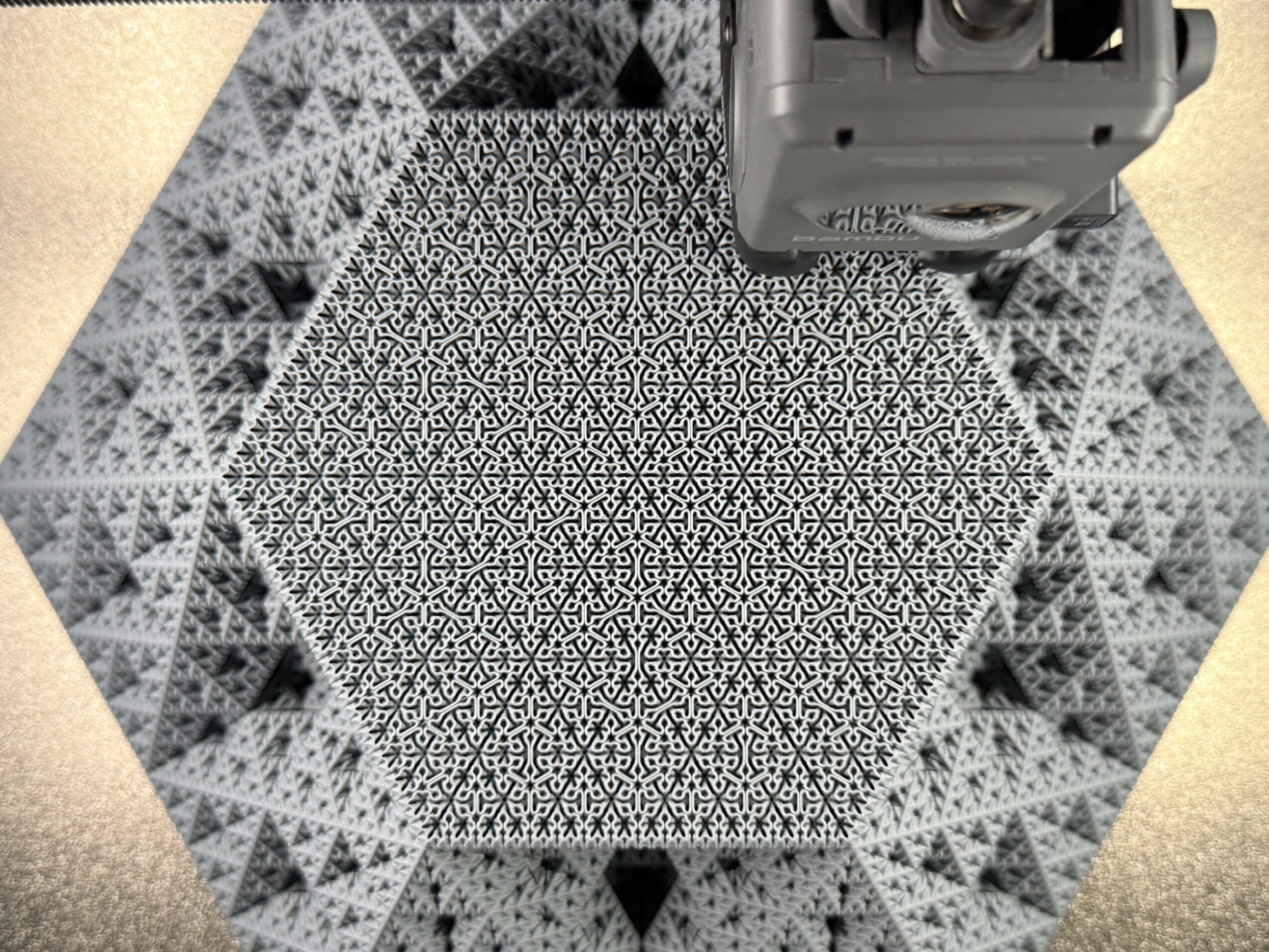
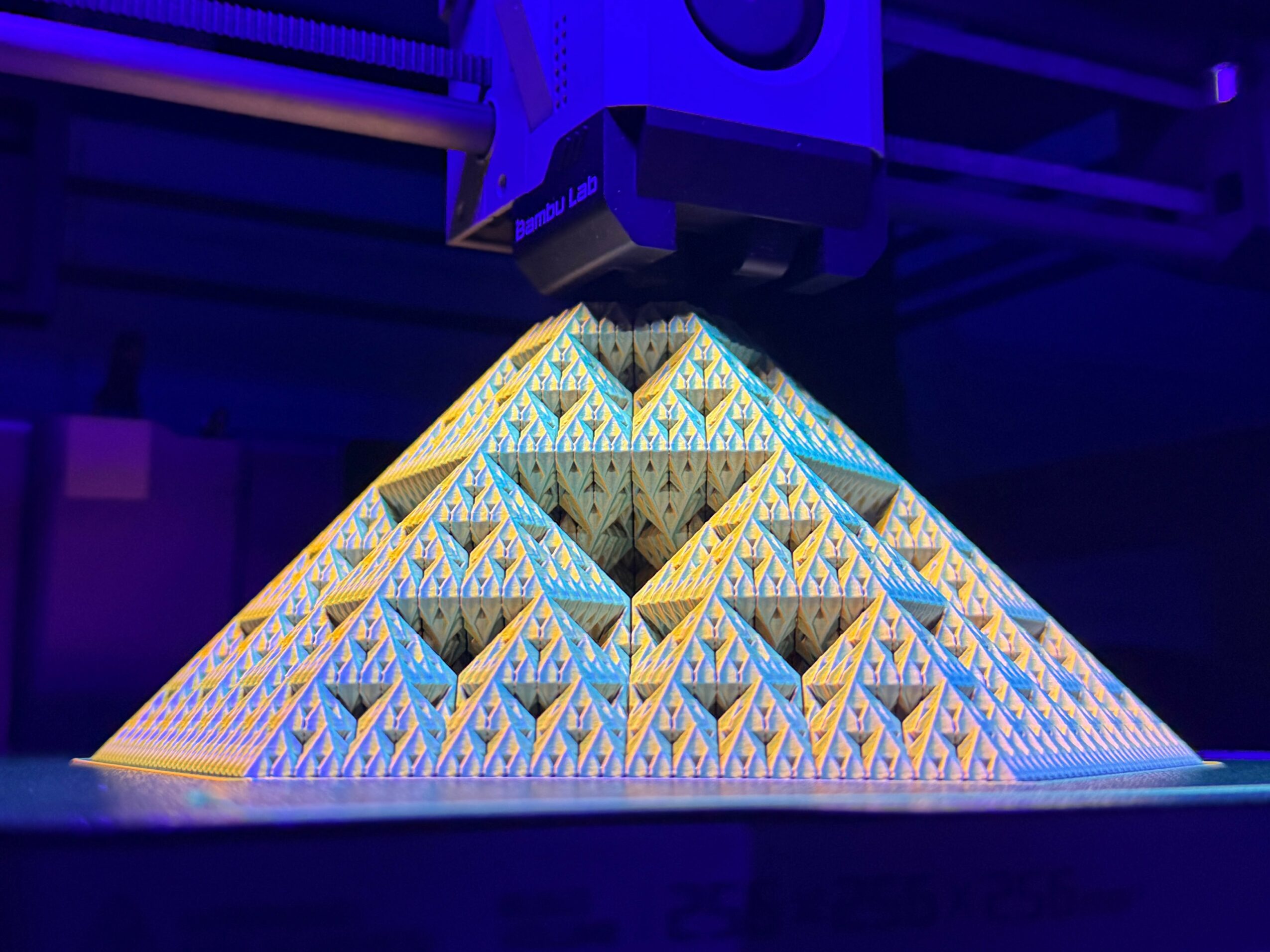
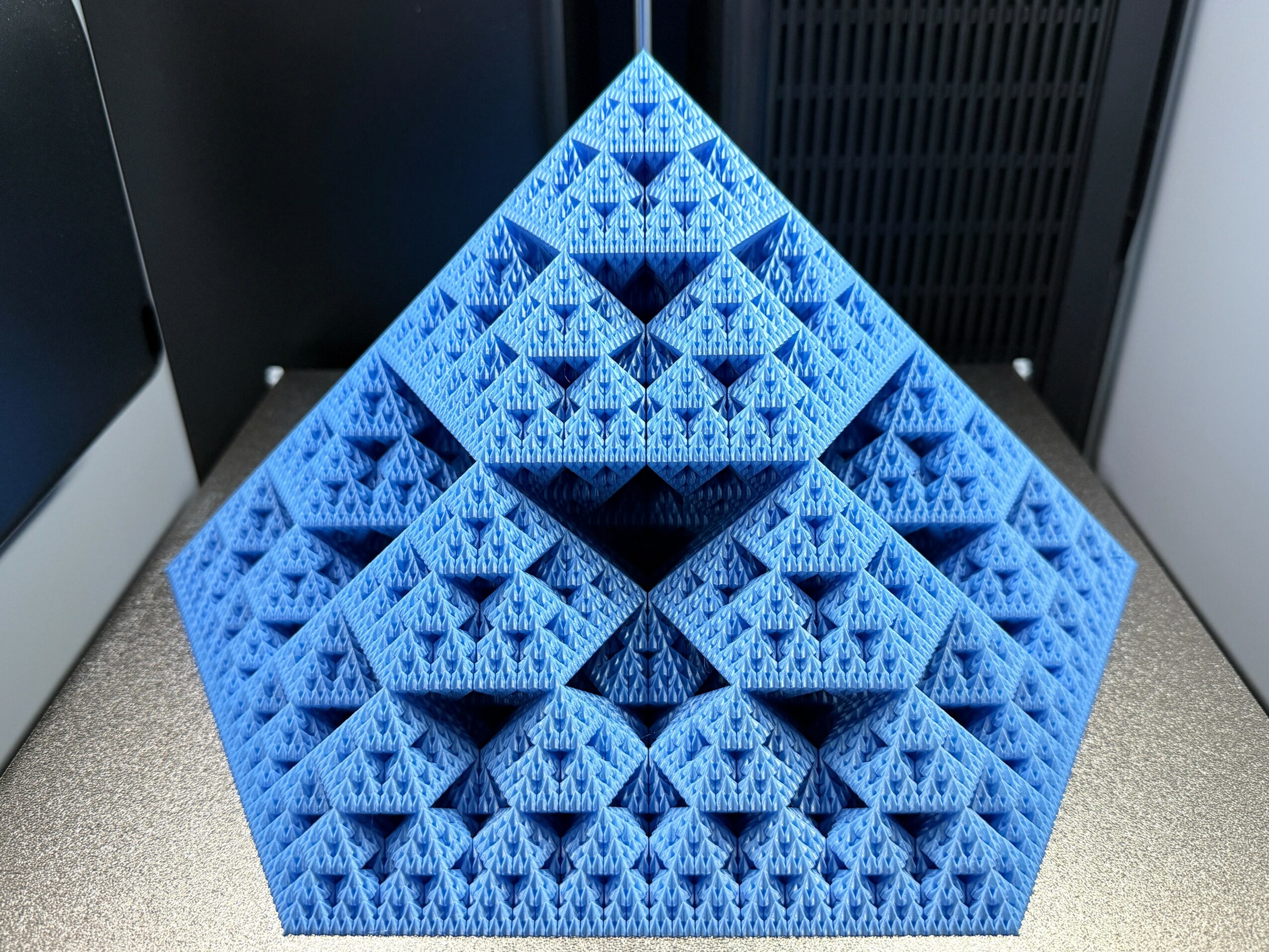
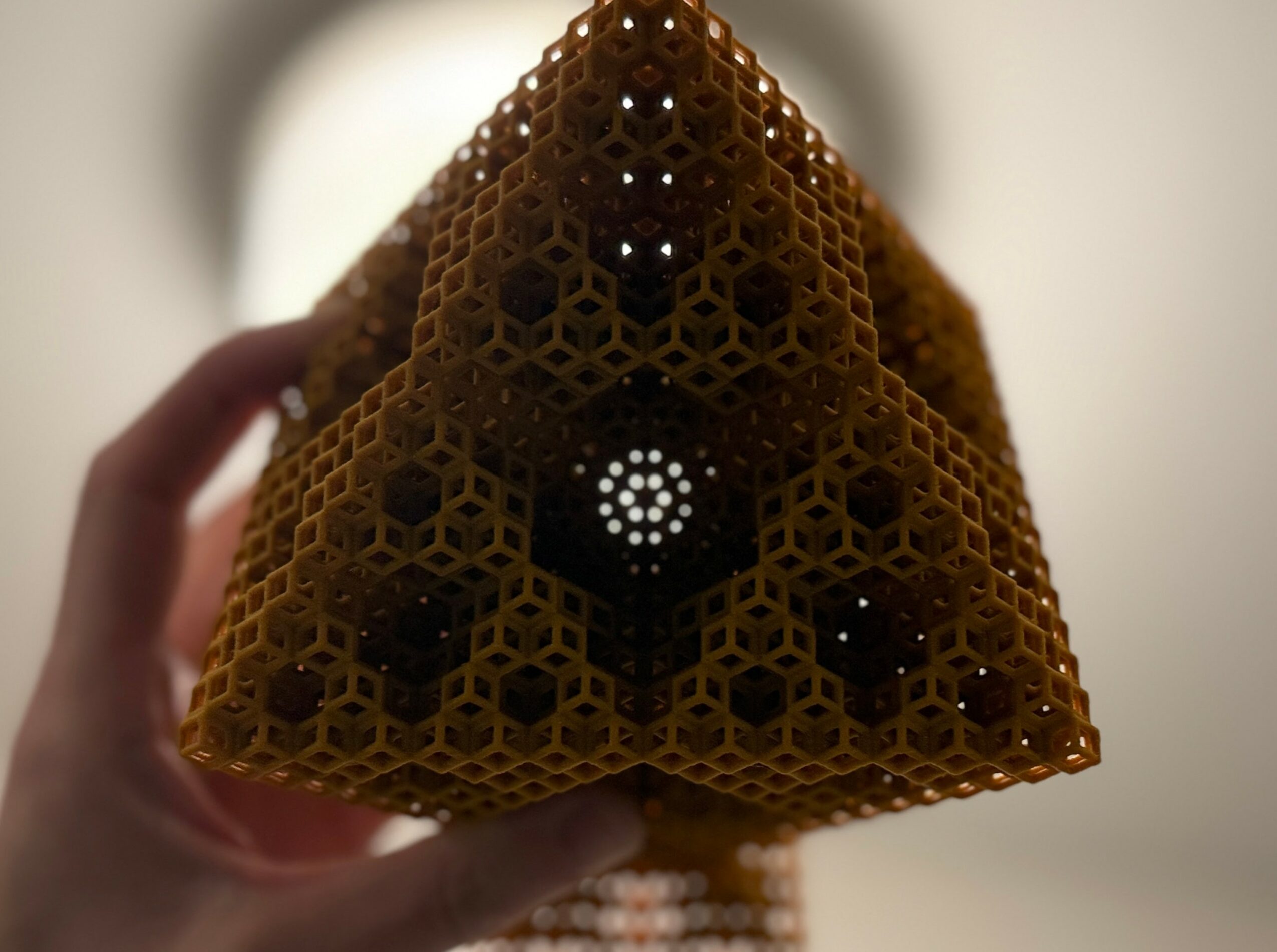
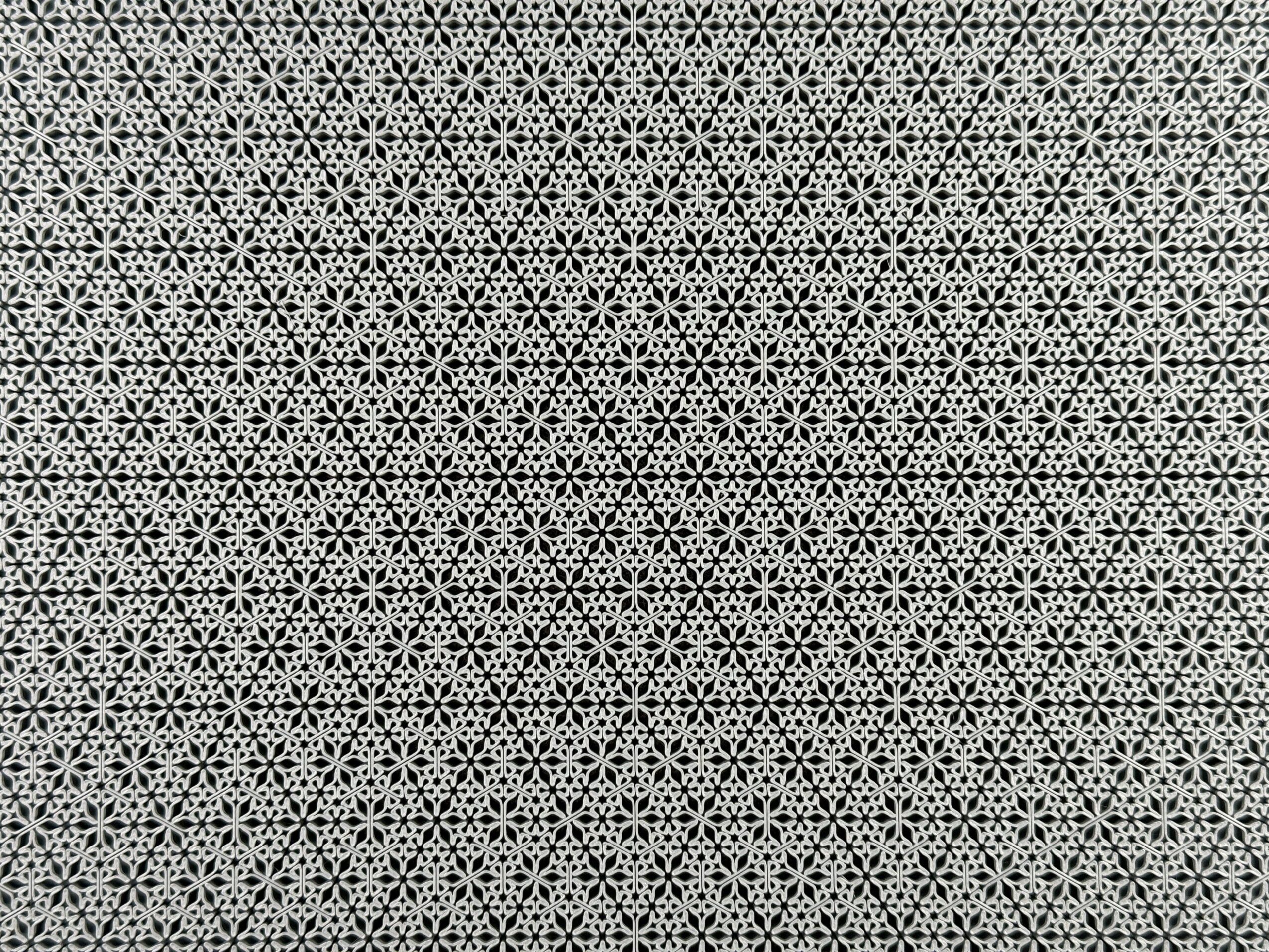
Vase mode fractal printing is another important part of my work. While I did not originate the idea, it helped pull me deeper into fractal geometry and inspired me to create a growing library of my own vase mode fractal designs, including my Level 6 Sierpiński Snowflake. These prints are built from one continuous perimeter spiraling upward through the structure, so designing them involves a lot of careful planning, almost like solving a puzzle. Because this process has similarities to modern concrete 3D printing, one of my long-term dreams is to apply this design thinking to larger architectural structures and eventually create a fractal-inspired attraction that people can walk through and experience.
What sets my work apart is that I approach geometry from a very visual and exploratory perspective rather than a strictly academic one. I’m interested in making mathematical ideas feel creative and inspiring, whether that’s through digital art, physical prints, procedural tools, or interactive building systems.
We all have a different way of looking at and defining success. How do you define success?
I see success less as a finish line and more as something you keep building toward. Part of it is creative: making work that connects with people, inspires curiosity, and turns ideas from my imagination into something others can see, hold, print, build with, or learn from.
But success also has to be practical. As an independent artist and creator, financial stability matters. Being able to support yourself through your work, take care of the people who depend on you, and create opportunities for others is a big part of that.
I also define success by freedom and growth. To me, success means having the time, stability, and energy to keep creating, experimenting, learning, and sharing that process with others.
If something I create can help someone become interested in geometry, art, design, engineering, making things themselves, or even open up new creative or financial opportunities through my open-source projects or commercial licenses, that feels like a meaningful kind of success to me.
Contact Info:
- Website: https://linktr.ee/EndlessDesignLab
- Instagram: https://www.instagram.com/endlessdesignlaboratory/
- Facebook: https://www.facebook.com/EndlessDesignLab/
- Twitter: https://x.com/Endless_Design
- Youtube: https://www.youtube.com/@EndlessDesignLab
- Other: https://makerworld.com/en/@EndlessDesignLa