



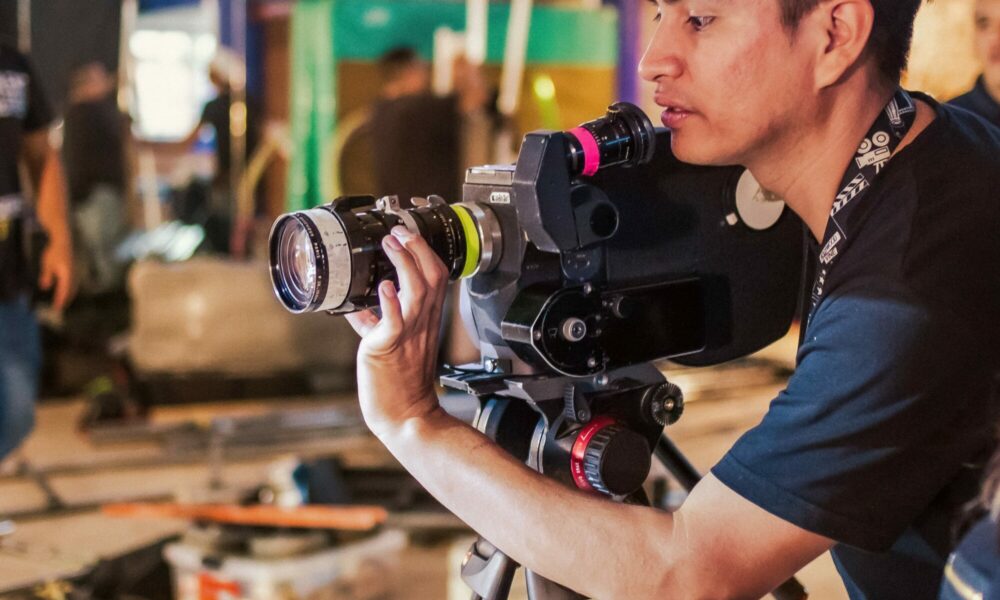
Today we’d like to introduce you to Oswaldo Flórez.
Hi, Oswaldo. Thanks for sharing your story with us. To start, maybe you can tell our readers some of your backstory.
Life often unfolds in unexpected ways, leading us to where we’re meant to be. My passion for cinema and video production sparked unexpectedly. Since childhood, I was set on becoming a systems engineer, but at 17 was when ‘the moment of epiphany’ occurred, I will blame as conspirators: the old MTV, the legendary music video ”Take on Me” and Robert Zemekis’ films that blew my mind, so I shifted my focus to film. After studying in Monterrey, I decided to take a postgraduate study specializing in film scripting in Cuba. I chose this film school because the Nobel laureate Gabriel García Márquez (founder of the school I attended) taught the script class. Unfortunately I was not able to take classes with him, but the experience of the Cuban school changed my perspective on cinema. After that program I moved to Mexico City and dove into documentary filmmaking, music videos and short films. The COVID-19 pandemic brought a period of intense reflection leaving me to wonder what is next in my life? What do I want to do? And so I gave into a simple twist of fate and unexpectedly arrived in Austin, Texas. This unplanned move turned out to be a blessing, thanks to my friends Juan Alfredo Rios Rodriguez and Jackie O’Brien who are prominent figures in Austin’s music scene. They introduced me to a group that became my Texan family. This journey taught me the importance of overcoming self-imposed limitations and the value of stepping out of my comfort zone.
Can you talk to us about the challenges and lessons you’ve learned? Looking back, would you say it’s been easy or smooth in retrospect?
My response might sound paradoxical, but the ‘real’ obstacles we often have are those catastrophic scenarios that we imagine. In my experience, many barriers stem from feelings of unworthiness or doubt in my ability to execute a project. It is a constant internal struggle, and talking with fellow artists seems like a common attribute in many of us. Although these thoughts can be paralyzing, they can also fuel our creativity when we overcome them. It’s a matter of embracing your decisions, putting fears on hold, and taking the first step toward your goals.
An external challenge, at least in Mexico’s film industry, is the significant barrier to access to major productions. The film industry in my country operates like a small clique, where not attending a top film school can severely limit your opportunities in key filming roles. A fellow cinematographer advised me to work on international projects to gain visibility. In Mexico, you’re more likely to be called for filming if recognized abroad. It is a stark contrast from America where talent and professionalism weigh more than educational background. It’s not easy, but your alma mater is just a minor detail on your resume, not a defining factor.
Thanks for sharing that. So, you could tell us a bit more about your work.
I am a filmmaker able to write, edit, and direct, but I have specialized in cinematography. For me, having the camera in my hands is like having a window frame through which I show a slice of the world through my eyes and life experiences. I am always on the move, so my style is usually dynamic. I look for angles that make you wonder: how did he put the camera there?
However, cinematography is more than just capturing striking images; it’s about finding the right visual language for each story. Currently, my projects are predominantly music-related, reflecting my integration into Austin’s vibrant music scene. Collaborating with local artists like The Bright Light Social Hour, Easy Compadre! And Como Las Movies has been rewarding, allowing me to unleash my creativity in music videos and short documentaries. Some of my notable works include the music videos “Most High” for TBLSH and “Besos de Menta” for Easy Compadre!. I’m also drawn to feature films and have been involved in projects like “No Further Instructions,” a documentary that won the jury prize at FICARQ in Santander, Spain, and the short film “Adelina,” a stop-motion animation nominated for Best Animation Short Film by the Mexican Academy of Film Arts and Sciences.
What changes are you expecting over the next 5-10 years?
I am very excited about how AI will change production and significantly accelerate the post-production processes. What you can achieve by having a superficial knowledge of programming is incredible. The illiteracy of the modern era will need to learn how to program. Of course it will also be important to create awareness and ethics of using artificial intelligence power. This is an issue that we must soon regulate so that in the next 5-10 years, we can discuss a healthy transformation of the film/video industry.
Contact Info:
- Website: http://www.oswaldoflorez.com/
- Instagram: https://www.instagram.com/oswaldoflorez_
- Linkedin: https://mx.linkedin.com/in/oswaldo-florez/en


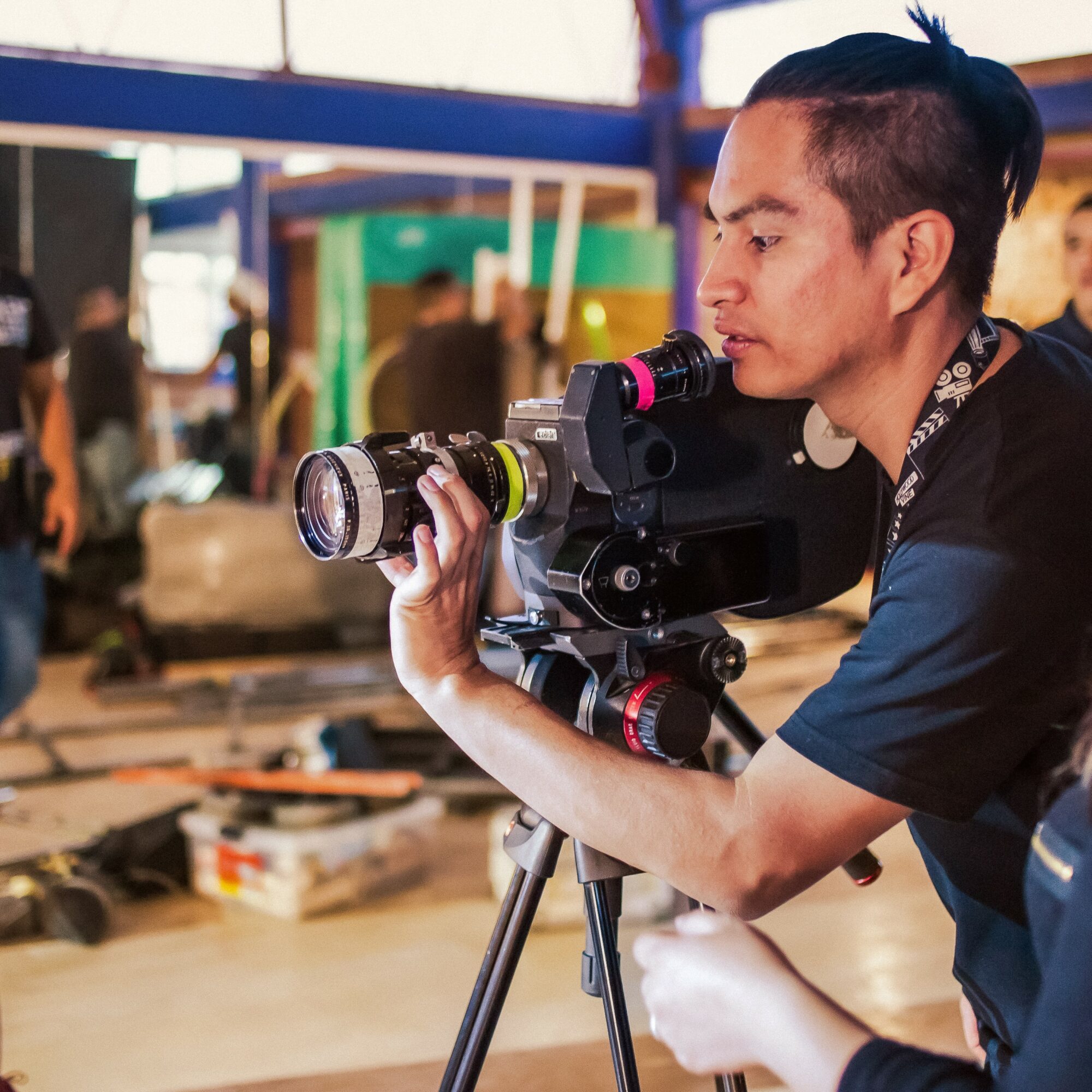
Image Credits
Yussel Estrada, David von Blohn, Fernando Nava, Andrea Escobar