


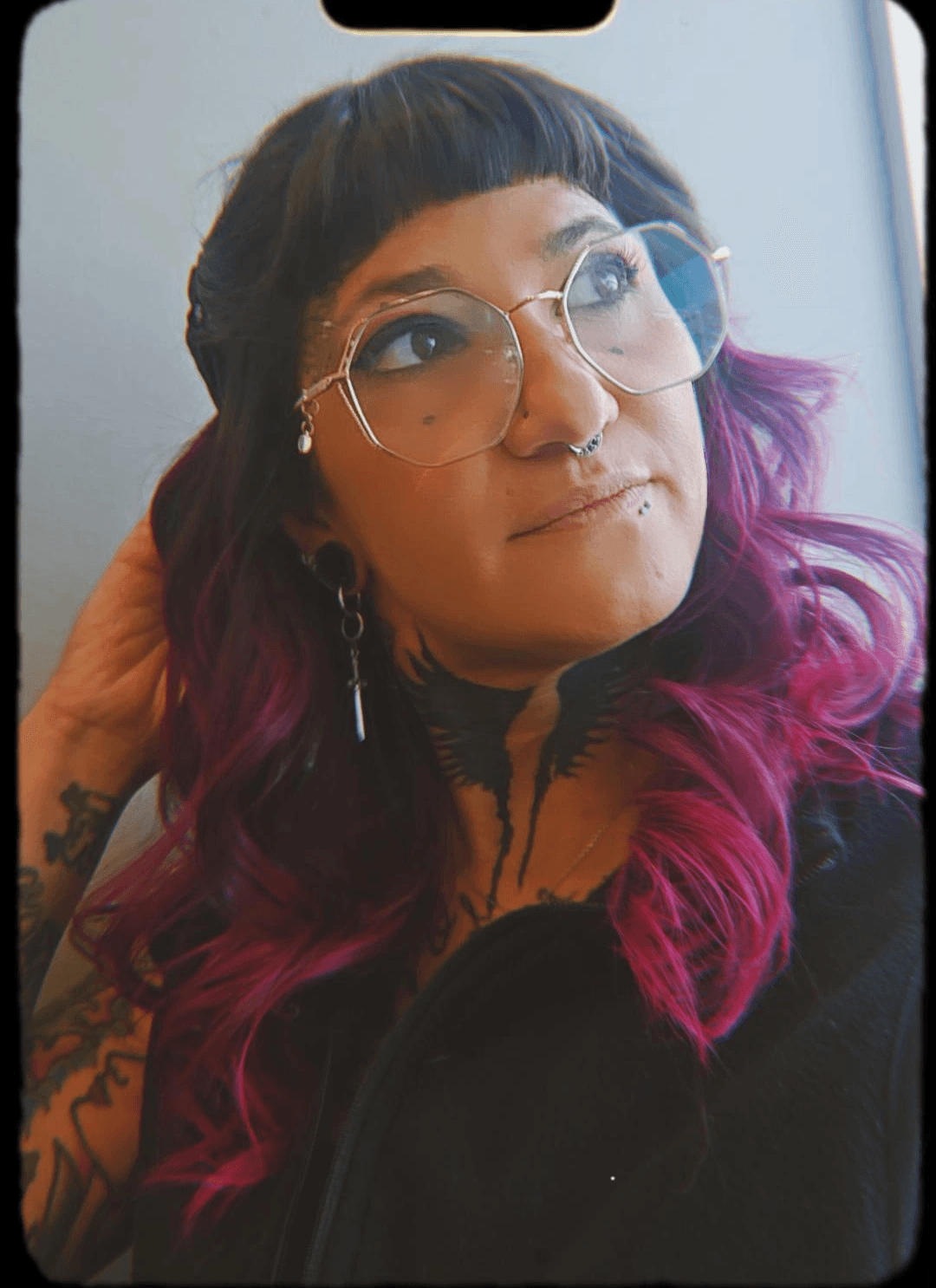
Today we’d like to introduce you to Ash Coates.
Hi Ash, so excited to have you on the platform. So before we get into questions about your work-life, maybe you can bring our readers up to speed on your story and how you got to where you are today?
I think I was probably always going to end up doing hair. I was the kid who absolutely ruined every Barbie and doll I owned because I couldn’t stop cutting their hair. Eventually, my parents figured if I was determined to cut hair, I could at least make myself useful and started having me groom our dogs. From there, I graduated to doing my brother’s very Y2K hair—and somehow, I just never stopped.
What started as something creative that I naturally gravitated toward turned into a career I’ve now been in for almost 18 years. Over that time, I’ve grown from being solely behind the chair into leadership and management, where I discovered that I love developing people just as much as I love doing hair. Building strong teams, helping stylists recognize what they’re capable of, and creating an environment where people can grow has become a huge part of what I love about this industry.
At the same time, I’ve never lost the creative part of myself that started all of this. Hair is still one of my favorite ways to help someone express who they are and feel more like themselves. My career hasn’t followed one perfectly straight path, but every part of it has shaped the stylist and leader I am today. Almost two decades later, I’m still evolving—and apparently, I’m still that kid who wants to cut everybody’s hair. I’m just much better at it now.
I’m sure it wasn’t obstacle-free, but would you say the journey has been fairly smooth so far?
Smooth road? Absolutely not. I apparently prefer character development.
I built my career while raising three kids, so work-life balance has always been less of a balance and more of a constantly moving target. My career grew alongside my family, and sometimes that meant changing directions, slowing down, speeding up, or just figuring it out as I went.
Then COVID happened, which was a particularly interesting time to have a career based entirely around standing six inches away from strangers and touching them. Like everyone in the beauty industry, I had to adapt, rebuild, and figure out what being a hairstylist looked like in a completely different world.
More recently, I went through a divorce after a 19-year marriage and found myself rebuilding my personal life while continuing to grow professionally. There have definitely been moments where life has burned the whole blueprint and handed me a blank piece of paper—which, admittedly, feels a little on-brand for me.
But I think all of it has made me a better stylist and especially a better leader. I’ve learned that the people on my team are humans before they’re employees. They have kids, relationships, losses, bad days, and entire lives happening outside those salon doors. I believe you can have high expectations, hold people accountable, and still give a damn about the person standing in front of you.
So no, it hasn’t been a smooth road. It’s been a little chaotic, occasionally on fire, and definitely not boring—but I wouldn’t be the stylist or leader I am today without it.
Appreciate you sharing that. What else should we know about what you do?
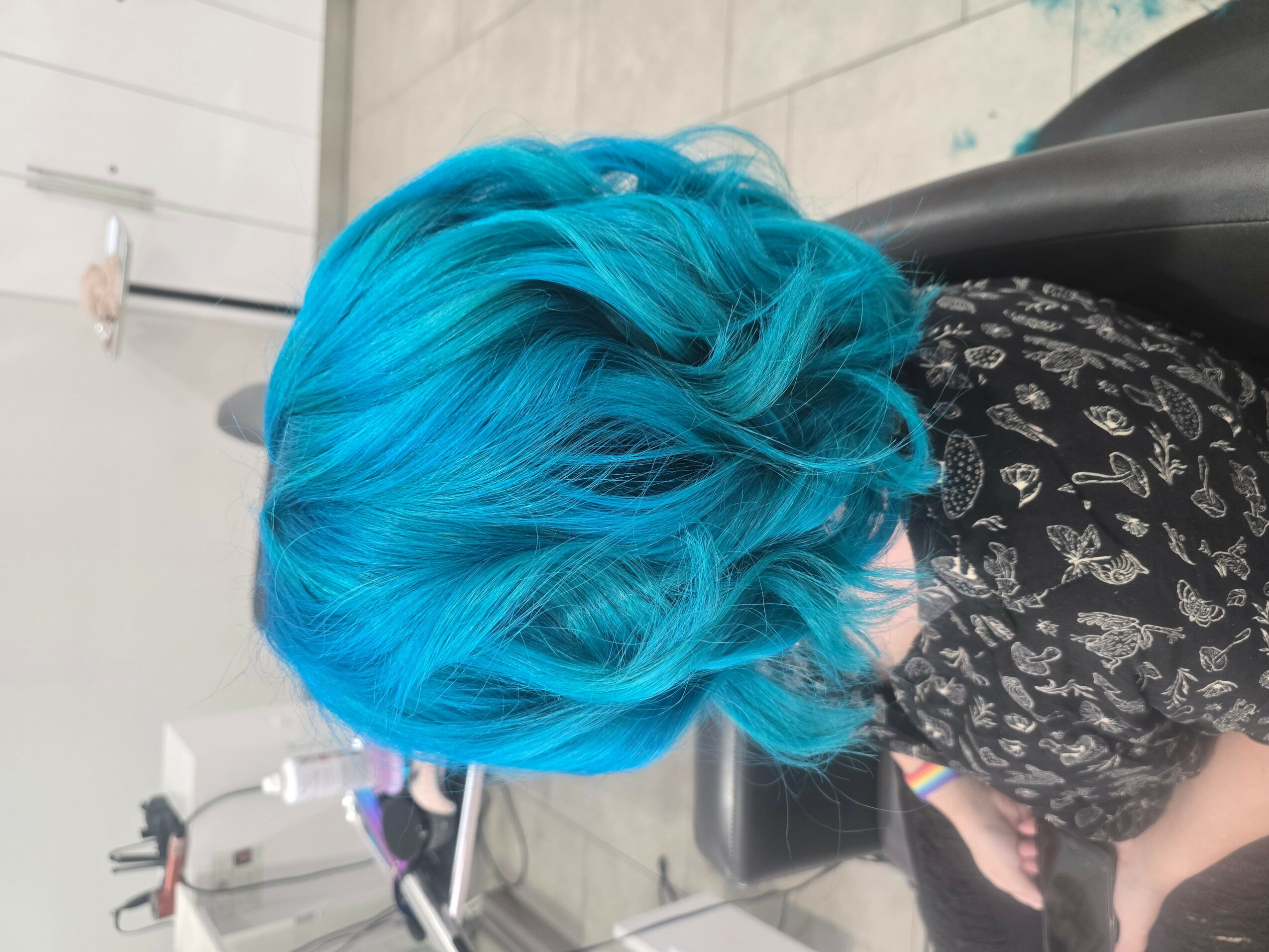
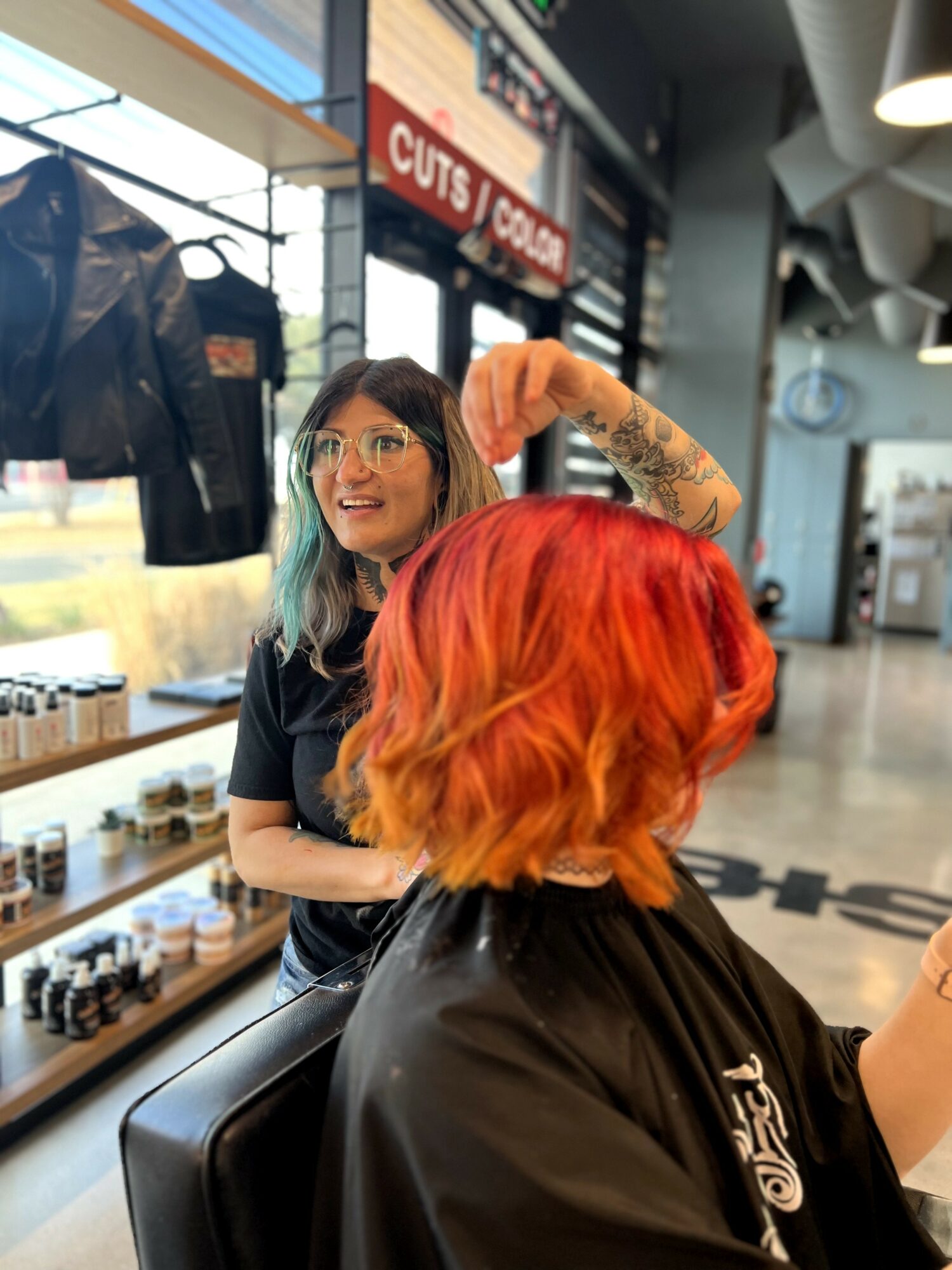
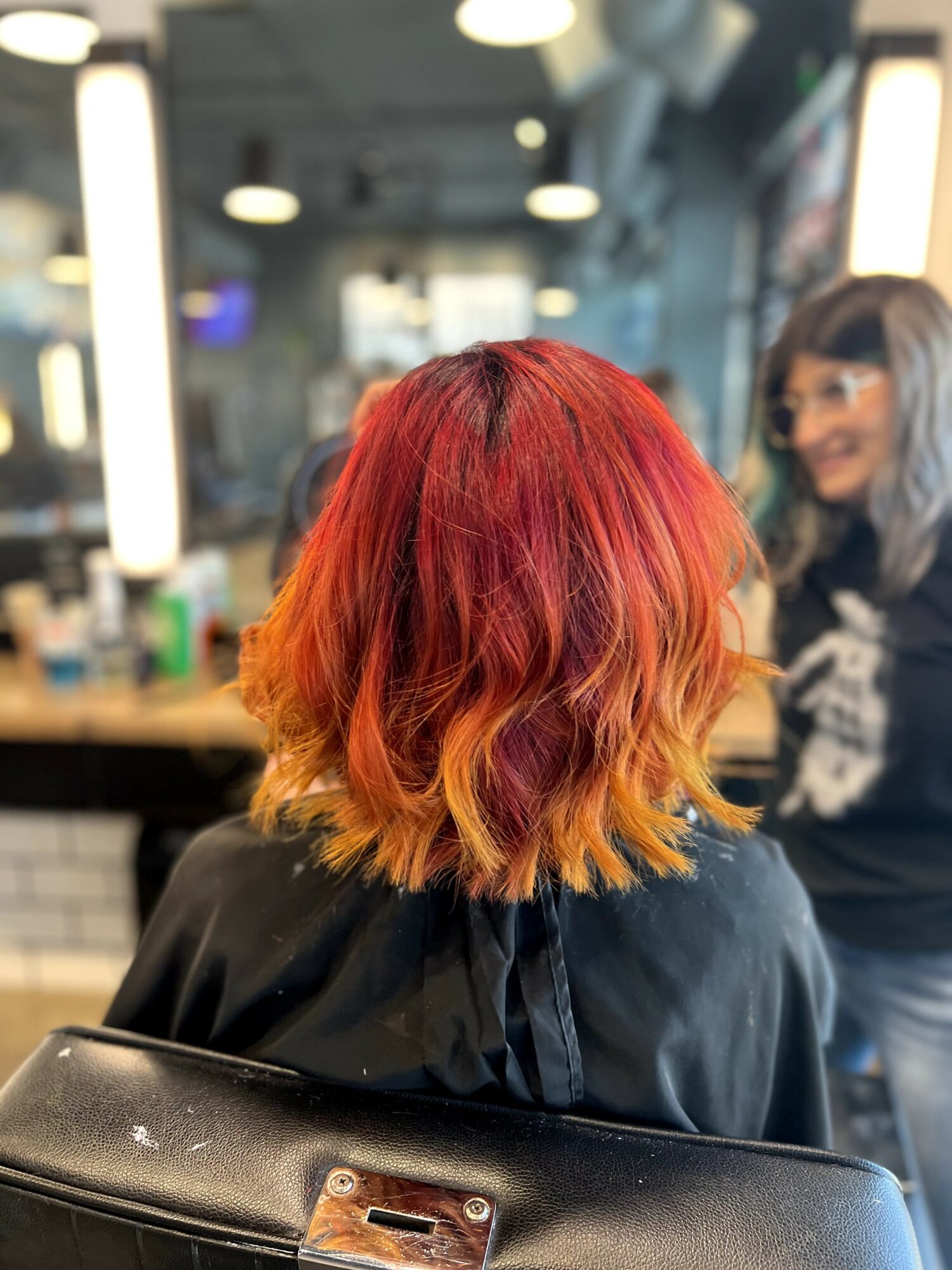
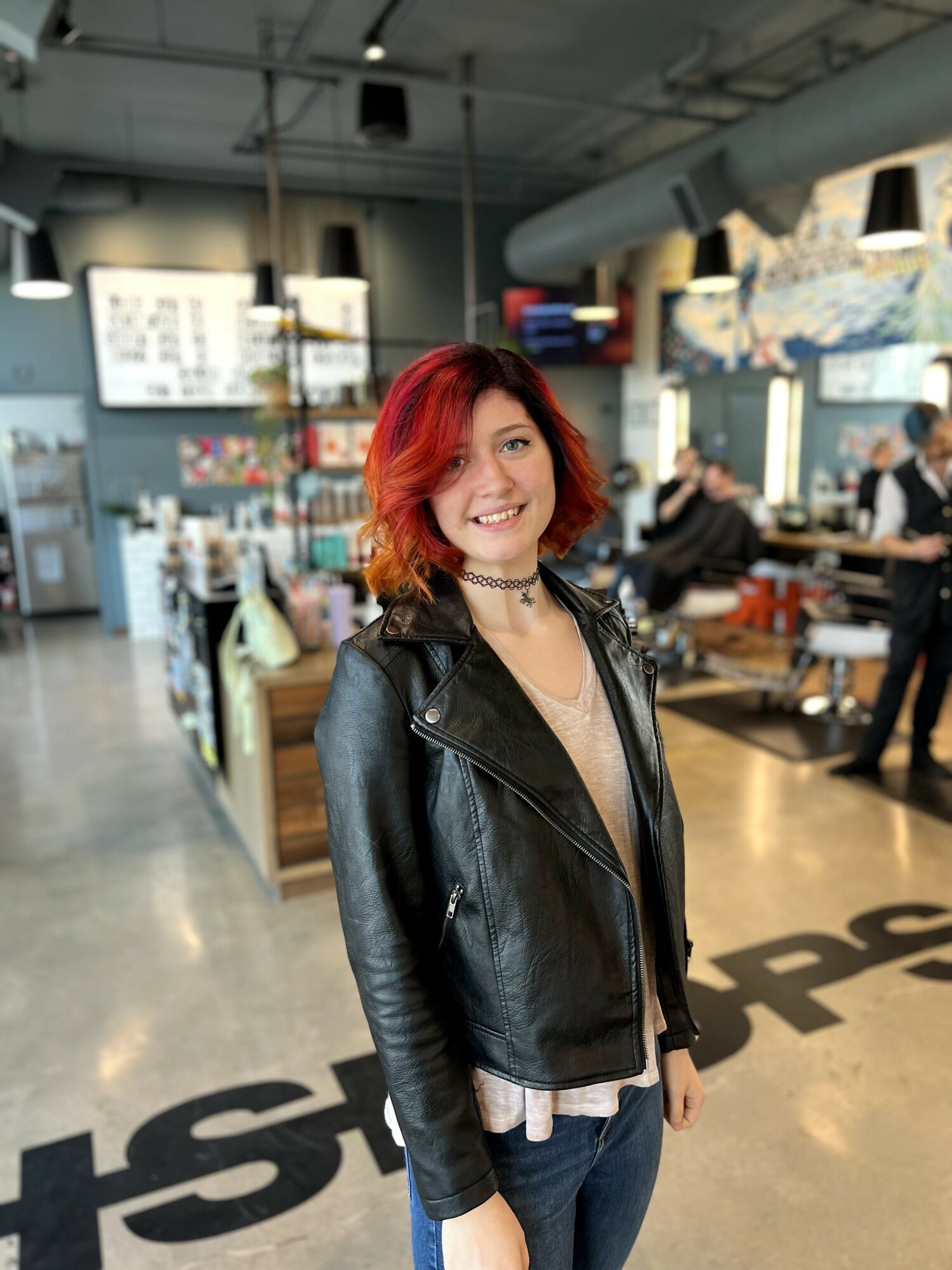
I’m a hairstylist first and an artist who happens to use hair as my medium. I love transformations, creative color, precision cutting, and anything that lets me think a little outside the box. I definitely have an alternative aesthetic myself—I’m usually somewhere between goth, metalhead, and whatever questionable hair-color decision I’ve decided is a good idea that week—but my work isn’t about making everyone look like me.
What I really specialize in is helping people look like the version of themselves they’ve been trying to explain. Sometimes that’s vivid color and an edgy cut, and sometimes it’s a beautifully executed, completely classic style. The creativity for me is in understanding the person sitting in my chair and translating what they’re imagining into something that actually works for their hair, lifestyle, and personality.
I think what sets me apart most, though, is that after almost 18 years, I don’t feel like I’ve “arrived.” This industry changes constantly, and I never want to become the stylist who stopped learning ten years ago but kept doing hair. I still experiment, take inspiration from younger stylists, learn new techniques, and occasionally use my own head as the test subject. Some experiments are more successful than others. That’s science.
I’m also incredibly proud of the leadership side of my career. There’s something really special about watching a stylist who doesn’t quite believe in themselves yet become confident, successful, and genuinely excited about what they can do. I can create a great haircut and feel proud of it, but helping build a great stylist or a strong team has a much longer life.
At the end of the day, I think my work is equal parts technical skill, creativity, connection, and a healthy refusal to become boring.
Is there a quality that you most attribute to your success?
I think the most important quality behind my success has been adaptability. I’ve learned that you can have a beautifully organized five-year plan, and life will look at it, laugh, and set it on fire.
Hair itself requires you to be adaptable. Trends change, techniques evolve, clients change, and the industry I entered almost 18 years ago is definitely not the industry I work in today. I think staying successful means being willing to learn, change your mind, admit when there’s a better way to do something, and never get so comfortable that you stop growing.
The same has been true in my personal life. Motherhood, COVID, divorce, career changes—there have been plenty of times when the plan disappeared completely. I’ve gotten pretty good at looking at whatever pieces are left and saying, “Okay, what are we building now?”
And I think that carries into my leadership style too. Different people need different things from you. What motivates one stylist might completely shut another one down. Being adaptable means meeting people where they are without lowering the standard of where you’re trying to go.
So I’d say adaptability, with a healthy amount of stubbornness. I’m willing to change the route. I’m just usually not willing to give up on the destination.
Contact Info:
- Website: https://anmriquelmy.wixsite.com/my-site-1
- LinkedIn: https://www.linkedin.com/in/ash-coates-67726b11b/