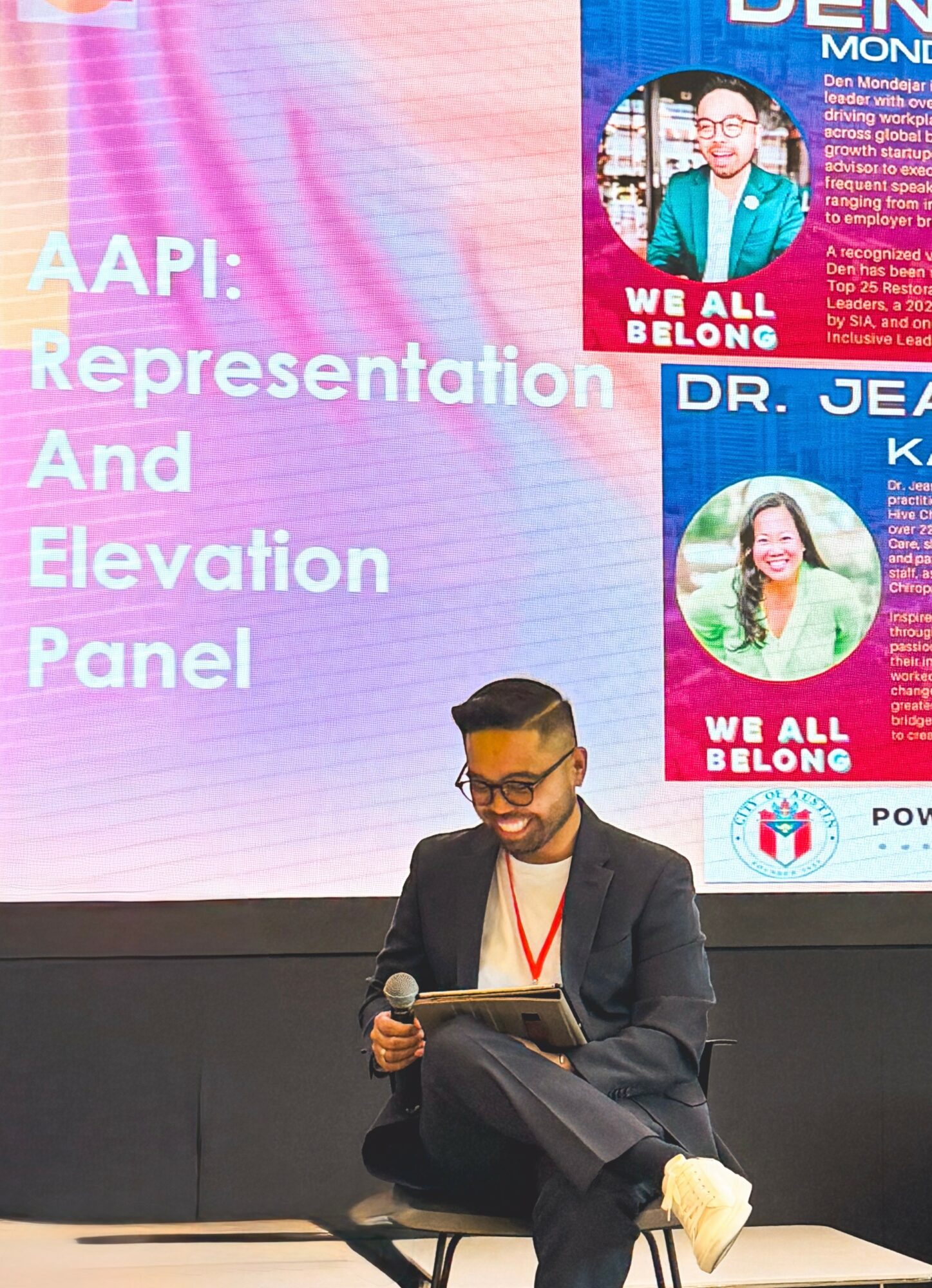



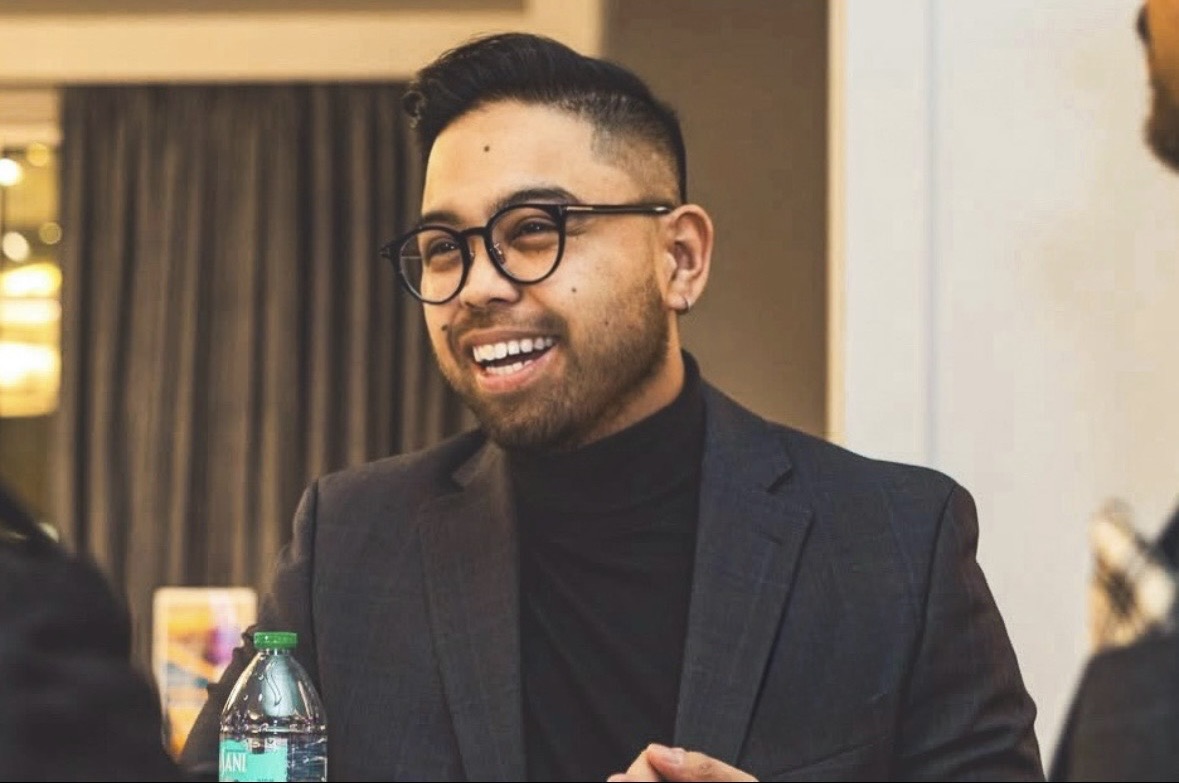
Today we’d like to introduce you to Den Mondejar.
Hi Den, so excited to have you with us today. What can you tell us about your story?
I grew up in San Diego, the son of a Navy father and formidable mother, in a first-generation American household where the message was clear: work hard, assimilate, and prove you belong. One memory sums it up better than anything else. One day, I asked my dad to teach me tennis. Instead of picking up a racket, he handed me a book, something I’m sure that read like “Tennis for Beginners.” I was frustrated about it at the time. What I didn’t realize was that he was teaching me something bigger: you can figure it out. Read the book. Do the reps. You don’t have to wait for someone to hand you the answer.
That lesson followed me everywhere, starting with college. I was the first in my family to take that leap, and I studied business and marketing in Colorado before coming back for my master’s in finance. To help pay for it, I worked up to three jobs at once, one of them a tech support role I couldn’t stand. It was repetitive, boring, and I dreaded every commute to the office. A friend who was working in college admissions pulled me aside one day and said, “You’re really good with people. I think you’d be great doing this.” I had zero experience in higher ed, but I trusted her and made the jump anyway. That decision turned into 13 years in higher education, eventually as Director of Admissions, then a move to Phoenix to help run a campus there. Ten years ago, I took the same kind of leap again when I got the call to help lead an entire campus in Austin, at a moment when everyone in tech and business seemed to be talking about this city. I knew almost no one here, and never even visited the city. I came anyway, and it’s been home ever since.
Somewhere in the middle of all that, I also went back to school for a third degree in design. The creative pull had never really left me, it had just taken a back seat while I built a career. Looking back, that’s probably why I’ve always gravitated toward work that’s part strategy and part creativity, whether that was marketing, education, or what I do now, helping leaders figure out how to build things that actually work for the people inside them.
We all face challenges, but looking back would you describe it as a relatively smooth road?
Not even close, and if you’re a fellow millennial reading this, you probably already know why. Ours might be the generation with the most punchlines written about it online, and most of those jokes exist because they’re true. We came up through back-to-back recessions, watched home prices outrun our savings, carried student debt loads our parents never had to plan around, and then had a global pandemic land right in the middle of our prime earning years. My story fits that pattern more than I’d like.
I finally earned a senior leadership promotion right as the economy cratered after 2008. Within a short stretch, that role was gone. Senior positions had dried up across the industry, and it took everything I had just to find my next opportunity, which meant starting over at a lower level than the one I’d just left. I wiped out my savings and went into debt to stay afloat while I rebuilt. It took years of consistent work to climb back to where I’d been, and then keep climbing past it. I eventually paid off every dollar of that debt (and am still debt free), but I don’t romanticize that period. It was hard, and it changed how I think about security for good.
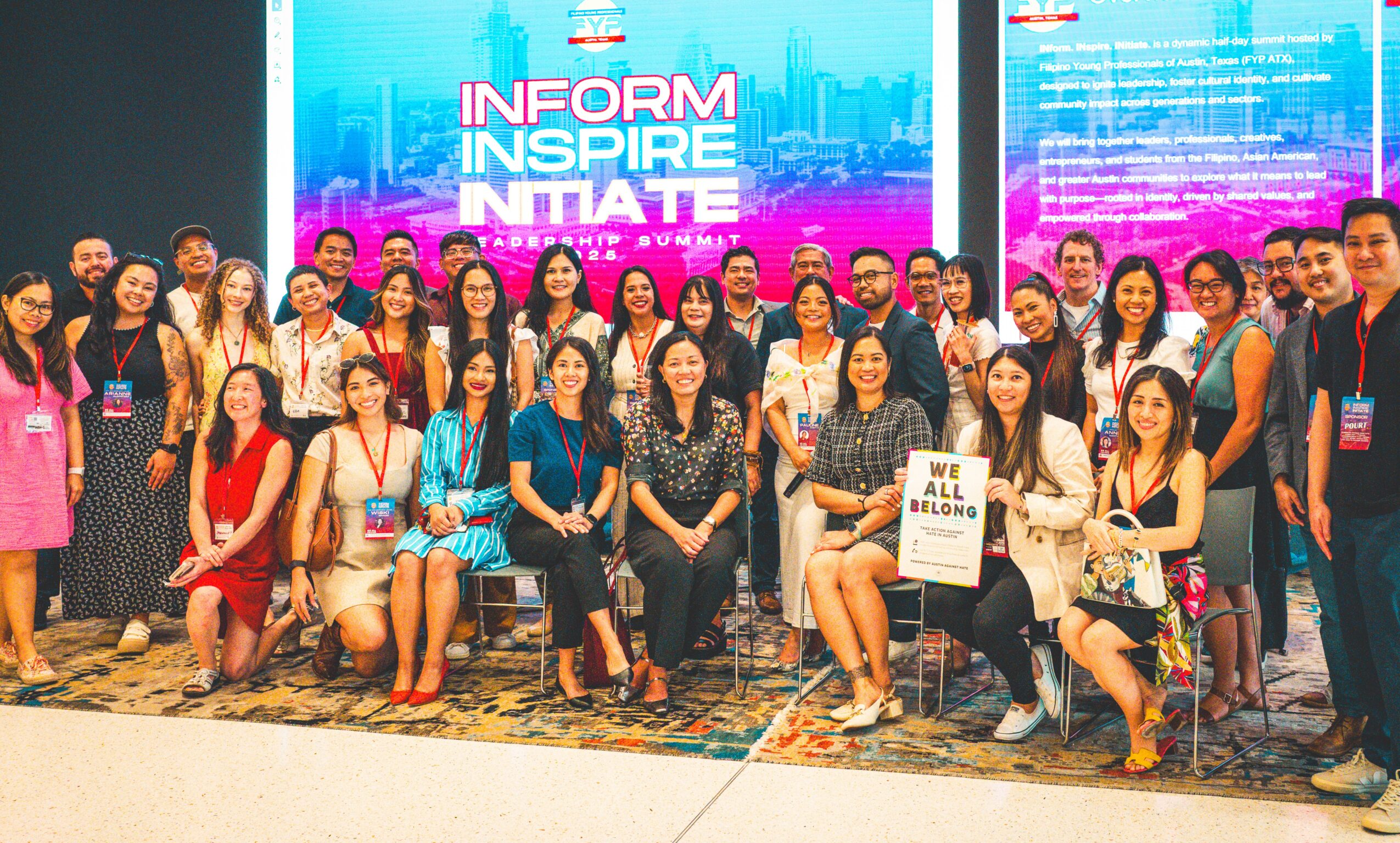
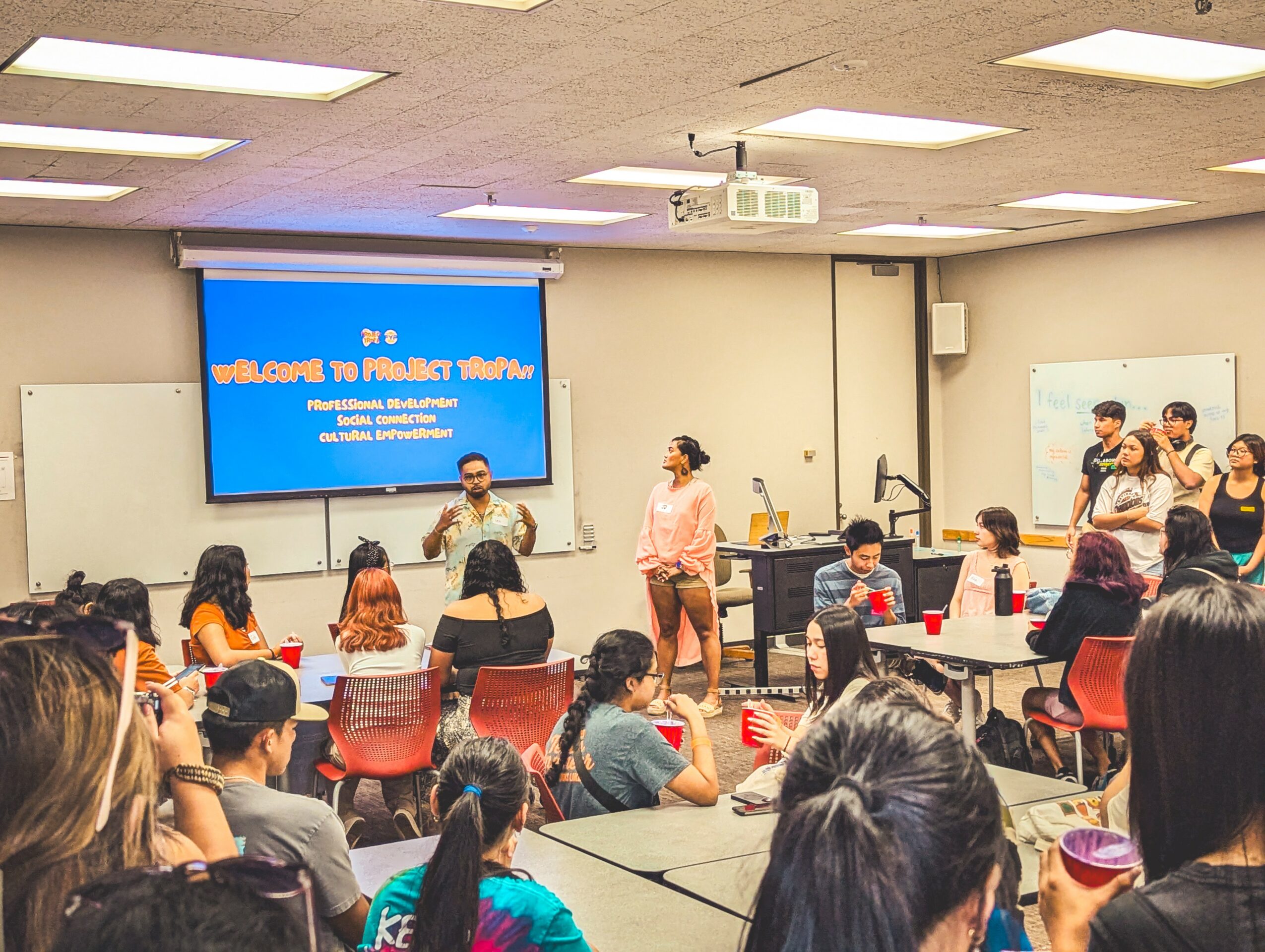
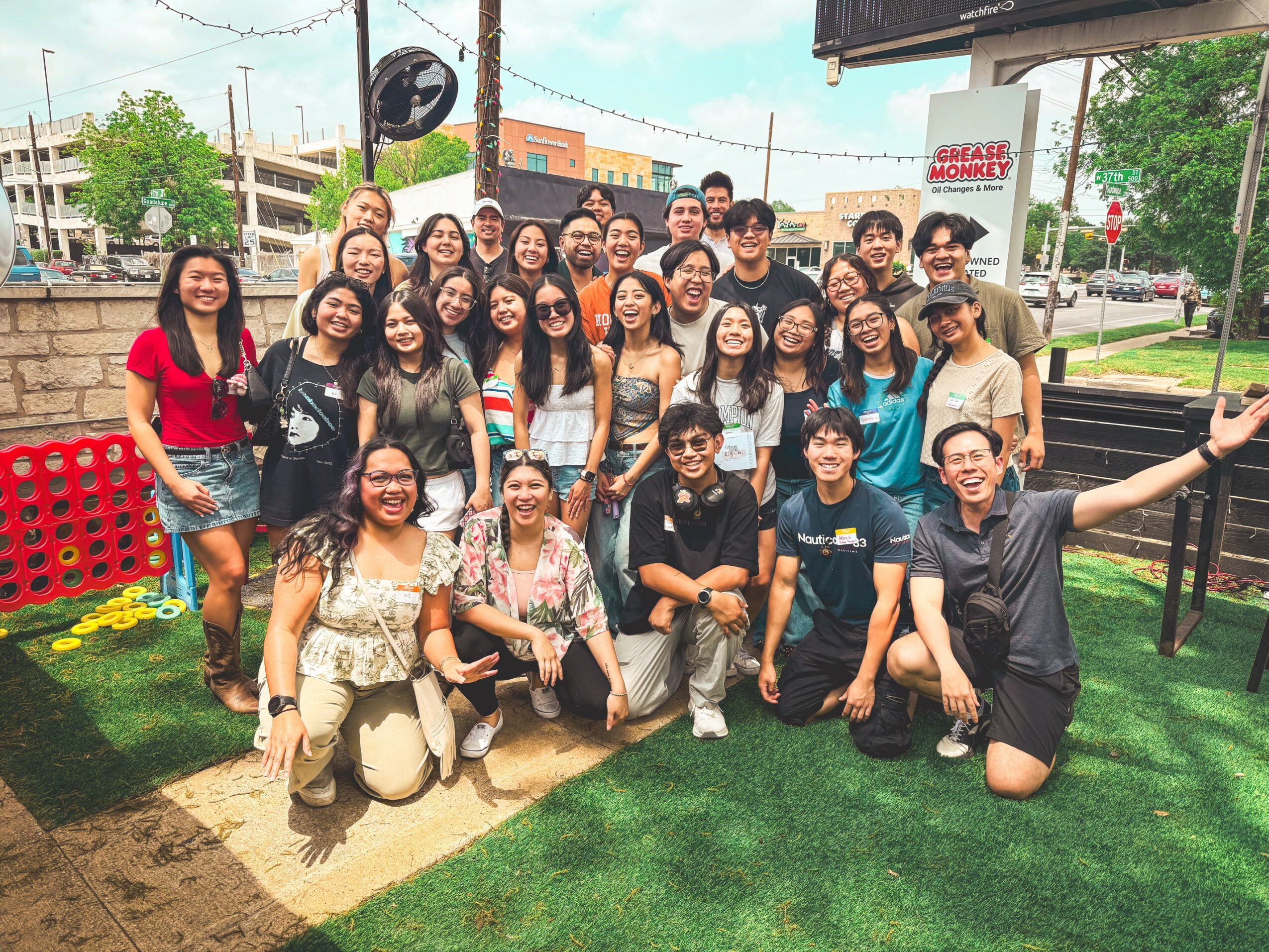
Layered on top of that was the toll of moving states more than once. Every relocation meant rebuilding a network and a community from nothing. That experience left me aware of how hard it is to build real community from scratch on your own, especially somewhere new. That awareness is what led me to the Filipino Young Professionals of Austin, Texas, a 501(c)(3) nonprofit, where I now serve on the board of directors and as Vice President of Youth Development. I got involved because I wanted to build the kind of community I knew firsthand was difficult to create alone, for people who might not have anyone else doing that work for them.
What carried me through the hardest years wasn’t any one strategy. It was believing in something bigger than myself (God), a spiritual practice that kept me grounded when circumstances weren’t. It was recognizing what my parents sacrificed to give me a shot at any of this, and proudly watching both my siblings build their own success as proof it was possible. And it was a handful of truly great leaders in my professional life who went beyond mentoring me. They sponsored me, putting their own credibility on the line to get me into rooms I couldn’t have entered on my own. I try to do the same for the people coming up behind me now.
As you know, we’re big fans of you and your work. For our readers who might not be as familiar what can you tell them about what you do?
The short version is this: I help business leaders use technology (like AI) to scale their work without losing the human spark that actually drives performance. Every company right now wants the efficiency AI promises, but efficiency without people just moves you faster toward the wrong outcome. My job is making sure the systems leaders build still leave room for judgment, trust, and the actual person on the other side of every decision. That approach has already proven out at scale. A few years ago, I helped grow a beta product from about $50,000 in revenue its first year to $4 million dollars by year three, proof that protecting the human element doesn’t slow a business down, it’s often exactly what drives it forward.
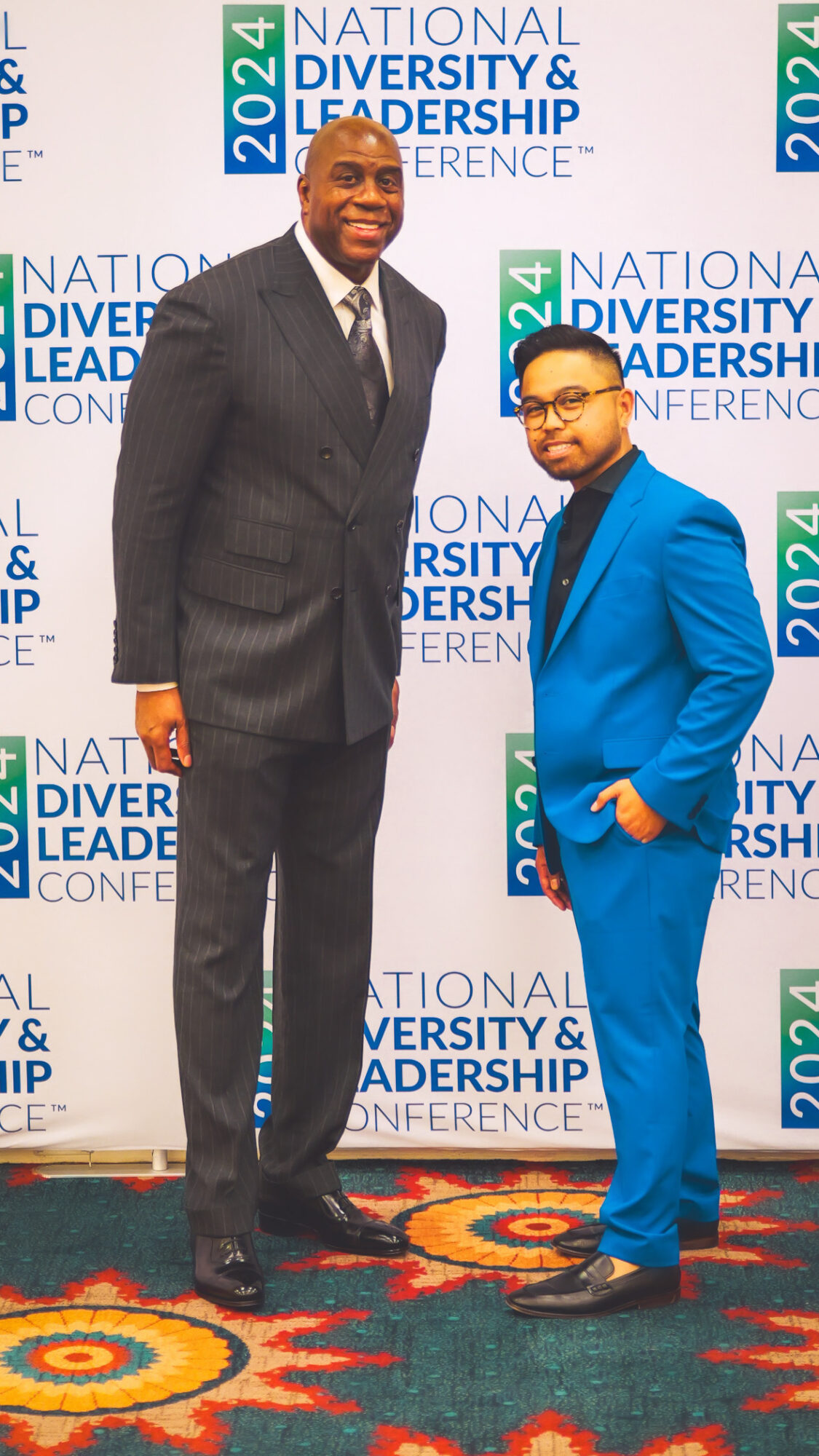
Some recognition has come alongside that work that I don’t take for granted, being named a Top 50 Inclusive Leader by the NDLC, a Restorative Leader by Intersectional Innovations, and getting featured in outlets like Business Insider. None of that was ever the goal going in.
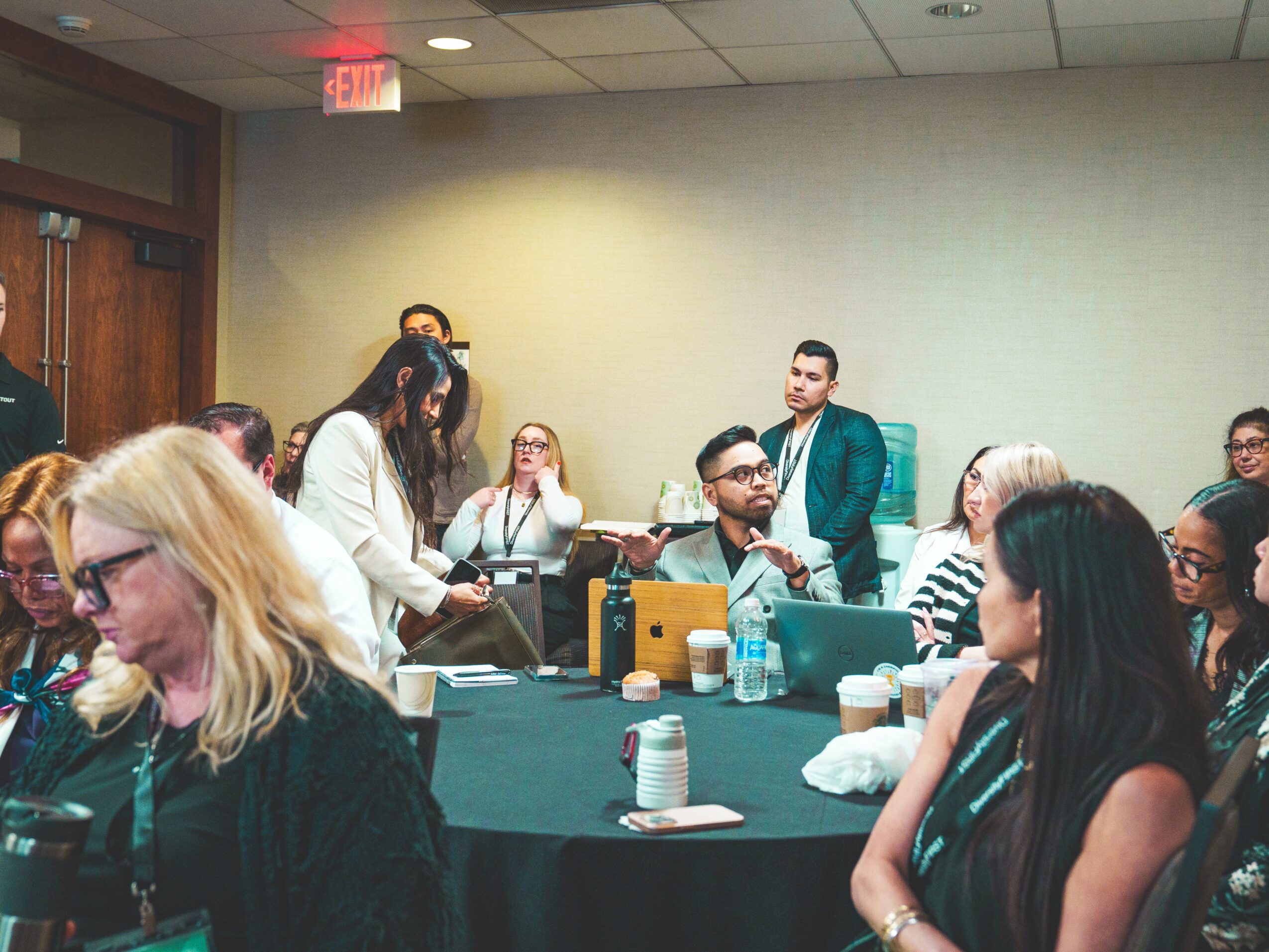
What I’m actually most proud of isn’t a metric or award, it’s the people. I’ve helped hundreds of people find their educational path, many of them the first in their family to go to college, the same way I was, changing what’s possible for the generations after them. I’ve helped people I’ve led in companies earn their own promotions. I’ve sat with friends and colleagues and helped them see how to position themselves for their next move. And I’ve built mentorship programs and leadership roundtables that still have rippling effects today. Add it all up, and the work has never really been about a title or a number. It’s been about how many people I’ve helped move a little further down their own path.
If you ask what sets me apart, it’s not a framework or a certification. It’s lived experience. I know what it feels like to walk into a room as the only one, the other, or the first, with no one ahead of you to ask, and to learn early that you had to make your own way. That’s exactly why I’m so passionate about closing those gaps for other people now, so fewer of them have to close them as alone as I did. I’m still drawn to finding the actual gap, in a system, on a team, in a person’s confidence, and closing it, not just checking a box about who’s in the room, but making sure the room actually works for the people in it.
I’ll admit, I used to think the goal was to do all of this perfectly. I call myself a recovering perfectionist. What I’ve actually learned is not to let perfect get in the way of greatness, to focus on doing the next right thing well instead of waiting until every piece is flawless.
We’d love to hear about how you think about risk taking?
No risk, no reward. That’s really how I’ve operated, both in the moves I’ve made and in the career choices behind them. Everything you actually want in life tends to sit just outside your comfort zone, and I’ve had to keep proving that to myself again and again.
The moves from state to state that I mentioned earlier are the clearest example, but they aren’t the only risks I’ve taken. My career hasn’t followed a linear path either, and almost every pivot along the way meant stepping into a role that wasn’t clearly defined yet. Nobody handed me a playbook for any of it. I had to make my own way, which is its own kind of risk, the kind where you can’t point to a job description to prove you’re qualified. You just have to start.
The newest version of that same instinct is expanding my business consulting and public speaking practice today, spearheading into a space where trust and culture matter more as AI reshapes how decisions get made. It’s a real risk, but it’s exactly the kind of gap I’d rather help close than watch from the sideline.
What I’ve learned through all of it is that I don’t wait for guarantees before I move. I trust that whatever happens, I can figure it out, the same way I learned from that book my dad handed me instead of a tennis lesson. You may not always have confidence, but you can always have courage, and courage is what gets you moving before you feel ready, before the new city, before the undefined role, before any proof it’s going to work out. Confidence tends to show up afterward, once you’ve survived the leap enough times to trust yourself with it.
In practice, that means doing the work and putting in the reps, the same principle behind Malcolm Gladwell’s “10,000 hours” or James Clear’s Atomic Habits: build the system, then get a little better at it every day.
That’s the thing I’d tell anyone in Austin standing at the edge of their own decision right now. No risk, no reward. You don’t need to feel ready, you just need enough courage to leap, trusting you can figure out the rest.
Contact Info:
- Instagram: https://www.instagram.com/den_atx
- LinkedIn: https://www.linkedin.com/in/dennismondejar/