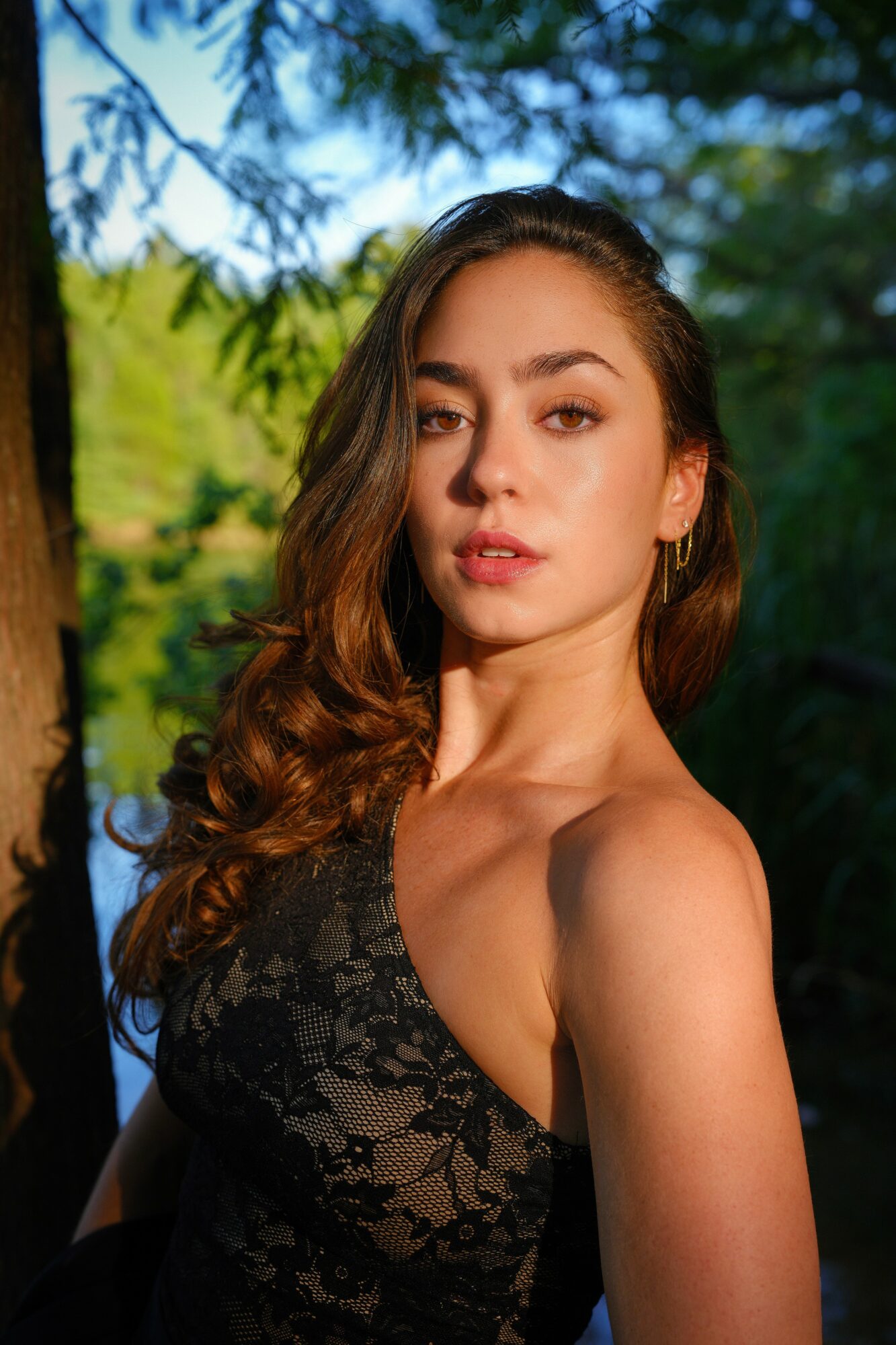



Today we’d like to introduce you to Ella Gross.
Hi Ella, thanks for sharing your story with us. To start, maybe you can tell our readers some of your backstory.
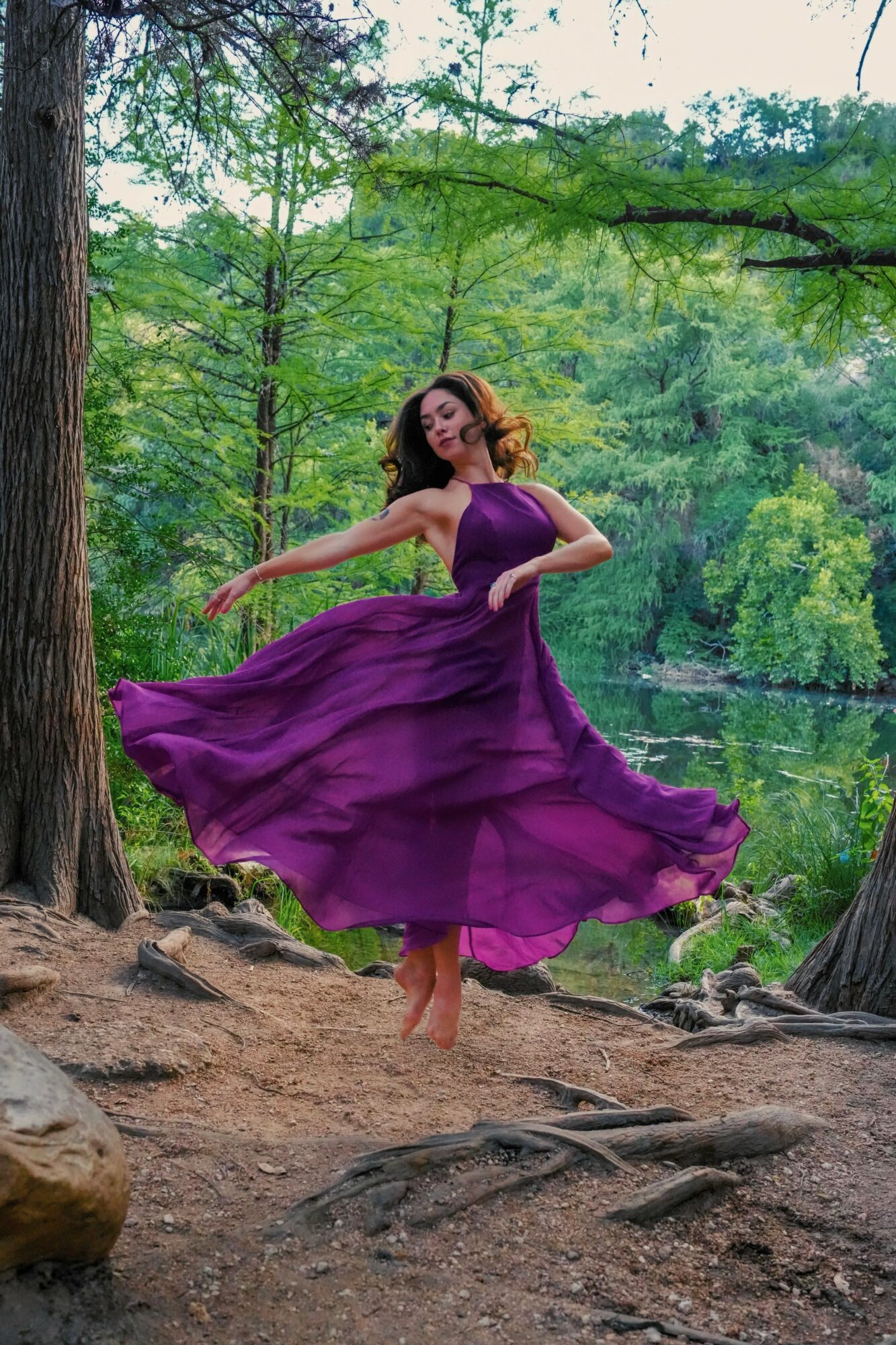
I started dancing when I was six and grew up training in Austin at Ballet Austin at the J, Dancers Workshop, and later Rise Dance Company. Dance was a huge part of my life growing up, and I continued dancing competitively through high school with the Anderson Trojan Belles and then collegiately at Colorado State University.
After college, though, I took about a six-year break from dance. I think I needed that distance to figure out what I actually wanted my relationship with dance to look like as an adult. During that time, I explored other creative and professional paths, but I never really stopped thinking about movement or storytelling.
What brought me back was film. I realized that I was especially interested in the intersection of dance and cinema—not just performing choreography, but creating the world around it, directing the camera, shaping the story, and using movement as a way to communicate emotion. Coming back to dance through film has allowed me to approach it from a completely different perspective.
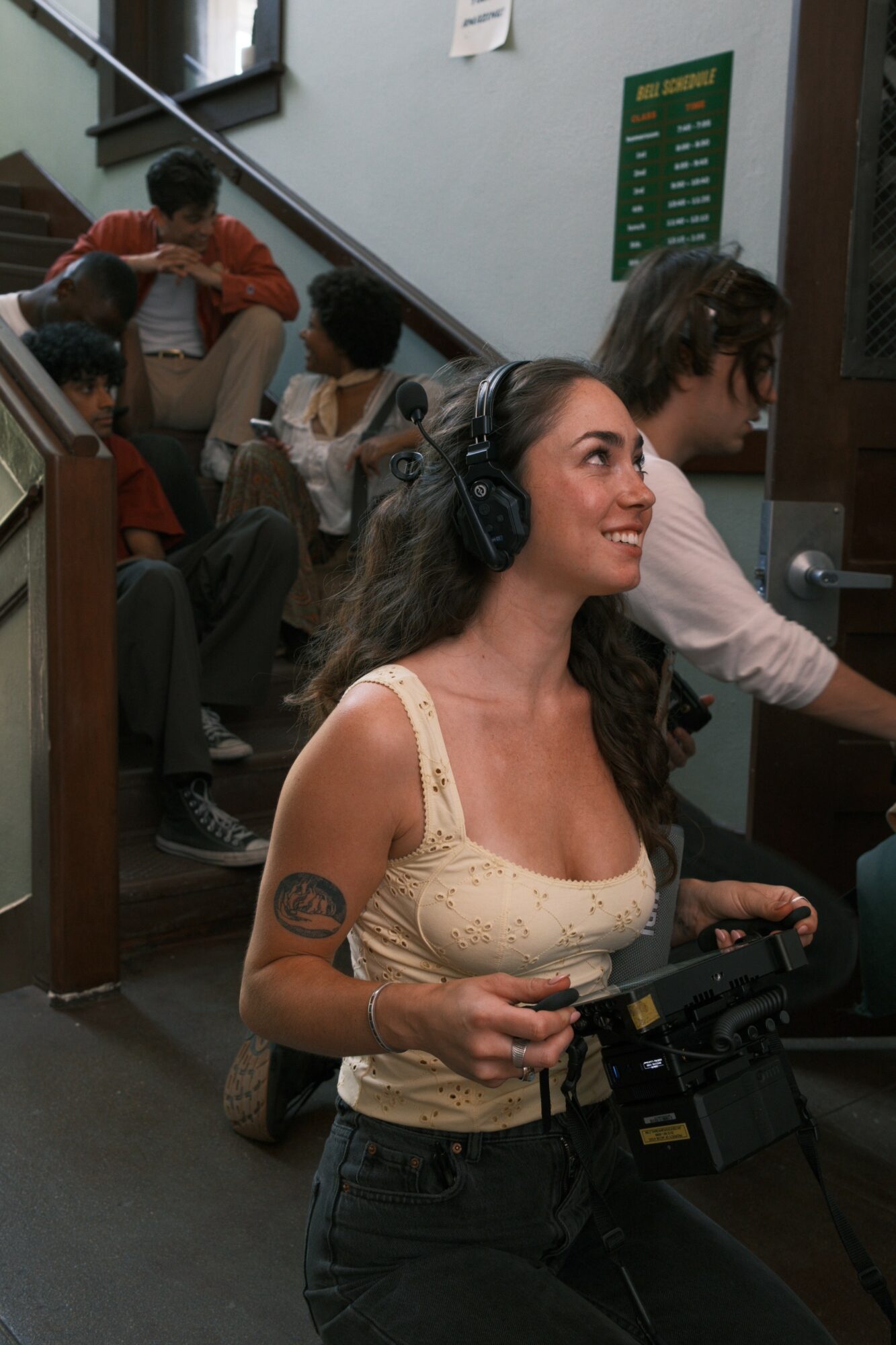
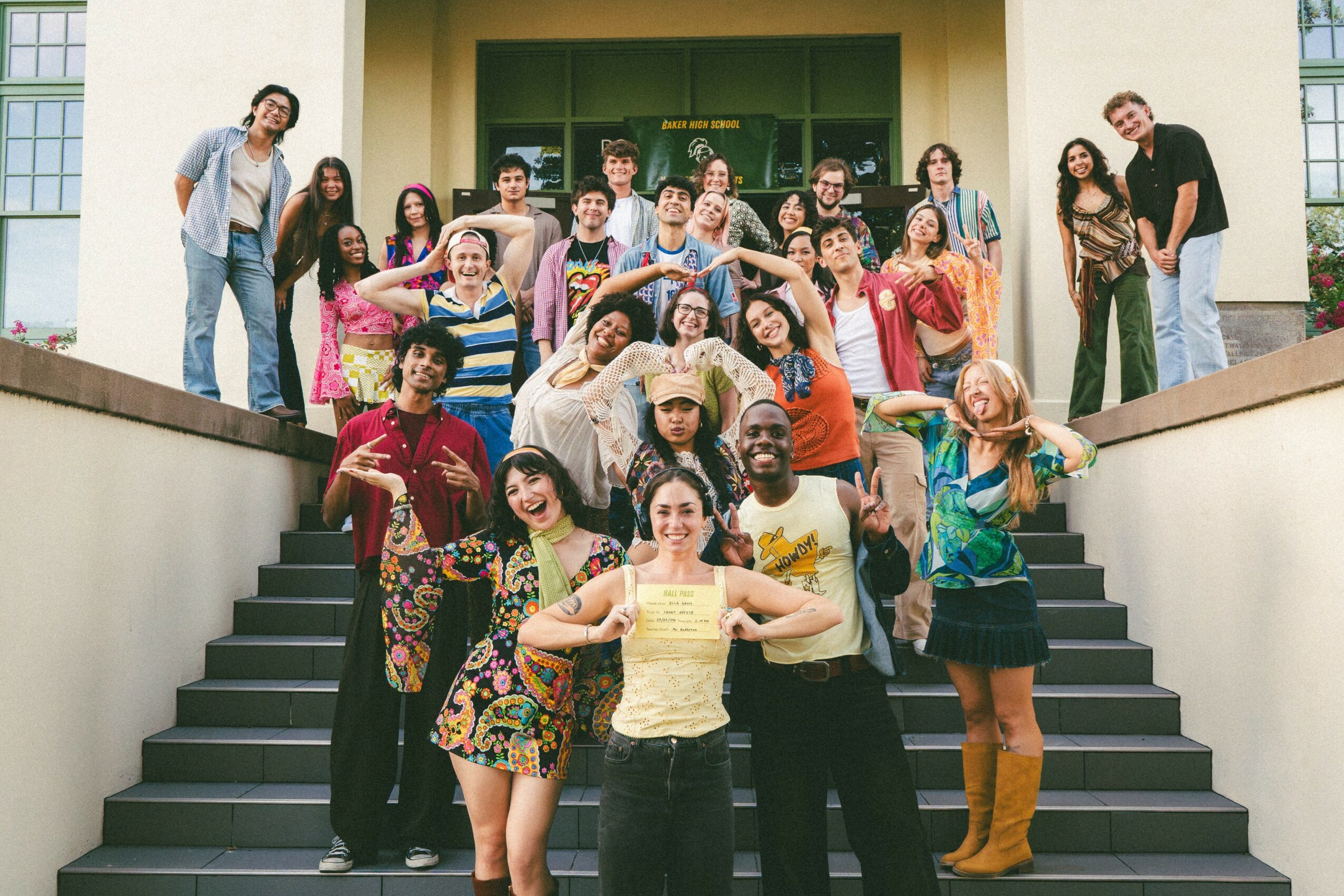
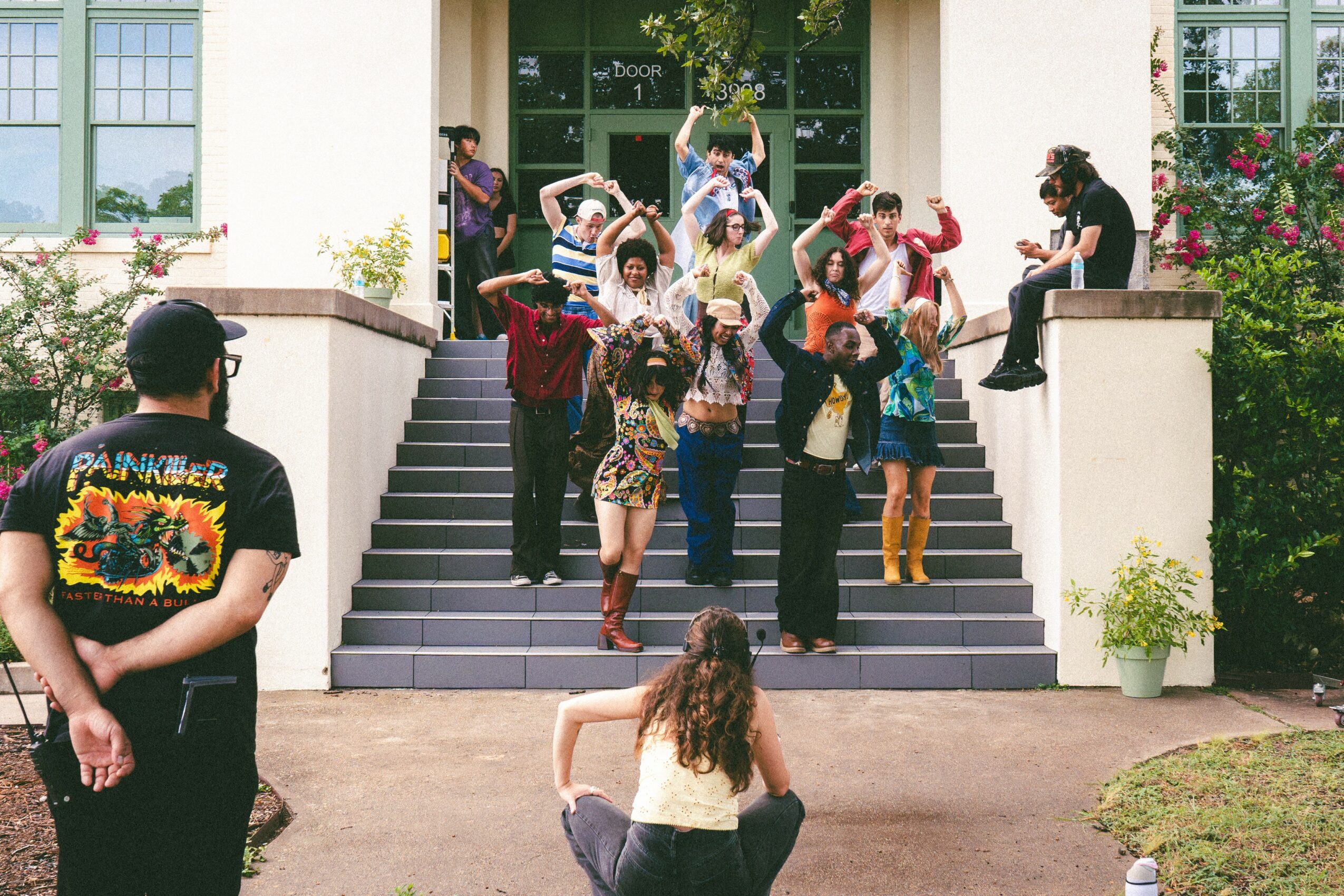
That’s ultimately what led me to Hall Pass, a dance film I directed, produced, and choreographed here in Austin. It’s a story about two high school students falling in love, told through dance and film rather than traditional dialogue. Making it has really solidified for me that I want to continue working primarily as a director of dance films, while also continuing to grow as a local dancer and choreographer.
In a way, coming back after six years has made dance feel new to me again. I’m not interested in simply recreating what I was doing before—I’m interested in figuring out what dance can become when you put it behind a camera and use it as a cinematic language.
Outside of dance films, I currently dance on two professional companies in Austin, ATMA Moves Ensemble and Revision Dance Company.
Alright, so let’s dig a little deeper into the story – has it been an easy path overall and if not, what were the challenges you’ve had to overcome?
It definitely hasn’t been a smooth road, especially because I’m essentially building my film work alongside a completely separate full-time career. I work a corporate job full-time, remotely, so while the flexibility helps, I’m still balancing a demanding career with directing, producing, choreographing, fundraising, rehearsing, and everything else that goes into making a film. There are only so many hours in the day.
Fundraising has probably been one of the biggest challenges. Film is expensive, and as an independent filmmaker, so much of the process comes down to figuring out how to make the creative vision possible with limited resources. With *Hall Pass*, I had to wear so many different hats and be incredibly resourceful to get the project made.
Another challenge has been establishing myself as a filmmaker without coming from a traditional film background. I’m a young woman who came into directing through dance rather than through film school or a conventional film career, and sometimes that means having to work harder to be taken seriously. There are people outside of the creative world who don’t always understand how much goes into creating a film, and even within creative spaces, I’ve occasionally felt that the scope of what I’m doing isn’t fully recognized. I’ve learned that I have to advocate for my work and for myself, and be confident in the fact that being self-taught or taking a nontraditional path doesn’t make the work any less legitimate.
I also live with an autoimmune disease, so there are times when my body simply doesn’t have the energy I want it to have. Dance is physically demanding, and there are days when I’m sore, exhausted, or hurting while still having a production to run or choreography to finish. Learning to work with my body rather than against it has been an important part of coming back to dance.
That said, I genuinely love this work so much that the difficulty feels worth it. I’m choosing to make these films because I have something I really want to say through dance and film, and that passion makes me willing to figure out the rest along the way.
Appreciate you sharing that. What else should we know about what you do?
My work sits at the intersection of dance, film, and storytelling. I’m a director, choreographer, and dancer, but my primary focus is directing dance films—using movement as a cinematic language to tell stories, develop characters, and create emotional experiences that wouldn’t necessarily exist in a traditional dance setting.
My background as a dancer is a huge part of what I bring to directing. I understand movement from the inside, but I also think very intentionally about how that movement translates through a camera—the framing, editing, pacing, environment, and relationship between the performer and the viewer. I’m interested in making dance feel cinematic rather than simply filming choreography.
*Hall Pass* is the project I’m most proud of so far, and it was a massive undertaking for an independent production. The film took about four months of intensive work from concept to completion, with a cast of 12 dancers and more than 50 people involved across the cast, crew, and extras. I directed, produced, and choreographed the film, which meant not only developing the creative vision but also coordinating a large group of people and managing all of the moving pieces that come with bringing that vision to life. Seeing something that started as an idea in my head become a full production with that many people involved has been incredibly rewarding.
What I think sets me apart is that I came back to dance after a six-year break, and I came back through film. That distance changed my perspective. I’m not trying to recreate the dance career I had before—I’m building something new with it. I’m interested in making dance accessible to people who may not consider themselves “dance people,” while still creating work that feels authentic to dancers and the dance community.
Ultimately, I want to be known as a director who brings the emotional and physical language of dance into film in a way that feels intentional, cinematic, and human. *Hall Pass* feels like the beginning of that body of work, and I’m excited to keep pushing what a dance film can be.
What were you like growing up?
I was a very anxious and shy kid growing up. Funny enough, I actually refused to get on stage at my very first dance recital because I was so nervous. I had a really hard time expressing myself verbally and talking about my feelings, and dance became the place where I could communicate without having to find the words.
I was always deeply interested in dance, but I was also very academically driven. I was definitely a nerd—I loved school, loved learning, and was a huge Harry Potter fan. I think I had this combination of being very inward and sensitive while also being incredibly curious and driven.
Looking back, it’s funny to see how much that shy little girl has evolved. Dance gave me a way to find my voice, and now I’m using that same medium to tell stories, direct films, and lead large groups of people. In a lot of ways, I think the thread has always been there: I’ve always needed some form of creative expression to communicate what I couldn’t necessarily say out loud.
Contact Info:
- Website: https://www.ellafgross.com/
- Instagram: https://www.instagram.com/ellafgross.studio and https://www.instagram.com/hallpassfilm