


Today we’d like to introduce you to Erin Welker.
Hi Erin, thanks for sharing your story with us. To start, maybe you can tell our readers some of your backstory.
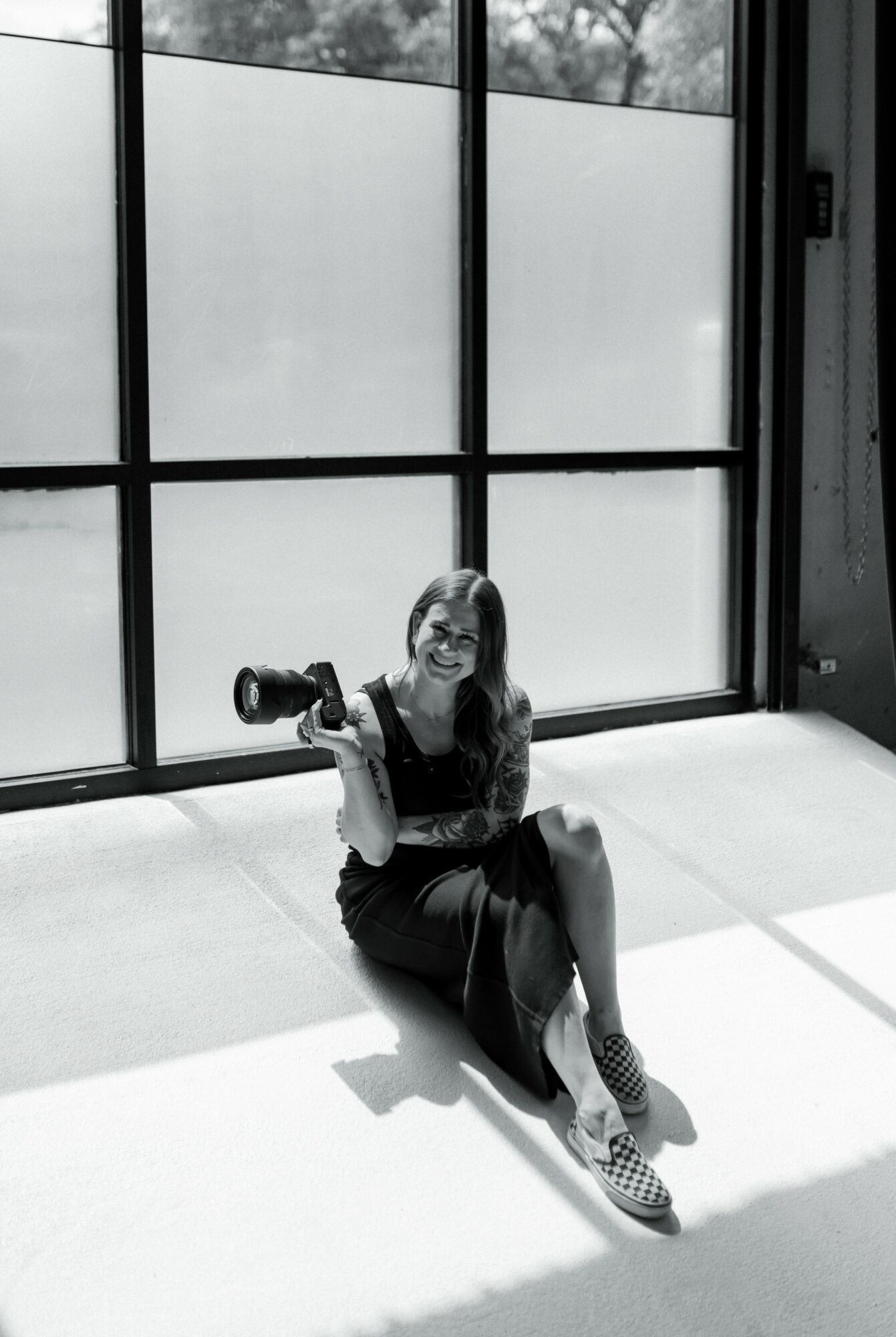
Photography has been a part of my life for as long as I can remember. I picked up my first film camera when I was 13, and by 18 I had my first DSLR—a Canon Rebel XSi. What started as a creative outlet slowly became something I knew I wanted to pursue seriously.
I moved to Austin when I was 19 and eventually went to photography school, where I got to really dig into the technical and creative side of the craft. I shot my first solo wedding in 2012, and from there, weddings and portraits gradually became a much bigger part of my life.
Over the years, I’ve photographed couples, families, weddings, elopements, brands, and all kinds of people in all kinds of places. I’ve also spent time working outside of my photography business, which has given me a lot of perspective on what I want my own business to feel like.
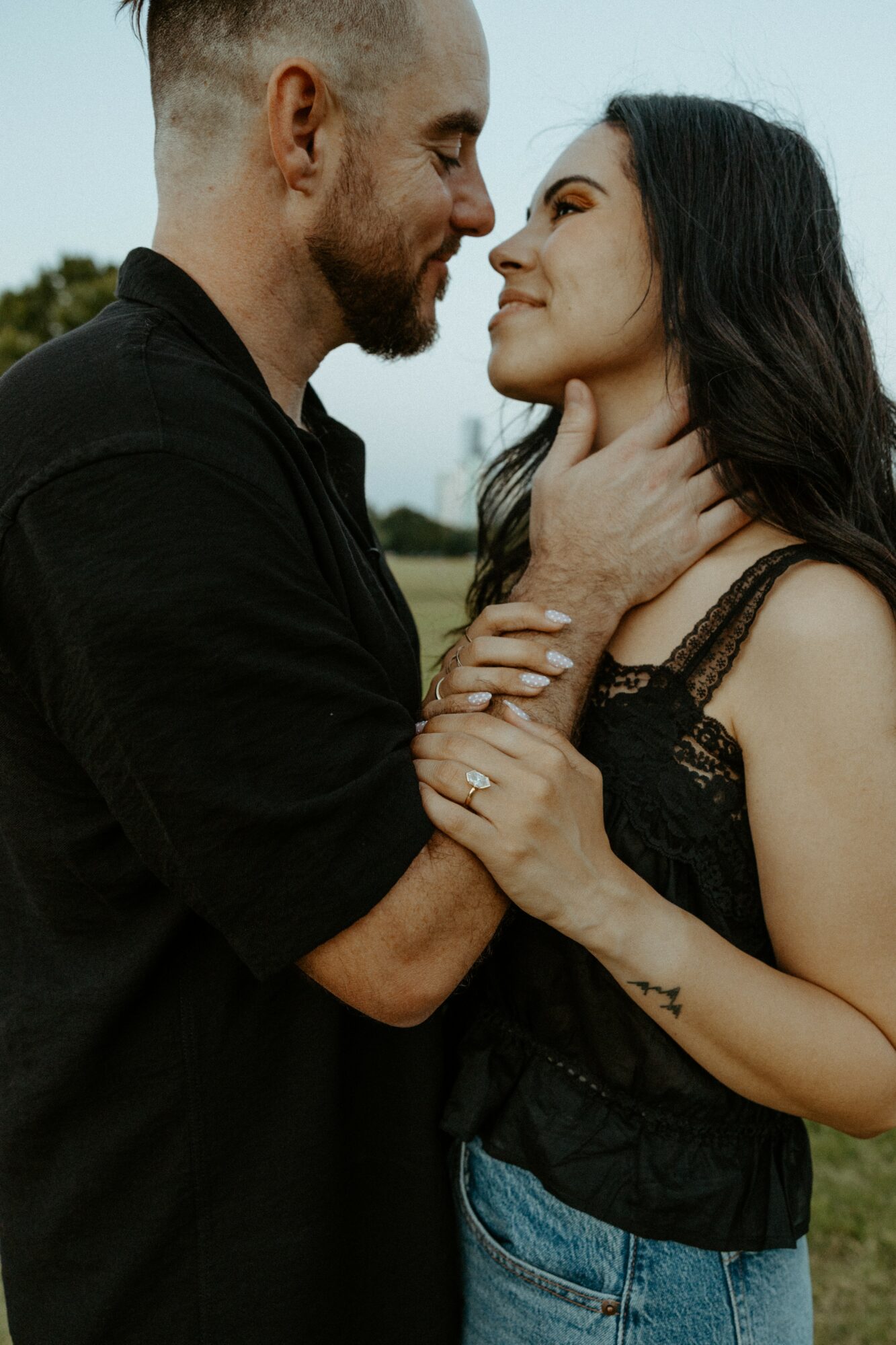
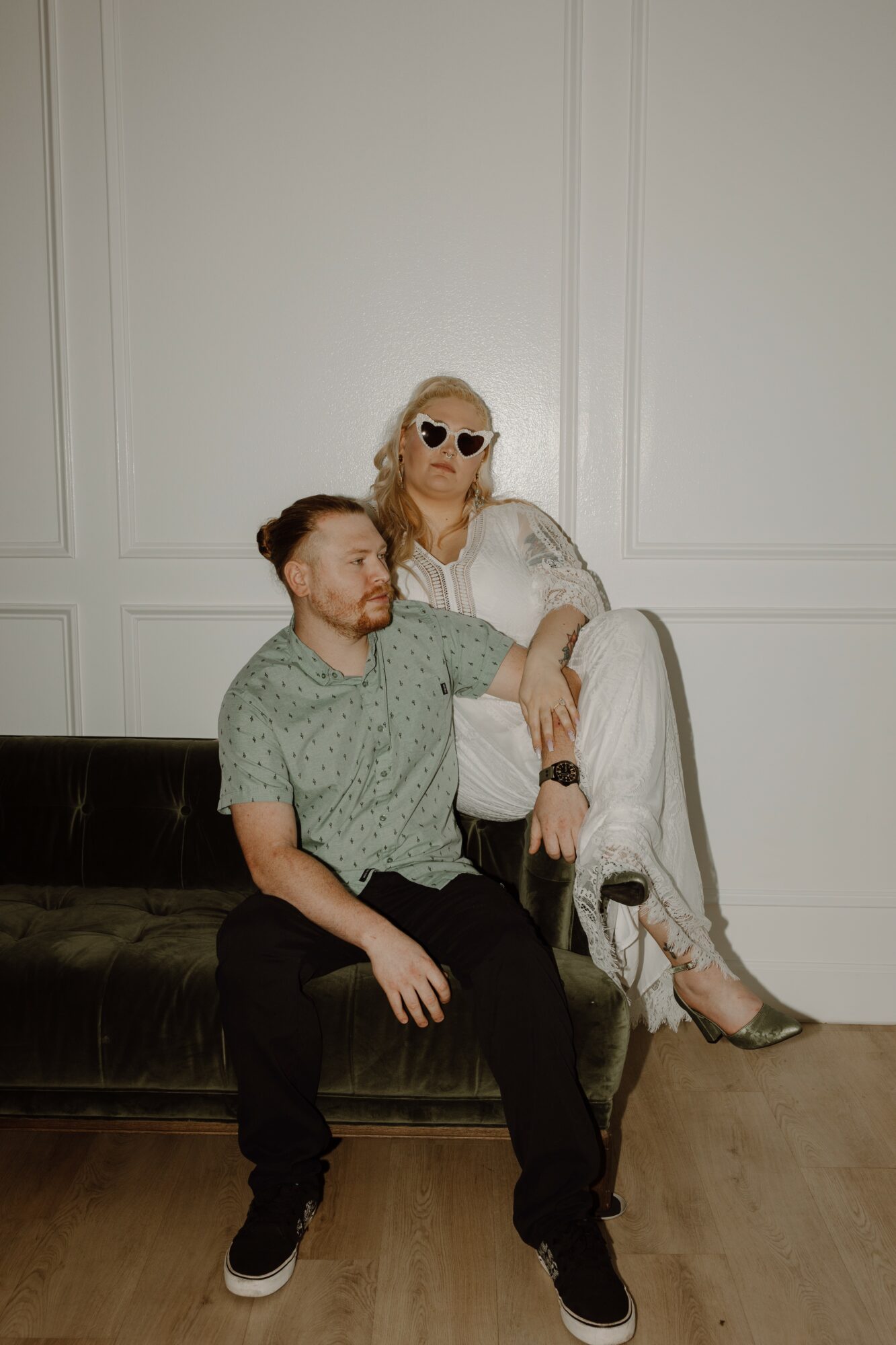
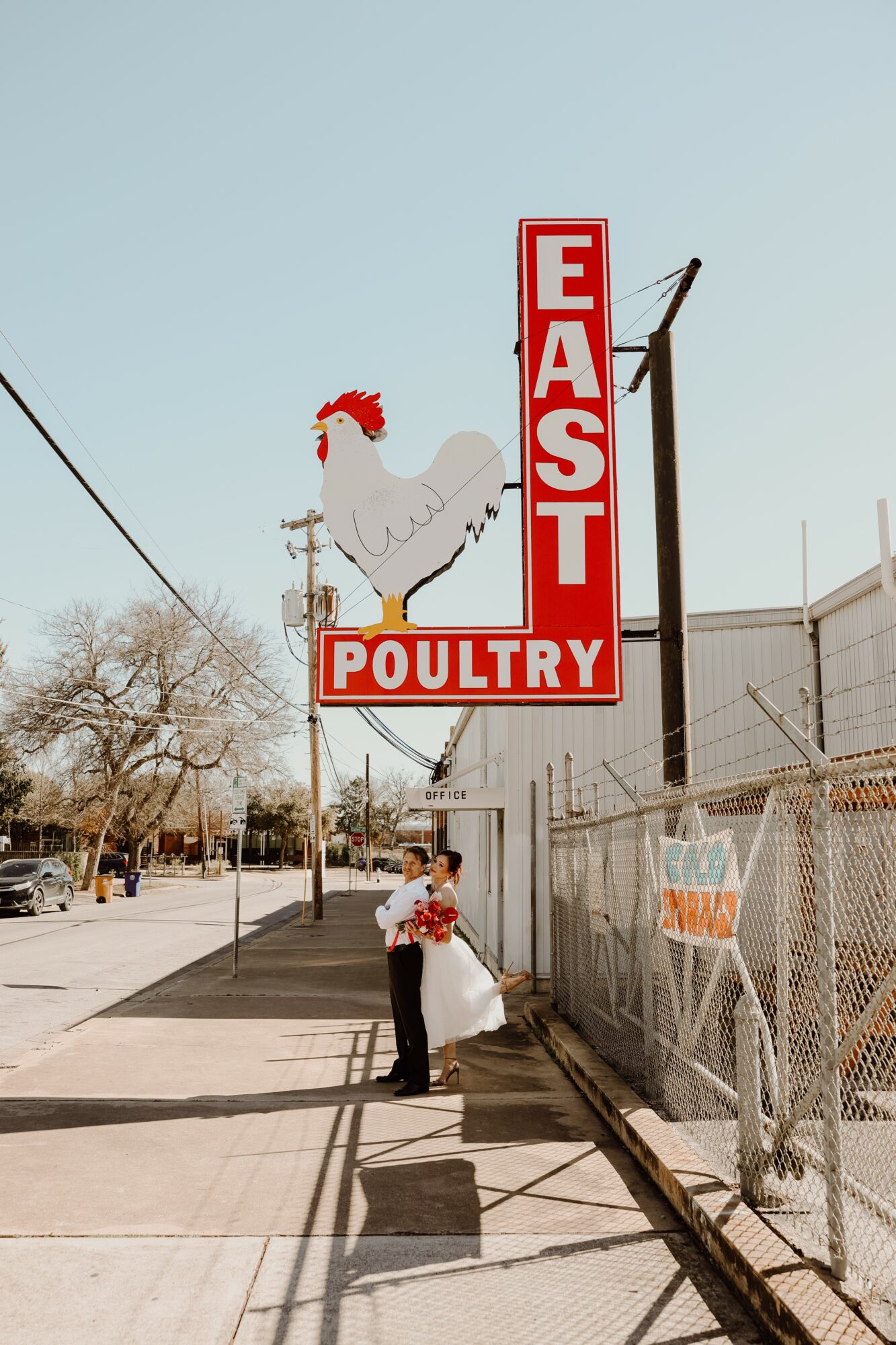
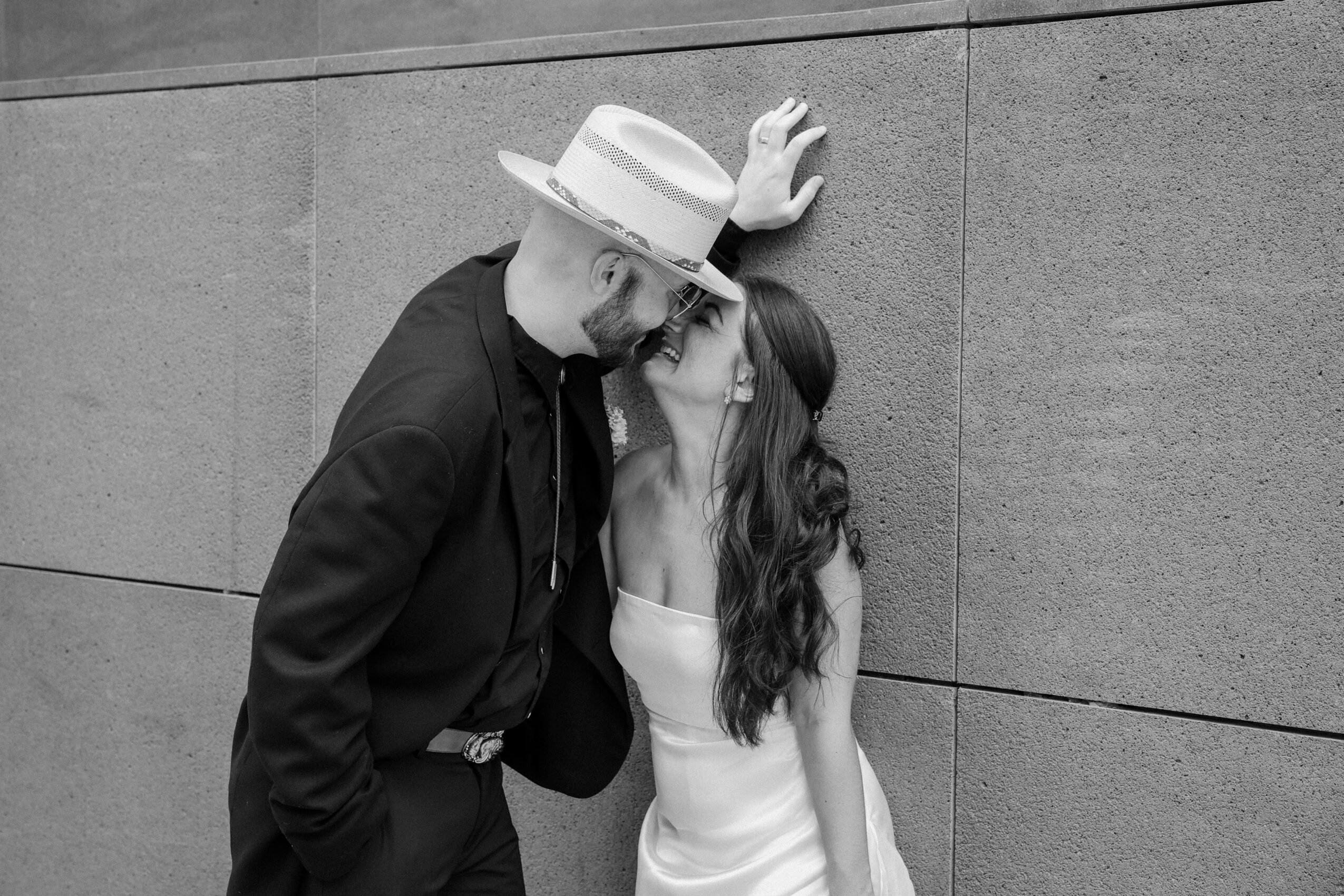
Today, Erin Frances Photography is a reflection of that evolution. I’m drawn to people who want their photographs to feel like them rather than a perfect version of what they think they’re supposed to look like. My work is rooted in connection, movement, personality, and the little moments that make a relationship or a family uniquely theirs.
After more than a decade of shooting weddings and portraits, I think the biggest thing that has changed is that I’m much less interested in following the rules of what photography is “supposed” to look like—and much more interested in creating something honest, intentional, and personal to the people in front of my camera.
We all face challenges, but looking back would you describe it as a relatively smooth road?
Definitely not! I think there’s a misconception that once you decide to make a career out of something you love, everything just naturally falls into place. The reality is that running a creative business comes with a lot of trial and error.
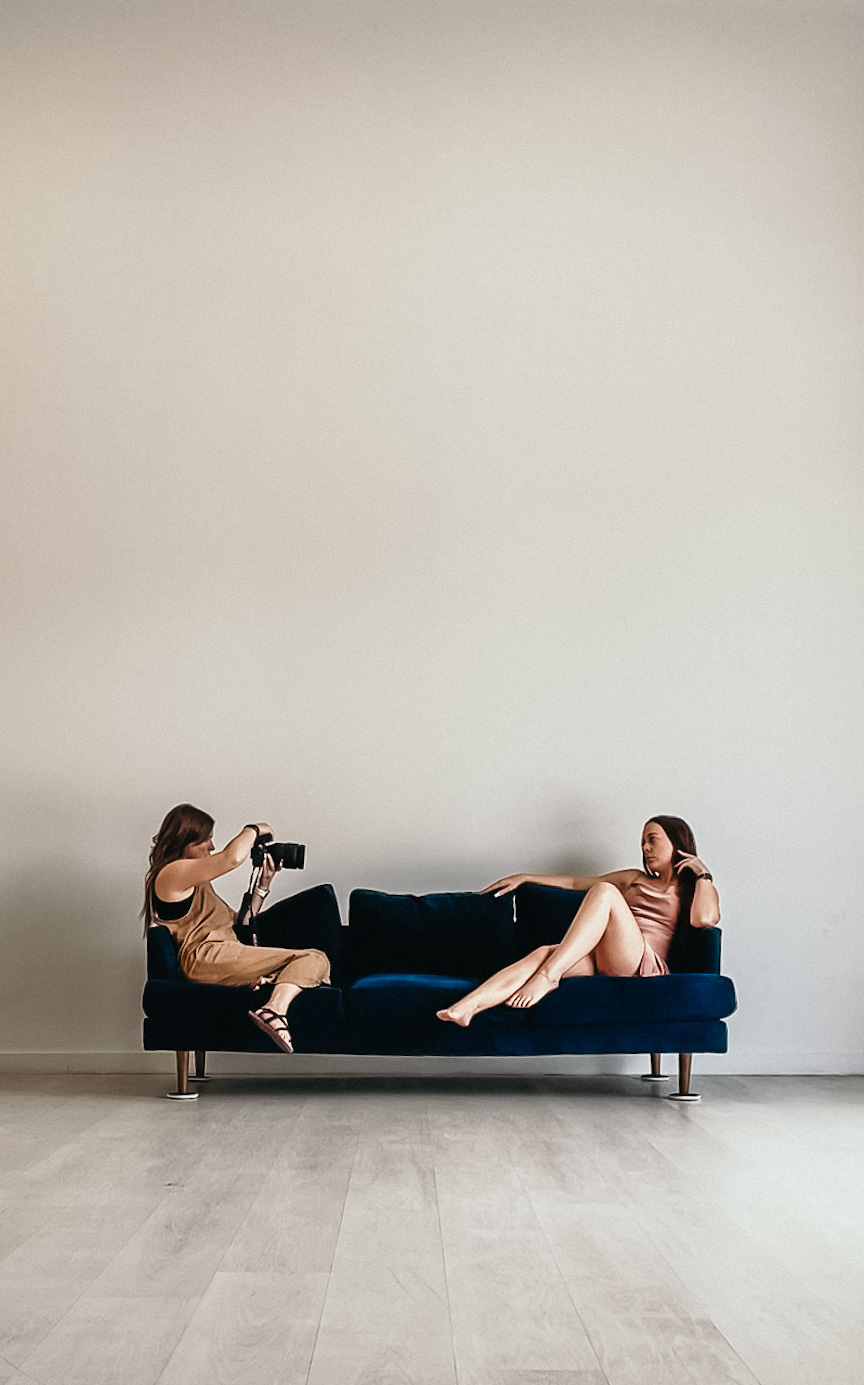
One of my biggest challenges has been figuring out how to balance photography with the rest of life. I’ve worked a full-time job alongside my photography business for years, while also trying to make time for clients, editing, marketing, networking, and, you know, actually having a life. Photography can easily become something that takes over every available hour if you let it.
I’ve also gone through periods where I questioned my work, my pricing, my branding, and whether I was doing enough. The photography industry can make it really easy to compare yourself to everyone else, especially with social media constantly showing you what someone else’s business looks like from the outside.
Over time, I’ve learned that I don’t need to build my business exactly the way someone else has built theirs. I’ve become much more comfortable being intentional about the clients I work with, the experience I want to create, and the kind of photographer I want to be.
It hasn’t always been a smooth road, but I think the bumps have ultimately made me a better photographer and a more thoughtful business owner. I’m still figuring things out—and honestly, I think that’s part of the fun.
Thanks – so what else should our readers know about your work and what you’re currently focused on?
I’m a wedding and portrait photographer based in Austin, Texas, and I photograph weddings, elopements, couples, families, chosen family, and the occasional branding or headshot session. I also travel for weddings and sessions, so I’ve had the opportunity to photograph people in a lot of different places and settings.
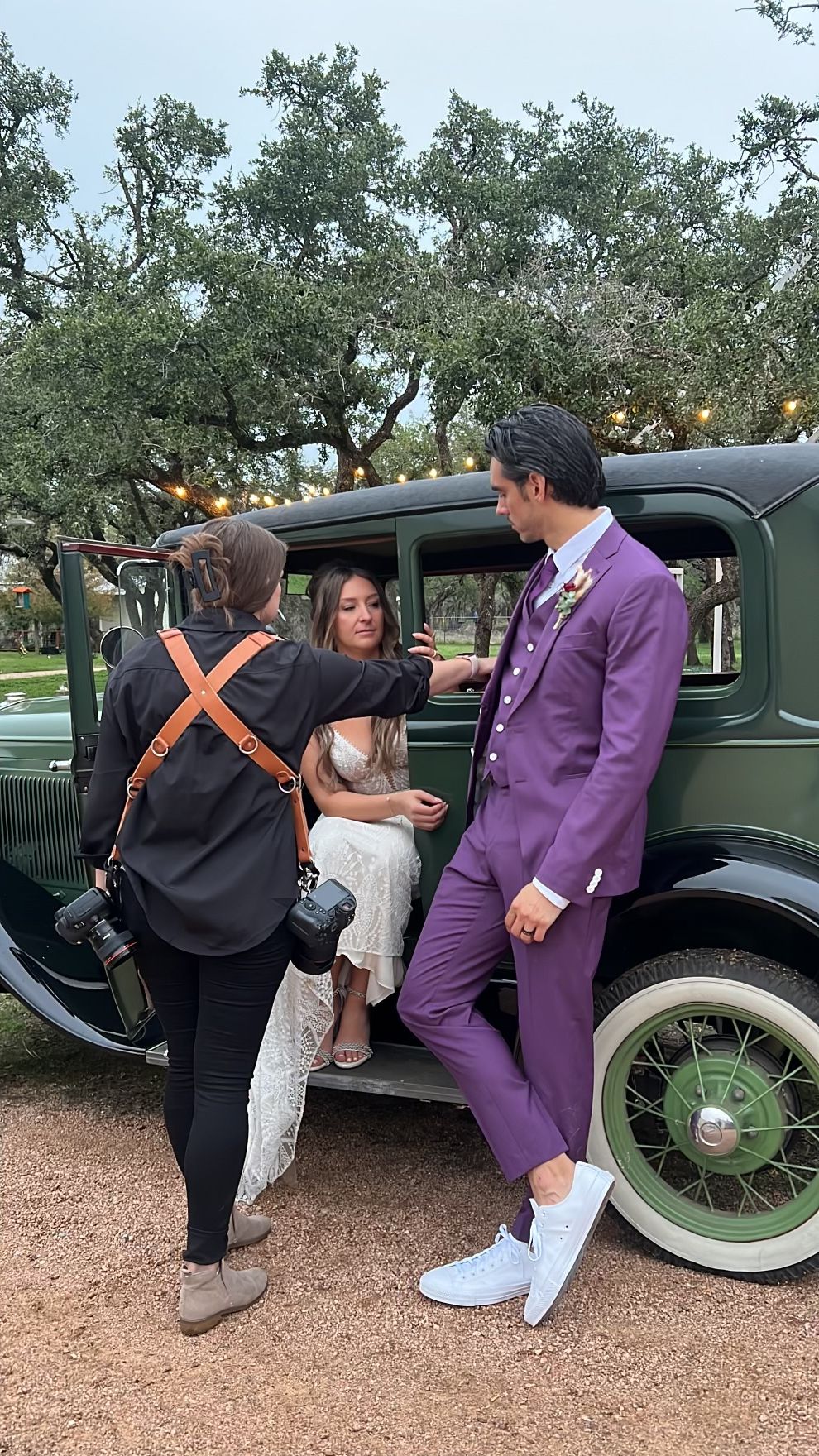
My approach is very connection-driven, but I don’t want that to mean I’m constantly telling people to “just be themselves” and then leaving them wondering what to do with their hands. I’m there to guide when people need direction and step back when a moment is better left alone. I want my clients to feel like they can actually be present in their experience rather than spending the entire day performing for a camera.
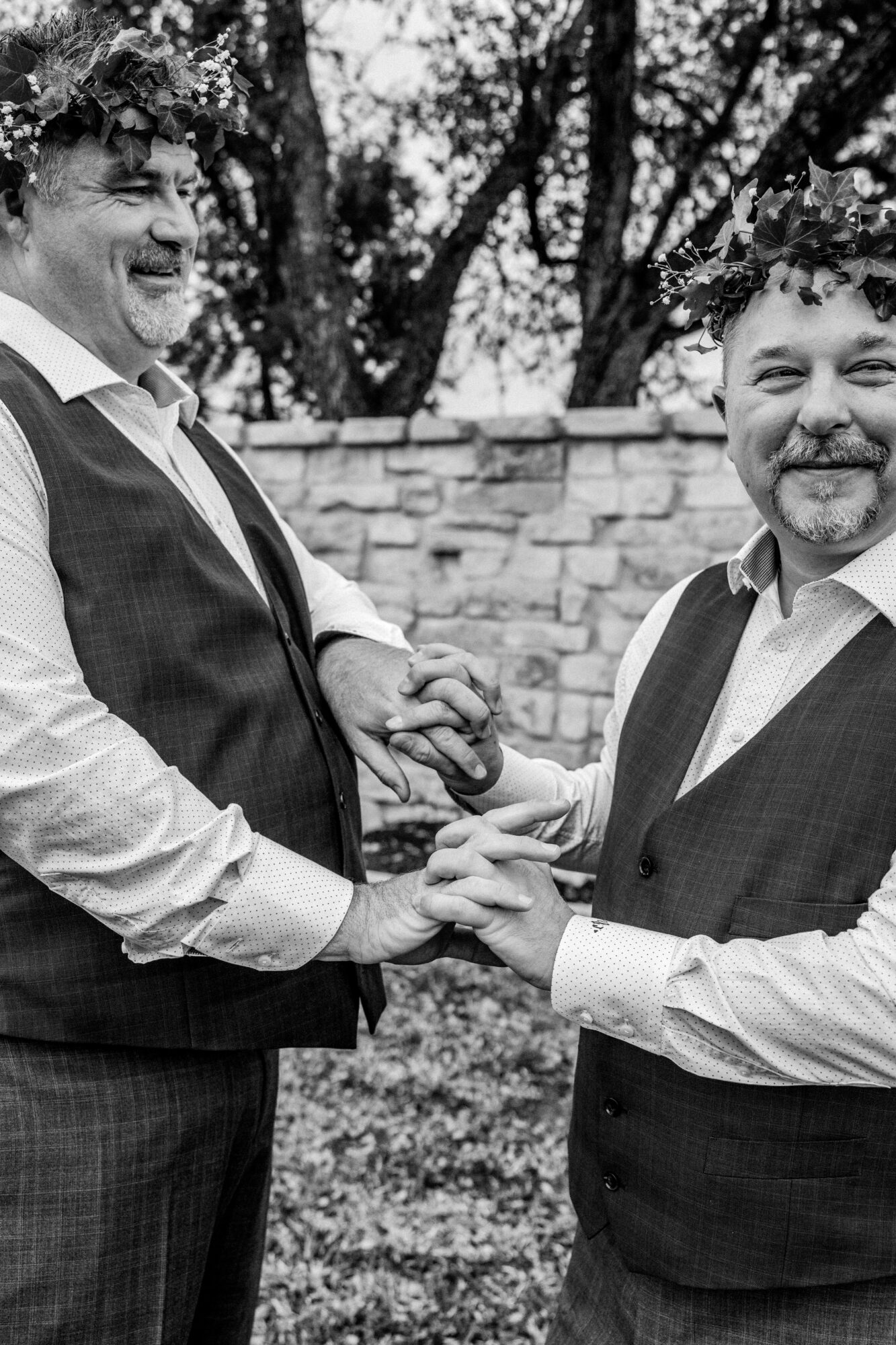
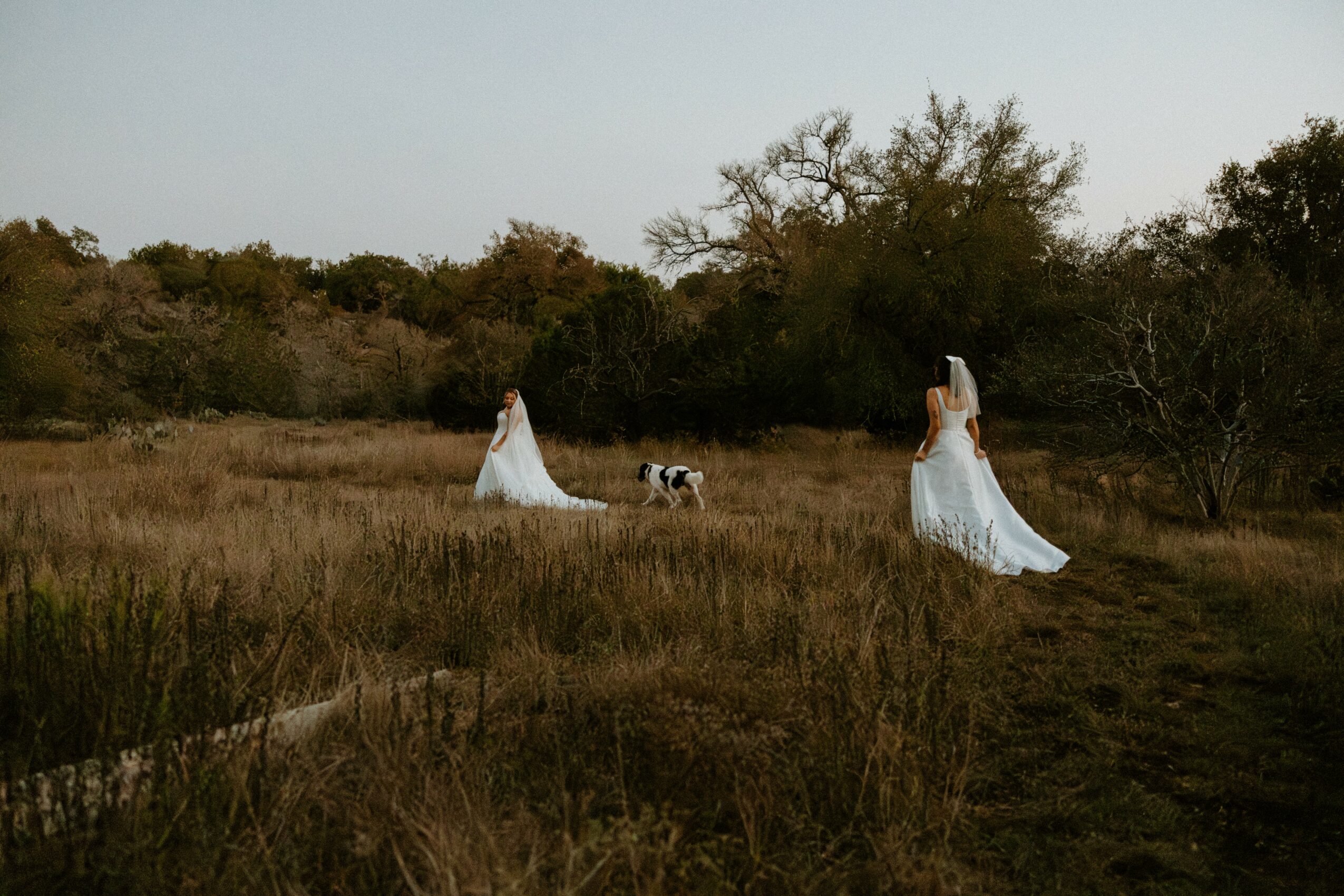
I think I’m probably best known for creating a really comfortable environment for people who don’t necessarily see themselves reflected in traditional wedding and photography spaces. I love working with couples who are doing things their own way—whether that means an elopement, a backyard wedding, a non-traditional celebration, or simply throwing out the rulebook and creating a day that feels like them.
What I’m most proud of is the relationship I build with my clients. I don’t want to just be the photographer who shows up, takes pretty pictures, and sends a gallery. I want to be someone they trust. Weddings and portraits can feel incredibly vulnerable, and I take that responsibility seriously.
I think what sets me apart is that I care just as much about the experience as I do about the photographs. I want the images to be beautiful, of course, but I also want my clients to remember that they felt comfortable, seen, celebrated, and completely themselves while I was making them.
Where do you see things going in the next 5-10 years?
I think the biggest shift we’re going to see over the next 5–10 years is a continued move away from overly curated, traditional photography and toward work that feels more personal and authentic. Couples and families are becoming more comfortable questioning the idea that there’s a “right” way to have a wedding or document their lives, and I think photographers will continue to adapt to that.
I also think AI is going to have a huge impact on the industry. We’re already seeing it change the way images are edited, created, and marketed, and I expect that to continue. There will probably be more automation in the parts of the business that photographers don’t necessarily love—editing, workflow, admin, and marketing—which could be a really positive thing.
At the same time, I think the value of real photography will become even more important. There’s something about knowing that an image actually happened—that it captures a real person, a real relationship, and a real moment—that AI can’t completely replace. As technology makes it easier to create technically perfect images, I think people will increasingly value photographs that have personality, imperfections, and genuine emotion.
I also hope we continue moving toward a more inclusive industry. The traditional wedding industry has historically centered a pretty narrow idea of what love, family, and marriage are supposed to look like. I think we’re going to keep seeing that definition expand, and I’m excited to be part of that shift.
Ultimately, I think the photographers who will thrive are the ones who can combine evolving technology with something technology can’t manufacture: genuine human connection.
Pricing:
- Weddings start at $2200
- Elopements start at $500
- Portraits start at $185 and go up from there
Contact Info:
- Website: https://www.erinfrancesphotography.com
- Instagram: https://www.instagram.com/erinfrancesphotography