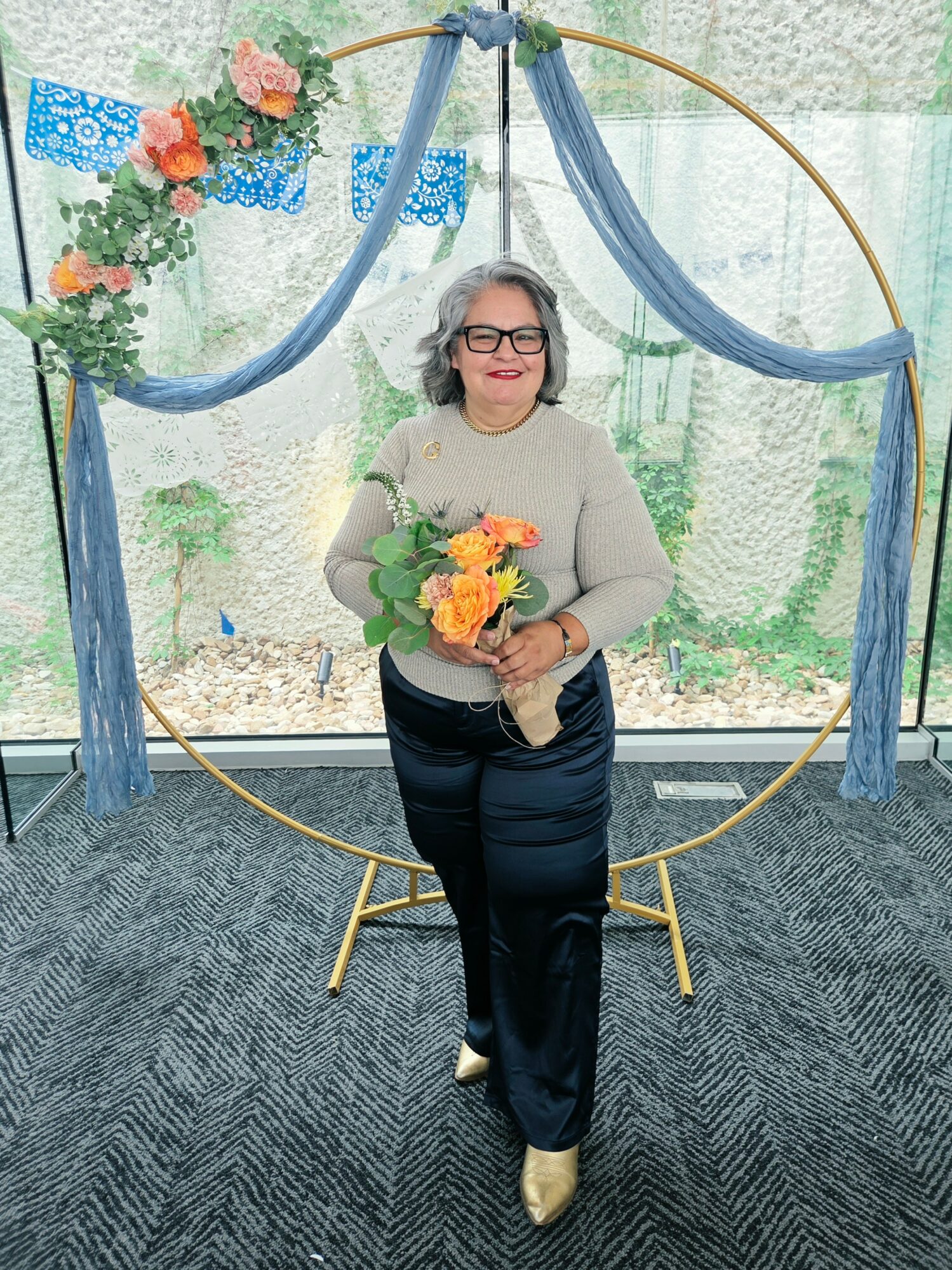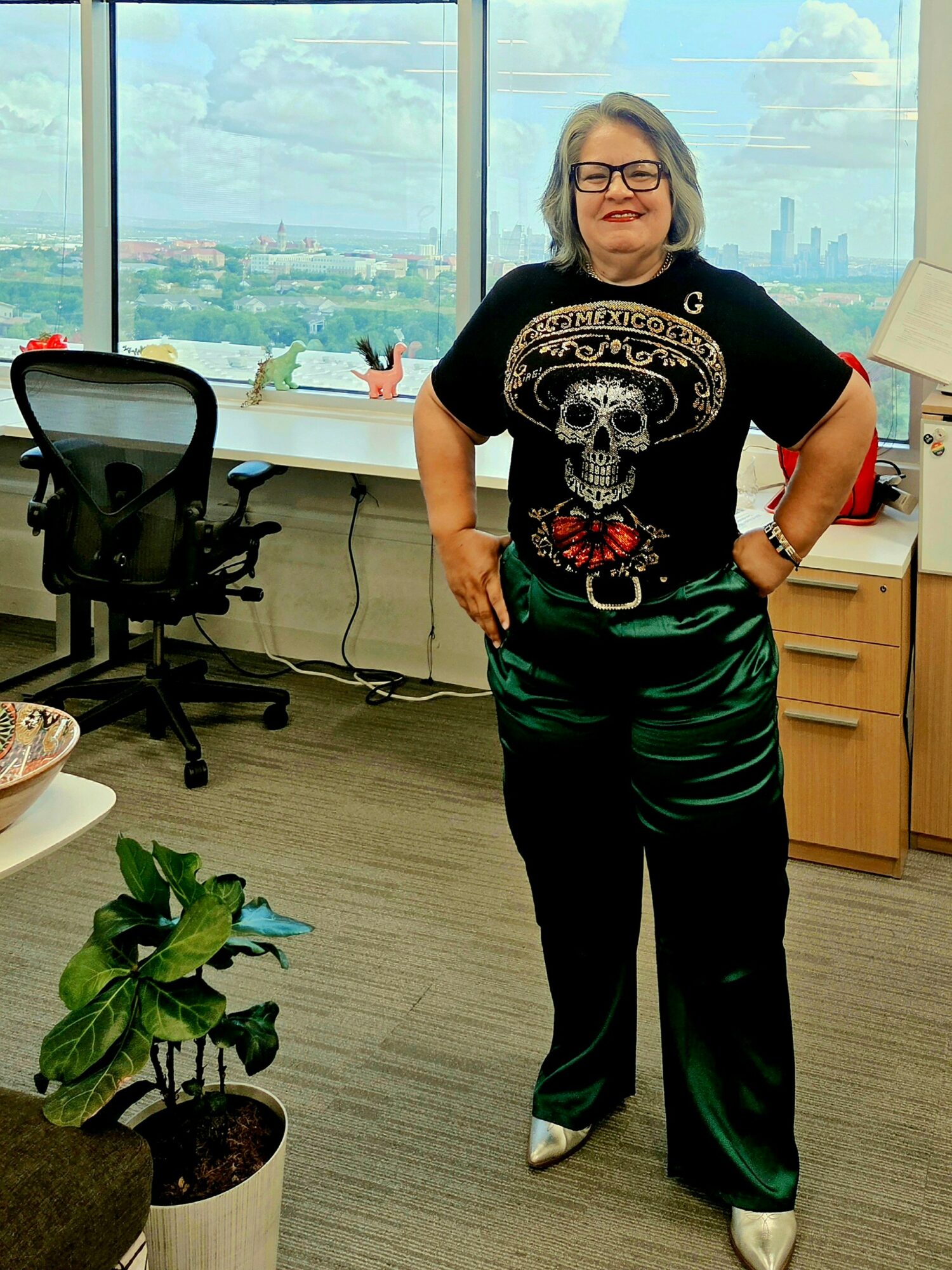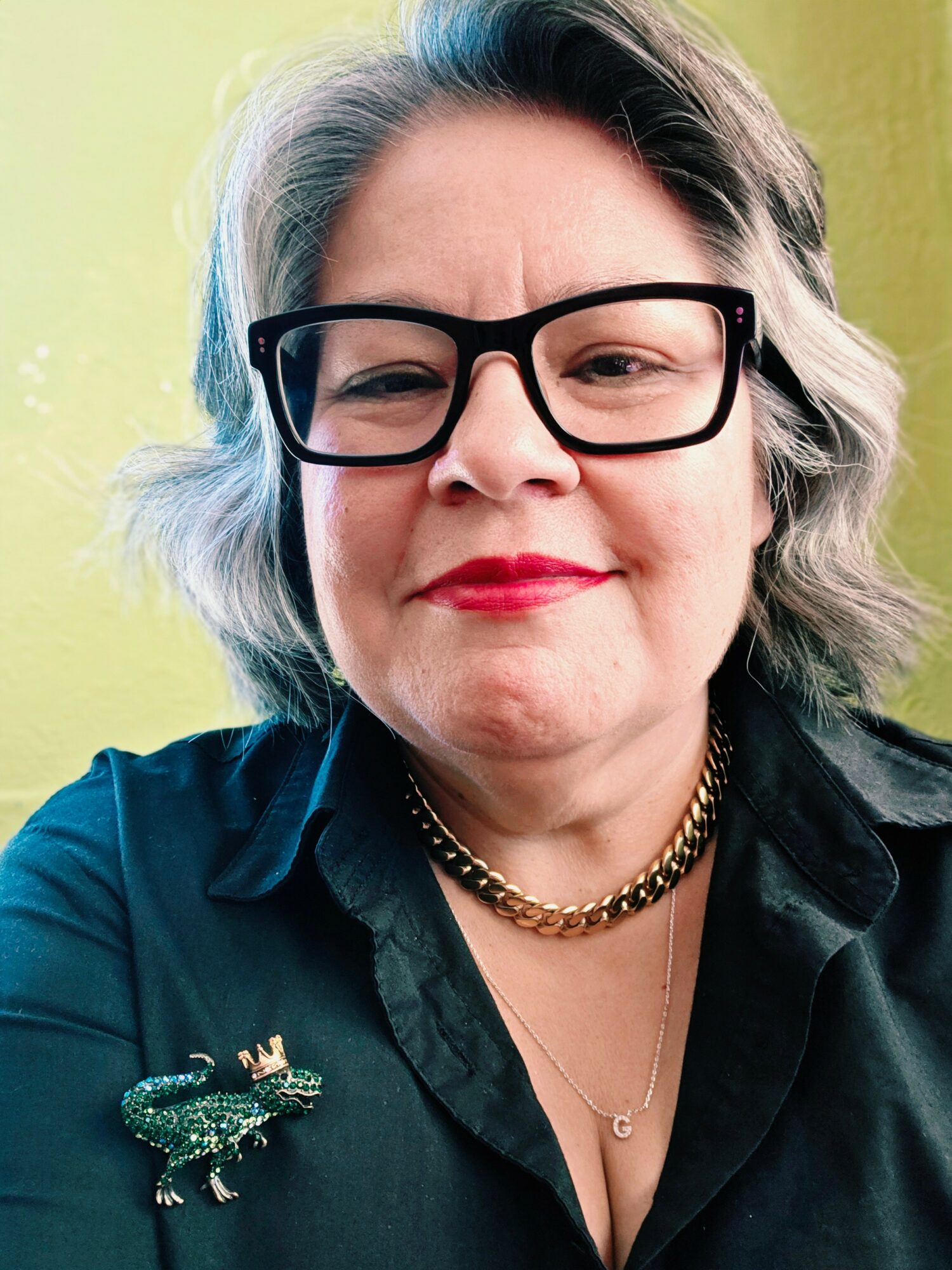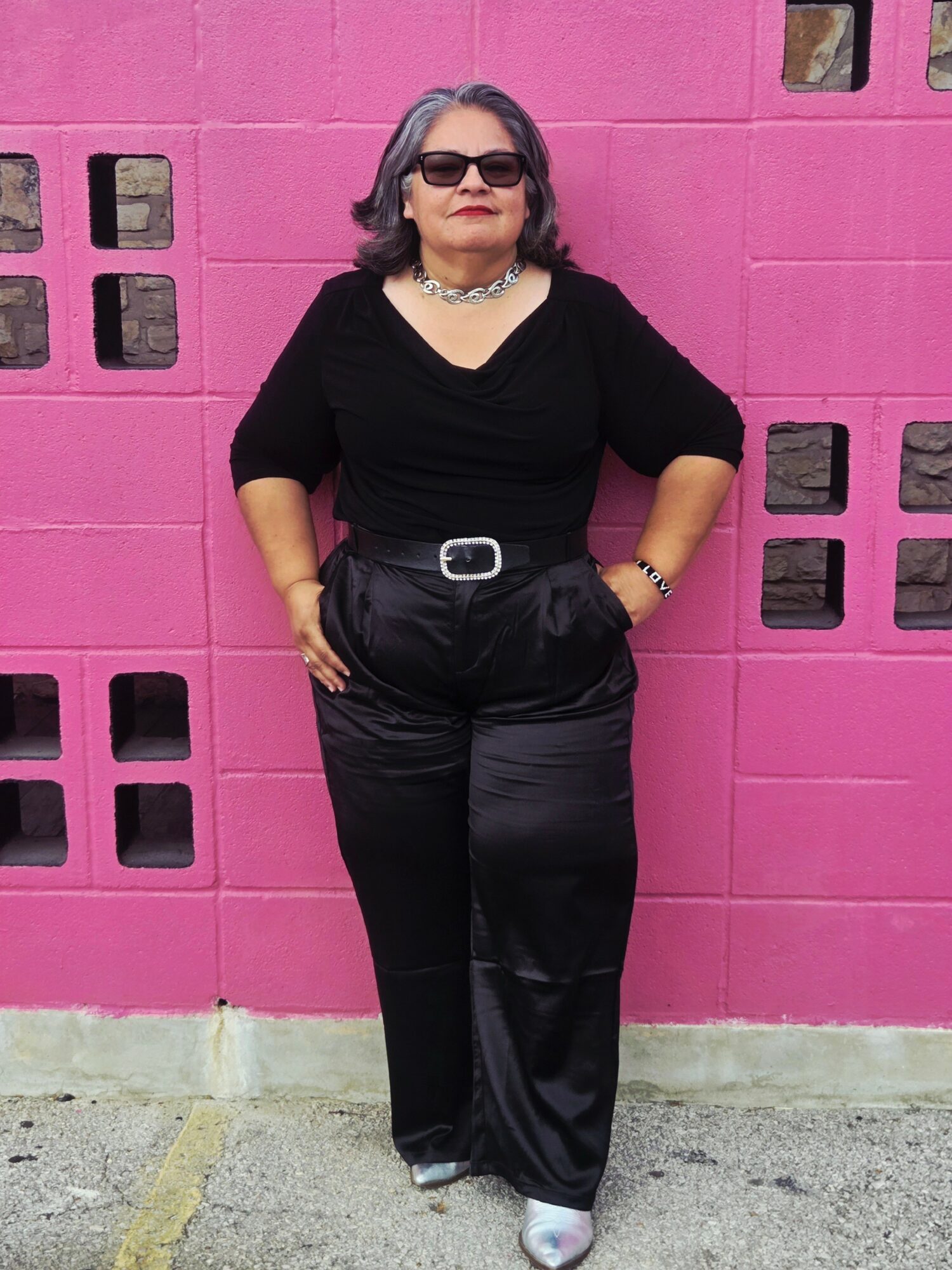



Today we’d like to introduce you to Gloria Vera-Bedolla.
Hi Gloria, it’s an honor to have you on the platform. Thanks for taking the time to share your story with us – to start maybe you can share some of your backstory with our readers?
If you had asked me years ago where my life was headed, I never would have imagined I’d end up in public education. My path has been anything but traditional, but looking back, I can see how every chapter prepared me for the work I do today.
I grew up in Lamesa, Texas, where I worked in the cotton and corn fields as a child farm worker. My family didn’t have much, and I was raised in what I now understand was a religious cult that shaped many of my early experiences. Life outside of school was devoid of television, radio, magazines, and toys. Public school became more than a place to learn; it became a place of possibility.
In fifth grade, my teacher, Ms. Judy Kinnear, saw me, and she picked me. She gave me a job delivering a television and VCR on a rolling cart whenever teachers needed them in their classroom. To someone else it may sound like a small thing, but to a little girl who had no autonomy and was rarely trusted with responsibility, it meant everything. Every time I pushed that cart down the hallway, I felt ten feet tall and bulletproof. Ms. Kinnear gave me more than a job; she gave me purpose. She helped me believe that I had something to contribute, that my presence mattered, and that I belonged. That one act changed the trajectory of my life and planted a fierce love for public education that has never left me.
My journey wasn’t easy. I dropped out of high school after the tenth grade, got married, became a teen mom, and my educational path looked very different from what many people expect. I don’t have a college degree, and there were seasons when I questioned whether I belonged in professional spaces where credentials often seemed to matter more than lived experience. But I kept saying yes to opportunities to serve, to learn, and to grow. Community organizing became my classroom. Every meeting, every partnership, and every difficult conversation taught me something about leadership, trust, and the power of bringing people together around a shared purpose. I may not have followed a traditional educational path, but I’ve never stopped learning. I’m constantly reading, asking questions, seeking mentors, and looking for opportunities to grow because I believe learning is a lifelong responsibility.
Today, I serve as the Districtwide Community Engagement Coordinator for Austin ISD, where I have the privilege of helping families, schools, and community partners remove barriers and build trust. My work centers on stakeholder engagement, authentic relationships, and ensuring families have meaningful opportunities to help shape decisions that affect their children.
Outside of work, you may find me volunteering for one cause or another. I’m a founding member of several community organizations because I believe ordinary people are capable of extraordinary things when we come together with a shared purpose while protecting the dignity of the people we serve. Whether I’m working alongside neighbors, advocating for public education, spending time with my family, or playing my guitar as the world’s okayest guitar player, I’m happiest when I’m helping people find community.
I hope that through my work I can do for someone else what Ms. Judy Kinnear did for me: truly see them. Sometimes that means removing barriers. Sometimes it means opening doors. Sometimes it simply means reminding someone that they belong. I’ve learned that when one person chooses to truly see another, it can change the trajectory of a life, and sometimes, the trajectory of generations.
Because every child carries a world within them. Cada cabeza es un mundo. When we build up a child, we are building up a family, a community, and a nation.
Would you say it’s been a smooth road, and if not what are some of the biggest challenges you’ve faced along the way?
The biggest obstacles in my life were never just financial or educational. They were the barriers that existed all around me and, eventually, I built some up inside me. I grew up in poverty, worked in the fields as a child, and was raised in what I now understand was a religious cult. I survived childhood sexual abuse, entered adulthood carrying years of untreated trauma, left high school after the tenth grade, became a young mother, and spent years working jobs that simply helped me provide for my family. For a long time, I believed the barriers around me defined what was possible and impossible for my life.
As I’ve healed and grown, I’ve realized those experiences shaped the way I see the world. I notice barriers because I’ve lived with them. I notice the family who doesn’t understand the school system because I know what it feels like to navigate systems that weren’t built for you. I notice the person who isn’t speaking because I remember what it felt like not to have a voice. I notice the person who needs a little extra support because I know how much it matters when someone takes the time to see you.
That’s not something I learned from a textbook or a leadership training. It came from my lived experience. My work has never really been about meetings, strategic plans, or stakeholder engagement. Those are simply the language our systems understand. The real work has always been removing barriers so people can participate fully without sacrificing their dignity, know that they belong, and believe their voice matters.
The truth is, I’m a work in progress. I’m still healing. I’m still learning. I’m still challenging the voice that sometimes tells me I’m not enough. But every step of my journey has made me a better listener, a more compassionate leader, and a stronger advocate. My life has taught me that when we remove barriers and treat people with dignity, we don’t just change outcomes, we change the trajectory of generations.
Thanks – so what else should our readers know about your work and what you’re currently focused on?
My work is centered around one belief: people deserve to have a voice in the decisions that impact their lives. As the Districtwide Community Engagement Coordinator for Austin ISD, I have the privilege of creating opportunities for families, schools, and community partners to come together, build relationships, and help remove barriers that prevent people from fully engaging with our public education system.
I did not come into this work through a traditional path. I came into it as a parent who wanted to understand what was happening in my own children’s schools over 20 years ago. The experiences from all the way back then taught me that engagement is not just about sharing information or checking a box. It is about listening, building trust, honoring people’s experiences, and creating spaces where families feel respected and valued.
I know what it feels like to navigate systems that were not designed with everyone’s success in mind. I know what it feels like to wonder if your voice matters because bigger voices seem to drown yours out. Those experiences shape the way I see the world and remind me why it is so important that families have access to information, opportunities, and relationships that help them advocate for themselves and their children.
The most meaningful and challenging moments in my work have been during times of uncertainty and change. Public education is complicated. It is constantly navigating change, competing priorities, and decisions that impact entire communities. But I have also seen what happens when people come together with honesty, compassion, and a shared commitment to children.
When situations are heavy and emotions are high, I remind myself that sometimes I just need to listen. Sometimes there are no words that will make the moment easier, and sometimes a hug from one mom to another is exactly what the moment needs. That is where the possibility lives.
The resources, partnerships, and funding opportunities we help create are important tools, but they are not the work itself. The work is people. It is the relationships we build, the trust we earn, and the barriers we remove so families can thrive.
Outside of my role with Austin ISD, I continue this work through community organizing, volunteering, and partnerships with organizations that believe in the power of collective action. I believe ordinary people are capable of extraordinary things when they are given the opportunity, support, and respect they deserve.
At the end of the day, my work has never really been about engagement. It has always been about people. It is about making sure families know they belong, that their voices matter, and that they have a role in building the future of our communities.
What sort of changes are you expecting over the next 5-10 years?
Public education is at a critical crossroads across the nation. Right now, I feel like I am standing at one of the busiest intersections in the field. Schools and communities are navigating an incredible amount of change: declining enrollment, school closures, consolidations, campuses facing academic challenges, budget constraints, boundary changes, transportation impacts, and difficult decisions that affect students, families, and staff.
In moments like these, engagement is not a nice-to-have. It is essential. When communities are experiencing uncertainty, people need more than information, they need opportunities to ask questions, share concerns, be heard, and understand how decisions are being made. This is where trust is either strengthened or lost.
As a parent of a school-aged child, I am navigating many of the same questions and challenges that families across our community are facing. That personal connection reminds me that engagement is not theoretical; it is deeply personal. The work is not abstract. It requires showing up, sitting with people, listening to their concerns, helping families navigate complicated systems, and sometimes offering a hug when there are no perfect words. It is un poquito de todo; strategy, communication, empathy, patience, and a whole lot of humanity.
In communities where many families are bilingual and bicultural, meaningful engagement requires more than simply translating information. Translation converts words from one language to another, but communication creates understanding. Families deserve information that is accessible, culturally responsive, and delivered in a way that allows them to fully participate and advocate for their children.
Trust is built over time through relationships, honest communication, and a willingness to say what we know, acknowledge what we don’t know yet, and continue showing up through difficult moments.
The challenges facing public education are significant, but I also see tremendous opportunity. Every difficult conversation is an opportunity to listen better, remove barriers, and find new ways to support students and families. When we center people, protect their dignity, and work together toward a shared purpose, we can create stronger schools and stronger communities.
Pricing:
- Does not apply to my role in Austin ISD
Contact Info:
- Instagram: @gloria_vera_bedolla
- Facebook: https://facebook.com/gloria.verabedolla
- LinkedIn: https://linkedin.com/in/gloria-vera-bedolla-18609868