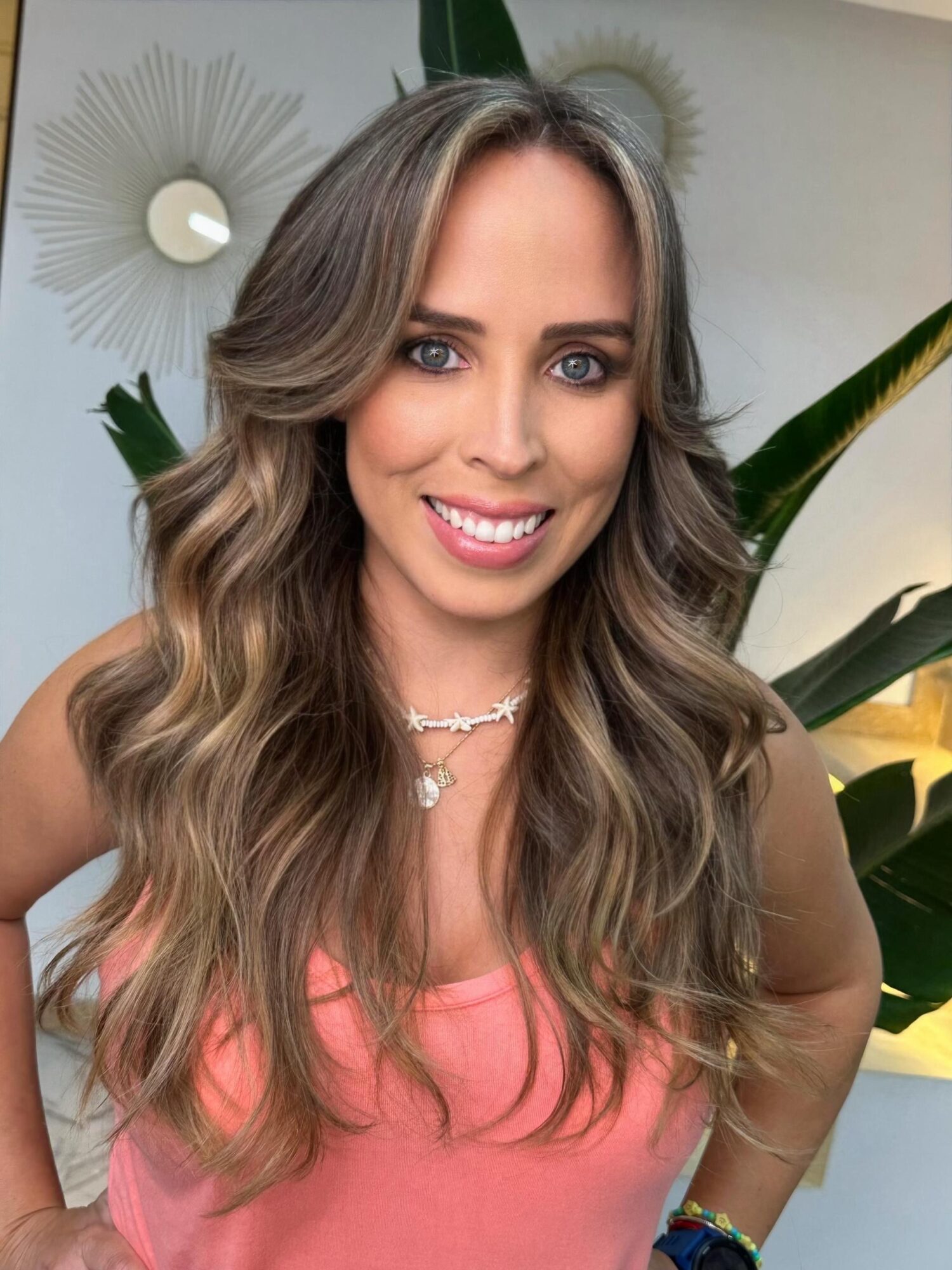



Today we’d like to introduce you to Ingrid Caribay Valero Rivero.
Hi Ingrid Caribay, it’s an honor to have you on the platform. Thanks for taking the time to share your story with us – to start maybe you can share some of your backstory with our readers?
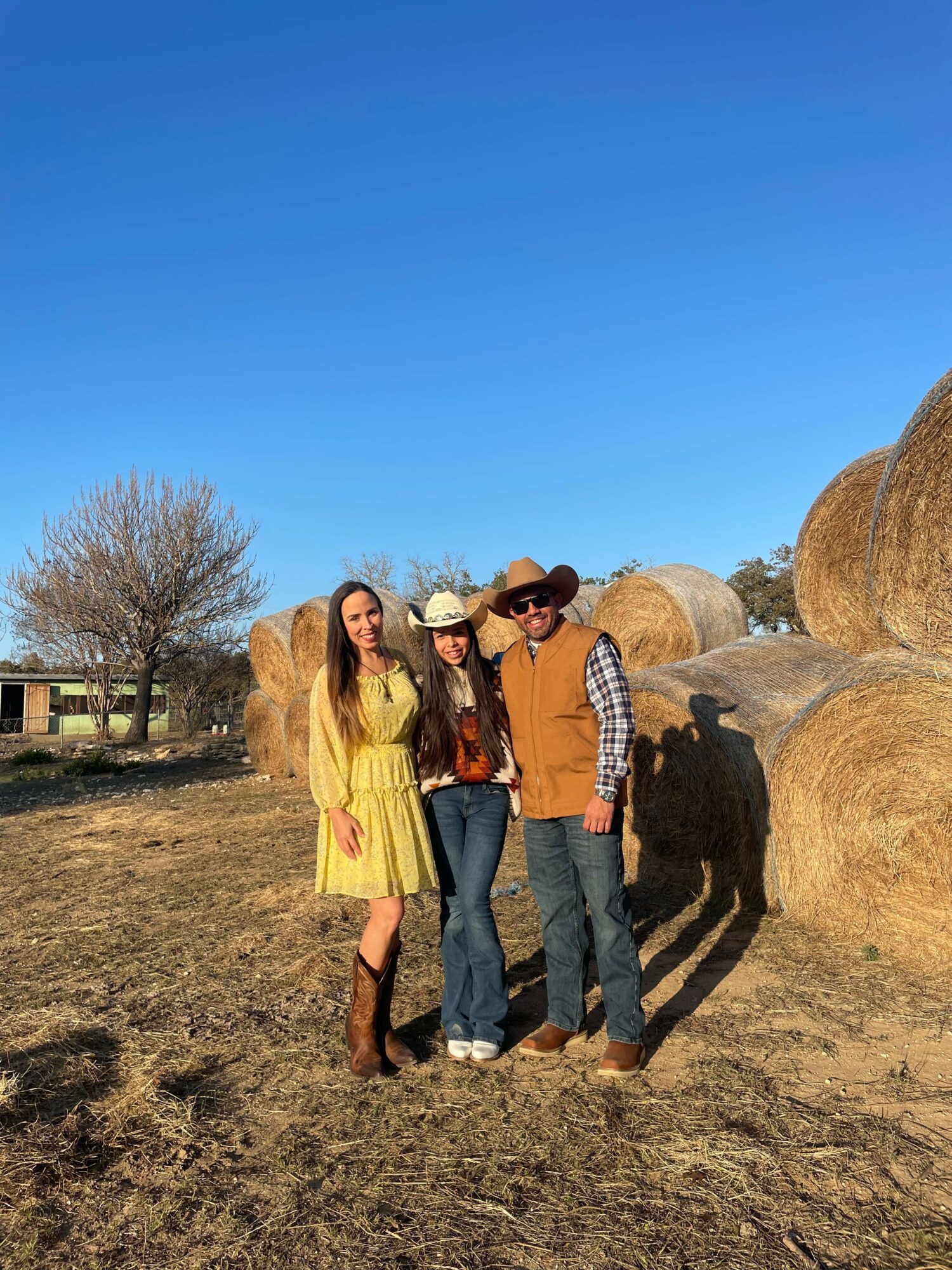
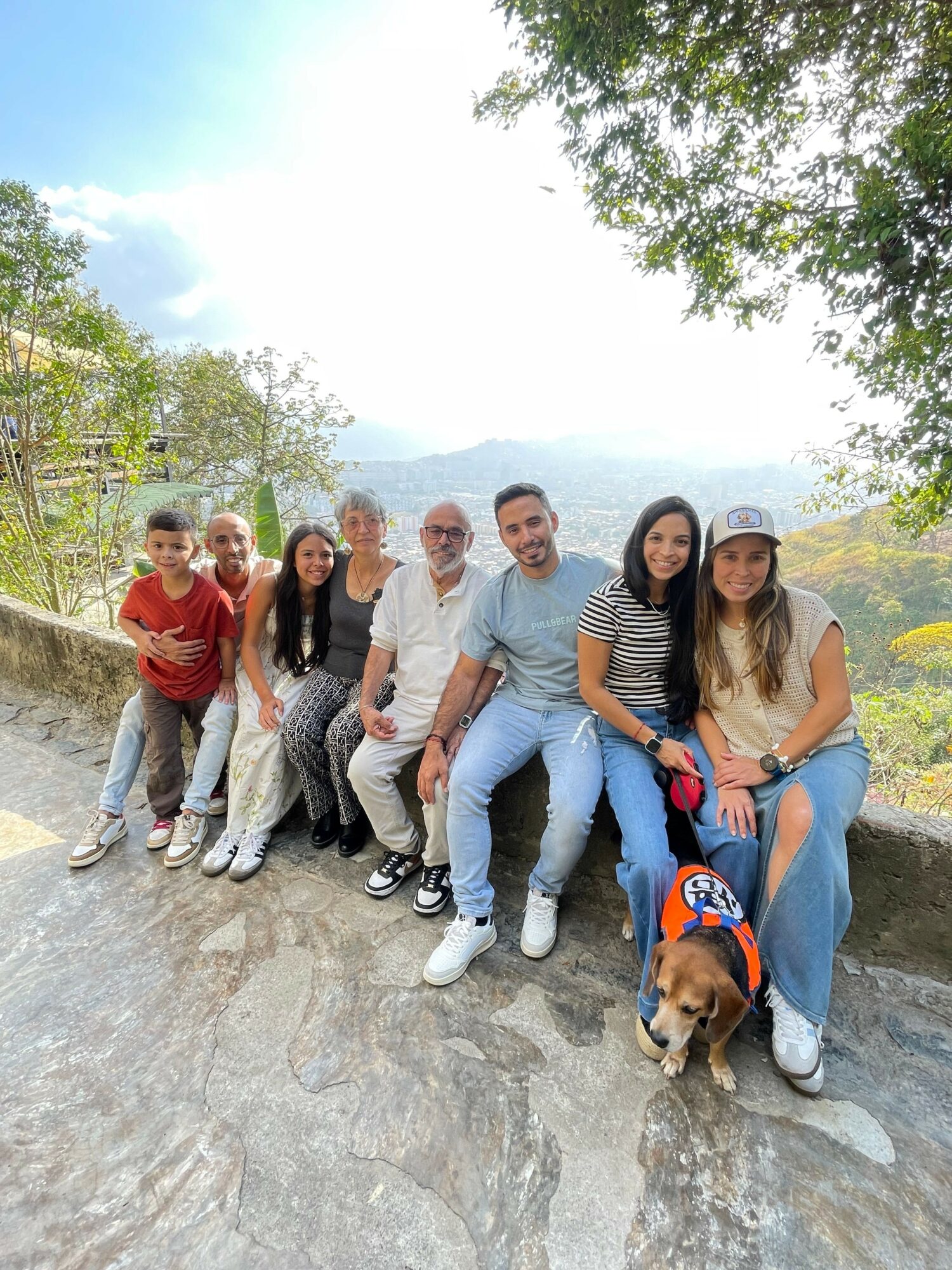
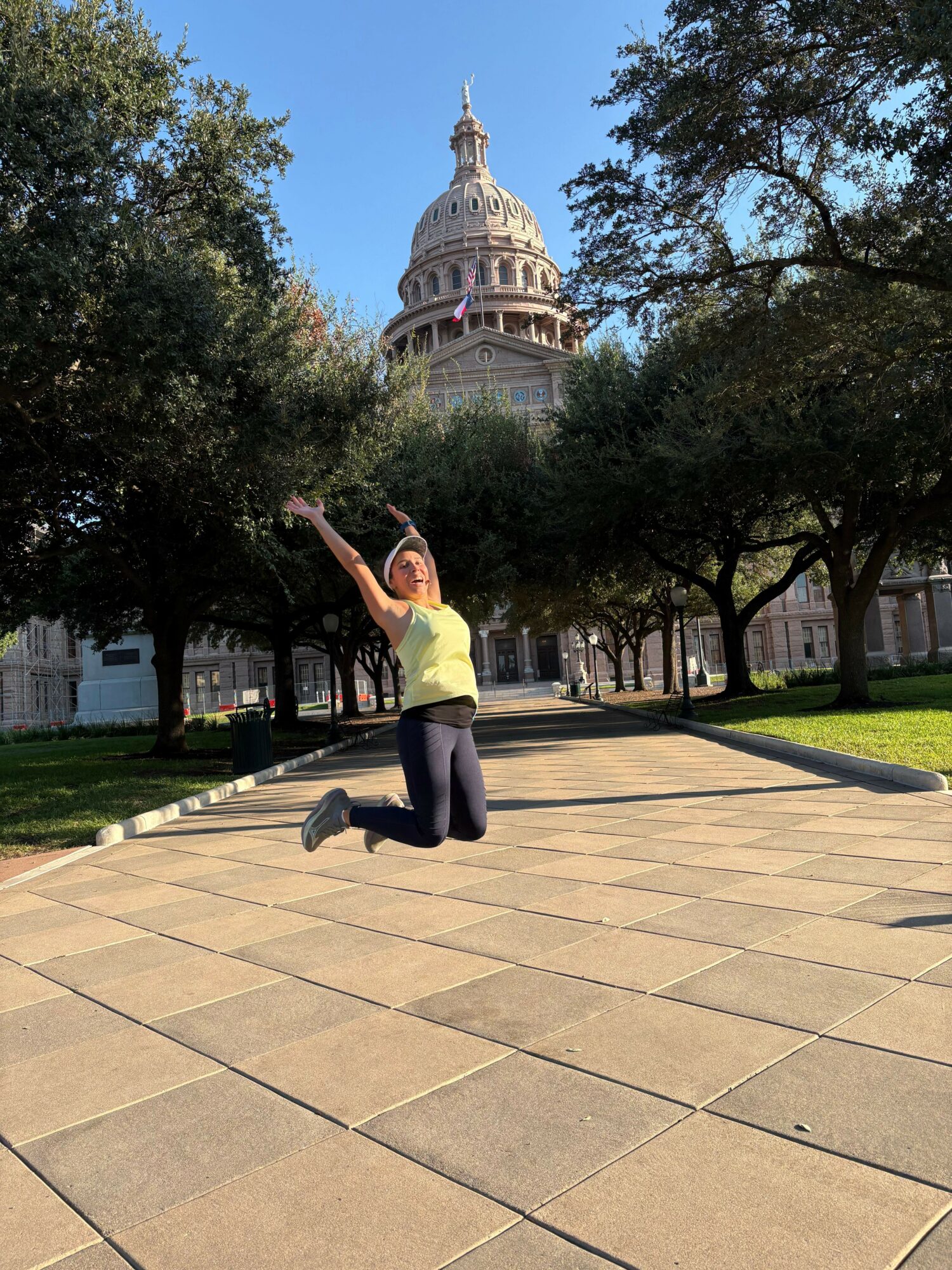
Living in Austin, Texas, is without a doubt one of the most defining chapters of my story, and that is right where I want to start. Along with my husband and daughter, I am one of the more than 8 million Venezuelans who were forced to leave our homeland in search of a better future and real opportunities—a place where my daughter could grow up safe, knowing that hard work can make your dreams possible, where she could express herself without fear of judgment or persecution, and where the future looked brighter than the one back home. That is how God and life brought us to Austin, the city that became our home for six wonderful years and where we left behind an amazing extended family of incredible people we met along the way.
When we made the decision to migrate in 2019, I had a established career as a communications professional, with over a decade of experience in Venezuelan media. But my priority was the responsibility of taking care of my family in a country sinking into a deep economic, political, and social crisis. So, without looking back, I gathered my courage, packed 33 years of life into a 50-pound suitcase, and moved to the United States. My first and only stop: Austin, Texas.
There, we had to start completely from scratch—facing a new language, culture, and unfamiliar educational, political, and social systems. Despite the anxiety of an uncertain future, I was convinced it was the best decision at the time, and it truly was. Like many immigrants, I worked cleaning houses, cooking in restaurants, driving endless hours delivering goods, and taking shifts on Amazon and DoorDash. All while trying to stay active as a journalist by hosting interviews on IG Live and co-founding *Reporte Latinoamérica*, an online journalism project created alongside a close colleague and friend.
My goal was always clear: to return to my field and build a name for myself as a journalist in Austin, undeterred by language barriers, system complexities, or a lack of contacts. I immersed myself in the city, learning its layout, political dynamics, challenges, strengths, and leaders. Meanwhile, I applied to two local media outlets. One turned me down, but the other took a chance on me. Through pure hard work and merit, I joined Telemundo Austin, where I served for three years as a Multimedia Journalist and substitute Anchor.
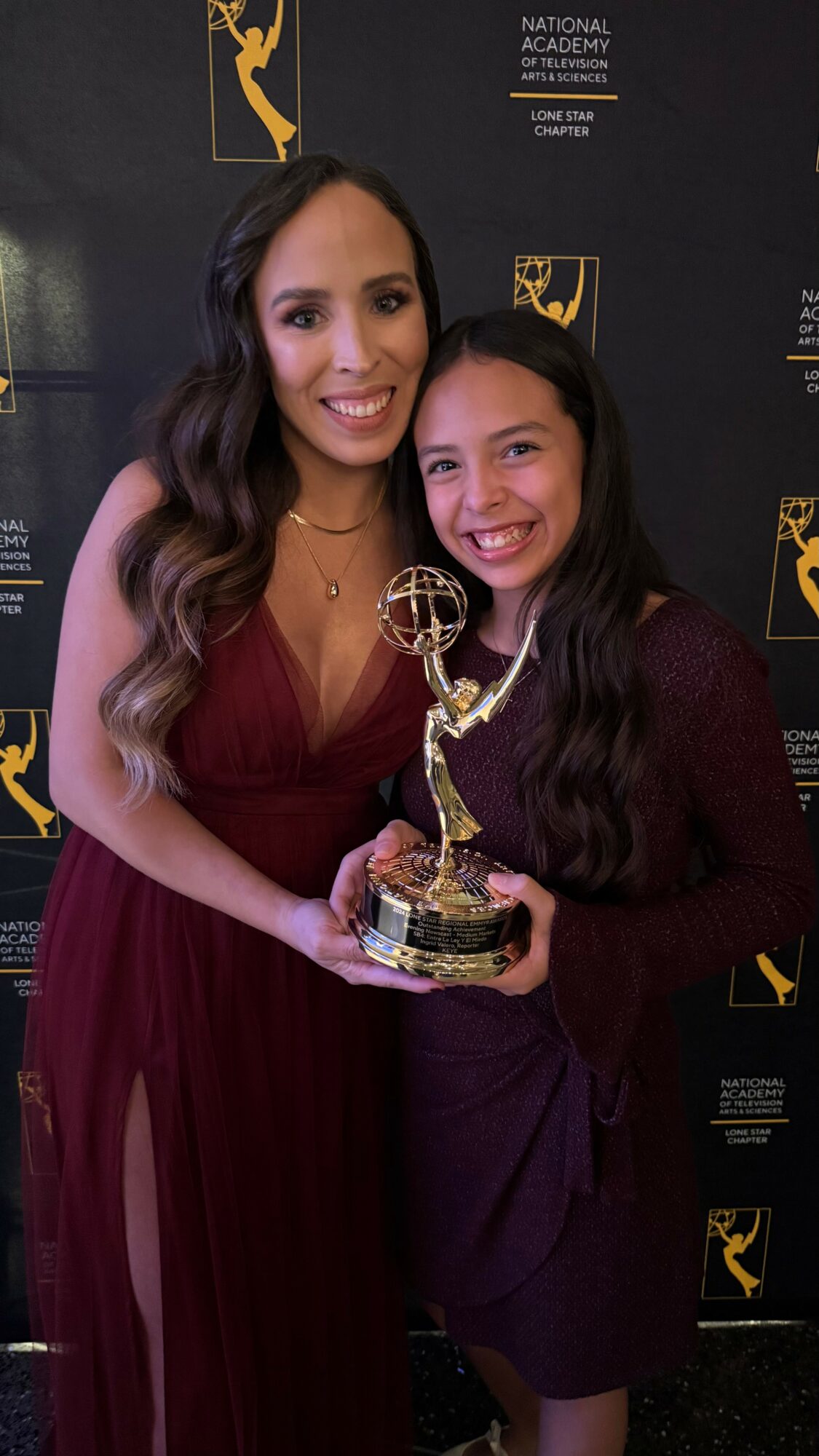
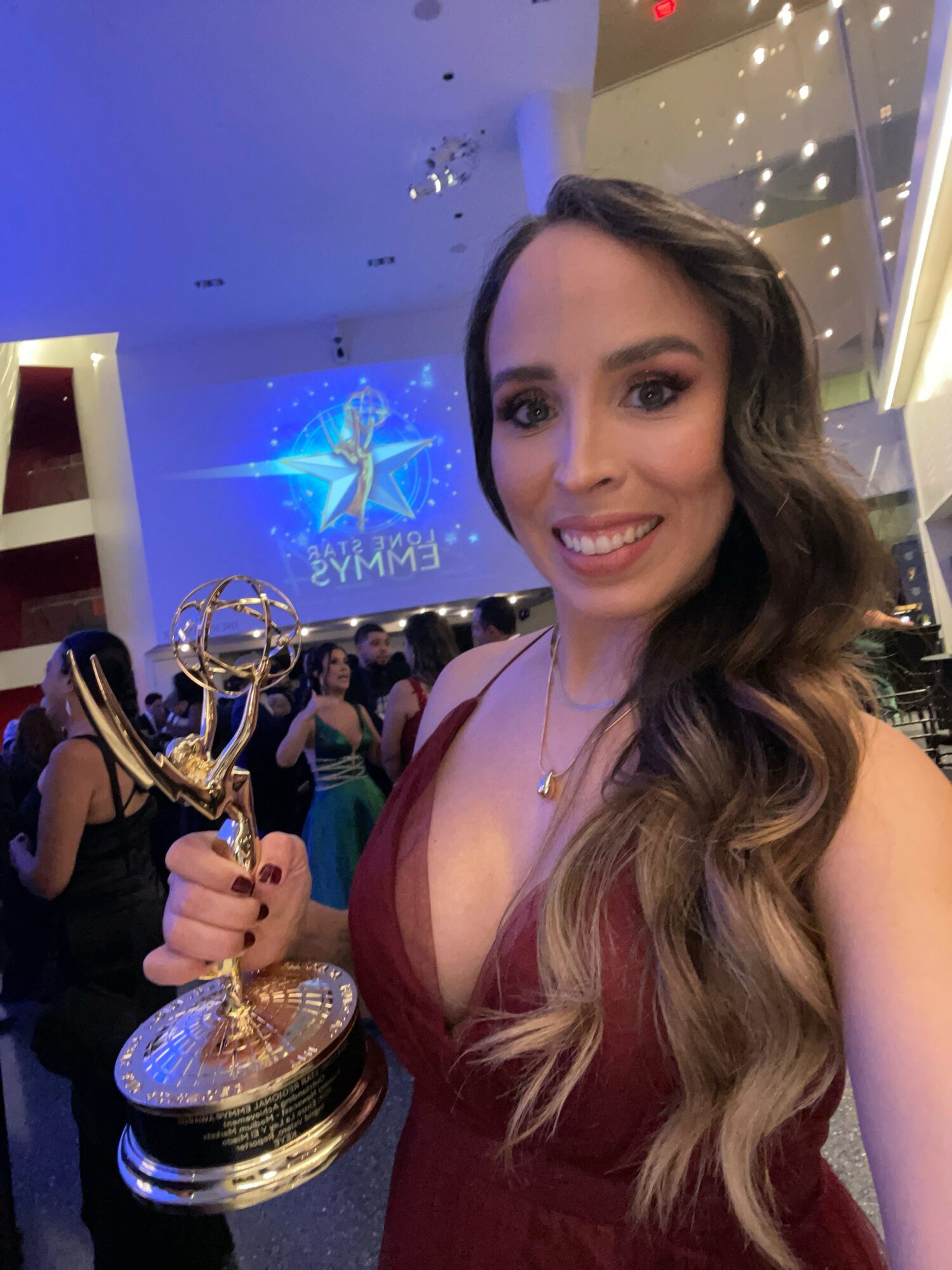
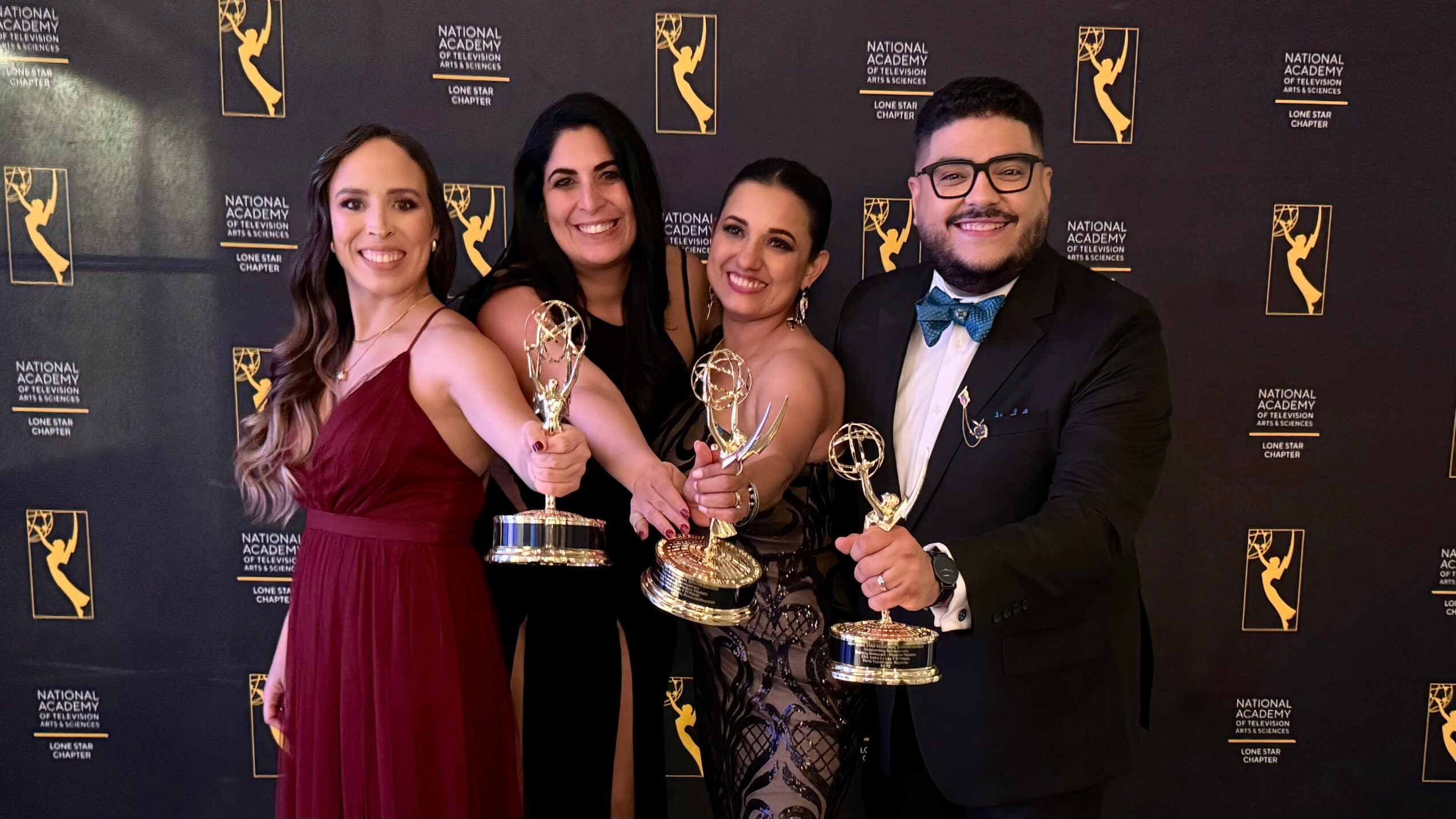
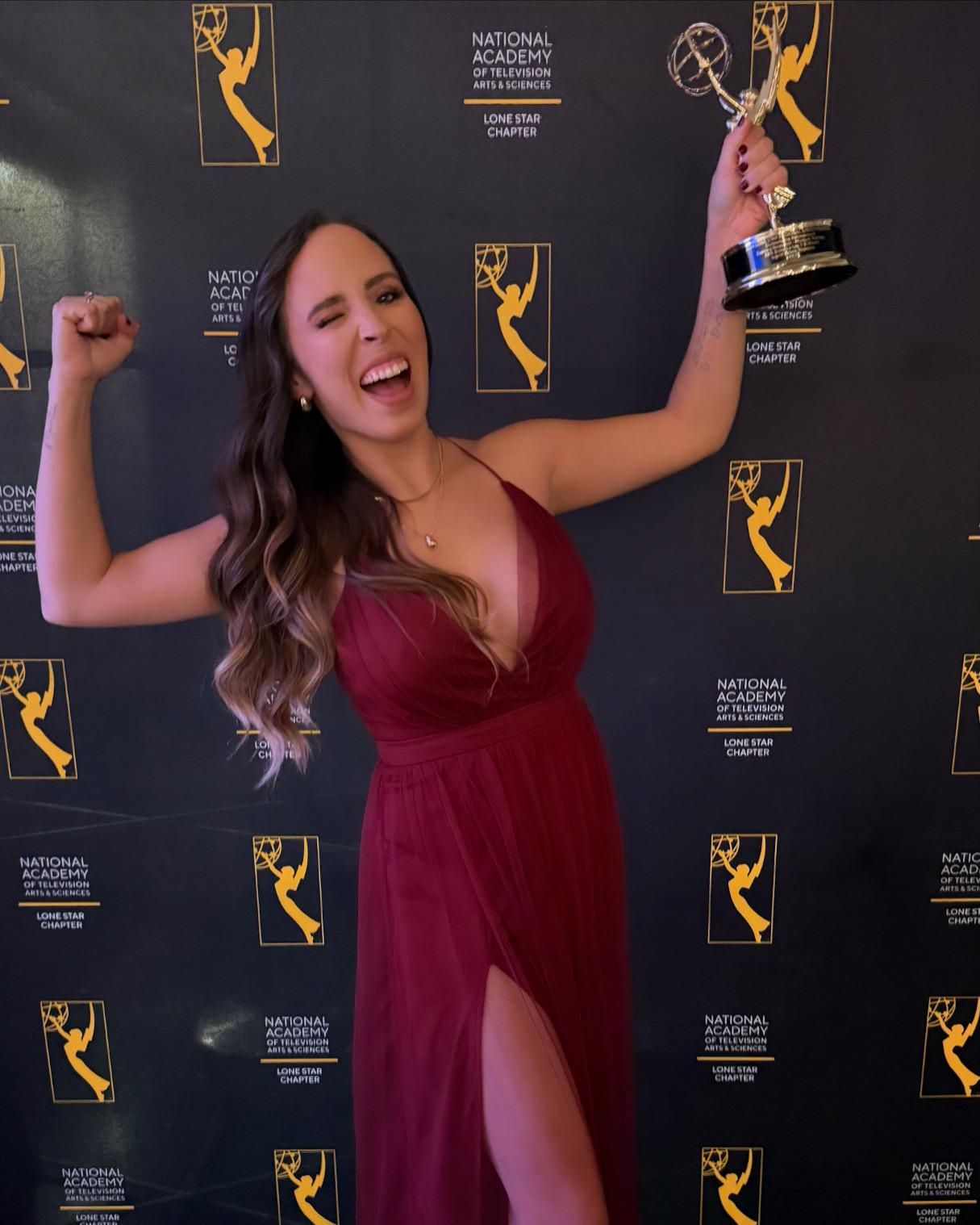
Telemundo Austin became the platform that allowed me to establish myself as a Hispanic journalist in Texas and a trusted voice within the Hispanic community, especially among Venezuelans. I even had the honor of winning a Lone Star Emmy—an achievement reached by few Venezuelan journalists in the U.S.—for my work on the special report *SB-4: Between the Law and Fear*, which analyzed the local law enforcement implications of cooperating with ICE.
In September 2025, I unfortunately lost my job and my legal status—another victim of unfair immigration policy shifts. When Temporary Protected Status (TPS) was revoked, I couldn’t renew my work authorization. Coupled with the growing uncertainty surrounding my asylum case in Immigration Court, my family and I made the voluntary decision to leave the United States and return home. Once again, we faced the painful decision to migrate—this time leaving behind the place that had adopted us as its own, but where the promising future we once saw had dimmed.
I returned to Venezuela in October 2025 with zero expectations, trying to soften the blow of how time had changed my country and its people, but filled with the raw emotion of finally hugging my parents and siblings after years apart. Here, I’ve had to start from scratch once more, navigating Venezuela’s ongoing political and economic reality, but blessed to have my loved ones by my side.
2026 has been a tough year of readjustment, trying to find my footing amid historic events—from the capture of dictator Nicolás Maduro and its aftermath to the double earthquake that shook our nation.
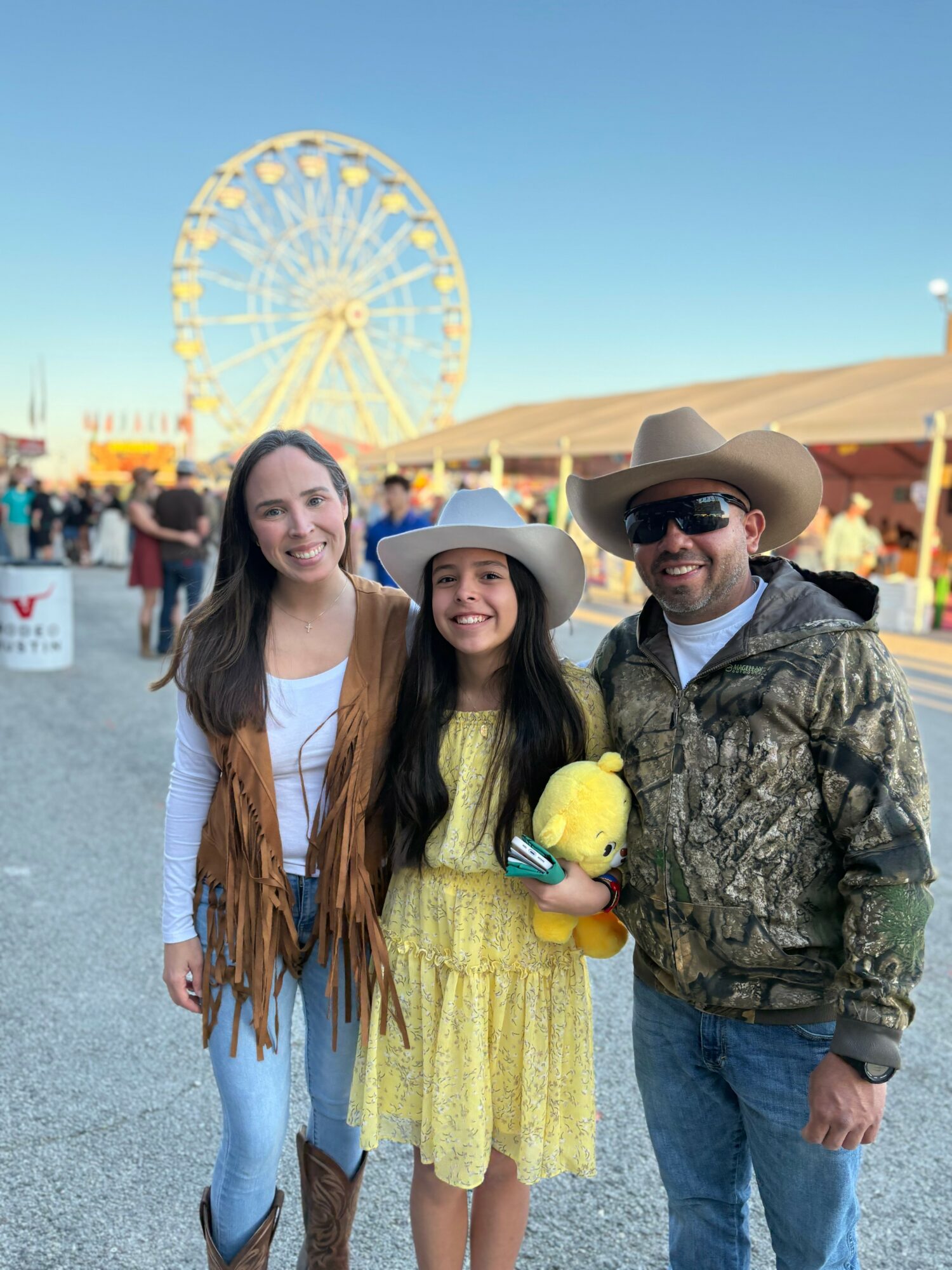
Today, I strive to share with my country the best of what I learned in vibrant Austin: the civic sense and warmth of its people, the respect for boundaries, punctuality, and that untamed cowboy spirit. I continue working in my field from Venezuela for two international outlets—as a writer and correspondent for Reporte Latinoamérica and as a freelance editor for Hola News—while also dedicating time to teach English to children at a local school in my community.
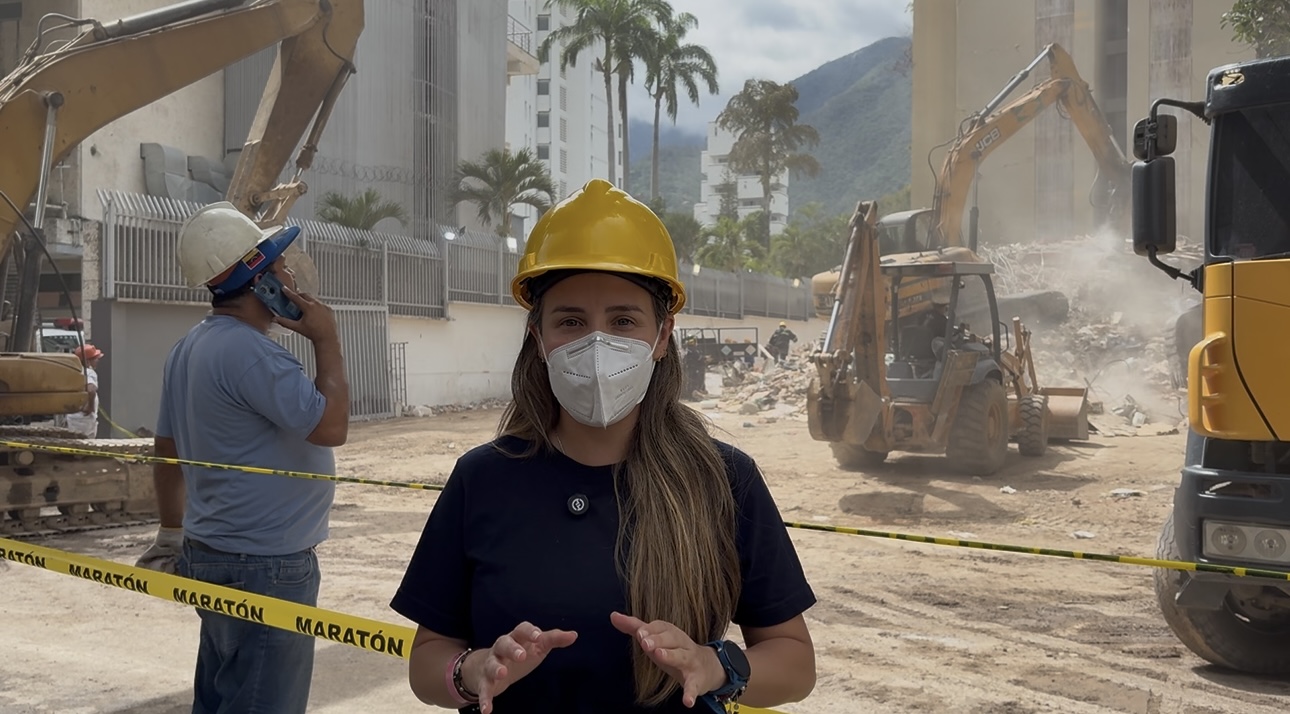
As is widely known, Venezuela was shaken by a double earthquake on June 24, leaving thousands dead, collapsed structures, and widespread devastation that has been deeply painful to recover from. Being in Venezuela allowed me not only to bear witness to what happened, but also to inform the world by collaborating with media outlets across the U.S., Spain, Costa Rica, and Argentina.
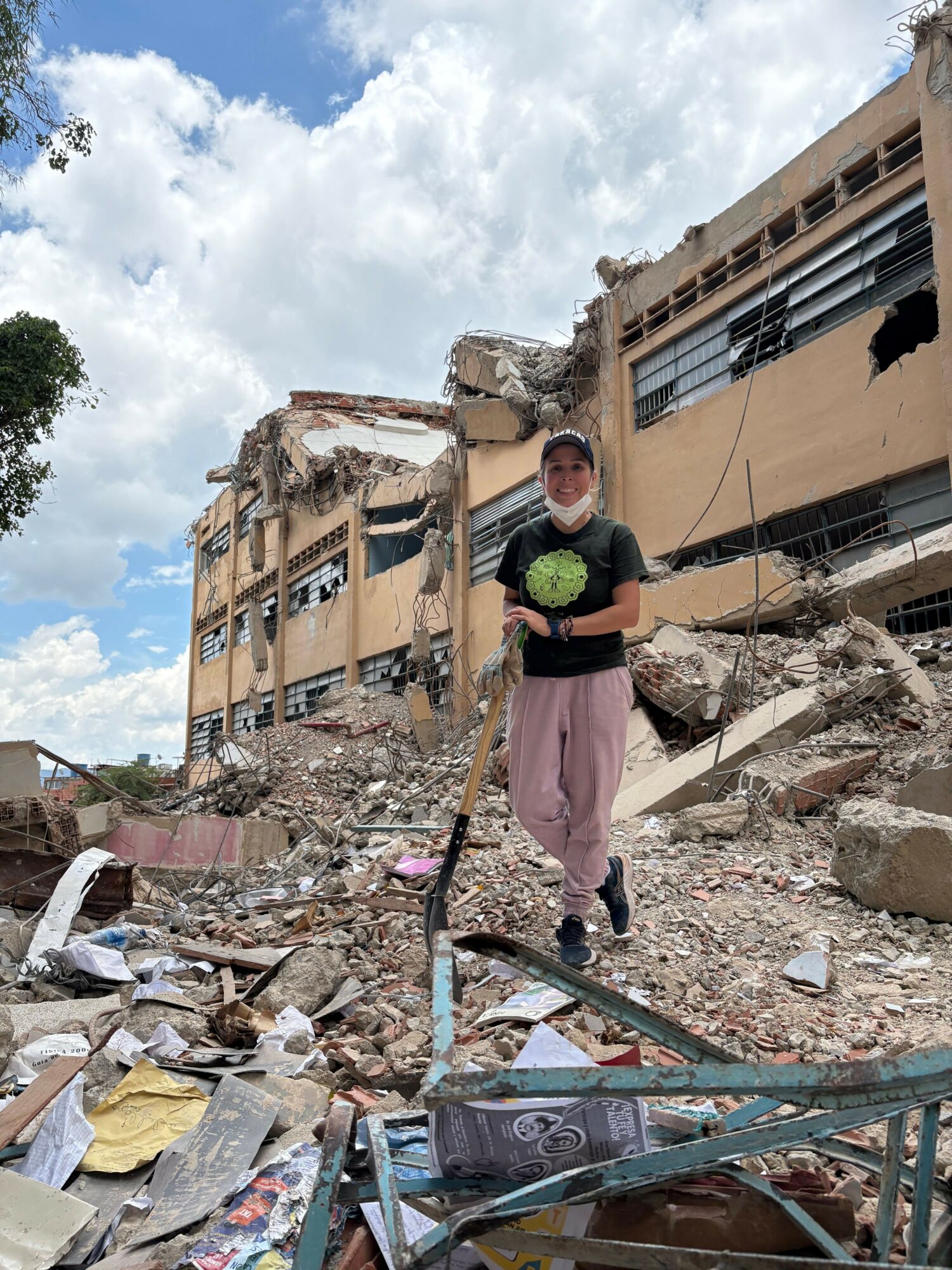
On a personal level, while our home suffered only minor damage and my family remained completely safe, the school where I studied my whole life—Colegio Agustiniano San Judas Tadeo—was severely impacted. On July 3, just days after the disaster, five floors of one of its buildings completely collapsed.
Thankfully, no one was inside at the time. However, the education of nearly a thousand students—from preschool through high school—remains at risk if we cannot rebuild. Being back in my country has allowed me to dive headfirst into this effort, helping lead initial debris removal so reconstruction can begin, and giving back to my school a fraction of everything it gave me.
Would you say it’s been a smooth road, and if not what are some of the biggest challenges you’ve faced along the way?
It hasn’t been an easy road. When you migrate, you simply trade one set of challenges for another. When I moved from Venezuela to Austin, I knew that even though I didn’t know a soul, I would be living in a safer, more peaceful place. But I also knew it meant leaving behind my career, my family, my friends, and everything I had built over a lifetime. Fortunately, Austin always felt like home. I adapted, immersed myself in the rhythm of the city, and made friends who became family—and who remain family today, despite the distance.
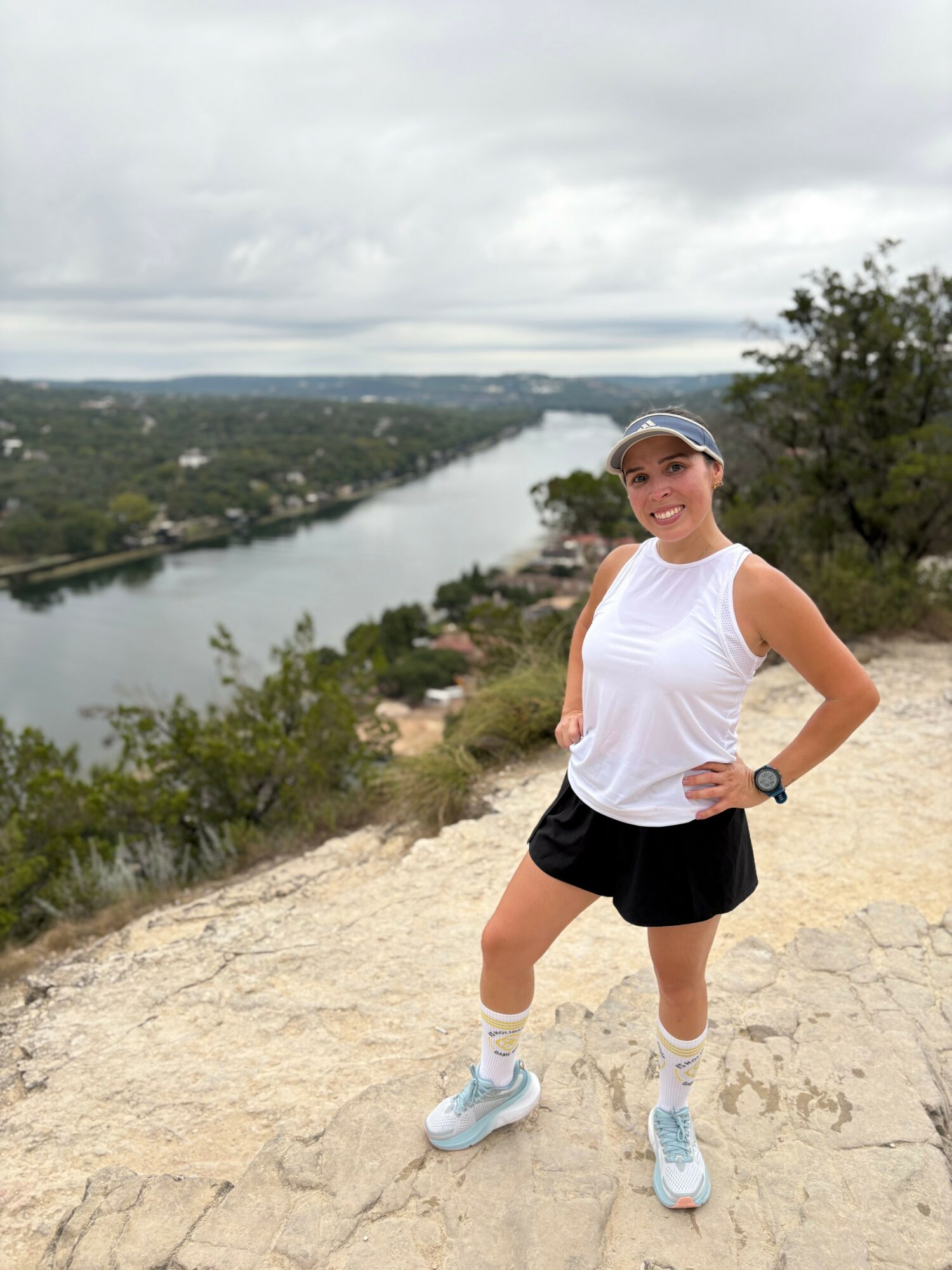
Amidst all of this, Austin also helped me discover a deep passion: running. Thanks to running and my team, Runners 58ATX, I not only got to explore beautiful places, but I also did something meaningful for myself. It gave me a space to connect with nature and stay physically and mentally strong.
Having to leave Austin and return to Venezuela was painful. It felt like being uprooted from the place we had made our second home—where my daughter had grown up and where we had dreamed of building a large part of our life as a family. Once again, it meant trading one set of difficulties for another, because returning to your home country—even if it’s where you were born—means starting from scratch all over again, even when you have some foundation.
And I believe this is where knowing your purpose truly matters. Despite the obstacles, knowing what you want out of life, staying grounded in your values and principles, and above all, believing in God and holding onto faith is what ultimately carries you through adversity.
Thanks for sharing that. So, maybe next you can tell us a bit more about your work?
From the moment I decided to study social communication, I knew that sharing stories was what I wanted to do for the rest of my life—to be the eyes and voice for those who cannot speak, and to stand right where the news unfolds. I graduated and immediately stepped into journalism. Although my specialty is organizational communication, most of my opportunities—both in Venezuela and the United States—have put me in front of a camera and a microphone. I have always approached my work with a deep sense of fairness, respect, impartiality, and love.
I believe people know me for my humility, my dedication to everything I do, and my perseverance. When I set my mind to something, I don’t rest until I achieve it—always remaining true to my essence, principles, and values. There is no sweeter feeling than crossing paths with people who knew me long before I became a public figure in media and having them say, “Ingrid, you’re still the exact same person!”
It fills me with pride to know that everything I have set out to accomplish—personally, professionally, and for my family—I have achieved, and I hope my journey can serve as an example to anyone who hears it. Seeing my daughter succeed at such a young age, despite the hurdles of growing up through migration, makes me immensely proud. She has been so brave and resilient, overcoming every challenge with grace and having the nobility of heart to truly feel Austin as her second home.
As a Venezuelan, being able to build a reputable name in another country and showcase the true spirit of our people means everything. While many immigrants are welcomed, others face harsh prejudice and xenophobia. Leaving Venezuela’s name high through honest, hard work brings me immense pride—it is proof that the crisis facing my country and its rulers does not define who we truly are as Venezuelans.
What were you like growing up?
I was born on February 25, 1986, and I’m a twin with a brother, so having someone my exact age and always having him by my side made my childhood truly special. I was a happy child, growing up with my mother, my father, and my brothers—besides my twin, I have a younger brother.
I was curious and spirited. I loved running everywhere, spending time in parks, enjoying nature, and whenever possible, going to the beach. Summer vacations were among my favorite moments of the year because we would travel to Valera, Trujillo State (in the Venezuelan Andes) to visit my grandparents and my father’s side of the family. So many of my best childhood memories belong to that place.
Even as a young girl, I had a clear personality and a strong sense of character, yet I was respectful and soft-hearted, always sensitive to others and ready to lend a helping hand. I could be stubborn and proud, especially when my mother scolded me. But with love, she always helped me see my flaws and realize where I was going wrong so I could grow, always encouraging me—in her own words—to become a better person.
My interests centered around my studies and extracurricular activities; I studied music, played the transverse flute, and practiced Taekwondo. I owe so much of who I am today to the upbringing I received at home and to my school, Colegio Agustiniano San Judas Tadeo, where I studied throughout my childhood.
Contact Info:
- Instagram: https://www.instagram.com/ingridcaribay?stkn=MzR0Y2wxanYxMDBl&utm_source=qr
- Facebook: https://www.facebook.com/share/1ENpg3yQte/?mibextid=wwXIfr
- LinkedIn: https://ve.linkedin.com/in/ingrid-caribay-valero-rivero-785506126
- Twitter: https://x.com/ingridcaribay?s=11
- Youtube: http://www.youtube.com/@ingridcaribay
- Other: https://reportelatinoamerica.com/