


Today we’d like to introduce you to Alison Sauter.
Hi Alison, thanks for sharing your story with us. To start, maybe you can tell our readers some of your backstory.
I started out studying graphic design at Washington University in St. Louis, thinking I might eventually go into architecture. That didn’t quite work out, so I moved to San Francisco, worked at an architecture firm, and eventually decided to do something that felt a little crazy at the time: I moved to the Netherlands.
That ended up being one of the most important decisions of my career. I spent five years working for two European packaging companies, and that’s really where I fell in love with packaging. I realized it wasn’t just about designing something pretty. You had to understand the product, the founder, the customer, the story, the competition, and why someone would actually pick that product up off the shelf.
I eventually came back to the U.S., spent several years in San Diego working across advertising, web, photography and packaging, and eventually realized I missed packaging. A former friend who was starting a baby-food company in Austin asked me to help. I ended up doing the naming, identity, packaging, photography and messaging—and that project ultimately brought me to Austin.
For a while, I was essentially building a business without really knowing what I was building. I went through a couple of names—first Sauter Design, then A Brand Studio—and eventually, around 2014, it became SHELF Studio. The name actually came from looking around at all the products and packaging in my office and realizing: everything I do ends up on a shelf.
Over the last decade-plus, SHELF has grown from primarily a design studio into something much more strategic. We still do a lot of packaging, but today I’m much more involved in the thinking that happens before the design: discovery, positioning, naming, messaging, competitive research, brand strategy, and content. From there, we might take a brand all the way through identity, packaging, photography, website, social and launch materials.
The biggest evolution has really been realizing that I’m not just a designer. I’m a creative director. I like getting into a founder’s head, asking a million questions, figuring out what the business actually needs, and then bringing the right people together to make it happen.
That’s really what SHELF is today: a small, experienced creative studio that can help a brand go from “we have a good idea” to “we actually know who we are, why we matter, and how we make an impact.”
Would you say it’s been a smooth road, and if not what are some of the biggest challenges you’ve faced along the way?
No, it definitely hasn’t been a smooth road. There have been challenges along the way, but each one has helped me become more intentional about how I wanted to build the business and the kind of work I wanted to do.
In the beginning, I was very focused on the creative work itself. I would take on a project, solve the problem, and learn from each experience. As the work grew, I started to see that the strongest projects needed more than design. I realized, Oh, well, now I need strategy. I didn’t even know I needed a strategist until I worked with one and saw what that brought to the work. That became an important part of how SHELF evolved.
Over time, we moved from simply taking a project and executing it to doing discovery, getting the lay of the land, understanding where the brand needed to go, and then using strategy to drive the creative. Eventually, content development and strategy started blending together, and that was when I felt like SHELF was at a new level.
Another major learning curve was figuring out the right team structure. I’ve always enjoyed finding talented people and giving them opportunities to grow. But as the business grew, I experimented with building a more traditional team, and I learned that wasn’t necessarily the right model for SHELF. More work didn’t always mean I needed more employees. I eventually realized that a small shop of talented collaborators was a much better fit. I’m at the helm, I lead the work, and I bring in the right people depending on what each project requires.
I also learned a lot about leadership and boundaries. I cared deeply about the people I worked with, but I had to learn that being supportive and being someone’s boss are different roles. Becoming a better leader meant creating more clarity around those relationships and responsibilities.
There were difficult client situations along the way, too. Those experiences taught me how to communicate more clearly, recognize red flags, know when to push back, and know when to listen. They also taught me to trust my instincts and stand behind the creative work when I believed in it.
So while it hasn’t been a perfectly smooth road, there has been a clear progression. Every stage has helped me understand the business better. I’ve become much clearer about the clients I want to work with, the people I want around me, and the model that makes the most sense for SHELF.
Today, I’m not trying to build the biggest agency. I’m much more interested in building a really strong studio—with smart people, thoughtful clients, and the ability to bring the right expertise together for each project. That feels much more intentional, and much more like the business I set out to build.
We’ve been impressed with Shelf Studio, but for folks who might not be as familiar, what can you share with them about what you do and what sets you apart from others?
SHELF Studio is a branding and packaging studio, but what we do today goes quite a bit beyond design. We work with founders and growing companies to figure out what their brand needs to stand for, how it should differentiate itself, what it needs to say, and then how all of that comes to life creatively.
Packaging is really our foundation and probably what we’re best known for. I spent the early part of my career working in packaging in Europe, so I’ve always approached brands through the lens of the shelf—what is the consumer seeing, what are they understanding, what is making them pick you up instead of the product sitting next to you?
But SHELF has evolved a lot. Today, our work can start much earlier with discovery, competitive research, positioning and strategy. From there, we move into naming, messaging, identity, packaging, photography, content, websites and the different pieces a brand needs to actually go out into the world. We’ve learned that those things really shouldn’t be developed in isolation.
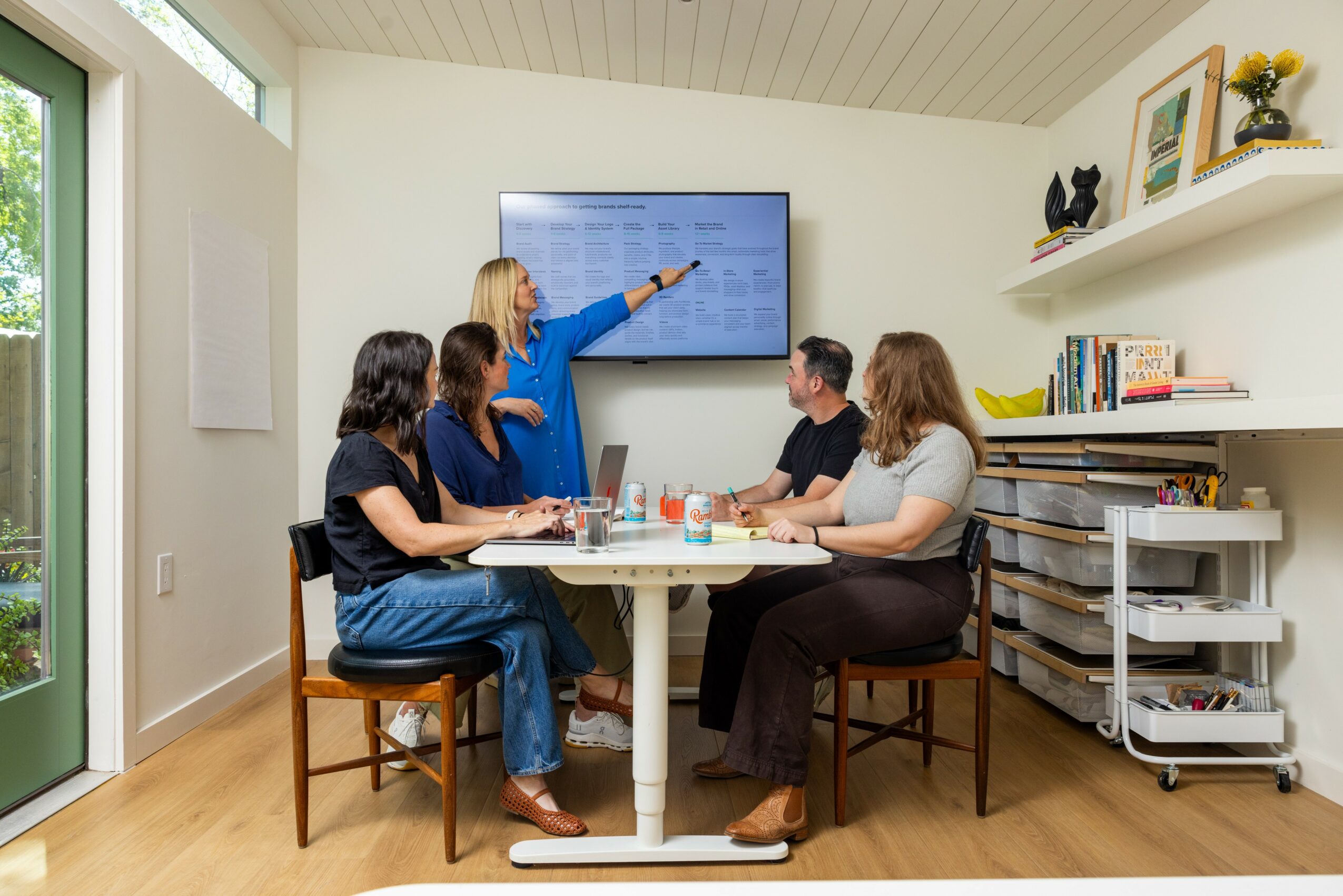
I think what sets us apart is that we’re very hands-on. We’re not a large agency where a founder hires the senior team and then gets passed down to someone else. I’m involved in the strategy and creative direction throughout the project, and then I bring in the right people around me depending on what the brand needs. I think of SHELF as a small shop of collaborators—strategists, writers, designers, photographers, illustrators and other specialists—rather than trying to make every client fit into the same agency structure.
We also ask a lot of questions. I genuinely like getting into a business and understanding how everything works. Who are you competing against? What are consumers actually looking for? What is confusing? What is already working that we shouldn’t mess with? Where are you trying to go in two or five years? We get the lay of the land first, then we strategize, and then we create. That process has become a really important part of how SHELF works.
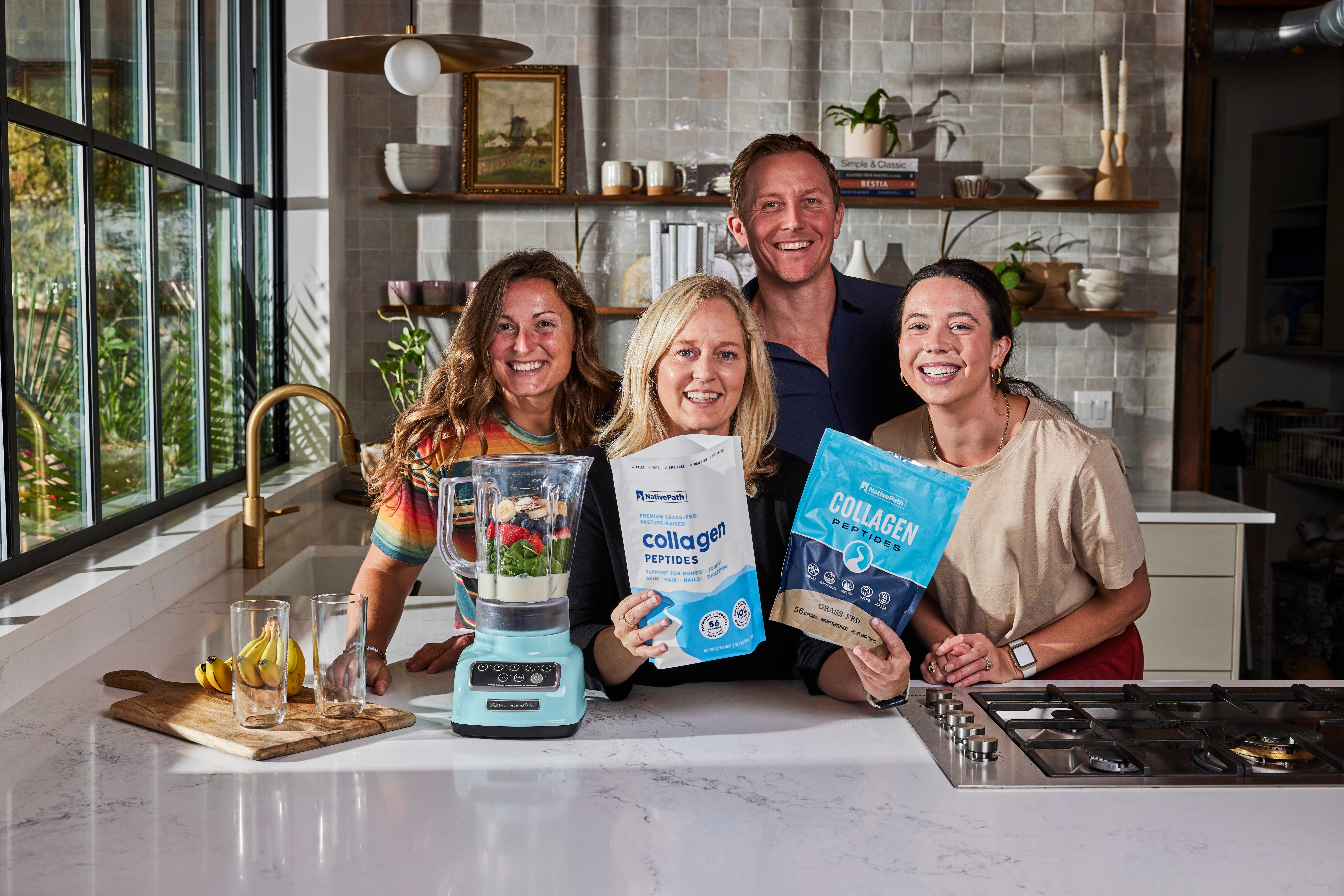
Brand-wise, I’m probably most proud of the range of companies we’ve helped and the fact that many of those relationships have come through referrals and long-term connections. I love working with founders when something is still taking shape—when they have a great product or idea but need help making sense of it and turning it into a brand people can understand.
Ultimately, I want people to know that SHELF isn’t just here to make something look good. We want to understand the business first. Then we can help build the strategy, story, words, and visual system around it, and make sure all of those pieces actually work together.
Is there any advice you’d like to share with our readers who might just be starting out?
I think the biggest thing is to do the work and pay attention to what you learn from it. You don’t have to have your entire career figured out at the beginning. A lot of what I know now came from actually doing projects, working with different kinds of people, making mistakes, and paying attention to what I was naturally good at.
I also wish I had understood earlier that you don’t have to say yes to everything. When you’re starting out, it’s easy to think every opportunity is important and that you need to take whatever comes through the door. But over time, you start to understand what kind of work you’re really good at, what kind of clients you enjoy working with, and what isn’t a good fit. That clarity is incredibly valuable.
I’d also say learn the business side of whatever you do. I was very focused on being a good designer early in my career, but eventually I realized that if you’re going to run a business, you need to understand money, sales, contracts, clients, communication, and how the whole thing actually operates. I learned that by doing it, and I wish I had understood earlier that those skills were just as important as the creative ones.
And find people who are better than you at things you don’t know. I didn’t even know I needed a strategist until I worked with one. That experience completely changed the way I approached my own work.
Finally, don’t be afraid to change your mind. SHELF has changed a lot over the years. The business I have today is very different from the business I started with, and that’s a good thing. You learn, you grow, you figure out what works—and then you adjust. I think there’s a tendency to feel like you have to have a five-year plan when you’re starting out. I don’t think you do. You just need to keep moving, keep learning, and be honest with yourself about what you’re discovering along the way.
Contact Info:
- Website: https://shelfstudio.com
- Instagram: shelfstudio
- Facebook: shelfstudio