


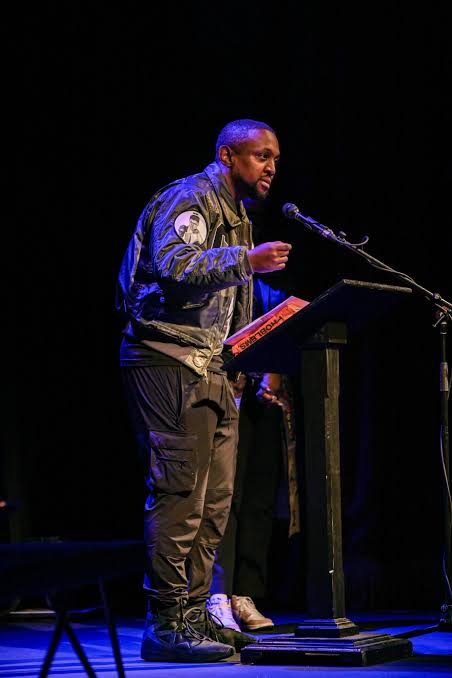
Today we’d like to introduce you to Chas Moore.
Hi Chas, thanks for joining us today. We’d love for you to start by introducing yourself.
My story has never been a straight line.
I grew up in Houston and experienced loss, instability, and the criminal legal system at a young age. By 17, I had become a convicted felon, a label that society often treats as the end of someone’s story. For me, it became the beginning of a different one. Those experiences forced me to ask hard questions about justice, power, and who gets to belong.
When I moved to Austin to attend the University of Texas, I found myself becoming more involved in organizing and community work than I ever was in the classroom. I eventually left school, but I never stopped learning. Some of my greatest teachers have been the people most impacted by the systems we often ignore. Families navigating poverty, young people searching for opportunity, neighbors fighting displacement, people returning home from incarceration, and communities organizing for dignity have all shaped the leader I am today.
In 2015, I founded Austin Justice Coalition with the belief that our city could become a place where justice is something we intentionally build every day, not just something we talk about after tragedy. What started as a small grassroots organization has grown into a movement that has helped shape conversations around public safety, criminal justice, voting rights, housing, economic opportunity, and racial equity throughout Central Texas. Along the way, we’ve launched initiatives like Project Orange to expand voting access for incarcerated Texans, the Justice Access Support Initiative to connect people with legal resources, Bro Brunch to create spaces where Black men can prioritize healing and mental health, and countless campaigns that have challenged our community to imagine something better.
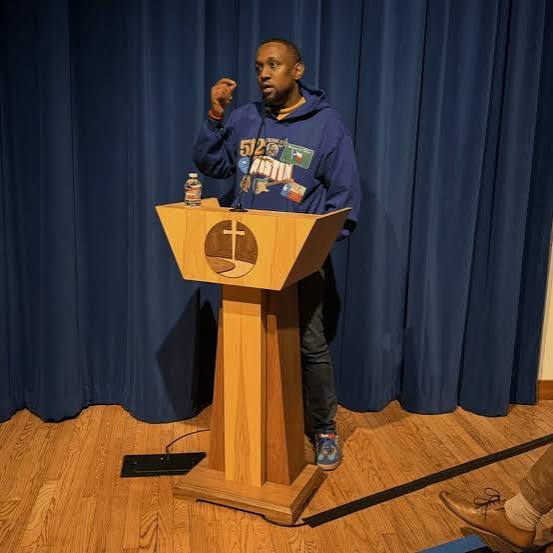
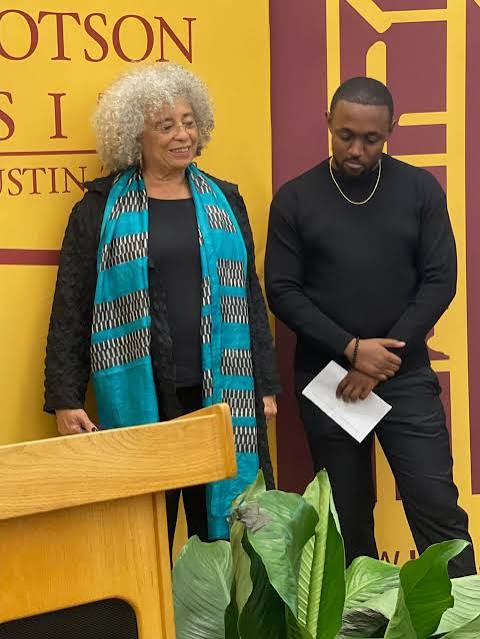
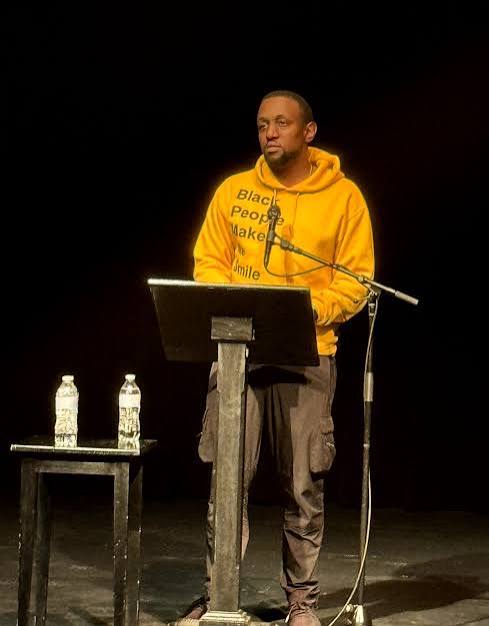
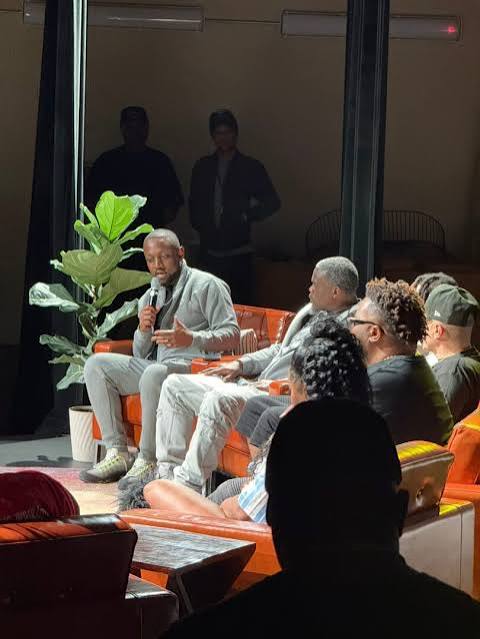
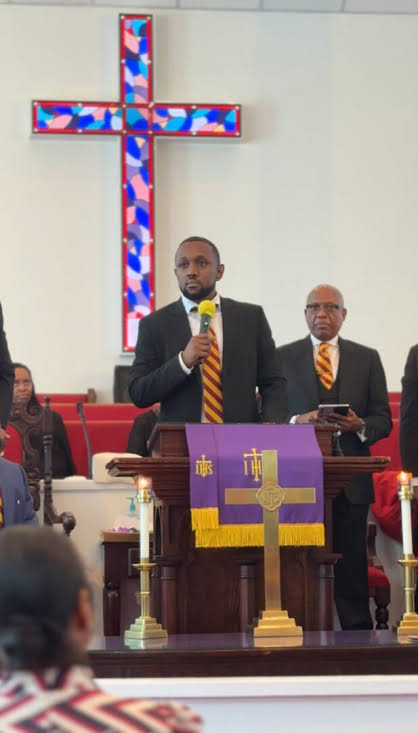
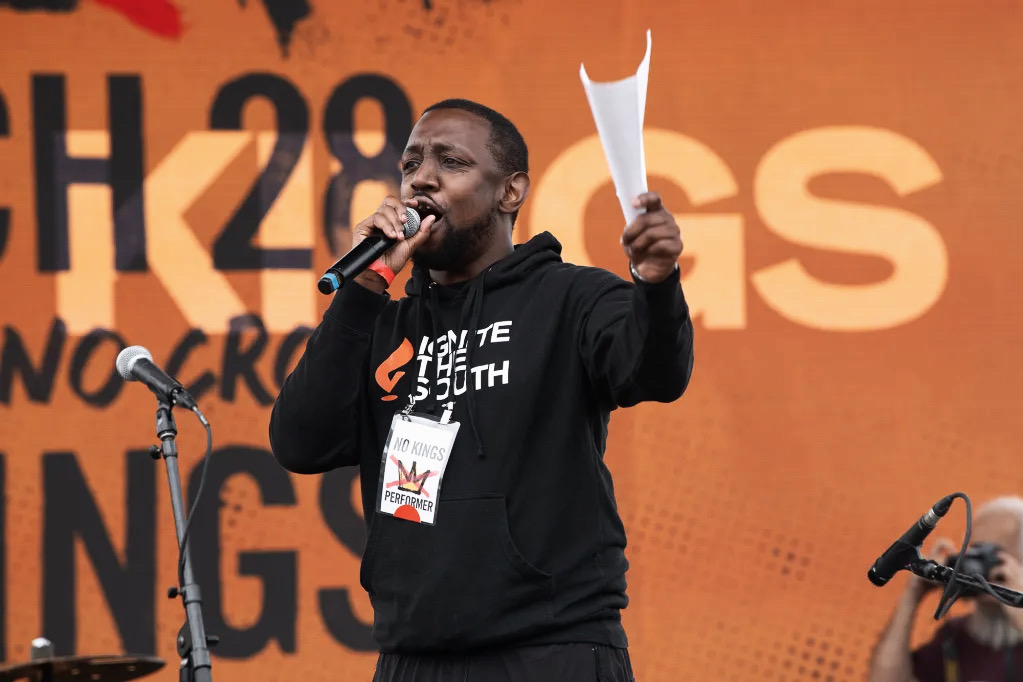
Over the years, my work has expanded beyond what most people think of as activism. Whether I’m speaking at universities, churches, and conferences, hosting conversations on the radio, reviewing local restaurants with friends, or showing up for neighborhood events, I’ve learned that movement building happens anywhere people gather. Justice doesn’t only live in city council chambers or at protests. It lives in relationships, conversations, and the everyday choices we make to care for one another.
Today, I see myself less as an activist and more as a builder. I’m committed to helping people believe that another world is possible. My work is rooted in radical imagination, the belief that if we can imagine communities where everyone belongs, then we can build them together. Every campaign, every speech, and every conversation is an invitation for people to see themselves as part of that work.
I’m still learning. I’m still growing. I hope the next chapter of my story is defined not by what I’ve accomplished, but by how many more people are empowered to lead, dream, and transform their own communities.
Can you talk to us a bit about the challenges and lessons you’ve learned along the way. Looking back would you say it’s been easy or smooth in retrospect?
Not even close.
One of the biggest misconceptions about this work is that passion is enough. It isn’t. Building something that challenges power means you’ll constantly face resistance. There have been moments when I’ve been publicly criticized, threatened, misrepresented, and questioned by people who have never sat across the table from the communities we serve. There have also been times when the hardest criticism came from people who were supposed to be on the same side.
Leading Austin Justice Coalition has meant carrying the weight of difficult decisions while knowing you can’t make everyone happy. I’ve had to learn that leadership often means disappointing people, setting boundaries, and staying committed to your values even when it’s unpopular.
There have been personal struggles too. Losing my mom at a young age shaped so much of who I became. Navigating life after a felony conviction meant constantly feeling like I had to prove I deserved a seat at the table. For a long time, I tied my worth to my productivity, believing that if I just worked harder, I could fix every problem around me. Eventually I realized that’s not sustainable.
One of the greatest lessons I’ve learned is that movements need healthy people. That’s why I’ve become so passionate about healing, especially for Black men. Community care isn’t separate from justice work. It is justice work. My own sobriety, my commitment to therapy and mental wellness, and the relationships I’ve built have reminded me that taking care of yourself isn’t selfish. It’s necessary if you want to sustain this work for the long haul.
Looking back, I don’t regret the difficult seasons. They’ve made me more patient, more compassionate, and more willing to listen. They’ve also taught me that real change rarely happens as quickly as we’d like. Organizing is an exercise in hope. You plant seeds knowing someone else may be the one who gets to sit in the shade.
Great, so let’s talk business. Can you tell our readers more about what you do and what you think sets you apart from others?
Austin Justice Coalition was founded on a simple belief that justice should be proactive, not reactive. Too often organizations only enter the conversation after a crisis. We’ve always believed our responsibility is to build the kind of communities where fewer crises happen in the first place.
Since 2015, we’ve grown into one of Central Texas’ leading grassroots organizations, working at the intersection of racial justice, civic engagement, public safety, economic opportunity, and community wellness. We organize campaigns, advocate for policy change, educate residents, develop leaders, and create programs that meet people’s immediate needs while addressing the systems that created those needs.
Some people know us for our work around policing and criminal justice reform. Others know us through initiatives like Project Orange, which registers eligible voters inside county jails, or the Justice Access Support Initiative, which connects people with legal resources they otherwise couldn’t access. Others know us because they’ve attended a Bro Brunch focused on Black men’s mental health, joined one of our advocacy trainings, volunteered during a mutual aid effort, or partnered with us to strengthen neighborhoods across Austin.
What sets Austin Justice Coalition apart is that we don’t believe justice is one issue. Housing is justice. Education is justice. Mental health is justice. Voting access is justice. Food security is justice. Economic mobility is justice. The challenges our communities face are interconnected, so our solutions have to be as well.
I’m especially proud that we’ve built an organization people trust. Trust isn’t measured by social media followers or headlines. It’s measured by the families who call us when they’re in crisis, the young organizers who found their voice through our programs, the coalitions we’ve helped strengthen, and the partners who continue to invite us to the table because they know we’ll show up with integrity and a willingness to do the work.
At our core, Austin Justice Coalition exists to help people move from frustration to action. We want our neighbors to know they don’t have to wait for someone else to create change. We believe ordinary people, when given the right tools, relationships, and opportunities, are capable of transforming their communities. That’s the work we’re most proud of, and it’s the work we’ll continue to do.
Can you talk to us about how you think about risk?
I’ve come to realize that some of the biggest risks in life aren’t the things you do. They’re the things you never attempt because you’re afraid of failing.
Looking back, almost every defining moment in my life felt risky. Leaving the traditional path I thought I was supposed to follow. Starting Austin Justice Coalition with no blueprint and very few resources. Choosing to publicly challenge powerful institutions in a city where that can come with real personal and professional consequences. Speaking openly about my past, including my felony conviction, when it would have been easier to hide those parts of my story. Even choosing sobriety required believing my life could become something different than what I had always known.
None of those decisions felt fearless. They felt necessary.
I’ve never believed risk should be reckless. I believe it should be rooted in purpose. Before I make a big decision, I usually ask myself a simple question: “If this works, who benefits?” If the answer is that more people will have dignity, opportunity, or hope, then it’s usually a risk worth considering.
Organizing has also taught me that playing it safe often protects the status quo. History doesn’t move forward because people waited until they had certainty. It moves because ordinary people decided that the cost of doing nothing had become greater than the cost of trying.
That doesn’t mean every risk pays off. I’ve made mistakes. I’ve trusted the wrong people. I’ve pursued ideas that didn’t unfold the way I imagined. But even those moments taught me something valuable. Failure has become one of my greatest teachers because it forces humility, reflection, and growth.
Today, I think of risk less as jumping into the unknown and more as betting on what’s possible. Every meaningful thing I’ve built, every relationship I’ve formed, and every opportunity I’ve had can be traced back to a moment when I chose purpose over comfort. I hope I never lose the willingness to keep making that choice.
Contact Info:
- Website: https://chasmoore.com
- Instagram: https://www.instagram.com/igiveyoumoore/?hl=en
- Facebook: https://www.facebook.com/chasmoore/
- LinkedIn: https://www.linkedin.com/in/moorechas
- Twitter: https://x.com/iGiveYouMoore