



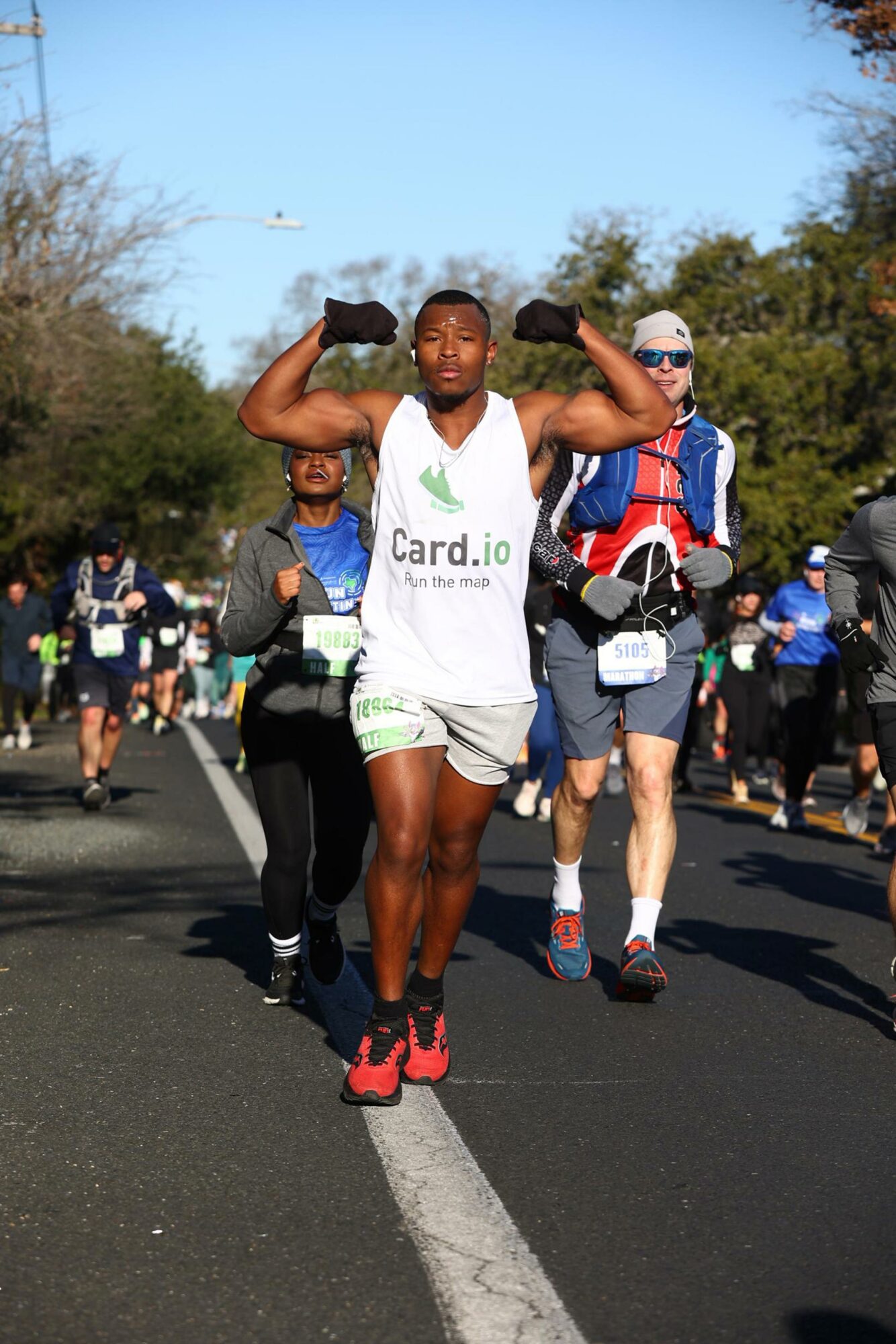
Today we’d like to introduce you to Destin Bell.
Hi Destin, please kick things off for us with an introduction to yourself and your story.
I was born in Louisville, KY to a loving but tough middle-class family. I had everything I needed, but nothing I wanted: I never went hungry but I had just one good pair of shoes and got teased for wearing school uniforms to social event. That scarcity sparked an early drive to earn: cutting grass, shoveling snow, selling candy, and later scaling those hustles into small businesses, like managing candy resellers and ghostwriting scholarship essays for commission.
With a 2.3 GPA and a deep dislike for authority, I knew I was built for entrepreneurship. At the University of Kentucky, I officially studied marketing but got my real education building small businesses, like a student discount platform and an essay-writing service. I rebooted the entrepreneurship club and raised $22K for student ventures, all while lining up a pharma sales job at Eli Lilly as a post-grad backup plan.
Then COVID hit. I lost my job offer, my business collapsed, and some bad investments wiped me out. Sleeping on an air mattress at my dad’s house, I faced a choice: play it safe or go all-in. I chose the latter, packed up, and drove to Austin with no plan – just ambition.
I bounced between my car, Airbnbs, and hotels while launching cash-flow projects, from remote team tools to gaming content creation and investing. I eventually used those wins to buy real estate and go all-in on Card.io, a fitness startup gamifying cardio, now with 40K+ users in 85+ countries.
Life’s thrown me curveballs, but I’ve stayed relentless. I’m proud to say I’ve built the entrepreneurial life I once only dreamed of!
Would you say it’s been a smooth road, and if not what are some of the biggest challenges you’ve faced along the way?
Since leaving Kentucky, my journey has been filled with challenges that have tested every part of who I am: as a founder, as a leader, and as a person trying to create space in an industry that doesn’t always welcome people from backgrounds like mine. The move wasn’t just about geography. It represented a shift in mindset, a willingness to leave behind comfort and familiarity to pursue something uncertain, risky, and meaningful.
I arrived with a clear vision but very few resources. There were no existing networks to tap into, no warm introductions, and no funding waiting to be claimed. I was jobless, housing insecure, and had no direct path to financial security. What I had was belief — belief in my ability to create a business venture.
The startup world demanded more than just effort. It demanded relentless creativity, emotional endurance, and an ability to do a lot with very little. Every decision had consequences. Every misstep cost something. Without a safety net, I had to learn quickly and make peace with the pressure that came with building from scratch.
On top of the practical hurdles, I also had to confront the systemic ones. Being a Black founder in the tech and wellness space meant constantly being underestimated. I had to pitch harder, prepare more, and walk into rooms where I knew I wasn’t always taken seriously. Investors would smile politely but hesitate. Some couldn’t imagine the scale of the vision, and others couldn’t imagine me leading it. That wasn’t just frustrating. It was exhausting.
There were quiet battles too. I spent several month sleeping in my car. I dm 400 engineers to join my team before I finally found one willing to join me for my startup. My family thought I was a fool to pursue this company over getting a safe 6-figure job. I made 200 VC pitches before I got my first funding, which came from a cold email to the Pokemon Go CEO and 3 months of going back and forth with his execs before they approved me for a small grant. My original founder left the company and left us without an engineer to replace him for over a year. We ran out of funding at one point and I went back to ramen noodles and missing mortgage payments to fund my startup.
And slowly, I began to see signs that it was working. Users were responding. People were sharing their activity stories through Card.io, not because it was trendy, but because it meant something to them. In moments I thought about quitting, when I went hungry or didn’t sleep for days sifting through No’s from investors and engineers, and I wondered why even go on, these were the only things keeping me moving forward.
This journey hasn’t been glamorous. It’s been raw, gritty, and deeply personal. I’ve had to stretch every part of myself and let go of the need to be perfect. What matters is that I’ve kept moving forward. I’ve stayed committed to building something real, something that reflects the values I brought with me when I left Kentucky.
I’m still building, still growing, still evolving. But I know now that the road doesn’t have to be smooth to be meaningful. Every bump, every pause, every moment of resistance has helped shape who I’ve become. And for that, I’m grateful.
Thanks – so what else should our readers know about Card.io Inc?
Card.io is a gamified fitness app that turns walking or running into a turf war, motivating users to “claim” their city through movement. Unlike traditional fitness platforms that cater to already-active individuals. Card.io empowers less active communities—people of color, low-income neighborhoods, and casual exercisers—by making cardio fitness accessible, social, and fun. It reframes exercise as fun, competitive play, focusing less on the performance and goals behind it.
We’ve had users cover 3.5M+ miles, 113K+ captures completed, including 33K Garmin/Strava uploads, closed a deal with two sharks on Shark Tank, had successful activations with HOKA, Austin/SF/Cleveland Marathon, and have signed up over 900+ run clubs, shoe brands, and fitness orgs.
What sort of changes are you expecting over the next 5-10 years?
Looking to the future, people are moving towards ways to track beyond just running. They want engagement, purpose, and connection. Card.io taps into this by turning every walk, run, ride, or hike into a meaningful contribution to something bigger than the individual. You see this with the growth of run clubs.
Gamification is already playing a larger role in fitness, but most platforms treat it as a layer on top of the experience. More apps are adopting gameplay features that incorporate play around your cardio, and we see it being something that will continue to become more common. The next generation of fitness users is coming up in a world shaped by games like Fortnite, Pokémon GO, and fantasy sports leagues.
We’re also responding to a larger cultural shift where people crave belonging. Social fitness is exploding, and users are seeking more than likes or comments. They want to feel part of a movement, a mission, or a team. Run clubs are the biggest sign of this, and apps like Strava and Sweatpals have done a great job of incorporating this.
Pricing:
- Premium subscription: $3.99/month
- Premium team subscription: $25/month
- Corporate wellness: $2-4/employee/month
Contact Info:
- Website: https://downloadcard.io
- Instagram: https://www.instagram.com/downloadcardio/
- LinkedIn: https://www.linkedin.com/company/downloadcardio


Image Credits
Mindful Media