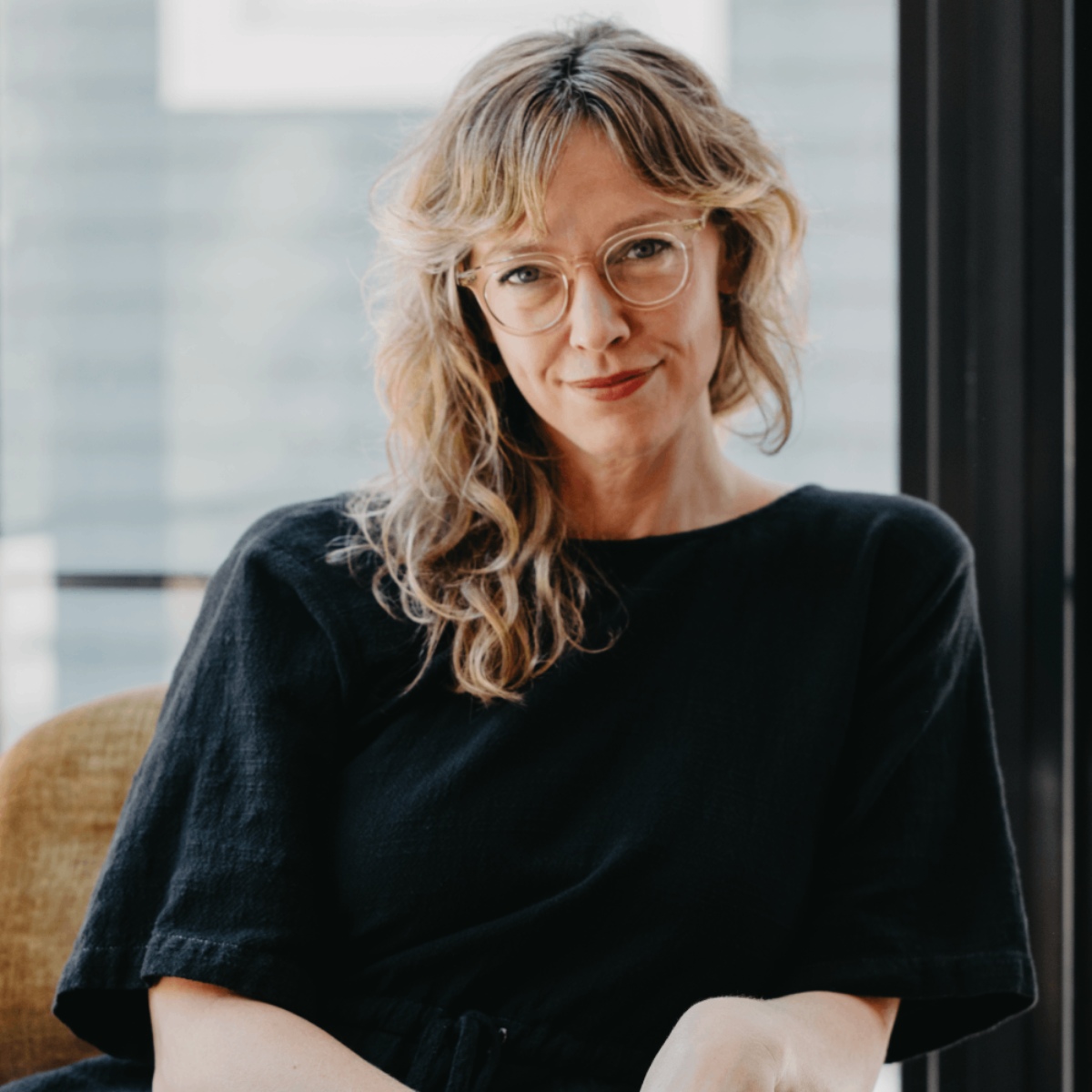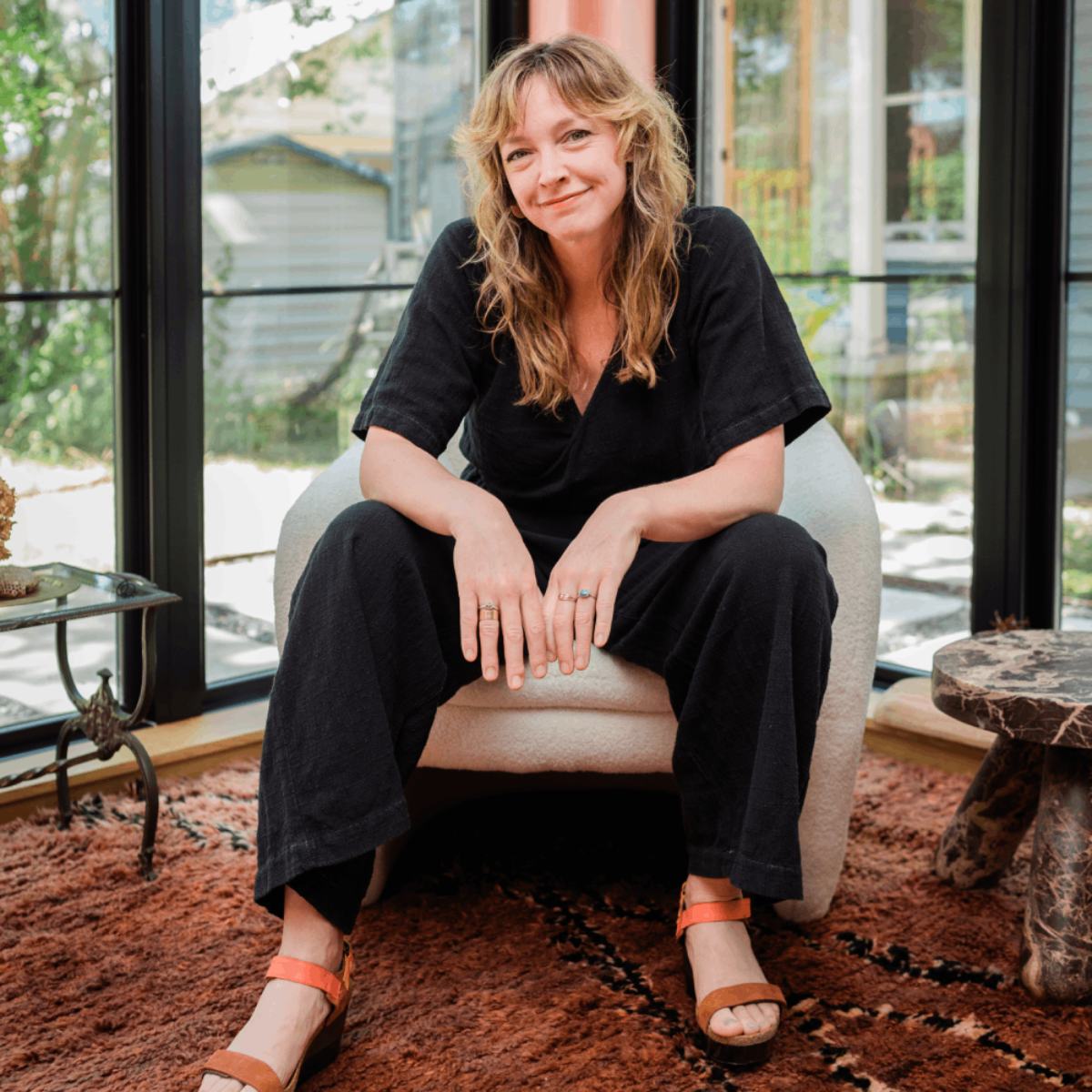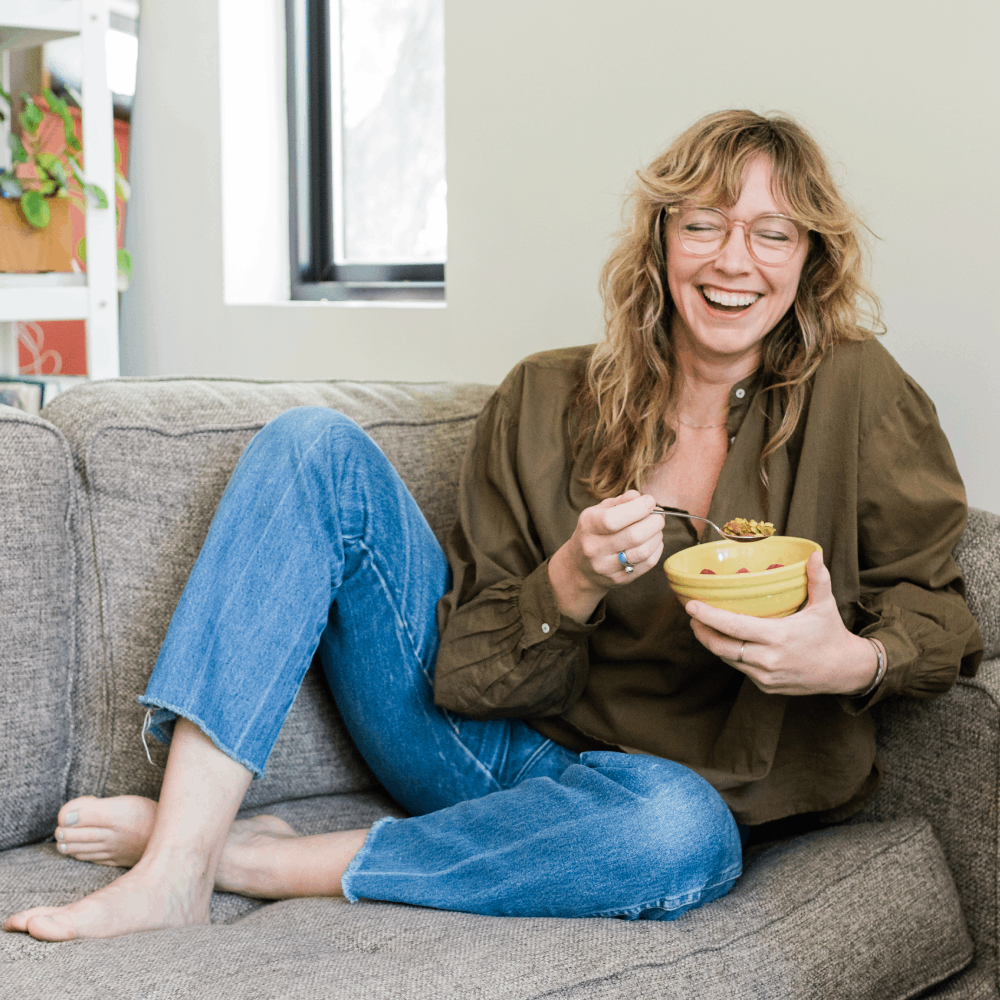



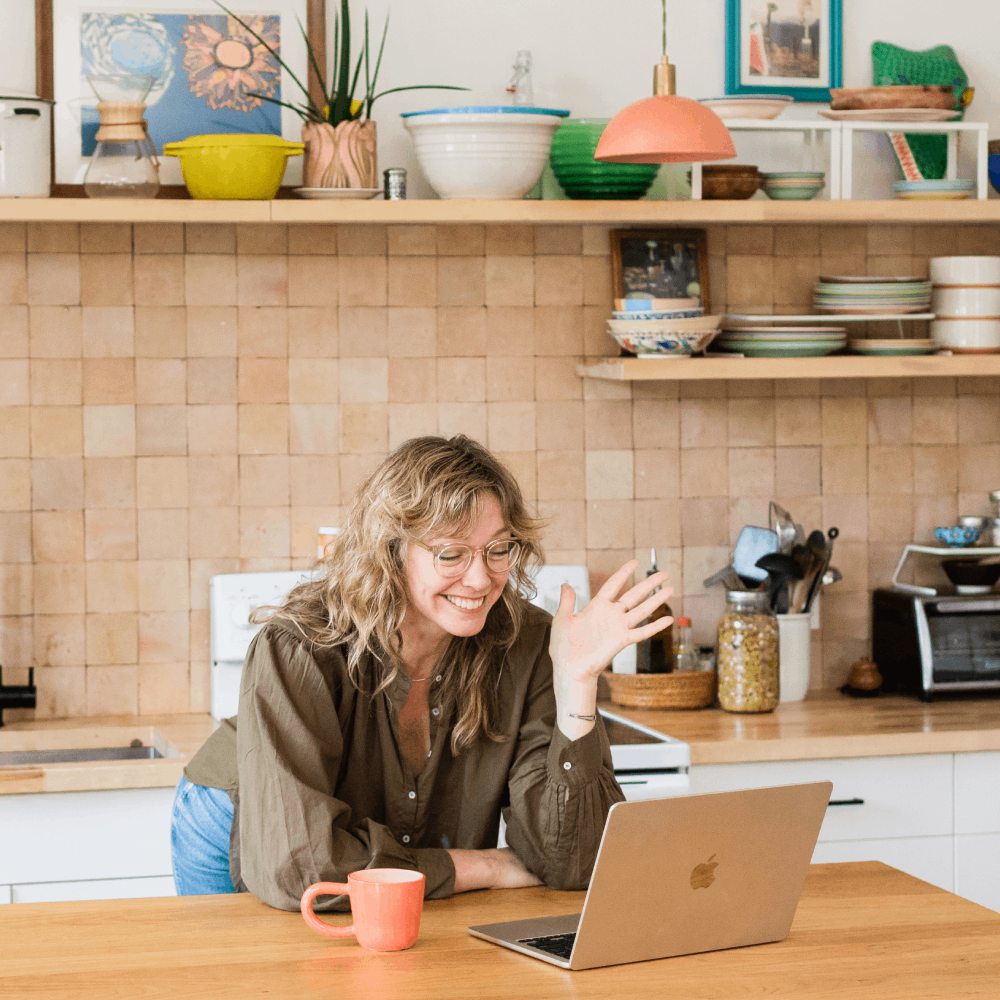
Today we’d like to introduce you to Emily Van Eck.
Hi Emily, it’s an honor to have you on the platform. Thanks for taking the time to share your story with us – to start maybe you can share some of your backstory with our readers?
After undergrad, at twenty-four, I moved to New York City. My degree in communications wasn’t compelling to me and I wanted to see what life in a big city could look like. I ended up working as a server at a small Italian restaurant and am so glad I did. That place really shaped so much about my time there and what I eventually went back to school to study. It wasn’t a health restaurant by any means, just a simple, but fresh Italian menu. There were plenty of homemade pastas and meat-centric entrées, but they also treated the salads and vegetable sides as just as important. Coming from the chain restaurants I grew up with, the fact that they had this many interesting and delicious vegetable options was novel to me. Like a lot of Americans, I grew up with soggy broccoli and cheese sauce. Sorry mom.
I was fascinated with the menu and how much I loved everything they made. I spent a lot of time in the kitchen asking the chefs asking how to make my favorite things. I had no cooking experience previous to this, so it was all new to me. I just started recreating the recipes at home – mostly because I wanted to eat those amazing meatballs and fennel salads every day, but I couldn’t afford to. I got deeply, fanatically, ravenously interested in food.
At the same time, I lived in a food desert in Brooklyn. The one grocery store nearby had a tiny produce section surrounded by lots and lots of ultra-processed foods, sweet sodas, and candy. That struck me as unfair to the people in my neighborhood, but it also stuck with me. I was also teaching yoga, having come from a dance background, and studying Ayurveda. And because I was also seeking my path, a career that felt both meaningful and useful, I realized I should become a dietitian.
So I moved back to Texas and started grad school at Texas State in San Marcos. Not long after I started, I read the book Intuitive Eating, and had a major a-ha moment. I already understood that telling people what to eat was never going to be my life’s work. That just wasn’t very interesting and I had so many life lessons showing me that’s not what people really needed anyway. I wanted to help people overcome the barriers our culture puts in front of them to healthy eating. And there are many. I knew there were structural barriers to healthy eating, known as social determinants of health. But I realized that diet culture was also a huge barrier. People were confusing thinness with health and that was making eating very difficult, especially for women.
The Intuitive Eating book also reframed my own history. I’d dieted in high school and my early twenties, and like most young people who do this, ended up with a dysfunctional relationship with food. I spent a long stretch feeling out of control around food and not understanding why, followed by strict rules and undereating. I was lucky to have naturally grown out of this eating pattern, but reading that book, I finally saw what had happened and how completely ordinary my experience was. That’s the thing about diet culture: it has normalized this so thoroughly that eating disorders go underdiagnosed and untreated all the time. People don’t recognize what’s happening to them, and neither do the people around them.
After grad school I moved to New Orleans for my dietetic internship, followed by a couple jobs in the hospital system there. I worked in a cardiac rehab center, which I loved. But I knew I was meant to have my own business and had been building it on the side. I started seeing a few people on weekends and eventually had a big enough following to quit my full time job.
I was seeing a lot of gut and digestive health patients, alongside Intuitive eating patients. But I kept finding that many people who were coming to me for digestive wellness didn’t need a new diet, even though they thought they did. They needed less stress, more time to cook, more room to breathe, and permission to stop blaming themselves. There were always more factors shaping how someone eats than the food itself. With the breathing room of the covid-19 pandemic, it became clear. I would turn to focus on helping people with their relationships with food.
That’s been my focus ever since. I teach intuitive eating and work with people with disordered eating and eating disorders. I help people reject the idea that diet culture and wellness culture are selling them solutions to problems that aren’t actually problems. People lose touch with their bodies, and my work is helping them reconnect, compassionately, and without shame. That’s what my group program, Love Food Again, is built around. Diet culture creates a lot of isolation, so I deliberately made it a place for connection: I want people learning this alongside other regular people, not just from the expert in the room.
Ten years into private practice now, and if anything, I feel more committed than ever. We’re in the era of weight loss medications, endless online misinformation, fear-mongering wellness culture, looksmaxxing, and cosmetic procedures marketed as self-improvement. As a culture, I think we’re moving in the wrong direction on self-love and on our relationships with food and our bodies. That worries me. But there are still clinicians here doing this work — helping people build a good relationship with their body without the constant assumption that it needs to be changed.
Good food and self-care habits can come out of realizing we are already enough, and making changes from that place. Self-care, not self-control.
I’m sure it wasn’t obstacle-free, but would you say the journey has been fairly smooth so far?
Not exactly, but it hasn’t been too bad either. Two challenges stand out: one cultural and one structural, and they’re related.
The first is what it means to practice as a weight-neutral provider in a weight-centric world. There are providers across health care working from a weight-inclusive, trauma-informed lens. This lens is informed by eating disorder treatment and prevention, and it’s rooted in equity and social justice. The premise is that people in all size bodies deserve safe, respectful, equitable care. This means we don’t accept that everyone above a certain weight should automatically be handed a weight loss intervention. BMI has been thoroughly debunked as a marker of health, and yet it’s still in constant use. Weight loss interventions typically lead to rebound, shame, and disordered eating. And the stigma itself does incredible damage: people feel judged at the doctor’s office and may start avoiding care altogether.
To be clear, we’re not saying weight has no relationship to health. We’re saying it shouldn’t be the first line of treatment for every one, and that weight isn’t a matter of personal choice. It’s shaped by genetics and access and a lot of other systemic factors. If we’re going to offer someone a solution, we should start by asking how they feel about the thing we’ve decided is a problem. There are a great many people in larger bodies who do not want to be told to lose weight, and we need to be able to meet them where they’re at.
It can be challenging to be fighting against a very popular mainstream message. Weight is not a reliable indicator of health. And we should not be trying to eradicate it. We should be trying to help people live healthy lives on their terms, and improving the structural barriers to doing so, one of which being weight stigma.
The current era of GLP-1s is very challenging for eating disorder clinicians. These medications are genuinely useful for some people, but when people are not being very carefully screened for eating disorders, it makes sense they are also causing harm.
The second challenge is how our society treats nutrition expertise these days. Registered dietitians are the nutrition specialists. We are required to hold a master’s degree in nutrition, and many go on to PhDs. Nobody in the country knows more about how food affects health. And yet it isn’t standard practice for someone with a health-related condition to see a dietitian regularly.
And at the same time, everyone likes to give nutrition advice. Influencers with big enough followings get enormous attention for nutrition advice they’re often simply making up, and alarmism gets the most attention. Health has become a status symbol, fitness has become a status symbol. I understand why people turn to social media for advice. When they feel unheard and misunderstood at the doctor’s office, or when they can’t afford to go to the doctor in the first place, they may turn to whoever is getting their attention. I was quoted in a piece last year noting that only about two percent of popular nutrition trends on TikTok hold up as accurate, and many are actually dangerous. This still greatly concerns me.
Thanks for sharing that. So, maybe next you can tell us a bit more about your business?
I’ve been in private practice at Emily Van Eck Nutrition & Wellness for ten years, and the core of what I do is walk people through healing their relationship with food.
What sets my approach apart is that I come at it from several directions at once. I have a masters degree in nutrition and believe strongly in evidence-based science. I also have a background in movement, and how that I teach Intuitive Eating and interoception, I bring body sensations and connection into my work a lot. I also bring a culinary perspective, when appropriate, because at some point food has to actually get cooked and eaten and enjoyed.
Most importantly, my approach is trauma-informed. That’s probably the best way to sum up the whole thing: no two people need the same intervention. Someone’s relationship with food and their body very often has something harder underneath it, and being aware of that lets me see the nuance of how to approach the change that’s needed. If someone grew up in a family that didn’t allow any dessert, or forced them to finish their plate, and then made them feel bad about their body, my job is to make them feel safe around food again.
I see clients one-on-one through my private practice, and I run an intuitive eating group coaching program called Love Food Again. Diet culture teaches women to compete and compare. We learn how to come together to reject this so we can learn to listen to our own bodies and what they’re trying to tell us. I also write a newsletter called Lunch and Liberation, and I work part-time as a clinician in an eating disorder program called Empowered Treatment in Austin, Texas.
How do you think about happiness?
So many things. In my work, what makes me happiest is watching someone have a real moment of insight. My course has a lot of deep material in it, and when a client comes in and says something like, “I realized I’ve been stuck in perceived restriction this whole time” I feel so proud and happy for them. Perceived restriction has so many downstream effects and most people have no idea it’s happening to them, so watching someone catch it themselves is enormously satisfying.
I also love non-body-related wins. When someone finds real success with exercise, or starts consistently meeting their nutrition goals, I feel genuinely proud of them, because those things require so much groundwork to become possible. That success looks small from the outside and it isn’t.
Outside of work, my family and friendships are really where my heart is. I have wonderful friends, and spending time with them is what fills me up, especially outdoors and doing something active. Cooking a delicious meal is also deeply satisfying for me. And so is a lazy Sunday morning with coffee and a book.
Pricing:
- Heal & Nourish Individual Coaching Program $395/month
- Love Food Again Program $695 – $1995
- 5 Days to Food Peace Mini Course $29
- Single session $165
Contact Info:
- Website: https://www.emilyvaneck.com/
- Instagram: https://www.instagram.com/emily.nutrition
- LinkedIn: https://www.linkedin.com/in/emily-van-eck-ms-rdn/