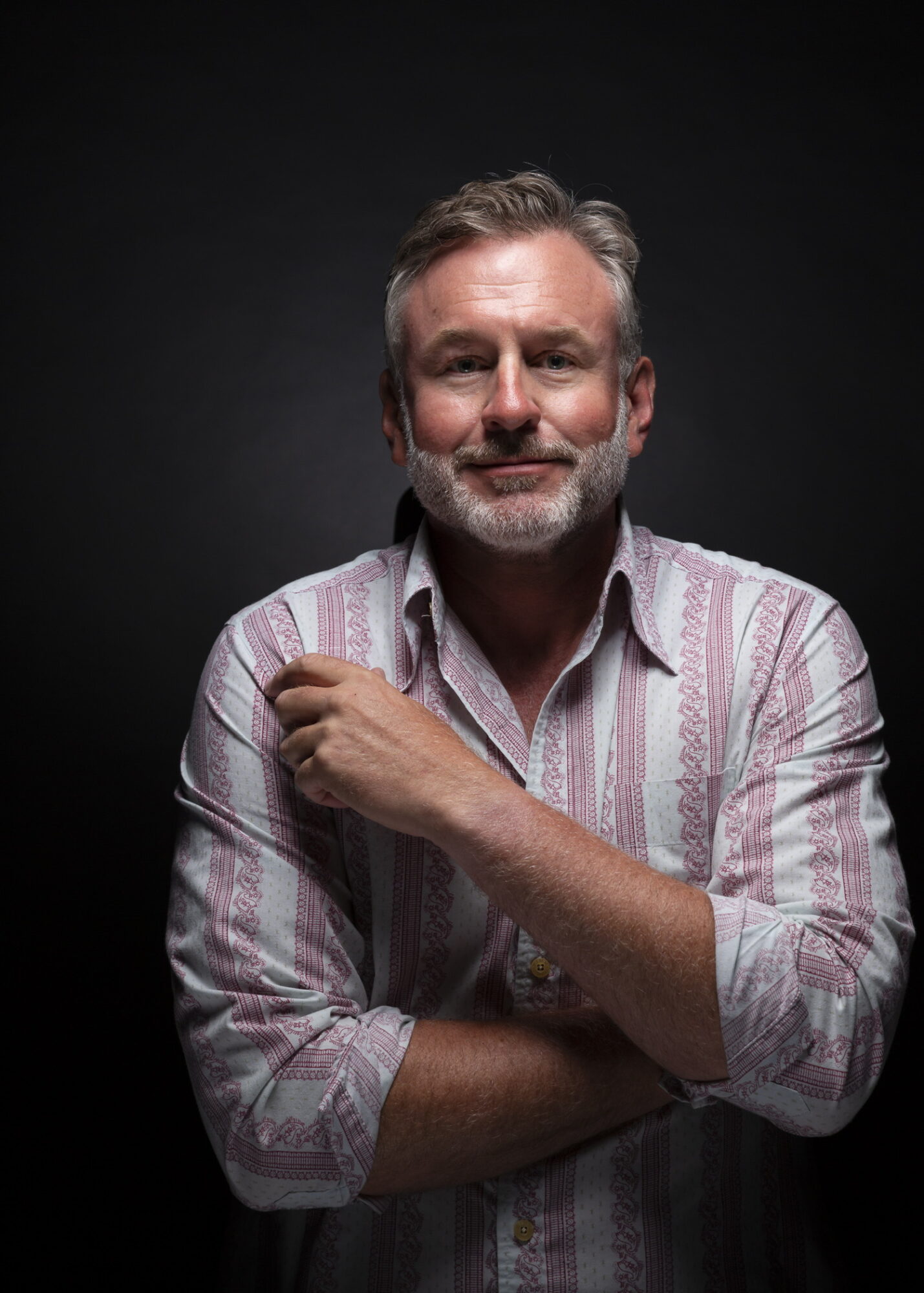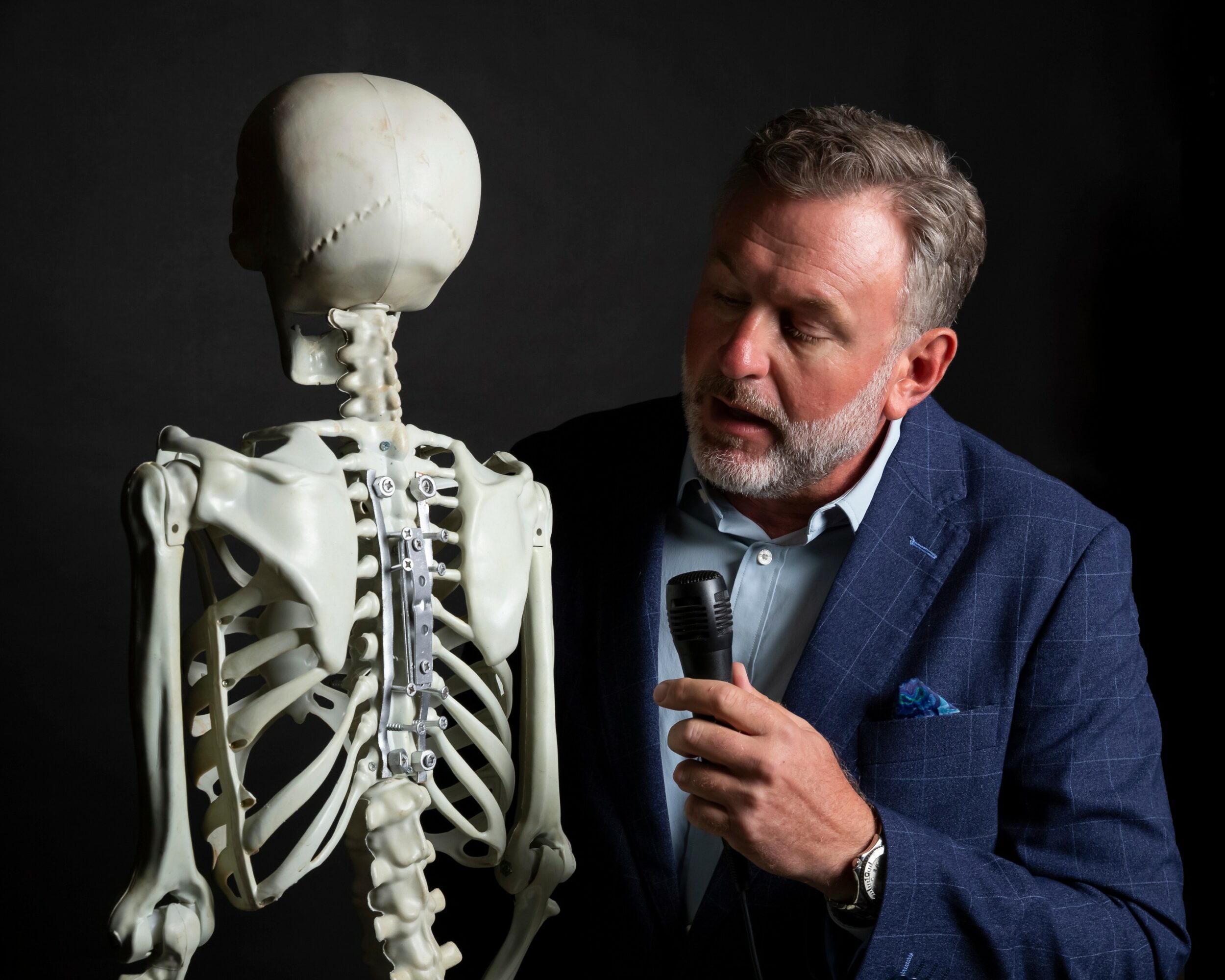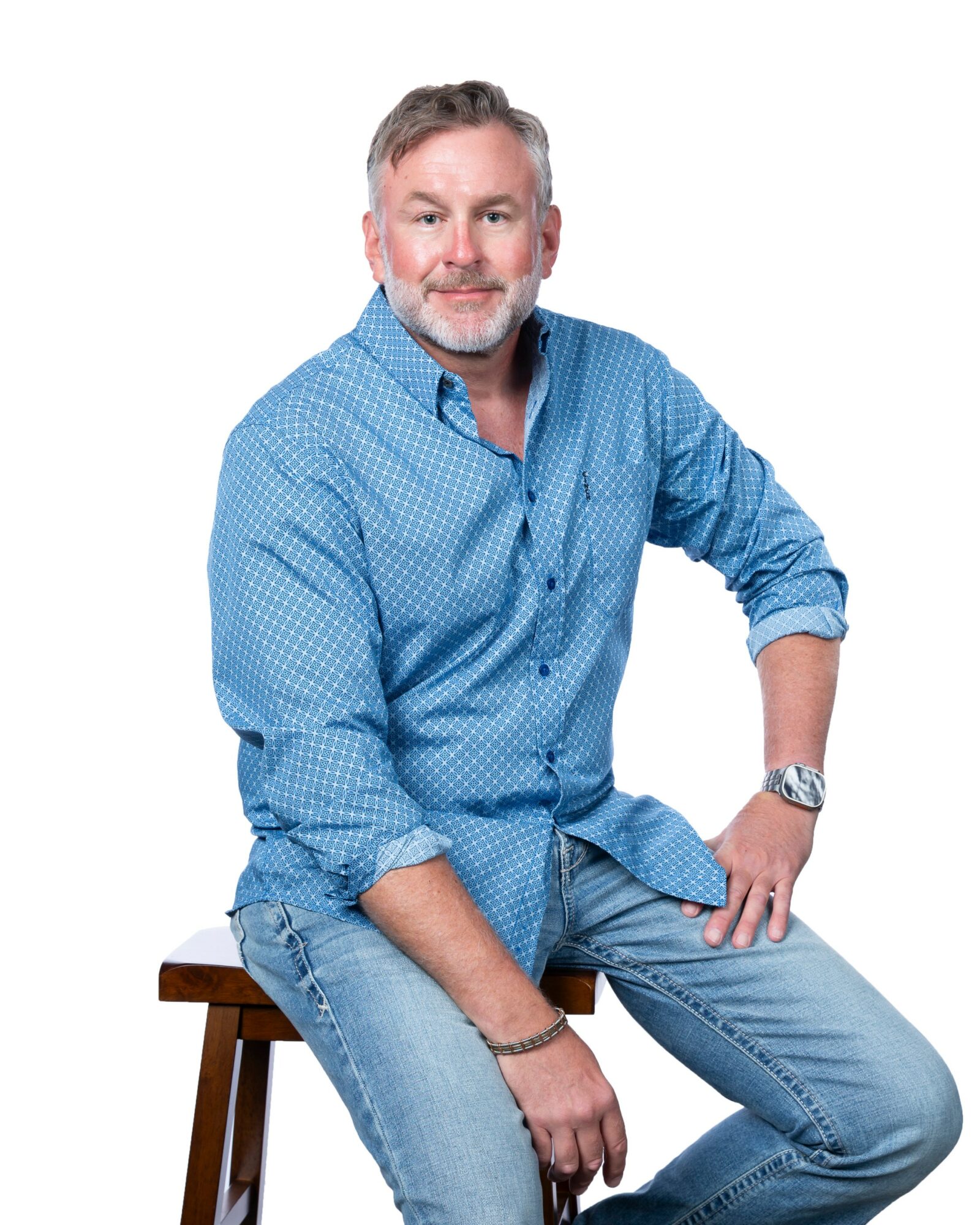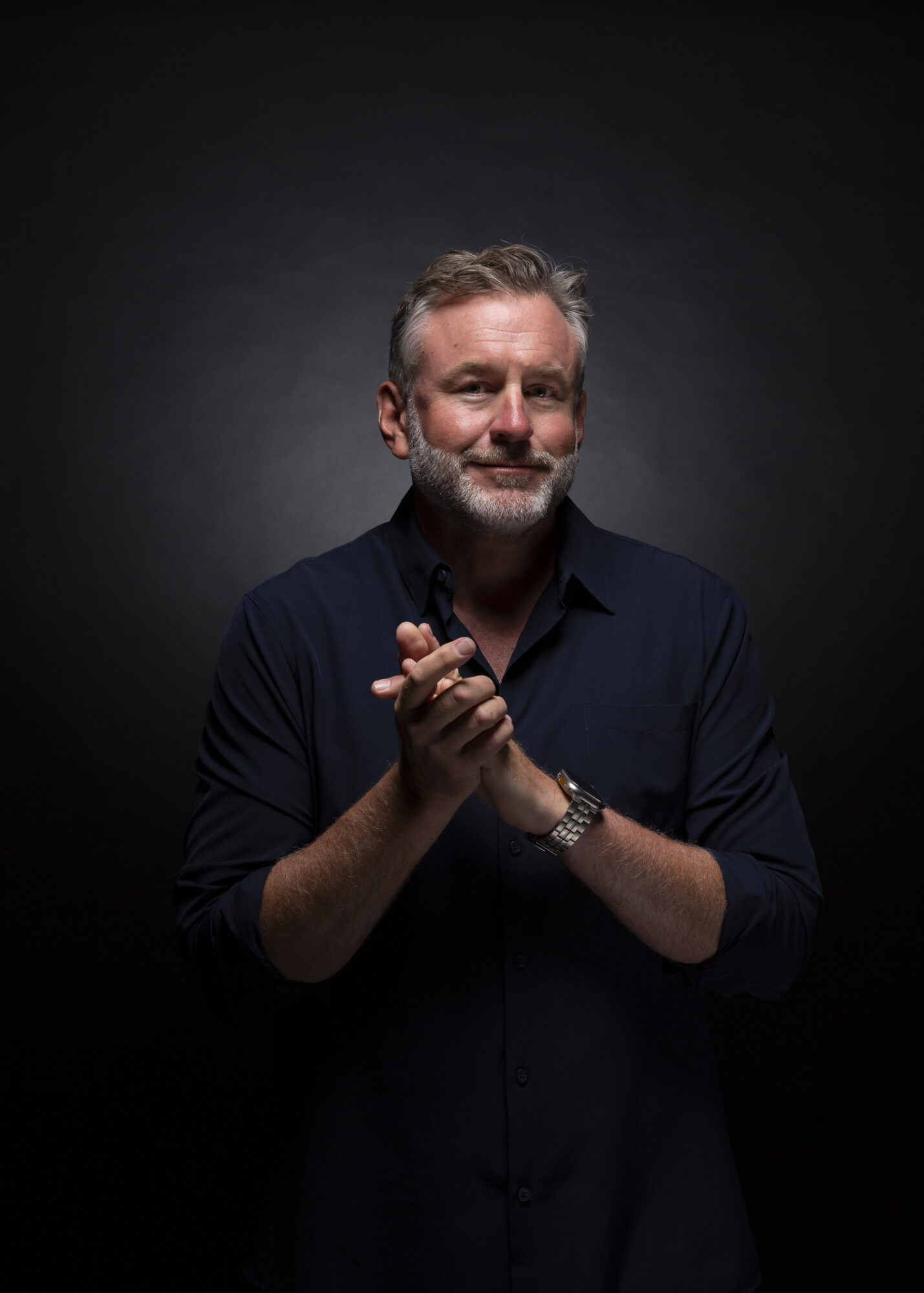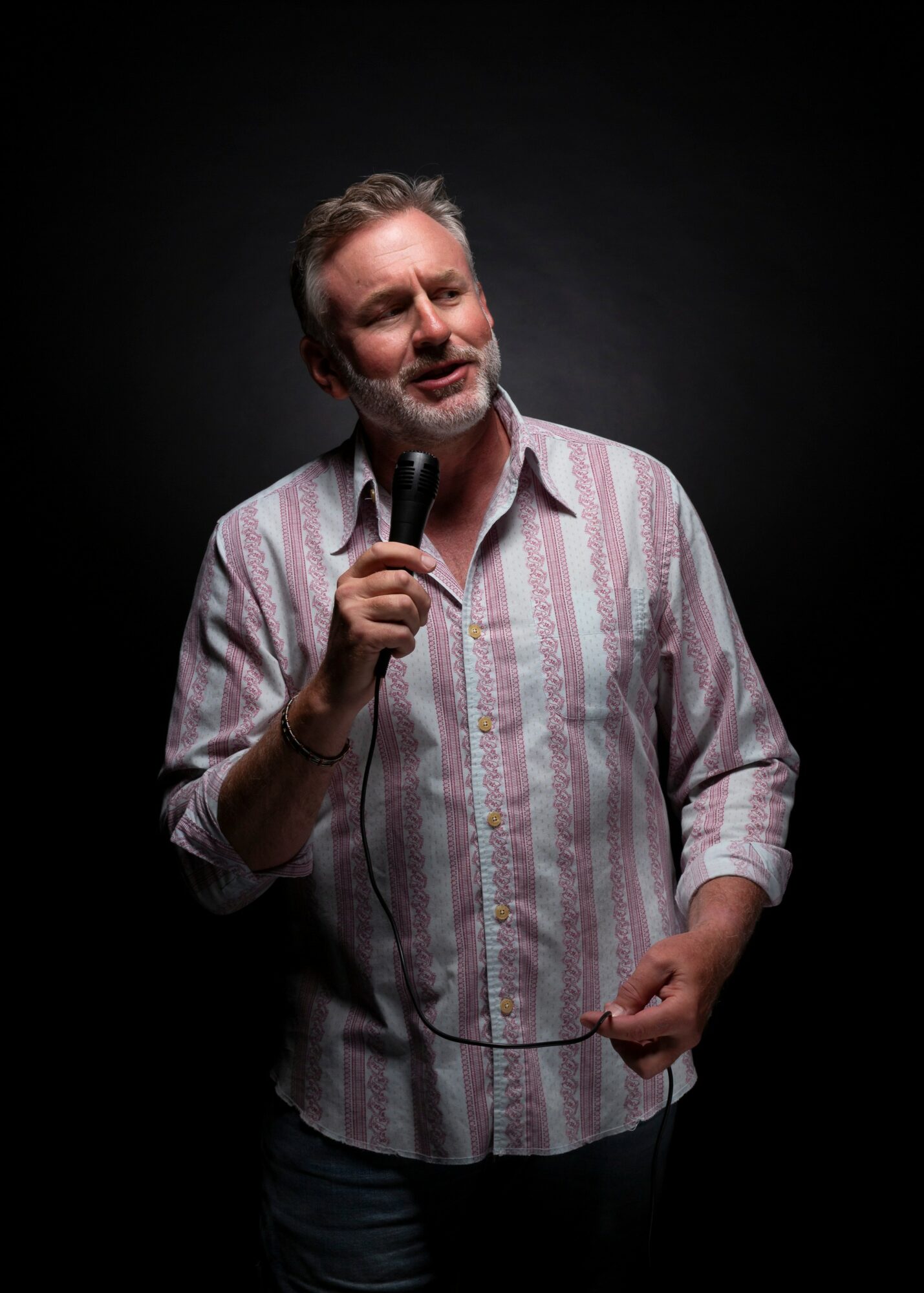



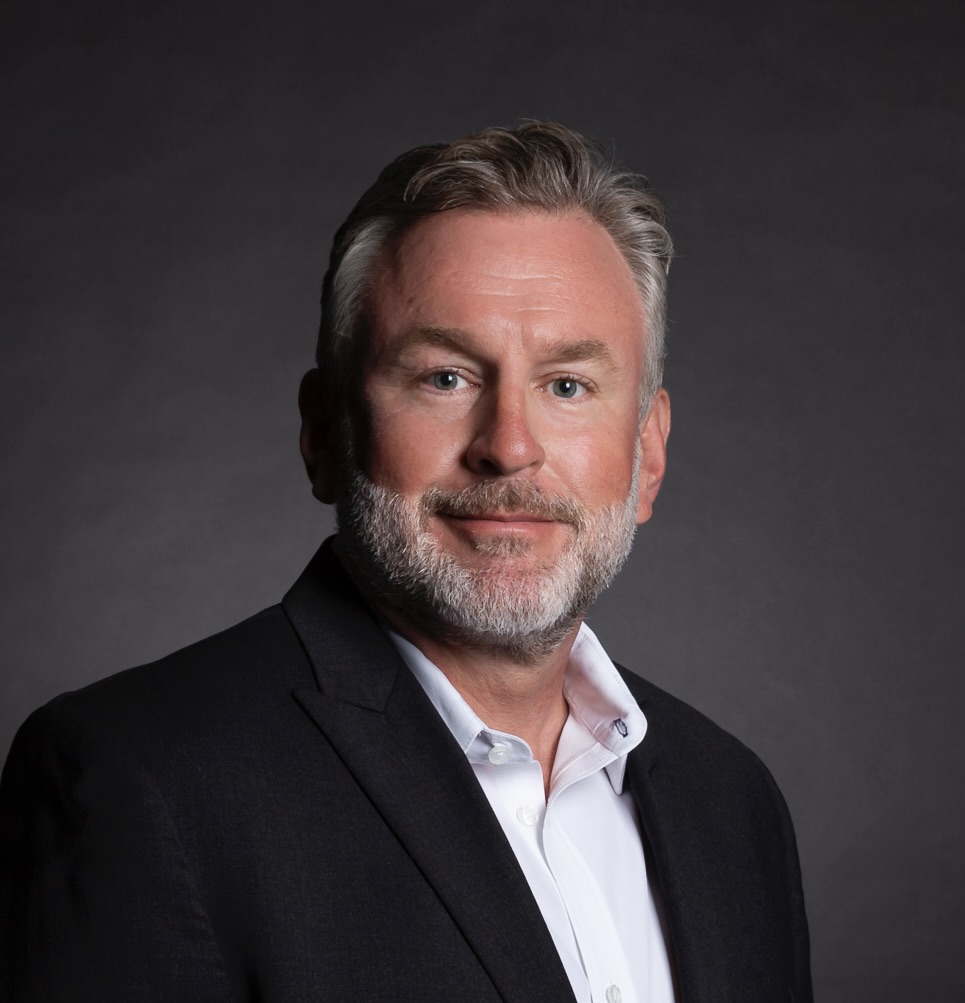
Today we’d like to introduce you to Kurt Wheeler.
Hi Kurt, it’s an honor to have you on the platform. Thanks for taking the time to share your story with us – to start maybe you can share some of your backstory with our readers?
I started my corporate career in 1993 in the height of a recession while thousands of people were willing to downgrade into entry-level jobs just to be able to hold on to something in their field. So for me, fresh out of college with no relevant experience but needing to work, I jumped into a low paying customer service desk job and started swimming. It’s been a wild ride for sure.
The company was fine enough, good people, with an interesting business model in the Financial Services Industry. Specifically MLM or Multi-Level-Marketing. In addition to the industry I studied the marketing side of the business and how emotions, especially disgust, can be tremendous motivators that inspire new people to sign up. I learned about how successful leaders played on the “deception of the corporate dream” to illustrate the carrot that is often dangling above our heads in most jobs that we will likely never grasp. It was effective in recruiting new “agents” into the business. The recruiting tactics often pointed out how the days of employer loyalty were over and it was really up to the individual to take charge of their career, work hard, and navigate it skillfully so to live out your dream.
Fortunately, as my career grew and I moved on to progressively more rewarding roles I did have the opportunity to contribute to some amazing organizations. However, I did live the rat race to the fullest and saw plenty of evidence of the old saying “if you were to die tomorrow, your replacement would be hired before your obituary hit the newspaper”
For the most part, I’m extremely proud of my corporate career because it took me from the dirt road where my family had lived for a couple of generations and created opportunities that changed my life. Traveling around the world on an expense account, meeting people of all walks of life, and working on some really cool initiatives. I reached the Executive Leadership level, and most importantly, felt that my work was actually making a difference. In retrospection, I am super proud of both what I’ve done and the way in which I accomplished my work.
However, something happened during the pandemic that no one saw coming. In my attempts to be trustworthy, dependable, loyal, and all the other things I learned in Boy Scouts, I came to realize that our new way of remote working had some serious issues. Specifically, if there ever was a defined “on the clock versus off the clock” work rhythm, this new thing we had found ourselves in was anything but. For many of us, we worked longer and sacrificed more than we ever had.
I had raised my hand to help lead a history making initiative and it really took a toll on me. Our mission was to convert highly-skilled, but idle, retail store employees to productive, remote contact center support teams. All via email, phone, text, at all hours of the day, we were literally defining the process as we stumbled through it. What we thought was going to be an occasional wave of 25, 50 or 100 employees quickly turned into back to back groups of 500, 750, 1000 or more that had to be quickly reached, coordinated with, provided hardware, configured with permissions, and then handed over to the training team within about 3 to 4 days.
From March through October in 2020, my team had personally assisted over 10,000 colleagues to redefine their jobs.
The clock never stopped. We went for weeks after weeks with no days off and no real concept of “quitting time”. The goal was not to lay anybody off, but keep everyone engaged. It felt like truly admirable work. This was a global very well-known brand that had an outward reputation for treating their people exceptionally well, and we were living up to that, except we were quietly killing ourselves in the process.
I’m an overachiever and I know that. I like to work, and I love to help people. But I didn’t see this one coming.
Within a few months, the compounded effect of the stress, organizational politics, and my own toxic productivity created the conditions for me to contract a bacterial infection that literally stopped me in my tracks. It resulted in four massive surgeries on my spine (directly behind my heart), weeks of bed-ridden hospitalization, countless doctors visits, and daily antibiotic infusions, It absolutely sidelined my esteemed career, required that I learn to walk again, and reset absolutely everything
For someone like me, results-driven, career-focused, with high-functioning, ADHD, that’s a hard pill to swallow but I emerged on the other side much more grateful and empathetic as a result.
It’s a hell of a story.
But, I learned that addiction to your work can be just as damaging as any substance. Often life has a way of slapping you in the face so that you are forced to check in on your core values and the compromises that you might be making to your long term vitality. For me having radical spinal reconstructive surgery was one of the most significant events of my life. Not only was it a wake up call, but it gave me a sense of perspective about what I had accomplished, what I was proud of (myself), and who was I really working hard for (hint, it was NOT my boss).
Most importatly, it gave me a conversation to have with others who might have followed the same path and might now be looking for a way out.
“Scars Tell Stories” is about how I rediscovered myself at 50, and started dreaming like a teenager again.
We all face challenges, but looking back would you describe it as a relatively smooth road?
From where I sit today it seems like a simple story of “I caught something, the doctors helped me, and I got better.” But there were countless moments when an offhand remark would be made by a physician or care provider that would shake me to my core. Things like “you know 10 years ago there was nothing they could do, you would’ve been left for a bag of bones”, or “if you hadn’t had been moved to the front of the line, it might’ve been months before you were seen and that could have left you permanently paralyzed”.
What I do know is that it’s scary when someone refers you to an oncologist because they think you have cancer. What I also know is that many of the people who work in those professions are some of the most skilled and caring angels on this earth. What I also learned was a personal experience in the level of pain you can endure before you start thinking about ways to just end it yourself.
So I focused on what I could do to make it through. I learned some things, especially patience. I know I couldn’t have done it without my wife and family.
No way. Impossible.
Great, so let’s talk business. Can you tell our readers more about what you do and what you think sets you apart from others?
I didn’t set out to become a change strategist. I set out to solve problems. Over 20 years, that path took me inside some of the most complex, high-stakes organizations in the world — from Apple’s global contact center network to HP’s enterprise-wide Lean Six Sigma transformation to multi-site lab operations serving global clients.
As far as competencies, I am a Lean Master Black Belt (MBB) and Lean Executive Belt. My approach combines proven methodologies with a natural ability to energize teams — building the trust, momentum, and shared ownership that make change actually stick
What I’ve learned is this: most organizations don’t fail because they lack smart people or good intentions. They fail because they can’t translate insight into action — and sustain that action long enough for it to matter. That’s the gap I’ve spent my career closing. Culture counts and we can measure that too. It all goes into building a vision for the future based on knowing “what’s working well” and what would be “even better if…”
My approach is deeply human. Before I redesign a workflow or facilitate a Kaizen event, I listen. I learn the culture, the informal power dynamics, the places where past change efforts have left scar tissue. Then I build a path that people actually want to walk. Whether that’s identifying ways to save money, steps that increase revenue, planning for smart growth, or evolving into something completely different. We’re in it together.
Whether I’m embedded as a fractional CI Director, facilitating a 5-day transformation sprint, or speaking to a room of 1,000 leaders, my goal is always the same: leave the organization permanently stronger than I found it.
Today I specialize in working with Creatives or Creative-Adjacent industries (Culture & Arts) who can’t afford to let dysfunction derail their momentum.
When I am not saving the world (one presentation at a time), I enjoy live music, open-road adventures, exploring new locations, cultures, and food.
What matters most to you?
Change is human.
Every process improvement is ultimately about people. If your change strategy doesn’t account for human behavior, it won’t hold.
Speed ≠ shortcuts.
I believe in moving fast — but with precision. Sustainable transformation is built on clarity and alignment, not urgency alone.
Complexity is temporary.
Every complicated system was once a series of solvable problems. I find the signal in the noise and build the path forward.
Ownership transfers.
My job is to work myself out of a job. The best engagements end with teams who no longer need me.
And, Relationships matter. We are all in this together.
Pricing:
- Available for short, mid, and longer term engagements
Contact Info:
- Website: https://www.kurtwheeler.com
- LinkedIn: kurtiswheeler